 English
 中文简体
中文简体
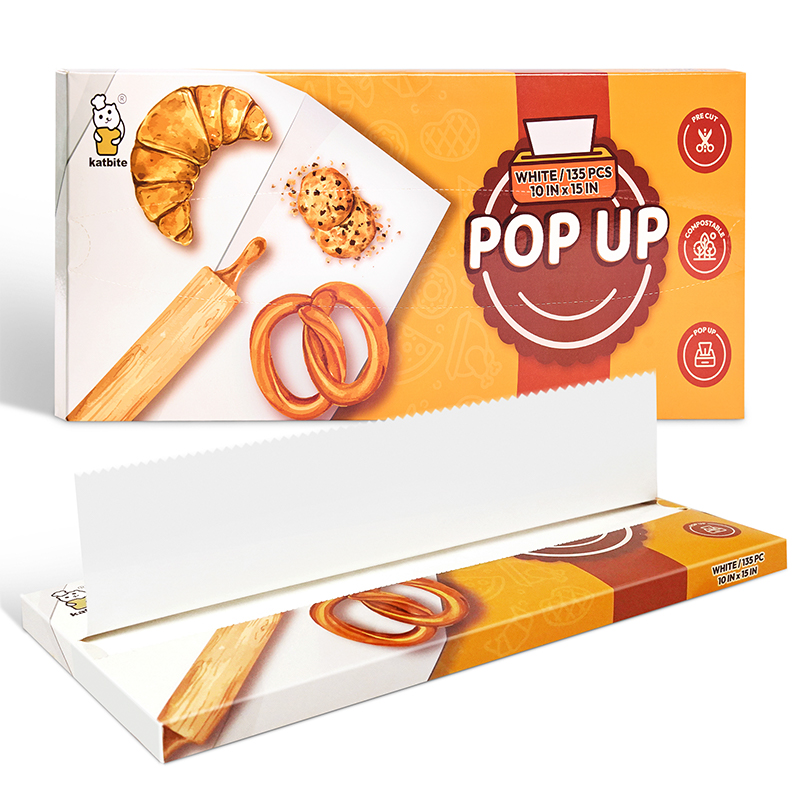
Product details: Pop-up parchment paper sheets, an environment-friendly product, are composed of wood pulp and are double-side coated with silicone. Such a coating makes our paper smooth, greasepr...
See DetailsParchment Paper Coating Guide for Safe Oven Baking
You pulled your cookies out of the oven only to find half of them stuck to the pan, tore apart when lifted, and took the crispy bottom with them. Or your cake liner wrinkled mid-bake and left creases pressed into the sponge. Maybe you picked up a roll that darkened and curled at the edges well before your bake was done. These are not baking failures - they are liner failures, and they happen far more often than home bakers realize. Not all baking liners are made to the same standard, and a Parchment Paper Factory that cuts corners on coating quality or heat tolerance will quietly undermine every bake you attempt. Choosing the right liner from the start removes an entire category of problems from your kitchen.
What Is This Liner, and Why Does It Matter for Your Bakes?
Parchment paper is a cellulose-based paper that has been treated to be heat-resistant, non-stick, and moisture-repellent. The treatment is what matters - a thin layer of food-grade silicone applied to one or both sides gives it the non-stick performance and thermal stability that makes it suitable for oven use.
It is used in baking for three core reasons:
- Non-stick surface - baked goods release cleanly without greasing pans or tearing
- Heat management - it distributes heat evenly beneath food and protects delicate items from direct pan contact
- Cleanup efficiency - the pan underneath stays clean, and the liner is removed after use
Without a reliable liner, baking relies on greasing, flouring, or spraying - all of which add fat, can affect browning, and still sometimes fail with sticky doughs or sugar-heavy batters.
Five Properties That Separate a Good Liner from a Poor One
Before comparing types, it helps to know what properties actually matter. Not all of these show up on packaging, which is why understanding them in advance gives you an edge when shopping.
| Property | Why It Matters | What to Look For |
|---|---|---|
| Heat resistance | Prevents darkening, curling, or burning during baking | Rated for your oven's working temperature |
| Non-stick performance | Determines whether food releases cleanly | Silicone-coated surface, not Quilon-coated |
| Food safety | Affects whether chemicals migrate into food under heat | Food-grade silicone, chlorine-free processing |
| Thickness and durability | Impacts whether it tears when wet or when food is lifted | Heavier gsm weight for longer bakes |
| Moisture and grease resistance | Stops wet batters and fatty foods from soaking through | Silicone impregnation, not just surface coating |
If a product cannot confirm its coating type, its heat tolerance, or its food-contact safety credentials, treat that as a gap in the information - not a reason to assume it is fine.
The Main Types You Will Encounter
Bleached vs. Unbleached
The color is one visible difference. Bleached liners are white; unbleached are brown. The difference is not purely aesthetic.
- Bleached liners are treated with chlorine or chlorine compounds to achieve a uniform white color. Under high heat, trace amounts of chlorine byproducts can be released. For baking where appearance of the liner matters - such as pastry presentation or gift wrapping - bleached is sometimes preferred for its look.
- Unbleached liners skip the chlorine treatment, retaining a natural tan or brown color. They carry no chlorine-related chemical risk under heat and are generally the preferred choice for regular oven use.
For everyday home baking, unbleached is the safer and more straightforward choice.
Silicone-Coated vs. Quilon-Coated
This distinction is more important than the color choice and far less visible on packaging.
- Silicone-coated liners use food-grade silicone, a stable synthetic rubber made from silicon, oxygen, carbon, and hydrogen. It does not react with food, does not release harmful substances under heat, and provides consistent non-stick performance. Silicone-coated products are the standard for food-safe, high-temperature baking.
- Quilon-coated liners use a chromium-based compound as the release agent. Chromium is a heavy metal, and at elevated temperatures, trace migration into food is a documented concern. Quilon-coated products are often found at lower price points, which is how they end up in kitchens without bakers realizing the coating difference.
When in doubt, the question to ask is simply: what is the release coating? If the answer is not silicone, keep looking.
Pre-Cut Sheets vs. Rolls
- Pre-cut sheets are sized to fit standard baking trays. They save time, eliminate measuring and cutting, and lay flat without curling at the edges. For home bakers who use standard pan sizes consistently, pre-cut sheets reduce friction during prep.
- Rolls offer flexibility. They can be cut to any size, used for non-standard pans, and tend to be more economical per square foot over time. The downside is the extra step of measuring and cutting, and some rolls curl upon unrolling, requiring a moment to flatten.
Neither is categorically better - the choice depends on how often you bake and how varied your pan sizes are.
Matching the Right Liner to What You Are Baking
Cookies
Cookies need a flat, even surface and clean release, especially with sugar-heavy doughs that caramelize at the base. An unbleached, silicone-coated liner on a pre-cut sheet works well. Avoid thin or low-grade liners here - they can cause uneven browning where the paper is inconsistent in thickness.
Cakes
Lining a round cake tin requires cutting and fitting, which is where rolls are more practical. The liner needs to hold its shape when wet batter is poured over it. A heavier-weight liner is preferable here - thin liners can absorb moisture from the batter and weaken before the bake is complete.
Bread and Enriched Doughs
Bread baking at higher temperatures puts more demand on thermal tolerance. Confirm that the liner you are using is rated for the temperature your recipe calls for - some liners marketed for general baking may not hold up well above a certain point. Silicone-coated options consistently outperform Quilon-coated ones in this range.
Roasting Vegetables and Proteins
Roasting adds the variable of fats and juices pooling on the liner surface. The liner needs strong grease resistance to prevent soaking through and sticking to the pan below. A heavier, dual-sided silicone-coated liner handles this scenario better than a single-sided or lighter product.
Common Mistakes That Quietly Ruin Bakes
Even bakers who invest in a quality liner can undermine it with the following habits:
- Confusing wax paper with a baking liner. Wax paper is coated with paraffin, which melts under oven heat. It is not safe for oven use and will smoke, melt, and potentially catch fire. The packaging looks similar; the application is entirely different.
- Exceeding the liner's heat tolerance. Every liner has a ceiling. Going above it causes the paper to darken, become brittle, or release fumes. If your recipe requires a high oven temperature, verify the liner's rated limit before using it.
- Reusing damaged sheets. A liner that has been torn, heavily stained, or structurally weakened from a previous bake should not go back in the oven. The non-stick coating degrades with each use, and a damaged liner will not perform the same way twice.
- Forcing the wrong size. A liner that extends too far up the sides of a baking tray will fold or collapse against the food, leaving marks or causing uneven baking. Cut to fit, or choose pre-cut sheets that match your pan dimensions.
- Assuming all products in the same price range are equivalent. Coating type, thickness, and manufacturing consistency vary widely. Two products at the same price point can perform very differently.
How Does It Compare to Alternatives?
Aluminum Foil
Foil conducts heat directly and can cause food to brown faster on the bottom. It does not have a non-stick surface - food will stick unless greased. It is useful for covering food during baking or for lining roasting trays where no delicate non-stick release is needed, but it is a poor substitute for a baking liner when even browning and clean release matter.
Silicone Baking Mats
Reusable silicone mats are a long-term alternative that eliminates paper waste. They perform well for cookies and flatbreads and can be washed and reused many times. The limitation is that they trap moisture at the base of baked goods, which affects browning - items baked on silicone mats often have a paler, softer bottom compared to those baked on a parchment liner. For applications where a crisp base matters, the liner has an advantage.
Greasing the Pan Directly
Greasing adds fat and can affect the texture of the crust. It also fails with sticky doughs and high-sugar batters where the fat alone is not enough to prevent adhesion. A non-stick liner removes this variable entirely.
How to Evaluate Quality Before You Buy
When you cannot test a liner before purchasing, these indicators help:
- Coating specification on the label - look for "food-grade silicone" as an explicit claim, not just "non-stick"
- Color and consistency - unbleached products should be uniformly tan; irregularities in color can indicate uneven processing
- Thickness feel - a liner that feels thin and papery in hand will likely perform below expectations; a slightly heavier weight has more durability under wet conditions
- Burn behavior - a food-safe liner, when held briefly near a low flame, should not produce sharp or chemical-smelling smoke; if it does, the coating may not be what it claims
- Food-contact labeling - products designed for food use should state it; if this is absent from the packaging entirely, the product may not have been tested to food-safety standards
Practical Scenarios at a Glance
| Baking Scenario | Recommended Choice |
|---|---|
| Everyday cookies | Unbleached, silicone-coated, pre-cut sheets |
| Round cake lining | Unbleached roll, cut to fit |
| High-temperature bread | Heavy-weight, silicone-coated, heat-rated liner |
| Roasting with fats and juices | Dual-sided silicone-coated, grease-resistant liner |
| Freezer use or food wrapping | Unbleached, moisture-resistant; no wax paper |
| Presentation baking (gifts, pastry display) | Bleached if white appearance matters, otherwise unbleached |
A Simple Framework for Making the Decision
If you are choosing a liner for the initial time or replacing a product that has let you down, work through these questions:
- What temperature does my oven reach during a typical bake? Confirm the liner is rated for that range, with some margin above it.
- What coating does the product use? Silicone-coated is the answer you are looking for. Quilon-coated or unspecified are reasons to keep looking.
- Is it bleached or unbleached? For oven use, unbleached is preferable. Bleached can be used when appearance of the liner matters and no heat is involved.
- Do I need pre-cut sheets or a roll? Standard pan sizes point toward sheets; varied pan sizes or non-standard uses point toward rolls.
- How often do I bake? High frequency bakers benefit from rolls for cost efficiency and silicone mats as a complement; occasional bakers are well served by a good box of pre-cut sheets.
Choosing a Supplier You Can Rely On
Selecting a liner is only part of the equation. Consistency across batches matters for anyone baking regularly, and that consistency comes from the manufacturing process. A product that performs well once and differently the next time is a sourcing problem, not a usage problem. Zhejiang Guanghe New Materials Co., Ltd. produces baking liner products with clearly defined coating specifications, food-contact safety compliance, and consistent manufacturing standards. For home bakers and small-scale operations who want a reliable supply of properly specified baking liners, reaching out to discuss product options, specifications, and order quantities is a practical next step. Getting the liner right from the source removes one more variable from your baking - and that is where consistent results actually begin.
Related Products
-
-
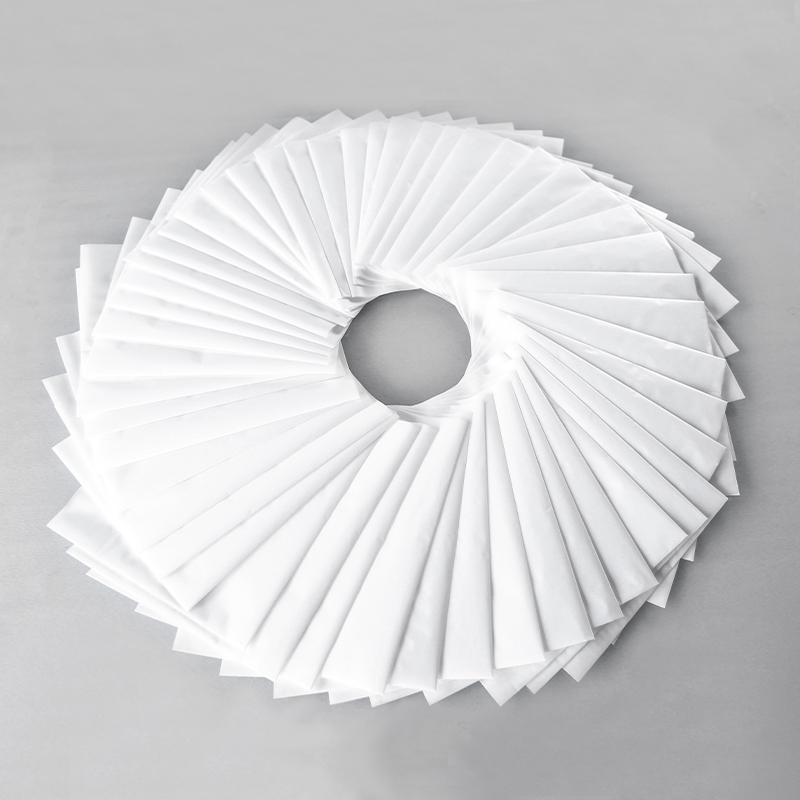
Product details: Folded baking paper sheets, an environment-friendly product, are composed of wood pulp and are double-side coated with silicone. Such a coating makes our paper smooth, greaseproof and...
See Details -
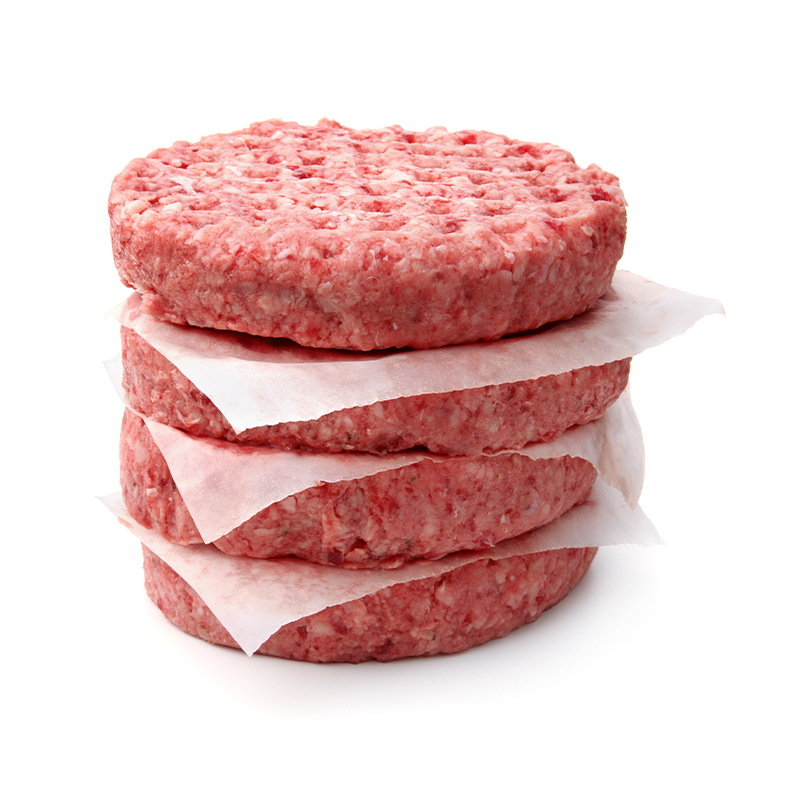
Description: Wax paper is the paper that is coated with food-grade wax in order to make it non-stick and waterproof. wax paper is very good for food storing and presentingMade of food-grade paper and ...
See Details -
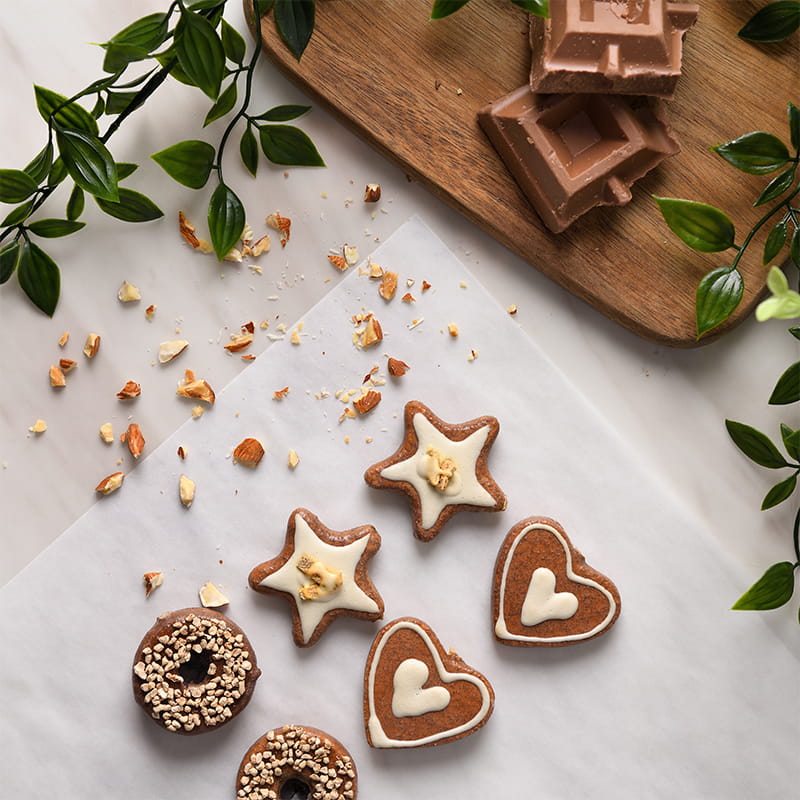
Product Features: 1. Virgin wood pulp 2. Double sides food grade silicone-treated 3. Fluorine-free 4. Non-stick 5. Oven/Microwave safe 6. Freezer safe 7. Reusable 8. BPA f...
See Details -
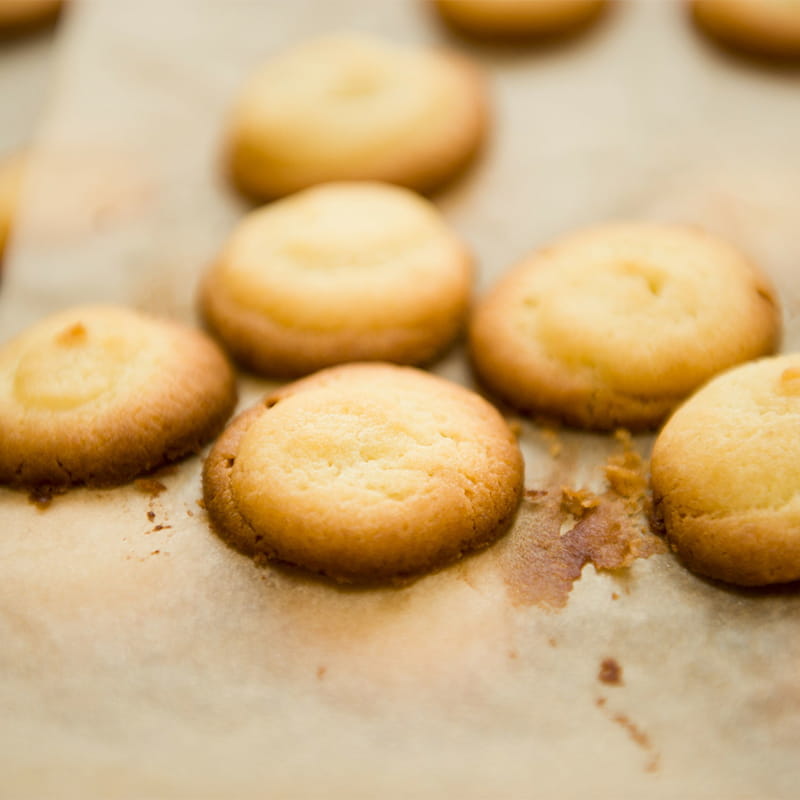
Product Features: 1. Virgin wood pulp 2. Natural unbleached brown color 3. Double sides food grade silicone-treated 4. Fluorine-free 5. Non-stick 6. Oven/Microwave safe 7. Fre...
See Details -
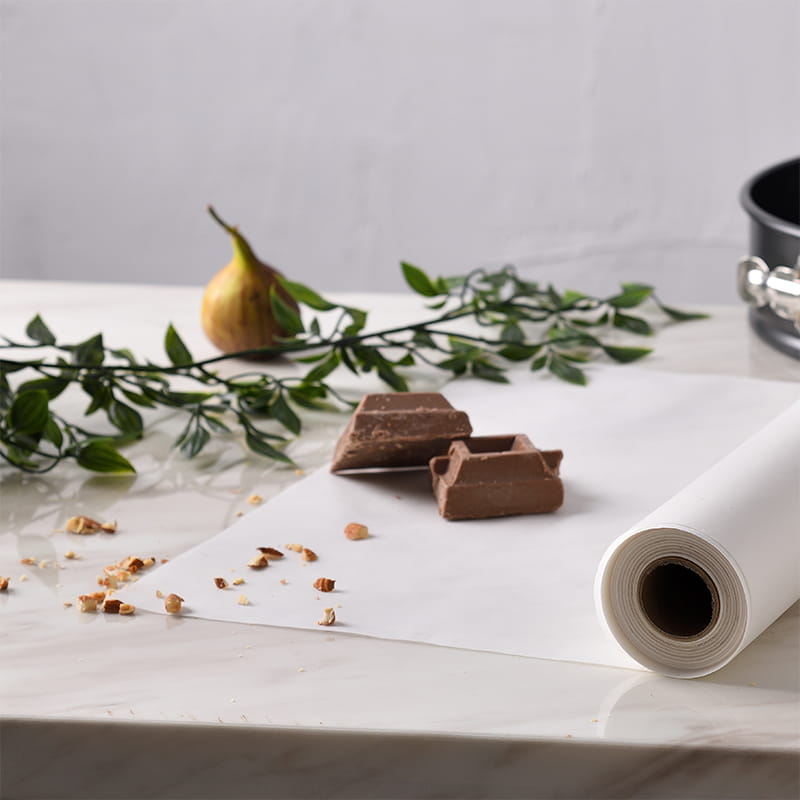
Product Features: 1. Virgin wood pulp 2. Double sides food grade silicone treated 3. Fluorine-free 4. Non-stick 5. Oven/Microwave safe 6. Freezer safe 7. Reusable 8. BPA ...
See Details -
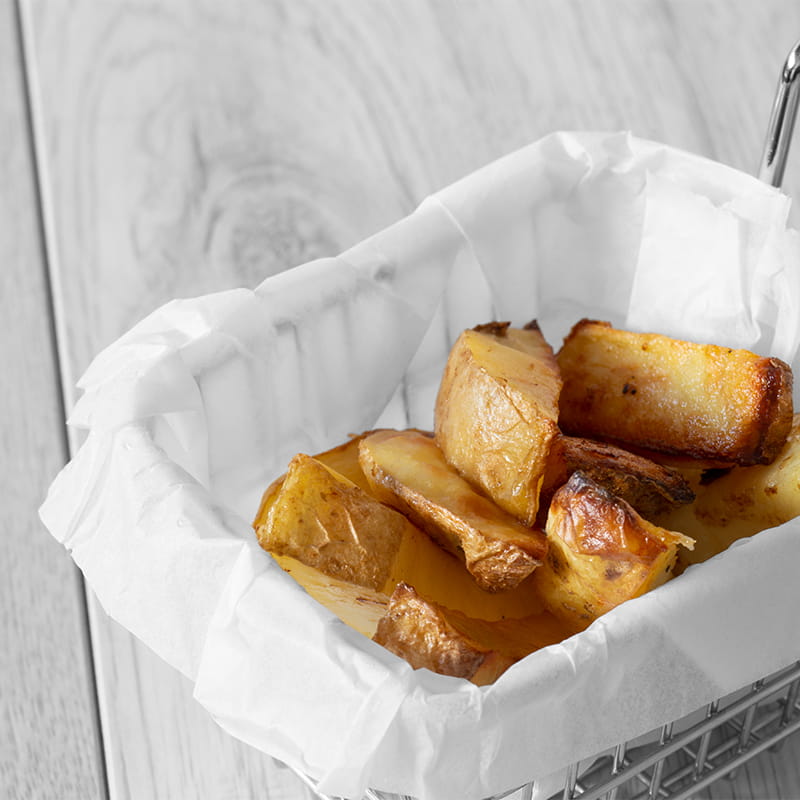
Product Features: 1. Virgin wood pulp 2. Fluorine-free 3. BPA free 4. Biodegradable Product Details: In an era where environmental consciousness and sustainability are paramount, Natu...
See Details -
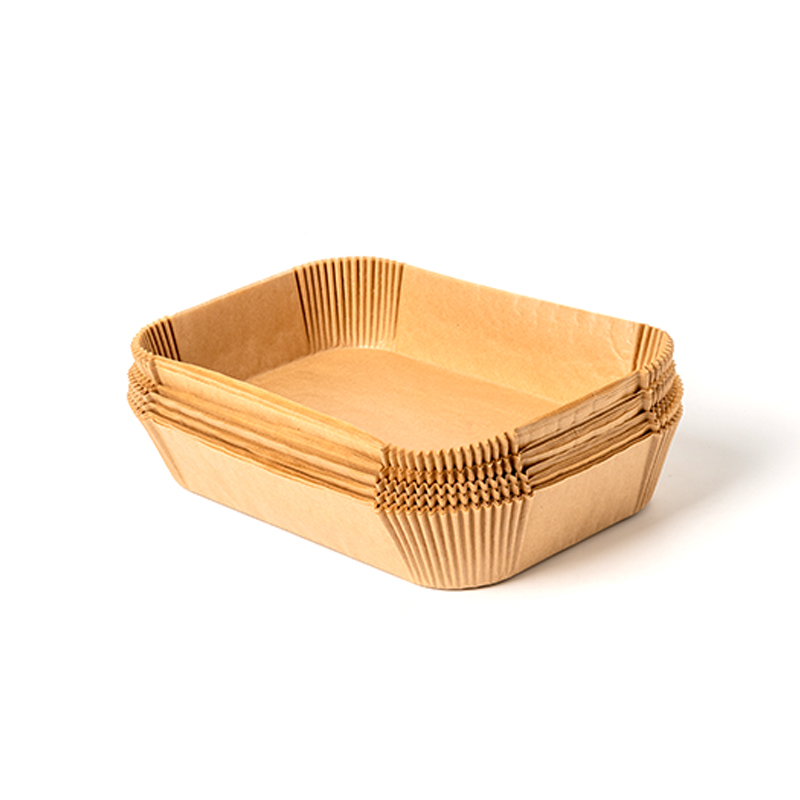
Product Features: 1. Virgin wood pulp 2. Double sides food grade silicone-treated 3. Fluorine-free 4. Non-stick 5. Air fryer basket safe 6. Reusable 7. BPA free 8. Biodeg...
See Details -
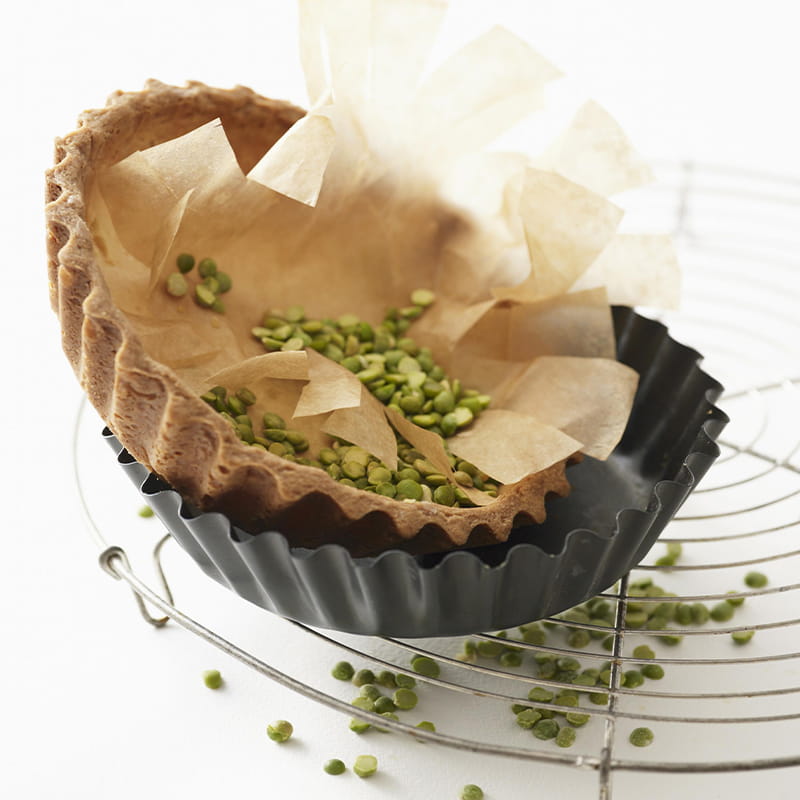
Product Features: 1. Virgin wood pulp 2. Natural unbleached brown color 3. Fluorine-free 4. BPA free 5. Biodegradable Product Details: Introducing our Unbleached Brown Food Grade ...
See Details -
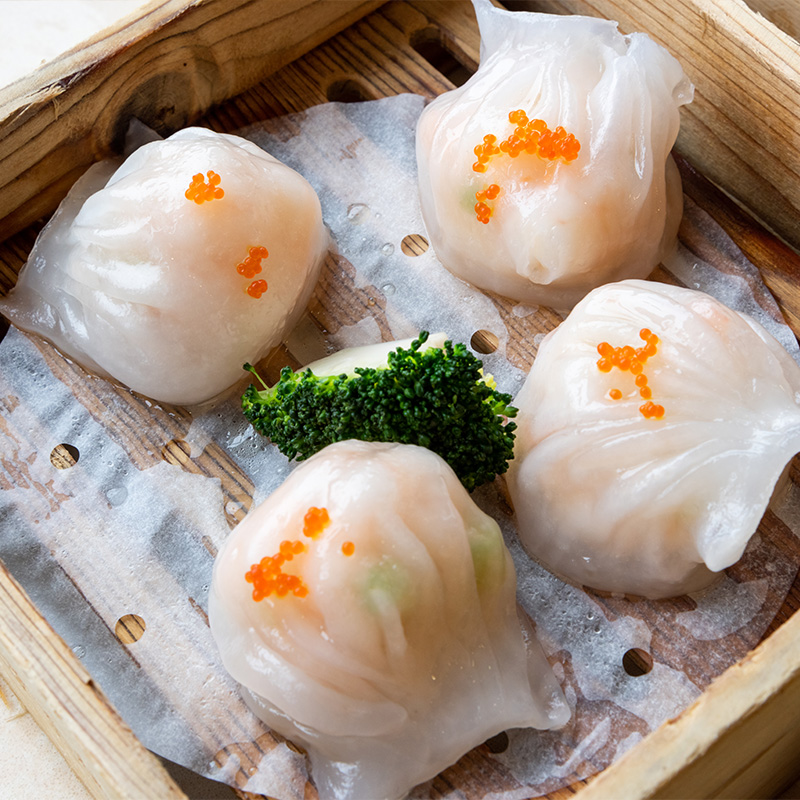
Product Features: 1. Virgin wood pulp 2. Double sides food grade silicone treated 3. Fluorine-free 4. Non-stick 5. Steamer/air fryer basket safe 6. Reusable 7. BPA free 8...
See Details -
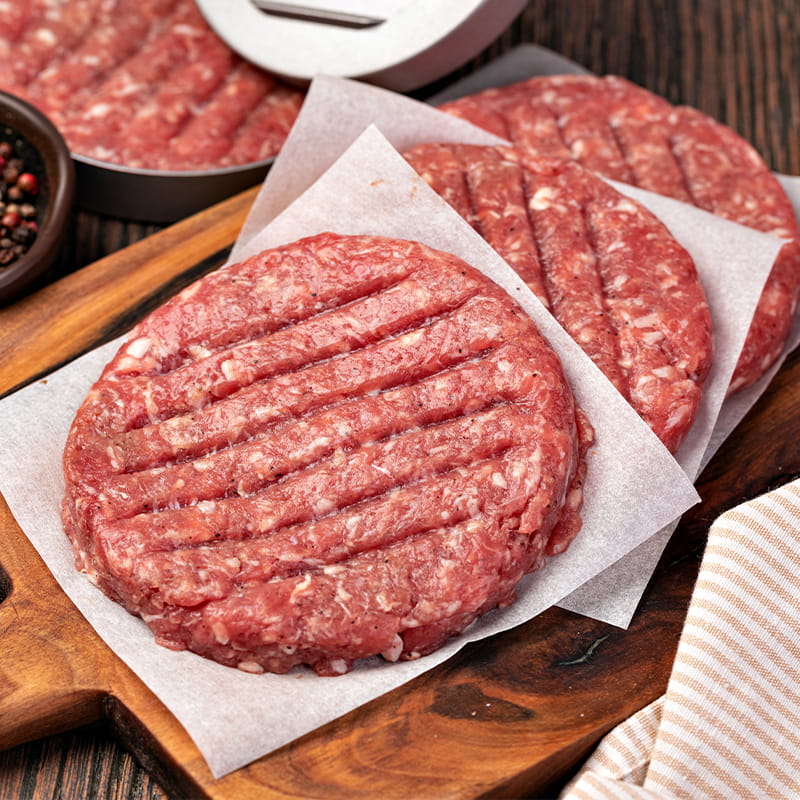
Product Features: 1. Virgin wood pulp 2. Double sides food grade silicone treated 3. Fluorine-free 4. Non-stick 5. Easy to separate 6. Reusable 7. BPA free 8. Biodegradab...
See Details -
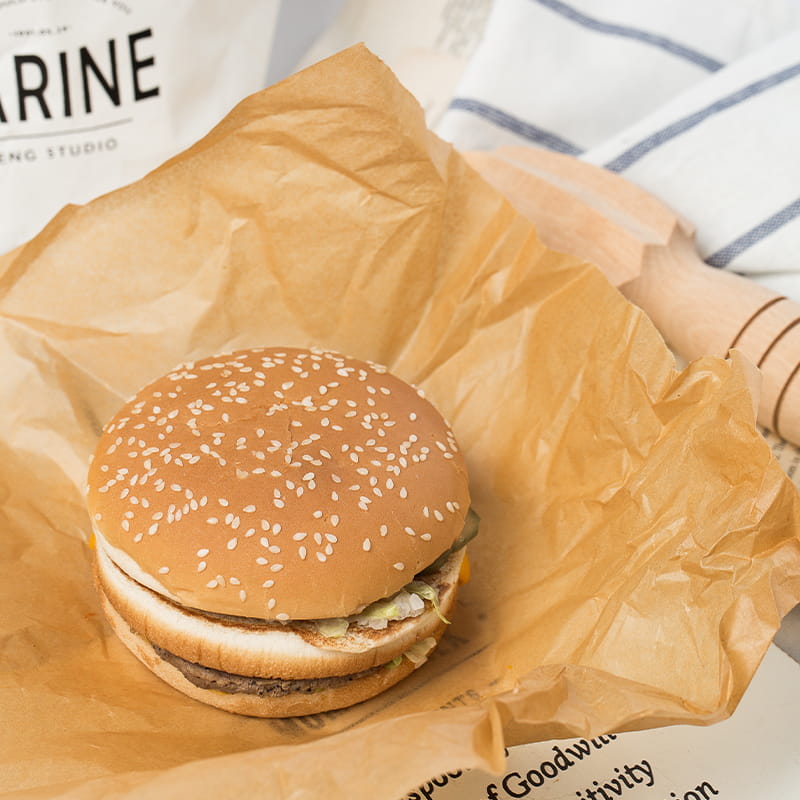
Product Features 1. Virgin wood pulp 2. Flexographic printing 3. Eco-friendly water-based ink 4. BPA free Product Details: Introducing our premium Greaseproof Sandwich Paper Sheets, a...
See Details

Professional Baking Parchment Paper Manufacturer in China with more than 15 years silicone coating experience.
Products
Contact Us
- No.10 Longyin Road, Chengnan Industrial Park,Longyou, Quzhou, China.
- +86-18968091013 / +86-571-88639705
- Avayao-1990@hotmail.com
Copyright © Zhejiang Guanghe New Materials Co., Ltd. All Rights Reserved.
Parchment Paper & Baking Paper Sheets Manufacturer
