 English
 中文简体
中文简体
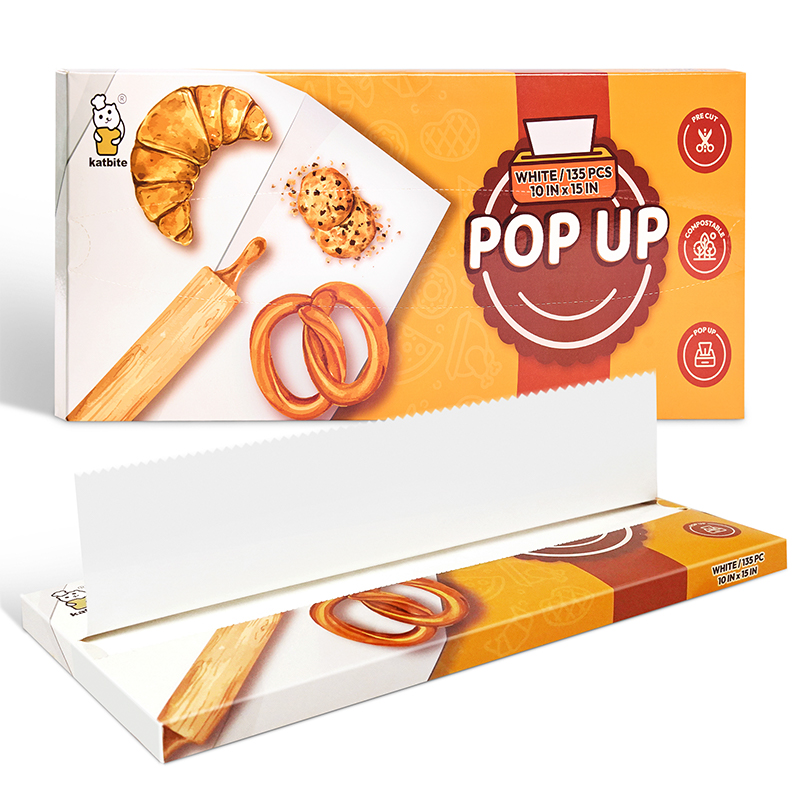
Product details: Pop-up parchment paper sheets, an environment-friendly product, are composed of wood pulp and are double-side coated with silicone. Such a coating makes our paper smooth, greasepr...
See DetailsParchment Paper Sheets vs Rolls: What Buyers Compare
Choosing between sheets and rolls sounds simple — until you are standing in a commercial kitchen juggling three different tray sizes, a weekly production schedule that changes on short notice, and a supplier waiting on your order. The format you pick is not a minor detail. It shapes how fast your team moves, how much material ends up in the bin, and whether your workflow holds together under real pressure. A good Parchment Paper Factory can supply either format, but knowing which one actually suits your setup before placing that call makes the whole process a lot smoother.
What Parchment Paper Is and Why Format Matters
The material itself is a silicone-coated cellulose sheet — non-stick, heat-resistant, food-safe. It keeps baked goods from welding themselves to trays, handles moisture without breaking down, and works across everything from high-temperature roasting to cold storage food prep. Bakeries rely on it for daily production. Food manufacturers use it to line packaging and separate stacked products. Catering operations use it to keep prep surfaces clean and reduce cleaning time between batches.
Here is the thing: sheets and rolls are made from the same material. The silicone coating, the heat tolerance, the non-stick surface — none of that changes based on format. What changes is how that material interacts with your workflow, your storage setup, and your team's daily routine.
- Sheets skip the cutting step entirely, which matters a lot when you are lining fifty trays a morning
- Rolls give you any length you need, which matters a lot when your tray sizes keep changing
- Getting the format wrong does not ruin the product — it just costs you time or material you did not need to lose
Understanding that distinction is where the buying decision actually starts.
How Sheets and Rolls Actually Differ
Sheets Come Ready to Use
Pre-cut sheets arrive sized to standard commercial tray dimensions. Pull one out, drop it in, done. There is nothing to measure, nothing to cut, and no decision to make at the point of use.
- Same dimensions every time — no guessing, no trimming
- No cutting tools needed and no extra prep space required
- Very fast when you are repeating the same tray setup all day
- Storage needs flat, horizontal shelving to keep them from creasing
The standardization is the point. If your operation runs on consistency, sheets deliver it without asking your team to think about it.
Rolls Let You Cut What You Need
A roll is the same material wound on a core. You pull off what you need, cut it, and use it. That sounds like a small thing, but the flexibility it creates is genuinely useful when your production involves multiple tray formats or non-standard dimensions.
- One roll covers multiple tray sizes without a separate inventory for each
- You can cut a precise length so nothing hangs over the edge or falls short
- The cutting step adds time — minor for occasional use, more noticeable at volume
- Compact storage is a genuine advantage, especially in tight or shared spaces
The roll format puts control in your hands. That is useful when your needs vary. It is less useful when they do not.
When Sheets Make More Sense
Standardized Kitchens Run Faster With Pre-Cut Material
If your kitchen or production line runs the same tray format day after day, sheets remove a step that adds no value. That matters more than it sounds when you multiply the time saved across every tray prep in a full production week.
Think about a mid-sized bakery running a morning shift. The team lines dozens of trays before the ovens are loaded. If every worker grabs a sheet that already fits, the setup moves quickly and without variation. If they are cutting from a roll instead, the pace depends on how quickly and accurately each person works — and that is never perfectly consistent.
Sheets work well when:
- You use one or two tray sizes consistently and rarely deviate from them
- Line speed is tight and any extra handling slows things down
- Your team includes new or rotating staff who benefit from grab-and-go simplicity
- Consistency across shifts is a quality priority and you want the same result regardless of who is doing the setup
Where sheets fall short:
- A new product with a different tray size means either trimming or sourcing a separate sheet size — neither is efficient
- Bulk sheet orders occupy significantly more storage space than rolls of equivalent material volume
- If production requirements shift over time, you may find yourself sitting on a stockpile that no longer fits your trays
When Rolls Make More Sense
Flexible Operations Need a Format That Keeps Up
Food factories, catering kitchens, and multi-product production environments rarely have the luxury of a single tray format. The product mix changes, the equipment changes, and sometimes the client specification changes with very little notice. Rolls are built for that kind of variability.
Consider a food manufacturer running several product lines through the same facility. One line uses a standard half-sheet tray. Another uses a custom mold that is slightly narrower. A third uses a deep-dish format where standard sheets would gap at the sides. A single roll of the right width handles all three with nothing more than a change in cut length.
Rolls work well when:
- You work across multiple tray and mold sizes that change depending on the product or the day
- Custom or non-standard formats are a regular part of your production mix, not an occasional exception
- Storage space is limited and compact supply is worth the cutting step
- You want precise material control with nothing wasted at the edges or left hanging over
Where rolls fall short:
- Cutting accumulates time across a high-volume day in ways that are easy to underestimate before you have lived it
- Different team members cutting by hand will produce slightly different lengths, which affects tray fit and creates inconsistency in how the liner sits during baking
- A basic cutting guide or dispenser adds a small upfront cost that sheets simply do not require
Side-by-Side Comparison
| Factor | Sheets | Rolls |
|---|---|---|
| Prep time per tray | Zero — pull and place | Requires a cut |
| Size flexibility | Fixed to pre-cut dimensions | Any length |
| Material waste | Low if tray size matches | Low if cuts are accurate |
| Storage space | Larger footprint (flat boxes) | Smaller footprint (compact rolls) |
| Team consistency | High — same size every time | Varies with cut accuracy |
| Fit for standard operations | Good | Fair |
| Fit for variable operations | Fair | Good |
| Ordering simplicity | Count-based | Length or weight-based |
Neither format wins across the board. Each one works well under the right conditions, and the right conditions depend entirely on how your operation is structured.
Matching Format to Buyer Type
Home Bakers
Home bakers usually work with one or two pan sizes and are not under production time pressure. Sheets offer straightforward convenience — no tools, no measuring, no decisions. Rolls make sense if you bake across different formats or want to reduce packaging waste from frequent small purchases. Either way, the stakes are low enough that both options work and personal preference can carry the decision.
Bakeries and Commercial Kitchens
Standardized production lines with a fixed tray format will get real daily time savings from sheets. The time reduction is small per tray and meaningful across a full production schedule. Kitchens that mix specialty and standard work often find it practical to keep both formats available — sheets for the regular production run and rolls for custom or variable work that comes through less predictably.
Food Factories and High-Volume Manufacturers
Volume operations with multiple product lines tend to prefer rolls because format flexibility and compact storage reduce both inventory complexity and the space required to maintain adequate supply. Rolls also work better in production environments where tray formats are specified per product line rather than standardized across the entire facility. The cutting step is a real cost, but it is manageable when the alternative is maintaining several separate sheet inventories at the same time.
Export and Packaging Operations
Businesses sourcing liner material for export-facing production weigh logistics alongside day-to-day operational needs. Rolls typically offer a more compact shipping profile and adapt more easily to varied packaging specifications across different destination markets. For operations supplying into markets with different standard tray dimensions, the flexibility of rolls can simplify both procurement and supply chain management.
Mistakes That Cost Buyers Time and Money
A few patterns come up regularly when buyers get this decision wrong, usually because they evaluated the format in isolation rather than in the context of how it will actually be used.
- Going on price per unit without thinking about workflow cost. A slightly cheaper sheet or roll means nothing if it creates handling time, material waste, or storage headaches that add up over months of production.
- Locking into a sheet size without room for change. If your product mix is growing or likely to shift, a large committed inventory of one sheet size becomes a logistical problem when the format no longer fits.
- Underestimating cutting time at scale. Cutting a roll takes seconds per piece. At production volume, those seconds compound into meaningful labor time over the course of a day or a week.
- Not checking storage capacity before ordering sheets in bulk. Flat-stored pre-cut sheets take up more space than the box dimensions suggest. This is easy to overlook until a large order arrives and there is nowhere to put it.
- Skipping size consistency checks with the supplier. Sheets that vary slightly between production batches create fit problems on standardized tray lines that are difficult to catch until they are already causing issues. It is worth confirming dimensional tolerance standards before committing to volume.
Four Questions to Help You Decide
Run through these before placing an order. They will not give you a formula, but they will point you clearly in one direction or the other.
- How many tray formats does your operation use regularly?One or two stable sizes point toward sheets. Three or more variable sizes — or any mix of standard and custom — point toward rolls.
- How much does prep speed affect your throughput?If every extra second has a cost, sheets eliminate one handling step per tray. If pace is manageable and flexibility is more valuable, rolls give you more range without a significant tradeoff.
- What does your storage situation actually look like?Tight on flat shelving space? Rolls fit more compactly and are easier to manage in smaller storage areas. Adequate shelf space with room for flat boxes? Sheets store neatly and are easy to access quickly.
- How stable is your production volume and format going forward?Consistent and predictable production suits sheets. A growing operation, a changing product mix, or a facility that handles varied client requirements suits rolls — or a combination of both formats running in parallel.
There is no rule that says you have to choose one exclusively. Keeping sheets for your standard line and rolls for everything that falls outside it is a practical setup that a lot of operations land on once they have tried both.
Sheets or rolls — the decision comes down to how your kitchen or production floor actually runs, not what sounds more efficient in theory. Buyers who match the format to their real workflow consistently get more out of the material than those who decide on price alone. Zhejiang Guanghe New Materials Co., Ltd. produces both formats and works with commercial bakeries, food manufacturers, and export operations that need custom dimensions, certifications, or specific packaging configurations. If you want a clearer read on which format — or which combination — fits where your operation is headed, getting in touch is the straightforward next step.
Related Products
-
-

Product details: Folded baking paper sheets, an environment-friendly product, are composed of wood pulp and are double-side coated with silicone. Such a coating makes our paper smooth, greaseproof and...
See Details -
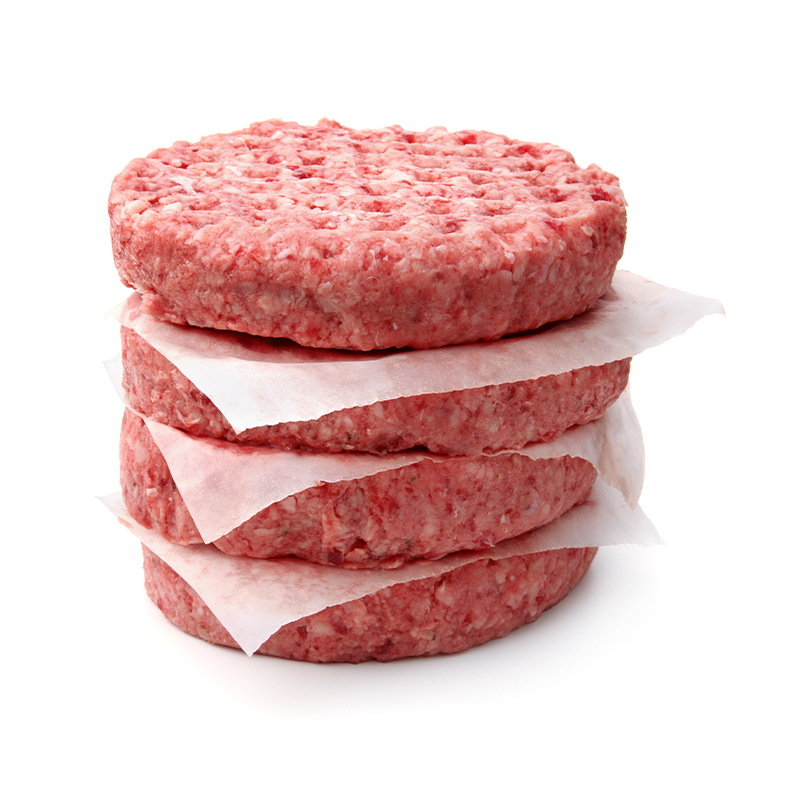
Description: Wax paper is the paper that is coated with food-grade wax in order to make it non-stick and waterproof. wax paper is very good for food storing and presentingMade of food-grade paper and ...
See Details -

Product Features: 1. Virgin wood pulp 2. Double sides food grade silicone-treated 3. Fluorine-free 4. Non-stick 5. Oven/Microwave safe 6. Freezer safe 7. Reusable 8. BPA f...
See Details -

Product Features: 1. Virgin wood pulp 2. Natural unbleached brown color 3. Double sides food grade silicone-treated 4. Fluorine-free 5. Non-stick 6. Oven/Microwave safe 7. Fre...
See Details -
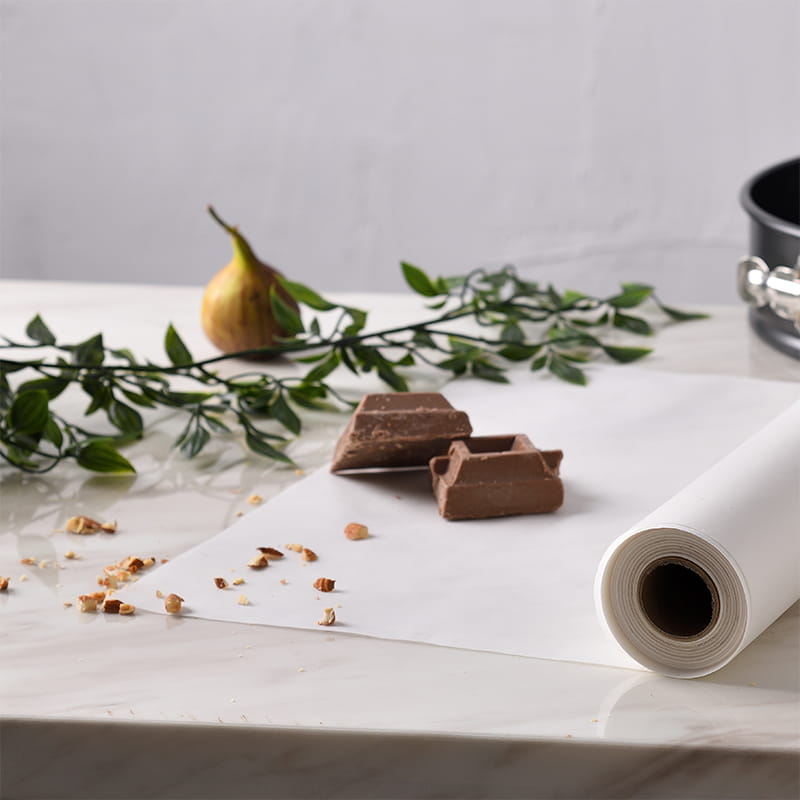
Product Features: 1. Virgin wood pulp 2. Double sides food grade silicone treated 3. Fluorine-free 4. Non-stick 5. Oven/Microwave safe 6. Freezer safe 7. Reusable 8. BPA ...
See Details -
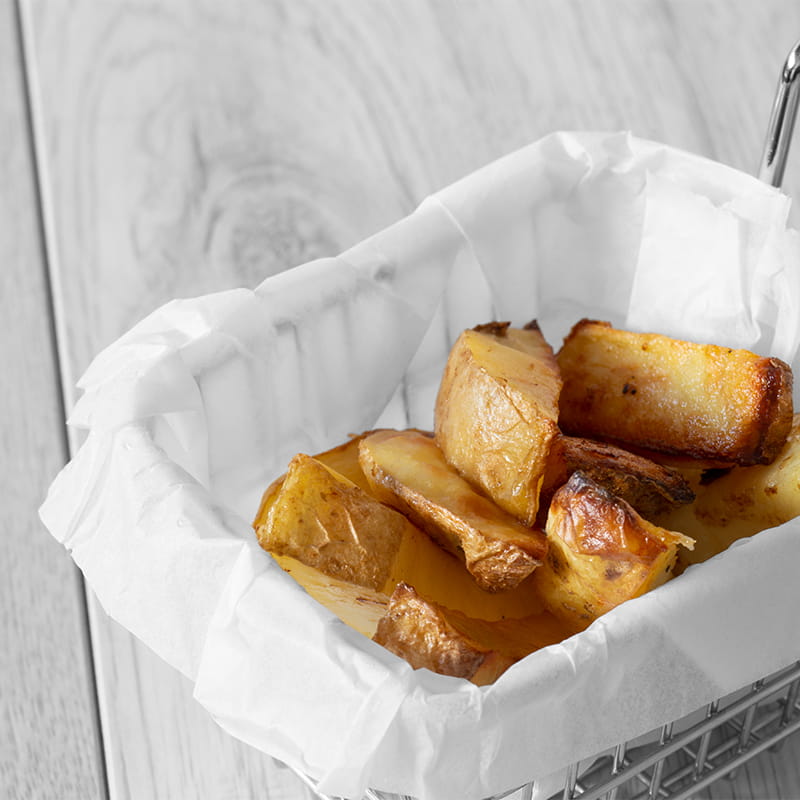
Product Features: 1. Virgin wood pulp 2. Fluorine-free 3. BPA free 4. Biodegradable Product Details: In an era where environmental consciousness and sustainability are paramount, Natu...
See Details -
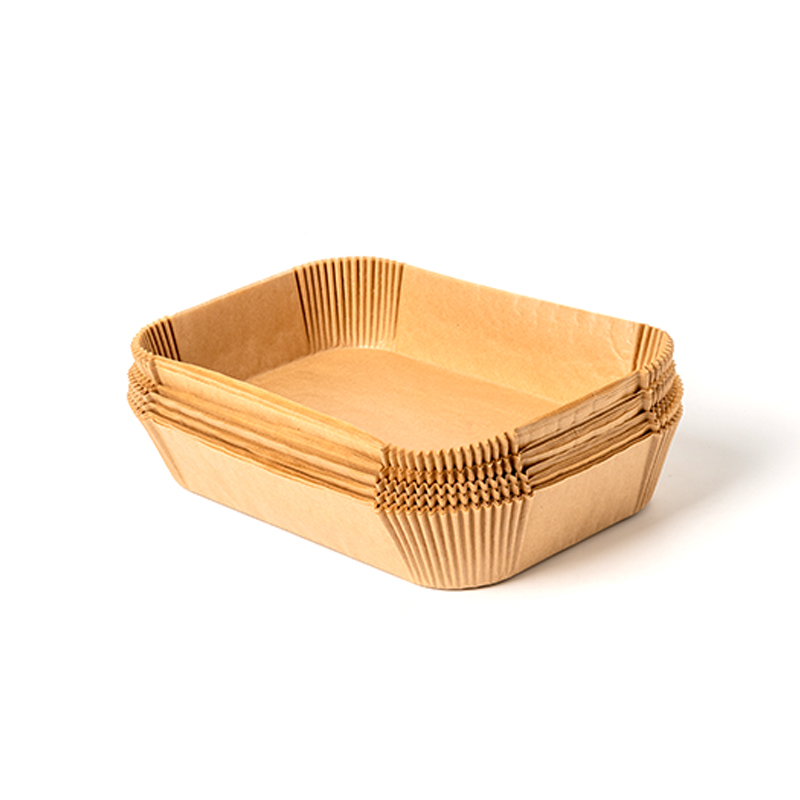
Product Features: 1. Virgin wood pulp 2. Double sides food grade silicone-treated 3. Fluorine-free 4. Non-stick 5. Air fryer basket safe 6. Reusable 7. BPA free 8. Biodeg...
See Details -
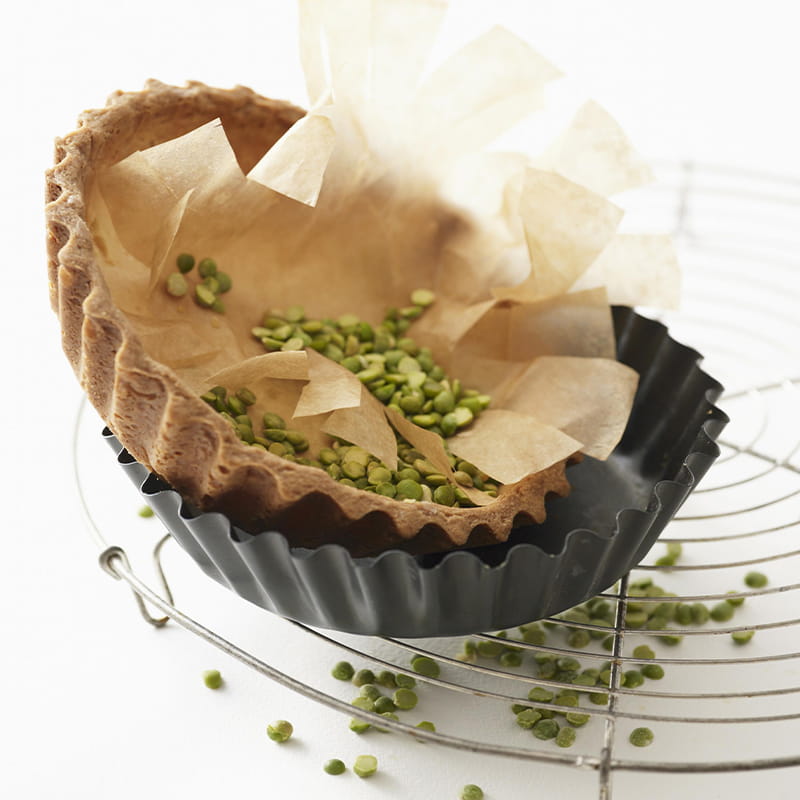
Product Features: 1. Virgin wood pulp 2. Natural unbleached brown color 3. Fluorine-free 4. BPA free 5. Biodegradable Product Details: Introducing our Unbleached Brown Food Grade ...
See Details -

Product Features: 1. Virgin wood pulp 2. Double sides food grade silicone treated 3. Fluorine-free 4. Non-stick 5. Steamer/air fryer basket safe 6. Reusable 7. BPA free 8...
See Details -
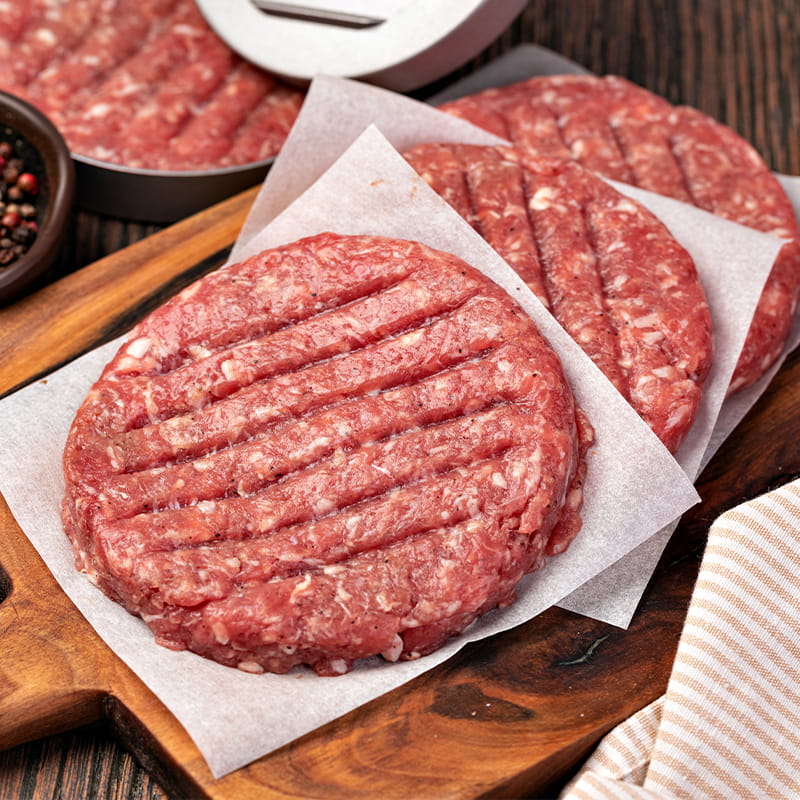
Product Features: 1. Virgin wood pulp 2. Double sides food grade silicone treated 3. Fluorine-free 4. Non-stick 5. Easy to separate 6. Reusable 7. BPA free 8. Biodegradab...
See Details -
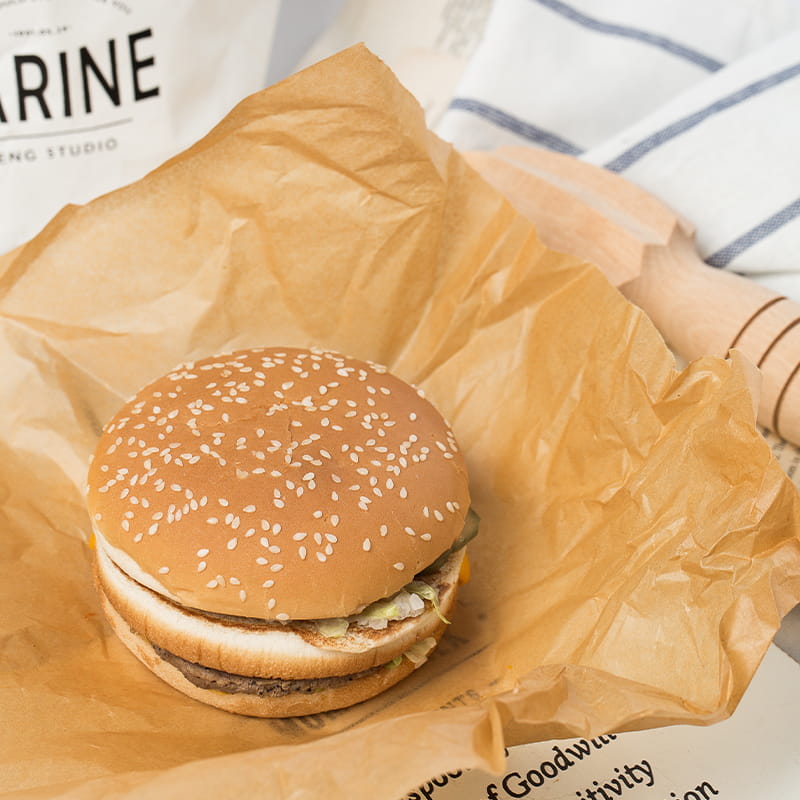
Product Features 1. Virgin wood pulp 2. Flexographic printing 3. Eco-friendly water-based ink 4. BPA free Product Details: Introducing our premium Greaseproof Sandwich Paper Sheets, a...
See Details

Professional Baking Parchment Paper Manufacturer in China with more than 15 years silicone coating experience.
Products
Contact Us
- No.10 Longyin Road, Chengnan Industrial Park,Longyou, Quzhou, China.
- +86-18968091013 / +86-571-88639705
- Avayao-1990@hotmail.com
Copyright © Zhejiang Guanghe New Materials Co., Ltd. All Rights Reserved.
Parchment Paper & Baking Paper Sheets Manufacturer
