 English
 中文简体
中文简体
Pre Cut Baking Paper Sheets are made from wood pulp and coated on both sides with a food-safe silicone layer. This coating gives the paper a smooth, greaseproof, and moisture-resistant surface that su...
See DetailsWhy Choose Food Greaseproof Paper for Food Packaging
Paper packaging may appear similar, but its performance varies depending on the purpose it serves. Paper used for printing or wrapping dry goods may not be suitable for direct contact with oily food, warm pastries, or freshly fried snacks.
Food Greaseproof Paper gets developed for food packaging applications where resistance to oil and suitability for food contact stay important. Regular paper serves many other purposes, including writing, printing, wrapping, and general packaging, but it may not provide the same combination of properties needed for handling food.
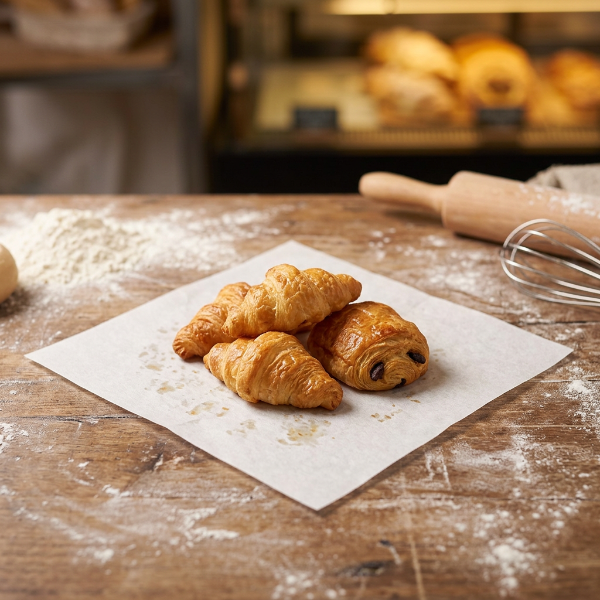
For bakeries, restaurants, takeaway brands, and packaging distributors, understanding the difference helps prevent unsuitable material choices. The decision involves genuinely more than appearance because food-contact safety, grease resistance, paper strength, odor, printing methods, and disposal requirements can all affect how the packaging performs in everyday use.
What Is Food-Grade Greaseproof Paper?
Food-grade greaseproof paper is paper intended for food packaging that gets designed to resist the penetration of grease and gets manufactured meeting the applicable requirements for its intended food-contact use. Its performance depends on the paper structure, manufacturing process, any treatments applied, and the conditions in which it contacts food.
The material gets commonly used wrapping burgers, sandwiches, baked goods, pastries, and fried snacks. It can help keep oil from passing through the wrapper and reaching the customer's hands, serving tray, or outer packaging.
Food-contact suitability and grease resistance stay separate considerations. A paper may resist oil but still require evidence that its composition and manufacturing process stay suitable for the intended food contact.
Buyers should therefore review both the material's functional properties and its food-contact documentation. The product needs performing as packaging while also meeting the requirements that apply to the food and market concerned.
How Does Regular Paper Differ From Food Greaseproof Paper?
Regular paper gets made for a broad range of uses, so its properties vary according to its intended purpose. Copy paper, craft paper, tissue paper, and general wrapping paper may differ in strength, surface finish, absorbency, and resistance to moisture or oil.
Food Greaseproof Paper gets selected for a genuinely more specific job. It needs resisting grease under the intended conditions while maintaining enough strength wrapping or separating food without tearing or allowing excessive oil transfer.
| Comparison Point | Food Greaseproof Paper | Regular Paper |
|---|---|---|
| Intended use | Food wrapping and related packaging | Writing, printing, crafts, or general packaging |
| Grease resistance | Designed for specified food applications | May absorb or allow oil to pass through |
| Food-contact suitability | Requires appropriate material compliance | Cannot be assumed suitable for direct food contact |
| Paper strength | Selected for wrapping and handling needs | Varies according to its original purpose |
| Odor considerations | Should be suitable for the intended food contact | May not be assessed for food-related odor concerns |
| Printing requirements | Inks and printed surfaces need appropriate review | Printing may follow general graphic requirements |
| Application range | Catering, bakery, takeaway, and food packaging | Office, retail, craft, and general packaging uses |
These differences explain why ordinary paper shouldn't automatically replace food-grade packaging paper. A material that works well for a dry product may become weak, stained, or unsuitable when exposed to grease and heat.
The appropriate choice depends on the food, the contact conditions, and the performance expected from the wrapper. Buyers should compare the intended uses, rather than relying on a general description such as wrapping paper.
Why Is Food-Contact Safety Important?
Food packaging can come into direct contact with the surface of a meal, so the material must be suitable for that purpose. Components in the paper, processing aids, coatings, adhesives, and printing inks may all need getting considered, depending on how the packaging gets made and used.
Food-contact safety doesn't get established by the appearance of the paper or by the words printed on its package. Buyers need understanding which requirements apply to the product and whether the supplier can provide suitable supporting documentation.
The conditions of use also matter. Paper intended for contact with dry bakery goods may not automatically be appropriate for hot, oily food or prolonged contact with a genuinely different type of product.
Food service businesses should identify the intended food and how the paper will get used before selecting a material. This gives suppliers a genuinely clearer basis for confirming suitability and helps avoid assumptions based only on the paper's name.
How Does Grease Resistance Affect Everyday Food Packaging?
Grease resistance determines how well the paper limits the movement of oil through its structure. This property matters when food contains visible surface oil or releases grease during handling.
A burger wrapper, for example, needs containing grease while remaining easy folding around the food. A sheet used separating pastries may need resisting oily marks, so the packaging remains neat during storage and service.
The required performance varies with the food and the time it remains in contact with the paper. Warm food, high oil content, pressure, and extended contact may create genuinely different demands from those associated with dry or lightly oily products.
| Food Application | Grease-Resistance Consideration |
|---|---|
| Hamburger wrapping | Helps limit oil transfer to hands and outer packaging |
| Fried food packaging | Needs to suit the food's oil content and serving conditions |
| Pastry wrapping | Helps manage butter and surface grease |
| Bakery separation sheets | Can reduce oil transfer between food items |
| Sandwich wrapping | Supports cleaner handling during takeaway service |
| Food trays and liners | Helps protect the serving surface from grease |
Grease resistance should get assessed under conditions similar to the intended application. A paper that works for a short serving period may not provide the same result during longer storage or contact with hotter food.
Selecting suitable paper can also help businesses reduce messy packaging and improve the customer's handling experience. The goal is matching the material to the actual food, rather than expecting one paper type working for every menu item.
Does Paper Strength Matter When Wrapping Food?
Paper strength affects how easily a wrapper can get folded, carried, opened, and handled during service. If the material tears too easily or loses its structure when exposed to grease, the packaging may become genuinely difficult to use.
Food Greaseproof Paper needs balancing flexibility with practical strength. A wrapper should bend around the food without splitting at the folds, while a liner should remain intact when a product gets placed on it or lifted away.
The right structure depends on the application. A small pastry may require a flexible sheet that's easy shaping, while a larger sandwich may need enough body supporting wrapping and carrying.
Manufacturers must consider the relationship between paper composition and grease resistance. A paper that stays very thin may be convenient folding but may not suit every food, while a heavier sheet may affect material use and the final packaging feel.
For buyers, checking the finished paper in a realistic handling test can reveal issues that aren't obvious from a product description. The material should suit the way staff prepare, serve, and pack the food.
How Can Odor Affect the Food Packaging Experience?
Paper packaging shouldn't introduce an unwanted smell that interferes with the food's natural aroma. This proves important for products such as fresh bread, pastries, sandwiches, and other foods where smell forms part of the eating experience.
Odor can get influenced by raw materials, manufacturing conditions, storage, printing, and other substances used in production. Packaging that has gotten stored in unsuitable conditions may also pick up smells from its surroundings.
A food-contact assessment should consider the finished product, rather than only the base paper. Printing, coatings, or other treatments may affect the material's overall suitability and sensory properties.
Buyers can include odor checks in their sample review process. Paper should get stored in clean conditions and evaluated as it will get supplied, especially when it's intended for direct contact with food.
What Should Buyers Know About Printing on Food Greaseproof Paper?
Custom printing allows restaurants, bakeries, and takeaway brands adding logos, patterns, product information, or other visual elements to their packaging. Printed greaseproof paper can support brand recognition while serving a practical wrapping function.
Printing requires careful material selection because the ink and printing process need suiting the intended food-contact arrangement. Direct contact between printed surfaces and food may raise genuinely different considerations from printing on the outside of a wrapper where contact stays limited or prevented.
Buyers shouldn't assume any ink is suitable simply because it can get applied to paper. The ink, paper, curing or drying process, and intended use need getting considered together under the relevant food-contact requirements.
Artwork also needs suiting the paper surface. Fine details, large printed areas, and repeated patterns may behave differently depending on the material and printing method, so sample approval proves useful before a larger production run.
For customized orders, purchasing teams should confirm the print layout, the surface that may contact food, the intended colors, and the supporting compliance information. These details help align visual requirements with packaging function.
How Does Food Greaseproof Paper Suit Bakeries and Takeaway Businesses?
Different food businesses handle genuinely different products, so their packaging requirements aren't identical. Bakeries may need paper for pastries, cookies, and baked goods, while takeaway businesses often use it for burgers, sandwiches, and fried items.
A bakery may value paper that separates food cleanly and helps manage butter or oil during display and packing. A takeaway operator may focus on keeping grease contained during a short journey from the kitchen to the customer.
Food Greaseproof Paper can serve these uses when its properties match the food and handling conditions. Businesses should also consider how quickly staff can wrap items, how easily the paper folds, and whether the material fits their existing packaging workflow.
| Business Type | Packaging Priority |
|---|---|
| Bakery | Suitable contact with baked goods and practical handling |
| Burger restaurant | Grease control and easy wrapping |
| Fried food outlet | Paper suited to oily foods and serving conditions |
| Sandwich shop | Flexible wrapping and clean presentation |
| Catering business | Material compatibility across the planned menu |
| Food packaging distributor | Clear product specifications and application guidance |
The choice should get based on the actual menu and service process. A single paper specification may cover several related products, but buyers should confirm the material suits each intended use.
Is Food Greaseproof Paper Suitable for Baking?
Some greaseproof papers get used as liners for baking or for separating baked goods, but suitability depends on the product's intended use and its temperature limits. A paper designed for wrapping food after cooking shouldn't automatically get used inside an oven.
Baking applications can expose the material to heat, moisture, fats, and direct contact with food during cooking. The paper must be specifically suitable for those conditions, and any manufacturer instructions should get followed.
Baking liner paper and food wrapping paper may look similar, but their intended functions can differ. Buyers should check whether the product gets designed for oven use, post-baking wrapping, food separation, or another application.
Clear product identification helps kitchens avoid using one paper type in conditions it wasn't designed handling. This proves especially important when a business purchases several kinds of food packaging from the same supplier.
How Should Buyers Evaluate Environmentally Friendly Food Packaging?
Environmental considerations are becoming part of packaging decisions for many food businesses. Buyers may look at paper sourcing, material use, recyclability, compostability, and how the packaging fits local waste-handling systems.
However, paper-based packaging isn't automatically recyclable or compostable in every form. Grease, coatings, inks, food residue, and local collection rules can affect how the used material should get handled.
A grease-resistant treatment may improve performance but also influence the available disposal options. Buyers should therefore request clear information about the finished product, rather than relying on a broad claim that paper packaging stays environmentally friendly.
Reducing unnecessary packaging can also be part of product planning. A suitable sheet size and practical folding method may help avoid excess material while still meeting the needs of food protection and handling.
Businesses should communicate disposal guidance accurately and avoid claims that can't get supported for the specific product and local waste system. This helps customers understand how to handle the packaging after use.
What Should Wholesale Buyers Check Before Ordering Food Greaseproof Paper?
Wholesale purchasing involves genuinely more than selecting a paper that looks suitable. Buyers need confirming the intended application, material properties, food-contact documentation, printing requirements, and consistency of the finished product.
A supplier should be able explaining the paper's intended use and provide relevant product information. Buyers may also request samples assessing grease resistance, folding behavior, odor, print quality, and handling under conditions similar to their own operations.
For custom or OEM orders, packaging dimensions, printed artwork, packing format, and order specifications should get agreed upon before production. Clear communication helps reduce the chance of receiving paper that meets the visual brief but doesn't suit the food application.
| Purchasing Check | What to Confirm |
|---|---|
| Intended food use | Identify the foods that will contact the paper |
| Grease performance | Confirm suitability for the food's oil content and serving conditions |
| Food-contact compliance | Request documentation relevant to the product and destination market |
| Paper strength | Check folding, wrapping, and handling performance |
| Odor and appearance | Review the finished paper and any printed areas |
| Printing requirements | Confirm ink suitability and the intended contact surface |
| Packaging and delivery | Agree on how the paper will be packed, stored, and supplied |
| Repeat-order consistency | Clarify the specifications that need to remain consistent across orders |
These checks give buyers a practical way comparing suppliers on the requirements that matter to their business. They also help ensure food safety, grease control, and packaging presentation get considered together, rather than as separate purchasing decisions.
Related Products
-
-
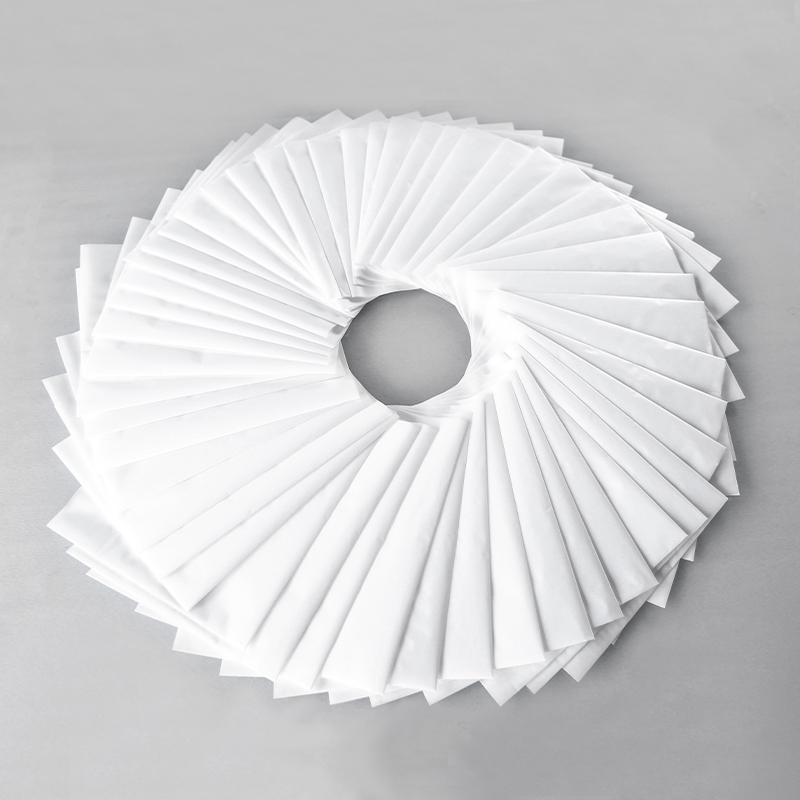
Folded Baking Paper Sheets, also known as Non Stick Baking Paper Sheets, are made from wood pulp and coated on both sides with a food-safe silicone layer. This coating gives the paper a smooth, grease...
See Details -
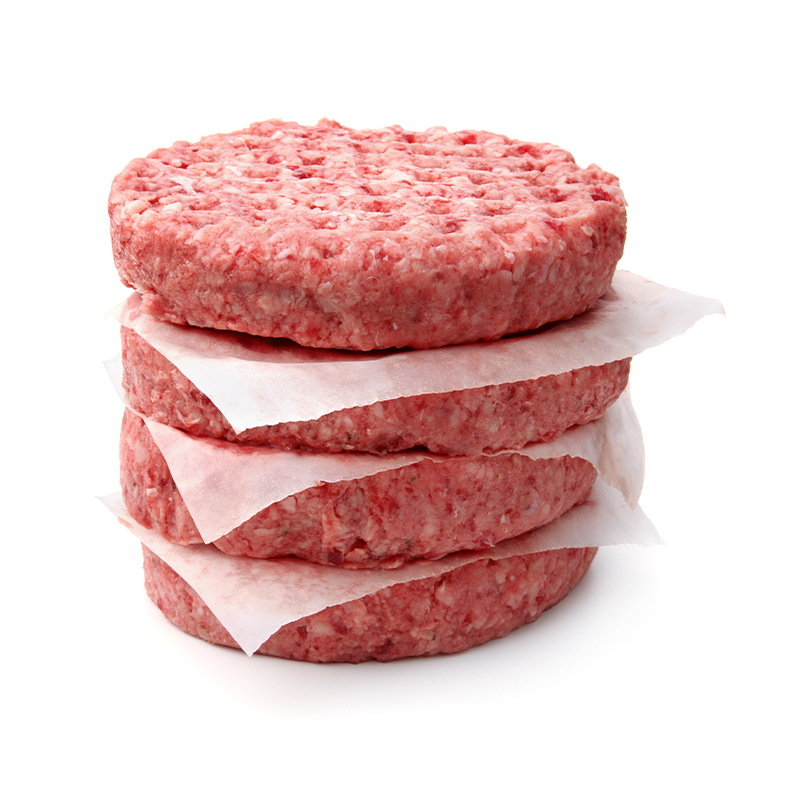
Description: Wax paper is the paper that is coated with food-grade wax in order to make it non-stick and waterproof. wax paper is very good for food storing and presentingMade of food-grade paper and ...
See Details -

Product Features: 1. Virgin wood pulp 2. Double sides food grade silicone-treated 3. Fluorine-free 4. Non-stick 5. Oven/Microwave safe 6. Freezer safe 7. Reusable 8. BPA f...
See Details -
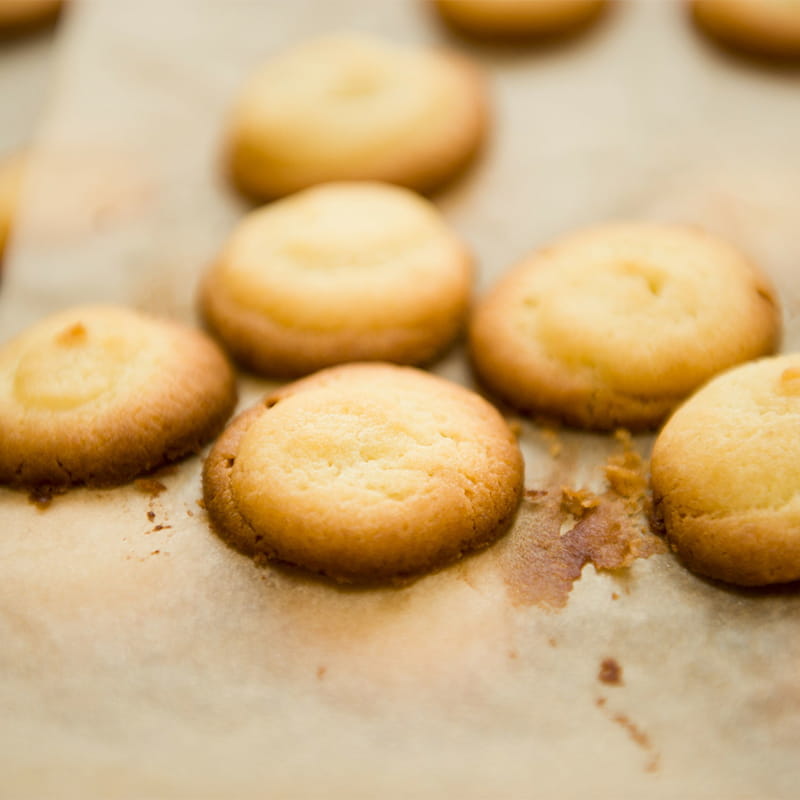
Product Features: 1. Virgin wood pulp 2. Natural unbleached brown color 3. Double sides food grade silicone-treated 4. Fluorine-free 5. Non-stick 6. Oven/Microwave safe 7. Fre...
See Details -
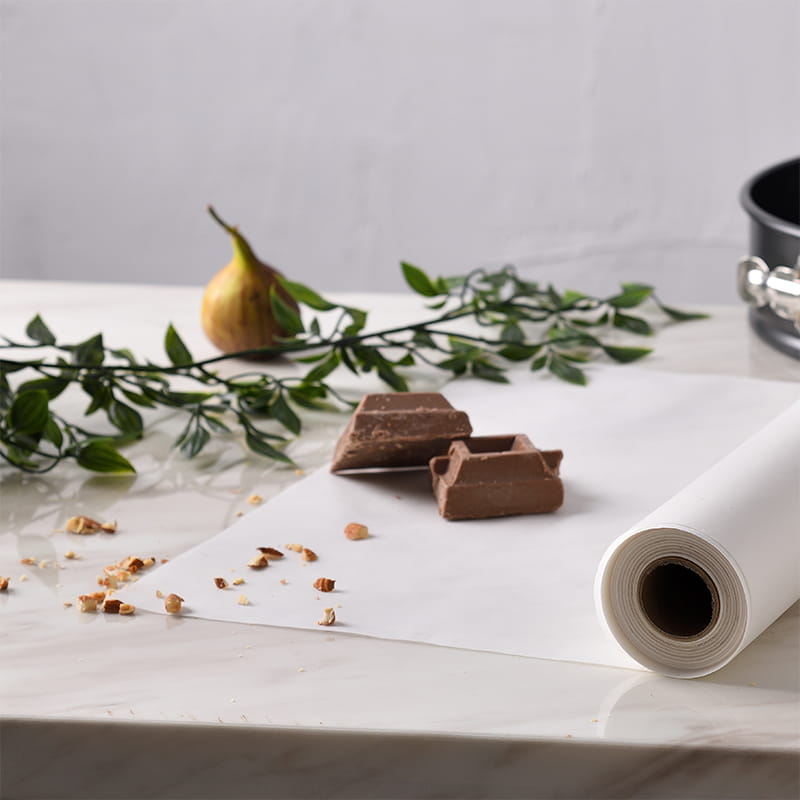
Product Features: 1. Virgin wood pulp 2. Double sides food grade silicone treated 3. Fluorine-free 4. Non-stick 5. Oven/Microwave safe 6. Freezer safe 7. Reusable 8. BPA ...
See Details -
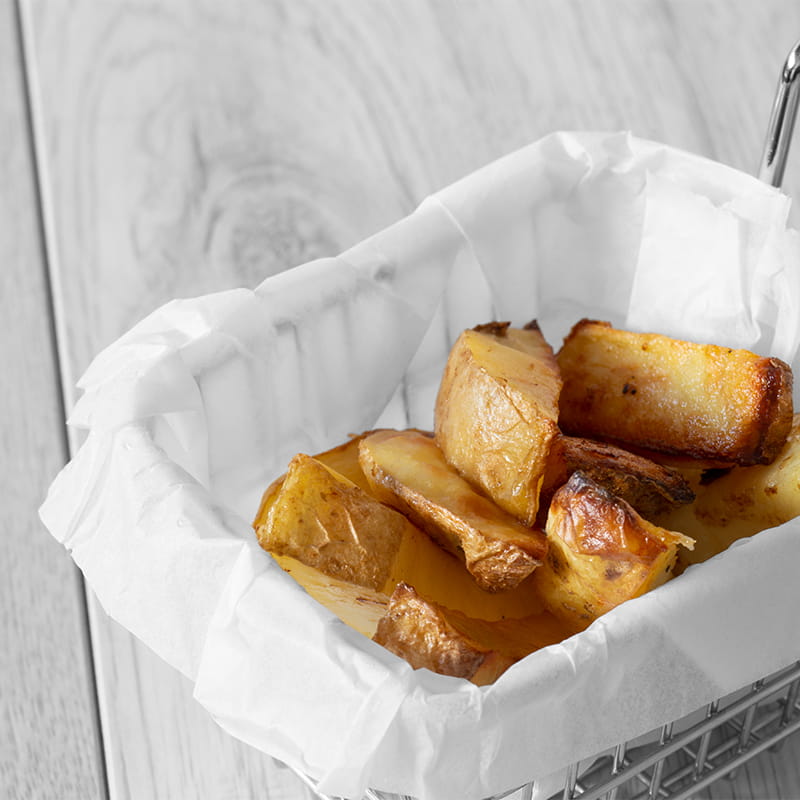
Product Features: 1. Virgin wood pulp 2. Fluorine-free 3. BPA free 4. Biodegradable Product Details: In an era where environmental consciousness and sustainability are paramount, Natu...
See Details -
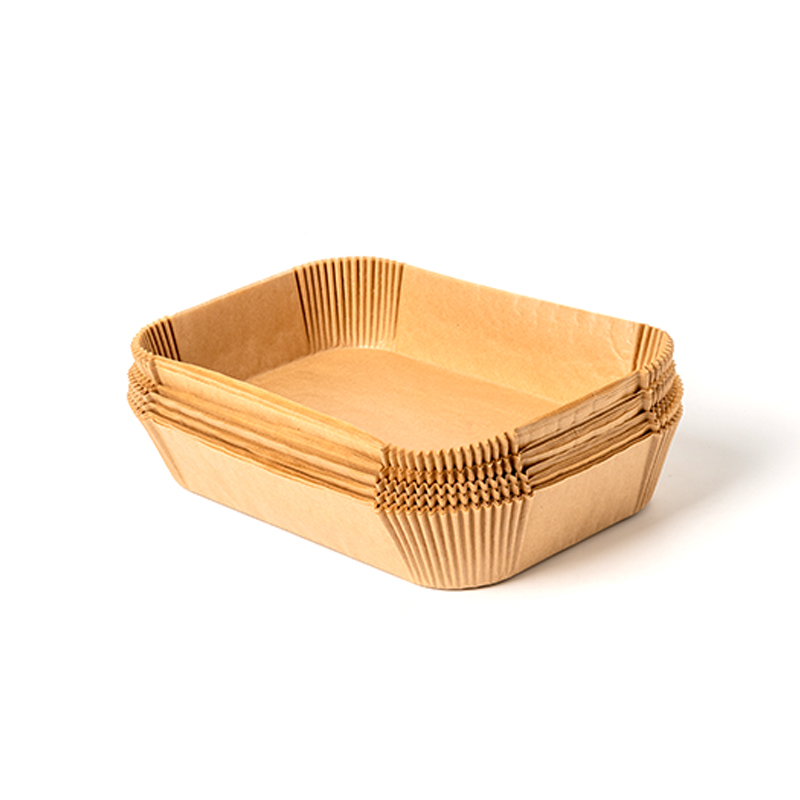
Product Features: 1. Virgin wood pulp 2. Double sides food grade silicone-treated 3. Fluorine-free 4. Non-stick 5. Air fryer basket safe 6. Reusable 7. BPA free 8. Biodeg...
See Details -
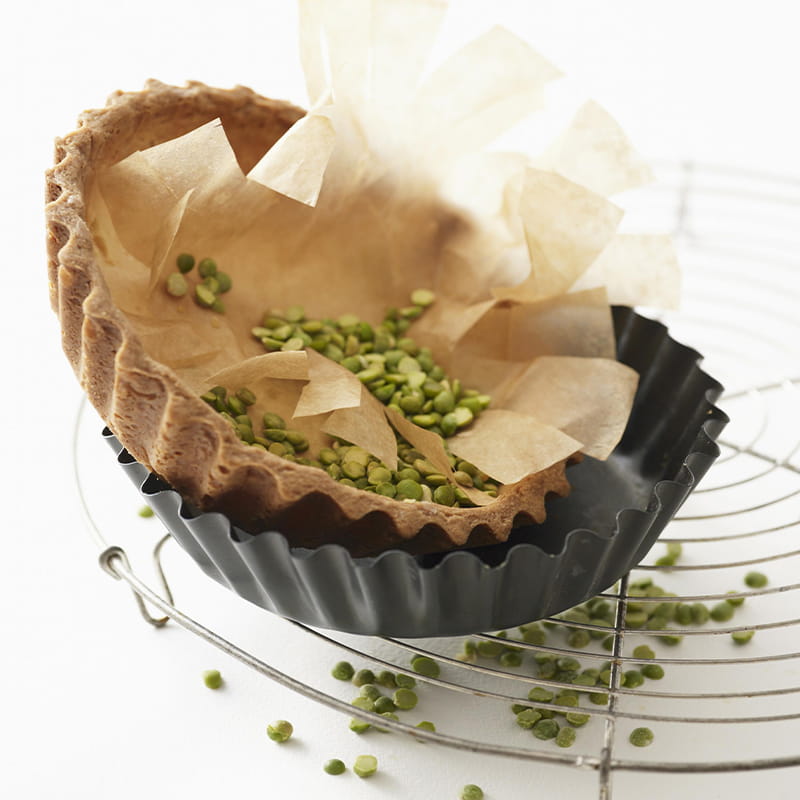
Product Features: 1. Virgin wood pulp 2. Natural unbleached brown color 3. Fluorine-free 4. BPA free 5. Biodegradable Product Details: Introducing our Unbleached Brown Food Grade ...
See Details -
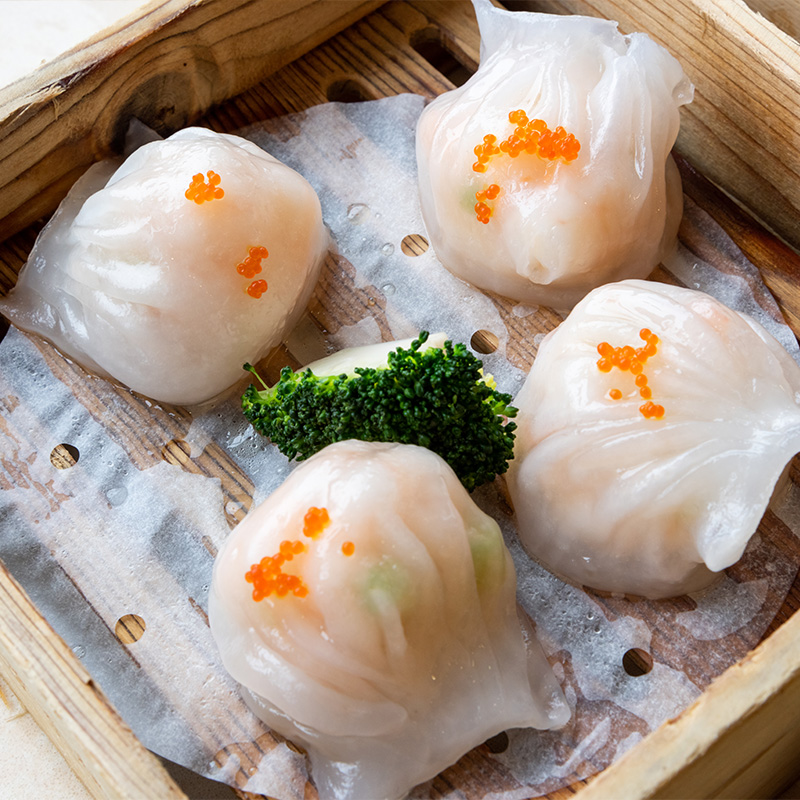
Product Features: 1. Virgin wood pulp 2. Double sides food grade silicone treated 3. Fluorine-free 4. Non-stick 5. Steamer/air fryer basket safe 6. Reusable 7. BPA free 8...
See Details -
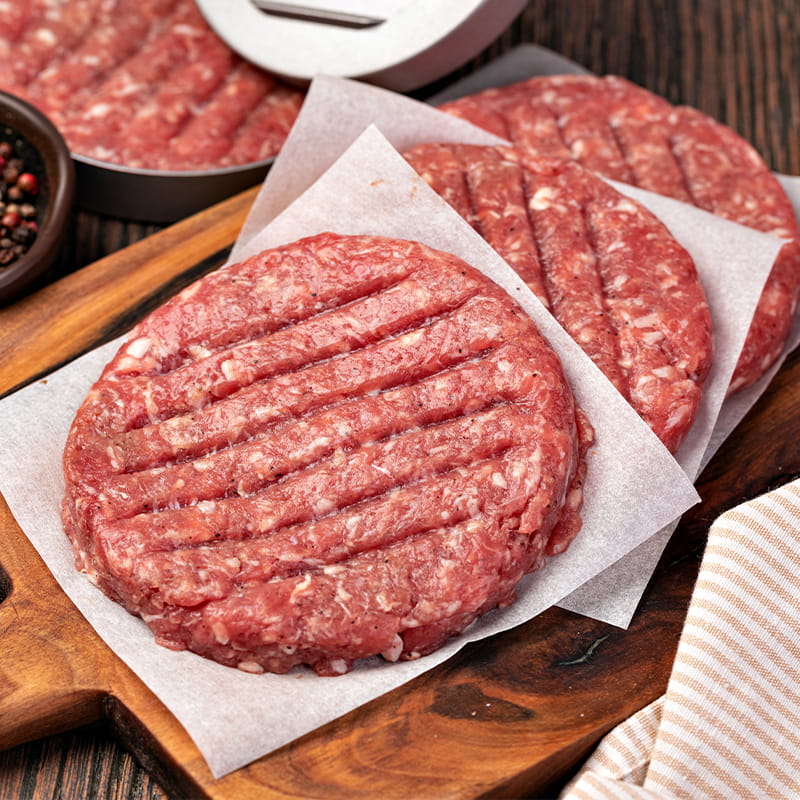
Product Features: 1. Virgin wood pulp 2. Double sides food grade silicone treated 3. Fluorine-free 4. Non-stick 5. Easy to separate 6. Reusable 7. BPA free 8. Biodegradab...
See Details -
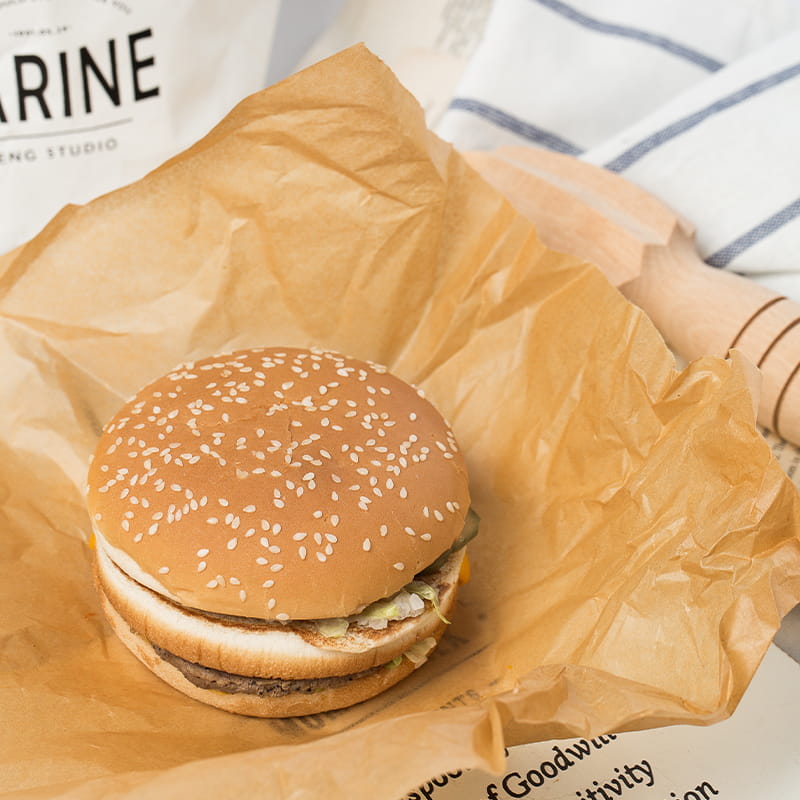
Product Features 1. Virgin wood pulp 2. Flexographic printing 3. Eco-friendly water-based ink 4. BPA free Product Details: Introducing our premium Greaseproof Sandwich Paper Sheets, a...
See Details

Professional Baking Parchment Paper Manufacturer in China with more than 15 years silicone coating experience.
Products
Contact Us
- No.10 Longyin Road, Chengnan Industrial Park,Longyou, Quzhou, China.
- +86-18968091013 / +86-571-88639705
- Avayao-1990@hotmail.com
Copyright © Zhejiang Guanghe New Materials Co., Ltd. All Rights Reserved.
Parchment Paper & Baking Paper Sheets Manufacturer
