 English
 中文简体
中文简体
Pre Cut Baking Paper Sheets are made from wood pulp and coated on both sides with a food-safe silicone layer. This coating gives the paper a smooth, greaseproof, and moisture-resistant surface that su...
See DetailsHow Can Non Stick Baking Paper Sheets Improve Home Baking
Home baking often starts with a simple plan: cookies for the family, a loaf for breakfast, a new cake on a quiet weekend. Then the small problems show up. Dough welds itself to the tray, melted cheese bakes into a crust, and scrubbing takes longer than the baking did.
Non Stick Baking Paper Sheets address these problems by sitting between the food and the tray. Baked goods release more easily, grease stays off the metal, and cleanup gets shorter. Material, coating, and heat rating all affect how a sheet behaves in the oven, so those details are worth understanding before you buy.
Why Baking Paper Helps With Sticking
Cookie dough spreads as it heats. Pastry releases butter, and sugary fillings turn tacky against bare metal. Lifting the food afterward can bend, tear, or crack it.
A Non Stick sheet gives the food a separate surface to rest on. Thin cookies come off in one piece, and pastry edges stay intact. Roasted vegetables leave their oil on the paper instead of on the tray.
| Baking Task | How Paper Helps |
|---|---|
| Cookies | Release from the tray with fewer breaks |
| Pastries | Reduces sticking around delicate dough |
| Roasted vegetables | Contains oil and loose residue |
| Bread | Gives a clean base for suitable recipes |
| Several batches | Makes tray cleanup quicker between rounds |
Results depend on the recipe, moisture in the food, tray condition, and sheet design. Paper supports good baking but does not replace correct oven settings.
Less Greasing, Easier Cleanup
Some recipes work without greasing the tray when paper is used. That cuts one preparation step and gives you more control over how much butter or oil goes into the food. Other recipes still need added fat, so follow the instructions for what you are making.
Cleanup changes too. Sticky sauces, melted cheese, and baked sugar usually mean soaking and scrubbing. With paper, much of that mess ends up on the sheet. Once the tray cools, you lift the sheet away and wipe what remains.
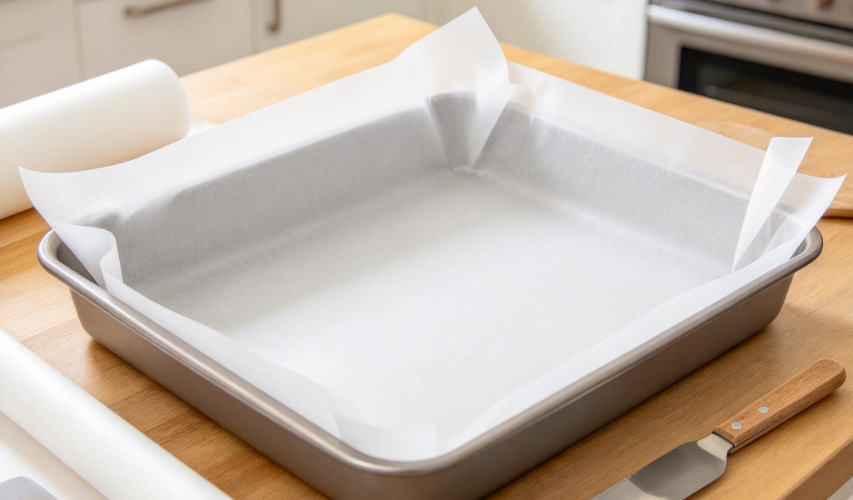
The difference shows when you bake several batches for a family gathering. Swapping the paper between rounds keeps the tray manageable, as long as the sheet is still in good condition. Trays still need washing, but the job gets lighter.
Less added grease does not automatically make a recipe healthier. Nutrition still depends on ingredients, portion size, and method.
Heat Resistance and Oven Safety
An oven exposes materials to steady heat. Ordinary paper can darken, turn brittle, or become a hazard. Choose a product made for baking and check its stated temperature range before use.
Placement matters as much as the rating. Loose edges can lift in circulating air, so fit the sheet snugly on the tray.
| Consideration | Practical Approach |
|---|---|
| Oven temperature | Stay within the product's stated heat limit |
| Sheet size | Trim or pick a sheet that fits the tray |
| Heating elements | Keep paper clear of direct contact |
| Air circulation | Make sure edges do not lift |
| Reuse | Follow the manufacturer's guidance |
| Disposal | Let used paper cool before handling |
Writing paper or packaging paper is not a substitute. Inks, adhesives, and coatings in those materials are not meant for food contact or oven heat.
Food-Contact Materials and Coatings
Baking paper touches food while hot, so its materials deserve a look. Food-contact suitability depends on the base paper, the coating, the manufacturing process, and the rules of the market where it is sold.
A general "food-grade" label is not enough on its own when you need to verify a product. Supporting material information and compliance documents give a clearer answer. Different brands use different surface treatments, so clear packaging information helps you understand what a sheet can handle.
| Product Detail | Why It Matters |
|---|---|
| Base paper | Affects handling and sheet structure |
| Non Stick coating | Helps food release |
| Food-contact suitability | Supports safe use with food |
| Heat resistance | Defines suitable oven conditions |
| Usage instructions | Explains handling, storage, and disposal |
Retailers and importers can use the same documentation to confirm a product fits the market they serve.
Environmental Questions
Many shoppers now look closely at disposable kitchen products. Paper can reduce tray greasing and simplify washing, but its environmental effect depends on material, coating, packaging, and how it is disposed of.
Recyclable, compostable, and biodegradable are three different claims. A coated sheet may not be accepted by every local recycling or composting system. Used paper also carries grease and food residue, which can change how it should be thrown away. Check the product label and your local waste guidance instead of assuming it belongs in the recycling bin.
Reusable baking mats suit people who bake often and want less disposable waste. Paper still works well for occasional baking, sticky recipes, or days when quick cleanup matters.
Paper Sheets or Baking Mats
Both separate food from the tray, but they are handled differently. Paper is generally disposable unless the maker allows limited reuse. A mat is built for repeated use and needs washing after each session.
| Feature | Baking Paper Sheets | Reusable Mats |
|---|---|---|
| Use pattern | Usually disposable | Designed for repeated use |
| Cleanup | Remove sheet, wipe tray | Wash and dry the mat |
| Storage | Flat or rolled | Needs a suitable spot |
| Flexibility | Sheets or rolls, cut to fit | Selected shapes and sizes |
Your baking habits, storage space, and cleanup routine decide which one fits. Check heat limits and care instructions for either option.
Choosing Sheets for Different Recipes
Dry cookies, buttery pastry, bread dough, and roasted vegetables all treat paper differently. Cookies want a flat surface. Pastry needs a sheet that resists tearing during handling. Vegetables release moisture and oil, so heat resistance matters more.
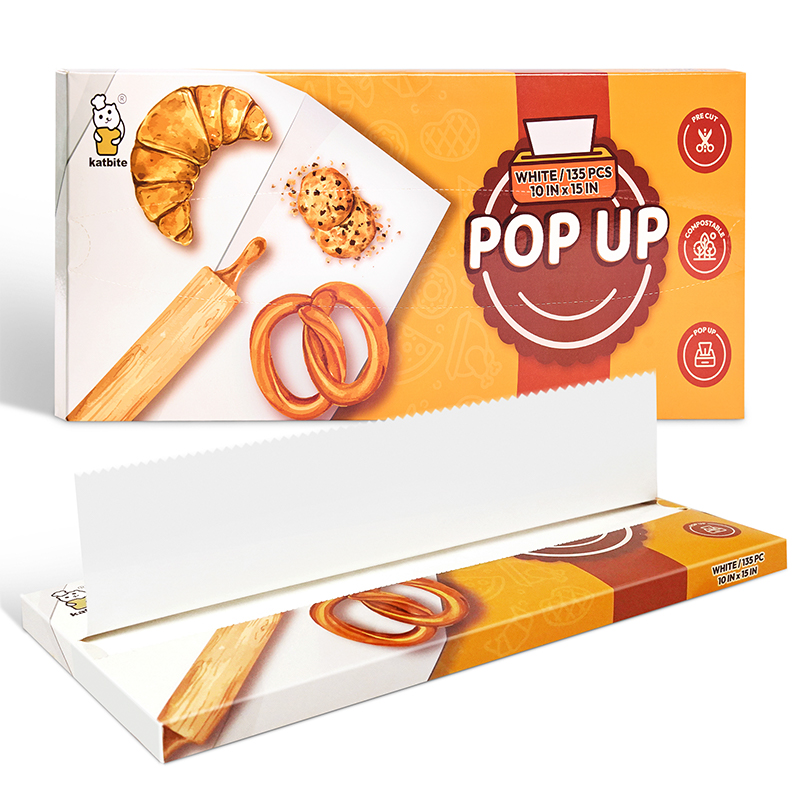
Pre-cut sheets save time when the size matches your tray. Rolls suit kitchens with several tray sizes because you cut each length yourself. A household baking similar recipes every week may prefer ready-cut sheets.
Store paper in a clean, dry place away from moisture and strong odors. Inspect each sheet before use. Do not reuse paper that is burned, torn, or heavily soiled, and only reuse a sheet when the instructions allow it.
Notes for B2B Buyers and Online Sellers
Distributors, retailers, food-service suppliers, and private-label businesses need more than a Non Stick surface. Intended customer, format, packaging, material information, and target-market requirements all shape the order. Pre-cut sheets suit household shoppers, and rolls suit buyers who want flexible lengths.
OEM options may include sheet size, packaging design, printed instructions, and labeling. Confirm what the manufacturer supports. Any claim about heat resistance, food contact, or environmental properties needs documentation behind it. Quality checks can cover sheet consistency, surface condition, and packaging integrity, and export packing should guard against moisture, dust, and damage.
Online shoppers decide from images, descriptions, and reviews. Listings should state the format, intended use, material details, heat instructions, and disposal guidance. Photos of paper on a tray or under cookies show real use without exaggeration. Clear naming across sheets, rolls, and mats helps buyers compare products on their merits.
When product information matches the actual material and intended use, baking paper serves home bakers and sellers alike. Food comes off the tray more easily, routine cleanup gets lighter, and suitable recipes get a convenient surface to bake on.
Related Products
-
-
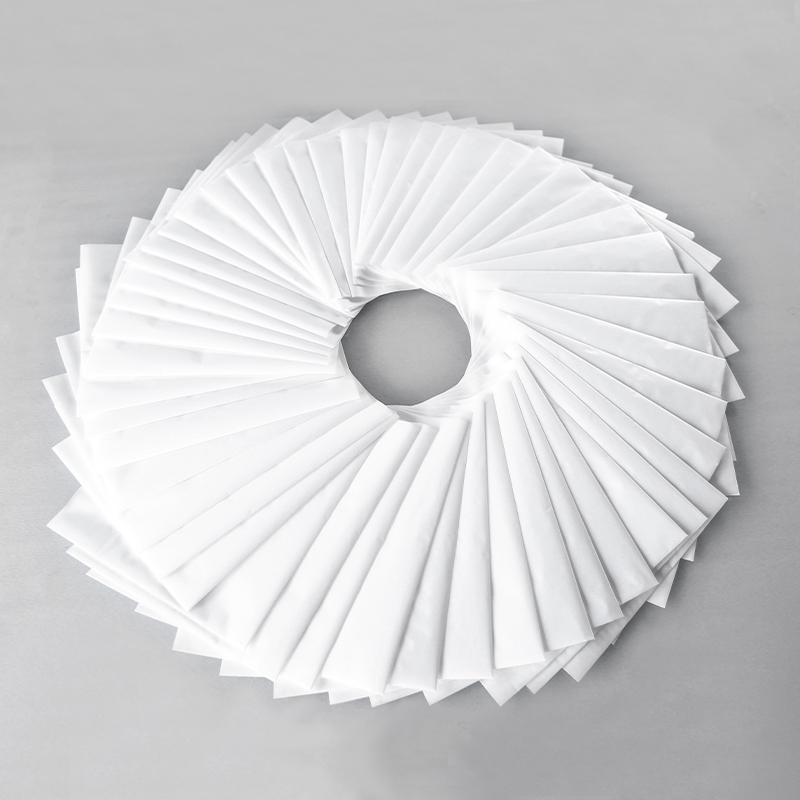
Folded Baking Paper Sheets, also known as Non Stick Baking Paper Sheets, are made from wood pulp and coated on both sides with a food-safe silicone layer. This coating gives the paper a smooth, grease...
See Details -
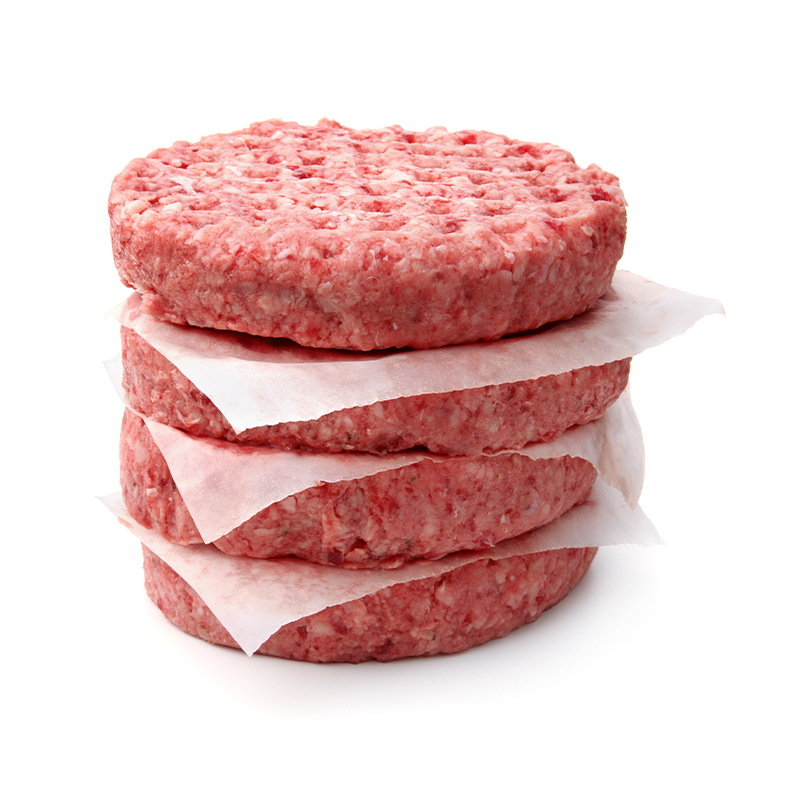
Description: Wax paper is the paper that is coated with food-grade wax in order to make it non-stick and waterproof. wax paper is very good for food storing and presentingMade of food-grade paper and ...
See Details -
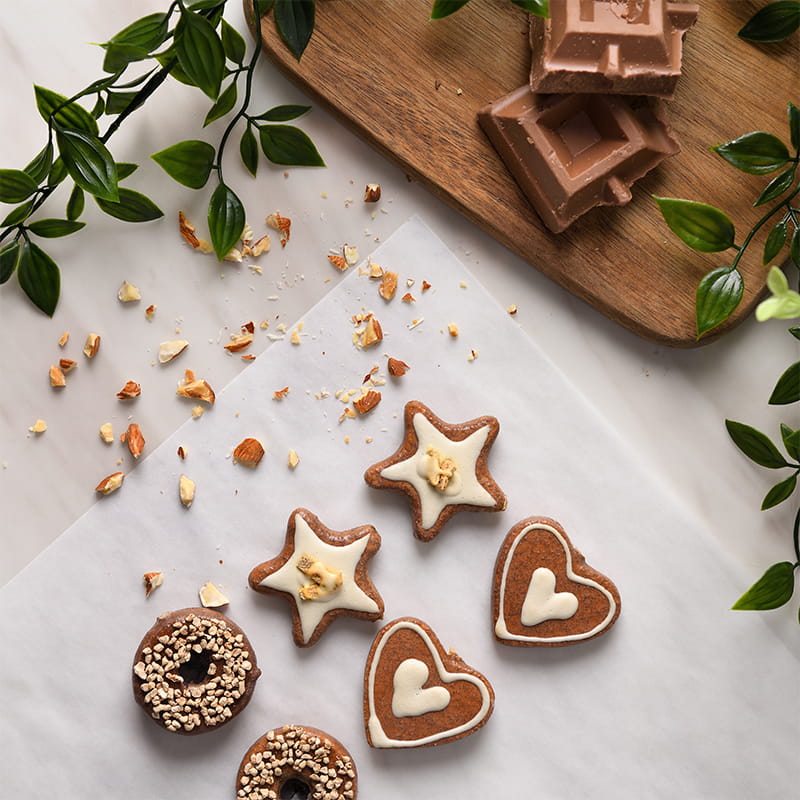
Product Features: 1. Virgin wood pulp 2. Double sides food grade silicone-treated 3. Fluorine-free 4. Non-stick 5. Oven/Microwave safe 6. Freezer safe 7. Reusable 8. BPA f...
See Details -
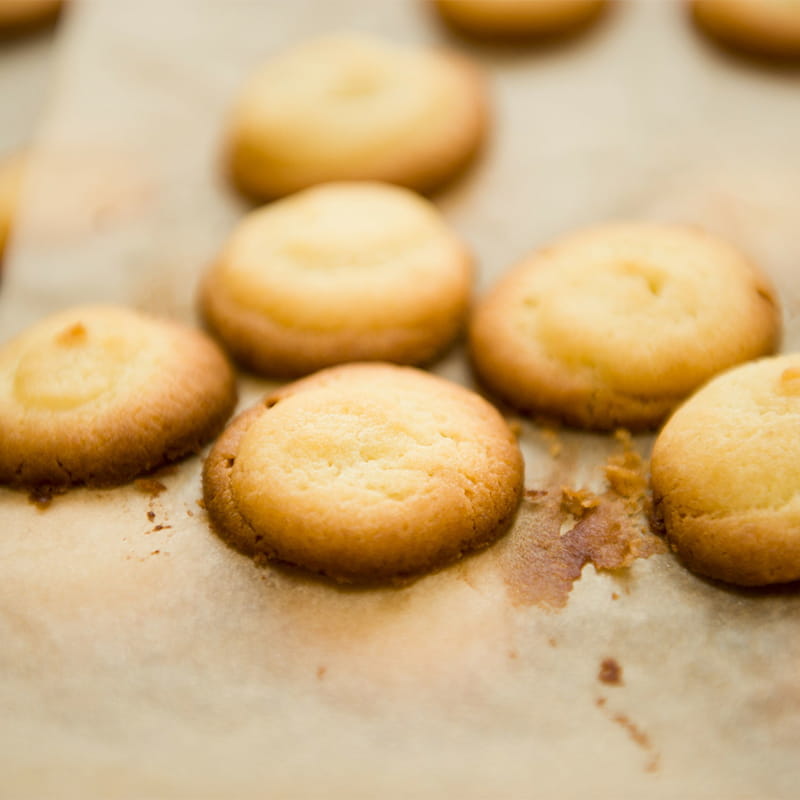
Product Features: 1. Virgin wood pulp 2. Natural unbleached brown color 3. Double sides food grade silicone-treated 4. Fluorine-free 5. Non-stick 6. Oven/Microwave safe 7. Fre...
See Details -
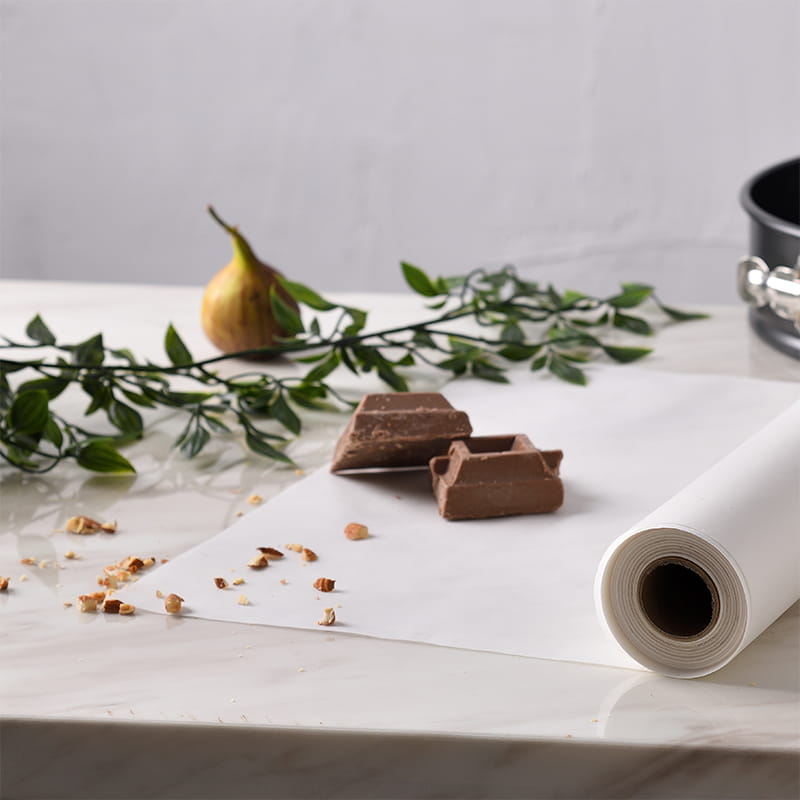
Product Features: 1. Virgin wood pulp 2. Double sides food grade silicone treated 3. Fluorine-free 4. Non-stick 5. Oven/Microwave safe 6. Freezer safe 7. Reusable 8. BPA ...
See Details -
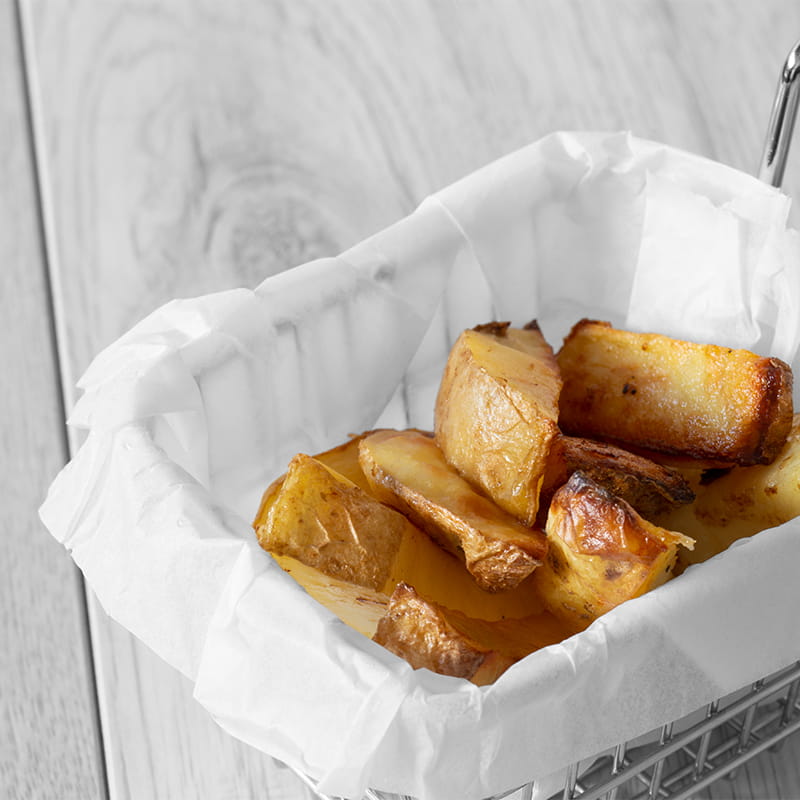
Product Features: 1. Virgin wood pulp 2. Fluorine-free 3. BPA free 4. Biodegradable Product Details: In an era where environmental consciousness and sustainability are paramount, Natu...
See Details -
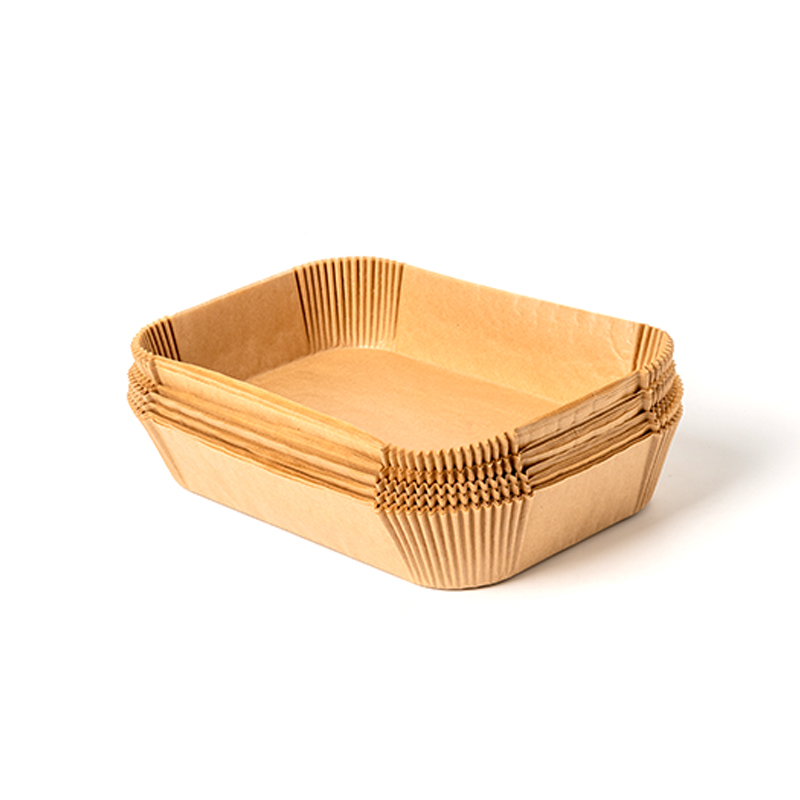
Product Features: 1. Virgin wood pulp 2. Double sides food grade silicone-treated 3. Fluorine-free 4. Non-stick 5. Air fryer basket safe 6. Reusable 7. BPA free 8. Biodeg...
See Details -
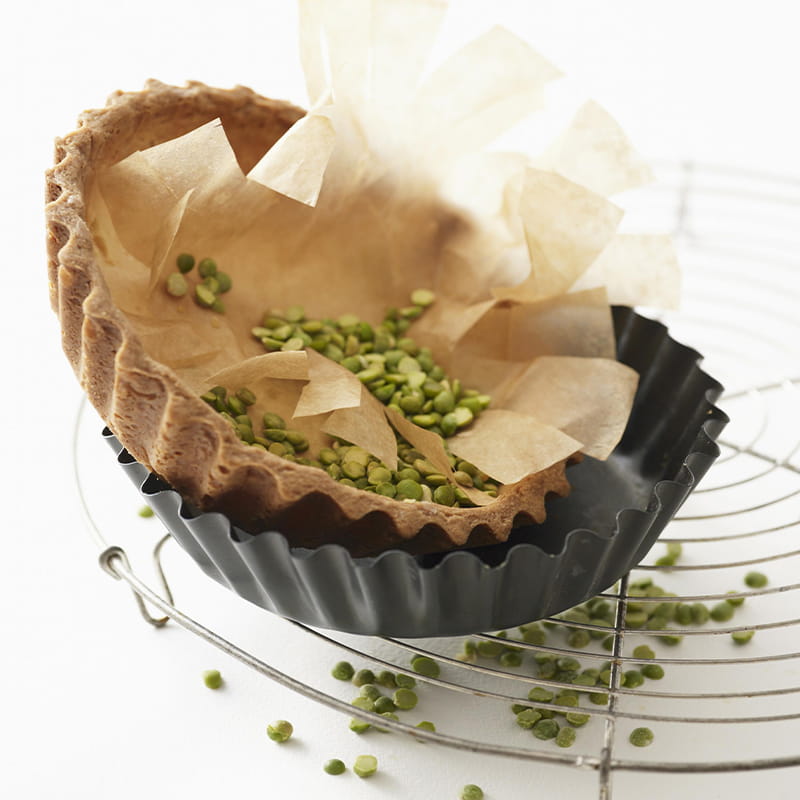
Product Features: 1. Virgin wood pulp 2. Natural unbleached brown color 3. Fluorine-free 4. BPA free 5. Biodegradable Product Details: Introducing our Unbleached Brown Food Grade ...
See Details -
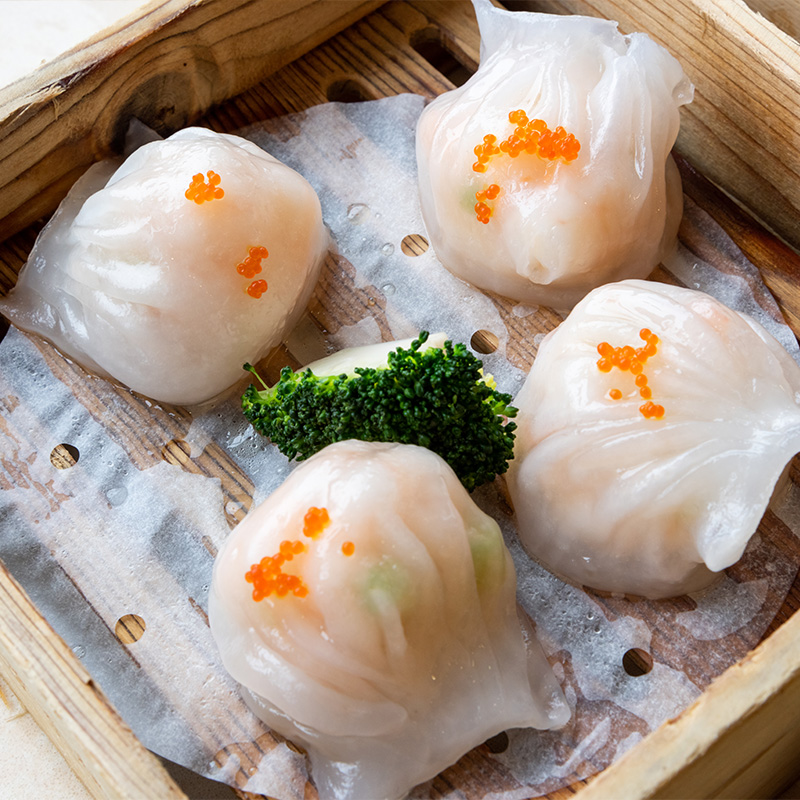
Product Features: 1. Virgin wood pulp 2. Double sides food grade silicone treated 3. Fluorine-free 4. Non-stick 5. Steamer/air fryer basket safe 6. Reusable 7. BPA free 8...
See Details -
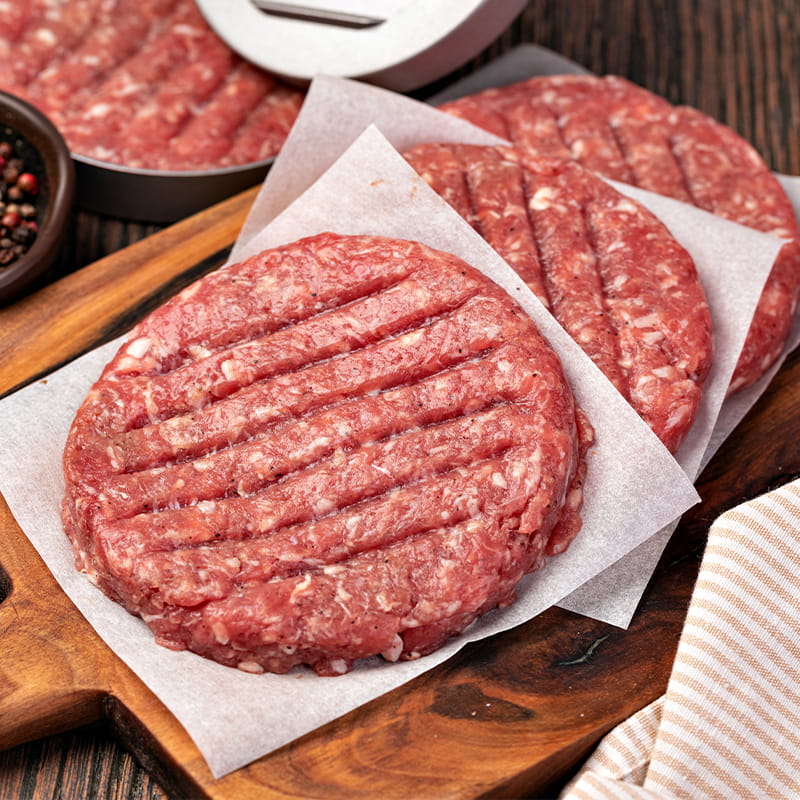
Product Features: 1. Virgin wood pulp 2. Double sides food grade silicone treated 3. Fluorine-free 4. Non-stick 5. Easy to separate 6. Reusable 7. BPA free 8. Biodegradab...
See Details -
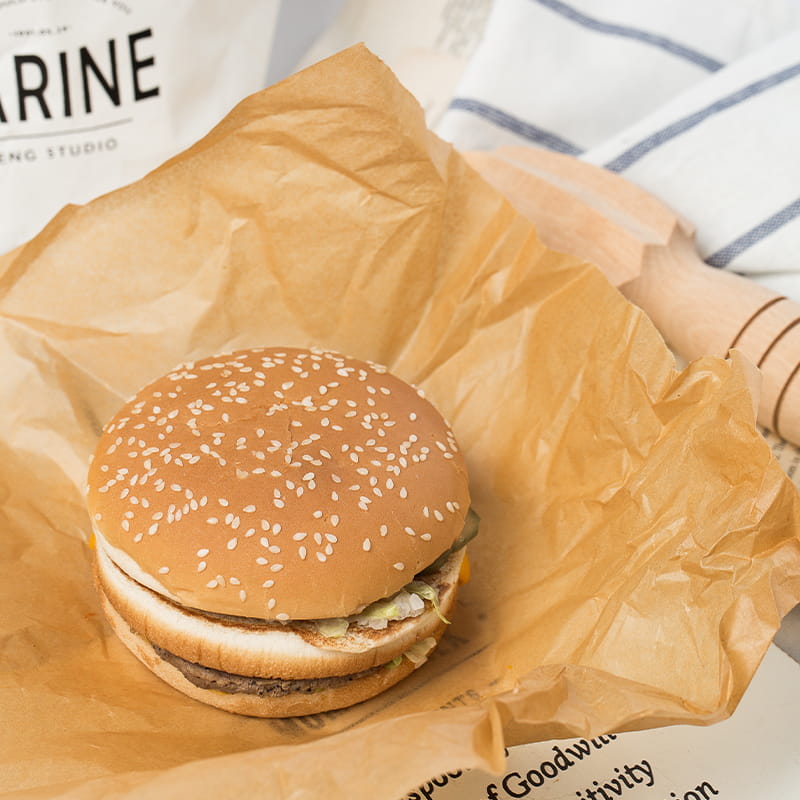
Product Features 1. Virgin wood pulp 2. Flexographic printing 3. Eco-friendly water-based ink 4. BPA free Product Details: Introducing our premium Greaseproof Sandwich Paper Sheets, a...
See Details

Professional Baking Parchment Paper Manufacturer in China with more than 15 years silicone coating experience.
Products
Contact Us
- No.10 Longyin Road, Chengnan Industrial Park,Longyou, Quzhou, China.
- +86-18968091013 / +86-571-88639705
- Avayao-1990@hotmail.com
Copyright © Zhejiang Guanghe New Materials Co., Ltd. All Rights Reserved.
Parchment Paper & Baking Paper Sheets Manufacturer
