 English
 中文简体
中文简体
Product details: Pop-up parchment paper sheets, an environment-friendly product, are composed of wood pulp and are double-side coated with silicone. Such a coating makes our paper smooth, greasepr...
See DetailsHow Can Food Greaseproof Paper Fit Baking Setups?
A home baker with a small counter and a couple of familiar trays works very differently from a bakery turning out several products at once. Even so, one item shows up in both places: a sheet of paper that keeps food away from metal, wood, and countertops. Food Greaseproof Paper is one of the papers used for this purpose, and it can be used while preparing, baking, cooling, storing, and serving.
The useful question is how a paper format matches the way a kitchen works, rather than whether greaseproof paper belongs in the kitchen at all. Tray shape, food type, how often baking happens, where supplies are stored, and how sheets are pulled from the package all affect the choice. Other formats, such as Parchment Paper Cake Liners, Silicone Coated Parchment Paper Sheets, Silicone Baking Paper Sheets, and Pop-Up Parchment Paper Sheets, may suit different jobs in the same kitchen.
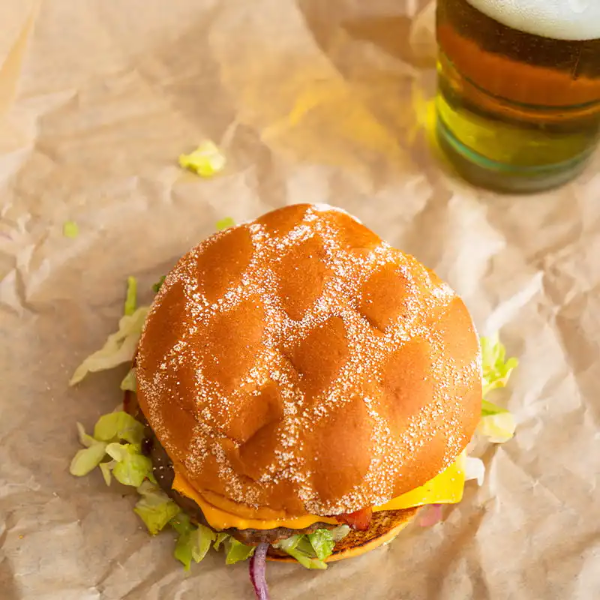
What Role Does Food Greaseproof Paper Play in Baking?
Ingredients, trays, work surfaces, and finished products touch each other constantly during baking. A sheet of paper placed between them keeps things tidier and makes handling easier.
Food Greaseproof Paper is associated with jobs where resistance to oily food surfaces helps. Think of a buttery pastry resting on a serving tray, or a baked item that would otherwise leave a greasy mark on the surface beneath it. Its role shifts with the setup. A home cook may reach for it occasionally, while a bakery may build it into a routine where workers prepare, move, and package products all day.
| Baking Setup | Possible Paper Role |
|---|---|
| Home baking | Food preparation and serving |
| Small bakery | Tray and product handling |
| Cake preparation | Separating individual products |
| Bread preparation | Supporting food handling |
| Commercial kitchen | Repeated preparation tasks |
| Serving area | Product presentation and handling |
Grease resistance alone does not decide whether a paper suits every baking task. The paper still has to match the food and the process it will be used in.
How Does It Fit a Home Baking Setup?
Home baking is a mixed bag. Cookies one weekend, a loaf of bread the next, then a birthday cake or a batch of small pastries. That variety makes flexibility valuable.
A sheet of Food Greaseproof Paper gives a convenient surface for preparing or handling foods where grease is part of the process. It also keeps the work area easier to manage when dough or baked goods move between the counter, the tray, and the cooling rack.
Storage matters just as much in a home kitchen. Cabinets and drawers are usually crowded, so a package needs to slide in beside the muffin tin and the mixing bowls. Someone who uses the same paper again and again may like pre-cut sheets that need no preparation. Someone who bakes different things each week may find a roll more useful, because sheet lengths can be adjusted for each tray. Household size matters less here than the routine of the person doing the baking.
Why Does Tray Shape Matter?
The shape of a tray decides how paper has to be positioned. A flat tray calls for a broad sheet, a small pan needs a compact piece, and a round cake pan requires paper shaped to match the container.
Fit affects preparation time. A sheet that is too large has to be folded or trimmed, which is annoying when hands are covered in flour. A sheet that is too small leaves part of the tray exposed, and the whole point of the paper is lost.
| Tray Type | Paper Handling Consideration |
|---|---|
| Flat baking tray | Broad surface coverage |
| Round cake pan | Shape adjustment |
| Loaf pan | Narrow and extended coverage |
| Small mold | Smaller paper pieces |
| Individual baking cup | Liner-based preparation |
A kitchen that uses several tray shapes may do better keeping a few paper formats on hand than forcing one sheet type into every job.
When Are Parchment Paper Cake Liners Useful?
Parchment Paper Cake Liners are made for individual baking. Instead of cutting a large sheet into small squares or circles, the baker picks up a liner that already suits a particular cake or baking container.
This helps when many small products are prepared in one session, such as a dozen cupcakes for a school event. The baker moves straight from the package to the mold without spending time cutting and shaping each piece of paper. In a small bakery, that makes repeated cake preparation more organized and keeps the workflow moving.
| Application | Possible Liner Benefit |
|---|---|
| Individual cakes | Convenient preparation |
| Muffin-style products | Ready-to-use format |
| Small pastries | Simple portion handling |
| Repeated baking | Less paper cutting |
A liner still needs to match the shape and purpose of its container. It is not just a smaller piece of general baking paper. Its value comes from being designed around individual portions.
How Do Silicone Coated Parchment Paper Sheets Fit Different Tasks?
Silicone Coated Parchment Paper Sheets suit setups where the paper surface plays an active part in preparation. The silicone coating is part of the sheet's surface and influences how food interacts with the paper. A baker who wants a prepared sheet rather than untreated paper may choose this format.
Pre-cut sheets also save effort. They go straight onto a suitable baking surface with no measuring of a roll each time, which is handy when the same tray size comes out repeatedly. A bakery might keep a stack beside the preparation station so workers can grab a sheet while loading trays. A home baker might store the sheets with other baking supplies and pull them out when a recipe calls for a lined surface. Either way, the sheet works well only when its format fits the tray, the food, and the method.
Can Silicone Baking Paper Sheets Work in Repeated Baking?
Repeated baking follows a simple loop. A tray is prepared, food goes on, the tray bakes, and the finished product comes off. The paper is part of that sequence every time around.
Silicone Baking Paper Sheets fit environments where prepared sheets are used regularly. Because they are pre-cut, nobody has to measure and separate a new piece for every batch. The package stays near the work area, and the next sheet is there when needed.
| Repeated Baking Activity | Paper Format Consideration |
|---|---|
| Preparing trays | Easy sheet access |
| Loading food | Stable placement |
| Moving baked products | Suitable surface |
| Cleaning preparation areas | Practical disposal |
| Preparing another batch | Quick replacement |
This works well when one paper size is used regularly. A kitchen with many tray sizes may find several formats more practical than one sheet stretched across every task.
How Can Pop-Up Parchment Paper Sheets Fit a Busy Kitchen?
At a busy baking station, several things happen at the same moment. Small delays, like fighting a roll that curls back on itself, can disturb the rhythm of the whole line.
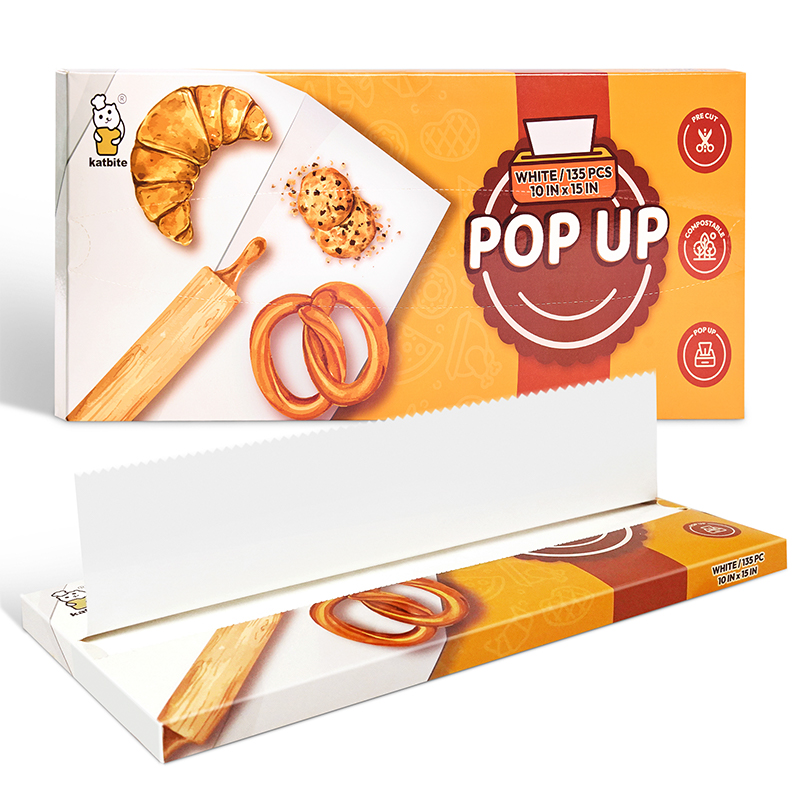
Pop-Up Parchment Paper Sheets are built around one-at-a-time access. A worker pulls a sheet from the package rather than tearing paper from a roll and separating it by hand. The package becomes part of the work area, so it should sit where a hand can reach it without bumping into other tasks. Each use begins with a ready sheet, which keeps the paper routine consistent. This format can suit bakeries, food preparation areas, and home kitchens where easy access matters.
How Does Food Type Influence Paper Choice?
Baked products create different conditions. Some hold a lot of oil, some are delicate, and some need to be handled one by one. The paper should suit the food, not only the tray.
For oily items, Food Greaseproof Paper may be considered when the food surface is part of the handling process. For individual cakes, a liner is often more practical. A tray of cookies calls for a different arrangement from a mold of small cakes.
| Food Type | Possible Paper Consideration |
|---|---|
| Cookies | Flat sheet preparation |
| Cakes | Liner or shaped paper |
| Bread | Surface separation and handling |
| Pastries | Food contact and preparation |
| Oily baked foods | Grease handling |
The preparation process should drive the format. A paper that works well for one product should not be assumed to suit another.
Why Does Baking Frequency Affect Paper Format?
Frequency changes what convenience means. Someone who bakes now and then has time to measure, cut, and shape paper without fuss. A bakery preparing products from early morning onward will want a format that takes fewer steps.
| Baking Frequency | Practical Concern |
|---|---|
| Occasional | Storage and flexible use |
| Regular | Easy preparation |
| Repeated daily baking | Fast sheet access |
| Multiple product batches | Consistent paper handling |
Pre-cut formats reduce repeated preparation work for frequent bakers. Varied home baking may still favor rolls, since the user can cut sheets to match whatever tray comes out of the cupboard. No single format suits every kitchen, and the working routine gives a more reliable basis for the decision.
How Does the Dispensing Method Change the Workflow?
Dispensing is easy to overlook because it happens before any baking begins. Yet every sheet has to travel from storage to the work surface, and the method affects how smoothly that goes.
A roll must be pulled and separated. A flat stack lets sheets be taken directly. A pop-up package hands over one sheet at a time. Pre-cut liners go straight into their molds.
| Dispensing Style | Suitable Workflow Consideration |
|---|---|
| Roll | Flexible sheet preparation |
| Flat stack | Direct sheet access |
| Pop-up package | Individual sheet dispensing |
| Pre-cut liner | Quick preparation for specific products |
A baker who works with many sheet sizes may appreciate a roll. A production area that repeats the same trays may prefer pre-cut sheets. The dispensing method deserves as much thought as the paper itself.
How Can Food Greaseproof Paper Fit Commercial Baking Stations?
Commercial stations follow a clear order. Ingredients arrive, trays are prepared, food is placed, and products move on to the next stage. Paper needs to slot into that order without adding extra handling.
Food Greaseproof Paper becomes part of the process when its surface and format suit the food. Location counts too. Paper kept beside the tray preparation area is easier to reach than paper stored across the room, and a package that lets workers take one sheet without disturbing the rest saves effort over a long shift.
Simple organization helps. Cake liners can sit near the cake tools, while flat sheets stay near the standard trays.
Can One Kitchen Use Several Paper Products?
A kitchen does not have to depend on one format. A bakery might use general-purpose sheets for trays, liners for individual cakes, and pop-up sheets where quick preparation matters.
| Product | Possible Application |
|---|---|
| Food Greaseproof Paper | Grease-related food handling |
| Parchment Paper Cake Liners | Individual cake preparation |
| Silicone Coated Parchment Paper Sheets | Lined baking surfaces |
| Silicone Baking Paper Sheets | Repeated tray preparation |
| Pop-Up Parchment Paper Sheets | Quick individual sheet access |
These products should not be treated as identical just because all of them are made for food-related use. Each format has its own practical role, and keeping that clear helps buyers avoid choosing paper by appearance or packaging alone.
How Should Small Bakeries Organize Baking Paper?
A small bakery rarely has the storage space of a large production facility, yet it may prepare several kinds of products in one shift. Good paper organization keeps the preparation area manageable.
Frequently used sheets can live close to the relevant work surface, while less common formats go into a separate storage spot. Clear labels let workers identify a paper type without opening every package. A simple system can separate flat baking sheets, cake liners, pop-up sheets, greaseproof paper, and specialty formats. With that in place, choosing the right paper at the start of a new task takes a moment instead of a search.
What Should Home Bakers Consider When Choosing Paper?
Home bakers have more flexibility, though storage and versatility still matter. Start by considering the trays used regularly and the foods prepared during a typical week. Then think about how much time you want to spend cutting the paper.
Ask whether individual liners would be useful for muffins or small cakes. Consider whether sheets or a roll fit your cupboard and habits better. Decide how often paper is needed and which dispensing method is easy to manage. These questions tie the paper to real baking habits rather than to a product description.
Someone who tries new recipes every week may enjoy flexible sheets. Someone who bakes the same loaf or tray of cookies repeatedly may find a pre-cut format fits the routine naturally.
How Can Baking Setups Adapt Paper Use Over Time?
Kitchens change. A home baker who begins with occasional cookies may move on to cakes. A small bakery may add products that need new trays or individual molds.
As the workflow changes, paper needs change with it. A kitchen might bring in Parchment Paper Cake Liners for individual products, Silicone Coated Parchment Paper Sheets for prepared tray work, or Pop-Up Parchment Paper Sheets once quick access becomes valuable. Food Greaseproof Paper can stay in the setup wherever its grease-handling qualities suit the food process.
What connects all of this is the match between paper and task. Tray shape, food type, baking frequency, storage, and dispensing all shape which format sits comfortably in a given working space.
Related Products
-
-
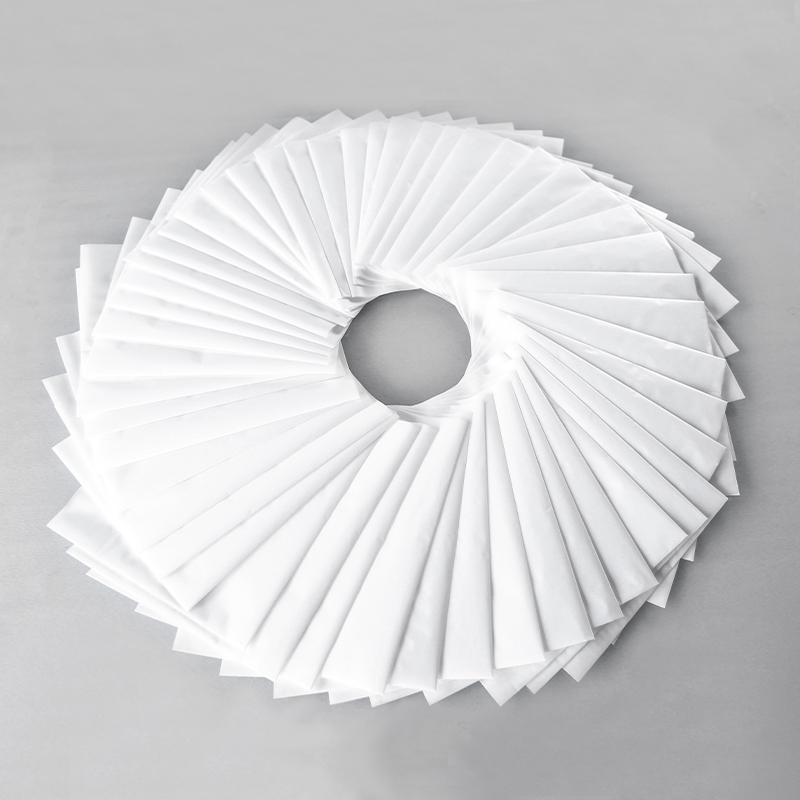
Product details: Folded baking paper sheets, an environment-friendly product, are composed of wood pulp and are double-side coated with silicone. Such a coating makes our paper smooth, greaseproof and...
See Details -
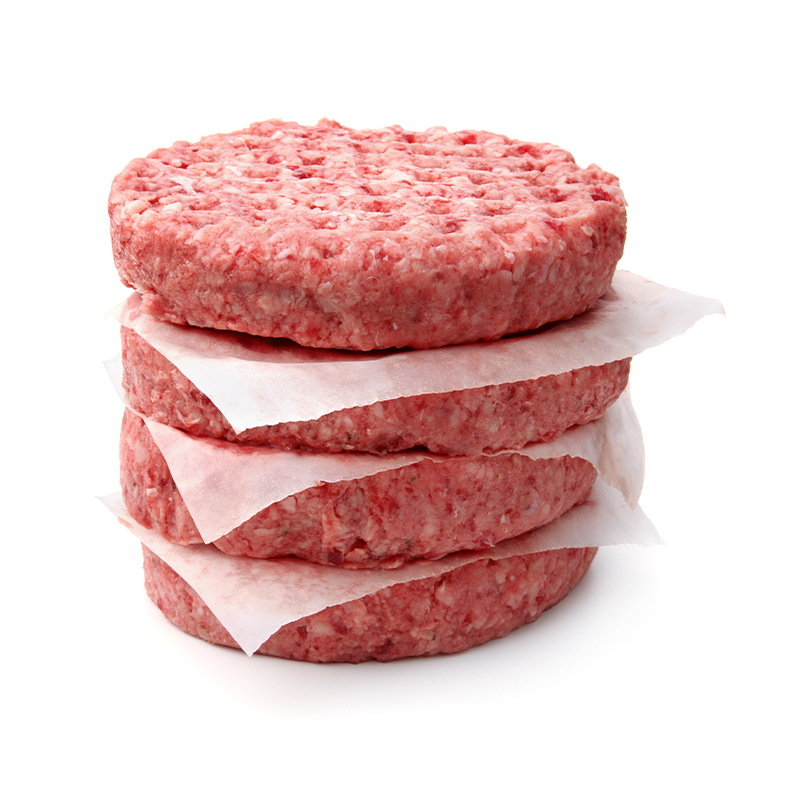
Description: Wax paper is the paper that is coated with food-grade wax in order to make it non-stick and waterproof. wax paper is very good for food storing and presentingMade of food-grade paper and ...
See Details -
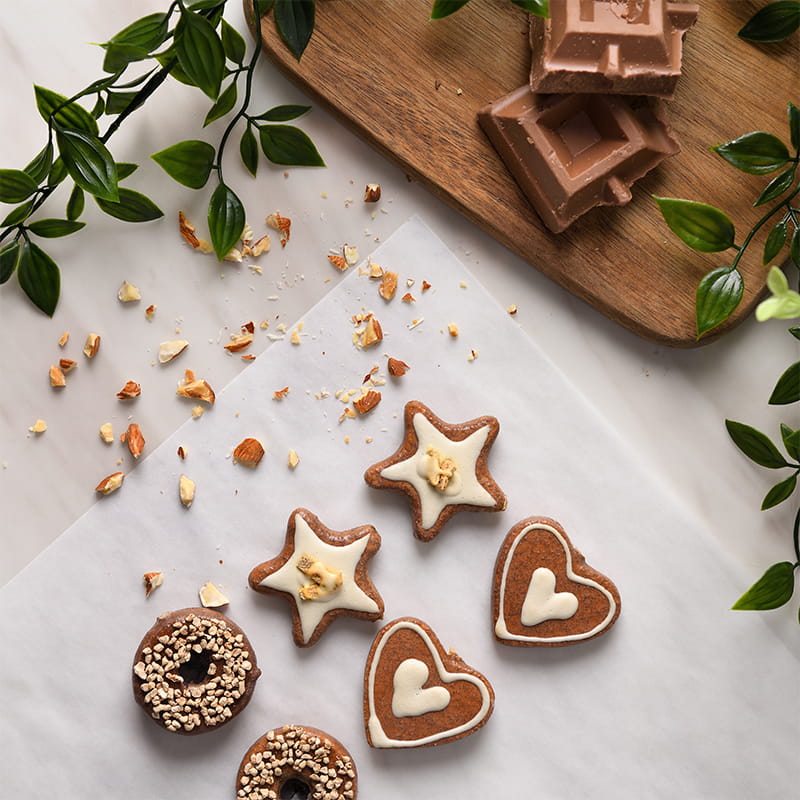
Product Features: 1. Virgin wood pulp 2. Double sides food grade silicone-treated 3. Fluorine-free 4. Non-stick 5. Oven/Microwave safe 6. Freezer safe 7. Reusable 8. BPA f...
See Details -
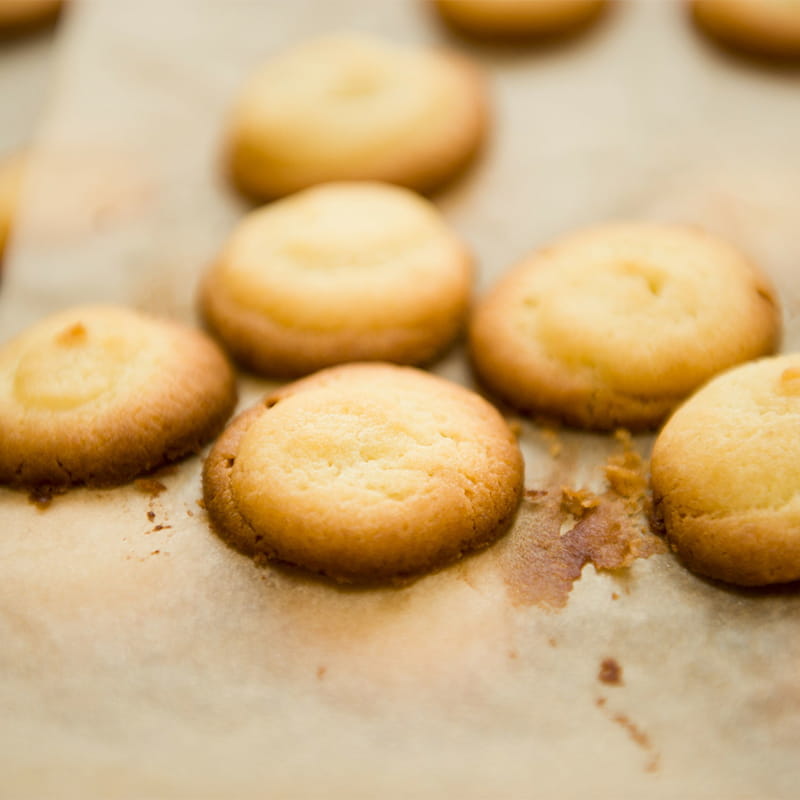
Product Features: 1. Virgin wood pulp 2. Natural unbleached brown color 3. Double sides food grade silicone-treated 4. Fluorine-free 5. Non-stick 6. Oven/Microwave safe 7. Fre...
See Details -
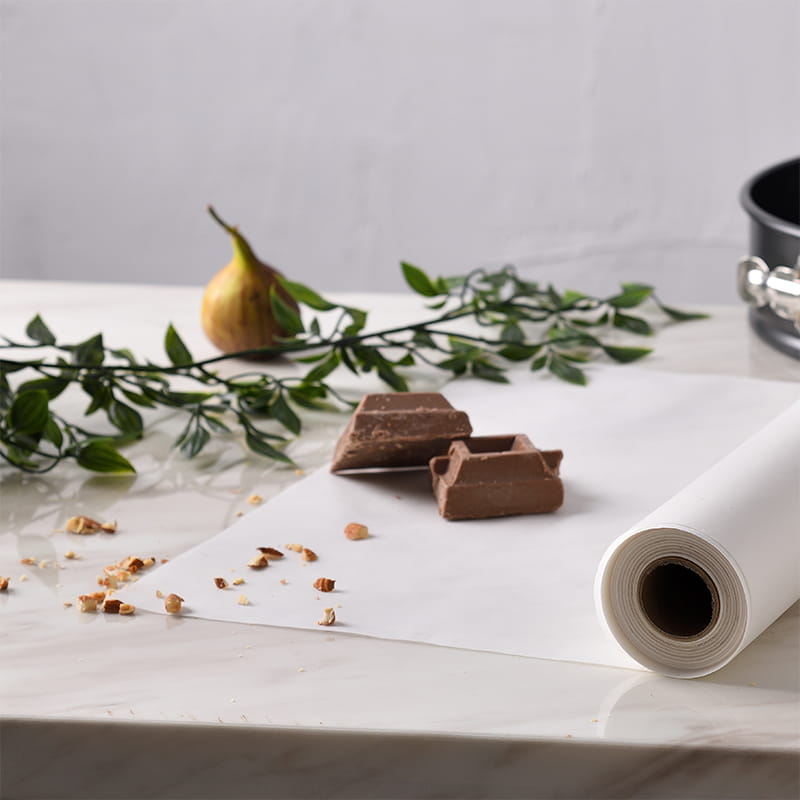
Product Features: 1. Virgin wood pulp 2. Double sides food grade silicone treated 3. Fluorine-free 4. Non-stick 5. Oven/Microwave safe 6. Freezer safe 7. Reusable 8. BPA ...
See Details -
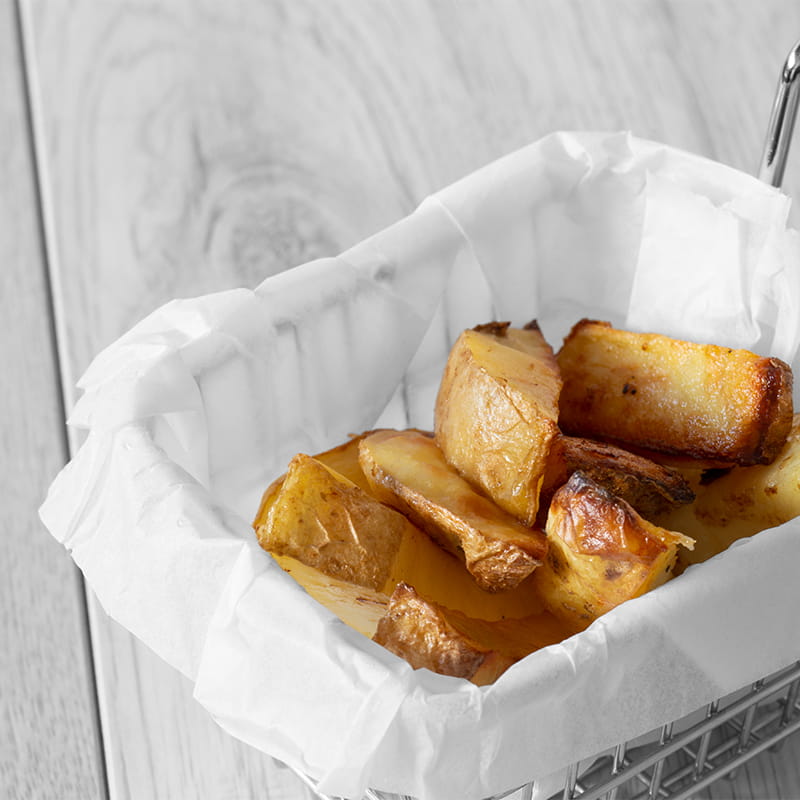
Product Features: 1. Virgin wood pulp 2. Fluorine-free 3. BPA free 4. Biodegradable Product Details: In an era where environmental consciousness and sustainability are paramount, Natu...
See Details -
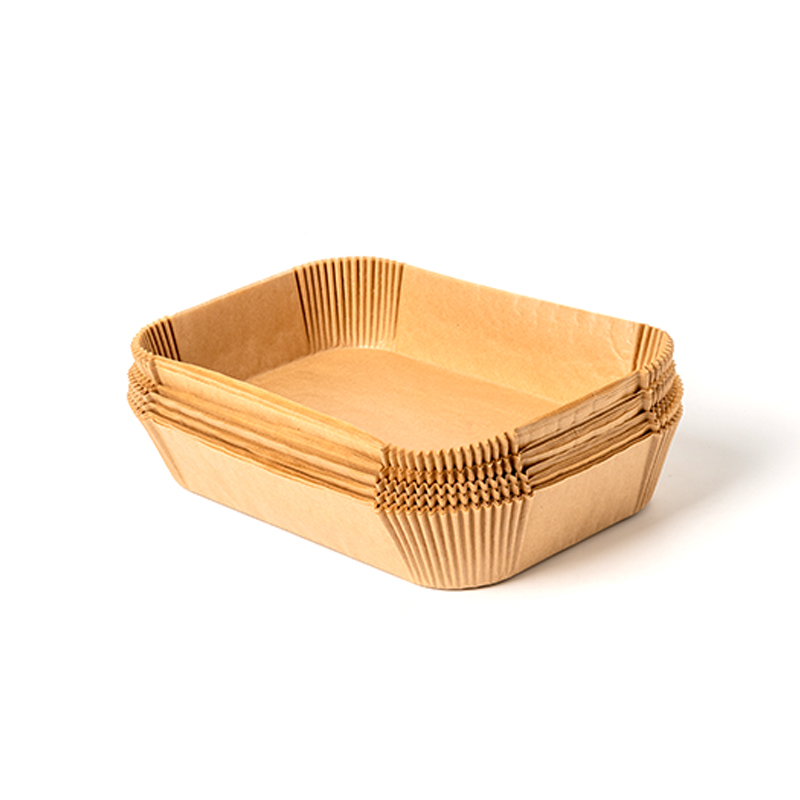
Product Features: 1. Virgin wood pulp 2. Double sides food grade silicone-treated 3. Fluorine-free 4. Non-stick 5. Air fryer basket safe 6. Reusable 7. BPA free 8. Biodeg...
See Details -
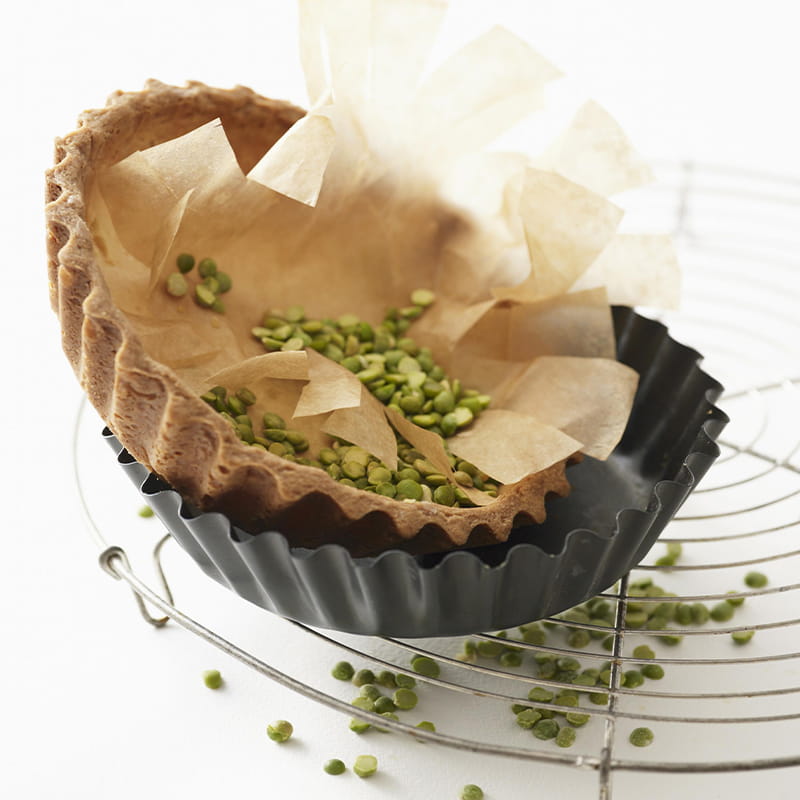
Product Features: 1. Virgin wood pulp 2. Natural unbleached brown color 3. Fluorine-free 4. BPA free 5. Biodegradable Product Details: Introducing our Unbleached Brown Food Grade ...
See Details -
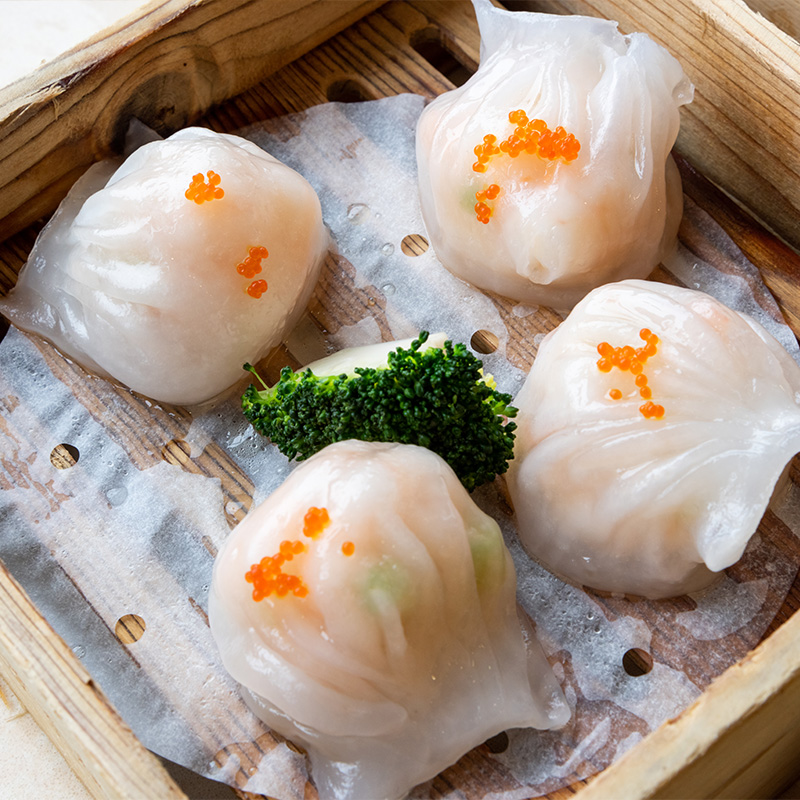
Product Features: 1. Virgin wood pulp 2. Double sides food grade silicone treated 3. Fluorine-free 4. Non-stick 5. Steamer/air fryer basket safe 6. Reusable 7. BPA free 8...
See Details -
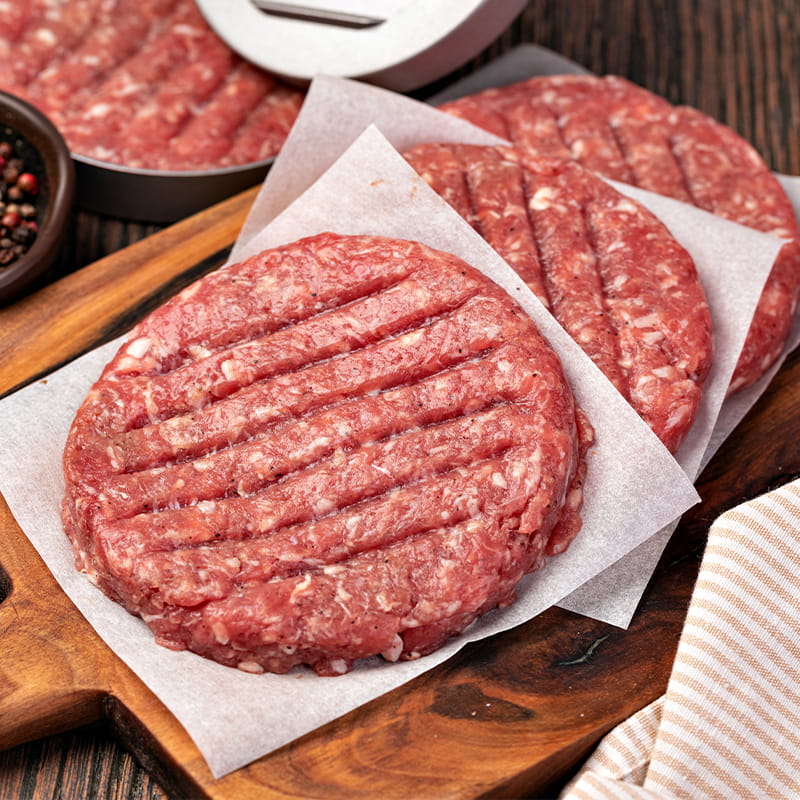
Product Features: 1. Virgin wood pulp 2. Double sides food grade silicone treated 3. Fluorine-free 4. Non-stick 5. Easy to separate 6. Reusable 7. BPA free 8. Biodegradab...
See Details -
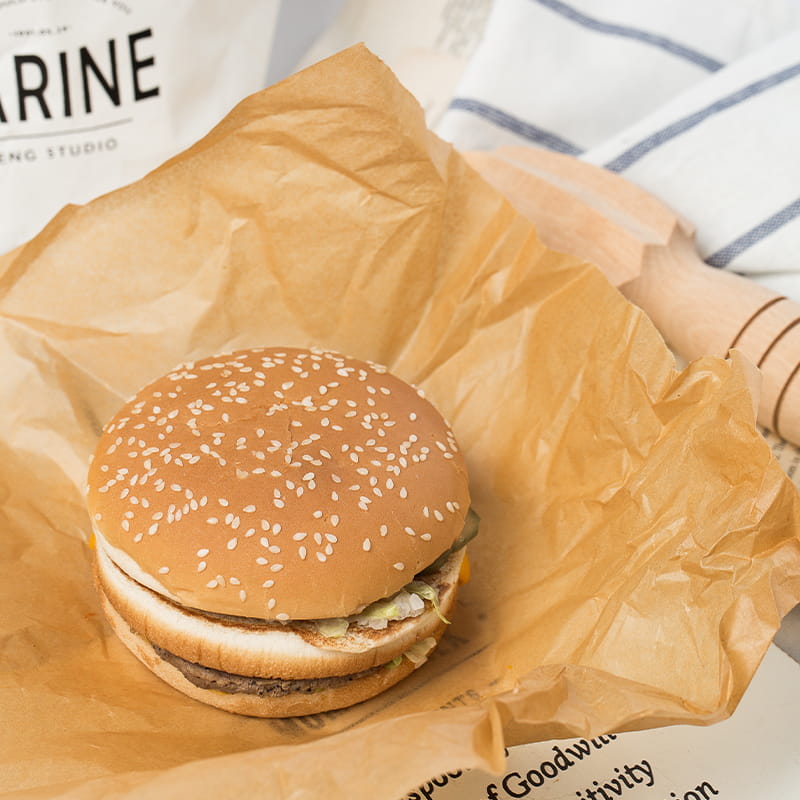
Product Features 1. Virgin wood pulp 2. Flexographic printing 3. Eco-friendly water-based ink 4. BPA free Product Details: Introducing our premium Greaseproof Sandwich Paper Sheets, a...
See Details

Professional Baking Parchment Paper Manufacturer in China with more than 15 years silicone coating experience.
Products
Contact Us
- No.10 Longyin Road, Chengnan Industrial Park,Longyou, Quzhou, China.
- +86-18968091013 / +86-571-88639705
- Avayao-1990@hotmail.com
Copyright © Zhejiang Guanghe New Materials Co., Ltd. All Rights Reserved.
Parchment Paper & Baking Paper Sheets Manufacturer
