 English
 中文简体
中文简体
Product details: Pop-up parchment paper sheets, an environment-friendly product, are composed of wood pulp and are double-side coated with silicone. Such a coating makes our paper smooth, greasepr...
See DetailsHow to Compare Food Greaseproof Paper for Kitchens
Choosing baking paper seems simple until the paper meets a busy kitchen counter. Recipes call for different trays, different surfaces, and different preparation habits. A sheet that works smoothly for cookies may feel awkward when a batch of small cakes is on the schedule.
Paper type is one part of the decision. Sheet size, tray shape, how often baking happens, where the paper is stored, and how each sheet is pulled from its package all change how practical a product feels day to day. A home baker may care about how easily a sheet fits a familiar tray. A commercial kitchen may care about preparation speed and how workers handle paper across a long shift.
Food Greaseproof Paper, Parchment Paper Cake Liners, and Silicone Baking Paper Sheets serve different preparation needs. Knowing how they differ makes it easier to match a format to a task.
Why Does Paper Type Matter When Choosing Baking Sheets?
Baking paper is not one uniform category. Each type has its own surface characteristics and intended uses. Some products help food separate from a baking surface, while others are designed around grease handling or portioning.
Food Greaseproof Paper suits foods that release oil while being prepared or served, such as a buttery pastry resting on a serving tray. A parchment-style product suits a baker who wants a sheet made for lining a baking surface. The choice should follow what happens during preparation, not the name printed on the package.
| Paper Type | Common Consideration |
|---|---|
| Greaseproof paper | Handling foods with oily surfaces |
| Parchment-style paper | Lining baking surfaces |
| Silicone-coated paper | Convenient food release |
| Cake liners | Supporting individual baked items |
| Pop-up sheets | Quick sheet dispensing |
A person baking cookies has different needs from someone making individual cakes. Paper type is a sensible starting point, though it rarely settles the question alone.
How Does Sheet Size Affect Selection?
Size changes how easily paper fits a tray. A sheet that is too small leaves part of the surface bare, and one that is too large needs folding, trimming, or repositioning. Both problems become obvious when several trays must be ready within a short window, like a morning rush before a weekend market.
Tray shape matters here too. A rectangular tray, a round pan, a loaf pan, and an individual mold each ask for a different paper arrangement.
| Baking Surface | Paper Consideration |
|---|---|
| Flat tray | Broad sheet coverage |
| Round pan | Shape and edge handling |
| Loaf pan | Long, narrow coverage |
| Small baking mold | Smaller pieces or liners |
| Divided tray | Separate sections |
Size should be judged together with the tray. A practical sheet covers what it needs to cover without creating extra work at the counter.
Why Should the Baking Tray Type Be Considered?
The tray sets the shape and area the paper has to cover. It also decides whether the sheet can simply be laid down or needs to follow the sides of a deeper pan. Small molds are often simpler to prepare with individual liners than with a cut-up sheet.
This explains why many bakeries and home kitchens keep more than one paper format on hand. Forcing a single type into every situation usually costs time. A format that suits the tray and the food saves it.
A short routine helps make paper part of the workflow rather than an afterthought. Look at the baking surface, check the tray shape, and decide whether the sides need covering. Then ask whether cutting is practical or a ready-made format would spare the effort.
When Are Parchment Paper Cake Liners More Practical?
Parchment Paper Cake Liners are built around individual cakes and portions. They spare the baker from cutting a large sheet into many small pieces. That matters when a dozen cupcakes are on the list for a school event or a family gathering.
Instead of measuring and trimming again and again, the baker works with a shape already suited to the mold. The liner still has to fit its container, since unnecessary folds or gaps defeat the purpose. Cupcakes, small cakes, and muffins each have their own preparation style, so the liner should match the product.
The real benefit of this format is workflow. Repeated preparation of many portions moves along more smoothly when each liner is ready to drop into place.
How Do Silicone Coated Parchment Paper Sheets Differ in Use?
Silicone Coated Parchment Paper Sheets offer another route for baking preparation. The coating forms part of the paper surface and influences how food interacts with the sheet. A baker who wants a prepared sheet rather than an untreated one may lean toward this format.
Food, tray, and method still decide the outcome. The sheet might line a flat tray, support baked goods, or separate food from a baking surface. Handling counts as well. If a sheet is hard to position or keeps folding in the wrong place, a suitable surface will not make up for the frustration.
For commercial users, the link between surface characteristics and preparation speed becomes especially relevant during long production runs.
How Does Frequency of Use Change Paper Selection?
Someone who bakes now and then usually thinks about storage and convenience. A bakery that prepares products through the whole day has different worries. Workers take a sheet, place it on a tray, load food, and repeat the sequence many times.
In that setting, easy handling can matter as much as paper type. A product that needs extra preparation each time slows a repeated task.
| Usage Pattern | Selection Consideration |
|---|---|
| Occasional home baking | Easy storage and simple handling |
| Regular home baking | Convenient sheet preparation |
| Small food business | Consistent workflow |
| Busy baking operation | Quick access and dispensing |
| Individual product preparation | Suitable liners or smaller sheets |
Frequency also influences whether loose sheets, rolls, liners, or pre-portioned paper make more sense.
Why Does the Dispensing Method Matter?
The way paper comes out of its package affects how quickly and cleanly it gets prepared. A roll requires pulling and separating. Loose sheets can be taken straight from a stack. Pop-up formats present individual sheets for easy pickup.
Kitchen habits decide which works. A home baker may not mind cutting paper from a roll while the oven warms up. Workers in a busy kitchen may prefer paper that can be grabbed and placed on a tray with no extra step.
| Dispensing Method | Practical Feature |
|---|---|
| Roll | Flexible sheet length |
| Loose stack | Direct access to individual sheets |
| Pop-up format | Quick individual dispensing |
| Pre-cut liner | Ready for a specific baking use |
No single method suits every kitchen. Storage, handling, and preparation habits all shape the right answer.
How Can Pop-Up Parchment Paper Sheets Support Busy Kitchens?
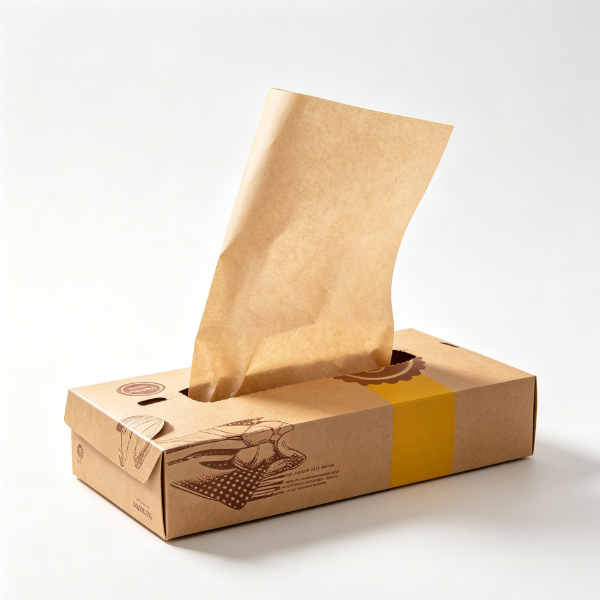
Pop-Up Parchment Paper Sheets are designed around convenient access. Users take individual sheets from the package rather than pulling and cutting from a continuous roll. That suits kitchens where the same action repeats many times an hour.
The package becomes part of the workstation. It should let a worker remove one sheet without making the remaining paper awkward to reach. Placing it close to the preparation area saves steps, and small savings add up across a shift.
At home, pop-up sheets cut down on measuring and cutting. The baker takes a sheet, lays it on the tray, and returns to the recipe.
Does Food Type Influence Baking Paper Selection?
The food itself deserves attention. Foods leave different amounts of oil, moisture, or residue on paper. A dry biscuit creates different handling needs from a glazed pastry or a tray of roasted nuts coated in oil.
Food Greaseproof Paper is worth considering where grease handling is part of preparation or serving. Other baking papers fit better when the main job is lining a baking surface.
| Food Situation | Paper Consideration |
|---|---|
| Oily food | Surface and grease handling |
| Baked goods | Baking surface preparation |
| Individual cakes | Suitable liner format |
| Sticky mixtures | Food release considerations |
| Prepared portions | Easy separation and handling |
Being clear about the intended use before buying helps avoid a common mistake, which is picking paper because it stores conveniently without thinking about how it behaves once food is on it.
How Does Storage Affect Baking Paper Choice?
Baking paper ends up in drawers, cabinets, shelves, or on a shelf beside the preparation area. Where it lives influences which format is comfortable to use. A roll needs a spot where it can be pulled and cut. Loose sheets need room to stay flat. Pop-up packages can sit close to the work surface.
Storage also affects condition. Sheets that get bent or crushed become harder to place on a tray, and a crease can leave a gap where food touches the pan. Packaging deserves as much thought as the paper inside it.
| Storage Format | Space Consideration |
|---|---|
| Roll | Room for the roll and dispensing |
| Flat sheets | Benefits from flat storage |
| Pop-up package | Designed for accessible sheet removal |
| Cake liners | Can be grouped with baking molds |
A sensible arrangement depends on the kitchen layout and how often the paper is used.
Why Is Paper Handling Important During Preparation?
Baking paper looks simple, yet people handle it constantly. They pull it out, separate sheets, position it, fold it, or press it into a mold. If the paper is hard to control, preparation turns irritating, especially with floury hands.
Handling matters when the paper needs to stay in place while food is being added. A sheet that moves around can require extra attention before the tray is ready. Size and shape can affect this experience, as can the way the paper is dispensed.
A baker working alone may want something that needs little preparation. A commercial kitchen may value a system that lets workers reach sheets quickly without interrupting other tasks.
How Do Silicone Baking Paper Sheets Fit Repeated Baking Work?
Silicone Baking Paper Sheets suit kitchens that regularly prepare food on lined baking surfaces. Their pre-cut format can feel more straightforward than a large roll, depending on the tray and the workflow.
Repeated use rewards consistency. When workers use similar trays all day, a suitable sheet format builds a familiar routine. Sheets should be easy to take from storage and place on the tray, without time spent adjusting each one.
Sheet format, packaging, and tray selection all meet at this point. Paper is one piece of the process, and its usefulness depends on how well it fits the way the kitchen works.
Can Selection Differ Between Home and Commercial Kitchens?
Home and commercial kitchens can use similar products, though the reasoning behind the choice differs. A home baker weighs convenience, storage, recipe variety, and occasional use. A commercial kitchen pays more attention to repeated preparation, dispensing speed, tray consistency, and organized storage.
| Kitchen Type | Main Selection Factors |
|---|---|
| Home kitchen | Convenience and flexible use |
| Small bakery | Repeated preparation and storage |
| Restaurant kitchen | Quick access and workflow |
| Food production area | Consistent handling and organization |
Different formats can also share one kitchen. A bakery might use larger sheets for flat trays and individual liners for smaller products. Keeping more than one format available makes sense when the menu includes several kinds of baked goods.
How Can Buyers Match Paper Format With Daily Workflow?
A useful approach begins with how the paper will be used. Rather than asking only which paper is suitable, buyers can walk through the whole preparation routine, from the package to the oven door.
Consider the food being prepared and the trays or molds used regularly. Decide whether full sheets or individual liners are more practical, and think about how often paper needs to be reached. Review available storage space and pick a dispensing method that fits the pace of work.
A format that looks convenient in its package may feel different beside a working oven. Real routines, not product photos, should guide the decision.
What Should Buyers Look for When Comparing Baking Paper Sheets?
Comparison involves more than looking at a paper surface. Format, tray compatibility, food type, storage method, and dispensing process all influence daily use. A short checklist before ordering keeps the decision grounded.
| Question | Why It Matters |
|---|---|
| What food will be prepared? | Helps identify suitable paper types |
| What trays are used? | Determines useful sheet shapes |
| How often is paper needed? | Influences the preferred format |
| Where will it be stored? | Affects packaging choice |
| How will sheets be dispensed? | Influences preparation speed |
| Are individual liners needed? | Helps with portion-based baking |
Practical comparison like this prevents unnecessary purchases and reduces preparation problems. In a home kitchen, it may take only a moment. In a commercial operation, these choices become part of the daily production routine.
Baking paper works well when it fits the path from storage to counter to baking tray. Matching that path with the right format keeps preparation steady, whether the kitchen holds one oven or several.
Related Products
-
-
Product details: Folded baking paper sheets, an environment-friendly product, are composed of wood pulp and are double-side coated with silicone. Such a coating makes our paper smooth, greaseproof and...
See Details -
Description: Wax paper is the paper that is coated with food-grade wax in order to make it non-stick and waterproof. wax paper is very good for food storing and presentingMade of food-grade paper and ...
See Details -
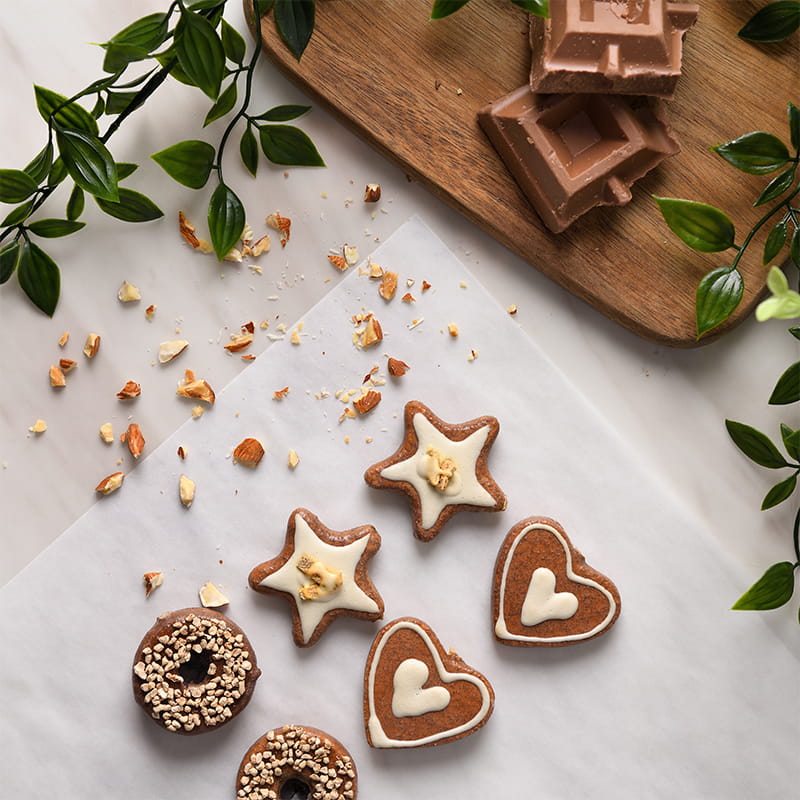
Product Features: 1. Virgin wood pulp 2. Double sides food grade silicone-treated 3. Fluorine-free 4. Non-stick 5. Oven/Microwave safe 6. Freezer safe 7. Reusable 8. BPA f...
See Details -
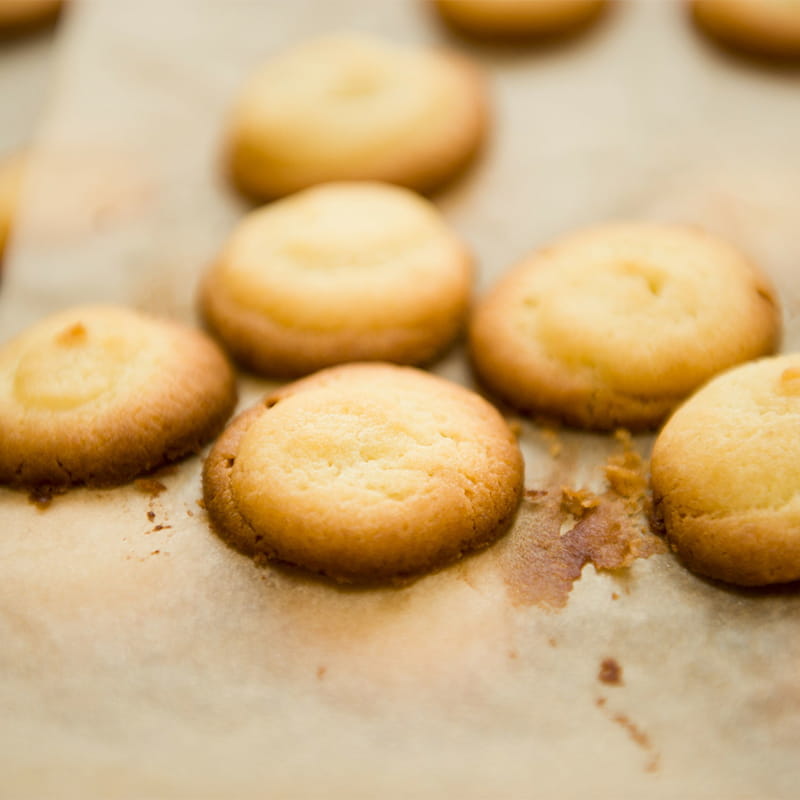
Product Features: 1. Virgin wood pulp 2. Natural unbleached brown color 3. Double sides food grade silicone-treated 4. Fluorine-free 5. Non-stick 6. Oven/Microwave safe 7. Fre...
See Details -
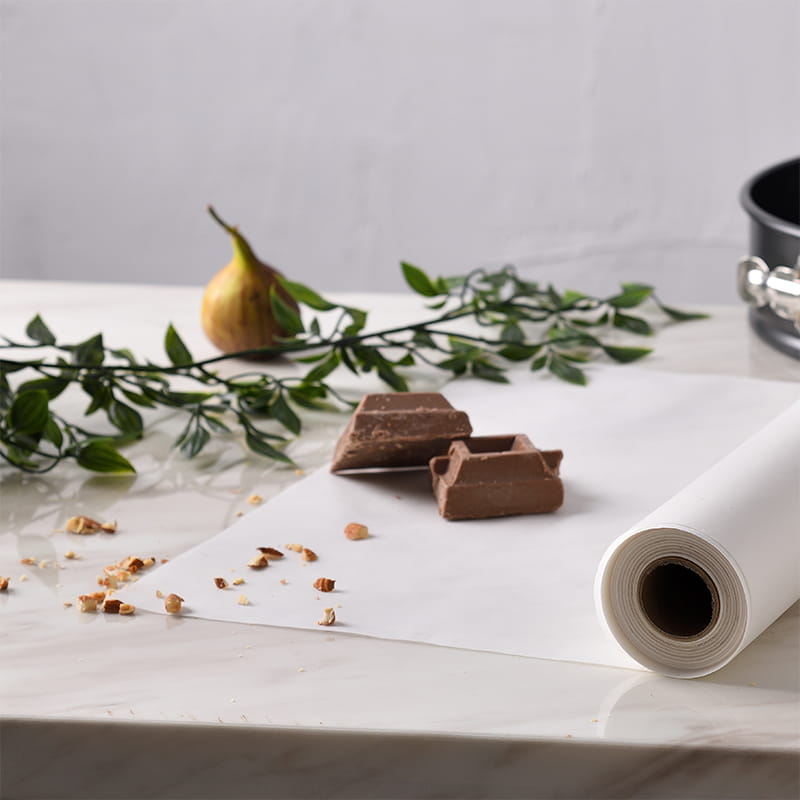
Product Features: 1. Virgin wood pulp 2. Double sides food grade silicone treated 3. Fluorine-free 4. Non-stick 5. Oven/Microwave safe 6. Freezer safe 7. Reusable 8. BPA ...
See Details -
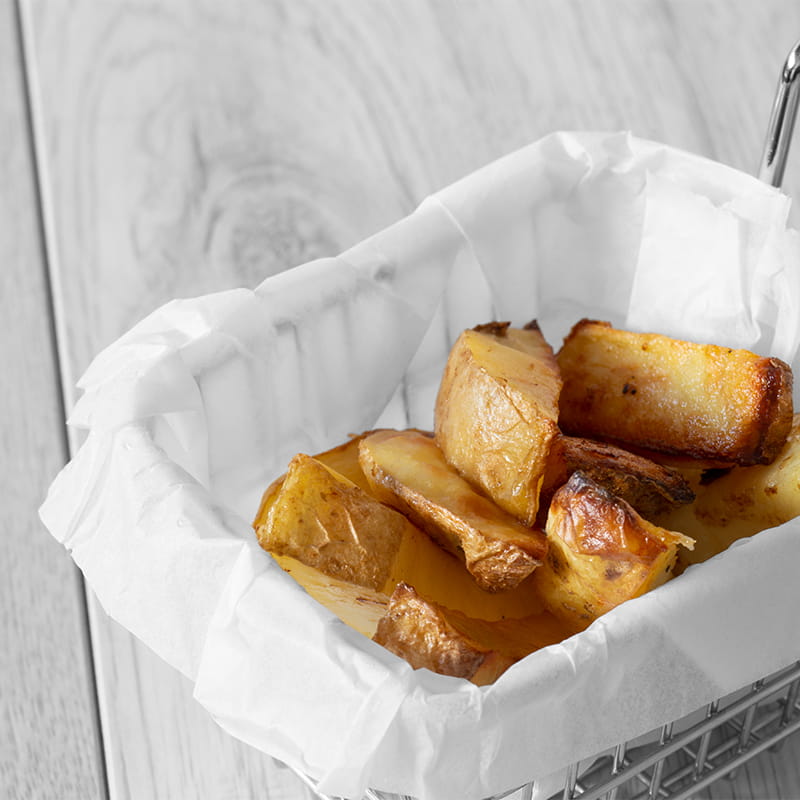
Product Features: 1. Virgin wood pulp 2. Fluorine-free 3. BPA free 4. Biodegradable Product Details: In an era where environmental consciousness and sustainability are paramount, Natu...
See Details -
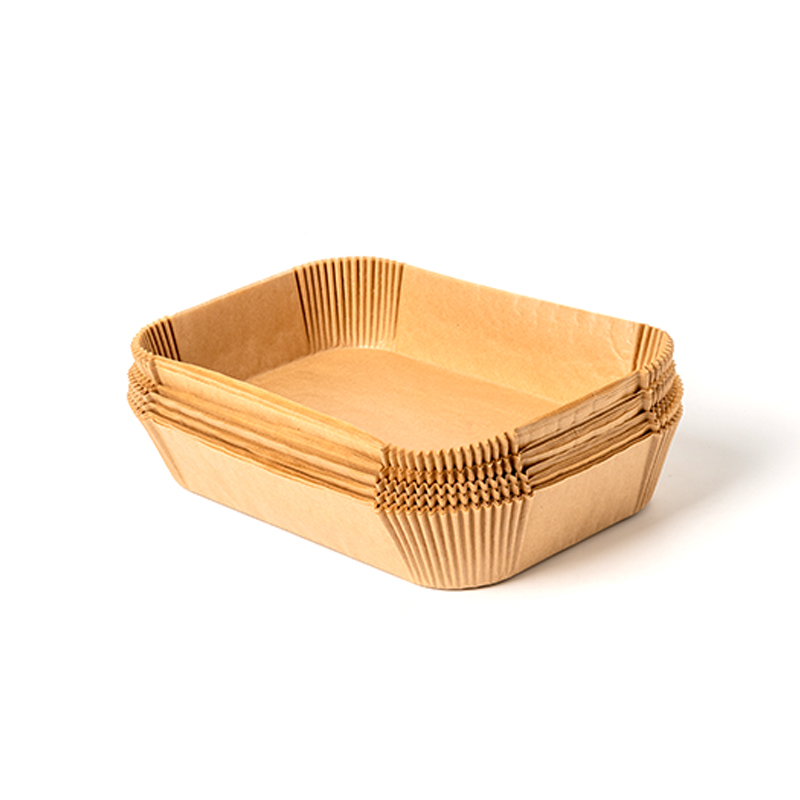
Product Features: 1. Virgin wood pulp 2. Double sides food grade silicone-treated 3. Fluorine-free 4. Non-stick 5. Air fryer basket safe 6. Reusable 7. BPA free 8. Biodeg...
See Details -
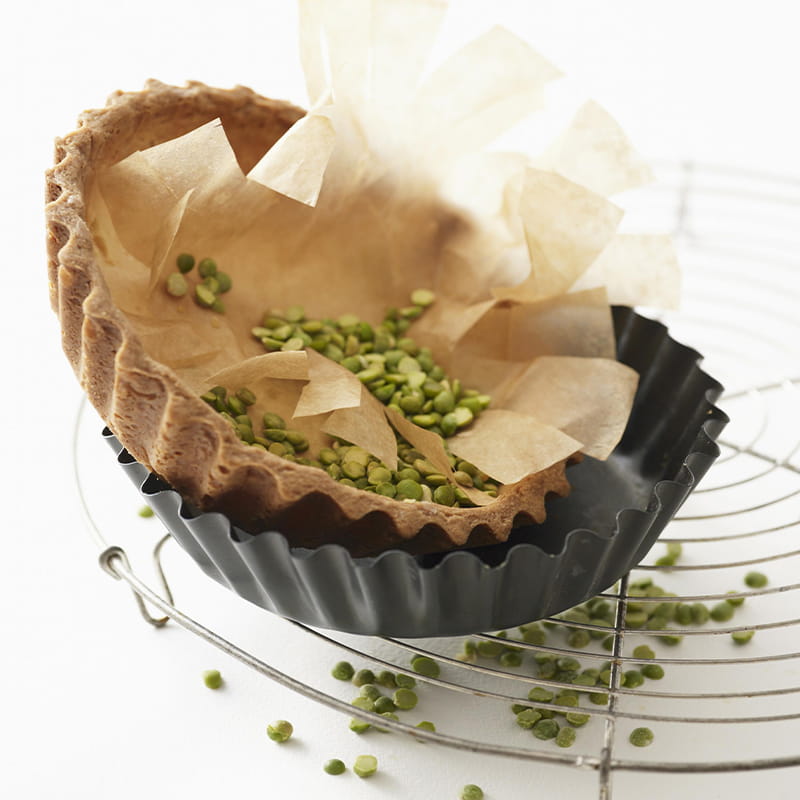
Product Features: 1. Virgin wood pulp 2. Natural unbleached brown color 3. Fluorine-free 4. BPA free 5. Biodegradable Product Details: Introducing our Unbleached Brown Food Grade ...
See Details -
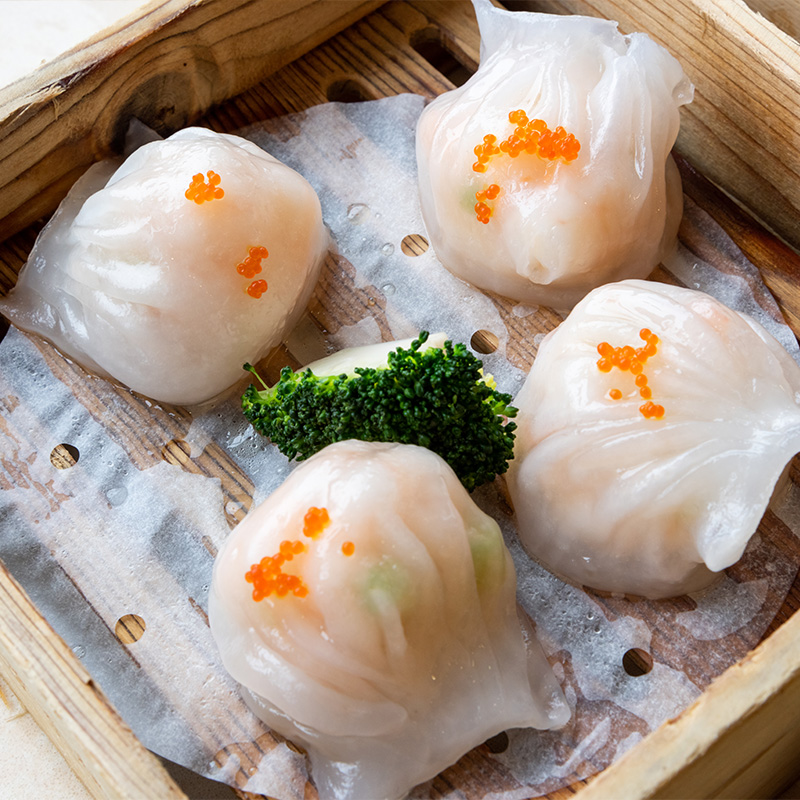
Product Features: 1. Virgin wood pulp 2. Double sides food grade silicone treated 3. Fluorine-free 4. Non-stick 5. Steamer/air fryer basket safe 6. Reusable 7. BPA free 8...
See Details -
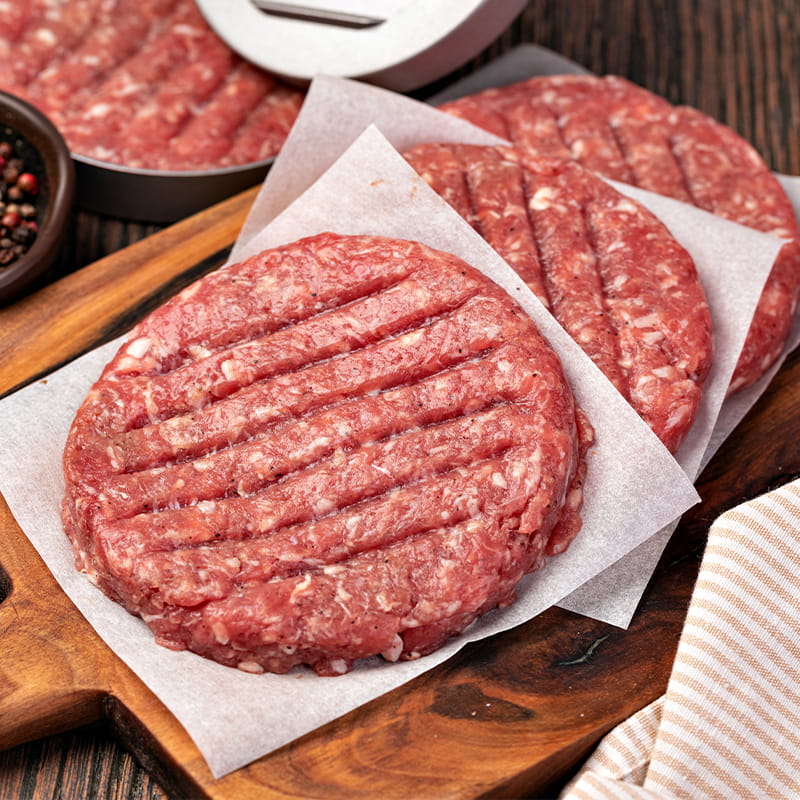
Product Features: 1. Virgin wood pulp 2. Double sides food grade silicone treated 3. Fluorine-free 4. Non-stick 5. Easy to separate 6. Reusable 7. BPA free 8. Biodegradab...
See Details -
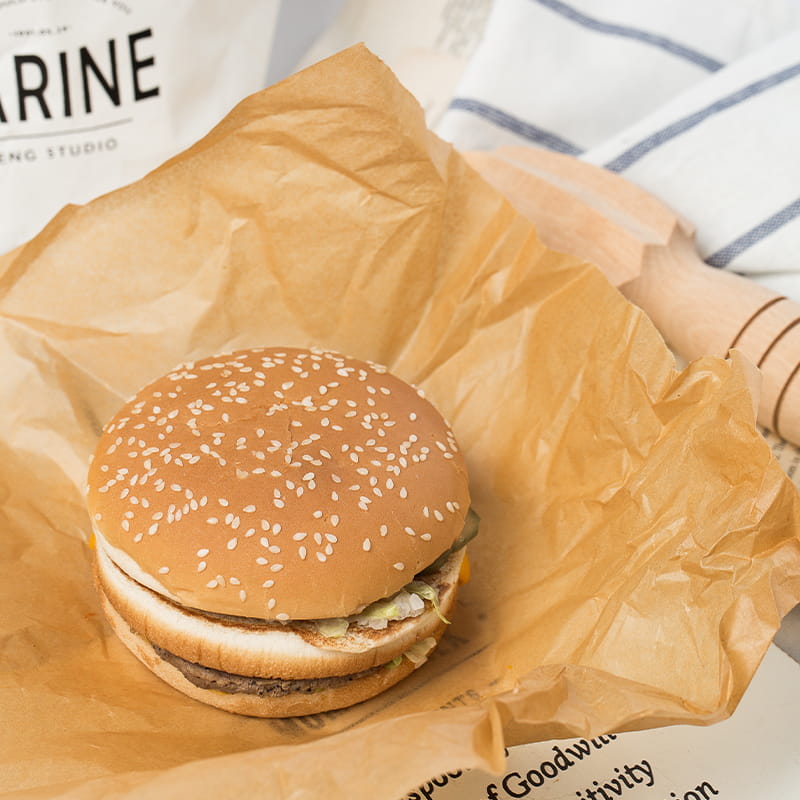
Product Features 1. Virgin wood pulp 2. Flexographic printing 3. Eco-friendly water-based ink 4. BPA free Product Details: Introducing our premium Greaseproof Sandwich Paper Sheets, a...
See Details

Professional Baking Parchment Paper Manufacturer in China with more than 15 years silicone coating experience.
Products
Contact Us
- No.10 Longyin Road, Chengnan Industrial Park,Longyou, Quzhou, China.
- +86-18968091013 / +86-571-88639705
- Avayao-1990@hotmail.com
Copyright © Zhejiang Guanghe New Materials Co., Ltd. All Rights Reserved.
Parchment Paper & Baking Paper Sheets Manufacturer
