 English
 中文简体
中文简体
Product details: Pop-up parchment paper sheets, an environment-friendly product, are composed of wood pulp and are double-side coated with silicone. Such a coating makes our paper smooth, greasepr...
See DetailsHow Do Baking Paper Sheets Fit Home and Commercial Baking
Baking paper sheets may look like a genuinely small part of a baking setup, but they can influence how easily food gets prepared, handled, and removed from a pan. The same basic paper product can serve very different purposes depending on whether it gets used in a home kitchen, a bakery, or a larger food production area.
At home, a sheet of paper may simply line a baking tray before a batch of cookies goes into the oven for the afternoon. In a commercial bakery, paper may get used repeatedly across different products, baking pans, and preparation stages throughout a working shift. This difference makes the format, coating, size, and handling method genuinely important when choosing baking paper.
Products such as Food Greaseproof Paper, Parchment Paper Cake Liners, and Silicone Baking Paper Sheets can fit different parts of the baking process. Understanding these applications helps users select paper according to the food being prepared and the way the kitchen actually operates.
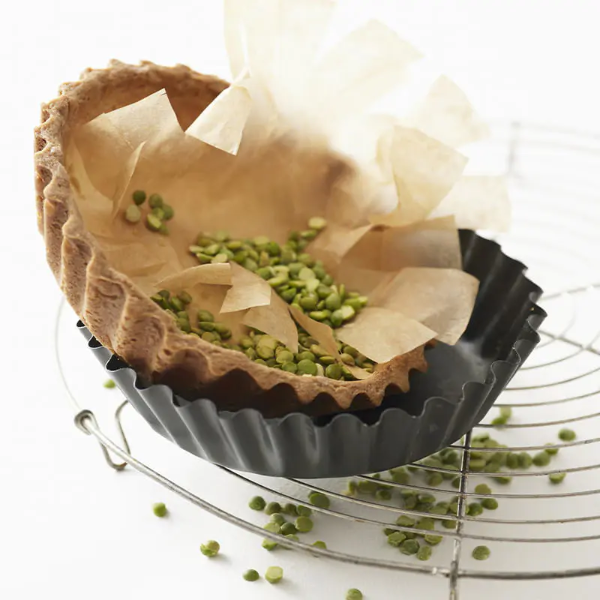
Why Do Home Bakers Use Baking Paper Sheets?
Home baking often involves several small tasks happening at the same time on a busy weekend morning. Ingredients need preparation, pans need lining, baked goods need removal, and surfaces need cleaning after everything comes out of the oven.
Baking paper can simplify some of these steps by creating a practical layer between food and the baking surface. This can make handling a lot easier, while reducing the amount of food that remains directly stuck on the pan afterward.
| Home Baking Task | Possible Paper Application |
|---|---|
| Cookies | Lining a baking tray |
| Bread | Supporting dough during baking |
| Cakes | Lining selected pan surfaces |
| Roasted snacks | Creating a practical tray surface |
| Pastries | Supporting preparation and baking |
For home users, convenience is often closely connected with how quickly the paper can get prepared before the oven timer starts. A sheet that's easy to position can be genuinely useful when baking several items in succession one after another.
The choice can change depending on the recipe being followed that day. A flat sheet may suit a tray perfectly, while a shaped liner may be a lot easier for a particular cake pan with curved sides.
This makes baking paper less about having one universal format and more about matching the paper with the actual task at hand.
How Does Baking Paper Fit Different Types of Baking Pans?
Baking pans come in genuinely many shapes sitting in a typical kitchen cabinet. A flat tray is simple to line, while round, deep, or specially shaped pans can require a lot more attention during preparation.
A paper sheet needs to sit reasonably well against the surface, without interfering with the food being prepared inside it. If the paper is too large, excess material may fold into the food and create uneven baking. If it's too small, parts of the pan may remain exposed to direct contact.
| Pan Type | Suitable Paper Approach |
|---|---|
| Flat baking tray | Flat baking sheet |
| Round cake pan | Shaped cake liner |
| Loaf pan | Paper sized for long surfaces |
| Muffin pan | Individual liners |
| Pastry tray | Flat parchment sheet |
Different baking tasks therefore encourage genuinely different paper formats depending on what's going into the oven. Parchment Paper Cake Liners are particularly useful when the shape of the pan calls for a prepared liner, rather than a flat piece that needs manual cutting every time.
This can save real preparation time during cake making on a busy baking day. It can also make the lining process a lot easier for users who bake regularly and want to skip the fiddly cutting step.
The main consideration is how the paper interacts with the pan and the food sitting inside it. A suitable format should make preparation easier, without creating unnecessary folding or adjustment mid-recipe.
What Role Does Food Greaseproof Paper Play in Baking?
Not every baking task has the same surface requirements when food goes into the oven. Some foods contain oils, fats, or other ingredients that can make handling genuinely more difficult afterward.
Food Greaseproof Paper can be useful when a paper layer is needed to help manage contact between food and a working surface. It can also support packaging or preparation tasks where grease resistance is genuinely relevant to the outcome.
| Application | Paper Consideration |
|---|---|
| Pastries | Helps manage contact with oily foods |
| Cookies | Provides a practical tray surface |
| Baked snacks | Supports easier handling |
| Food preparation | Can separate food from work surfaces |
| Packaging | May assist with food presentation |
The application depends heavily on the product construction and intended use case. Baking paper selected for oven use should always be suitable for the specific baking process it's going into.
For home kitchens, grease-resistant paper can be useful when preparing pastries, baked snacks, or foods that leave oily residue on trays afterward. Commercial kitchens may use similar paper for preparation and food handling, but the volume and workflow are quite different across a full shift.
The paper therefore has uses well beyond simply sitting inside an oven for baking. Its role can continue through preparation, handling, and serving long after the oven timer goes off.
How Do Silicone Coated Parchment Paper Sheets Fit Baking Workflows?
Coating can genuinely change how parchment paper behaves during food preparation on a busy tray. A silicone layer can provide a particular surface that's useful for baking applications where easy food release and convenient handling are genuinely important.
Silicone Coated Parchment Paper Sheets can get used with different baking tasks depending on their intended application that day. Their flat format makes them suitable for trays and other surfaces where a prepared sheet is genuinely convenient to grab.
| Kitchen Type | Benefit of Ready Sheets |
|---|---|
| Home baker | Reduces cutting before each batch |
| Small bakery | Fits repeated tray preparation |
| Larger production area | Supports consistent workflow |
For home bakers, ready-to-use sheets can reduce the need to cut paper before every single batch that goes into the oven. This can be genuinely helpful when several trays are being prepared in a short window of time before guests arrive.
Commercial bakeries can also benefit from a sheet format, when the same type of paper gets used repeatedly across a production workflow spanning hours. The practical value comes from matching the paper format with the working routine already in place.
A bakery handling many trays may have genuinely different paper needs from a home user preparing one cake for a birthday party.
Can Silicone Baking Paper Sheets Support Repeated Baking Tasks?
Baking often involves genuine repetition throughout a working day. A home baker may prepare several trays of cookies for a school event, while a bakery may move through multiple batches during a single production period.
Silicone Baking Paper Sheets can fit these workflows when their construction is suitable for the intended baking conditions being used. The flat format makes preparation genuinely straightforward, especially when the same type of tray gets used repeatedly throughout a shift.
| Baking Environment | Possible Use of Silicone Baking Paper Sheets |
|---|---|
| Home kitchen | Cookies and pastries |
| Small bakery | Repeated tray baking |
| Cake shop | Selected cake and pastry preparation |
| Central kitchen | Batch preparation |
| Food service kitchen | Routine baking tasks |
A ready sheet can also reduce interruptions between batches when the clock is ticking. Staff don't need to spend as much time measuring and cutting paper, when the format already suits the working surface in front of them.
The important point is that repeated use changes the way paper gets evaluated over time. Convenience during one batch may be a lot less important than easy handling throughout an extended workflow spanning many hours.
Paper storage also becomes genuinely relevant in this context. Sheets need to remain clean, dry, and easy to access, while the kitchen keeps operating around them.
Why Are Pop-Up Parchment Paper Sheets Useful in Busy Kitchens?
Paper handling can become a genuinely small but noticeable part of a busy baking process during peak hours. Workers may need to prepare trays while also handling ingredients, checking ovens, and moving finished products off the line.
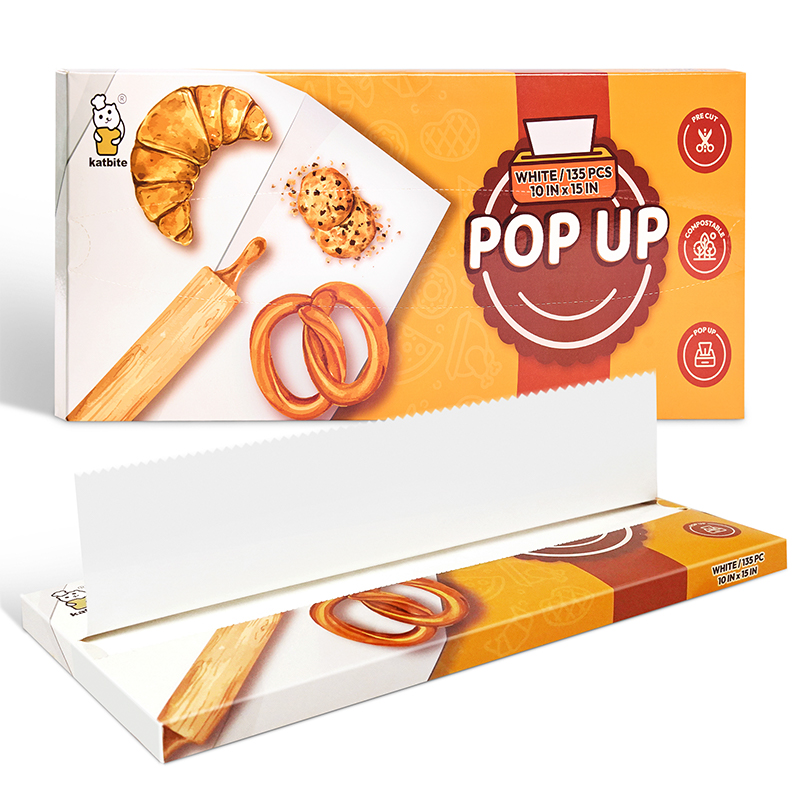
Pop-Up Parchment Paper Sheets are designed around convenient sheet access without much fuss. The format can allow individual pieces to get taken from a package, without dealing with a loose roll that unwinds awkwardly.
| Paper Format | Handling Style |
|---|---|
| Roll paper | Cut to the required size |
| Flat sheets | Take and place |
| Pop-up sheets | Access individual pieces |
| Prepared cake liners | Fit specific pan shapes |
This can be genuinely useful when speed of preparation matters during a rush. A worker can take a sheet, place it on the tray, and continue with the next task without breaking stride.
The format may also help keep unused paper more organized during storage and preparation between shifts. Different kitchens may prefer genuinely different approaches depending on their pace.
A home baker who uses paper occasionally may be comfortable with a roll sitting in a drawer, while a commercial kitchen may appreciate a format that reduces repeated cutting during a busy morning. The right choice depends on workflow, rather than simply on the appearance of the package on a shelf.
How Can Bakeries Use Baking Paper Across Different Products?
A bakery rarely produces only one type of food throughout a working day. Its daily work may involve cakes, cookies, bread, pastries, and other baked products moving through the same ovens.
Each product can create genuinely different paper requirements depending on its shape and texture. A flat cookie tray may need a simple sheet, while a cake may benefit from a shaped liner fitted to the pan.
This is why bakeries often need several paper formats, rather than relying on one product for every task on the schedule. A bakery can organize paper use according to the preparation stage it's working through.
Tray preparation involves flat sheets placed on baking trays before dough or batter gets added to the mix. Cake preparation benefits from prepared liners that simplify the process of fitting paper to certain pan shapes without extra cutting.
Pastry production relies on paper providing a working surface during preparation and baking side by side. Finished product handling also matters, since suitable paper can help separate baked products from trays or serving surfaces once everything comes out hot.
The aim throughout is making each stage genuinely easier, without adding unnecessary handling steps to an already busy process. A paper product that fits naturally into the workflow can save small amounts of preparation effort across repeated batches over a full day.
What Changes When Baking Paper Is Used in a Central Kitchen?
Central kitchens often prepare food for several locations or service points spread across a city. This can create a genuinely different relationship between baking materials and daily workflow compared to a single storefront bakery.
Paper may need storage, distribution, preparation, and use across multiple production areas working in parallel. Easy identification and straightforward handling can therefore become genuinely useful in this larger setting.
| Central Kitchen Need | Paper-Related Consideration |
|---|---|
| Batch preparation | Easy access to prepared sheets |
| Multiple products | Several suitable paper formats |
| Storage | Clean and organized packaging |
| Staff workflow | Simple handling |
| Distribution | Convenient packing and movement |
A central kitchen may also work with different baking pans and product types during the same production period, sometimes within the same hour. Paper formats need to fit these changing tasks, without creating confusion among staff moving quickly.
In this environment, the paper becomes genuinely part of the production workflow, rather than an isolated baking accessory tucked in a corner. Clear storage areas can also help prevent different paper types from getting mixed together accidentally.
Staff can select the intended format without interrupting the preparation process already underway around them.
How Does Paper Format Affect Baking Preparation Time?
Preparation time isn't only about how quickly food enters the oven once mixed. Small tasks such as cutting, shaping, positioning, and replacing paper can genuinely add up across repeated baking work throughout a shift.
A flat sheet can reduce preparation steps when its size already fits the tray perfectly. A cake liner can avoid manual cutting around a particular pan shape that would otherwise take extra minutes.
| Preparation Step | Possible Paper Solution |
|---|---|
| Measuring paper | Pre-sized sheets |
| Cutting paper | Prepared sheet formats |
| Shaping paper | Cake liners |
| Taking sheets from storage | Pop-up packaging |
| Tray preparation | Flat parchment sheets |
Pop-up formats can also simplify access when workers need individual sheets repeatedly during a busy stretch. These differences may appear genuinely minor in a home kitchen making one batch on a Saturday.
But they can become a lot more noticeable, when a bakery prepares many products during a working period spanning several hours. For this reason, paper format should get considered alongside the actual workflow rather than as an afterthought.
The goal isn't removing every manual task from the process entirely. It's choosing a paper format that makes the existing process feel more natural for whoever's working the line.
How Should Users Choose Between Different Baking Paper Products?
Choosing baking paper becomes a lot easier when the user starts with the application, rather than the product name printed on the box. A home baker preparing cookies may need a simple flat sheet without much complexity.
Someone making cakes may prefer prepared liners that fit the pan without cutting. A commercial bakery may place greater value on easy sheet access and storage given their volume.
| Question to Consider | Why It Helps |
|---|---|
| What food will be prepared? | Determines grease and heat needs |
| Which type of pan will be used? | Guides shape and size selection |
| Is paper for baking, prep, or serving? | Clarifies functional requirement |
| Does the sheet need a particular shape? | Points toward liners versus flat sheets |
| Will use be occasional or repeated? | Affects format and packaging choice |
| Is convenient storage important? | Shapes packaging decisions |
| Does the product need a specific coating? | Matches surface to food type |
The food itself also matters a great deal in this decision. Pastries, cakes, cookies, bread, and oily baked foods can create genuinely different handling needs depending on their moisture and fat content.
These questions help narrow the options, without assuming that one paper type fits every baking situation across every kitchen. The intended use should always match the manufacturer's product instructions, particularly when paper gets exposed to direct heat inside an oven.
What Should Manufacturers Consider When Developing Baking Paper Sheets?
Manufacturers need to think about how paper will get handled after it leaves production and enters a real kitchen. A baking sheet may pass through storage, transportation, preparation, baking, food removal, and disposal before its role is genuinely complete.
Paper construction should therefore suit the intended application from the start of development. A product designed for flat tray baking may have genuinely different requirements from a shaped cake liner or a pop-up sheet.
| Development Area | Manufacturer Consideration |
|---|---|
| Paper format | Matches intended baking task |
| Surface treatment | Suits grease and heat exposure |
| Cutting and sizing | Fits common pan dimensions |
| Packaging method | Supports storage and access |
| Ease of sheet removal | Reduces handling friction |
| Intended baking application | Guides material choice |
| Storage requirements | Affects shelf life and condition |
Packaging also influences the user experience quite a bit once the product reaches a kitchen. Sheets should be easy to access, while remaining protected during storage and transportation from factory to shelf.
These details can influence whether a paper product fits naturally into a particular kitchen setup or feels like a mismatch. For commercial buyers, product information should clearly describe the intended application and handling requirements upfront.
This makes it a lot easier to select paper according to actual production needs, rather than relying on appearance alone when browsing options.
How Can Baking Paper Support Different Baking Environments?
Home kitchens, bakeries, cake shops, and central kitchens all use baking paper in genuinely different ways depending on their scale. The underlying need is similar across the board, but the workflow changes with the scale and type of baking involved.
Home users may value simple preparation and easy cleanup after a weekend baking session. Bakeries may need paper that fits repeated tray work throughout a demanding shift.
Cake-focused kitchens may prefer prepared liners that save time on shaping, while busy production areas may benefit from convenient sheet access that keeps the line moving. Food Greaseproof Paper, Parchment Paper Cake Liners, Silicone Coated Parchment Paper Sheets, Silicone Baking Paper Sheets, and Pop-Up Parchment Paper Sheets can therefore occupy genuinely different places within the wider baking process.
The useful question isn't simply which paper exists on a shelf somewhere. It's where each format actually fits into a specific kitchen's rhythm. When the paper format, surface, pan, food, and workflow all get considered together, users can choose a product that genuinely supports the way their baking process actually works day to day.
Related Products
-
-
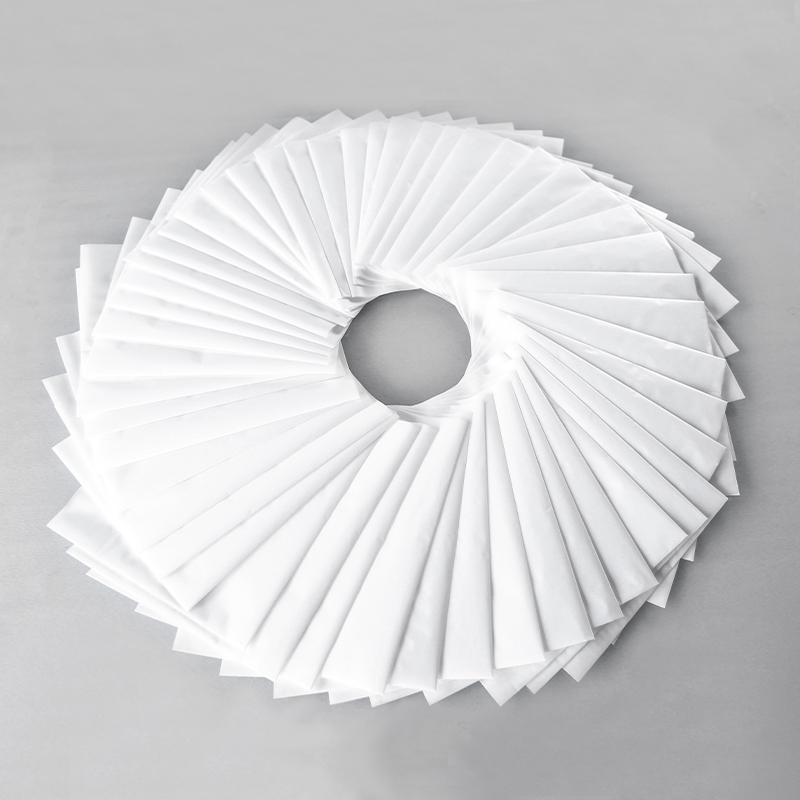
Product details: Folded baking paper sheets, an environment-friendly product, are composed of wood pulp and are double-side coated with silicone. Such a coating makes our paper smooth, greaseproof and...
See Details -
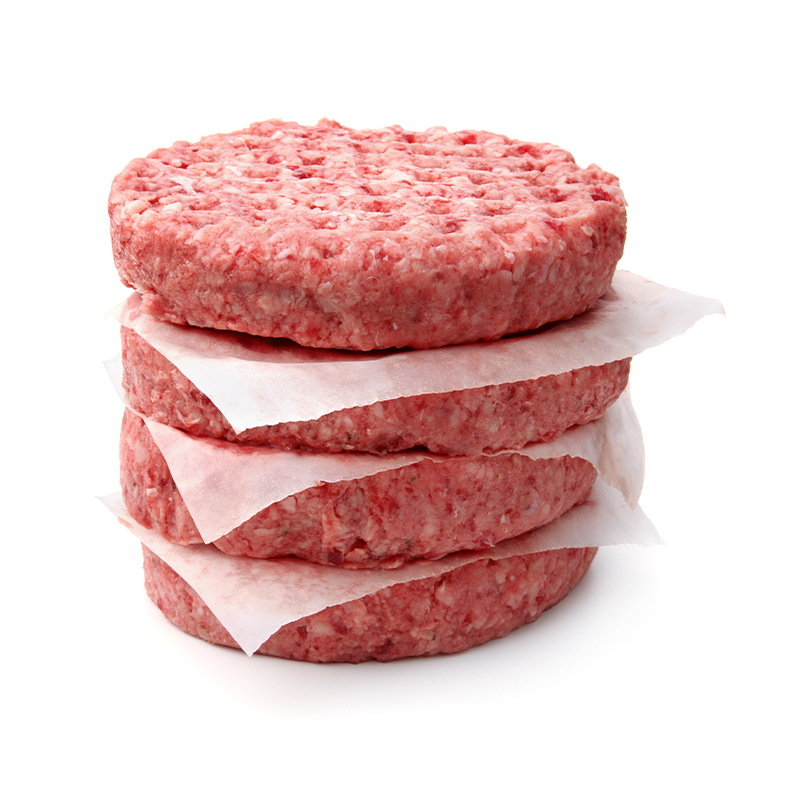
Description: Wax paper is the paper that is coated with food-grade wax in order to make it non-stick and waterproof. wax paper is very good for food storing and presentingMade of food-grade paper and ...
See Details -
Product Features: 1. Virgin wood pulp 2. Double sides food grade silicone-treated 3. Fluorine-free 4. Non-stick 5. Oven/Microwave safe 6. Freezer safe 7. Reusable 8. BPA f...
See Details -
Product Features: 1. Virgin wood pulp 2. Natural unbleached brown color 3. Double sides food grade silicone-treated 4. Fluorine-free 5. Non-stick 6. Oven/Microwave safe 7. Fre...
See Details -
Product Features: 1. Virgin wood pulp 2. Double sides food grade silicone treated 3. Fluorine-free 4. Non-stick 5. Oven/Microwave safe 6. Freezer safe 7. Reusable 8. BPA ...
See Details -
Product Features: 1. Virgin wood pulp 2. Fluorine-free 3. BPA free 4. Biodegradable Product Details: In an era where environmental consciousness and sustainability are paramount, Natu...
See Details -
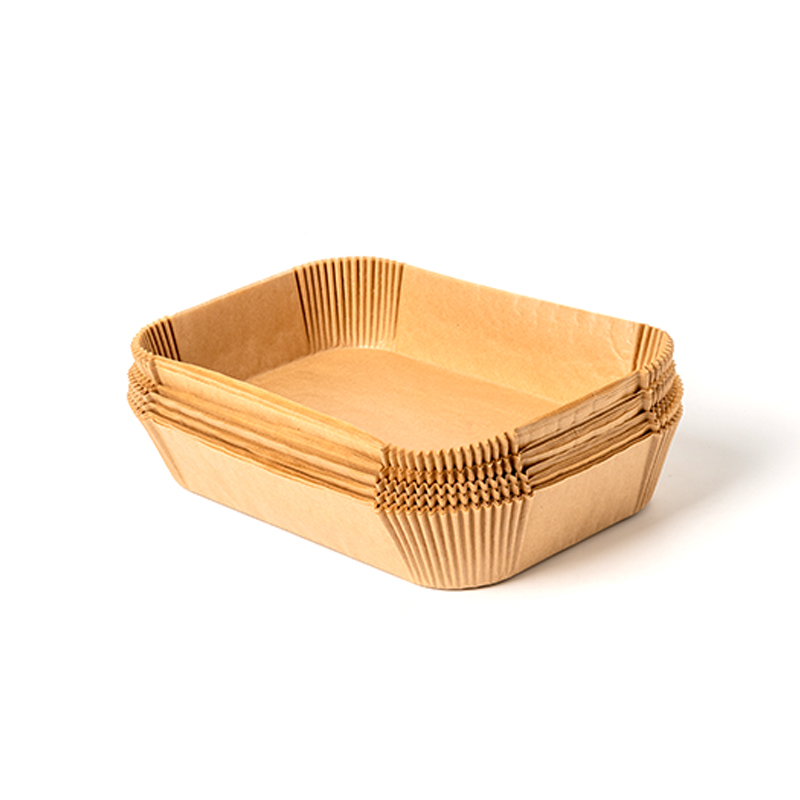
Product Features: 1. Virgin wood pulp 2. Double sides food grade silicone-treated 3. Fluorine-free 4. Non-stick 5. Air fryer basket safe 6. Reusable 7. BPA free 8. Biodeg...
See Details -
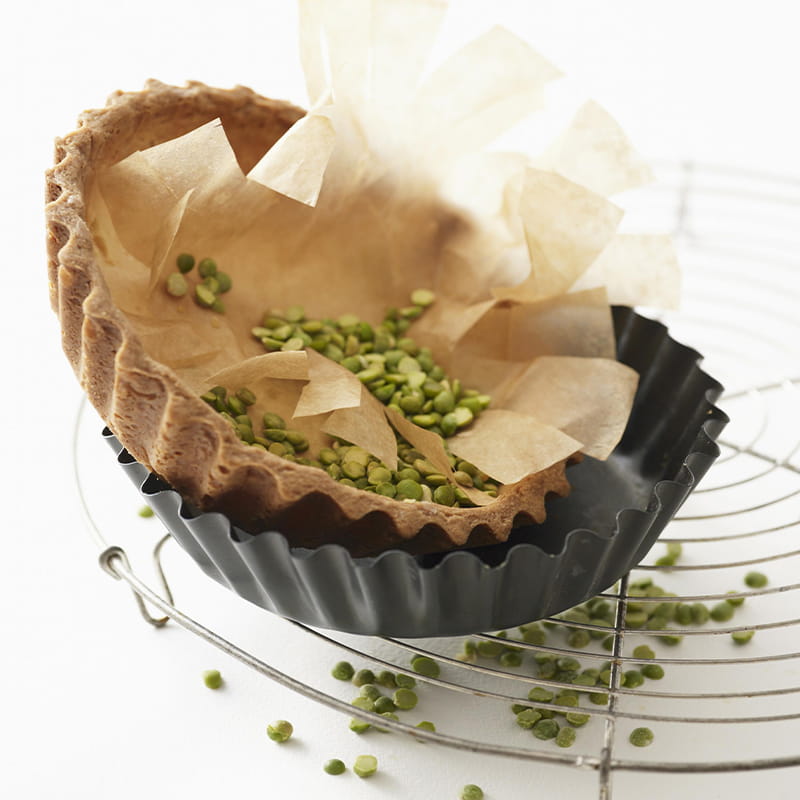
Product Features: 1. Virgin wood pulp 2. Natural unbleached brown color 3. Fluorine-free 4. BPA free 5. Biodegradable Product Details: Introducing our Unbleached Brown Food Grade ...
See Details -
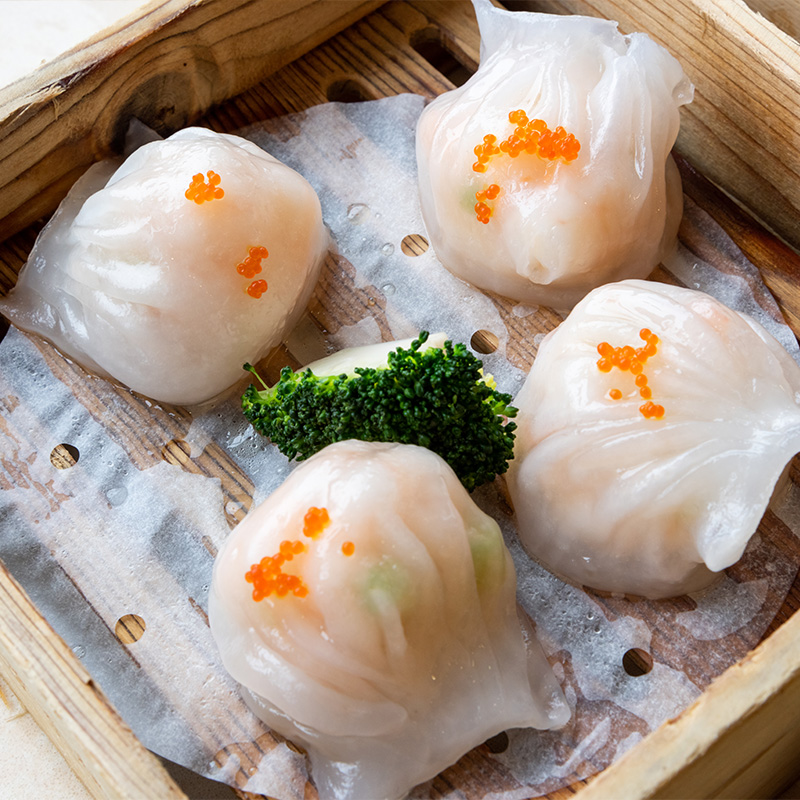
Product Features: 1. Virgin wood pulp 2. Double sides food grade silicone treated 3. Fluorine-free 4. Non-stick 5. Steamer/air fryer basket safe 6. Reusable 7. BPA free 8...
See Details -
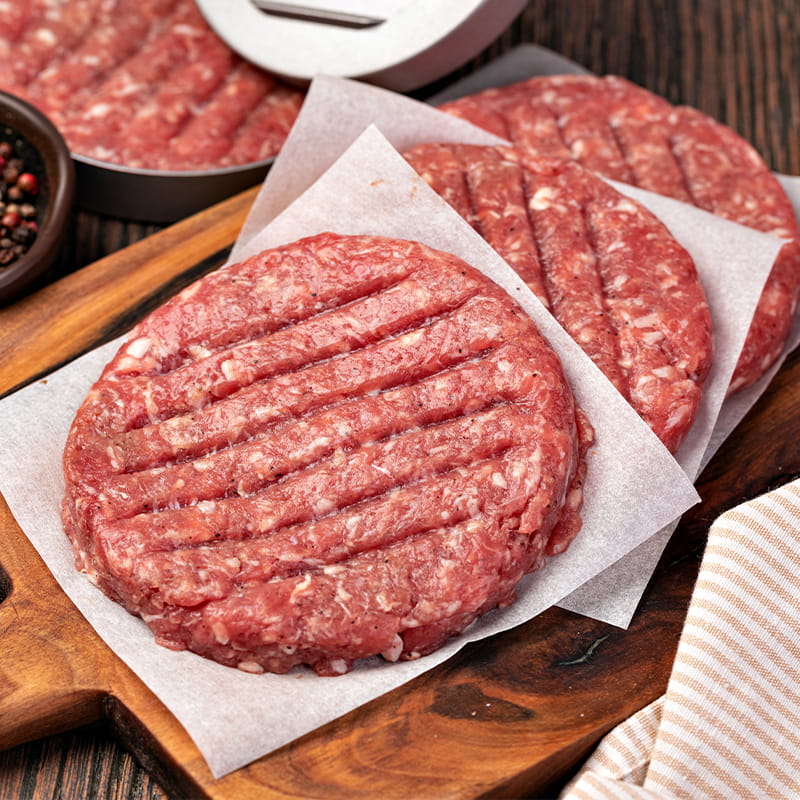
Product Features: 1. Virgin wood pulp 2. Double sides food grade silicone treated 3. Fluorine-free 4. Non-stick 5. Easy to separate 6. Reusable 7. BPA free 8. Biodegradab...
See Details -
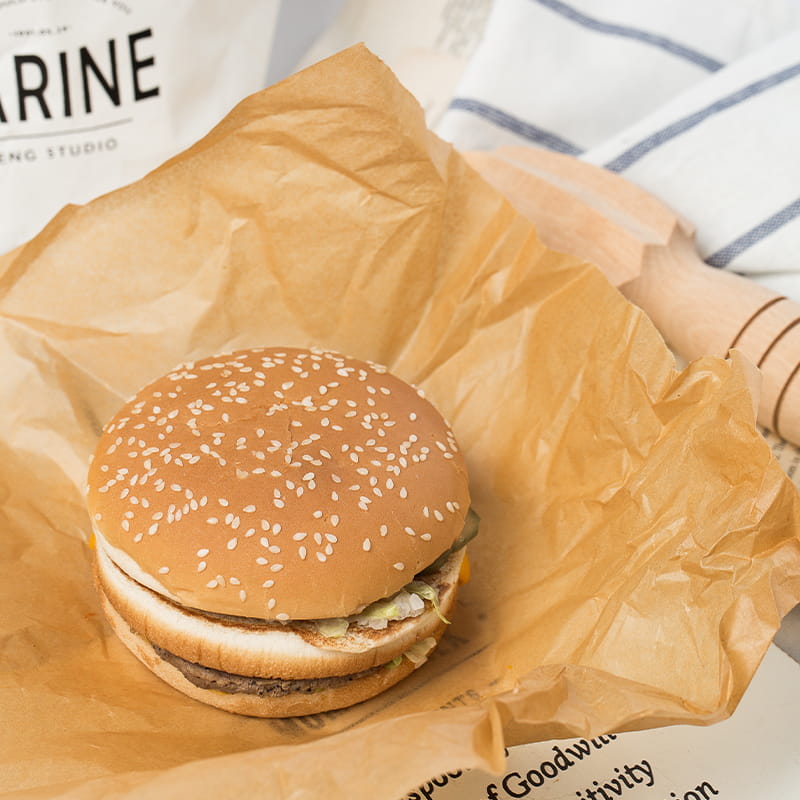
Product Features 1. Virgin wood pulp 2. Flexographic printing 3. Eco-friendly water-based ink 4. BPA free Product Details: Introducing our premium Greaseproof Sandwich Paper Sheets, a...
See Details

Professional Baking Parchment Paper Manufacturer in China with more than 15 years silicone coating experience.
Products
Contact Us
- No.10 Longyin Road, Chengnan Industrial Park,Longyou, Quzhou, China.
- +86-18968091013 / +86-571-88639705
- Avayao-1990@hotmail.com
Copyright © Zhejiang Guanghe New Materials Co., Ltd. All Rights Reserved.
Parchment Paper & Baking Paper Sheets Manufacturer
