 English
 中文简体
中文简体
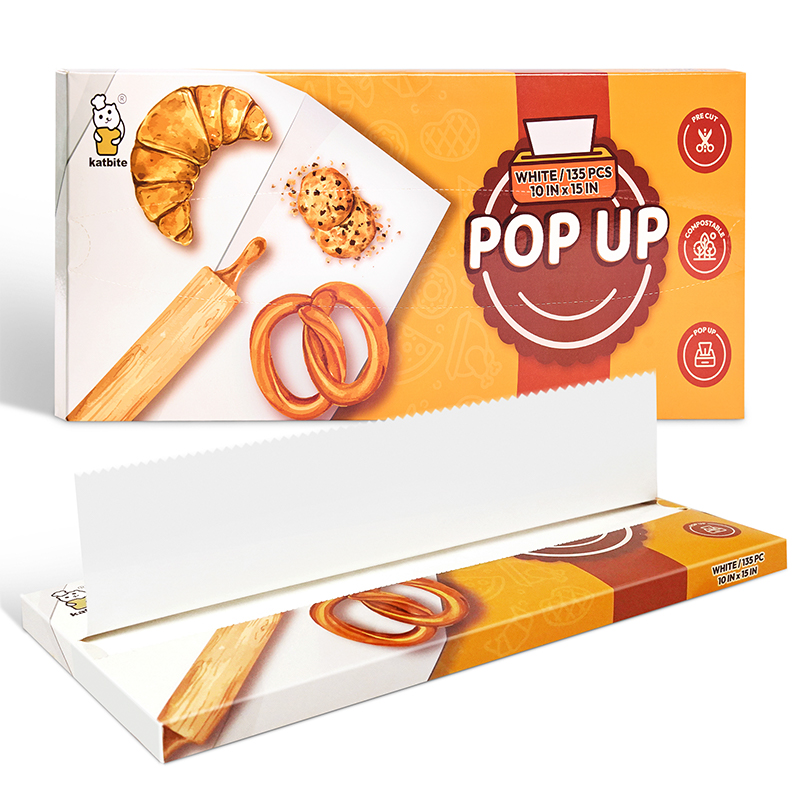
Pre Cut Baking Paper Sheets are made from wood pulp and coated on both sides with a food-safe silicone layer. This coating gives the paper a smooth, greaseproof, and moisture-resistant surface that su...
See DetailsCan Silicone Baking Paper Sheets Improve Baking Workflows
Food preparation is rarely limited to one task, and anyone who has actually stood in a working kitchen knows how quickly the rhythm shifts. A kitchen may prepare bread in the morning, handle pastries later, and move to roasted or baked foods as the working day continues without much of a pause in between. This changing rhythm creates a genuine need for tools that can fit different preparation routines rather than just one narrow job.
Home kitchens face a similar situation on a smaller scale. One baking session may involve cookies, vegetables, bread, or small pastries, sometimes all within the same weekend afternoon. The more varied the menu, the more useful it becomes to have simple preparation materials that work across different tasks instead of needing a separate approach for each one.

Bakeries and foodservice businesses carry another layer of concern on top of this. Their preparation areas need to support steady movement between mixing, shaping, baking, cooling, cleaning, and storage, often with several of these happening at the same time in a cramped space. Small changes in any of these steps can affect how easy the whole workflow feels by the end of a long shift.
Baking paper is one of the simple materials that quietly influences this process more than its plain look suggests. It sits between food and a tray or other cooking surface, creating a practical separation during preparation and baking that saves a fair amount of cleanup later. Silicone Baking Paper Sheets are increasingly relevant to this type of flexible workflow, since they hold up across repeated use rather than tearing after one round. They can be used for different baking tasks and may also help organize preparation work before food ever enters the oven.
The appeal isn't limited to baking itself, either. The sheets can become part of the broader process, from arranging ingredients to transferring prepared food and cleaning the work area afterward. For commercial kitchens, this wider role can make disposable or reusable preparation materials worth considering as part of everyday purchasing decisions rather than a minor supply item. The right choice depends on the type of food, kitchen routine, cleaning practices, and local food-handling requirements that vary from one operation to the next.
How Can Baking Paper Support Different Baking Tasks?
Different baked foods place genuinely different demands on the preparation process. Cookies need space for individual portions spaced apart so they don't merge into one sheet, while pastries may require careful placement before baking so their shape holds through the heat. Bread products can also need a clean surface during preparation, especially when dough is sticky or proofing right on the tray.
Baking paper provides a simple layer between food and the baking surface, nothing complicated about the concept. This can make it a lot easier to arrange portions without placing food directly on the tray, which matters when the same tray gets reused several times during one shift. For cookie preparation, the paper can create a consistent working surface across repeated batches. Once one batch is complete, the next sheet or prepared surface can be ready for another round of dough almost right away.
Pastry preparation can also benefit from an organized surface laid out ahead of time. Dough pieces can be placed on the sheet before moving them toward the baking area, which keeps their shape intact during the transfer instead of squishing them by hand. This can make the transition from preparation to baking feel a lot more orderly than juggling loose pieces on a bare tray.
Small baked foods may require frequent handling throughout a session, and that adds up fast. A sheet can provide a defined area for arranging these items before they enter the oven, so nothing gets lost or crushed in the process. The same idea applies just as much to home baking. A cook may move between several recipes during one session, so having a familiar preparation material can reduce the need to change the basic workflow every time a new dish comes up on the counter.
| Baking Task | Possible Role of Baking Paper |
|---|---|
| Cookies | Provides a prepared surface for arranging portions |
| Pastries | Helps organize shaped pieces before baking |
| Bread products | Separates food from the baking surface |
| Small baked snacks | Supports easy preparation and placement |
| Roasted foods | Can assist with tray preparation |
| Mixed baking tasks | Creates a familiar surface across recipes |
The suitability of the paper still depends heavily on the food and cooking conditions in play. Buyers should check product instructions and use the material only for applications recommended by the manufacturer, rather than assuming one product covers every situation in the kitchen. This makes baking paper less about one particular recipe and a lot more about creating a flexible preparation routine that can carry across a varied day.
Can Silicone Baking Paper Sheets Make Kitchen Work More Organized?
A busy kitchen is built around constant movement, more than people realize until they're standing in the middle of a lunch rush. Ingredients move from storage to preparation areas, food moves toward the oven, and finished products move toward cooling or serving spaces, often all within the same fifteen-minute window.
When preparation surfaces are clearly organized, these movements can become a lot easier to manage without stepping on someone else's tray. Baking paper can provide a visible working area for prepared food and help separate different batches sitting side by side on a counter. Silicone Baking Paper Sheets can be useful in workflows where food needs to be placed on a tray before baking begins, giving the operator a defined surface rather than a blank sheet pan that looks like every other one nearby.
This can be particularly useful when several trays are being prepared at the same time during a busy stretch. Each tray can have its own working surface, allowing staff to organize different foods without mixing up the preparation areas by accident. The benefit can also appear during home baking, on a smaller scale but just as real. A cook may prepare ingredients while another tray is already in the oven, and having a ready surface for the next batch can make the sequence a lot easier to follow without losing track of what's what.
For food businesses, organization is closely connected with daily work and often shows up in small, practical ways. Staff need to know what is ready, what is waiting, and what has already been processed, especially when several orders are moving through the kitchen at the same time. Simple materials can support this process without requiring major changes to the existing kitchen setup. Baking paper is one example, as it fits naturally into tray-based preparation that many kitchens already use.
The material can also support cleaner transitions between tasks throughout a shift. Once a baking activity is finished, the preparation area can be cleared and prepared for the next food item without much delay. This type of flexibility becomes useful when menus change throughout the day, as they often do in a foodservice setting. A kitchen doesn't need to use baking paper for every single task on the schedule, but it can become one of several practical tools within the broader preparation system.
How Does Baking Paper Fit Into Batch Food Preparation?
Batch preparation is common in both commercial and home kitchens, though the scale looks quite different between the two. A cook may prepare several trays of the same food for a family gathering, while a bakery may move through repeated production tasks throughout the entire day without much break.
Repeated work can benefit considerably from a consistent preparation method. When the same basic steps get followed each time, staff can become familiar with the process and reduce unnecessary changes between batches that would otherwise slow things down. Silicone Baking Paper Sheets can fit this type of workflow by providing a ready surface for each tray as it comes up. The sheet can be prepared before the food is arranged, which lets the operator keep the whole process moving rather than pausing to improvise.
The approach can also help separate batches cleanly from one another. Different food items can be prepared on different sheets before entering the baking area, which avoids flavors or residues mixing between products that shouldn't touch. For commercial kitchens, this can support a lot clearer organization when several orders are being handled at once during a busy service. The sheet itself is simple enough, but its place in the workflow can help create a visible boundary between preparation stages that staff can recognize at a glance.
Batch work also creates cleaning considerations that shouldn't be brushed aside. Trays and preparation surfaces need to be handled according to the kitchen's established cleaning procedures, regardless of what sits between the food and the tray. Baking paper can reduce direct food contact with the tray, but it doesn't remove the need for proper cleaning afterward. The same principle applies to reusable equipment across the kitchen. Baking paper should be viewed as part of a broader food preparation routine, rather than as a replacement for normal kitchen hygiene practices that every operation still needs.
A useful batch workflow may include several steps worth following in order.
- Prepare the baking surface.
- Arrange the food according to the recipe or production order.
- Move the prepared tray toward the cooking area.
- Process the food according to the applicable instructions.
- Remove the finished food safely.
- Clear the working area before the next batch.
This sequence can be adjusted to suit different kitchens depending on their layout and staffing. The important point is that the material can fit into a repeated process without requiring a major change in how food gets prepared from one batch to the next.
What Role Does Baking Paper Play in Food Preparation Beyond Baking?
Baking paper is closely associated with ovens, understandably, but food preparation can involve several stages before cooking even begins. Ingredients may need to be shaped, portioned, arranged, or temporarily placed on a clean surface while other tasks get finished nearby.
A sheet can provide a convenient surface for these tasks when the food and application are suitable for it. This can be useful for shaped dough, prepared portions, or foods waiting to move into the next stage of a longer process. In pastry work, preparation often involves arranging pieces before baking, with some items needing to rest for a while beforehand. A dedicated sheet can help keep the work area orderly and make tray preparation easier to follow when several people are involved.
The same concept can apply to certain roasted foods as well. Vegetables or other ingredients can be arranged on a prepared tray before cooking, which simplifies the transfer into a hot oven. The sheet can also help with transfer within the kitchen more broadly. Depending on the food and the manufacturer's instructions, prepared items may be a lot easier to move when they're already arranged on a suitable sheet rather than loose on a bare surface.
That said, not every food preparation task requires baking paper at all. Cutting, mixing, washing, and other activities need their own appropriate surfaces and hygiene practices that a baking sheet was never meant to cover. The useful feature here is flexibility rather than universal application. One material can participate in several connected preparation steps when the application genuinely allows it, without forcing a fit where one doesn't exist.
This can be especially helpful in smaller kitchens where storage space runs tight and every shelf matters. A supply that serves several suitable tasks may be a lot easier to integrate into daily operations than many specialized materials competing for the same drawer. Commercial buyers can therefore consider baking paper as part of a complete workflow, rather than treating it as a single-purpose baking accessory that only earns its place near the oven.
Why Does Easy Cleanup Matter in Commercial Food Areas?
Cleaning is part of every food preparation environment, no matter how tidy the cooking itself looks in the moment. After ingredients have been prepared and food has been cooked, trays and working areas still need real attention before the next task can begin.
Materials that help reduce direct contact between food and a surface may make some cleanup tasks a lot easier for staff working against the clock. Baking paper can provide a separation layer that limits the amount of food residue actually reaching the tray underneath. This can be particularly useful after preparing foods that leave crumbs, oils, or sticky residue behind, the kind that otherwise bakes onto metal and takes real scrubbing to remove. The exact cleaning benefit depends on the food, the paper, and how the material gets used in practice.
Commercial kitchens still need to follow their own established cleaning and food-safety procedures regardless. Baking paper should not be treated as a substitute for cleaning equipment or proper sanitation, no matter how convenient it feels in the moment. The practical value comes from fitting the material into an existing routine rather than replacing it outright. If a sheet can be removed after use and the tray can then be handled according to normal cleaning procedures, the preparation area may be a lot easier to reset for the next round.
Home cooks may appreciate this simple workflow just as much, even on a smaller scale. After baking, there may be fewer food residues directly on the tray, which can make the next cleaning step a lot more manageable at the sink. Cleanup also affects the speed at which a kitchen can prepare for another task down the line. A bakery or foodservice operation may need to move quickly from one food item to another without creating confusion around used equipment sitting in the way.
This makes cleaning part of the purchasing discussion in a real sense. Buyers can consider not only how the paper performs during baking itself, but also how it fits into the full use-and-clean cycle that follows every single batch.
How Can Different Kitchens Choose the Right Baking Paper?
Not every kitchen uses baking paper in the same way, and that's worth remembering before buying in bulk. A small home kitchen may focus mainly on convenience and recipe flexibility, while a commercial bakery may focus a lot more on repeated preparation and consistent handling across dozens of trays a day.
Foodservice operations may carry another set of priorities entirely. They may prepare several types of food in the same working area and need supplies that fit different tasks without constant switching. When choosing Silicone Baking Paper Sheets, buyers can begin by identifying the intended uses clearly before comparing products. The question should be whether the product suits the foods and cooking methods actually used in that kitchen, not a generic assumption.
The sheet format can matter quite a bit as well. Kitchens may prefer a format that fits their existing trays and storage practices, while other operations may have genuinely different handling preferences shaped by their layout. Packaging is another practical consideration worth thinking through. A commercial kitchen may need supplies that are easy for staff to access quickly during a busy preparation period, rather than something buried in an awkward box.
Product instructions should remain part of the selection process rather than being overlooked after purchase. Buyers need to understand the intended uses, cooking guidance, storage conditions, and any restrictions provided with the product before using it as part of their daily routine.
A simple purchasing review can include several questions worth working through.
| Purchasing Area | Question to Consider |
|---|---|
| Food types | What foods will be prepared on the paper? |
| Cooking use | Does the product suit the intended cooking process? |
| Workflow | Can staff use it easily within the current routine? |
| Storage | Can the supply be stored in a clean and practical area? |
| Cleaning | Does it fit the existing cleaning process? |
| Frequency of use | Will it support occasional or repeated preparation? |
| Facility needs | Does it match the kitchen's food-handling procedures? |
This type of review can prevent a fairly common purchasing mistake that happens more often than expected. A product shouldn't be selected only because it's labeled for baking on the package. The actual kitchen application provides a lot more useful information than the label alone ever could.
Can Baking Paper Support More Adaptable Kitchen Workflows?
Kitchen workflows change constantly as menus, orders, staff routines, and preparation tasks shift throughout the week. A material that can move between several suitable applications may therefore carry real practical value beyond its simple appearance.
Silicone Baking Paper Sheets can support this flexibility by fitting into different stages of food preparation as needed. They can be used for suitable baking tasks, batch preparation, tray organization, and certain food preparation steps that come before the oven ever gets involved. The key is avoiding the trap of treating flexibility as a reason to use the same material for absolutely everything. Each food application still needs review according to its preparation method and the manufacturer's instructions before it earns a spot in the routine.
In a bakery, the sheets may support a repeated flow from shaping straight through to baking, cycle after cycle. In an office kitchen or small food business, they may get used only when certain menu items genuinely call for them, rather than as a default habit. Schools and institutional kitchens may also use baking paper as part of scheduled food preparation across a set menu rotation. The working environment can look quite different from a commercial bakery, but the underlying need for organized preparation stays the same.
Catering teams face another kind of flexibility altogether. Food may be prepared in one location and moved to another area entirely for service, sometimes hours later. Suitable preparation materials can help staff keep the process organized before cooking and serving, even across that gap in location and time.
The value is therefore connected with workflow rather than any single standout feature. A simple sheet can become genuinely useful when it fits naturally between preparation, cooking, handling, and cleanup, rather than standing apart as an isolated tool. For purchasing teams, this broader view can make product evaluation a lot more practical day to day. Instead of asking only whether baking paper can handle one recipe, buyers can consider where it actually fits within the full range of suitable kitchen tasks facing their team.
As food preparation continues becoming more varied across homes, bakeries, catering operations, and foodservice facilities, simple materials can play a quiet role in keeping daily work organized behind the scenes. The choice of baking paper then becomes part of how each kitchen plans its surfaces, batches, food movement, and routine handling, long after the initial purchase decision is made.
Related Products
-
-
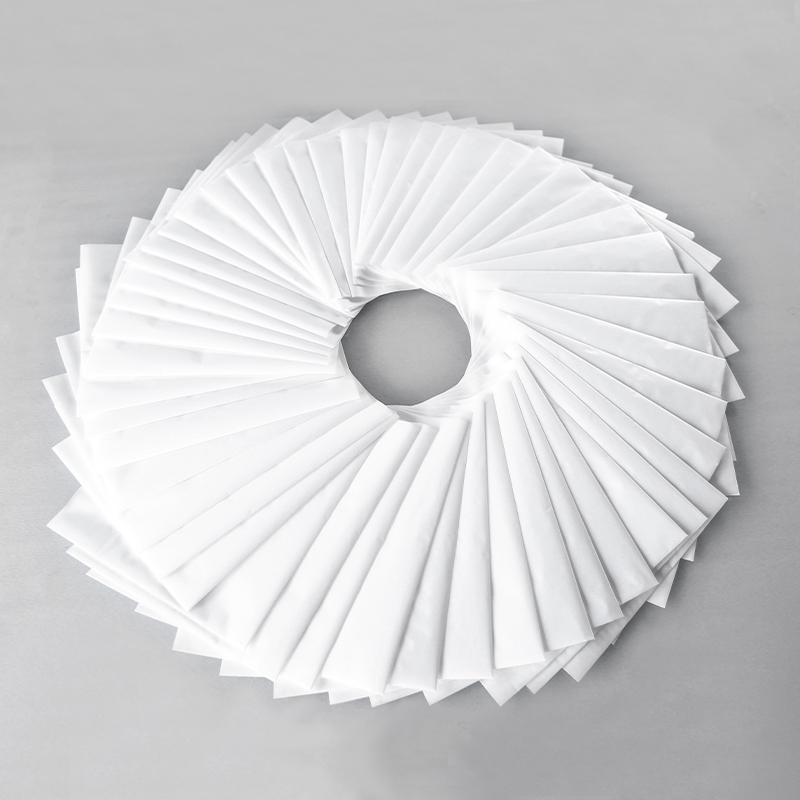
Folded Baking Paper Sheets, also known as Non Stick Baking Paper Sheets, are made from wood pulp and coated on both sides with a food-safe silicone layer. This coating gives the paper a smooth, grease...
See Details -
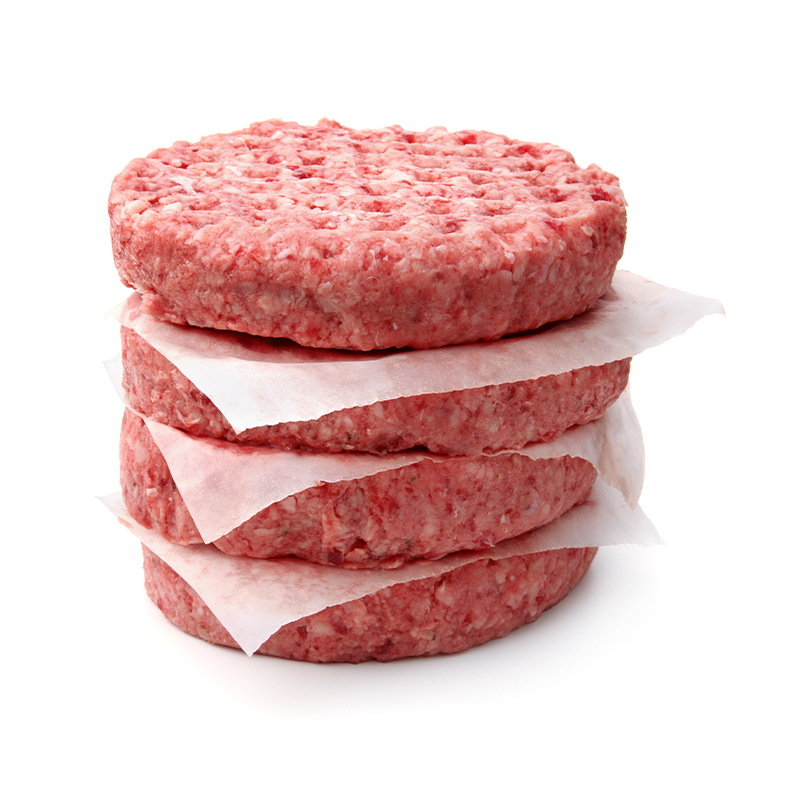
Description: Wax paper is the paper that is coated with food-grade wax in order to make it non-stick and waterproof. wax paper is very good for food storing and presentingMade of food-grade paper and ...
See Details -

Product Features: 1. Virgin wood pulp 2. Double sides food grade silicone-treated 3. Fluorine-free 4. Non-stick 5. Oven/Microwave safe 6. Freezer safe 7. Reusable 8. BPA f...
See Details -
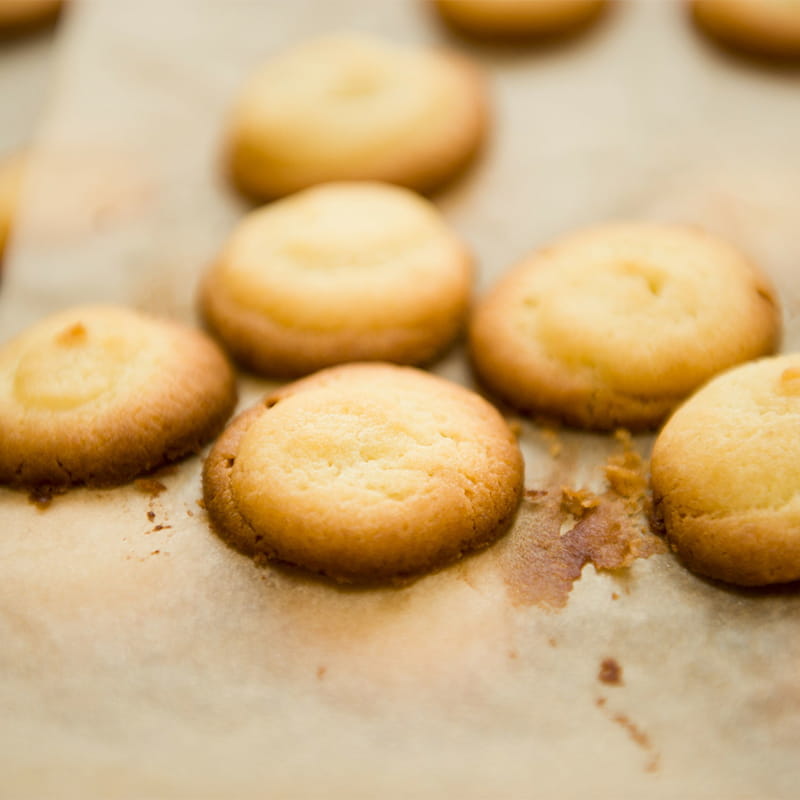
Product Features: 1. Virgin wood pulp 2. Natural unbleached brown color 3. Double sides food grade silicone-treated 4. Fluorine-free 5. Non-stick 6. Oven/Microwave safe 7. Fre...
See Details -
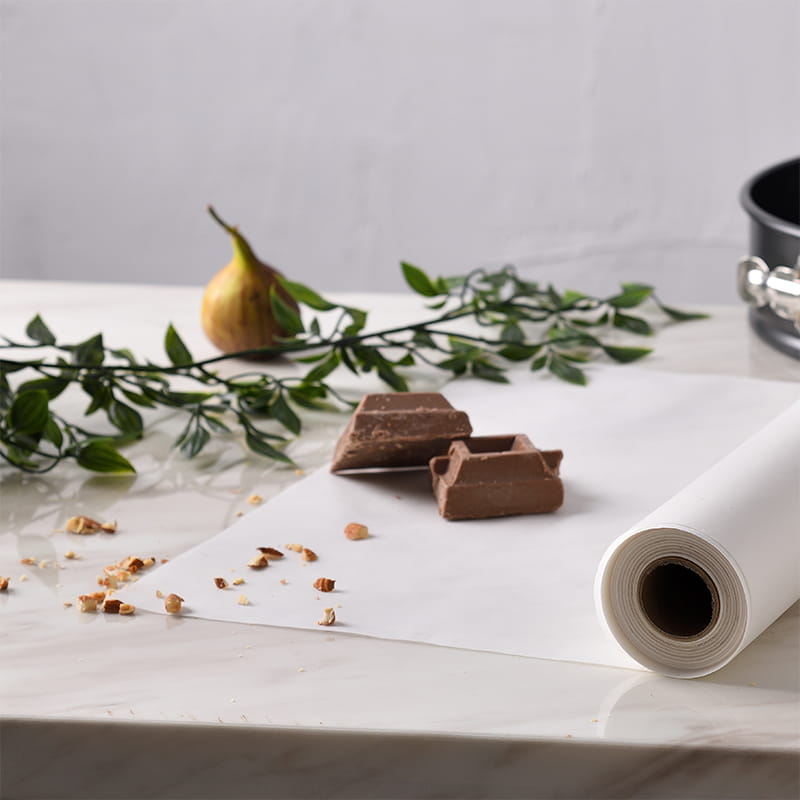
Product Features: 1. Virgin wood pulp 2. Double sides food grade silicone treated 3. Fluorine-free 4. Non-stick 5. Oven/Microwave safe 6. Freezer safe 7. Reusable 8. BPA ...
See Details -
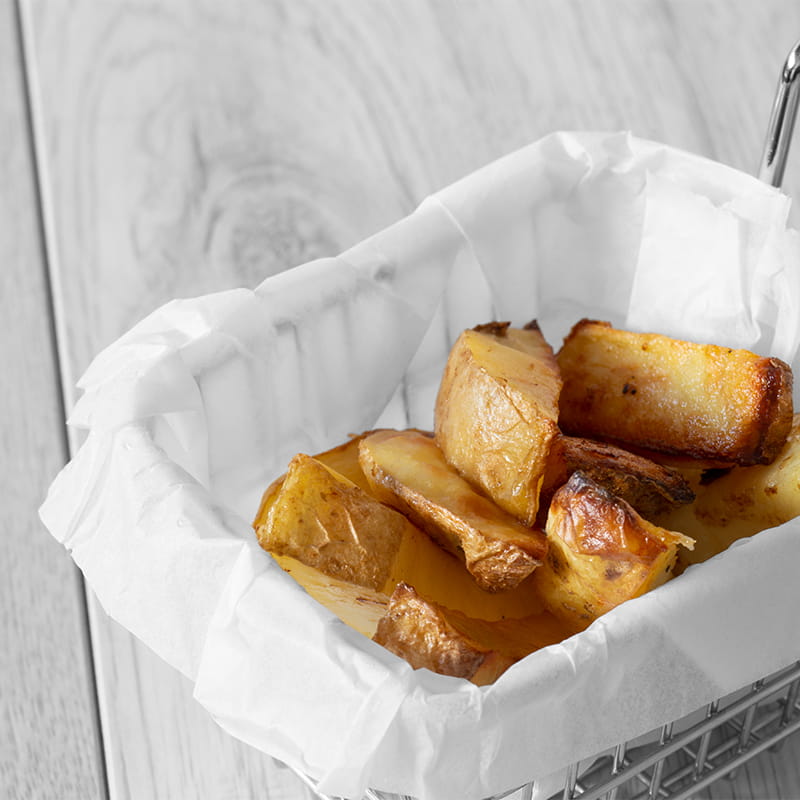
Product Features: 1. Virgin wood pulp 2. Fluorine-free 3. BPA free 4. Biodegradable Product Details: In an era where environmental consciousness and sustainability are paramount, Natu...
See Details -
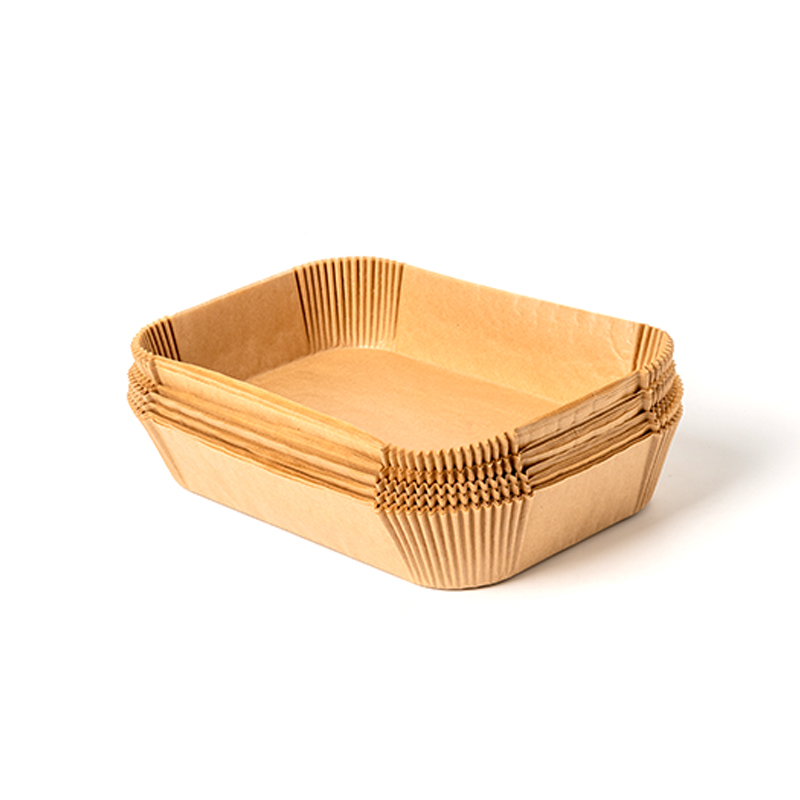
Product Features: 1. Virgin wood pulp 2. Double sides food grade silicone-treated 3. Fluorine-free 4. Non-stick 5. Air fryer basket safe 6. Reusable 7. BPA free 8. Biodeg...
See Details -
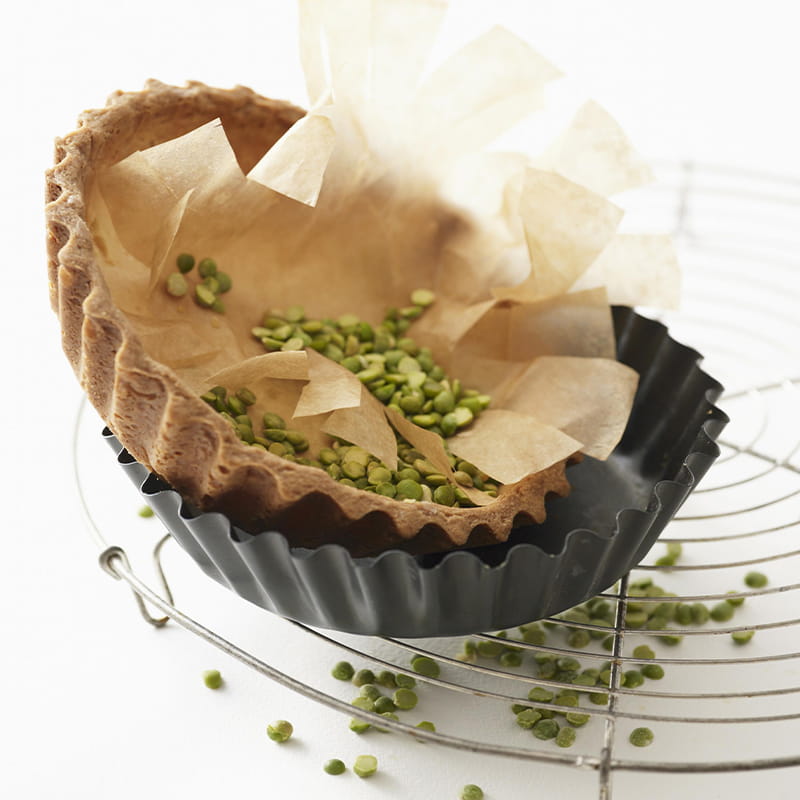
Product Features: 1. Virgin wood pulp 2. Natural unbleached brown color 3. Fluorine-free 4. BPA free 5. Biodegradable Product Details: Introducing our Unbleached Brown Food Grade ...
See Details -
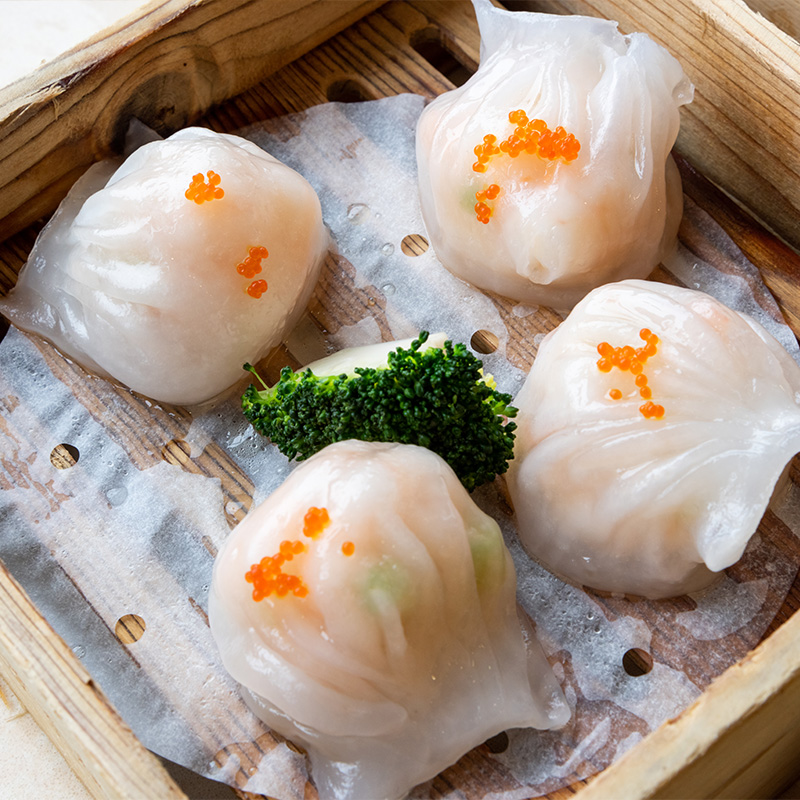
Product Features: 1. Virgin wood pulp 2. Double sides food grade silicone treated 3. Fluorine-free 4. Non-stick 5. Steamer/air fryer basket safe 6. Reusable 7. BPA free 8...
See Details -
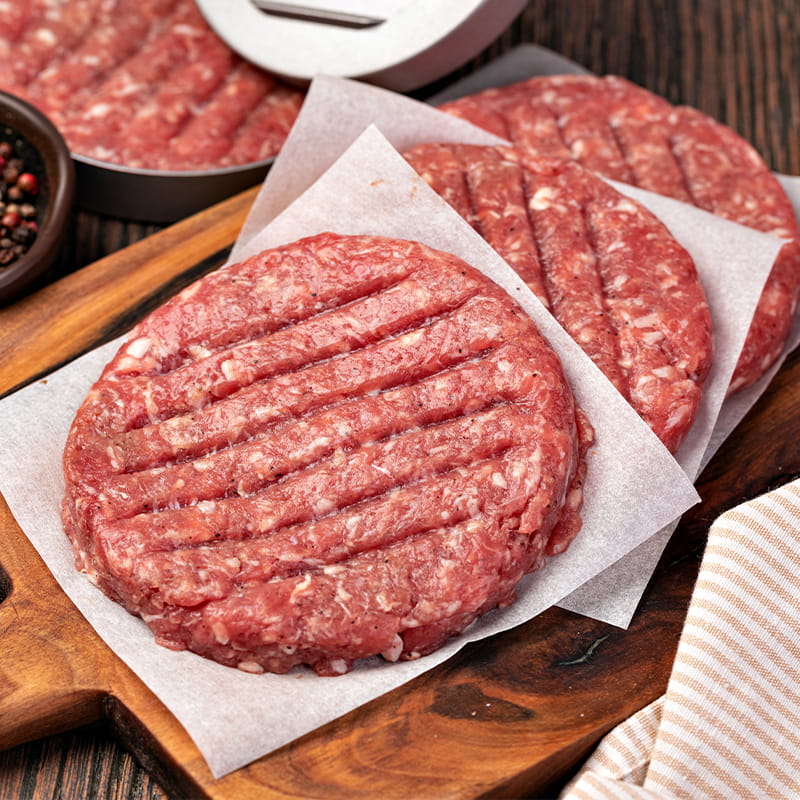
Product Features: 1. Virgin wood pulp 2. Double sides food grade silicone treated 3. Fluorine-free 4. Non-stick 5. Easy to separate 6. Reusable 7. BPA free 8. Biodegradab...
See Details -
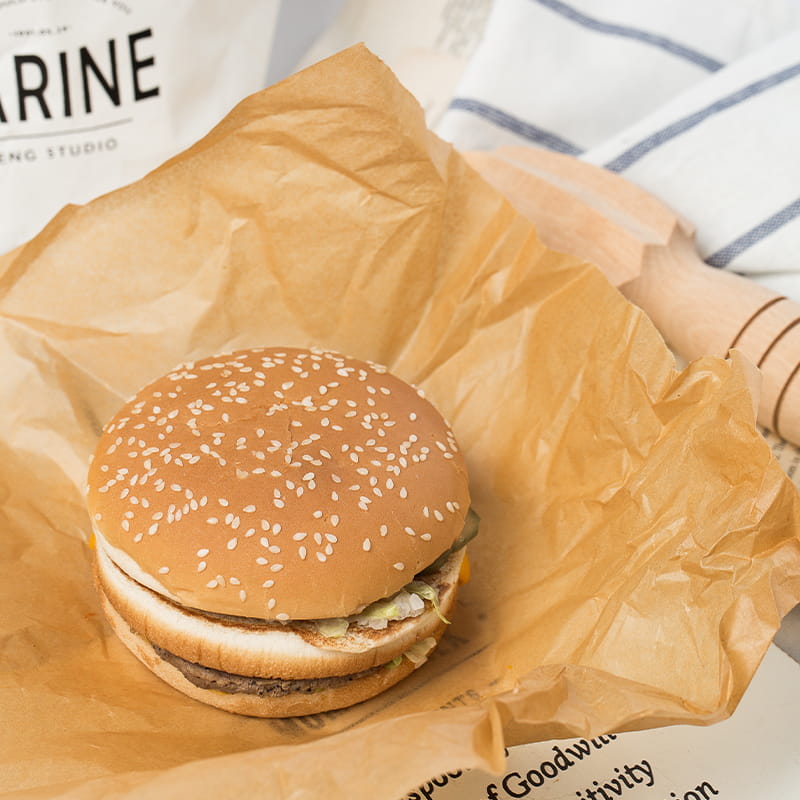
Product Features 1. Virgin wood pulp 2. Flexographic printing 3. Eco-friendly water-based ink 4. BPA free Product Details: Introducing our premium Greaseproof Sandwich Paper Sheets, a...
See Details

Professional Baking Parchment Paper Manufacturer in China with more than 15 years silicone coating experience.
Products
Contact Us
- No.10 Longyin Road, Chengnan Industrial Park,Longyou, Quzhou, China.
- +86-18968091013 / +86-571-88639705
- Avayao-1990@hotmail.com
Copyright © Zhejiang Guanghe New Materials Co., Ltd. All Rights Reserved.
Parchment Paper & Baking Paper Sheets Manufacturer
