 English
 中文简体
中文简体
Pre Cut Baking Paper Sheets are made from wood pulp and coated on both sides with a food-safe silicone layer. This coating gives the paper a smooth, greaseproof, and moisture-resistant surface that su...
See DetailsWhy Are Parchment Paper Cake Liners Relevant to Convenient Baking
Baking can be genuinely enjoyable, but small preparation tasks often eat up more time than anyone plans for. Preparing pans, managing sticky mixtures, removing finished cakes, and cleaning baking equipment can turn a simple recipe into a much longer process than the recipe card ever suggested.
This is why practical baking accessories have become increasingly relevant to both home bakers and professional food businesses juggling tight schedules. Parchment Paper Cake Liners offer a simple way to create a cleaner separation between baked food and the baking surface underneath it.
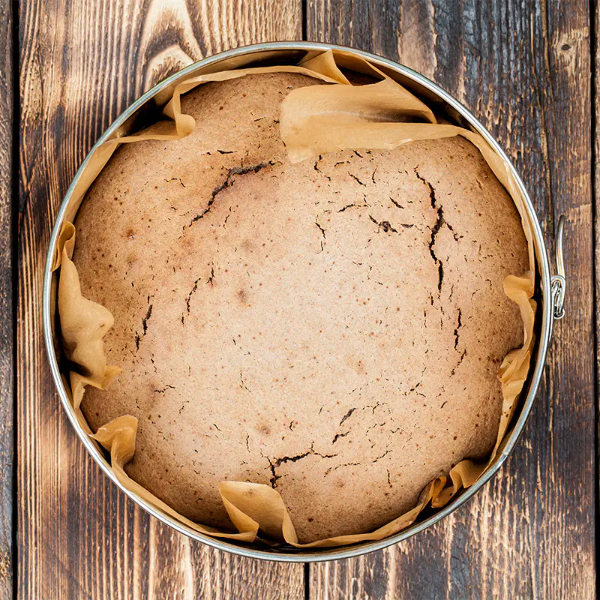
They can help reduce direct contact between cake mixtures and pans while making finished products a lot easier to handle once they come out of the oven. The value of these liners isn't limited to convenience during baking alone.
They can also support food preparation, serving, packaging, and cleanup routines that happen before and after the actual baking. As baking becomes part of busy household schedules and commercial food production, simple paper products can carry a genuinely useful role in making everyday preparation more manageable.
Why Do Parchment Paper Cake Liners Matter in Everyday Baking?
Cake preparation involves several stages before the finished product ever reaches a plate. The baking surface needs preparing, the mixture needs distributing evenly, and the finished cake needs removing without unnecessary damage to its edges or bottom.
Parchment Paper Cake Liners can simplify part of this process by creating a layer between the food and the baking surface underneath. This separation can make handling a lot more convenient once cakes or other baked products are ready to come out.
The liner can also help reduce the amount of residue left directly on the pan itself. For home bakers, this can make preparation feel a lot less complicated on a Sunday afternoon.
For commercial kitchens, the same idea can become part of a repeatable preparation routine that runs smoothly shift after shift.
| Baking Stage | Possible Role of Cake Liners |
|---|---|
| Pan preparation | Creates a food-contact layer |
| Batter placement | Provides a prepared baking surface |
| Baking | Helps separate food from the pan |
| Product removal | Supports easier handling |
| Cleanup | May reduce residue on cookware |
The exact application depends on the type of baking product and the liner selected for the job. The basic appeal remains easy to understand, since the product addresses a genuinely practical part of baking, rather than adding unnecessary complexity to an already busy counter.
How Does Food Greaseproof Paper Support Cleaner Food Preparation?
Grease and moisture are common parts of many baked foods that show up whether anyone plans for them or not. Cake mixtures, pastries, cookies, and other products may leave oils or food residue on surrounding surfaces during preparation without much warning.
Food Greaseproof Paper can be useful where a disposable food-contact layer is preferred over cleaning a surface repeatedly. Its role extends well beyond cake pans alone.
It can get used during food preparation, serving, wrapping, or temporary separation between food products and surfaces, depending on the specific paper design chosen. For home baking, this can help create a genuinely more organized preparation area on a crowded counter.
A sheet placed beneath or around food can also make handling a lot easier when moving baked products from one location to another across the kitchen. Commercial kitchens may use food paper as part of their preparation and packaging routines running throughout the day.
The benefit comes from having a simple material that performs a clear supporting role without requiring complicated handling or special equipment. Food businesses also need to consider whether a particular paper is genuinely suitable for the intended food application at hand.
This matters especially when paper products get used directly with food rather than as packaging around it.
| Application | Potential Use |
|---|---|
| Cake preparation | Surface separation |
| Pastry handling | Food contact support |
| Serving | Creates a cleaner presentation layer |
| Food wrapping | Supports convenient handling |
| Temporary storage | Separates food from other surfaces |
The right product depends on the food, preparation method, and intended use lined up together.
Why Are Silicone Coated Parchment Paper Sheets Useful for Baking?
Paper used in baking needs to stay practical when exposed to the actual conditions of food preparation, not just look good on a shelf. Silicone Coated Parchment Paper Sheets combine parchment paper with a silicone coating that can provide a convenient surface for baking applications.
The coating can help create a smoother separation between baked food and the paper surface itself. This proves useful when working with mixtures that might otherwise stick stubbornly to cookware and refuse to let go.
For home users, the paper can reduce some of the preparation steps normally tied to baking pans. A baker can focus more attention on mixing, shaping, and baking, instead of spending as much time fussing over the pan beforehand.
Commercial kitchens can also benefit from having prepared paper sheets on hand when multiple baking tasks need handling throughout a shift. The sheet format can make preparation a lot more straightforward, since the paper's already separated into usable pieces ready to grab.
This proves especially useful when workers need to prepare several pans or food batches back to back. That said, the suitability of coated parchment depends on the product's intended application and care instructions printed on the box.
Food-contact materials should always get selected according to their stated use rather than a guess.
How Do Silicone Baking Paper Sheets Make Baking More Convenient?
Convenience often comes from removing small repetitive tasks that add up over a long baking session. A baker may not notice the time spent preparing a pan for just one cake, but repeated preparation becomes a lot more noticeable during frequent baking days.
Silicone Baking Paper Sheets provide a ready-to-use surface that can simplify part of this routine considerably. The sheets can get placed on suitable baking surfaces before food gets added to them.
After baking, the paper can come off along with the finished product when that's appropriate for the recipe. This can make handling a lot more direct without extra fuss.
The same approach can prove useful for cookies, pastries, baked snacks, and other foods where a suitable paper layer helps separate the product from the cooking surface underneath.
| User | Convenience Consideration |
|---|---|
| Home baker | Easier pan preparation |
| Small bakery | More organized repeated preparation |
| Commercial kitchen | Faster handling between tasks |
| Catering operation | Convenient food preparation and transport |
| Food service worker | Cleaner surface management |
The paper itself is only one part of the process, not the whole solution. Bakers still need to select a sheet that matches the intended food and baking method they're working with. Proper storage can also help keep unused sheets clean and ready for whenever the next batch comes around.
What Makes Pop-Up Parchment Paper Sheets Practical for Busy Kitchens?
Preparing parchment manually can become genuinely repetitive when many food items need making in a single session. Sheets may need separating, measuring, cutting, or arranging before the baking process even begins.
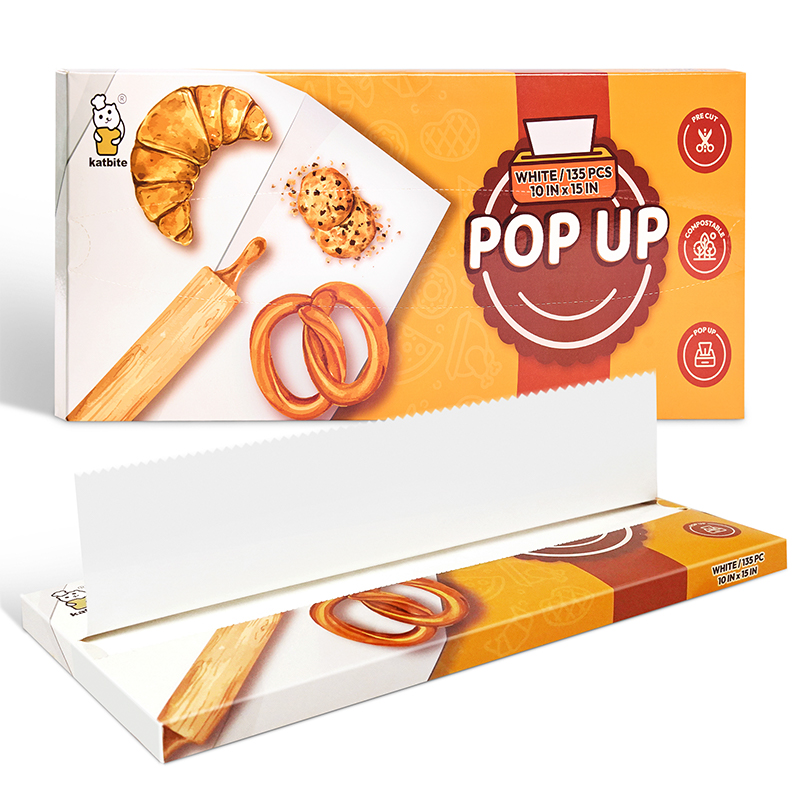
Pop-Up Parchment Paper Sheets can address this handling issue by providing individual sheets in a format designed for convenient access on the fly. The pop-up format can make it a lot easier for workers to grab one sheet at a time without fumbling.
This can help keep preparation areas more organized during a busy stretch. It may also reduce the need to wrestle with an entire roll when only one piece of paper is actually required.
For home users, individual sheets can be convenient when baking only occasionally, like once a month. For commercial kitchens, the format can support repeated preparation where workers need access to paper throughout an entire shift.
| Paper Format | Handling Characteristic |
|---|---|
| Roll paper | Requires separation before use |
| Individual sheets | Ready for separate applications |
| Pop-up sheets | Designed for quick access |
| Pre-cut liners | Suited to specific preparation tasks |
The choice between formats depends heavily on the actual workflow in that kitchen. A small household may prefer whichever format takes up less storage space in a cramped cupboard, while a busy kitchen may value quick access during repeated preparation more than anything else.
Convenience therefore comes not only from the paper material itself but also from how the product gets presented and handled day to day.
How Can These Paper Products Support Home Baking?
Home baking often involves genuinely limited workspace, especially in smaller kitchens. A kitchen counter may need to accommodate mixing bowls, ingredients, utensils, baking pans, cooling racks, and finished products all at once, with barely room to spare.
Simple preparation tools can make that space a lot easier to manage. Parchment-based products can provide a practical layer between food and selected preparation surfaces without taking up much room themselves.
A home baker may use Parchment Paper Cake Liners when preparing cakes that need removing from their pans with minimal handling or fuss. Food Greaseproof Paper may also prove useful for separating baked items during preparation or serving afterward.
When the paper's available in convenient sheet formats, the user can take only what's needed for that particular task. This can help cut down on unnecessary preparation steps piling up.
The benefit becomes more noticeable when baking is part of a regular household routine rather than an occasional activity. A baker preparing several batches in succession may find it helpful to have the paper ready before mixing begins.
Cleanup can also feel easier when less food residue reaches the baking surface. The paper does not remove the need to clean baking equipment, but it can reduce the amount of residue that comes into direct contact with the cookware.
This makes paper liners a small but genuinely useful part of a more organized kitchen workflow overall.
How Can Commercial Bakers Use Parchment Products More Efficiently?
Commercial baking involves repeated tasks that need to stay organized across a long shift. Workers may prepare multiple batches while moving between mixing, filling, baking, cooling, decorating, and packaging areas without much downtime.
A small delay repeated throughout the workflow can affect how easily the kitchen operates overall by the end of the day. Parchment products can support this process by providing ready-to-use food-contact surfaces on demand.
Silicone Coated Parchment Paper Sheets can get prepared in advance for suitable baking tasks lined up on the schedule. Silicone Baking Paper Sheets can also get incorporated into workflows where a convenient paper surface is preferred over constant pan cleaning.
For busy kitchens, Pop-Up Parchment Paper Sheets may offer a practical way to access individual pieces without stopping to peel paper off a roll mid-task. The format can prove particularly useful when several workers share one preparation area at the same time.
Each worker can grab a sheet when needed, instead of hunting around for a suitable piece of paper mid-shift. This can make the whole work area a lot easier to keep organized.
| Commercial Task | Parchment Product Role |
|---|---|
| Pan preparation | Creates a prepared food-contact layer |
| Batch baking | Supports repeated preparation |
| Product handling | Helps separate baked goods from surfaces |
| Cooling | Can provide a clean separation layer where suitable |
| Packaging | Supports food handling and presentation |
The exact application should always follow the product's intended use rather than habit alone. Commercial kitchens also need to maintain appropriate food handling practices alongside the use of disposable paper products throughout service.
How Should Buyers Compare Different Parchment Paper Formats?
Not every baking task requires the same paper format, no matter how tempting it is to buy just one box and call it done. A buyer should consider how the product will actually get used before choosing between rolls, sheets, liners, or other formats on the shelf.
A home baker may prioritize simple storage and occasional use over speed. A bakery may place a lot more value on quick access and consistent preparation during a busy morning rush. A food service operation may need paper that can move easily between preparation, serving, and packaging areas without switching products.
The size and shape of the baking surface can also shape the choice quite a bit. Pre-cut liners can reduce preparation work considerably when they match the intended application closely.
Individual sheets can be convenient when workers need to grab paper quickly without measuring. Roll formats can offer more flexibility when different sheet sizes are needed across different tasks.
| Buyer Consideration | Question to Ask |
|---|---|
| Baking task | What food will the paper contact? |
| Paper format | Is a roll or individual sheet more practical? |
| Workflow | How often will paper be handled? |
| Storage | Can the packaging be stored conveniently? |
| Cleanup | Will the paper help simplify surface management? |
| Food contact | Is the product intended for the planned application? |
Product information should get reviewed carefully before purchase, not skimmed at the checkout. This matters especially for businesses that use paper products across different food preparation processes throughout the week.
The right choice is the one that fits the kitchen's existing workflow instead of simply adding another supply to the shelf.
How Are Parchment Products Changing Everyday Food Preparation?
Baking continues to involve familiar ingredients and methods passed down through recipes, but the way people organize preparation keeps shifting. Convenience is increasingly connected with reducing small repetitive tasks that quietly eat up time in the kitchen.
Paper products fit into this shift because they provide ready-to-use surfaces without requiring complicated preparation of their own. Parchment Paper Cake Liners can support cake preparation and handling from start to finish.
Food Greaseproof Paper can assist with food separation and other suitable preparation tasks around the kitchen. Silicone Coated Parchment Paper Sheets can provide a practical coated paper surface for appropriate baking applications when needed.
Silicone Baking Paper Sheets can make repeated baking preparation genuinely easier to organize across a busy week. Pop-Up Parchment Paper Sheets can make individual sheet access more convenient in busy preparation areas where every second counts.
These products serve different roles across the kitchen, but they share a common purpose worth noting: making routine food preparation easier to manage day after day. For home bakers, that may mean less time spent preparing pans and scrubbing surfaces afterward.
For commercial kitchens, it may mean a more organized approach to repeated food preparation across a demanding shift. For food service operations, convenient paper formats can also support handling between preparation and serving without missing a beat.
The value of these products comes from how naturally they fit into existing routines already running in the kitchen. A simple sheet of baking paper may not change the recipe itself, but it can genuinely change how easily the work around that recipe gets handled.
Related Products
-
-
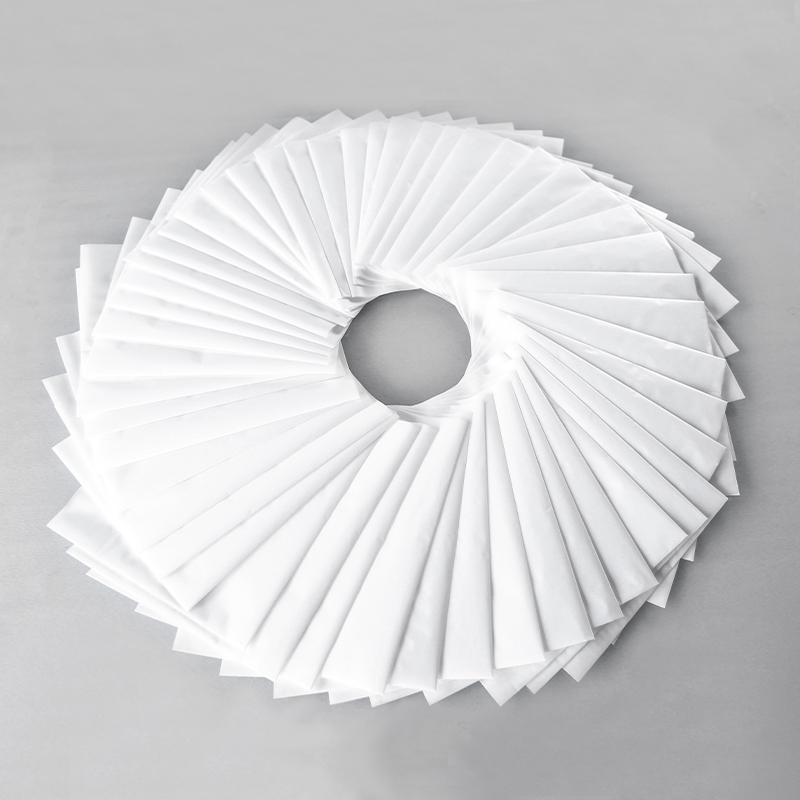
Folded Baking Paper Sheets, also known as Non Stick Baking Paper Sheets, are made from wood pulp and coated on both sides with a food-safe silicone layer. This coating gives the paper a smooth, grease...
See Details -
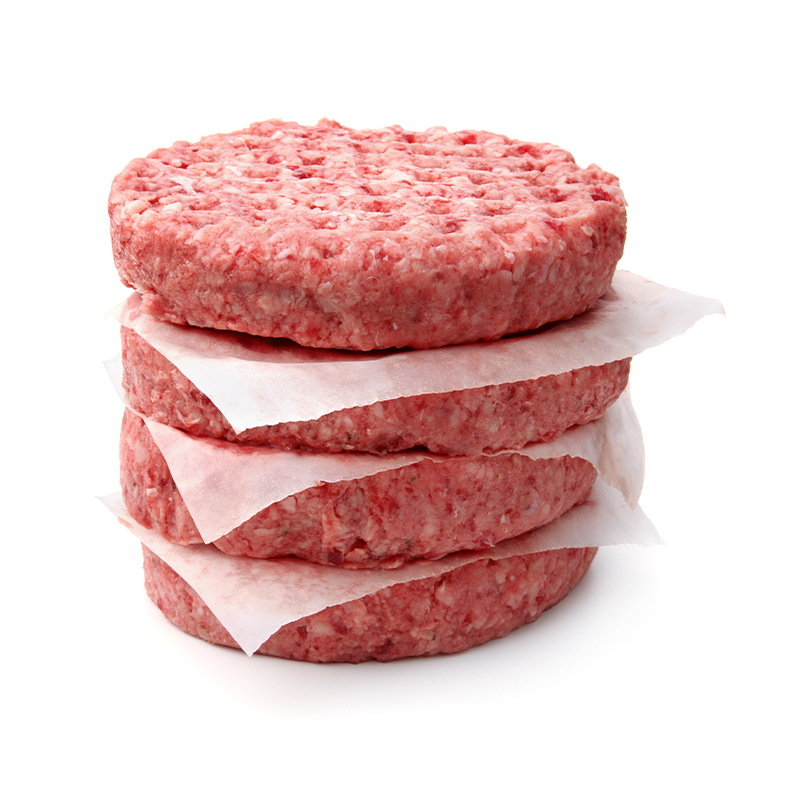
Description: Wax paper is the paper that is coated with food-grade wax in order to make it non-stick and waterproof. wax paper is very good for food storing and presentingMade of food-grade paper and ...
See Details -
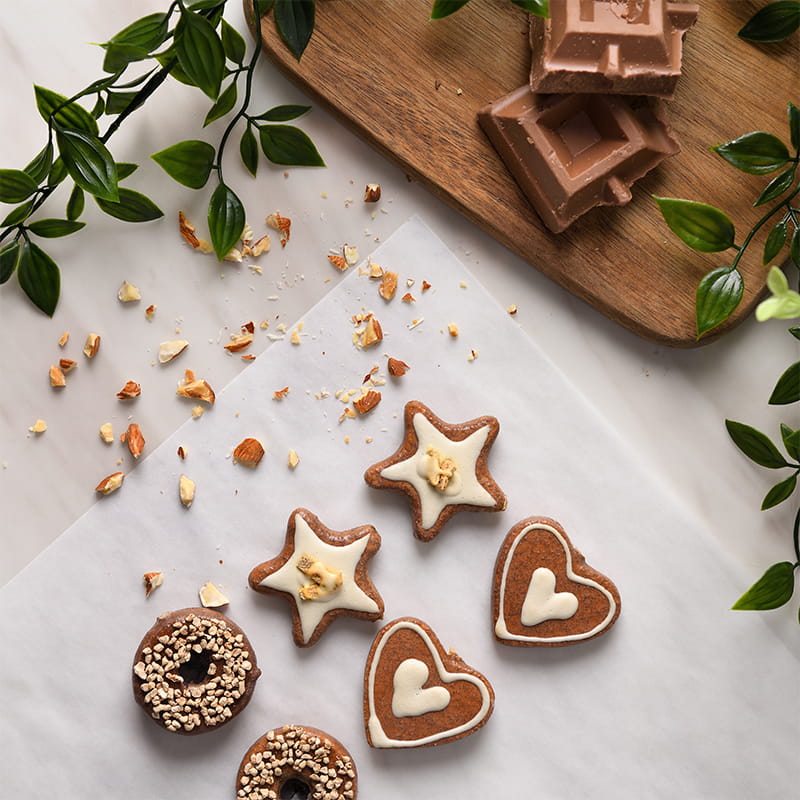
Product Features: 1. Virgin wood pulp 2. Double sides food grade silicone-treated 3. Fluorine-free 4. Non-stick 5. Oven/Microwave safe 6. Freezer safe 7. Reusable 8. BPA f...
See Details -
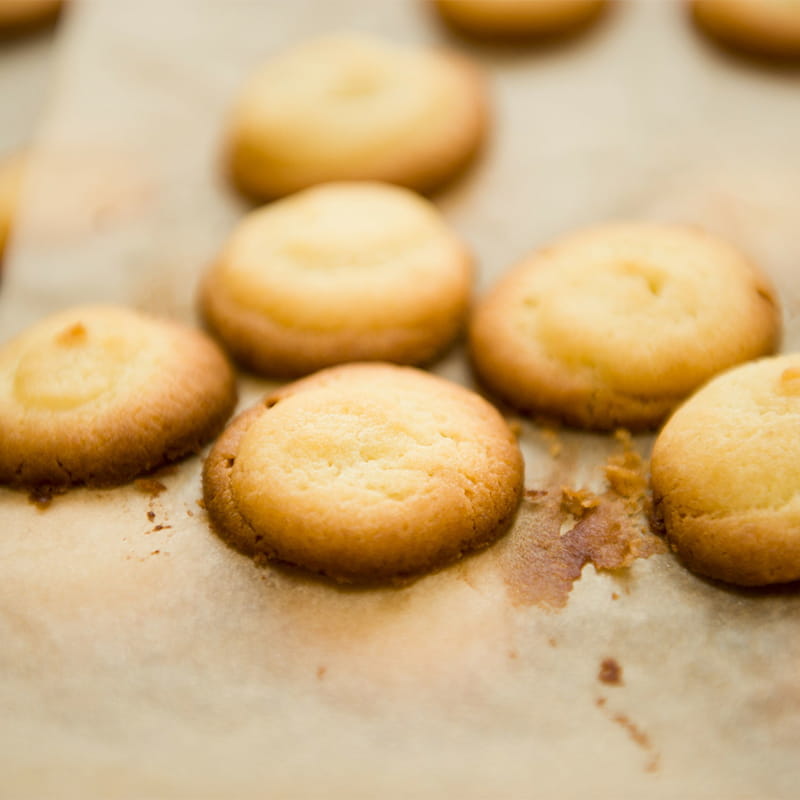
Product Features: 1. Virgin wood pulp 2. Natural unbleached brown color 3. Double sides food grade silicone-treated 4. Fluorine-free 5. Non-stick 6. Oven/Microwave safe 7. Fre...
See Details -
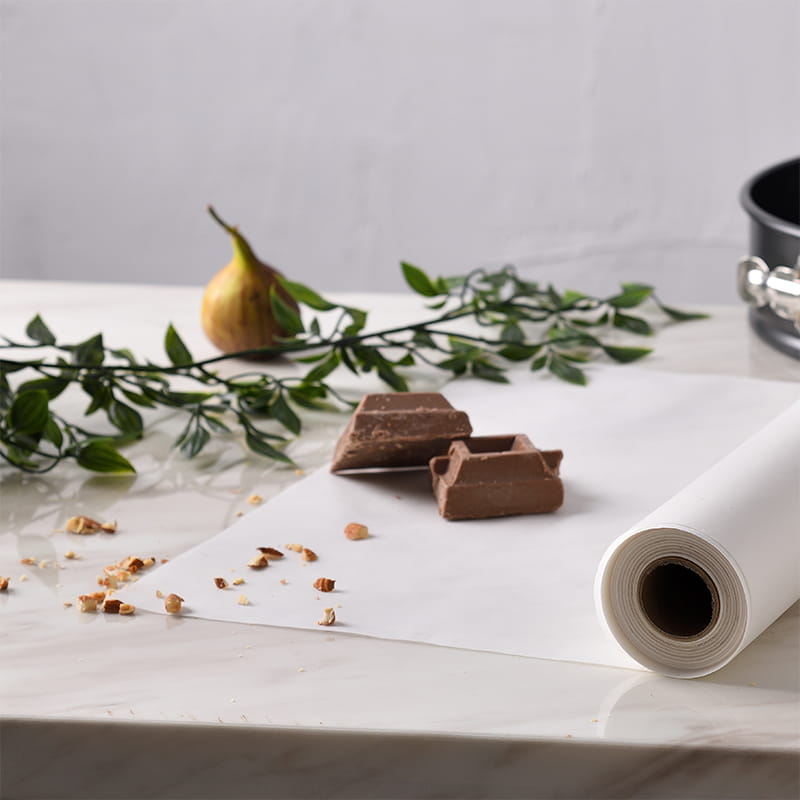
Product Features: 1. Virgin wood pulp 2. Double sides food grade silicone treated 3. Fluorine-free 4. Non-stick 5. Oven/Microwave safe 6. Freezer safe 7. Reusable 8. BPA ...
See Details -
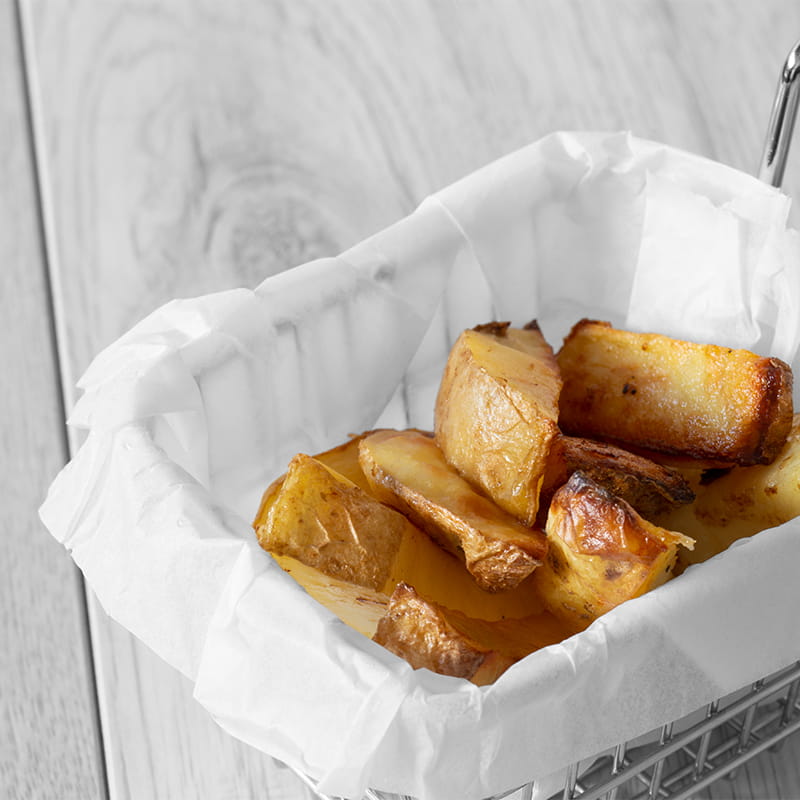
Product Features: 1. Virgin wood pulp 2. Fluorine-free 3. BPA free 4. Biodegradable Product Details: In an era where environmental consciousness and sustainability are paramount, Natu...
See Details -
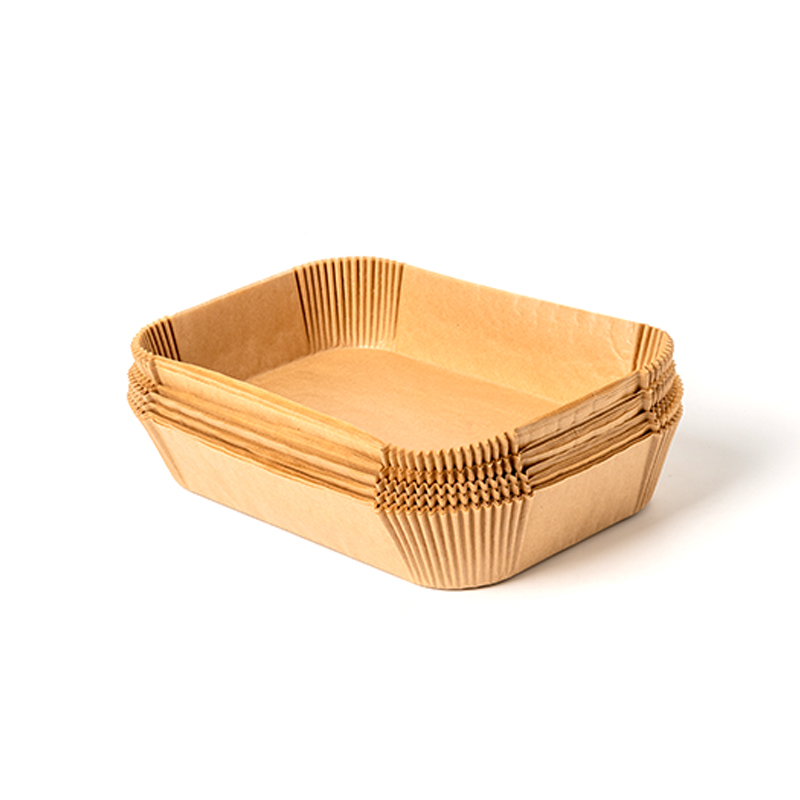
Product Features: 1. Virgin wood pulp 2. Double sides food grade silicone-treated 3. Fluorine-free 4. Non-stick 5. Air fryer basket safe 6. Reusable 7. BPA free 8. Biodeg...
See Details -
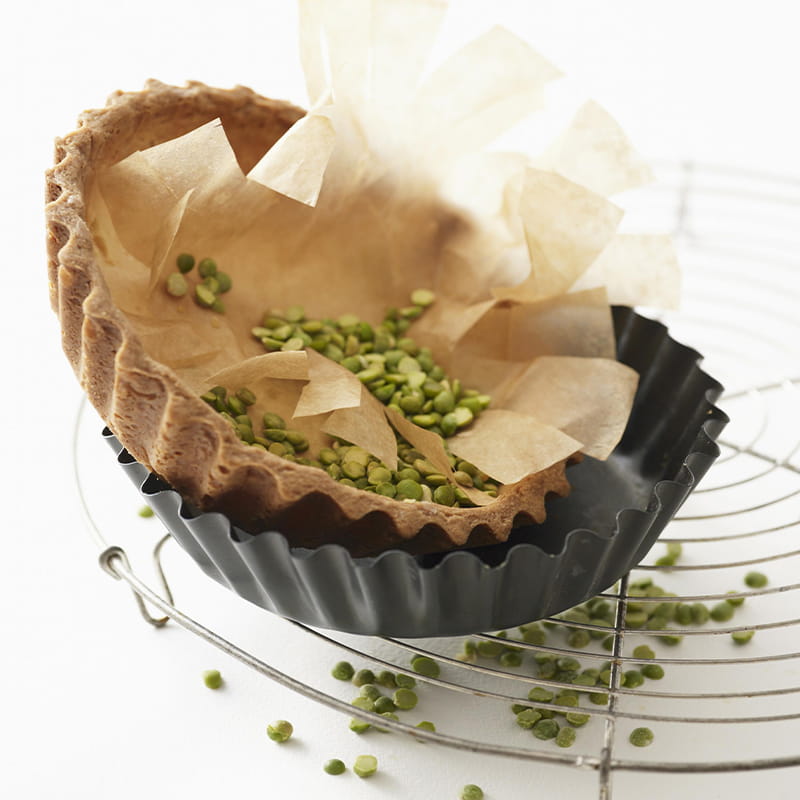
Product Features: 1. Virgin wood pulp 2. Natural unbleached brown color 3. Fluorine-free 4. BPA free 5. Biodegradable Product Details: Introducing our Unbleached Brown Food Grade ...
See Details -
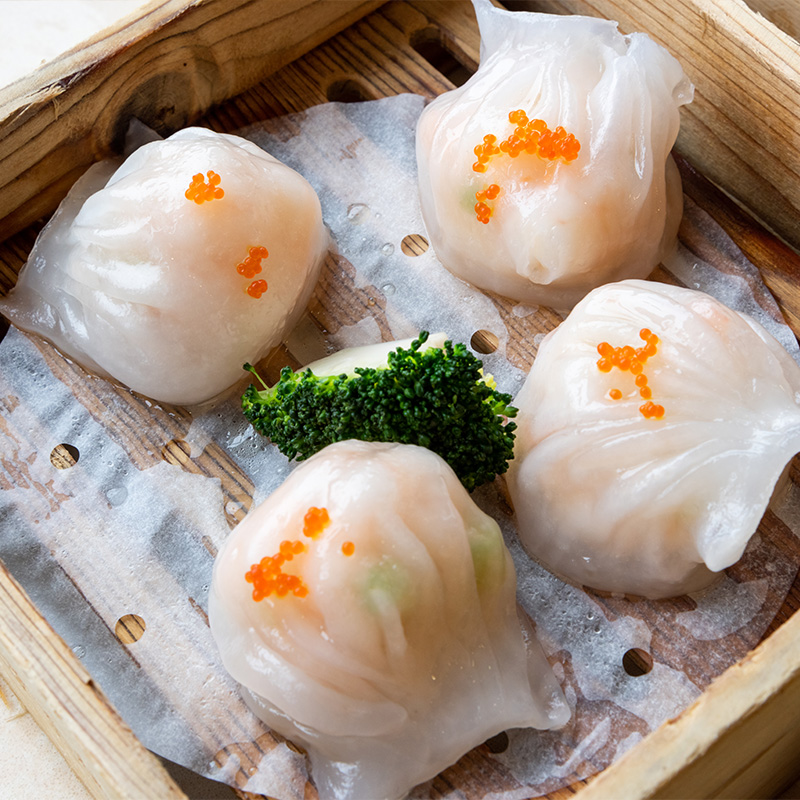
Product Features: 1. Virgin wood pulp 2. Double sides food grade silicone treated 3. Fluorine-free 4. Non-stick 5. Steamer/air fryer basket safe 6. Reusable 7. BPA free 8...
See Details -
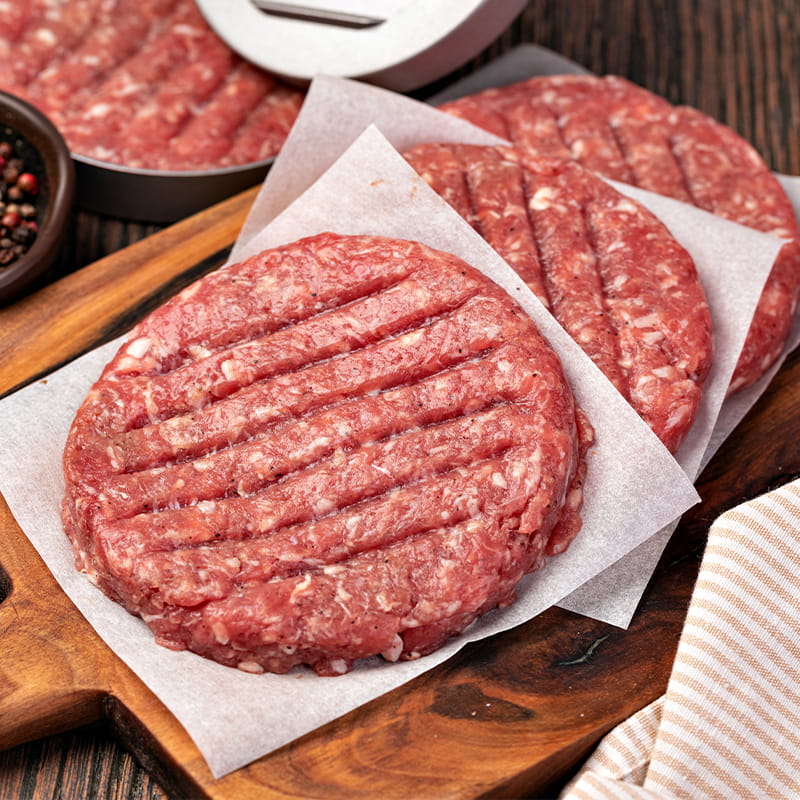
Product Features: 1. Virgin wood pulp 2. Double sides food grade silicone treated 3. Fluorine-free 4. Non-stick 5. Easy to separate 6. Reusable 7. BPA free 8. Biodegradab...
See Details -
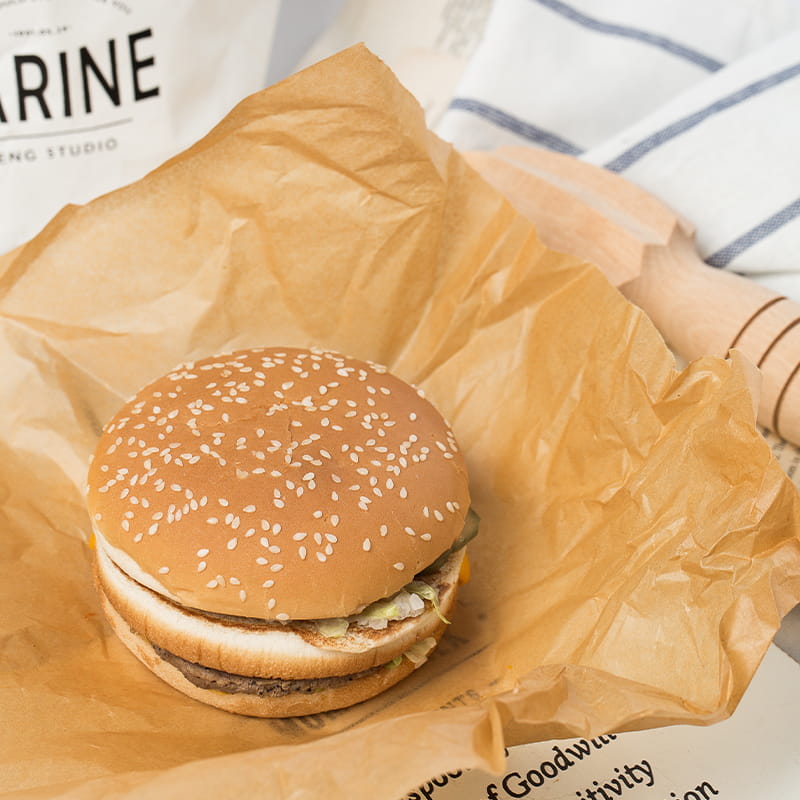
Product Features 1. Virgin wood pulp 2. Flexographic printing 3. Eco-friendly water-based ink 4. BPA free Product Details: Introducing our premium Greaseproof Sandwich Paper Sheets, a...
See Details

Professional Baking Parchment Paper Manufacturer in China with more than 15 years silicone coating experience.
Products
Contact Us
- No.10 Longyin Road, Chengnan Industrial Park,Longyou, Quzhou, China.
- +86-18968091013 / +86-571-88639705
- Avayao-1990@hotmail.com
Copyright © Zhejiang Guanghe New Materials Co., Ltd. All Rights Reserved.
Parchment Paper & Baking Paper Sheets Manufacturer
