 English
 中文简体
中文简体
Pre Cut Baking Paper Sheets are made from wood pulp and coated on both sides with a food-safe silicone layer. This coating gives the paper a smooth, greaseproof, and moisture-resistant surface that su...
See DetailsWhat Should Buyers Know About Food Greaseproof Paper
Food packaging often looks straightforward from the outside, almost like an afterthought compared to the food itself. A sheet of paper might wrap a sandwich, separate baked goods on a tray, line a food container, or protect prepared items on their way to a customer.
Behind that ordinary use, buyers still have to work through several practical details before placing an order. Food Greaseproof Paper tends to get picked when packaging needs to handle oily or greasy foods while keeping a clean, workable surface underneath.
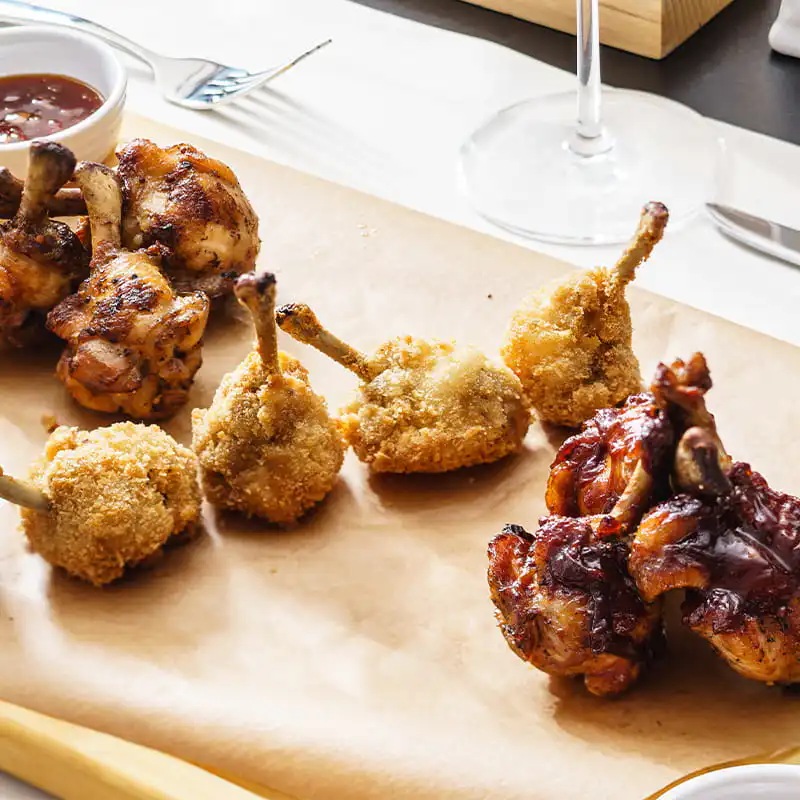
The right paper isn't something you settle on just by looking at it. Paper structure, food application, printing needs, packaging format, handling requirements, and how well a buyer communicates with a supplier all play into whether a product actually fits its intended use.
For food packaging buyers, working through these factors tends to make product selection more straightforward rather than a guessing game. It also helps purchasing teams explain their requirements more clearly once they're comparing different paper products side by side.
Why Does Food Greaseproof Paper Matter in Food Packaging?
Food often carries oils, sauces, butter, or other ingredients that can work against ordinary paper over time. When these substances touch packaging, the paper can turn less appealing to look at or harder to handle without a mess.
Grease-resistant paper gets designed for applications where keeping that interaction under control genuinely matters to the business using it.
| Food Packaging Need | Paper Consideration |
|---|---|
| Oily foods | Resistance to grease penetration |
| Baked products | Suitable food-contact surface |
| Takeaway meals | Practical wrapping and handling |
| Food presentation | Clean and consistent appearance |
| Food separation | Suitable sheet structure |
The point isn't simply keeping visible grease marks off the wrapper. The paper also needs to fit how the food gets prepared, packed, displayed, and eventually eaten by a customer.
A bakery might use sheets under pastries or other baked products sitting in a display case. A food service business may need wrapping material for sandwiches or fried foods handed across a counter. A retailer might prefer packaging that combines practical protection with a printed look that fits the brand. These different applications tend to pull toward different paper requirements rather than one universal answer.
How Should Buyers Match Paper With Different Food Applications?
Food products behave differently once they hit packaging. A dry bakery item places different demands on paper than a warm meal soaked in sauce or oil.
The packaging format also changes how the paper actually gets handled day to day. A sheet used as a food liner might need to stay flat and steady, while wrapping paper needs to fold easily around whatever it's covering.
| Food Application | Common Packaging Role |
|---|---|
| Bakery products | Wrapping or lining |
| Sandwiches | Food wrapping |
| Fried foods | Grease-resistant wrapping |
| Prepared meals | Lining or separation |
| Snacks | Portion packaging |
| Pastries | Surface protection and presentation |
Buyers should describe the actual food application when talking through requirements with suppliers, rather than staying vague. Simply asking for "food paper" doesn't give a supplier enough to work with for a solid recommendation.
The food's condition, packaging method, expected handling, and presentation needs all shape which product actually fits. That matters especially when packaging has to do more than one job at once, protecting the food while also playing a part in how it's presented to a customer.
What Paper Specifications Should Food Packaging Buyers Discuss?
Paper specifications should tie back directly to the intended application rather than floating on their own. Buyers may need to talk through the paper's surface, handling characteristics, sheet format, folding behavior, printing suitability, and food-contact requirements together.
The exact specification shifts depending on what the packaging is actually meant to do.
| Specification Area | Buyer Question |
|---|---|
| Sheet format | How will the paper be used? |
| Surface | Does it suit the food and presentation? |
| Folding | Does the packaging require wrapping or shaping? |
| Printing | Will graphics or product information be added? |
| Handling | How will workers or consumers use the paper? |
| Packaging | How should the paper be supplied and stored? |
Choosing a paper just because it looks like another product on the shelf is worth avoiding. Two sheets can appear nearly identical while behaving quite differently once wrapping or food preparation actually starts.
Buyers should also separate what's genuinely necessary from what's simply preferred. That distinction makes conversations with a supplier a lot clearer. A well-defined request gives the supplier a real sense of what the paper needs to do, not just what it should look like sitting on a counter.
How Are Pop-Up Parchment Paper Sheets Different From Greaseproof Paper?
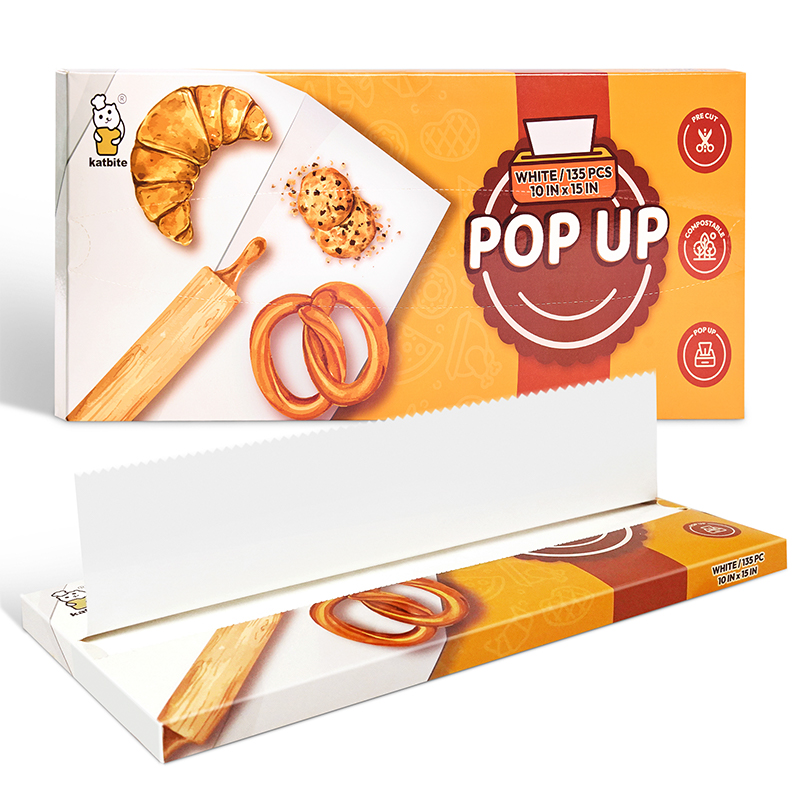
Pop-Up Parchment Paper Sheets tend to get associated with convenient food preparation and baking work. Their ready-to-use format makes them practical in kitchens where staff repeatedly pull individual sheets from a dispenser box during a shift.
Parchment-style products can also line baking surfaces or separate food items, depending on the specific design of the product involved.
| Product Format | Practical Use |
|---|---|
| Loose sheets | Flexible food preparation |
| Pop-up sheets | Quick individual access |
| Roll format | Flexible sheet sizing |
| Wrapped sheets | Food presentation and serving |
| Liner sheets | Supporting food preparation |
The line between parchment paper and greaseproof paper shouldn't be drawn from everyday terminology alone, since the words get used loosely in casual conversation. Different products can carry different intended uses and surface characteristics underneath similar names.
Buyers should check the supplier's product information and food-contact suitability against the actual intended application. A food business that needs quick individual sheets may lean toward a pop-up format. Another business may need larger sheets for wrapping or hands-on preparation instead. The packaging format, in that sense, can matter just as much as the paper material itself.
When Are Silicone Baking Paper Sheets Suitable for Food Businesses?
Silicone Baking Paper Sheets commonly show up in baking and food preparation settings. The silicone-treated surface gives a useful non-stick quality for certain baking tasks, making it easier to lift baked products off after they come out of the oven.
For buyers, the real question is whether the product's intended use actually matches what's happening in the kitchen day to day.
| Application | Possible Benefit |
|---|---|
| Baking | Supports easier food release |
| Food preparation | Provides a practical working surface |
| Baking trays | Helps reduce direct food contact with the tray |
| Pastry preparation | Supports handling during preparation |
| Food separation | Can provide a clean dividing layer |
Not every food packaging application calls for baking paper specifically. A restaurant mainly wrapping takeaway meals has different needs from a bakery turning out pastries all day long.
Buyers should avoid treating every food paper product as interchangeable just because they sit in the same general category. The food type, preparation process, storage method, and packaging format should steer the selection instead. That approach also helps businesses skip paying for features that don't add much practical value to their actual day-to-day operation.
How Do Printing Requirements Affect Food Packaging Paper Selection?
Packaging can carry more than just the food itself. It can communicate a brand identity, product information, serving instructions, or other approved content printed right on the surface.
Printing requirements deserve a conversation before the paper gets selected, not after. The paper surface and the intended printing process need consideration together rather than separately.
| Printing Consideration | Why It Matters |
|---|---|
| Surface appearance | Influences printed presentation |
| Ink compatibility | Supports suitable printing |
| Graphic placement | Affects the usable packaging area |
| Folding areas | Can influence how graphics are positioned |
| Food-contact design | Helps separate printed areas from food where required |
Printing shouldn't get in the way of the paper's basic food packaging job. Buyers should also mention whether the paper arrives pre-printed or gets printed later as part of their own packaging process.
That detail can shape the purchasing decision quite a bit. Simple packaging might only need basic identification stamped on it. A retail product may call for a more developed printed look with more color and detail. The supplier needs to understand the purpose behind the printed paper so the product they recommend actually suits the process it's headed into.
What Packaging Formats Should Buyers Consider?
Food paper can arrive in different formats depending on how a business plans to use it. Sheets work well for individual wrapping, lining, and serving straight to a customer.
Rolls can offer more flexibility for businesses that cut or fold paper themselves as part of their own packaging line. Pre-cut formats can cut down on handling steps for a busy kitchen.
| Packaging Format | Suitable Situation |
|---|---|
| Individual sheets | Quick food wrapping |
| Pop-up sheets | Repeated individual use |
| Rolls | Flexible in-house handling |
| Folded sheets | Ready-to-use food service |
| Packaged stacks | Organized storage and dispensing |
The format chosen can shape labor, storage, and the daily rhythm of a workplace. A food business preparing many individual portions might prefer ready-to-use sheets that staff can grab quickly.
Another operation may have equipment or established habits that make roll material more convenient to work with instead. Buyers should think through how the paper actually moves through the workplace, not just how it looks in a supplier's catalog. Storage space matters too, since packaging needs protection from moisture, contamination, and unnecessary handling before it's put to use. The final format should support both product protection and practical, everyday access.
How Can Supplier Communication Make Food Paper Purchasing Easier?
Good supplier communication starts with a clear description of the intended application rather than a generic request. Instead of simply asking for Food Greaseproof Paper, buyers can describe the food type, packaging method, printing needs, sheet or roll format, and expected handling conditions up front.
That kind of detail gives suppliers far more useful information for product matching.
A purchasing request can include:
Food Application
Explain whether the paper will be used for bakery products, takeaway meals, snacks, sandwiches, or another food category entirely.
Packaging Method
State whether the paper will function as a wrapper, liner, separator, or serving sheet.
Preferred Format
Specify whether the operation needs sheets, rolls, pop-up sheets, or another format altogether.
Printing Needs
Explain whether the paper will carry graphics, product information, or other packaging content.
Storage Requirements
Discuss how the paper will be packed, stored, and distributed before it actually gets used.
Food-Contact Requirements
Confirm that the selected product suits the intended food-contact application and meets applicable requirements for that market.
This kind of information can cut down on misunderstandings during product development and purchasing alike. It also makes sample evaluation more meaningful.
Rather than judging a paper purely by how it looks sitting on a desk, buyers can test how it actually behaves during the real packaging process it's meant for.
What Should Buyers Check Before Placing a Food Greaseproof Paper Order?
The purchasing decision should relate product characteristics to actual working conditions rather than relying on an initial impression. A sample may seem suitable on a desk but behave differently when used to wrap warm food, line containers, or handle greasy materials.
A practical review can cover several areas before an order goes out.
| Evaluation Area | What to Observe |
|---|---|
| Food contact | Suitability for the intended food |
| Grease handling | Surface condition during use |
| Folding | Ease of wrapping or shaping |
| Printing | Compatibility with the intended appearance |
| Packaging | Protection during storage and transport |
| Handling | Convenience for workers and consumers |
Buyers should also review supplier documentation carefully before placing an order. Food-contact claims, product descriptions, care information, and packaging instructions should read clearly and fit the intended market.
If the product is customized in any way, buyers should confirm artwork, format, packaging, and application details before production actually begins. Clear communication at this stage tends to cut down on avoidable changes further down the line. For businesses weighing Food Greaseproof Paper, Pop-Up Parchment Paper Sheets, and Silicone Baking Paper Sheets against each other, the practical question isn't which product sounds more suitable in general conversation. The more useful question is which paper format and construction actually correspond with the food, packaging process, printing needs, and daily workflow of the business placing the order.
Related Products
-
-
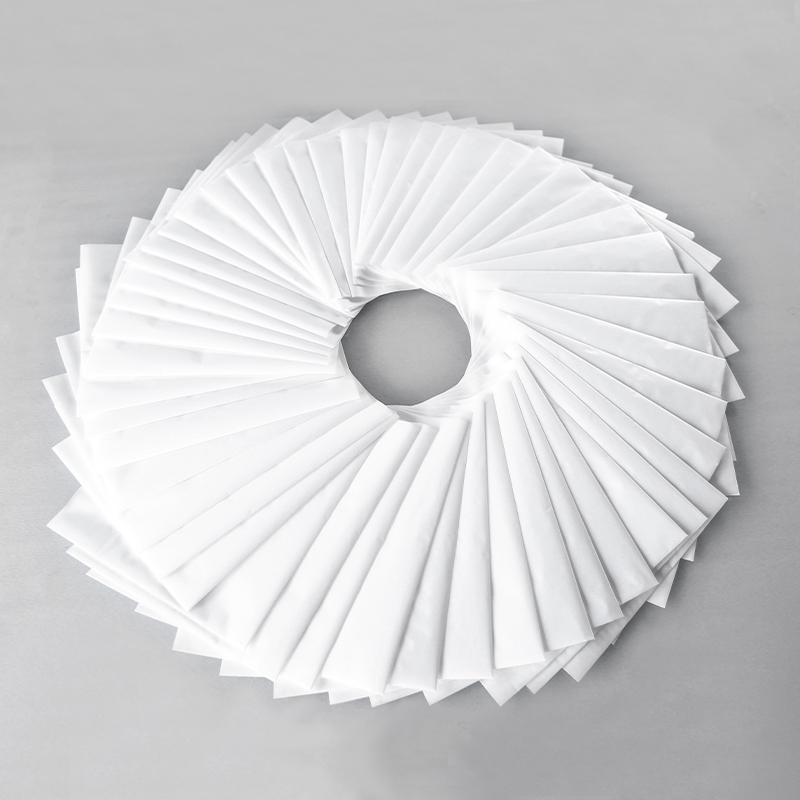
Folded Baking Paper Sheets, also known as Non Stick Baking Paper Sheets, are made from wood pulp and coated on both sides with a food-safe silicone layer. This coating gives the paper a smooth, grease...
See Details -
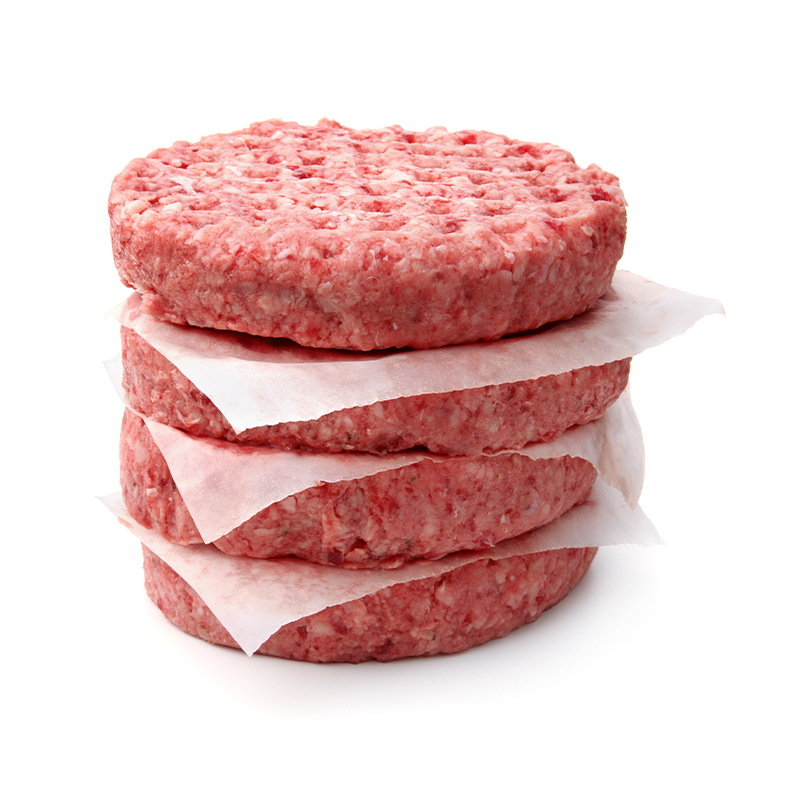
Description: Wax paper is the paper that is coated with food-grade wax in order to make it non-stick and waterproof. wax paper is very good for food storing and presentingMade of food-grade paper and ...
See Details -
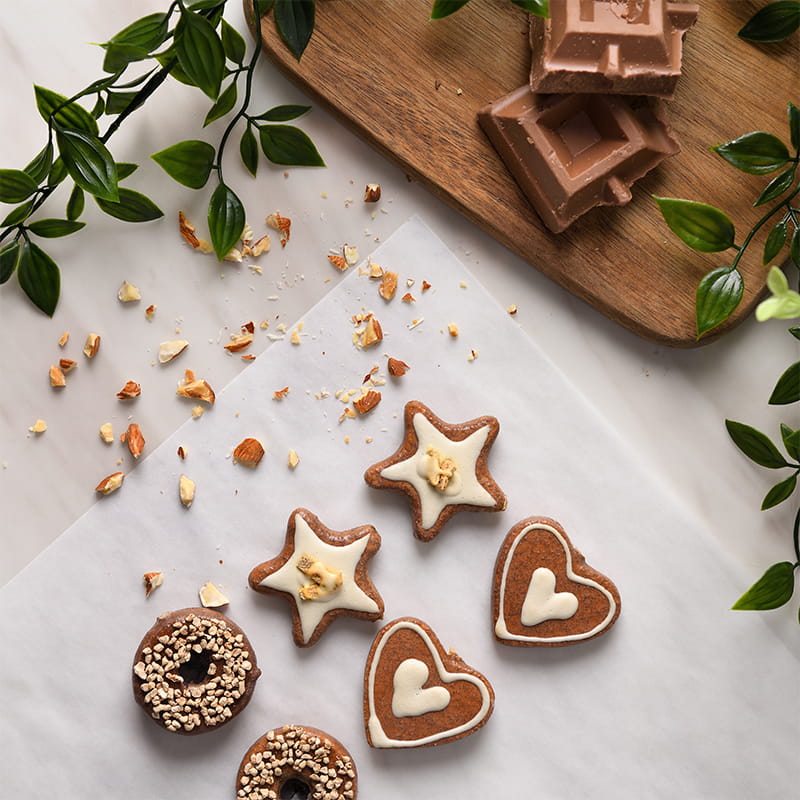
Product Features: 1. Virgin wood pulp 2. Double sides food grade silicone-treated 3. Fluorine-free 4. Non-stick 5. Oven/Microwave safe 6. Freezer safe 7. Reusable 8. BPA f...
See Details -
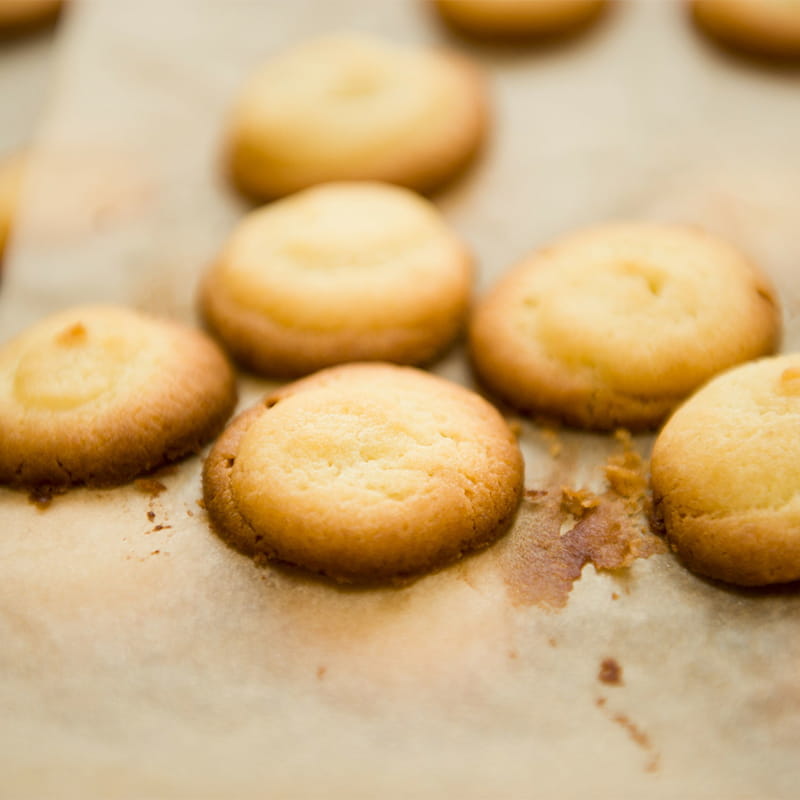
Product Features: 1. Virgin wood pulp 2. Natural unbleached brown color 3. Double sides food grade silicone-treated 4. Fluorine-free 5. Non-stick 6. Oven/Microwave safe 7. Fre...
See Details -
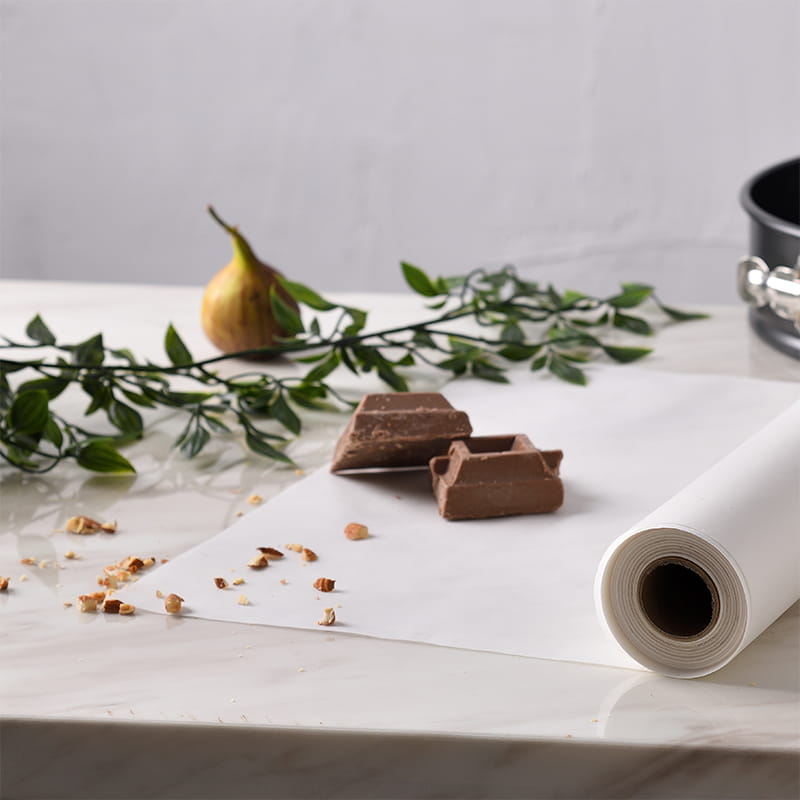
Product Features: 1. Virgin wood pulp 2. Double sides food grade silicone treated 3. Fluorine-free 4. Non-stick 5. Oven/Microwave safe 6. Freezer safe 7. Reusable 8. BPA ...
See Details -
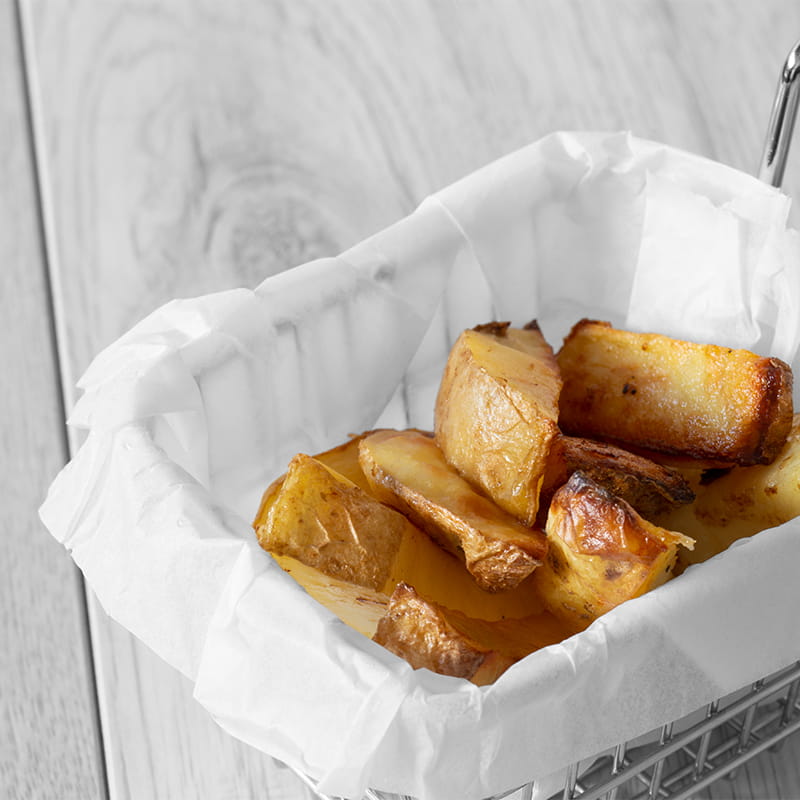
Product Features: 1. Virgin wood pulp 2. Fluorine-free 3. BPA free 4. Biodegradable Product Details: In an era where environmental consciousness and sustainability are paramount, Natu...
See Details -
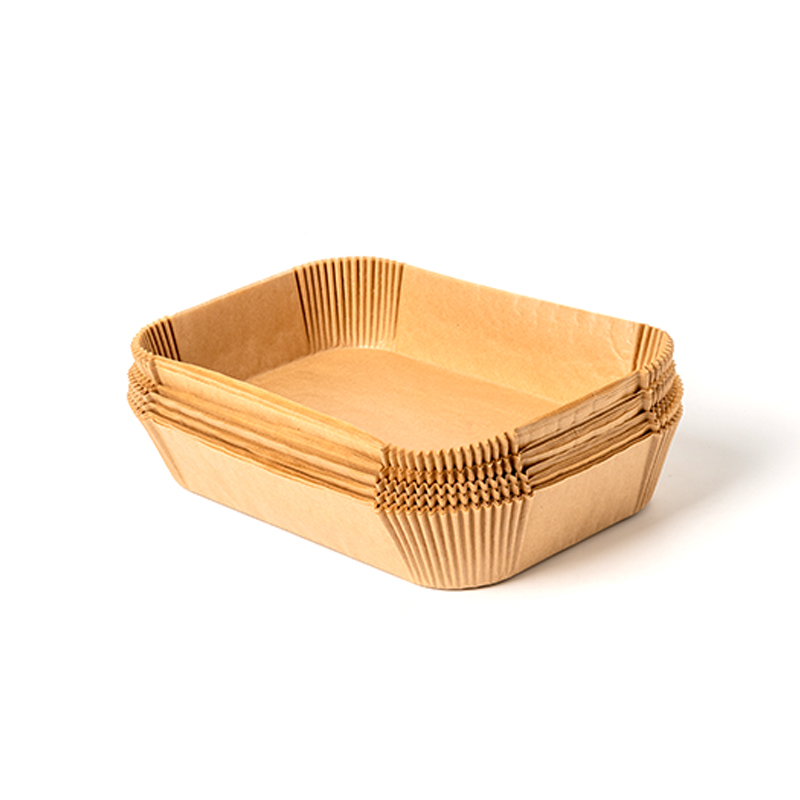
Product Features: 1. Virgin wood pulp 2. Double sides food grade silicone-treated 3. Fluorine-free 4. Non-stick 5. Air fryer basket safe 6. Reusable 7. BPA free 8. Biodeg...
See Details -
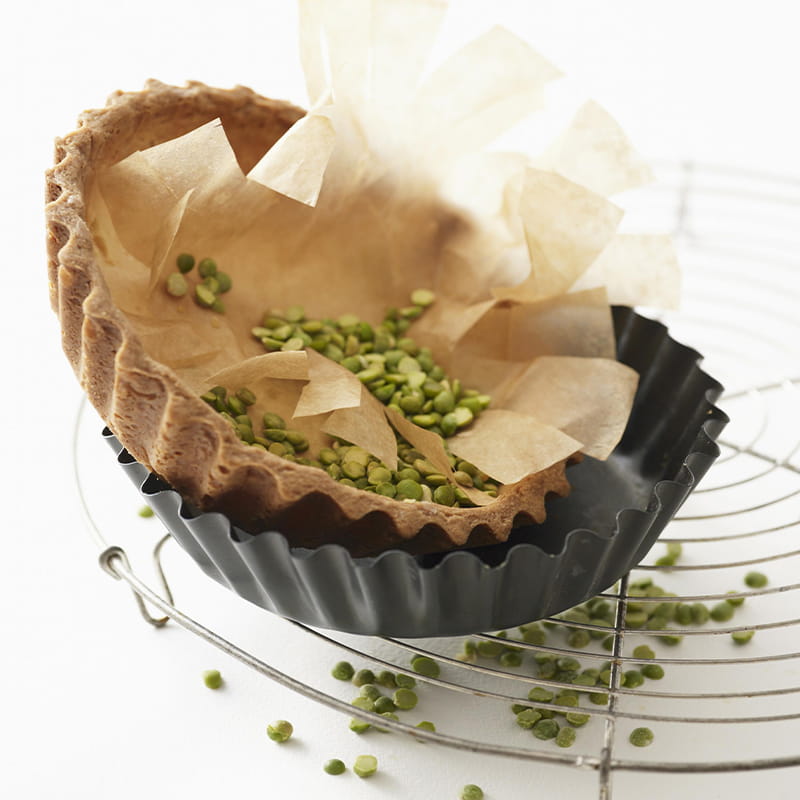
Product Features: 1. Virgin wood pulp 2. Natural unbleached brown color 3. Fluorine-free 4. BPA free 5. Biodegradable Product Details: Introducing our Unbleached Brown Food Grade ...
See Details -
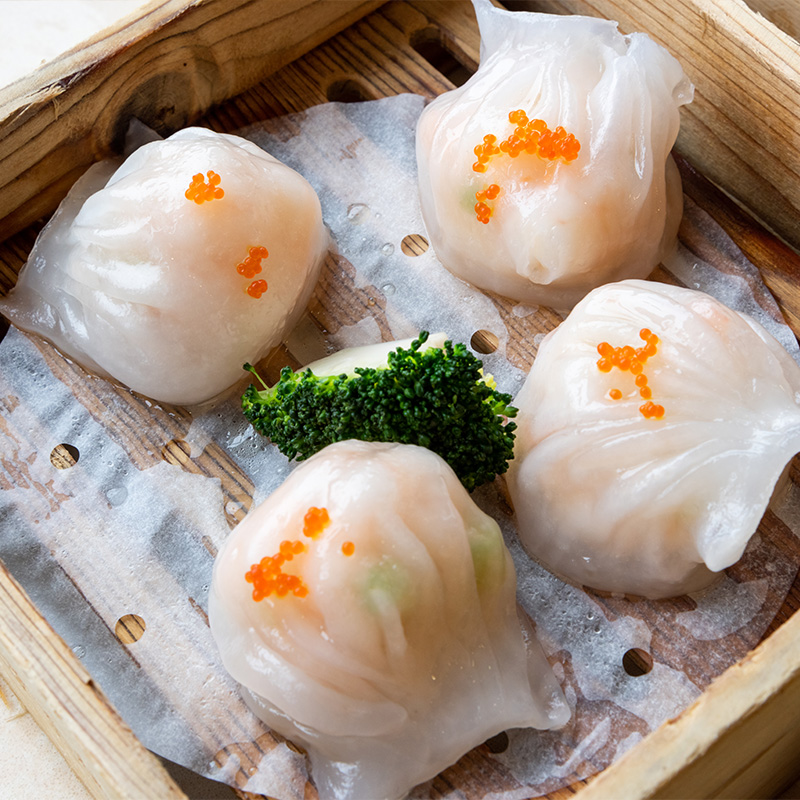
Product Features: 1. Virgin wood pulp 2. Double sides food grade silicone treated 3. Fluorine-free 4. Non-stick 5. Steamer/air fryer basket safe 6. Reusable 7. BPA free 8...
See Details -
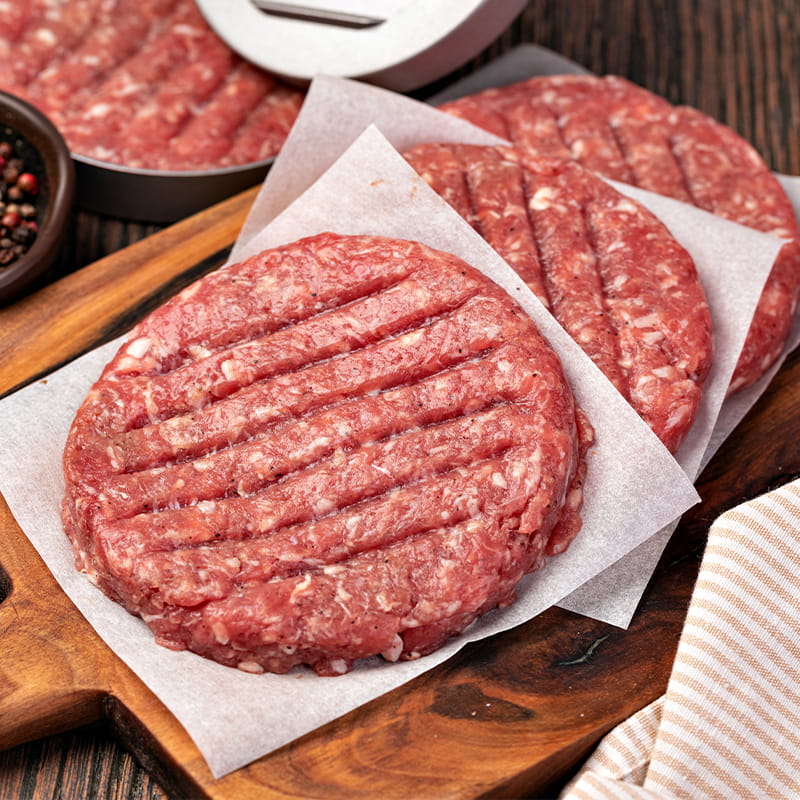
Product Features: 1. Virgin wood pulp 2. Double sides food grade silicone treated 3. Fluorine-free 4. Non-stick 5. Easy to separate 6. Reusable 7. BPA free 8. Biodegradab...
See Details -
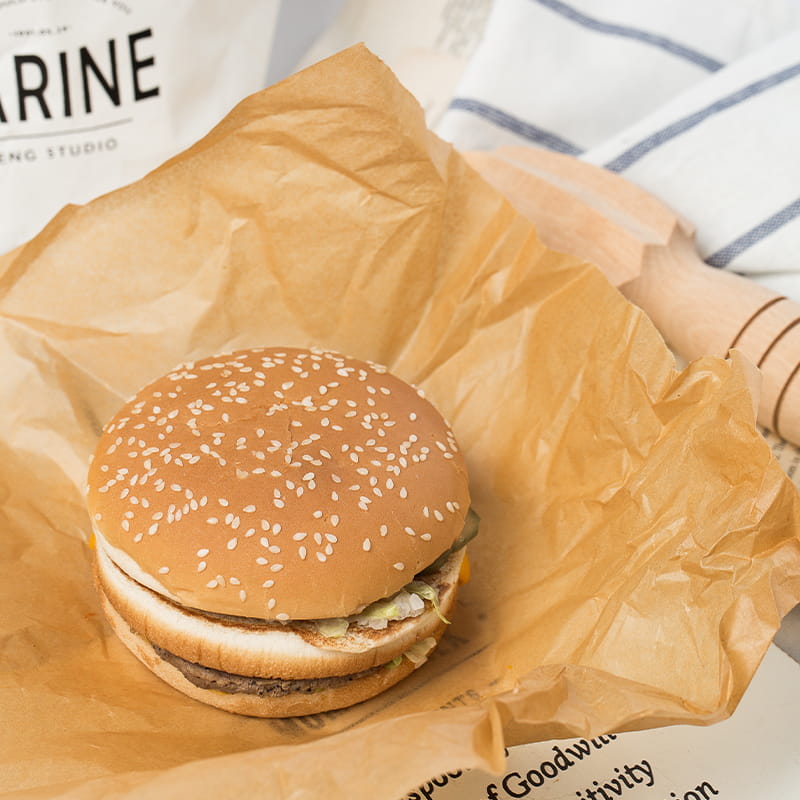
Product Features 1. Virgin wood pulp 2. Flexographic printing 3. Eco-friendly water-based ink 4. BPA free Product Details: Introducing our premium Greaseproof Sandwich Paper Sheets, a...
See Details

Professional Baking Parchment Paper Manufacturer in China with more than 15 years silicone coating experience.
Products
Contact Us
- No.10 Longyin Road, Chengnan Industrial Park,Longyou, Quzhou, China.
- +86-18968091013 / +86-571-88639705
- Avayao-1990@hotmail.com
Copyright © Zhejiang Guanghe New Materials Co., Ltd. All Rights Reserved.
Parchment Paper & Baking Paper Sheets Manufacturer
