 English
 中文简体
中文简体
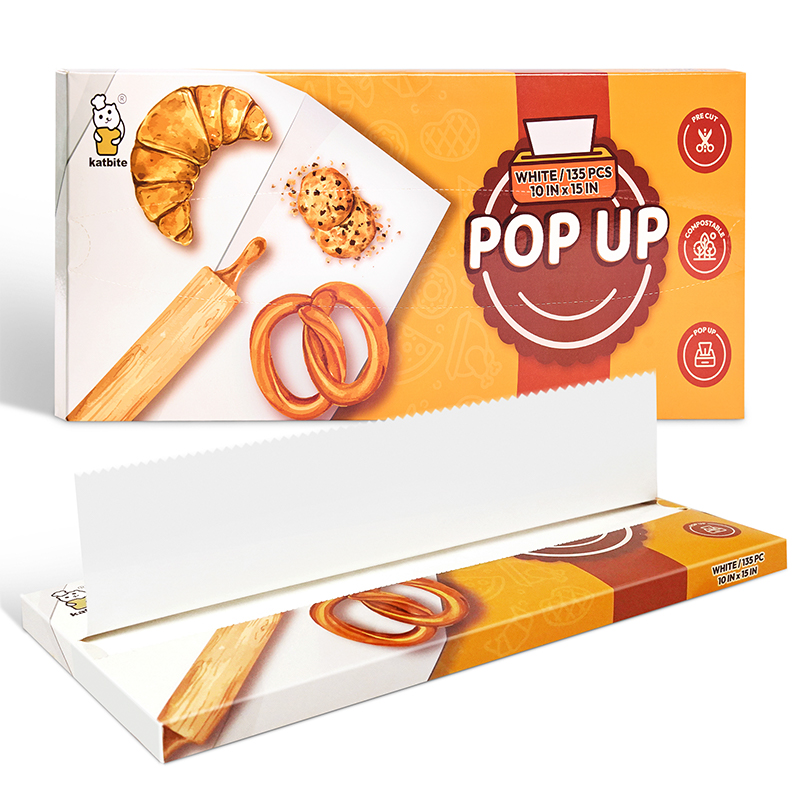
Product details: Pop-up parchment paper sheets, an environment-friendly product, are composed of wood pulp and are double-side coated with silicone. Such a coating makes our paper smooth, greasepr...
See DetailsWhat Affects Food Greaseproof Paper Performance in Baking
A bakery worker pulling a tray of croissants out of the oven and reaching for wrapping paper, only to watch oil stains bloom through the sheet within minutes, understands exactly why grease control deserves more attention than a quick afterthought. Bakery packaging has a simple job that isn't always simple to achieve in practice. A paper wrapper needs to keep food contained, present it neatly, and remain practical during handling from the moment it leaves the oven. At the same time, baked goods can release oil, moisture, heat, and crumbs well after their time in the oven ends.
These conditions can genuinely change how packaging behaves once it meets the actual product.
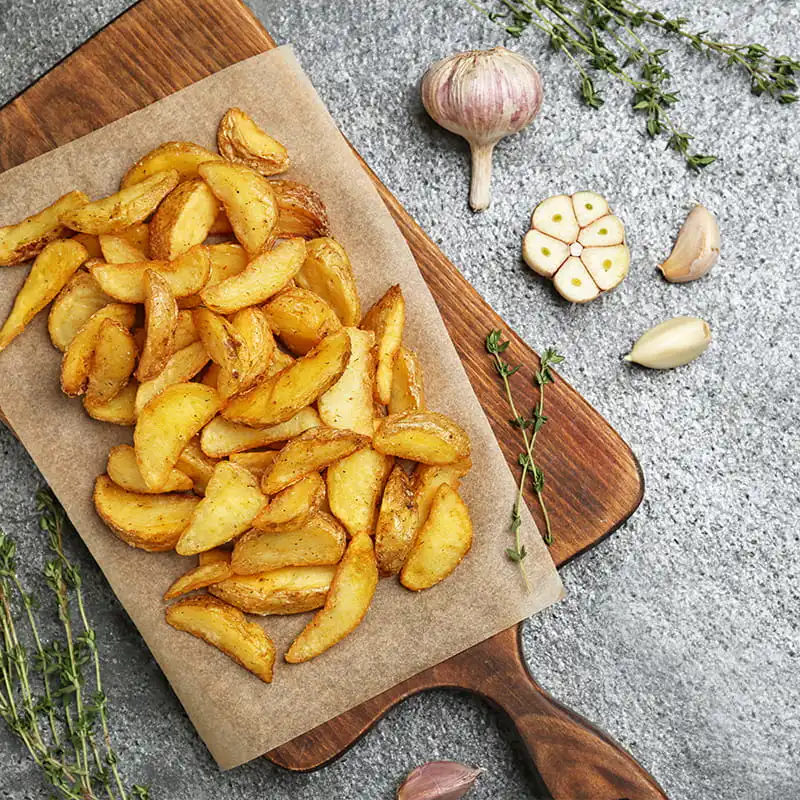
A pastry with a rich filling may need genuinely different paper characteristics from a dry biscuit sitting on the same shelf. A soft cake can require careful handling throughout transport, while a crisp baked item may need packaging that doesn't interfere with its texture the moment it's unwrapped. The packaging structure also matters considerably here. Folding, wrapping, lining, and placing products into boxes all create genuinely different demands on the material.
For this reason, paper performance depends on a lot more than the appearance of the finished package sitting in a display case. Material selection, grease control, heat exposure, folding method, product condition, and packaging design all work together toward the final result.
What Makes Grease Control Important in Bakery Packaging
Grease is one of the more noticeable challenges in bakery packaging, visible almost immediately when something goes wrong.
Butter, oils, fillings, and toppings can migrate from a baked product toward its surrounding wrapper within a short time of packing. If the paper doesn't manage this contact well, the outer surface may develop visible marks that customers notice right away. That can affect the appearance of both the package and the product presentation sitting behind a counter.
Food Greaseproof Paper is designed for applications where controlling oil contact is a genuinely important part of packaging performance overall.
The paper needs to provide a practical barrier while still remaining easy to handle during a busy shift. A wrapper that resists grease well but becomes difficult to fold may simply trade one packaging problem for another.
Different bakery products also create genuinely different conditions worth accounting for separately.
| Bakery Product | Packaging Concern |
|---|---|
| Pastry | Oil and filling contact |
| Fried bakery item | Grease transfer |
| Cake | Moisture and handling |
| Biscuit | Crumbs and surface protection |
| Filled bread | Contact with oils or sauces |
The packaging choice should therefore reflect the actual product in front of you, rather than relying on one approach for every bakery item on the shelf.
How the Type of Baked Good Affects Paper Performance
Not every bakery product interacts with packaging in the same way, even when they sit side by side in a display.
A flaky pastry can release oil from several areas at once, layer by layer. A filled product may have genuinely concentrated contact around one particular section where the filling sits. Soft baked goods can press against the paper during packing and transport, leaving marks that a firmer product wouldn't.
Temperature also changes the situation considerably.
A product packed while still warm may interact with the packaging genuinely differently from one that's already cooled on a rack. Heat can affect how oils move across a food surface and how the package actually feels during handling moments after it leaves the oven.
The product's shape matters here as well, more than people often consider.
A flat item may require only a simple sheet or liner underneath. A shaped pastry may need folding around corners that a flat sheet handles poorly. A larger baked product may need a box with an internal paper layer supporting it throughout transport.
This is why packaging design should begin with the food itself, not the available paper stock.
A paper solution should match the product's texture, shape, surface condition, and expected handling, rather than getting selected only because it looks suitable on a supplier's sample sheet.
Can Heat Resistance Influence Packaging Results?
Heat is another factor that can genuinely change packaging behavior, particularly in the minutes right after baking.
Fresh bakery products may still carry real warmth when they're wrapped for sale or transport. The paper needs to remain practical during this stage, without becoming difficult to fold, tear, or position around the product.
The packaging structure can influence heat exposure considerably.
A loosely wrapped item may release heat genuinely differently from a tightly enclosed product sealed on all sides. A paper liner inside a box may behave differently from a sheet wrapped directly around the food itself.
The goal isn't simply keeping the paper intact through the process.
The packaging should continue performing as intended while the product moves through cooling, handling, display, and eventual consumption at home or on the go.
For bakery businesses, this can mean considering carefully when packaging actually takes place during production.
If food gets packed at different stages of cooling depending on the rush, the paper may face genuinely different conditions each time. A packaging process that works well for one product may need adjustment for another sitting right next to it on the line.
Heat should therefore get considered together with product type and packaging structure, rather than as a separate variable.
Why Folding Method Matters
Folding may appear to be a small detail easy to overlook, but it can genuinely influence how well paper covers a bakery product.
A wrapper needs to follow the shape of the food without leaving unnecessary openings that let air or moisture through. Poorly planned folds can create gaps or produce bulky areas that make the package genuinely harder to handle once it's finished.
Different products call for genuinely different folding approaches depending on their shape.
A square pastry may use simple overlapping folds that come together cleanly. A rounded product may require several smaller folds working around the curve. A bakery item placed inside a box may use paper as a liner, rather than as a complete wrapper on its own.
The paper needs to respond well to all these movements without tearing or resisting.
| Folding Situation | Desired Packaging Behavior |
|---|---|
| Simple wrapping | Easy positioning |
| Corner folding | Neat surface coverage |
| Overlapping layers | Stable placement |
| Box lining | Smooth internal fit |
| Individual wrapping | Convenient handling |
Folding also affects appearance in ways customers actually notice.
A neat package can make a product look genuinely more organized sitting on a bakery counter. Uneven folds may create a less polished presentation, even when the food itself is properly protected underneath.
Packaging teams can improve consistency by choosing a folding method that suits both the paper and the product shape together, rather than forcing one approach onto every item.
How Packaging Structure Affects Paper Performance
Paper is not used on its own in bakery settings.
It becomes part of a genuinely larger packaging system that may include trays, boxes, bags, sleeves, liners, or outer wraps working together. The structure determines how the paper actually interacts with the product it's protecting.
A liner may only need to separate food from a container underneath. A wrapper may need to cover several sides of the product entirely. A folded sheet may provide both surface protection and visual presentation at the same time.
The same paper can therefore behave genuinely differently depending on how it's actually used in the final package.
Packaging structure can influence:
- Contact area
- Folding points
- Air movement
- Product positioning
- Handling convenience
- Grease transfer
- Overall appearance
A simple package can sometimes prove easier to manage because fewer layers are involved in the process.
More complex packaging may provide additional separation or presentation options worth the extra effort, but it also creates more folding and placement steps for staff to work through. The structure should match the product and the way customers actually receive it once purchased.
What Role Paper Folding and Handling Plays During Production
A bakery package may pass through several hands before it ever reaches the customer waiting at the counter.
Workers may cut, fold, wrap, place, stack, and arrange the package throughout a shift. If the paper is genuinely difficult to handle, these steps can become slower or less consistent as the rush picks up.
Paper that folds predictably can make manual packaging genuinely easier during busy periods.
This proves particularly useful when products vary slightly in shape from batch to batch. Workers can adjust the wrapper without having to fight against the material itself each time.
Handling also includes the moment of opening the package, well after it's left the bakery.
A customer should be able to access the baked product without excessive effort or frustration. If the paper sticks tightly to the food or becomes difficult to unfold, the eating experience can suffer as a result.
The packaging process and customer experience are therefore genuinely connected, even though they happen at different ends of the timeline.
A useful packaging material needs to work at both ends of that process. It should be manageable during production and practical after purchase, not just one or the other.
How Moisture Can Change Bakery Packaging Requirements
Grease isn't the only substance that can affect paper performance over time.
Moisture can also move from food into surrounding packaging, sometimes faster than oil does. Soft cakes, filled pastries, and freshly prepared bakery products may carry genuinely more moisture than dry baked goods sitting nearby.
When moisture and grease appear together, the packaging environment becomes noticeably more demanding to manage.
The paper needs to maintain its intended role without becoming difficult to handle under these combined conditions. The surrounding packaging may also need to help manage contact between the product and the outer container holding it.
Consider the genuine difference between a crisp biscuit and a soft filled pastry sitting side by side.
The biscuit may need protection mainly from external contamination and crumbs shed during handling. The pastry may require a lot more attention to surface contact, filling, grease, and moisture working together.
A single packaging structure may not suit both products equally well.
Product moisture should therefore get considered directly when selecting paper and designing the package around it.
Why Surface Appearance Matters in Retail Packaging
Packaging is part of the customer's visual experience, whether a bakery intends it that way or not.
A clean wrapper can help a bakery product look genuinely fresh and carefully prepared the moment someone sees it. Visible grease marks, uneven folds, or poorly positioned paper can change that impression instantly, even if the food underneath is perfectly fine.
The paper surface should work with the intended presentation for that particular product.
For products displayed individually, the wrapper may be genuinely highly visible to every passing customer. For products placed inside boxes, the paper may have a quieter role instead, working as a liner or separator out of sight.
Color, texture, printing, and folding can also influence the appearance considerably.
However, decoration shouldn't interfere with practical use in the process.
A visually appealing package still needs to protect and handle the food properly beneath the branding. The balance between appearance and function matters for products sold through retail counters, takeout services, and gift packaging, where the initial impression can influence how the product is perceived.
Good packaging design considers what the customer actually sees, as well as what the food genuinely requires to stay fresh.
How Businesses Should Match Paper With Different Packaging Methods
There's no single packaging method that suits every bakery product equally well.
A business may use direct wrapping for individual pastries, paper liners for boxes, or folded sheets for takeaway products depending on the item. Each approach changes the role the paper actually plays in protecting the food.
A useful selection process can begin with several practical questions.
- What type of food will contact the paper?
- How much grease may reach the packaging?
- Will the product be packed while warm?
- How will the paper be folded?
- Will the paper remain visible?
- Will the product be placed inside another package?
- How will the customer open the package?
These questions help connect material choice with actual use, rather than guesswork.
For example, a pastry sold individually may need a wrapper that's easy to fold and genuinely attractive when displayed on a counter. A bakery product packed in a box may benefit a lot more from a liner that keeps the container clean and separates the food from other surfaces inside.
The packaging method should get designed around the product's genuine journey from preparation to customer use, start to finish.
What Packaging Teams Should Check During Daily Operations
Even genuinely suitable paper can perform differently when production conditions shift unexpectedly.
Packaging staff can monitor how the material behaves during ordinary work throughout a shift. They may notice whether folds remain in place, whether grease reaches the outer package, or whether the paper becomes difficult to handle around warm products fresh from the oven.
Simple checks can help identify changes early, before they become a bigger problem.
| Check Area | What to Observe |
|---|---|
| Grease control | Visible transfer to outer surfaces |
| Folding | Ease of creating clean folds |
| Handling | Smooth placement around food |
| Heat exposure | Changes during warm-product packing |
| Packaging fit | Relationship between paper and container |
| Product contact | Unwanted sticking or movement |
These observations don't need to become complicated procedures requiring extra training.
They can simply become part of normal packaging work already happening on the floor.
If a bakery changes a recipe, product shape, filling, or packaging method, the paper should also get reviewed at the same time. A small change in the food can create a genuinely different packaging condition that catches staff off guard otherwise.
How Paper Choice Can Support More Practical Bakery Packaging
Paper selection becomes genuinely easier when performance gets viewed as a combination of factors working together, rather than one deciding trait.
Grease control matters considerably, but it's only one part of the larger picture. Heat, moisture, folding, product shape, handling, and packaging structure can all influence the final result in ways that interact with each other.
A useful approach considers the entire packaging process from start to finish.
The product gets prepared in the kitchen. It reaches the packing area still carrying warmth. The paper gets folded or placed around it carefully. The package gets closed and set aside. The food may remain warm for a period before it cools fully. It's then moved, displayed, carried, opened, and finally eaten by someone at home or on the go.
Each stage creates a genuinely different interaction between food and packaging along the way.
This wider view can help bakery businesses avoid choosing paper based on appearance alone, without considering what actually happens after the wrap goes on.
When the paper, food, folding method, and package structure get considered together, packaging becomes genuinely easier to manage and a lot more closely aligned with the everyday needs of both bakery staff and the customers waiting at the counter.
Related Products
-
-
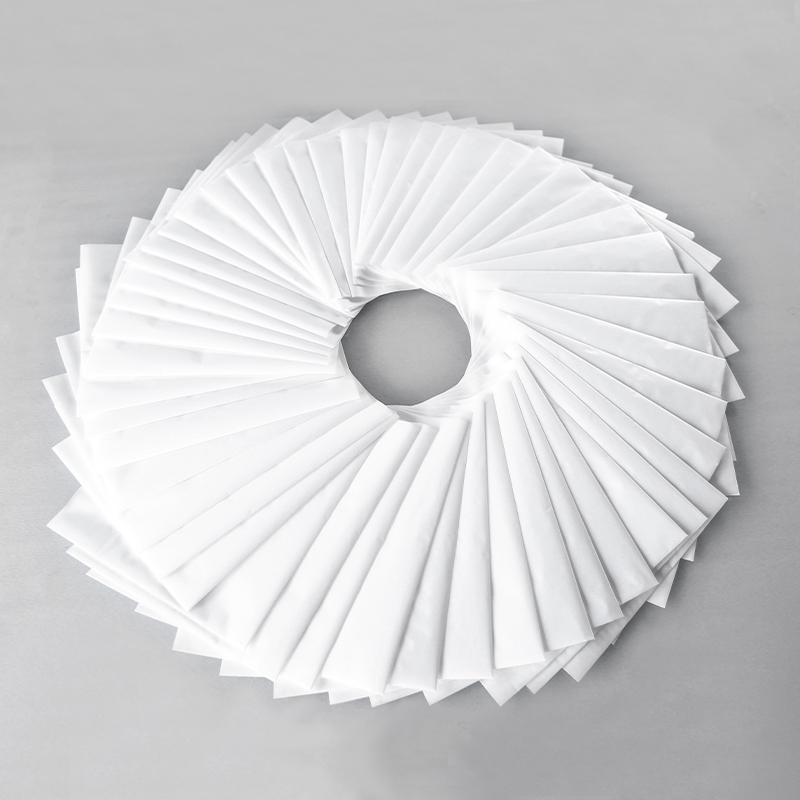
Product details: Folded baking paper sheets, an environment-friendly product, are composed of wood pulp and are double-side coated with silicone. Such a coating makes our paper smooth, greaseproof and...
See Details -
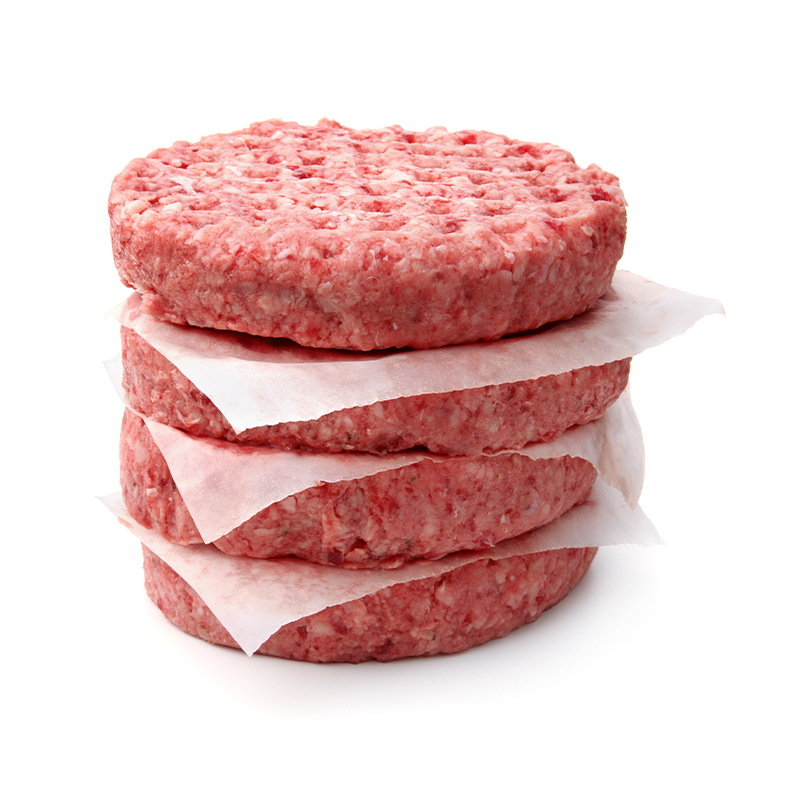
Description: Wax paper is the paper that is coated with food-grade wax in order to make it non-stick and waterproof. wax paper is very good for food storing and presentingMade of food-grade paper and ...
See Details -
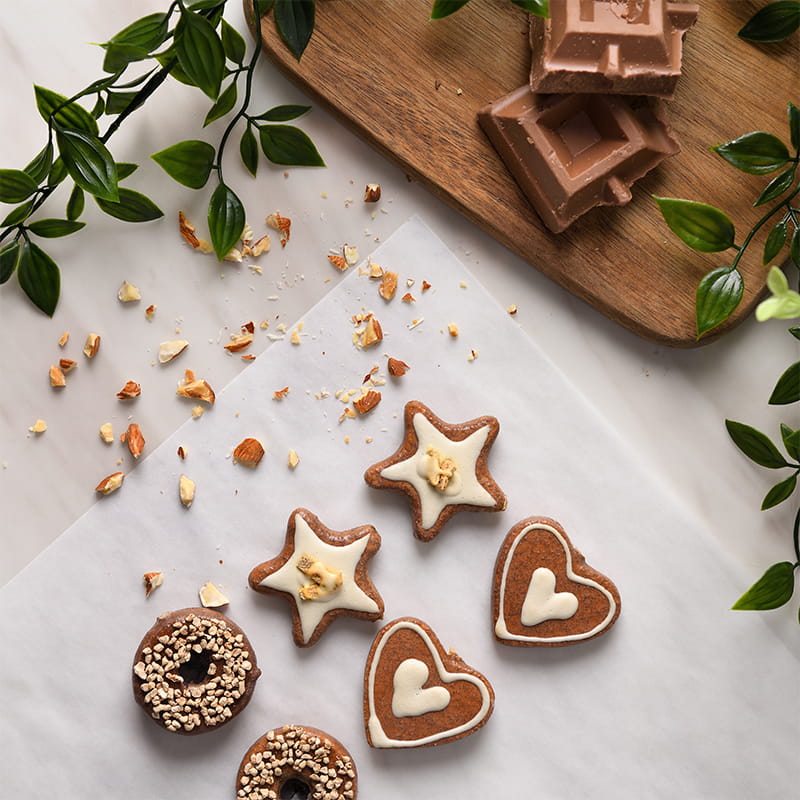
Product Features: 1. Virgin wood pulp 2. Double sides food grade silicone-treated 3. Fluorine-free 4. Non-stick 5. Oven/Microwave safe 6. Freezer safe 7. Reusable 8. BPA f...
See Details -
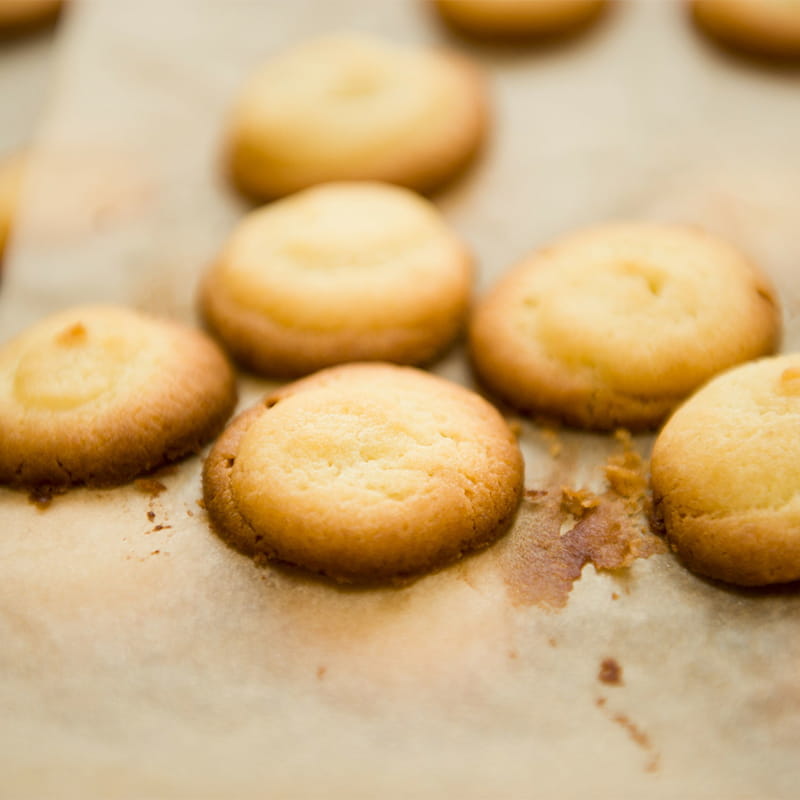
Product Features: 1. Virgin wood pulp 2. Natural unbleached brown color 3. Double sides food grade silicone-treated 4. Fluorine-free 5. Non-stick 6. Oven/Microwave safe 7. Fre...
See Details -
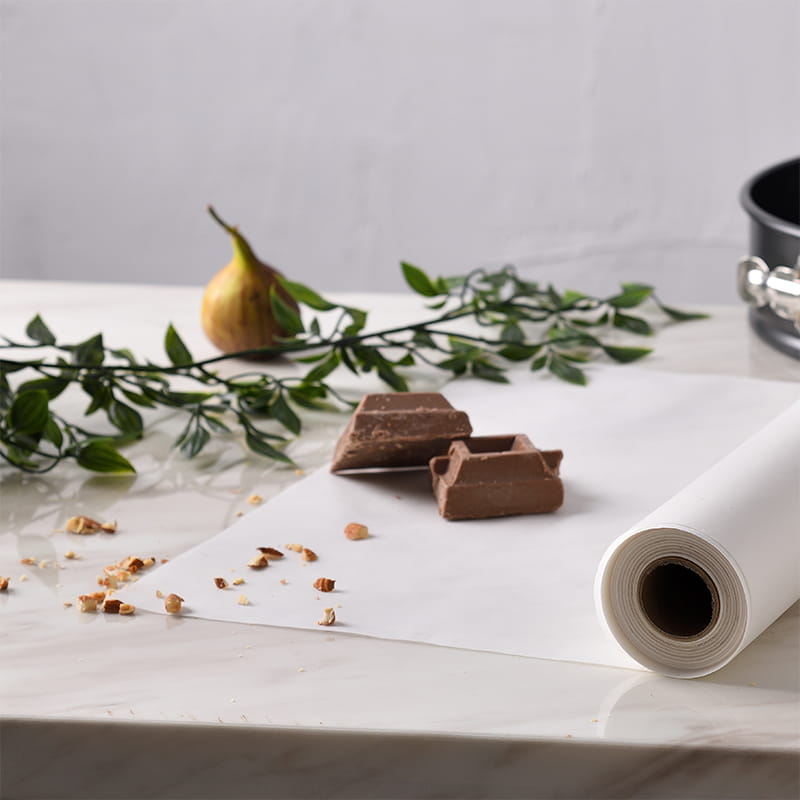
Product Features: 1. Virgin wood pulp 2. Double sides food grade silicone treated 3. Fluorine-free 4. Non-stick 5. Oven/Microwave safe 6. Freezer safe 7. Reusable 8. BPA ...
See Details -
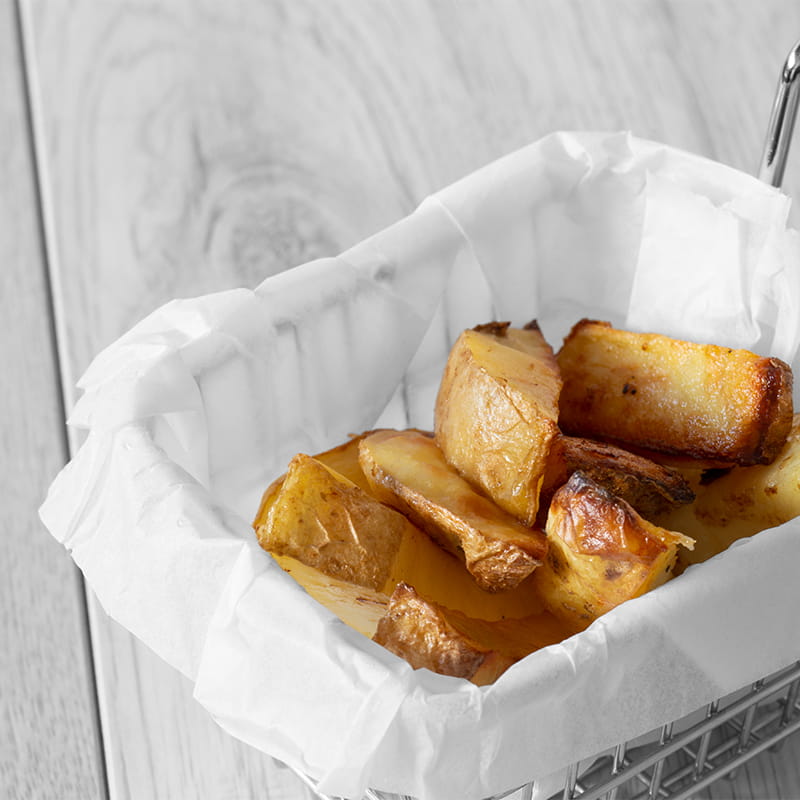
Product Features: 1. Virgin wood pulp 2. Fluorine-free 3. BPA free 4. Biodegradable Product Details: In an era where environmental consciousness and sustainability are paramount, Natu...
See Details -
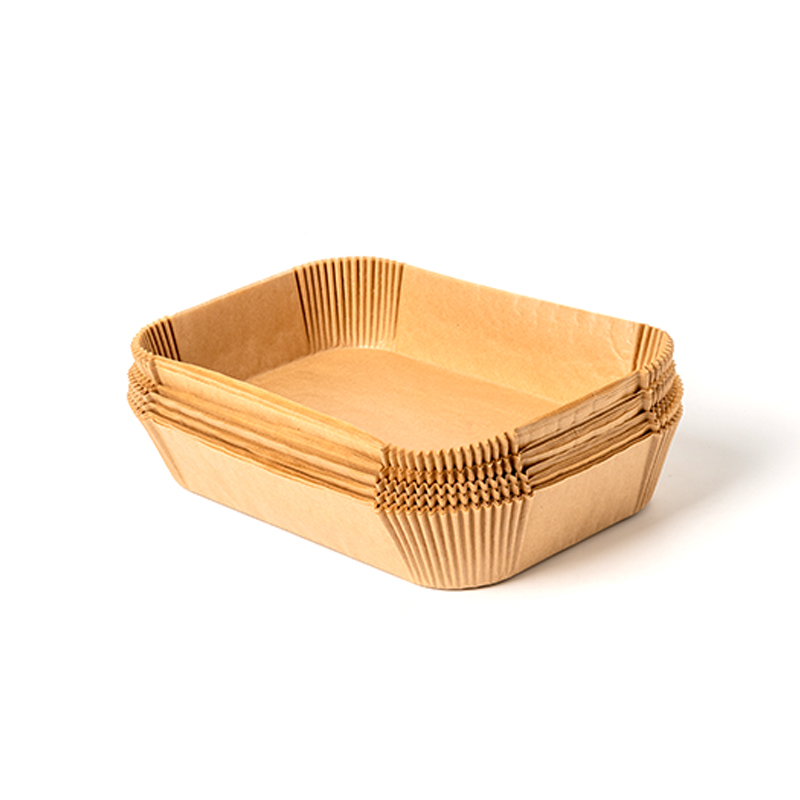
Product Features: 1. Virgin wood pulp 2. Double sides food grade silicone-treated 3. Fluorine-free 4. Non-stick 5. Air fryer basket safe 6. Reusable 7. BPA free 8. Biodeg...
See Details -
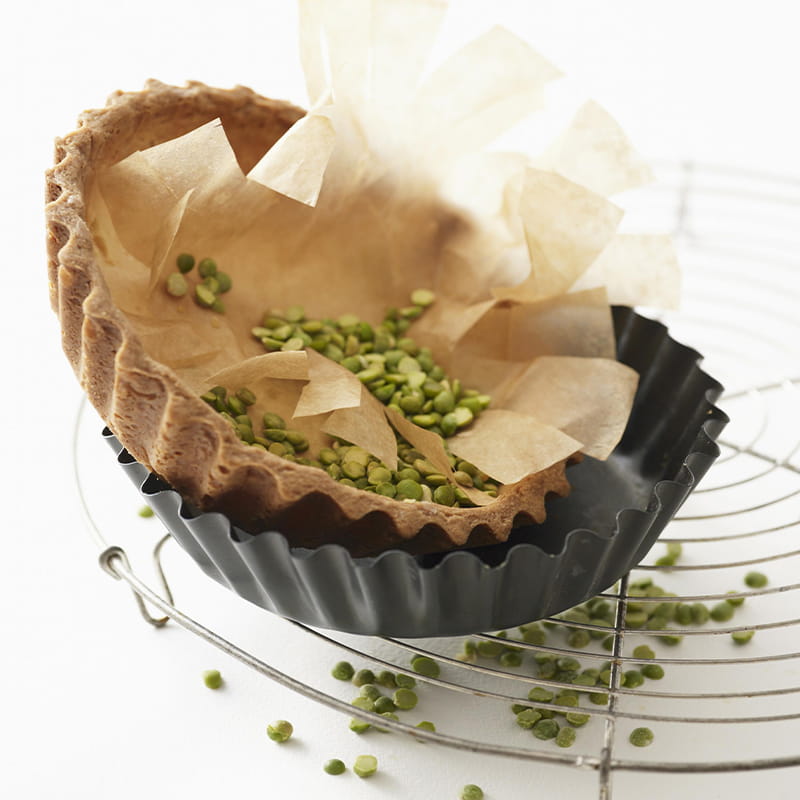
Product Features: 1. Virgin wood pulp 2. Natural unbleached brown color 3. Fluorine-free 4. BPA free 5. Biodegradable Product Details: Introducing our Unbleached Brown Food Grade ...
See Details -
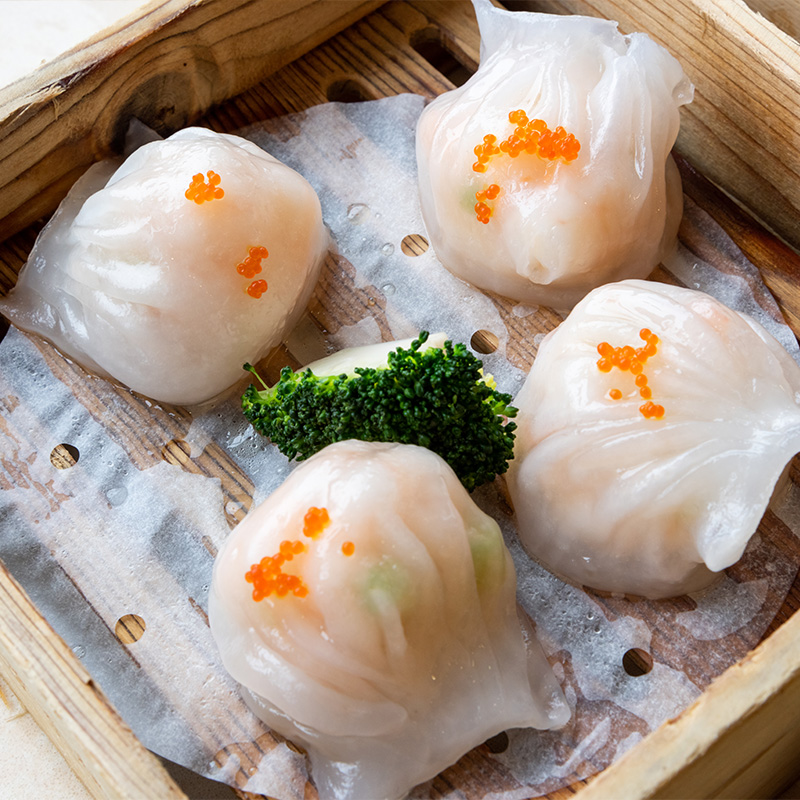
Product Features: 1. Virgin wood pulp 2. Double sides food grade silicone treated 3. Fluorine-free 4. Non-stick 5. Steamer/air fryer basket safe 6. Reusable 7. BPA free 8...
See Details -
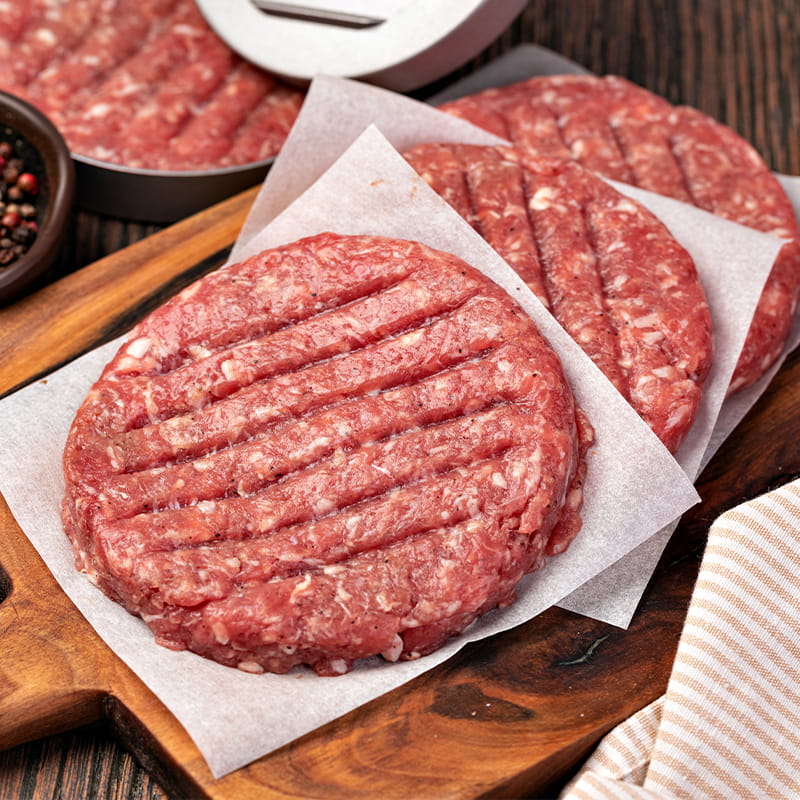
Product Features: 1. Virgin wood pulp 2. Double sides food grade silicone treated 3. Fluorine-free 4. Non-stick 5. Easy to separate 6. Reusable 7. BPA free 8. Biodegradab...
See Details -
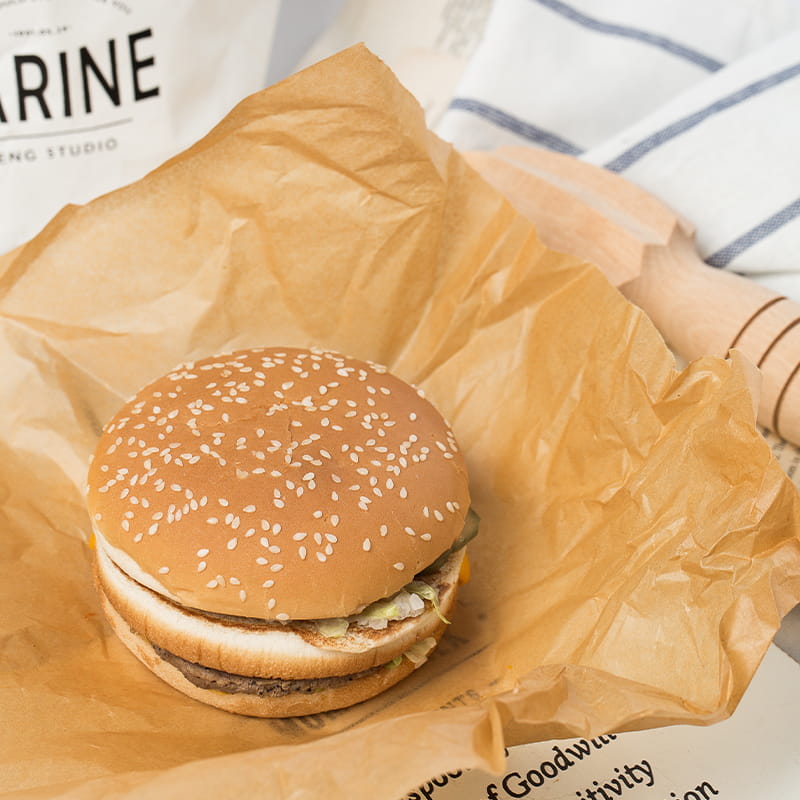
Product Features 1. Virgin wood pulp 2. Flexographic printing 3. Eco-friendly water-based ink 4. BPA free Product Details: Introducing our premium Greaseproof Sandwich Paper Sheets, a...
See Details

Professional Baking Parchment Paper Manufacturer in China with more than 15 years silicone coating experience.
Products
Contact Us
- No.10 Longyin Road, Chengnan Industrial Park,Longyou, Quzhou, China.
- +86-18968091013 / +86-571-88639705
- Avayao-1990@hotmail.com
Copyright © Zhejiang Guanghe New Materials Co., Ltd. All Rights Reserved.
Parchment Paper & Baking Paper Sheets Manufacturer
