 English
 中文简体
中文简体
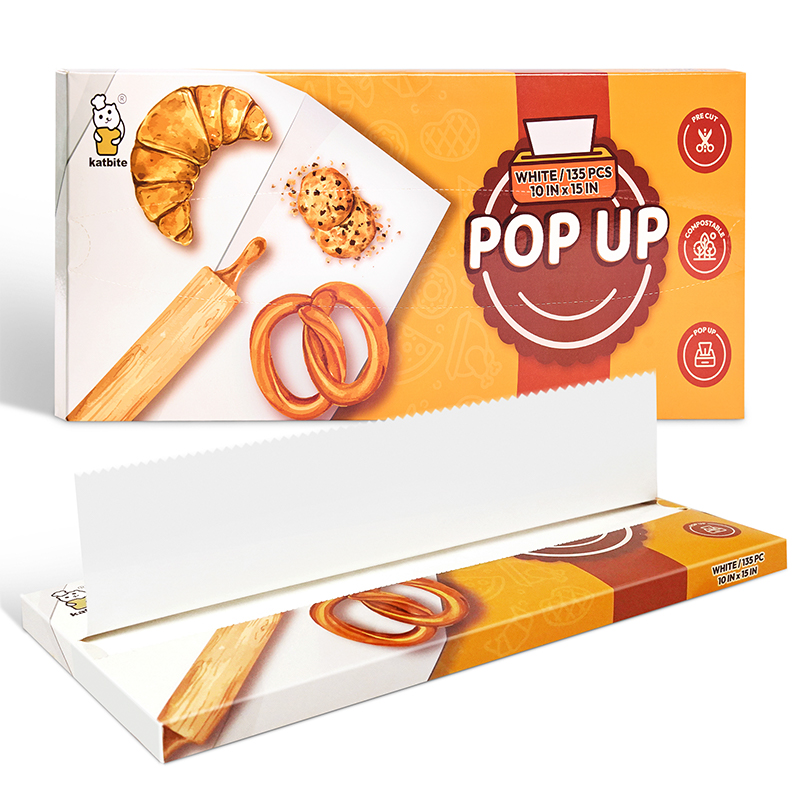
Product details: Pop-up parchment paper sheets, an environment-friendly product, are composed of wood pulp and are double-side coated with silicone. Such a coating makes our paper smooth, greasepr...
See DetailsSilicone Baking Paper Sheets: Using Them in the Oven Right
Pulling a tray out and watching your cookies fuse permanently to the metal underneath is one of those small kitchen defeats nobody warns you about. Silicone Baking Paper Sheets are designed to help avoid that issue, but using the right oven technique plays an important role, as a sheet placed without care may not provide the nonstick surface and easy release that bakers expect. Get the basics wrong and you end up with paper that curls at the edges, sticks anyway, or worse, browns unevenly and leaves scorch marks nobody wants near their food.
None of this requires culinary school. It just requires understanding what the paper is actually doing inside a hot oven, and a handful of practical habits that separate a smooth bake from a frustrating cleanup session.
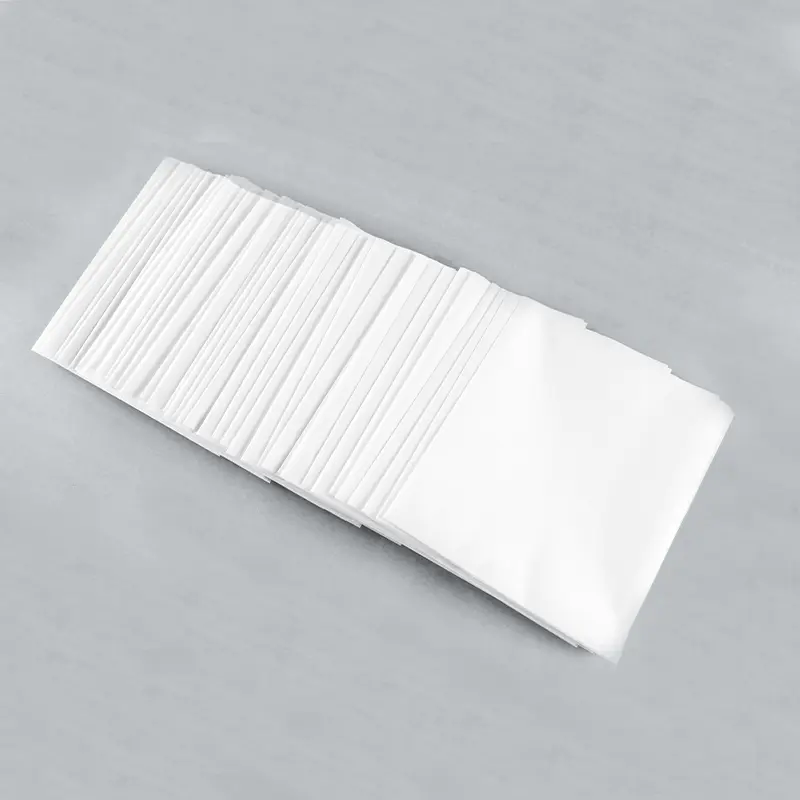
What Does Baking Paper Actually Do Inside a Hot Oven?
Baking paper creates a barrier between food and the metal surface beneath it, preventing direct contact that would otherwise cause sticking, burning, or uneven browning. Underneath that simple description sits a bit of material science worth knowing.
- The paper resists grease and moisture, keeping fats and liquids from soaking through onto the pan below.
- A thin coating, often silicone based, gives the surface its nonstick quality, letting baked goods release cleanly without tearing or crumbling.
- The paper tolerates oven heat within a defined range, staying stable rather than igniting or breaking down the way ordinary paper would.
- It simplifies cleanup considerably, since spills and drips land on a disposable sheet instead of directly on cookware that then needs scrubbing.
None of this happens automatically though. Paper quality varies, and cheap or mismatched products sometimes fail at exactly the moment you need them most, usually halfway through a bake when there's no fixing it.
How Should You Actually Line a Pan With Baking Paper?
Getting this step right helps prevent common issues people encounter, whether they are using standard parchment or Silicone Baking Paper Sheets designed for recipes that tend to stick more easily. A few straightforward steps make the difference between paper that stays put and paper that slides around, curls up, or leaves gaps where food touches metal directly.
- Cut the sheet slightly larger than the pan itself, giving enough overhang to lift baked goods out easily once they're finished.
- Crumple the paper loosely before flattening it back out, a trick that makes it more pliable and easier to press into corners, particularly for round or oddly shaped pans.
- Press the paper firmly against the bottom and sides, smoothing out air pockets that could trap heat unevenly during baking.
- Anchor the corners if needed, sometimes with a small dab of batter underneath the paper's edge, keeping it from shifting once you start pouring or arranging food on top.
- Trim excess overhang if it extends far enough to touch heating elements or oven walls, since paper hanging too close to direct heat can scorch even when the rest of the sheet handles the temperature fine.
Skipping any of these steps individually won't necessarily ruin a bake, but stacking several shortcuts together tends to produce exactly the sticking or curling problems people blame on the paper itself rather than the setup.
Does the Type of Baked Good Change How You Should Use It?
Yes, considerably. Cookies, cakes, and roasted items all place slightly different demands on how the paper gets applied.
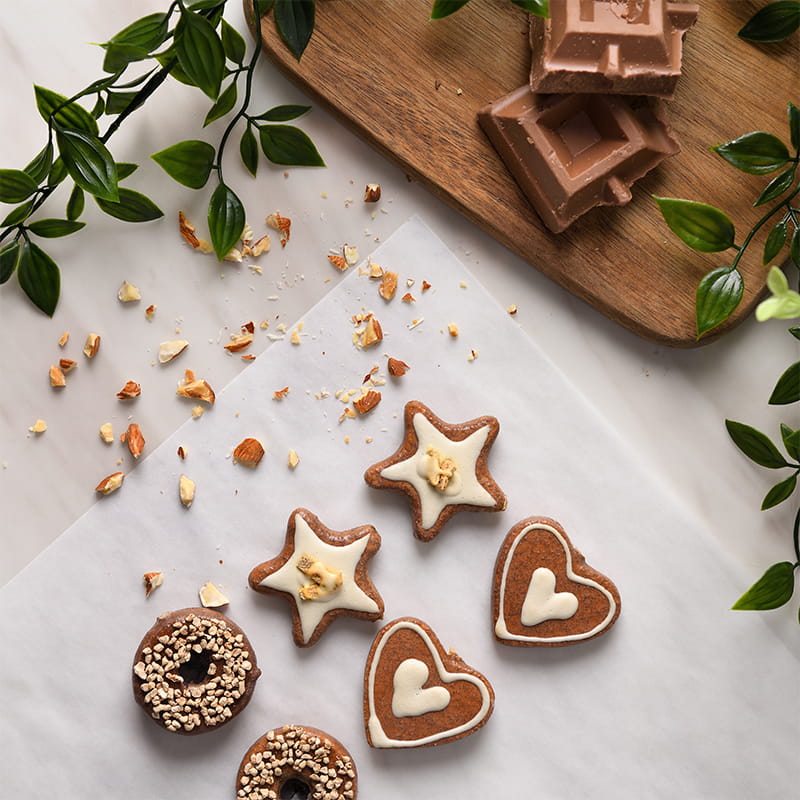
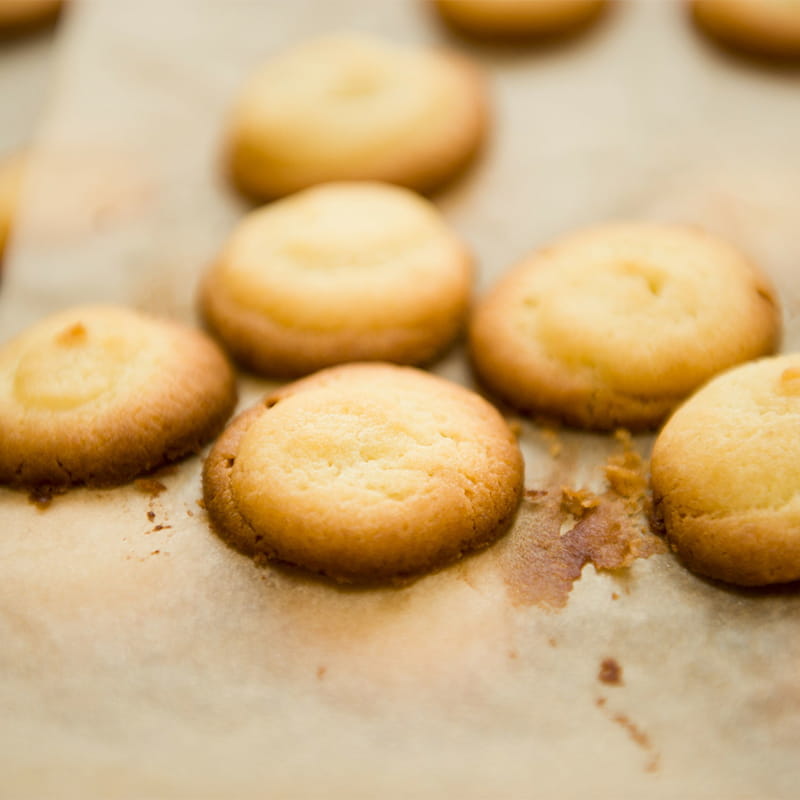
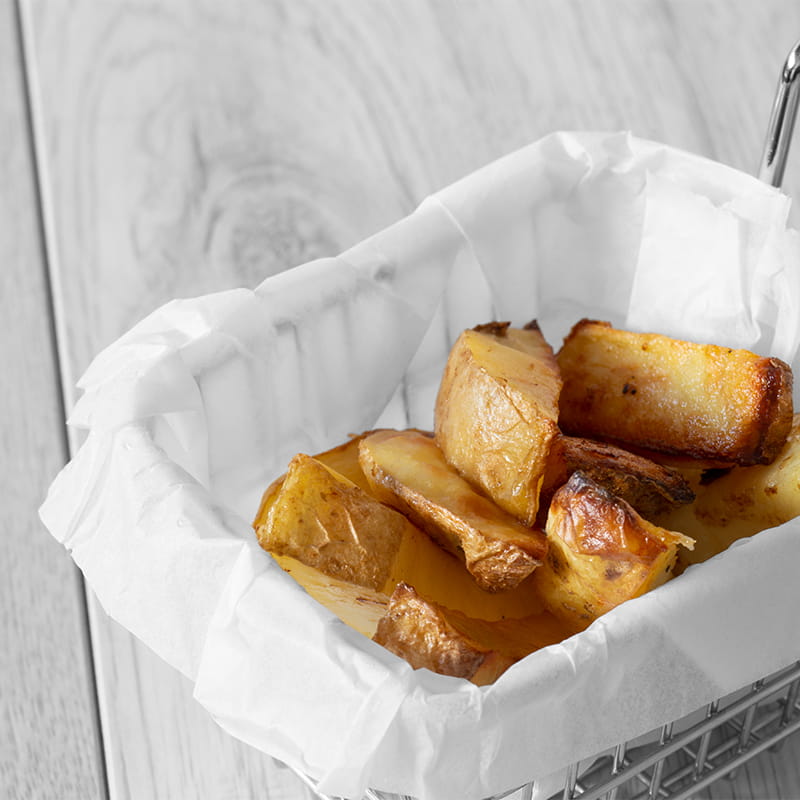
For cookies and other flat-tray items, a simple full sheet across the pan works fine, since there's minimal batter or liquid pooling to manage. For cake pans, cutting a precise circle to fit the base, sometimes paired with greasing the sides directly, gives cleaner edges than trying to line the entire pan with one oversized piece. For roasting vegetables or proteins, using paper mainly to catch drippings and ease cleanup matters more than achieving a perfectly smooth surface, since some contact with the pan itself is expected and fine in that context.
Muffins and cupcakes deserve a specific mention here too, since pre-shaped parchment paper cake liners exist precisely to skip the fiddly cutting and folding that flat sheets would otherwise require for individual cup shapes.
Comparing Common Baking Paper Types and Their Best Uses
Different products marketed under the broad "baking paper" umbrella actually behave somewhat differently once they're inside a hot oven.
| Paper Type | Nonstick Performance | Best Suited For | Notable Trait |
|---|---|---|---|
| Standard parchment paper | Good | General baking, cookies, cakes | Widely available, moderate heat tolerance |
| Silicone coated parchment paper sheets | Strong | High moisture or sticky batters | Extra release layer for difficult recipes |
| Food greaseproof paper | Moderate | Wrapping, lining trays for lighter use | Less heat resistant than coated options |
| Pop-up parchment paper sheets | Good | Quick, repeated use without cutting | Pre-sized, convenient for frequent bakers |
| Parchment paper cake liners | Strong | Cupcakes, muffins, small round pans | Pre-shaped, eliminates manual cutting |
Reading through this comparison against your actual baking habits, frequent versus occasional use, sticky batters versus dry doughs, narrows down which product genuinely fits your kitchen rather than defaulting to whatever happens to be on the shelf at the store.
What Mistakes Should You Avoid When Using Baking Paper?
A few common mistakes tend to appear repeatedly, and steering clear of them helps reduce the issues people often face when baking paper does not work as expected.
- Using paper that overhangs too far past the pan edges, risking direct contact with oven walls or heating elements and creating a genuine fire hazard rather than just a cosmetic issue.
- Assuming all baking paper tolerates the same temperature range, since some lighter-weight or uncoated products scorch at temperatures that silicone coated versions handle without any trouble.
- Skipping the crumple-and-flatten trick for pans with tight corners, then wondering why the paper won't sit flat against the base.
- Reusing paper well past the point where it's visibly browned, brittle, or torn, since degraded paper loses much of its nonstick and heat-resistant properties.
- Placing wet batter onto paper that is not fitted smoothly can trap air pockets, which may cause uneven baking and unwanted marks when the baked item is removed.
None of these mistakes are dramatic individually, but they're exactly the kind of small oversights that turn an otherwise simple baking task into a frustrating cleanup afterward.
How Should Buyers Choose the Right Product for Their Kitchen or Business?
Whether you're stocking a home kitchen or sourcing for a bakery, café, or food production line, a few practical questions help narrow down the right baking paper option.
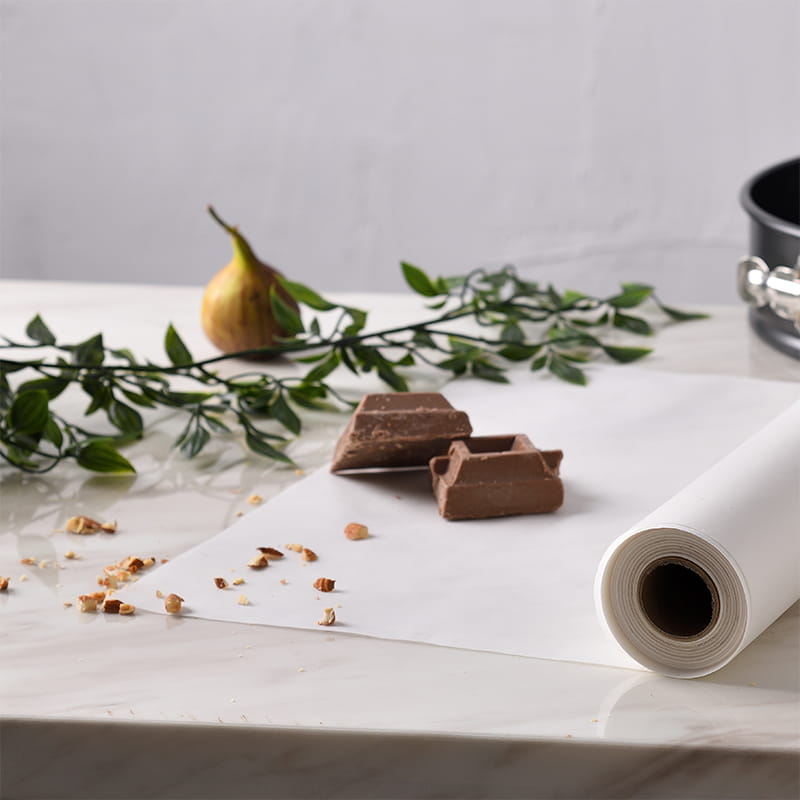
Consider volume and frequency first, since occasional home bakers rarely need the same product a commercial kitchen running multiple daily bakes would require. Think about the specific food application too, delicate pastries and sticky items generally benefit from stronger nonstick coating, while general roasting or lining tasks tolerate a lighter greaseproof option without issue. Packaging format matters for larger operations as well, since pre-cut sheets or pop-up dispensing formats save considerable time compared to cutting from a roll repeatedly throughout a busy shift.
For food businesses specifically, confirming food-grade certification and consistent sheet sizing across a bulk order becomes particularly important, since inconsistent product quality creates real headaches once it's integrated into a repeated production workflow.
Bringing Better Baking Paper Habits Into Everyday Use
Getting comfortable with baking paper really comes down to understanding what it's doing inside the oven and matching the right product type to the specific job at hand, rather than treating every sheet as interchangeable regardless of what's actually being baked. Home bakers who master the basic lining technique, proper sizing, smoothing out air pockets, avoiding excessive overhang, tend to see noticeably fewer sticking and cleanup headaches, while food businesses sourcing in bulk benefit from paying closer attention to coating type, heat tolerance, and consistent sizing across every order. Whether the need calls for straightforward greaseproof paper for casual home use or a more specialized silicone coated option built for demanding commercial kitchens, understanding these distinctions turns a small kitchen detail into a genuinely reliable part of the baking process. Zhejiang Guanghe New Materials Co., Ltd. supports both home-focused retailers and commercial food businesses with baking paper solutions across coated, greaseproof, and pre-shaped formats, offering the product range and manufacturing consistency needed to match specific kitchen or production requirements, and welcomes inquiries from buyers ready to move from everyday use questions into an actual sourcing conversation.
Related Products
-
-
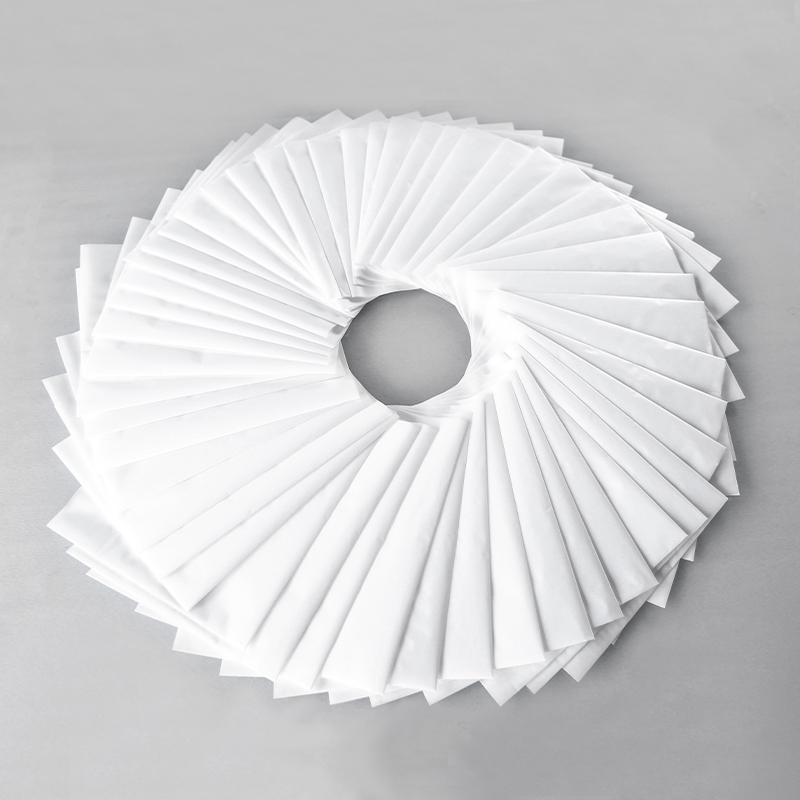
Product details: Folded baking paper sheets, an environment-friendly product, are composed of wood pulp and are double-side coated with silicone. Such a coating makes our paper smooth, greaseproof and...
See Details -
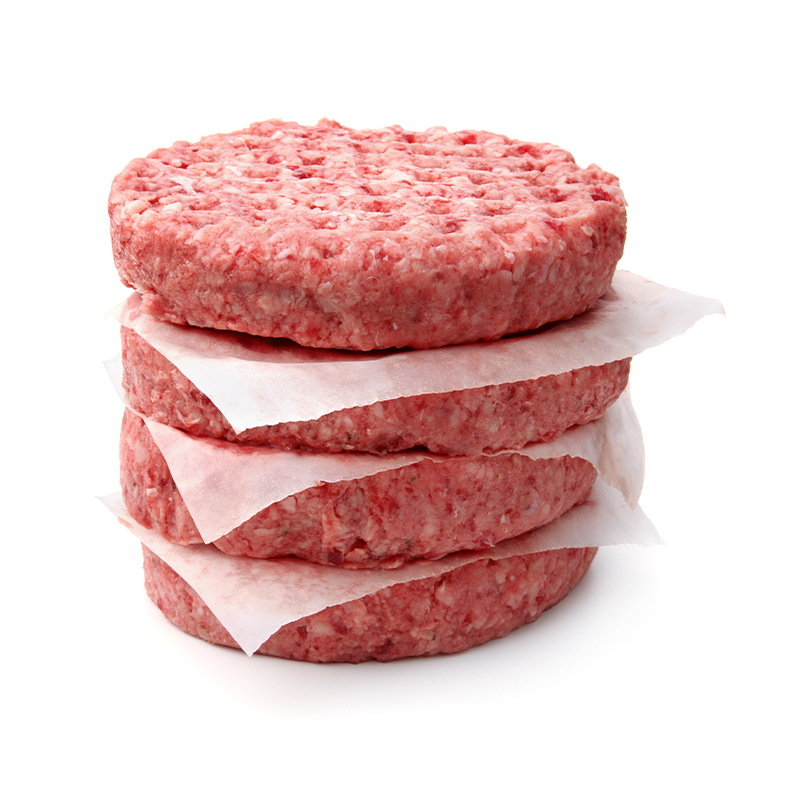
Description: Wax paper is the paper that is coated with food-grade wax in order to make it non-stick and waterproof. wax paper is very good for food storing and presentingMade of food-grade paper and ...
See Details -
Product Features: 1. Virgin wood pulp 2. Double sides food grade silicone-treated 3. Fluorine-free 4. Non-stick 5. Oven/Microwave safe 6. Freezer safe 7. Reusable 8. BPA f...
See Details -
Product Features: 1. Virgin wood pulp 2. Natural unbleached brown color 3. Double sides food grade silicone-treated 4. Fluorine-free 5. Non-stick 6. Oven/Microwave safe 7. Fre...
See Details -
Product Features: 1. Virgin wood pulp 2. Double sides food grade silicone treated 3. Fluorine-free 4. Non-stick 5. Oven/Microwave safe 6. Freezer safe 7. Reusable 8. BPA ...
See Details -
Product Features: 1. Virgin wood pulp 2. Fluorine-free 3. BPA free 4. Biodegradable Product Details: In an era where environmental consciousness and sustainability are paramount, Natu...
See Details -
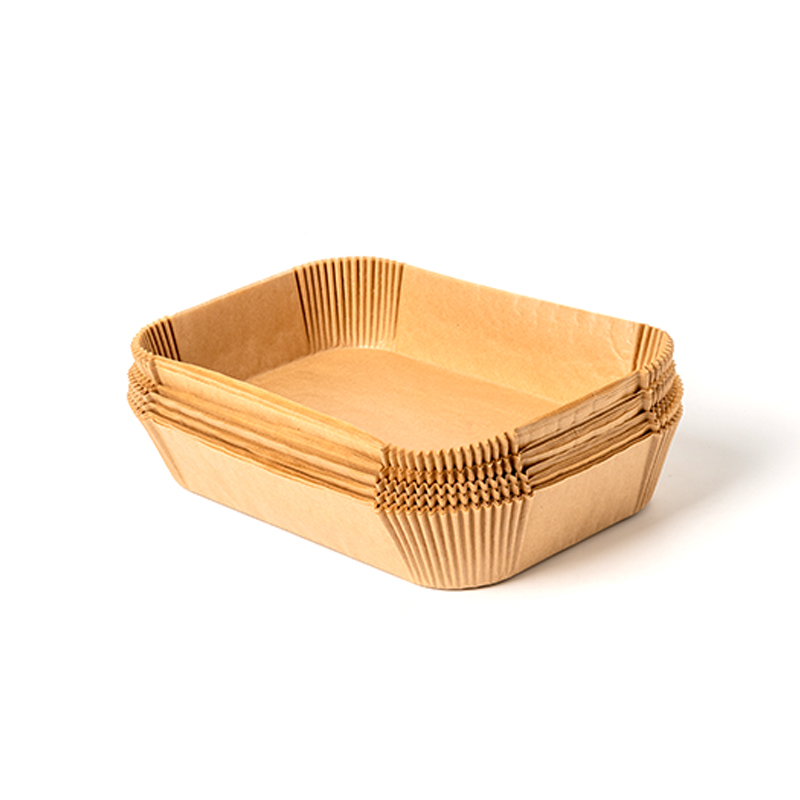
Product Features: 1. Virgin wood pulp 2. Double sides food grade silicone-treated 3. Fluorine-free 4. Non-stick 5. Air fryer basket safe 6. Reusable 7. BPA free 8. Biodeg...
See Details -
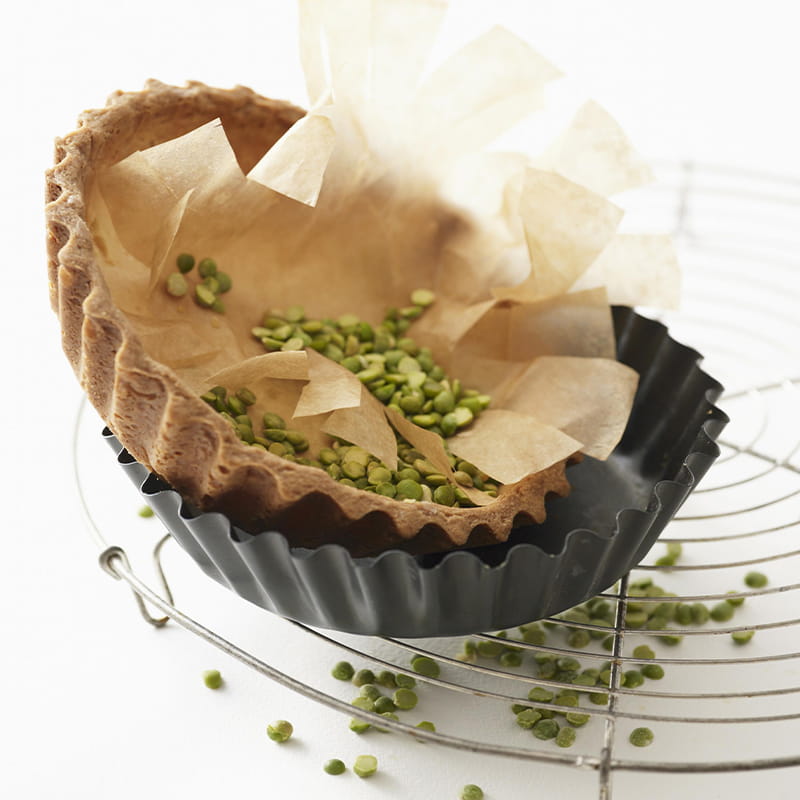
Product Features: 1. Virgin wood pulp 2. Natural unbleached brown color 3. Fluorine-free 4. BPA free 5. Biodegradable Product Details: Introducing our Unbleached Brown Food Grade ...
See Details -
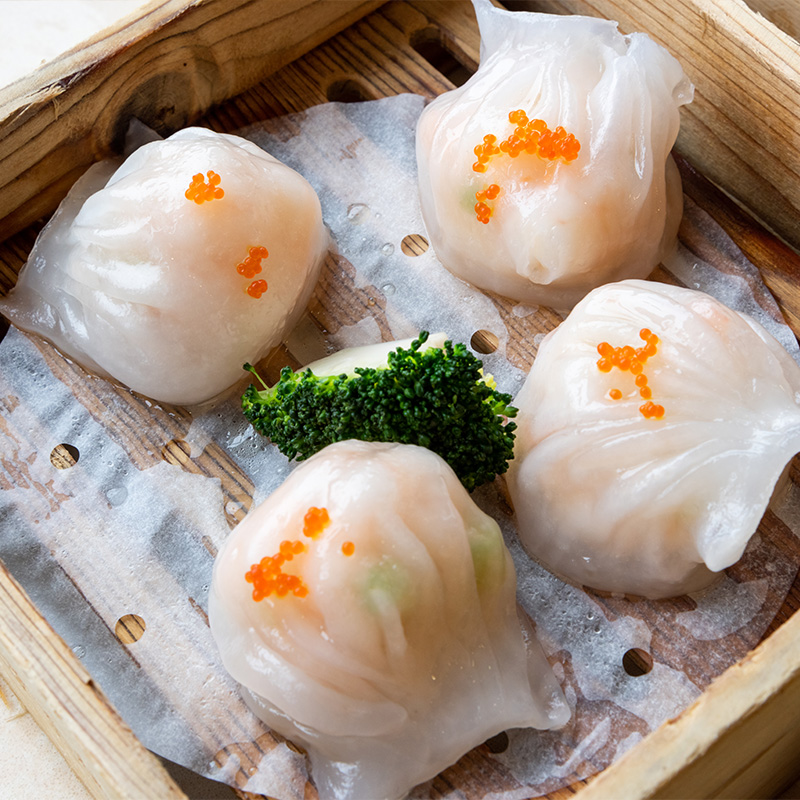
Product Features: 1. Virgin wood pulp 2. Double sides food grade silicone treated 3. Fluorine-free 4. Non-stick 5. Steamer/air fryer basket safe 6. Reusable 7. BPA free 8...
See Details -
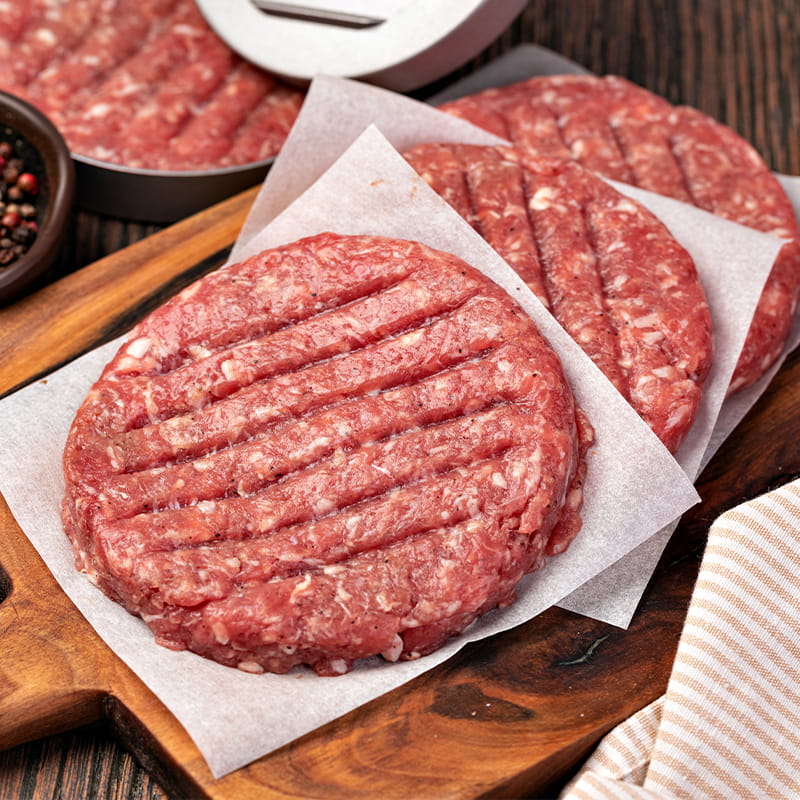
Product Features: 1. Virgin wood pulp 2. Double sides food grade silicone treated 3. Fluorine-free 4. Non-stick 5. Easy to separate 6. Reusable 7. BPA free 8. Biodegradab...
See Details -
Product Features 1. Virgin wood pulp 2. Flexographic printing 3. Eco-friendly water-based ink 4. BPA free Product Details: Introducing our premium Greaseproof Sandwich Paper Sheets, a...
See Details

Professional Baking Parchment Paper Manufacturer in China with more than 15 years silicone coating experience.
Products
Contact Us
- No.10 Longyin Road, Chengnan Industrial Park,Longyou, Quzhou, China.
- +86-18968091013 / +86-571-88639705
- Avayao-1990@hotmail.com
Copyright © Zhejiang Guanghe New Materials Co., Ltd. All Rights Reserved.
Parchment Paper & Baking Paper Sheets Manufacturer
