 English
 中文简体
中文简体
Pre Cut Baking Paper Sheets are made from wood pulp and coated on both sides with a food-safe silicone layer. This coating gives the paper a smooth, greaseproof, and moisture-resistant surface that su...
See DetailsHow Do Silicone Coated Parchment Paper Sheets Work?
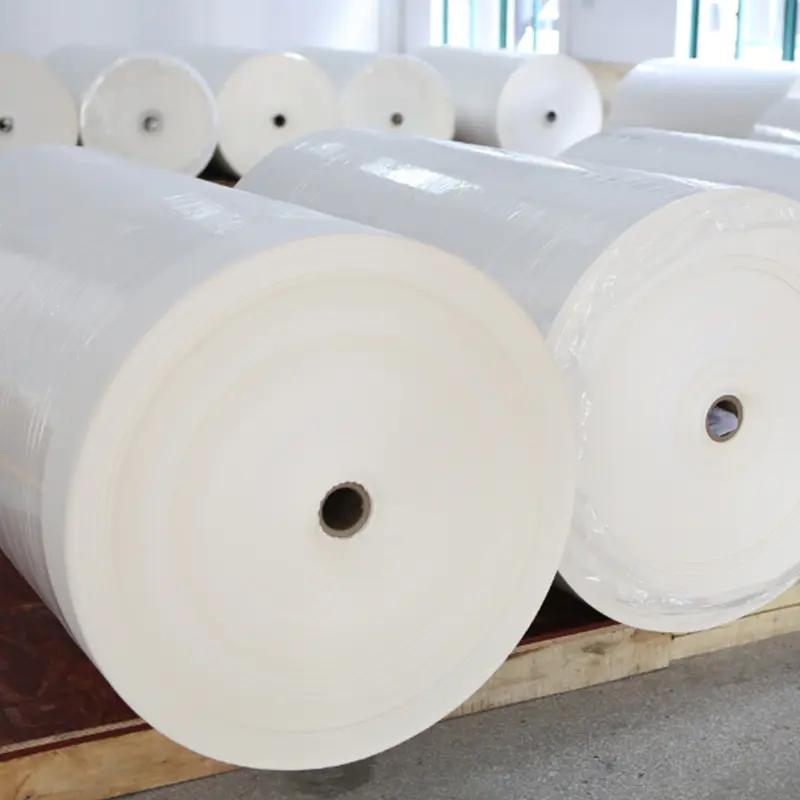
Pulling a tray of cookies out of the oven only to find half of them fused permanently to the baking sheet, while a batch made with a different brand of parchment slides right off without any fuss, is a frustration that makes people start reading the fine print on paper packaging a lot more carefully. It raises a fair question about why some sheets seem to just work while others turn baking into a scraping-and-cursing session at the sink afterward. If you've been searching for how Silicone Coated Parchment Paper Sheets actually work, understanding what's happening on that surface helps explain why the coating matters so much more than the paper alone ever could. Silicone Coated Parchment Paper Sheets combine ordinary parchment paper with a silicone coating layered right on top of it, and that combination genuinely changes how the sheet behaves around food, heat, and whatever surface it's resting on. The coating creates a smoother experience by reducing direct contact between food and the paper underneath, which is exactly why a tray lined with these sheets tends to release food so much more easily than one lined with plain paper.
Why Does Parchment Paper Need a Silicone Coating at All?
Plain paper tends to absorb moisture, and that absorption often lets food stick during cooking or baking in ways that are genuinely annoying to deal with afterward. A silicone coating changes the surface characteristics of parchment paper entirely, creating a far more practical layer for anything touching it during food prep.
The coating essentially acts as a protective barrier sitting between the food and the paper underneath.
| Part | Function |
|---|---|
| Paper base | Provides the main structure of the sheet |
| Silicone coating | Creates a noticeably smoother surface |
| Combined layer | Supports easier food release once baking's done |
The coating isn't meant to turn parchment into some entirely different material. It simply improves how the paper interacts with whatever food gets placed on it, which is exactly why these sheets make clean removal and easy handling so much less of a hassle.
How Does the Silicone Coating Actually Affect the Surface?
The surface of parchment paper plays a meaningful role in its performance, something people may notice more clearly when comparing different brands side by side.
When food touches plain paper directly, moisture and ingredients tend to create a stronger bond between the two, which is exactly the sticking problem everyone's trying to avoid. A silicone coating changes that surface condition enough to cut down on this issue considerably.
The coating brings a few useful characteristics to the table:
| Surface Feature | Practical Effect |
|---|---|
| Smooth texture | Helps food separate from the sheet more easily |
| Protective layer | Reduces direct contact between food and paper |
| Stable surface | Holds up well through repeated handling |
| Flexible coating | Lets the sheet keep its shape during use |
The silicone layer and the parchment underneath genuinely work together here, each contributing something the other can't provide alone. That combination lets people prepare food without constantly worrying about sticking or a difficult cleanup waiting for them afterward.
How Do These Sheets Actually Support Baking?
Baking involves shifting temperatures, changing moisture levels, and food that goes through real texture changes as it cooks, and a suitable baking sheet needs to hold up through all of that while staying easy to work with.
Silicone Coated Parchment Paper Sheets get chosen often specifically because that coated surface makes the whole baking process noticeably more convenient.
| Baking Situation | How the Sheet Helps |
|---|---|
| Dough preparation | Creates a suitable surface to work on |
| Baking trays | Cuts down on food sticking to the tray |
| Food transfer | Makes moving finished baked goods much easier |
| Cleanup | Reduces leftover residue on baking surfaces |
The sheet essentially becomes a barrier standing between the food and the actual baking surface underneath, letting people focus more on the food itself rather than dreading the cleanup that used to come after.
What Role Does the Paper Layer Itself Actually Play?
The silicone coating often receives attention, yet the paper base beneath it also has an important influence on how the entire sheet performs during use.
The paper layer provides the foundation giving the sheet its actual structure and handling characteristics. It shapes:
- How flexible the sheet feels when handling it
- How well it folds without tearing or cracking
- How much surface support it provides under food
- How easily it can be placed exactly where it's needed
A well-balanced combination of paper and coating creates a genuinely practical product. The paper needs to stay easy to handle, while the silicone layer needs to deliver the surface properties people actually expect once they're using it. These two parts really work together rather than functioning as separate pieces doing unrelated jobs.
How Does the Coating Actually Improve Food Preparation More Broadly?
Food preparation generally calls for clean surfaces and handling that doesn't slow someone down mid-task.
Whether baking, cooking, or preparing food for later, parchment paper sheets need to handle various tasks smoothly. The silicone coating helps provide a surface that performs reliably in many everyday kitchen situations.
| Application | Purpose |
|---|---|
| Baking preparation | Supports easier handling throughout the process |
| Food arrangement | Provides a clean surface to work on |
| Storage preparation | Helps keep different food items separated |
| Kitchen organization | Makes general food prep more convenient overall |
The coating isn't a substitute for proper cooking technique. It simply supports a smoother process from start to finish, and understanding how the sheet actually works helps people pick one that genuinely fits what they're trying to do in their own kitchen.
How Do These Sheets Actually Handle Heat During Cooking?
Heat tolerance is one of the bigger considerations when picking baking materials, since nobody wants a sheet that warps or fails partway through a bake.
During cooking or baking, the paper sheet needs to hold its condition steady while still supporting whatever's happening on top of it. The combination of parchment paper and silicone coating helps the sheet perform reliably under typical kitchen conditions.
| Factor | Importance |
|---|---|
| Surface stability | Helps the sheet stay usable throughout cooking |
| Material compatibility | Supports a range of cooking applications |
| Structural condition | Shapes how easy it is to handle once cooking's finished |
The sheet is genuinely built to function as part of the cooking process itself, not just sit there passively. Following the usage instructions specific to whatever's being made helps ensure the sheet performs the way it's meant to under the actual conditions it's facing.
What Actually Sets These Sheets Apart From Regular Paper?
The core difference between plain paper and silicone coated parchment paper comes down entirely to that surface treatment.
Regular paper tends to absorb moisture more readily and doesn't offer the same level of food separation that a coated sheet provides.
| Feature | Regular Paper | Silicone Coated Parchment Paper Sheets |
|---|---|---|
| Surface treatment | Basic, untreated paper surface | Silicone-coated surface |
| Food contact | Tends to create stronger sticking | Supports much easier separation |
| Kitchen use | Somewhat limited in application | Built specifically for food preparation |
| Handling experience | Varies a lot depending on paper type | Provides noticeable convenience across various everyday tasks. |
The coating fundamentally changes how the sheet interacts with food resting on it, which explains why silicone coated sheets end up as the go-to choice for baking and plenty of other food-related tasks in kitchens everywhere.
What Should Buyers Actually Think About Before Choosing?
Picking the right sheet really comes down to how it's actually going to get used.
Different users bring different expectations to the table. A home baker making cookies on weekends has different needs than a restaurant kitchen running through dozens of trays daily, or a food production facility processing much larger batches.
| Consideration | Question |
|---|---|
| Application | What kind of food preparation is actually needed here? |
| Surface performance | Does the sheet actually meet daily usage expectations? |
| Handling | Is it easy to place down and remove once finished? |
| Storage | Can it be stored without hassle between uses? |
| Usage frequency | Does it hold up for regular, repeated use? |
Having a clear sense of the intended use upfront helps buyers land on a more suitable choice. The product really should match the actual working environment it's headed into, rather than getting picked purely because it looked convenient on a store shelf.
How Should These Sheets Actually Be Stored?
Proper storage genuinely helps maintain the condition of parchment paper sheets over time, even though they're built for practical everyday use.
- Keeping sheets somewhere dry, away from humidity
- Avoiding unnecessary folding that can crease or weaken the surface
- Protecting the surface from scratches or other damage
- Organizing sheets so they're easy to grab when needed
Good storage habits make daily use a lot more convenient and help keep sheets ready to go whenever the next food prep task comes up, whether that's tomorrow morning or three weeks from now.
Why Does Understanding How This Works Actually Help Buyers?
Knowing how Silicone Coated Parchment Paper Sheets actually work lets buyers look past surface appearance and focus on what genuinely matters. The paper base provides the underlying structure, while the silicone coating changes how that surface interacts with food and the cooking environment around it. These two parts work together, creating a genuinely practical solution for baking, food preparation, and everything else these sheets get used for in a kitchen. Understanding the role each part plays helps buyers judge more clearly whether a specific sheet actually matches their needs, their usage habits, and the kind of food preparation they're doing on a regular basis.
Related Products
-
-
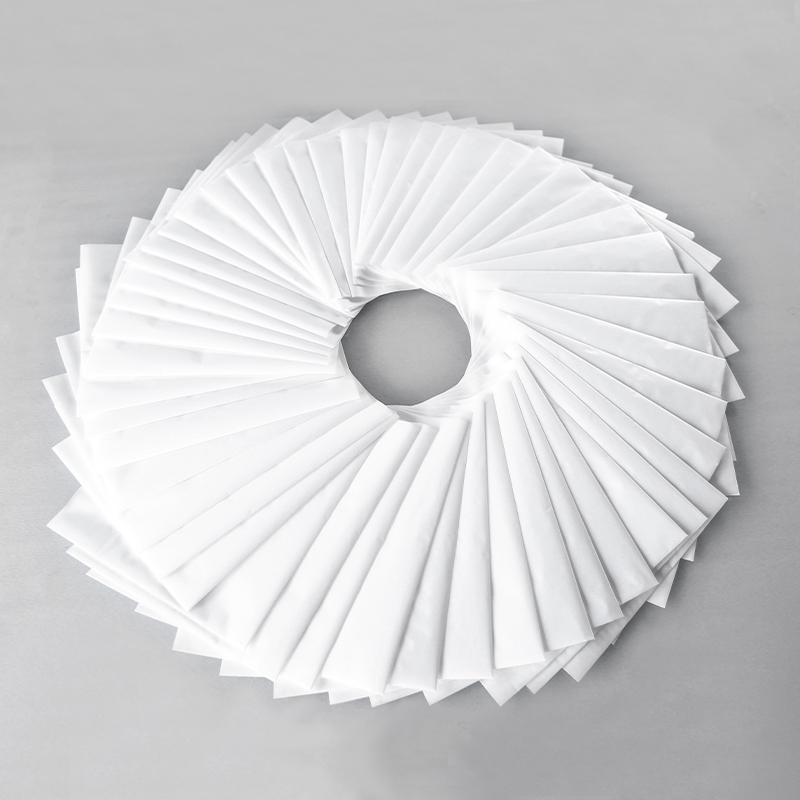
Folded Baking Paper Sheets, also known as Non Stick Baking Paper Sheets, are made from wood pulp and coated on both sides with a food-safe silicone layer. This coating gives the paper a smooth, grease...
See Details -
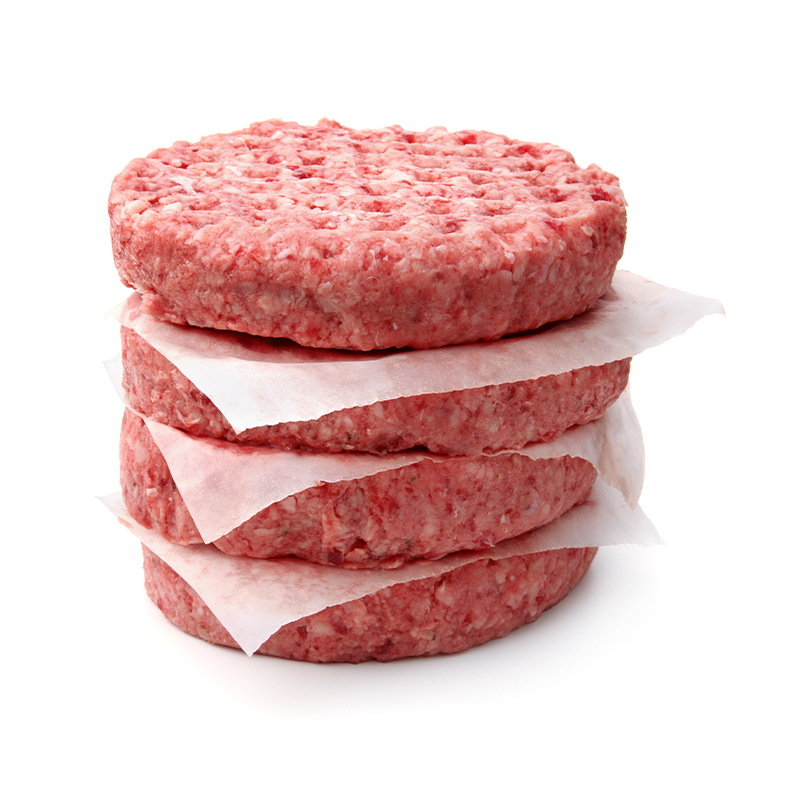
Description: Wax paper is the paper that is coated with food-grade wax in order to make it non-stick and waterproof. wax paper is very good for food storing and presentingMade of food-grade paper and ...
See Details -
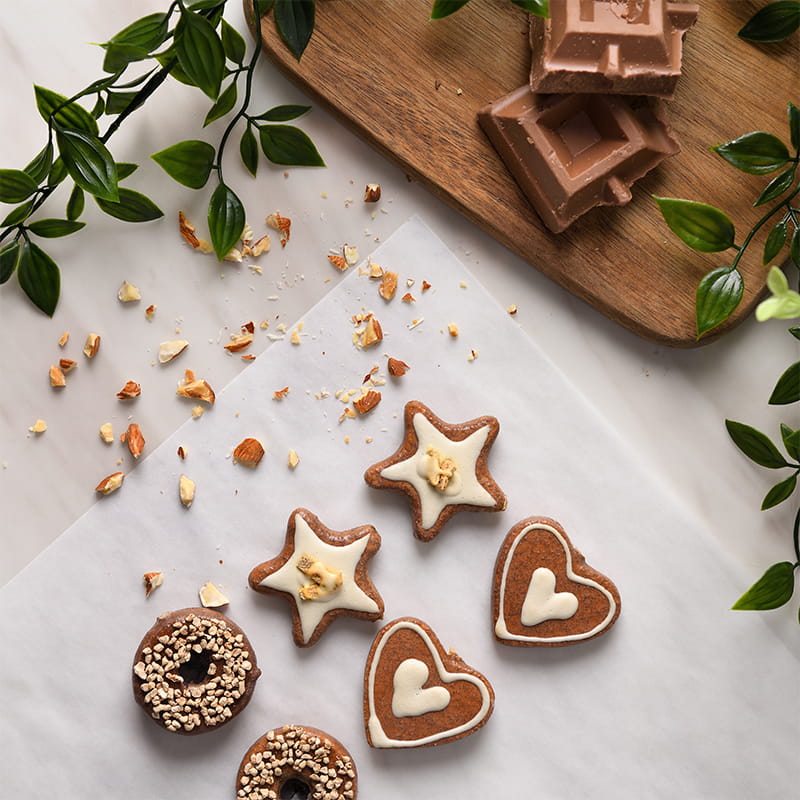
Product Features: 1. Virgin wood pulp 2. Double sides food grade silicone-treated 3. Fluorine-free 4. Non-stick 5. Oven/Microwave safe 6. Freezer safe 7. Reusable 8. BPA f...
See Details -
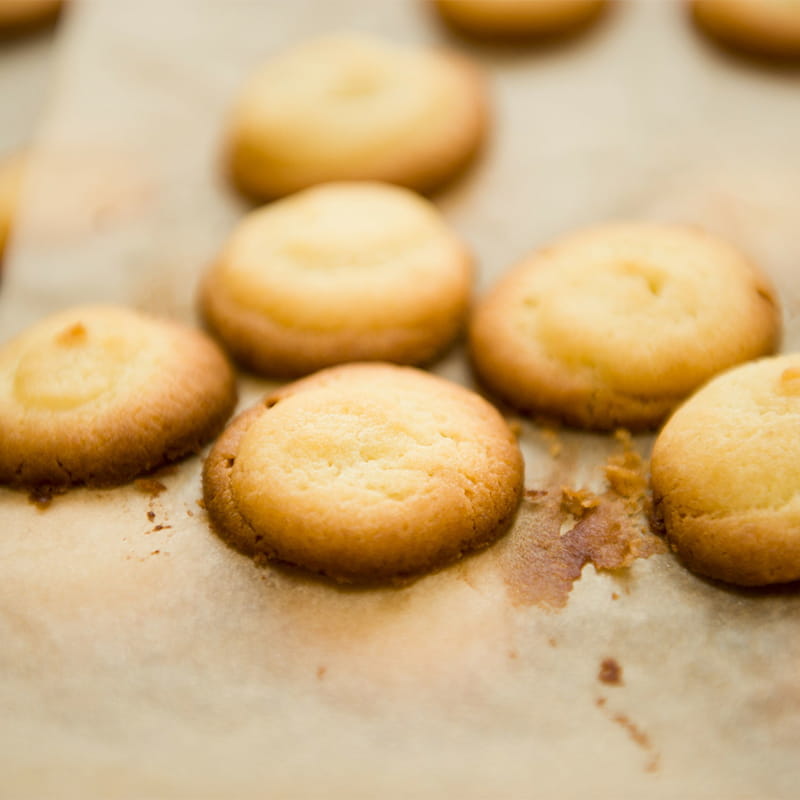
Product Features: 1. Virgin wood pulp 2. Natural unbleached brown color 3. Double sides food grade silicone-treated 4. Fluorine-free 5. Non-stick 6. Oven/Microwave safe 7. Fre...
See Details -
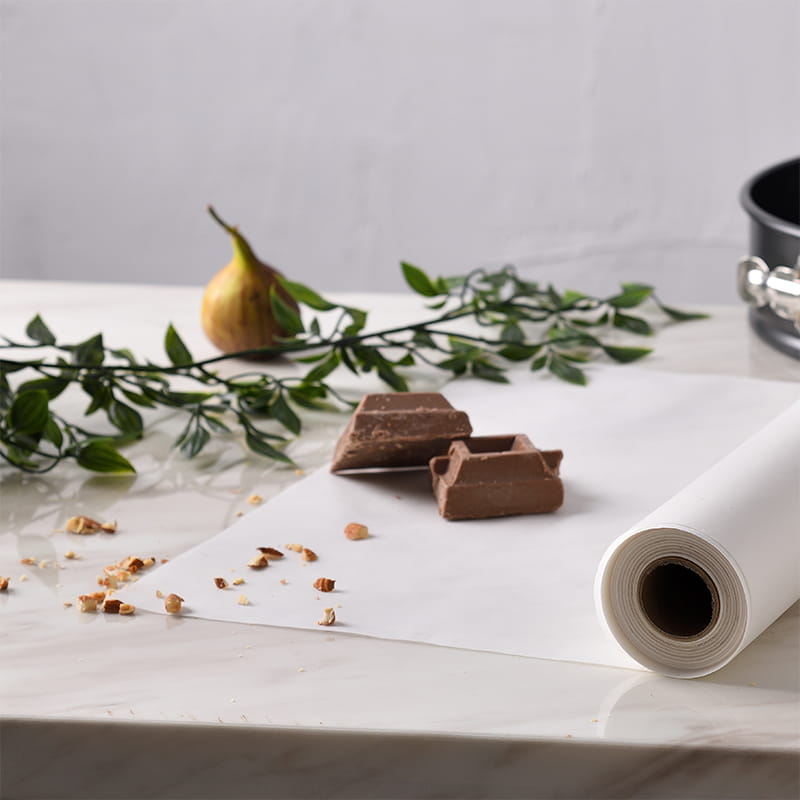
Product Features: 1. Virgin wood pulp 2. Double sides food grade silicone treated 3. Fluorine-free 4. Non-stick 5. Oven/Microwave safe 6. Freezer safe 7. Reusable 8. BPA ...
See Details -
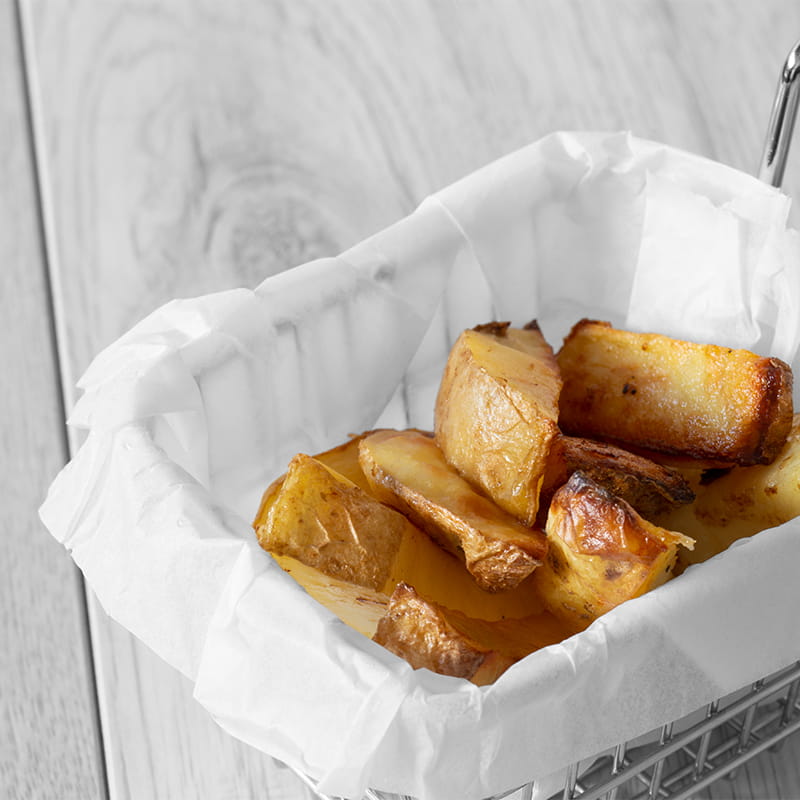
Product Features: 1. Virgin wood pulp 2. Fluorine-free 3. BPA free 4. Biodegradable Product Details: In an era where environmental consciousness and sustainability are paramount, Natu...
See Details -
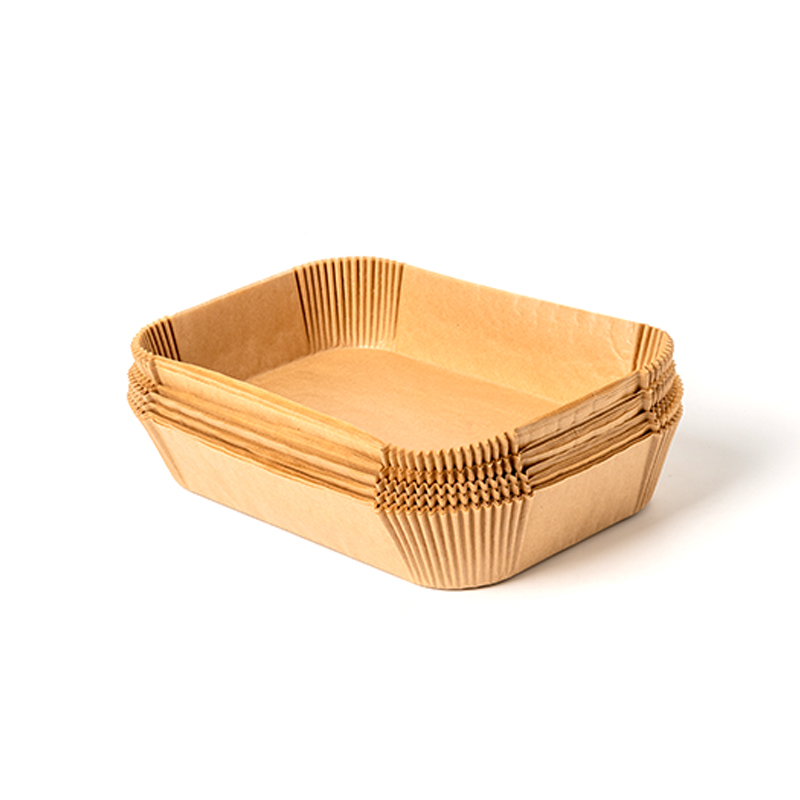
Product Features: 1. Virgin wood pulp 2. Double sides food grade silicone-treated 3. Fluorine-free 4. Non-stick 5. Air fryer basket safe 6. Reusable 7. BPA free 8. Biodeg...
See Details -
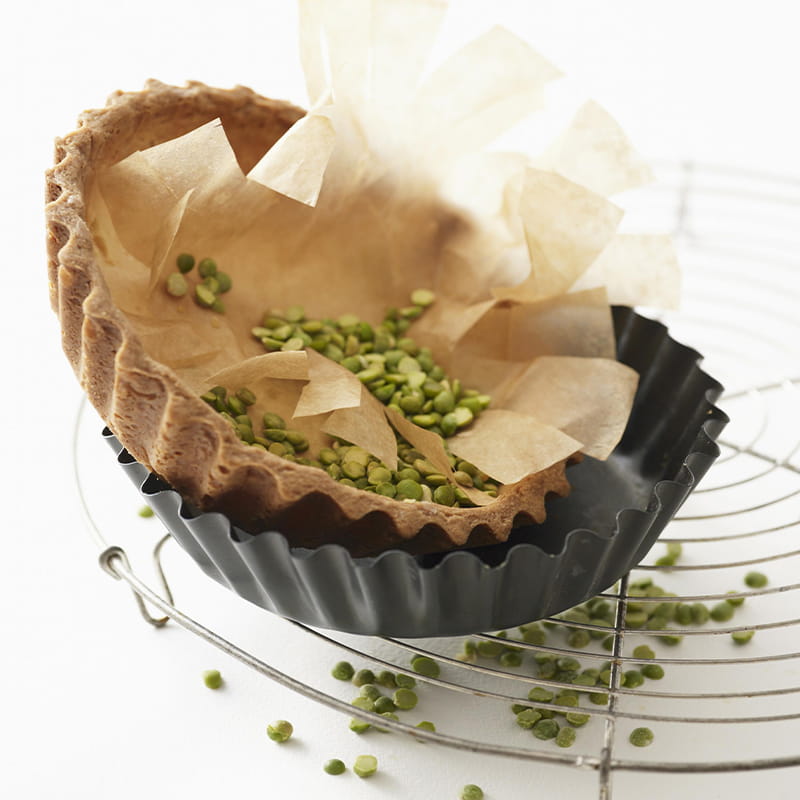
Product Features: 1. Virgin wood pulp 2. Natural unbleached brown color 3. Fluorine-free 4. BPA free 5. Biodegradable Product Details: Introducing our Unbleached Brown Food Grade ...
See Details -
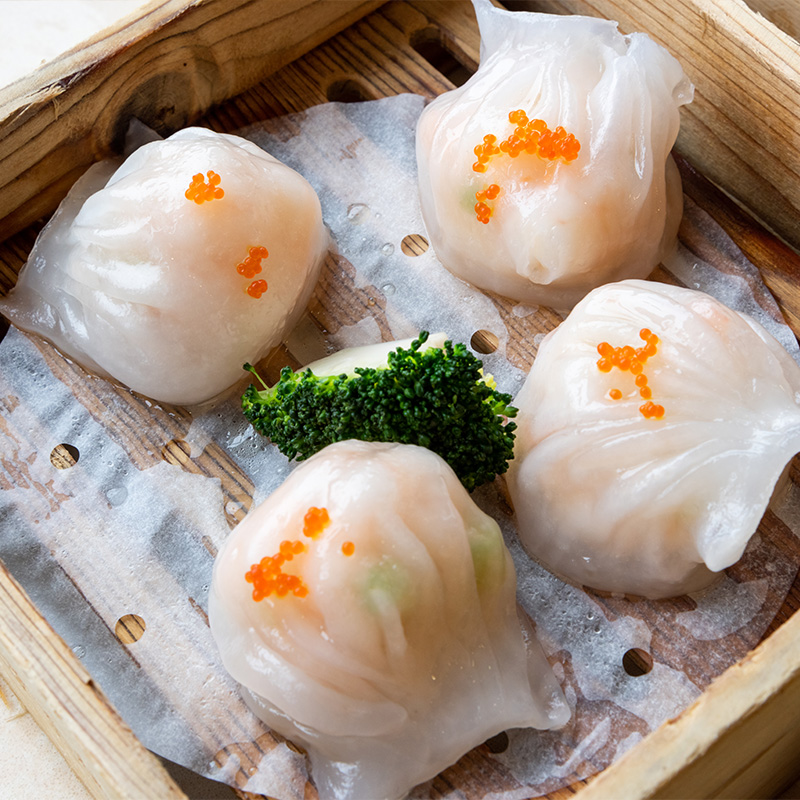
Product Features: 1. Virgin wood pulp 2. Double sides food grade silicone treated 3. Fluorine-free 4. Non-stick 5. Steamer/air fryer basket safe 6. Reusable 7. BPA free 8...
See Details -
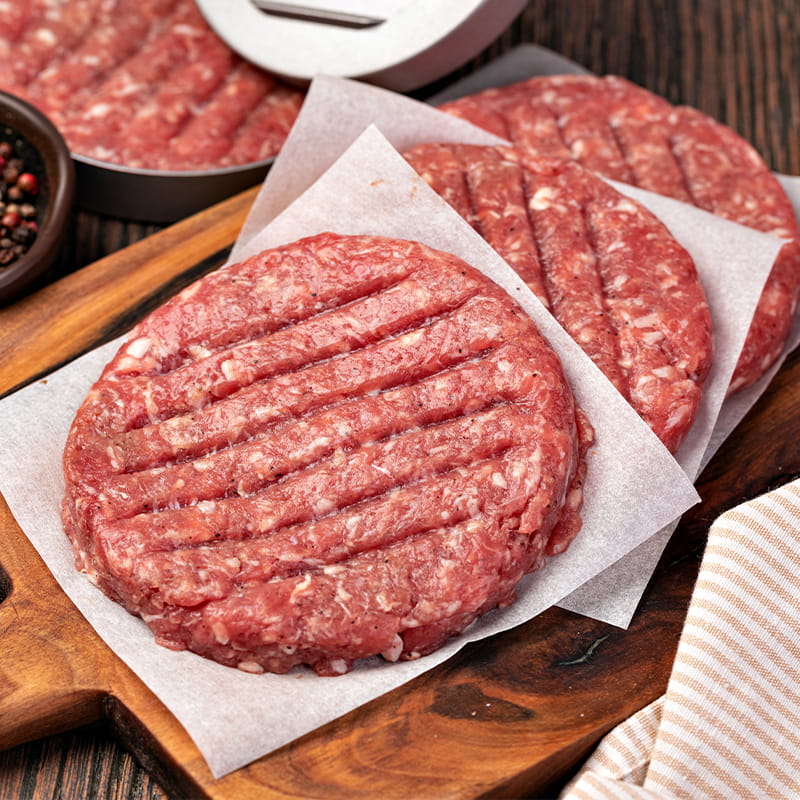
Product Features: 1. Virgin wood pulp 2. Double sides food grade silicone treated 3. Fluorine-free 4. Non-stick 5. Easy to separate 6. Reusable 7. BPA free 8. Biodegradab...
See Details -
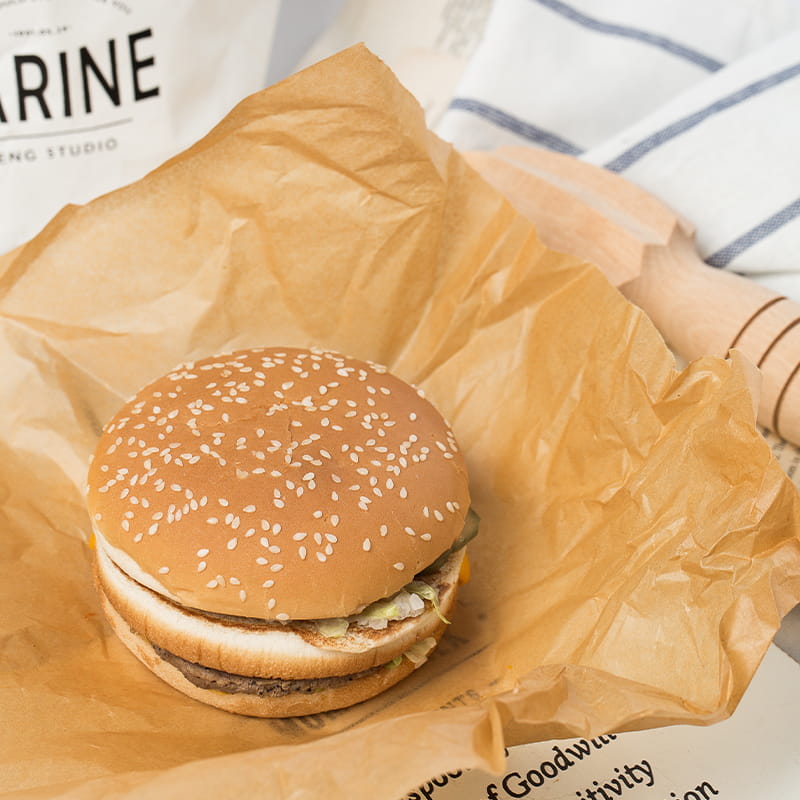
Product Features 1. Virgin wood pulp 2. Flexographic printing 3. Eco-friendly water-based ink 4. BPA free Product Details: Introducing our premium Greaseproof Sandwich Paper Sheets, a...
See Details

Professional Baking Parchment Paper Manufacturer in China with more than 15 years silicone coating experience.
Products
Contact Us
- No.10 Longyin Road, Chengnan Industrial Park,Longyou, Quzhou, China.
- +86-18968091013 / +86-571-88639705
- Avayao-1990@hotmail.com
Copyright © Zhejiang Guanghe New Materials Co., Ltd. All Rights Reserved.
Parchment Paper & Baking Paper Sheets Manufacturer
