 English
 中文简体
中文简体
Pre Cut Baking Paper Sheets are made from wood pulp and coated on both sides with a food-safe silicone layer. This coating gives the paper a smooth, greaseproof, and moisture-resistant surface that su...
See DetailsPop-Up Parchment Paper Sheets Compared With Baking Paper
Baking paper might look like a simple kitchen item, but how it's stored, prepped, and used can shape the whole cooking experience. For home bakers, restaurants, and food prep spaces, small details often make the difference in how smoothly a recipe comes together. Pop-up parchment paper sheets and regular baking paper do pretty much the same job — keeping food from sticking and making cleanup easier. The real difference comes down to how each one is prepped for use. One is built around quick access and convenience, the other around flexibility for different shapes and sizes. Knowing the difference makes it easier to pick whichever one actually fits your routine.
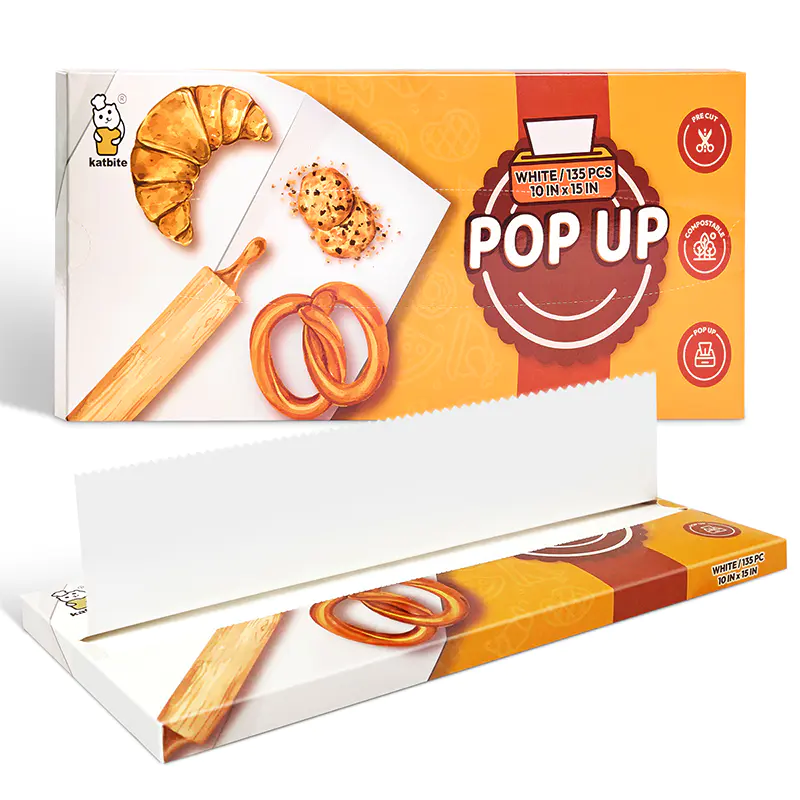
What Really Separates Pop-Up Sheets From Regular Baking Paper
At the basic level, both products provide a protective layer between food and cooking surfaces. The main difference comes down to how they are prepared and handled.
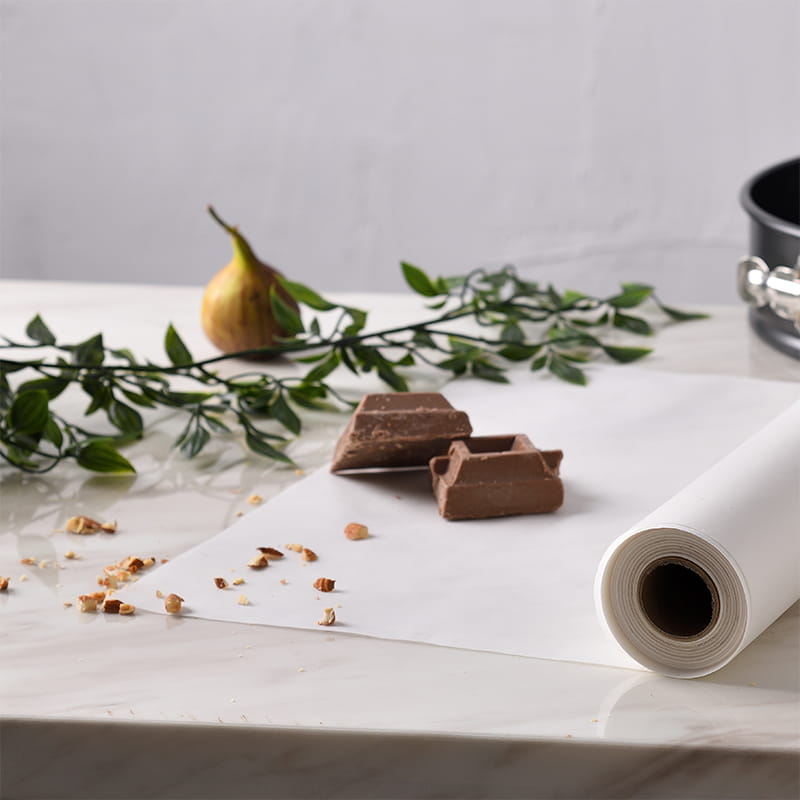
Regular baking paper usually comes in a roll. You pull out the amount needed and cut it before placing it on a tray or pan. This approach works well in many kitchens, especially when different sheet sizes are needed for various tasks.
Pop-up sheets are pre-cut into individual pieces. Rather than cutting from a roll each time, you can simply take out a sheet when needed.
This small adjustment can make the cooking process smoother, especially during busy preparation periods.
| Feature | Pop-Up Sheets | Regular Baking Paper |
|---|---|---|
| Storage style | Individual sheets | Roll format |
| Preparation | Ready to use | Requires cutting |
| Size control | Consistent sheet format | Adjustable length |
| Daily convenience | Quick access | More flexible handling |
Neither one is built for every situation — the better fit really depends on how the paper gets used.
Why Some Kitchens Prefer Ready-to-Use Sheets
Cooking usually involves a handful of things happening at once. A baker might be working dough, checking ingredients, arranging food, and keeping an eye on the oven all around the same time. Small steps that save a bit of time tend to make the whole process feel less chaotic.
Individual parchment sheets skip the step of measuring and cutting paper before each use. That tends to help in situations like:
- Preparing multiple trays at once
- Needing to arrange food quickly
- Sharing a kitchen with other staff
- Wanting consistent sheet sizes across the board
The convenience comes from cutting out a step, not from the paper doing anything fundamentally different. Instead of unrolling paper and finding the right spot to cut, you just grab a sheet and keep moving.
That might feel like a minor thing for occasional baking. In a kitchen where paper gets used constantly, the easier handling becomes a lot more noticeable.
Where Regular Baking Paper Still Has the Edge
Ready-made sheets are convenient, but traditional baking paper still holds its own advantages. A roll lets you choose exactly how much paper you need for a given task.
A small tray might only need a short piece. A bigger surface might need more coverage. With a roll, you adjust the size to match the job — which makes it useful across a wider range of situations, including:
- Large baking trays
- Wrapping food
- Covering irregular shapes
- General kitchen prep
- Storage protection
Some cooks just like having full control over size, since not every recipe fits a standard surface. And in some kitchens, a roll actually takes up less storage space, since you only pull out what you need at the time.
Which One Is Easier to Store?
Storage is another difference people tend to notice after using either one for a while.
A roll usually needs a dedicated spot where it stays clean and easy to reach — depending on the kitchen layout, rolls can end up shifting around in drawers or cabinets.
Individual sheets offer a different storage experience. They stack neatly in a drawer, container, or wherever they're kept, which makes it easy to see how many are left and grab one without digging around.
| Storage Consideration | Pop-Up Sheets | Regular Baking Paper |
|---|---|---|
| Organization | Easy to stack | Requires roll storage |
| Access | Grab individual sheets | Pull and cut pieces |
| Space use | Flat storage possible | Roll storage needed |
For home kitchens, this mostly comes down to available storage space. In professional prep areas, better-organized storage can genuinely help workflow.
How This Affects Everyday Baking
Baking involves a lot of small, repeated movements — placing paper on a tray, prepping ingredients, moving food into the oven. The easier those individual steps are, the smoother the whole process feels.
Pop-up sheets simplify one part of that — no estimating paper size, no uneven cuts. Regular baking paper gives you more freedom to size the coverage to the task at hand.
Which one fits better usually comes down to habits. Someone baking cookies or pastries regularly might appreciate the speed of individual sheets. Someone experimenting with different recipes and tray sizes might lean toward the adaptability of a roll.
Both get you to more or less the same result — they just take different paths to get there.
Are Pop-Up Sheets Better Suited for Professional Kitchens?
Commercial kitchens tend to value consistency and organization. When several people are working in the same space, small differences in preparation habits can affect the overall workflow.
Individual sheets can help here because everyone follows the same simple step — grab a sheet, place it on the tray, move on. That can cut down on extra prep steps during busier periods.
| Application | Reason for Use |
|---|---|
| Baking production | Quick tray preparation |
| Food service | Simple portion handling |
| Catering preparation | Easy organization |
| Shared kitchens | Consistent usage process |
That said, some professional kitchens still prefer rolls, especially for handling less standard tasks. It really comes down to the kind of food prep happening on any given day.
What to Think About Before Choosing
Picking between the two comes down to more than just convenience — daily habits, cooking style, and storage space all factor in. Worth asking:
- How often is baking paper actually used?
- Do standard-size sheets handle common baking tasks effectively?
- Does quick prep matter more than flexibility?
- Is storage space limited?
- Are different paper sizes needed often?
A household that bakes occasionally might just go with personal preference. A busier kitchen tends to focus more on workflow. There's no single right answer here — it depends on how the kitchen actually operates.
Getting the Most Out of Either Option
Regardless of format, good handling helps the paper do its job properly. Keeping it clean before use matters, and storing unused sheets or rolls somewhere dry helps them hold up over time.
Matching the paper size to the cooking surface also helps — too much excess makes handling clumsy, while too little leaves parts of the surface unprotected. A few habits tend to make daily baking easier:
- Keep paper somewhere easy to reach
- Avoid cutting or pulling more than needed
- Prep sheets ahead of busier cooking periods
- Swap out damaged or dirty pieces
The whole point of baking paper is to make food prep simpler. Handling it well just helps it keep doing that job.
So, Which One Fits Your Kitchen?
The choice between pop-up parchment paper sheets and regular baking paper depends on your cooking habits and the features that fit your daily routine. Ready-to-use sheets offer quick access, tidy storage, and less prep work. Regular baking paper offers more flexibility for different shapes and tasks. Both help keep the baking process cleaner and cut down on sticking — the better fit just depends on whether convenience or adaptability matters more in your kitchen.
Related Products
-
-
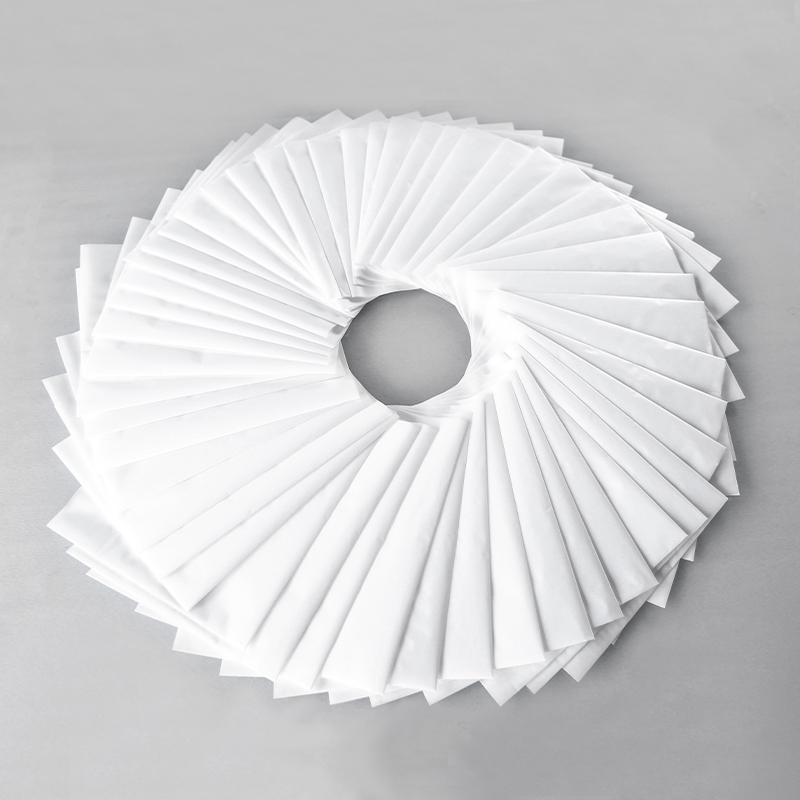
Folded Baking Paper Sheets, also known as Non Stick Baking Paper Sheets, are made from wood pulp and coated on both sides with a food-safe silicone layer. This coating gives the paper a smooth, grease...
See Details -
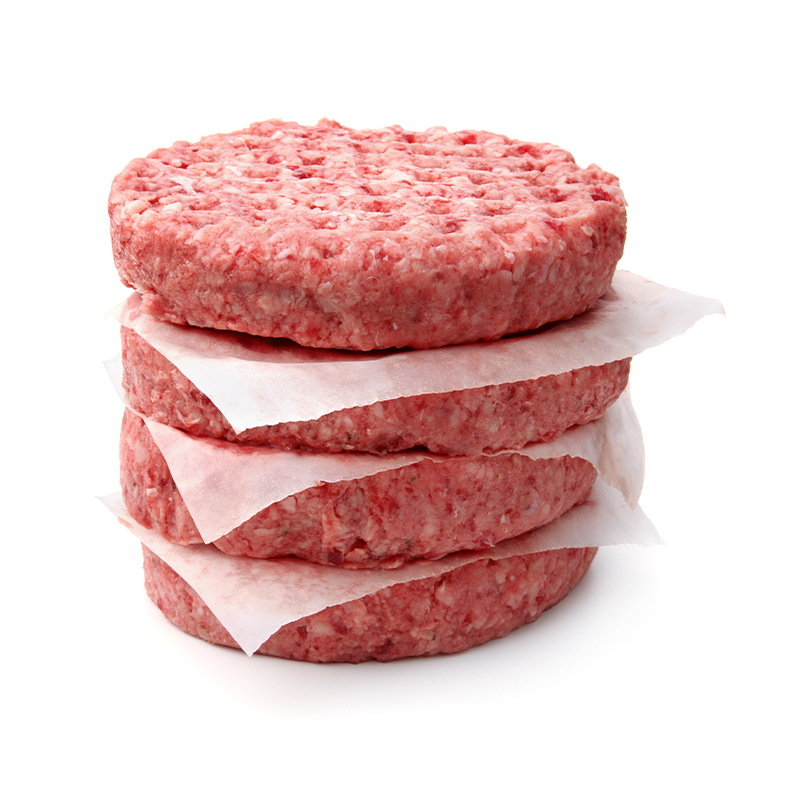
Description: Wax paper is the paper that is coated with food-grade wax in order to make it non-stick and waterproof. wax paper is very good for food storing and presentingMade of food-grade paper and ...
See Details -
Product Features: 1. Virgin wood pulp 2. Double sides food grade silicone-treated 3. Fluorine-free 4. Non-stick 5. Oven/Microwave safe 6. Freezer safe 7. Reusable 8. BPA f...
See Details -
Product Features: 1. Virgin wood pulp 2. Natural unbleached brown color 3. Double sides food grade silicone-treated 4. Fluorine-free 5. Non-stick 6. Oven/Microwave safe 7. Fre...
See Details -
Product Features: 1. Virgin wood pulp 2. Double sides food grade silicone treated 3. Fluorine-free 4. Non-stick 5. Oven/Microwave safe 6. Freezer safe 7. Reusable 8. BPA ...
See Details -
Product Features: 1. Virgin wood pulp 2. Fluorine-free 3. BPA free 4. Biodegradable Product Details: In an era where environmental consciousness and sustainability are paramount, Natu...
See Details -
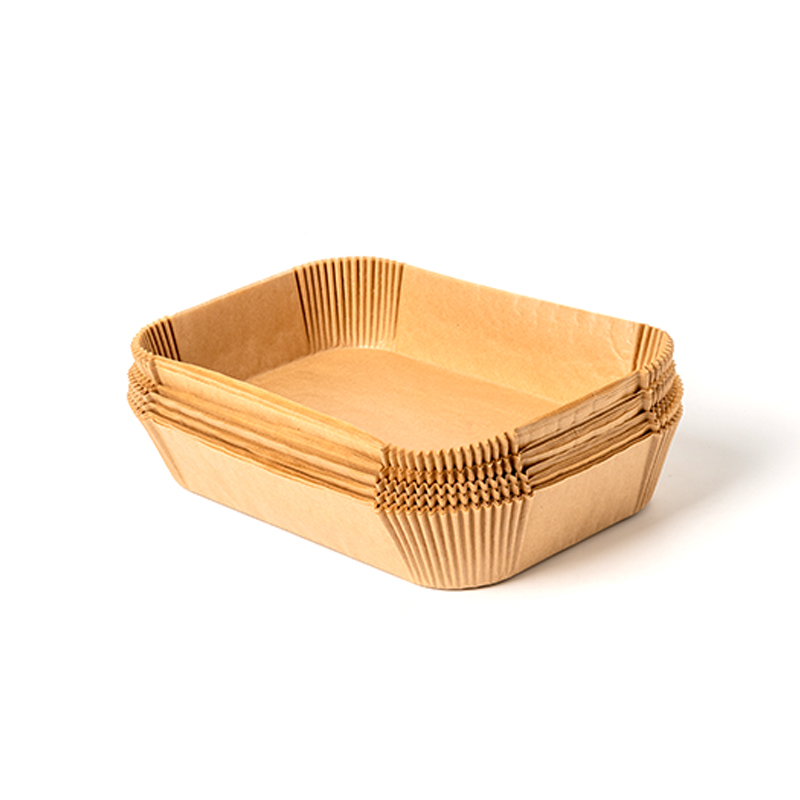
Product Features: 1. Virgin wood pulp 2. Double sides food grade silicone-treated 3. Fluorine-free 4. Non-stick 5. Air fryer basket safe 6. Reusable 7. BPA free 8. Biodeg...
See Details -
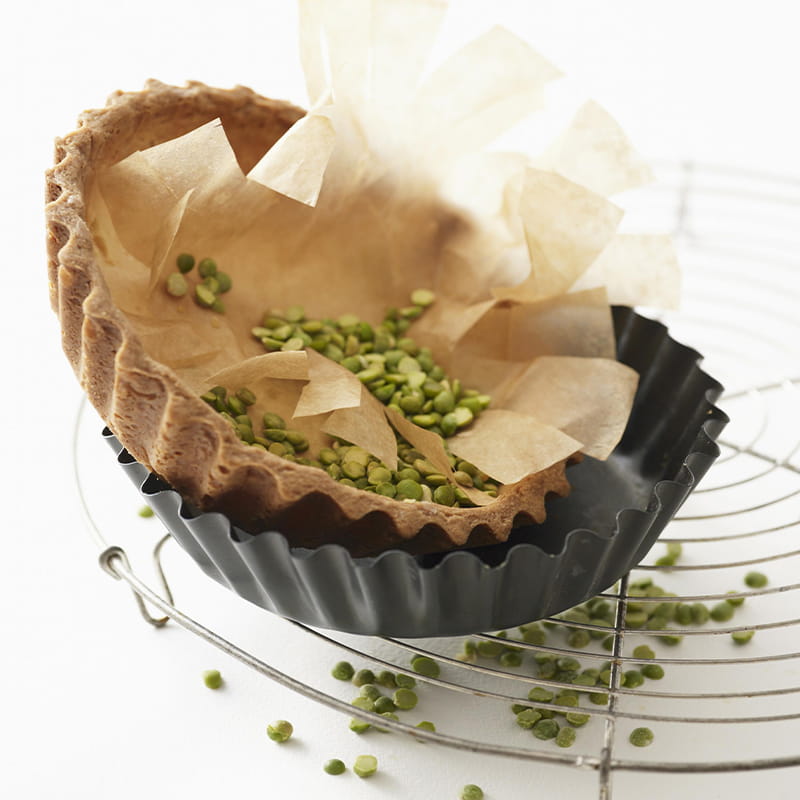
Product Features: 1. Virgin wood pulp 2. Natural unbleached brown color 3. Fluorine-free 4. BPA free 5. Biodegradable Product Details: Introducing our Unbleached Brown Food Grade ...
See Details -
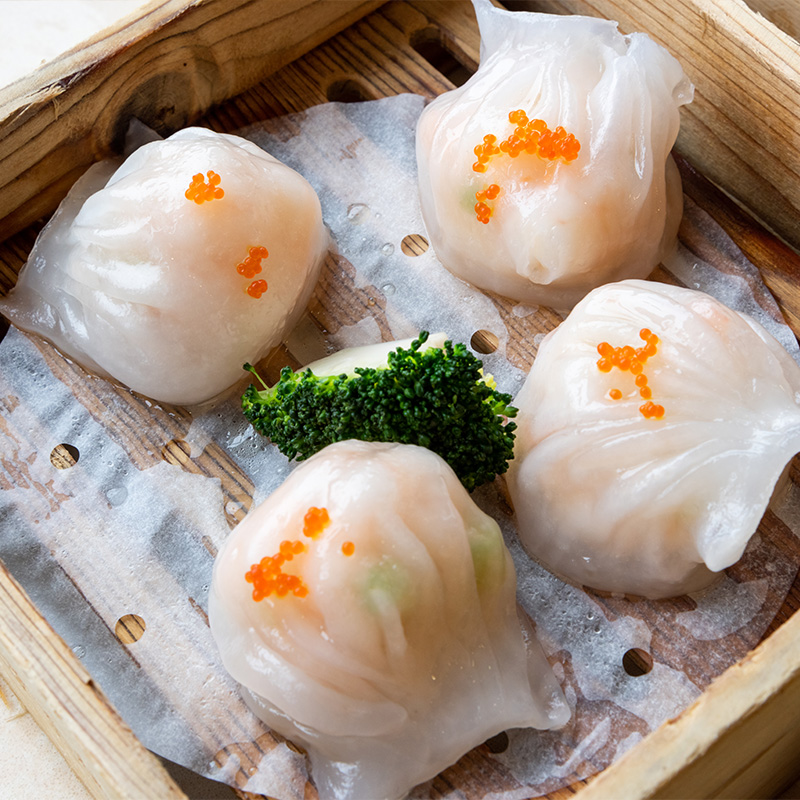
Product Features: 1. Virgin wood pulp 2. Double sides food grade silicone treated 3. Fluorine-free 4. Non-stick 5. Steamer/air fryer basket safe 6. Reusable 7. BPA free 8...
See Details -
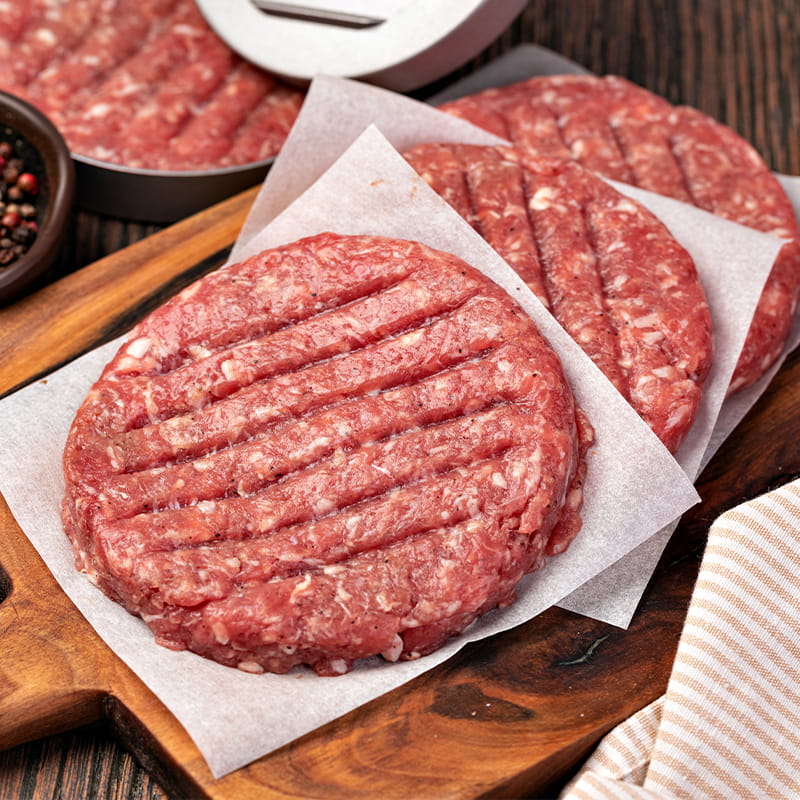
Product Features: 1. Virgin wood pulp 2. Double sides food grade silicone treated 3. Fluorine-free 4. Non-stick 5. Easy to separate 6. Reusable 7. BPA free 8. Biodegradab...
See Details -
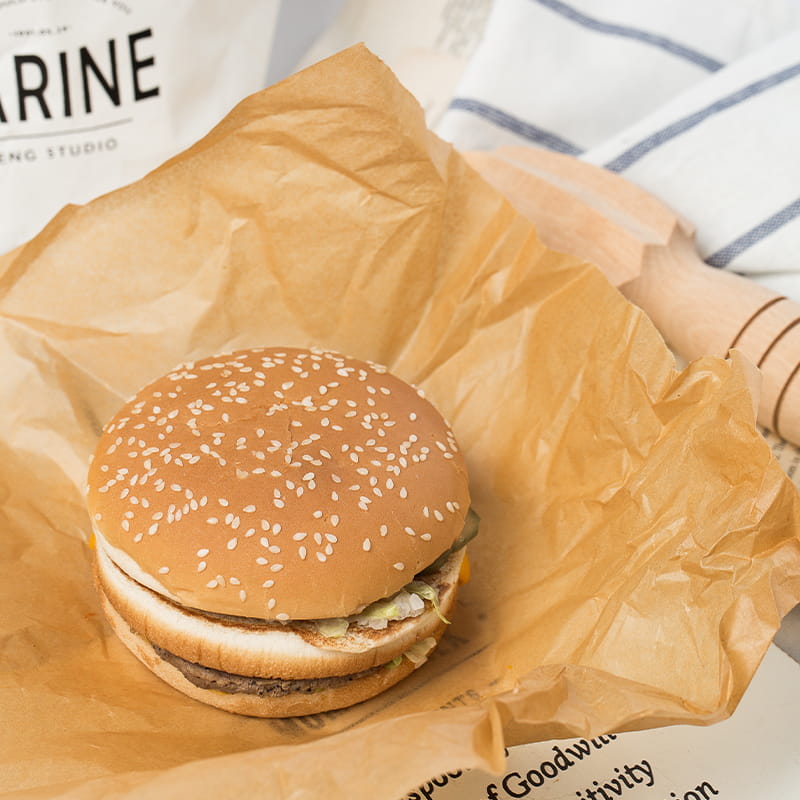
Product Features 1. Virgin wood pulp 2. Flexographic printing 3. Eco-friendly water-based ink 4. BPA free Product Details: Introducing our premium Greaseproof Sandwich Paper Sheets, a...
See Details

Professional Baking Parchment Paper Manufacturer in China with more than 15 years silicone coating experience.
Products
Contact Us
- No.10 Longyin Road, Chengnan Industrial Park,Longyou, Quzhou, China.
- +86-18968091013 / +86-571-88639705
- Avayao-1990@hotmail.com
Copyright © Zhejiang Guanghe New Materials Co., Ltd. All Rights Reserved.
Parchment Paper & Baking Paper Sheets Manufacturer
