 English
 中文简体
中文简体
Product details: Pop-up parchment paper sheets, an environment-friendly product, are composed of wood pulp and are double-side coated with silicone. Such a coating makes our paper smooth, greasepr...
See DetailsHow Do Silicone Coated Parchment Paper Sheets Work
Peel a cake straight off a bare metal tray and you already know the mess that follows — torn edges, stuck crumbs, a pan that needs scraping before it can even be washed. Silicone Coated Parchment Paper Sheets exist precisely to make that scenario disappear, and understanding how they actually manage it explains a lot about why bakeries and home kitchens both reach for the same solution. It's one of those everyday products people use constantly without ever wondering what's actually happening between the food and the pan.
What's Actually Happening When Food Doesn't Stick
Parchment paper looks like ordinary paper at a glance. It isn't. The paper base goes through a treatment process that changes how it behaves against heat, grease, and moisture — three things regular paper handles pretty badly on its own.
The Paper Base Isn't the Whole Story
Cellulose fibers, the material commonly found in everyday paper products, naturally take in liquids and oils when left untreated. That absorption is exactly what you don't want happening between a cake batter and a baking tray. So the paper gets processed to resist that absorption before it ever reaches a kitchen.
Where Silicone Actually Enters the Picture
A thin silicone layer applied to the paper surface provides the non-stick effect that helps prevent food from bonding with the material. Silicone forms a smooth, chemically stable film that food simply doesn't bond to the way it would to raw paper fiber or bare metal. Heat doesn't break this bond down easily either, which is exactly why the coating survives an oven cycle without degrading into a sticky mess itself.
Picture the coating as a thin, invisible barrier sitting between two surfaces that would otherwise cling to each other. Batter wants to bond with whatever it touches as it bakes and firms up. Silicone simply doesn't offer anything for that bond to grab onto, so the two stay separate right up until the food finishes baking and lifts free cleanly.
Why This Combination Works So Well Together
- The paper base provides structure, flexibility, and a surface that can be shaped or cut easily
- The silicone coating provides the actual non-stick barrier between food and the paper
- Together, they resist grease penetration far better than either material would alone
- The combination holds up under oven temperatures without melting, curling excessively, or transferring unwanted residue to food
Neither ingredient does the job alone particularly well. It's the pairing that makes the whole thing work. Strip the silicone off and you're left with fairly ordinary paper that soaks up fat and sticks to anything remotely moist. Without the paper base, the coating would not have a stable, flexible sheet structure to support its practical use.
Is Parchment Paper the Same Thing as Wax Paper?
Not even close, though people mix them up constantly.
Wax Paper Can't Handle Heat
Wax paper relies on a wax coating, and wax has a fairly low melting point. Put it in a hot oven and that coating melts, smokes, and potentially catches — not a great outcome for anything near food. Wax paper works fine for wrapping cold or room-temperature items. It has no business anywhere near an oven.
Parchment Handles the Heat Wax Can't
Silicone doesn't share wax's weakness here. It stays stable across a much wider temperature range, which is exactly why parchment paper shows up in ovens constantly while wax paper stays firmly in the refrigerator-and-countertop lane.
Comparing Parchment Paper to Other Common Options
| Material | Heat Resistance | Grease Resistance | Typical Use |
|---|---|---|---|
| Silicone coated parchment | Strong | Strong | Baking, roasting, lining pans |
| Wax paper | Weak | Moderate | Wrapping, cold storage |
| Plain uncoated paper | Weak | Weak | Non-food packaging, general use |
| Food greaseproof paper | Moderate to strong | Strong | Wrapping oily or greasy food items |
Looking at this side by side, parchment's real advantage isn't just one property working overtime. It's the combination of heat tolerance and grease resistance landing in the same sheet, which is a harder balance to hit than it sounds.
Does Every Parchment Product Perform Identically?
Not really. Coating thickness, paper density, and processing quality all vary between manufacturers, and those differences show up in how a sheet performs under repeated oven use. A thin, inconsistent coating might work fine once and then start sticking on a second or third use — which defeats a good chunk of the product's appeal.
A Few Misconceptions Worth Clearing Up
"Parchment Paper Is Just Fancy Regular Paper"
It isn't, and treating it that way leads to disappointing results. Regular paper, even thick or sturdy varieties, lacks the coating that makes parchment actually resist grease and heat. Substituting one for the other in an oven usually ends with smoke, sticking, or both.
"Any Non-Stick Paper Works the Same in an Oven"
Not quite. Some products marketed loosely as "baking paper" skip the silicone coating entirely and rely on other treatments that don't hold up nearly as well at higher oven temperatures. Reading past the marketing label to check the actual coating type matters more than it seems.
"Reusing a Sheet Multiple Times Doesn't Affect Performance"
It often does, particularly with lower-quality coatings. Repeated heat exposure can gradually weaken a thin or uneven silicone layer, causing a sheet that worked well during initial use to develop sticking problems after repeated reuse. Higher-quality coatings tend to hold up noticeably longer under this kind of repeated stress.
How Do Different Parchment Formats Serve Different Needs?
Parchment doesn't come in just one shape, and the format someone reaches for usually says a lot about how they're using it.
Sheets Versus Rolls
Pre-cut sheets save time and reduce waste for anyone baking in a fairly standard pan size repeatedly. Rolls offer flexibility for irregular shapes or larger batches where a fixed sheet size wouldn't fit well.
Rolls also tend to win out for anyone lining trays of varying sizes throughout a single day, since one roll can be torn to whatever length a particular tray happens to need. Pre-cut sheets, on the other hand, save the step of cutting and measuring entirely, trading that flexibility for straightforward convenience.
Pop-Up Parchment Paper Sheets
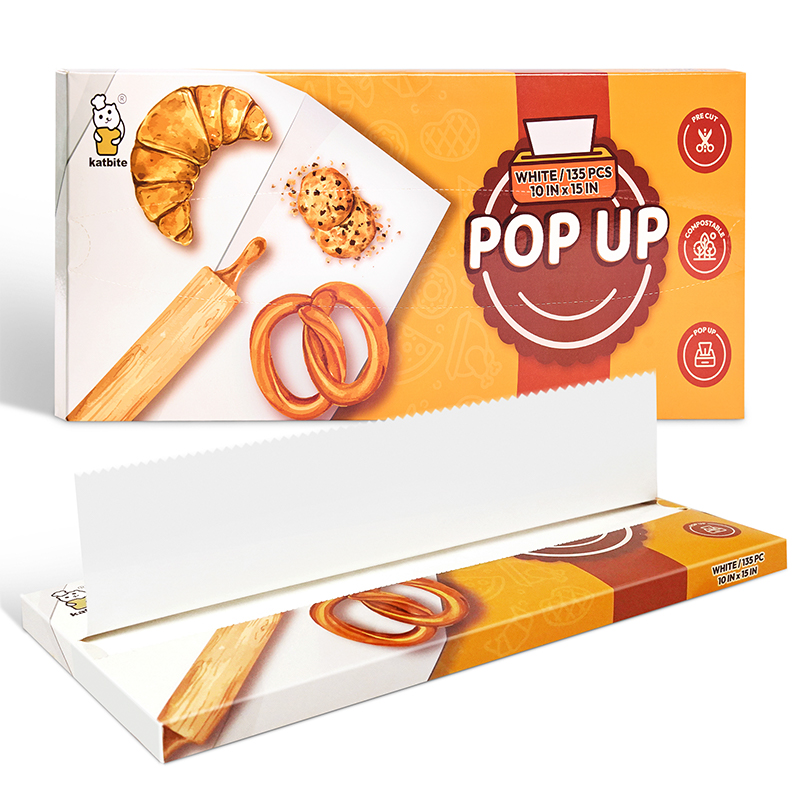
Dispensed one at a time from a box, similar to how tissues pull out, pop-up parchment paper sheets solve a small but real annoyance — untangling and cutting from a roll every single time. For high-frequency bakers or commercial kitchens running through sheets constantly, that convenience adds up fast.
Parchment Paper Cake Liners
Shaped specifically to fit round or square cake pans, these liners remove the guesswork of cutting a sheet to match pan dimensions by hand. For anyone producing cakes at any real volume, that consistency matters more than it might seem on a single bake.
Where Does This Material Show Up Beyond Home Baking?
Commercial Bakery Production
Bakeries running multiple ovens through continuous production cycles rely on parchment to keep output moving without constant pan cleaning between batches. Time saved on cleanup translates directly into more oven cycles per day.
Multiply that time savings across a full production shift and it stops being a minor convenience. A few minutes saved per batch, repeated dozens of times across a day, adds up into real throughput gains — the kind that show up in end-of-day output numbers even though nobody explicitly tracks "time not spent scraping pans."
Food Packaging and Wrapping
Food greaseproof paper, closely related to parchment in function, shows up wrapping sandwiches, pastries, and other items where oil or moisture would otherwise seep through standard paper packaging within minutes.
Non-Food Applications
Parchment's heat resistance and smooth surface occasionally get used outside food contexts entirely — crafts, some light industrial applications, anywhere a heat-tolerant, non-stick barrier happens to be useful.
What Should Buyers Check Before Choosing a Supplier?
Sourcing this material at any real volume means looking past the basic description on a product listing.
Points worth confirming directly:
- Consistency of silicone coating across production batches, not just a single approved sample
- Food-grade certification appropriate for the intended market
- Available formats — sheets, rolls, pre-cut liners, pop-up dispensing options
- Heat tolerance range suited to actual oven conditions in use, not just a general claim
- Packaging options that protect the product during shipping and storage
Why Batch Consistency Deserves Extra Attention
A single sample that performs beautifully doesn't guarantee the next few thousand units behave the same way once a full production run gets underway. Uneven coating thickness between batches shows up as inconsistent non-stick performance, and that inconsistency tends to surface only after a customer complaint, not before. Asking a supplier directly how they monitor coating uniformity across runs is a reasonable, worthwhile question before committing to volume.
Running a modest pilot order before locking into a full-scale contract tends to be worth the extra step too. It's a lot cheaper to discover a coating inconsistency on a few hundred sheets than to discover it after a warehouse full of product has already shipped to retail partners.
Why This Matters More for Commercial Buyers Than Home Users
A home baker running through one box a month can tolerate the occasional inconsistent sheet without much consequence. A commercial kitchen running through cases weekly can't absorb that same variability without it affecting output quality and customer experience across an entire product line. Scale changes how much a small quality gap actually costs.
Bringing the Science Back to a Practical Buying Decision
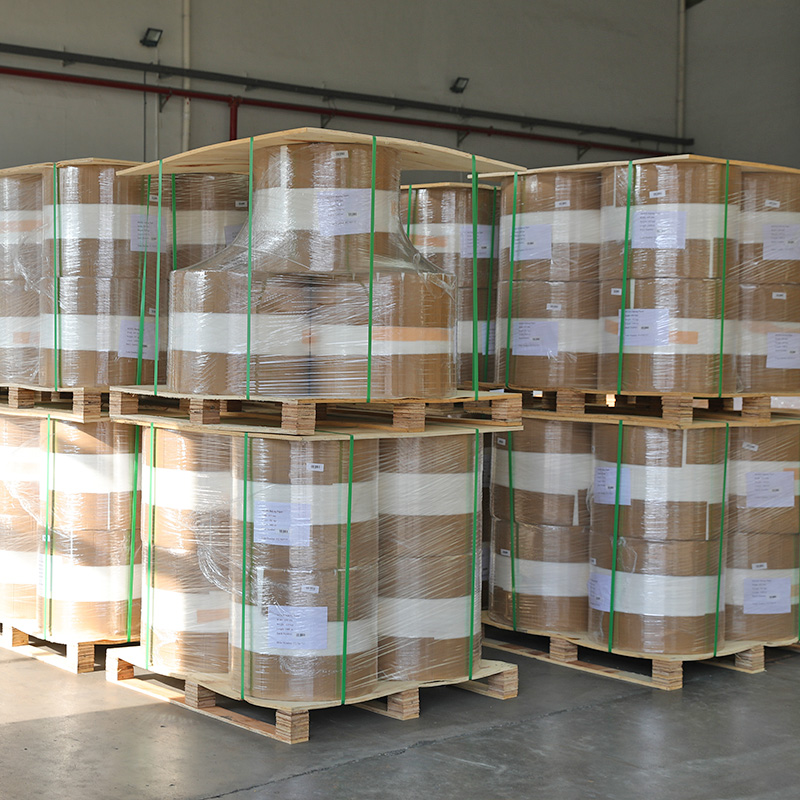
Understanding how parchment paper works — with the paper base providing structure, the silicone coating creating the non-stick surface, and both layers working together under oven heat — helps explain why this kitchen item deserves thoughtful selection instead of simply choosing an option based only on price. Buyers evaluating options for a bakery, a food packaging line, or any high-volume kitchen operation benefit from thinking through coating consistency, format suited to actual use, and heat tolerance matched to real conditions, rather than assuming every parchment product performs identically once it leaves the box. That small bit of extra diligence up front, checking a sample under real oven conditions rather than trusting a label alone, tends to save far more time and cost than it takes to complete. For businesses looking to source Silicone Coated Parchment Paper Sheets, food greaseproof paper, or specialty formats like cake liners and pop-up dispensing sheets at scale, reaching out to Zhejiang Guanghe New Materials Co., Ltd. offers a practical next step toward finding a product built to hold up consistently across real production demands.
Related Products
-
-
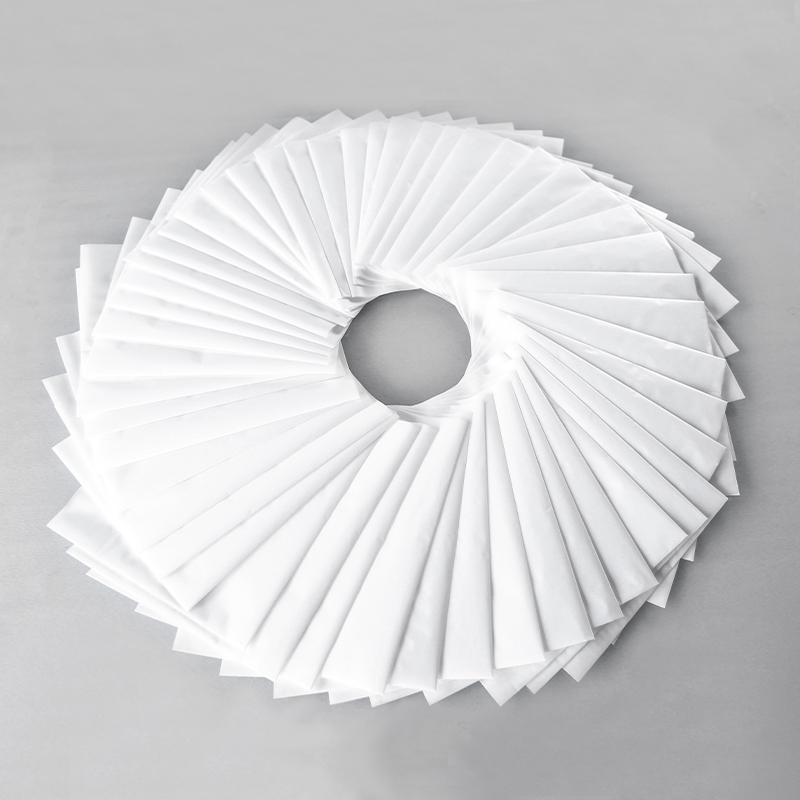
Product details: Folded baking paper sheets, an environment-friendly product, are composed of wood pulp and are double-side coated with silicone. Such a coating makes our paper smooth, greaseproof and...
See Details -
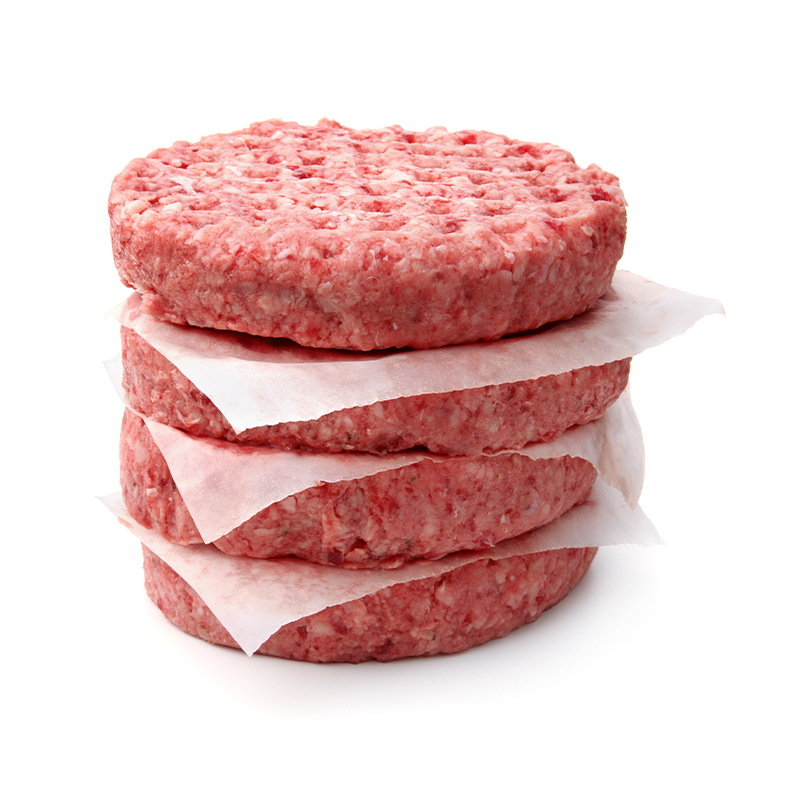
Description: Wax paper is the paper that is coated with food-grade wax in order to make it non-stick and waterproof. wax paper is very good for food storing and presentingMade of food-grade paper and ...
See Details -
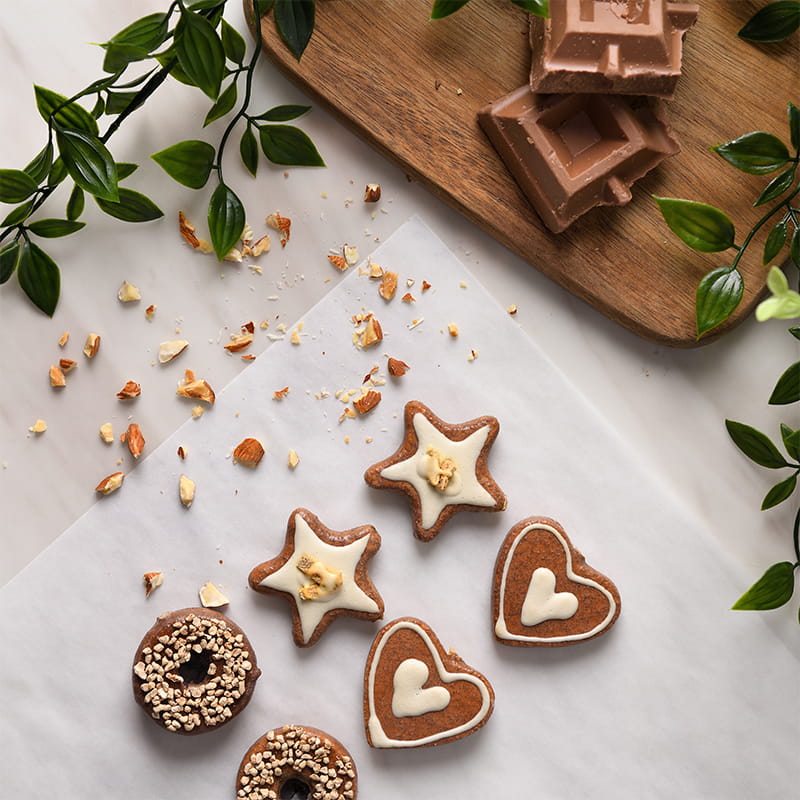
Product Features: 1. Virgin wood pulp 2. Double sides food grade silicone-treated 3. Fluorine-free 4. Non-stick 5. Oven/Microwave safe 6. Freezer safe 7. Reusable 8. BPA f...
See Details -
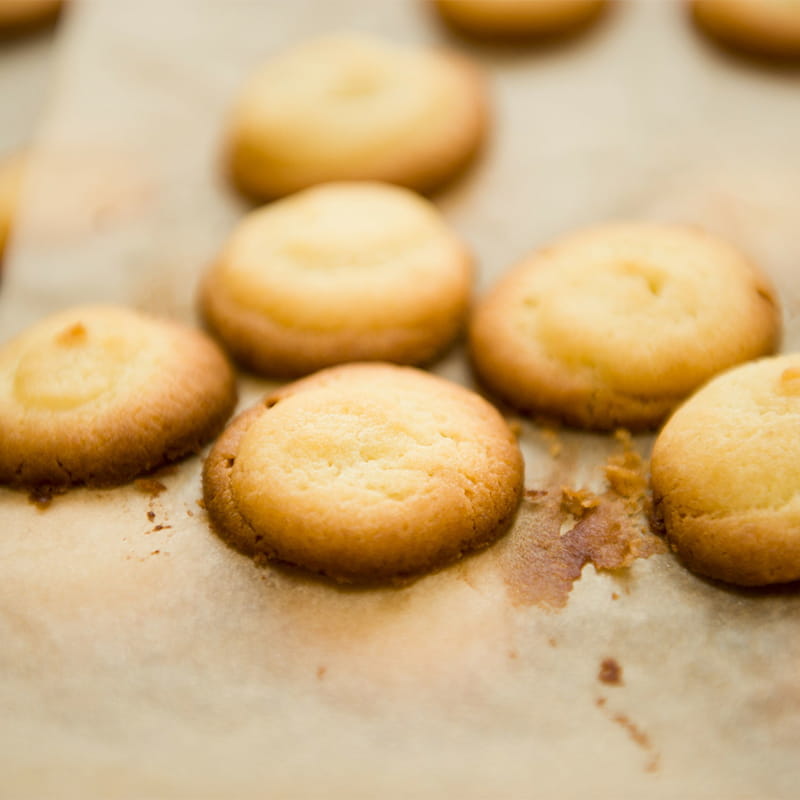
Product Features: 1. Virgin wood pulp 2. Natural unbleached brown color 3. Double sides food grade silicone-treated 4. Fluorine-free 5. Non-stick 6. Oven/Microwave safe 7. Fre...
See Details -
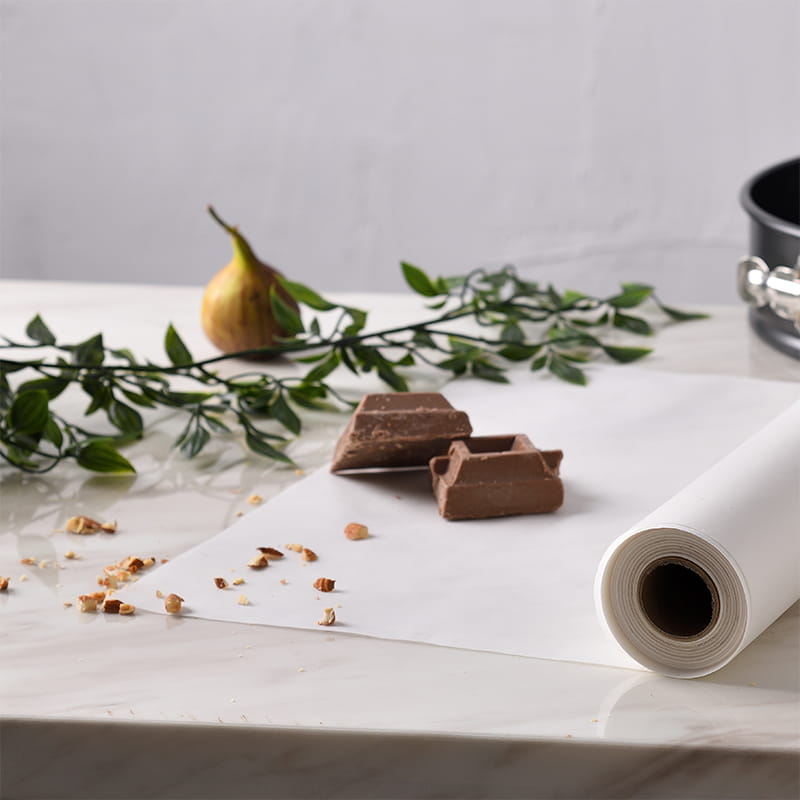
Product Features: 1. Virgin wood pulp 2. Double sides food grade silicone treated 3. Fluorine-free 4. Non-stick 5. Oven/Microwave safe 6. Freezer safe 7. Reusable 8. BPA ...
See Details -
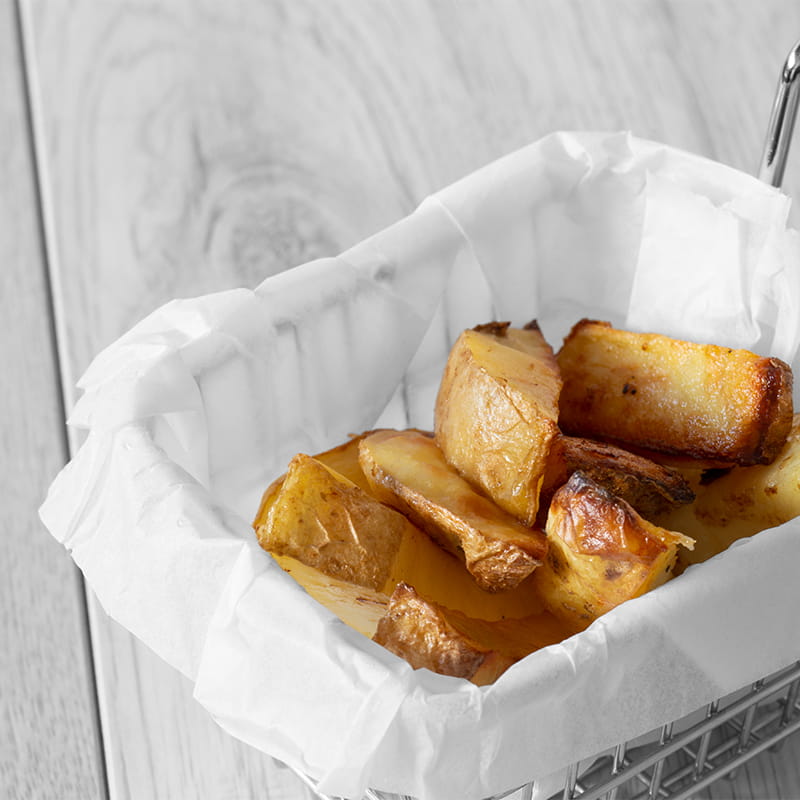
Product Features: 1. Virgin wood pulp 2. Fluorine-free 3. BPA free 4. Biodegradable Product Details: In an era where environmental consciousness and sustainability are paramount, Natu...
See Details -
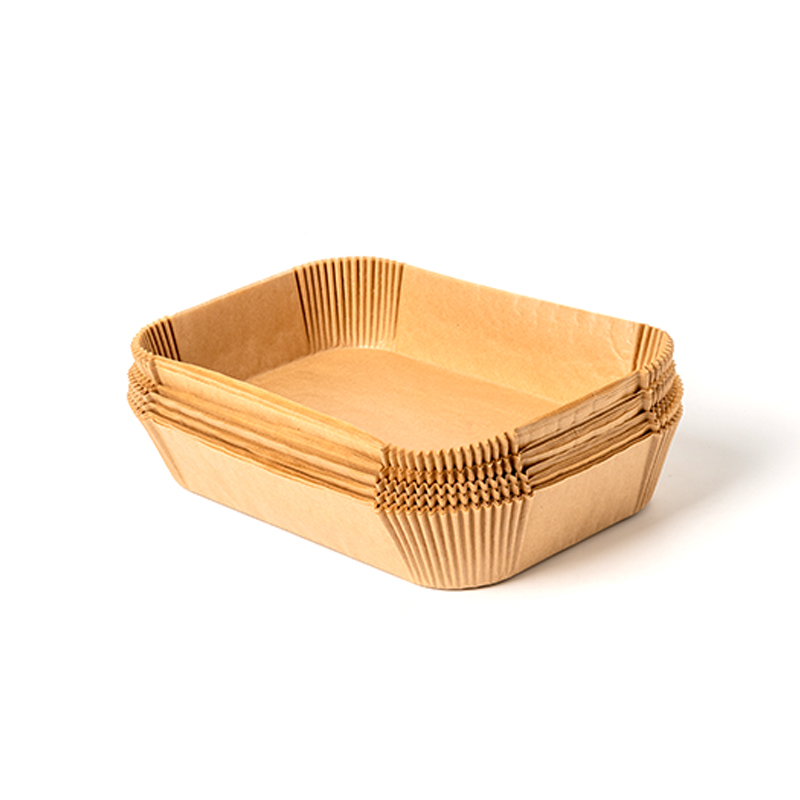
Product Features: 1. Virgin wood pulp 2. Double sides food grade silicone-treated 3. Fluorine-free 4. Non-stick 5. Air fryer basket safe 6. Reusable 7. BPA free 8. Biodeg...
See Details -
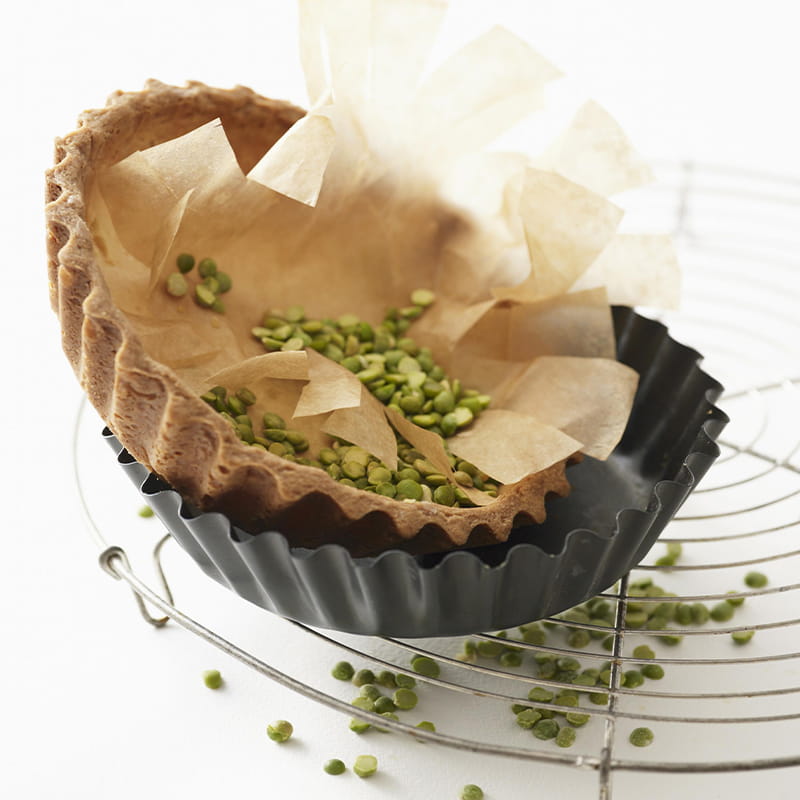
Product Features: 1. Virgin wood pulp 2. Natural unbleached brown color 3. Fluorine-free 4. BPA free 5. Biodegradable Product Details: Introducing our Unbleached Brown Food Grade ...
See Details -
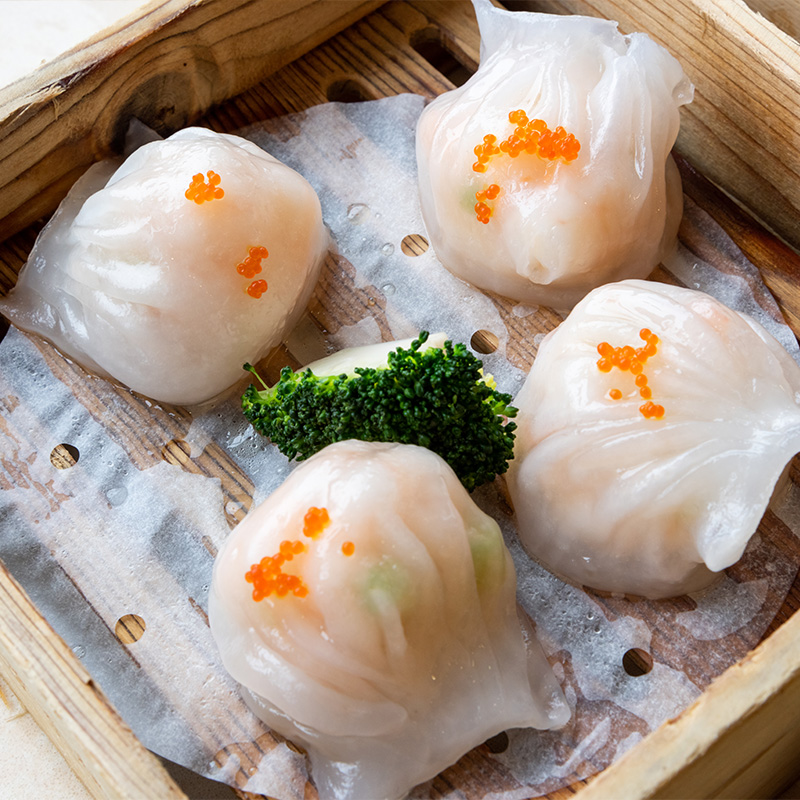
Product Features: 1. Virgin wood pulp 2. Double sides food grade silicone treated 3. Fluorine-free 4. Non-stick 5. Steamer/air fryer basket safe 6. Reusable 7. BPA free 8...
See Details -
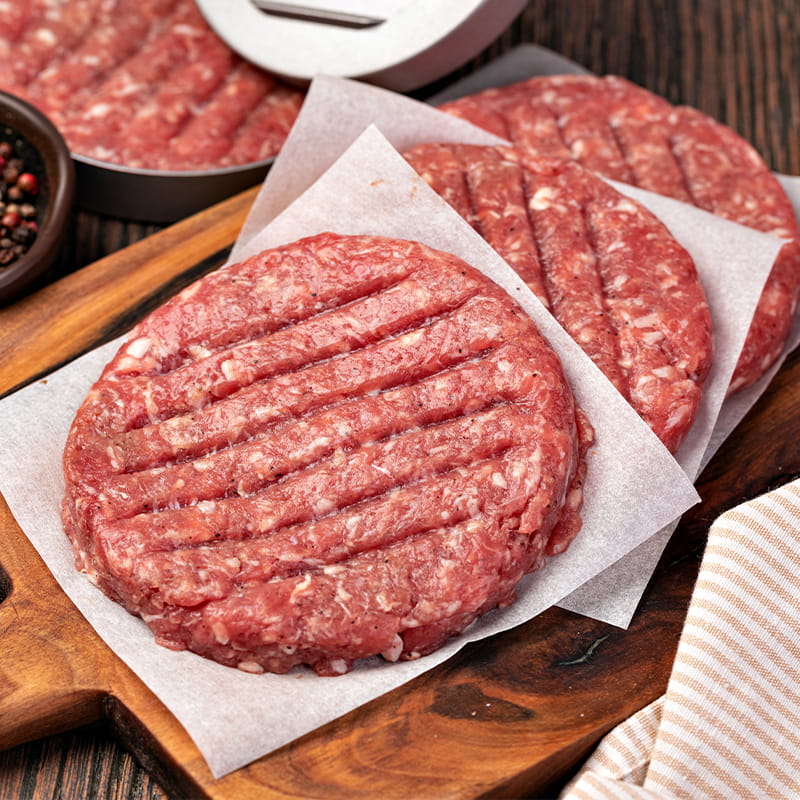
Product Features: 1. Virgin wood pulp 2. Double sides food grade silicone treated 3. Fluorine-free 4. Non-stick 5. Easy to separate 6. Reusable 7. BPA free 8. Biodegradab...
See Details -
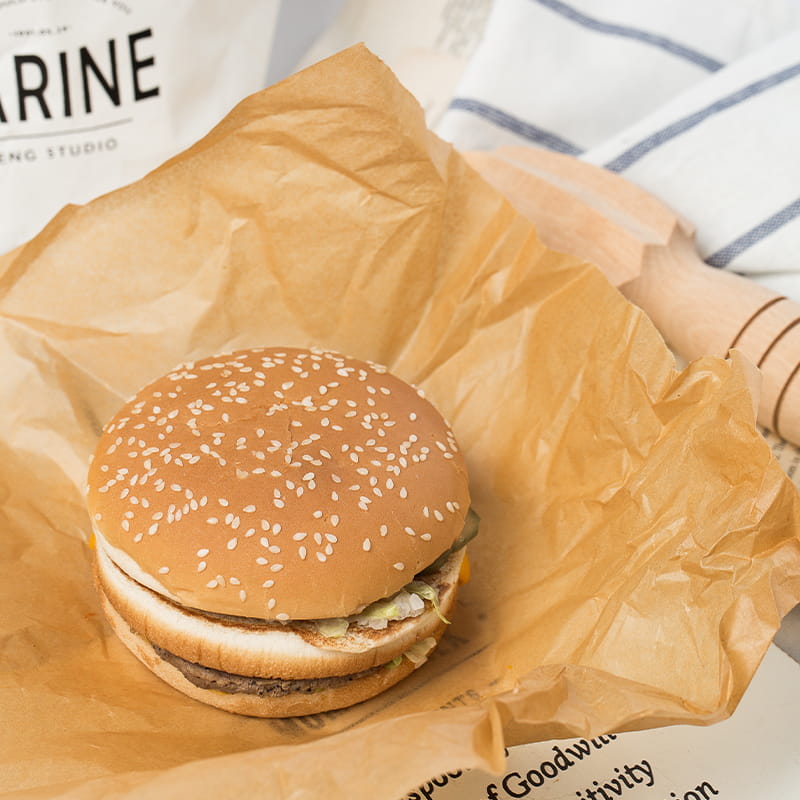
Product Features 1. Virgin wood pulp 2. Flexographic printing 3. Eco-friendly water-based ink 4. BPA free Product Details: Introducing our premium Greaseproof Sandwich Paper Sheets, a...
See Details

Professional Baking Parchment Paper Manufacturer in China with more than 15 years silicone coating experience.
Products
Contact Us
- No.10 Longyin Road, Chengnan Industrial Park,Longyou, Quzhou, China.
- +86-18968091013 / +86-571-88639705
- Avayao-1990@hotmail.com
Copyright © Zhejiang Guanghe New Materials Co., Ltd. All Rights Reserved.
Parchment Paper & Baking Paper Sheets Manufacturer
