 English
 中文简体

Pre Cut Baking Paper Sheets are made from wood pulp and coated on both sides with a food-safe silicone layer. This coating gives the paper a smooth, greaseproof, and moisture-resistant surface that su...
See DetailsWhich Is Better for Cookies: Pre Cut Baking Paper Sheets
Baking cookies at home involves more than picking a recipe and mixing the dough. The surface lining the tray also affects how the cookies spread, how the bottoms brown, and how much scrubbing waits at the sink afterward. Baking paper and silicone mats are both common choices, and they behave differently once the tray goes into the oven.
Pre-Cut Baking Paper Sheets give bakers a convenient way to line a tray without measuring or trimming paper from a roll. A silicone mat is a reusable surface that can serve many sessions when it is washed and stored with care. The right pick depends on the type of cookie, the texture the baker wants, and how much time is available for cleanup.
Why the Baking Surface Matters
Cookie dough changes quickly as it heats. Butter softens, sugar melts, moisture escapes, and the structure slowly sets. The surface under the dough influences how heat reaches the cookie base and how freely the dough moves while it bakes.
Baking paper forms a thin layer between the dough and the metal tray. A silicone mat is thicker and more flexible, which can change how heat travels into the base. Neither option decides the outcome alone, since ingredients, dough temperature, tray material, and oven behavior all play a part.
| Baking Surface | General Characteristics | Common Consideration |
|---|---|---|
| Baking paper | Thin, disposable lining | Easy tray preparation and removal |
| Silicone baking mat | Flexible, reusable surface | Repeated use and regular washing |
| Bare metal tray | Direct contact with the tray | Needs attention to sticking and browning |
How Each Surface Affects Browning
Bottom browning develops as the cookie base heats and loses moisture. Sugar keeps browning as baking continues, so the surface should support the texture a baker wants without pushing the base toward a burnt color.
Baking paper is thin and generally lets heat from the tray reach the dough with little interference. Cookies on paper often develop a lightly browned bottom while keeping a tender center, although the tray and the oven still shape the result. Silicone mats create a different contact surface, and some cookies come out with a softer or lighter base than they would on paper. That is not guaranteed for every recipe.
Bakers who want a crisp underside can treat paper as a practical starting point. A mat can make sense when a recipe benefits from a softer base. A fair comparison uses the same dough and similar conditions on each surface, so the liner is the only variable that changes.
A practical way to test this is to bake two small trays from one batch of dough, one lined with paper and one with a mat, and then flip a few cookies over to compare the bases. The difference in color and firmness is usually easy to see, and it tells the baker which liner fits the recipe.
Which Surface Gives More Predictable Spread?
Cookie spread describes how the dough moves while it heats. Butter softens, sugar dissolves, and the dough loses its original shape before the structure sets. A small change in the baking environment can shift how far a cookie travels across the tray.
Paper suits recipes that depend on a familiar spread pattern, such as classic chocolate chip cookies or thin butter cookies. Some recipes spread less or form a different edge shape on a silicone mat, so a small trial batch is a sensible step before filling a full tray.
Several factors shape spread beyond the liner:
- Butter condition: Softened or melted butter changes how quickly the dough moves.
- Dough temperature: Chilled dough spreads differently from dough used right after mixing.
- Tray temperature: Dough placed on a warm tray starts spreading before the edges set.
- Flour balance: The amount of flour affects how well the dough holds its form.
If cookies spread too far on either surface, the recipe and dough temperature deserve a look before the liner takes the blame.
Removing Delicate Cookies
Removal gets tricky when the dough is soft or the baked structure is fragile. Thin cookies can crack when lifted too early, and sticky mixtures may cling to the tray and lose their outline.
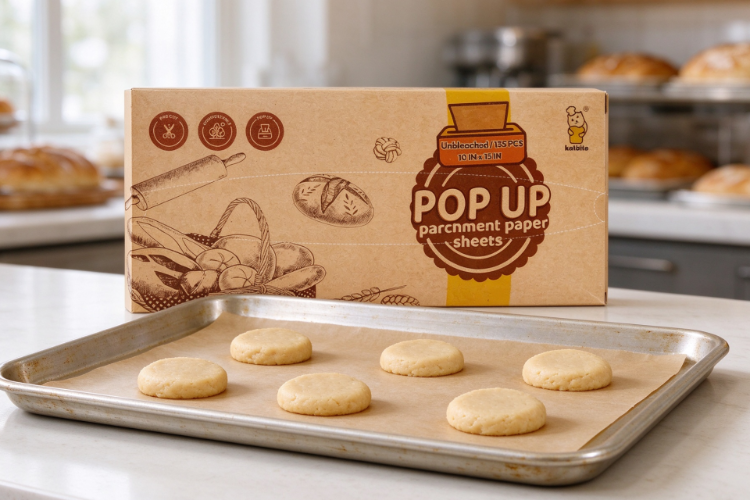
Baking paper adds a disposable layer between the cookie and the metal. Once the cookies have set, they can be lifted with a spatula, or the whole sheet can slide to a cooling rack. Pre-Cut Baking Paper Sheets also save preparation time, because nobody has to measure or trim paper for each batch.
Silicone mats release cookies well when the recipe and the mat are compatible, and the flexible surface can be bent gently to loosen baked pieces. A mat with leftover grease may not release as expected. Timing matters as much as the lining, since cookies moved straight out of the oven can still be too soft to hold together on any surface.
Cleanup Compared
Cookie dough can release butter or sugar while it bakes, and crumbs collect around the tray edges. How much residue remains depends on the recipe, the portion size, and whether the cookies spread past their intended outline.
| Cleanup Factor | Pre-Cut Baking Paper Sheets | Silicone Baking Mat |
|---|---|---|
| After baking | Remove and discard the used sheet | Wash and dry for reuse |
| Preparation | Ready to place on the tray | Needs to be positioned on the tray |
| Storage | Unused sheets stay flat in packaging | Mat must be clean and dry before storing |
| Repeated use | A new sheet for each batch | Reused according to care instructions |
Paper simplifies the work after a long baking session, while a silicone mat avoids throwing away a liner after every batch. Neither option removes the need to wash the tray when residue reaches its surface.
Buttery cookies and recipes with melted sugar tend to leave extra work behind, so it helps to wipe a mat while it is still slightly warm and to let paper cool before it is lifted away. Small habits like these keep the next batch from starting on a greasy surface.
Which Option Suits Frequent Baking?
A home baker who makes cookies now and then may care about quick setup and easy disposal. A bakery turning out repeated batches pays closer attention to workflow, washing time, storage, and consistency from tray to tray.
Pre-Cut Baking Paper Sheets help when many trays are needed, because staff can drop a sheet on each tray and portion the dough without pausing to cut paper. Silicone mats fit kitchens that prefer reusable tools and already have a cleaning routine, along with enough room to wash, dry, and store the mats without bending them sharply.
A kitchen does not have to commit to one lining for every recipe. Plenty of bakers keep both on hand and choose according to the job.
Choosing for Different Cookie Recipes
Chocolate chip cookies usually aim for a set edge, a tender center, and a browned underside. Paper offers a familiar starting point, while a mat may change the base texture or spread pattern. Thin butter cookies depend on easy release and shape retention, so paper helps with moving delicate pieces once they have set.
Oatmeal cookies contain pieces that influence shape and texture, and both surfaces can suit them. Even dough portions and enough space between cookies matter more than the liner in that case.
| Cookie Type | What to Watch | Practical Consideration |
|---|---|---|
| Chocolate chip | Edge texture and spread | Compare browning and final shape |
| Thin butter | Fragility and removal | Check how easily pieces transfer |
| Oatmeal | Shape and texture | Check spacing and spreading |
| Sugar | Shape retention and color | Test the liner with the chosen dough |
When the bottom gets too dark, the oven position or baking time may need adjusting. The tray, the oven, and the dough still need attention whichever liner goes down.
Care and Safety Habits
Paper should lie flat on a suitable tray, with no loose edges near heating elements, and it should be used according to the manufacturer's instructions. Silicone mats should be checked for cuts, tears, or stubborn residue, washed according to the care instructions, and left to dry before storage. Sharp tools used directly on a mat can damage the surface.
Both kinds of liner belong away from unsuitable heat sources and should only be used for their intended purpose. A liner that is damaged or difficult to clean deserves an honest check before another use.
A simple routine keeps results manageable from one batch to the next. Check the tray and liner before adding dough, leave room between portions, watch the browning while the tray bakes, and clean or discard the liner once the tray has cooled.
Related Products
-
-
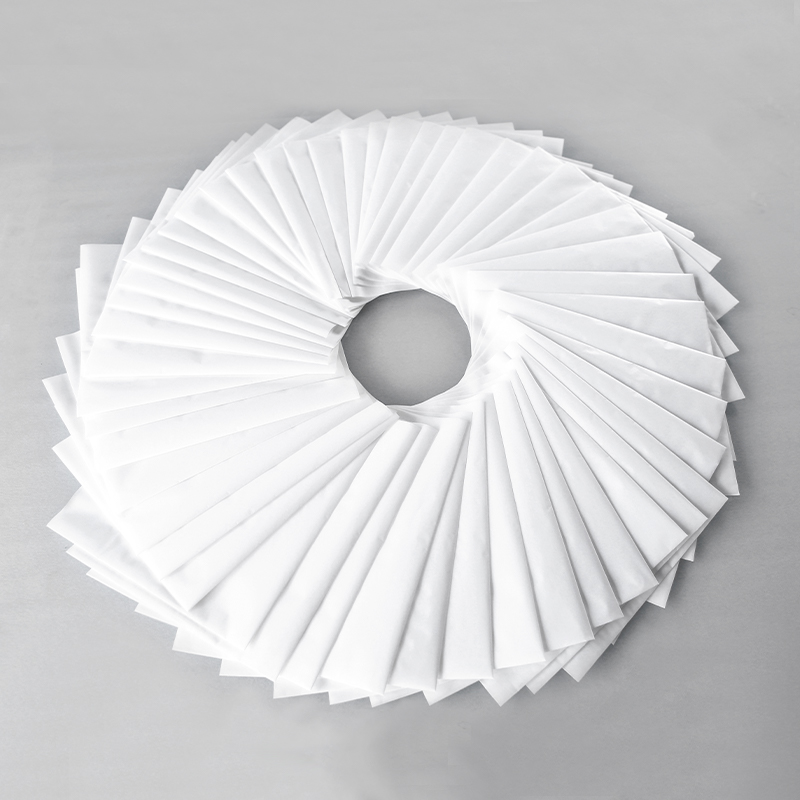
Folded Baking Paper Sheets, also known as Non Stick Baking Paper Sheets, are made from wood pulp and coated on both sides with a food-safe silicone layer. This coating gives the paper a smooth, grease...
See Details -
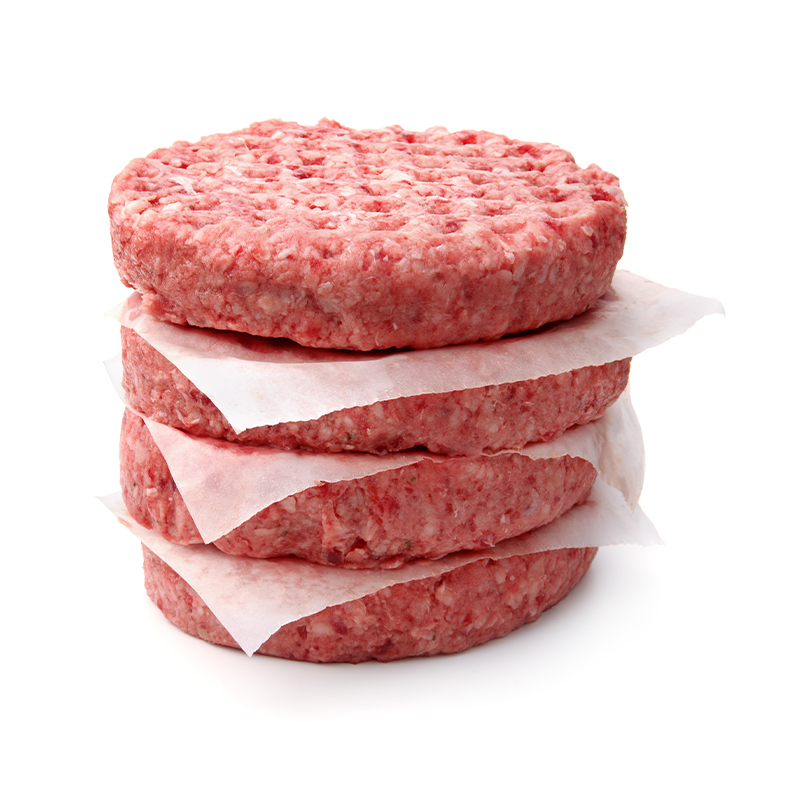
Description: Wax paper is the paper that is coated with food-grade wax in order to make it non-stick and waterproof. wax paper is very good for food storing and presentingMade of food-grade paper and ...
See Details -
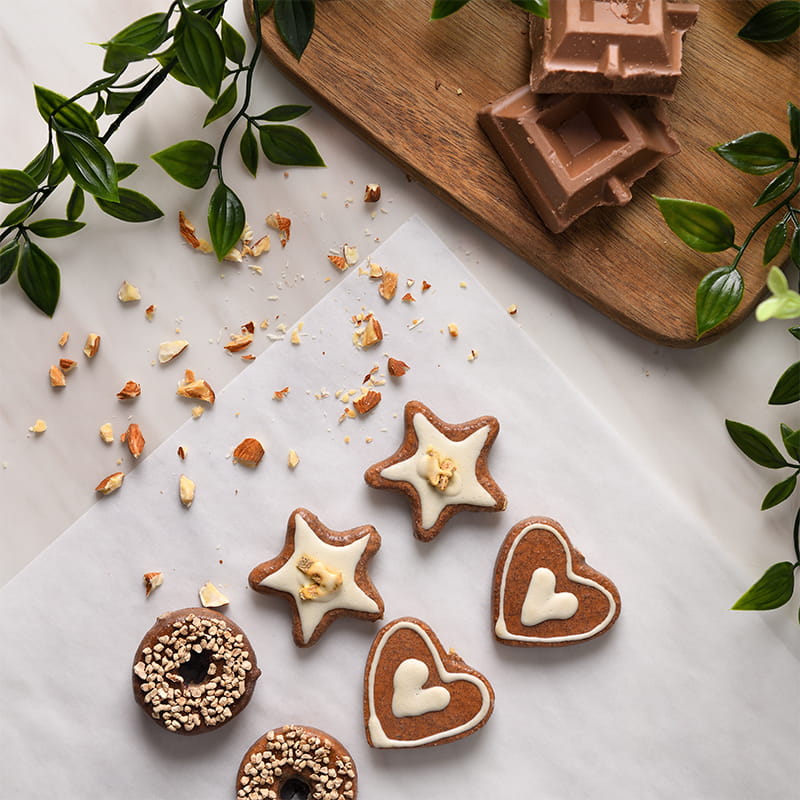
Product Features: 1. Virgin wood pulp 2. Double sides food grade silicone-treated 3. Fluorine-free 4. Non-stick 5. Oven/Microwave safe 6. Freezer safe 7. Reusable 8. BPA f...
See Details -
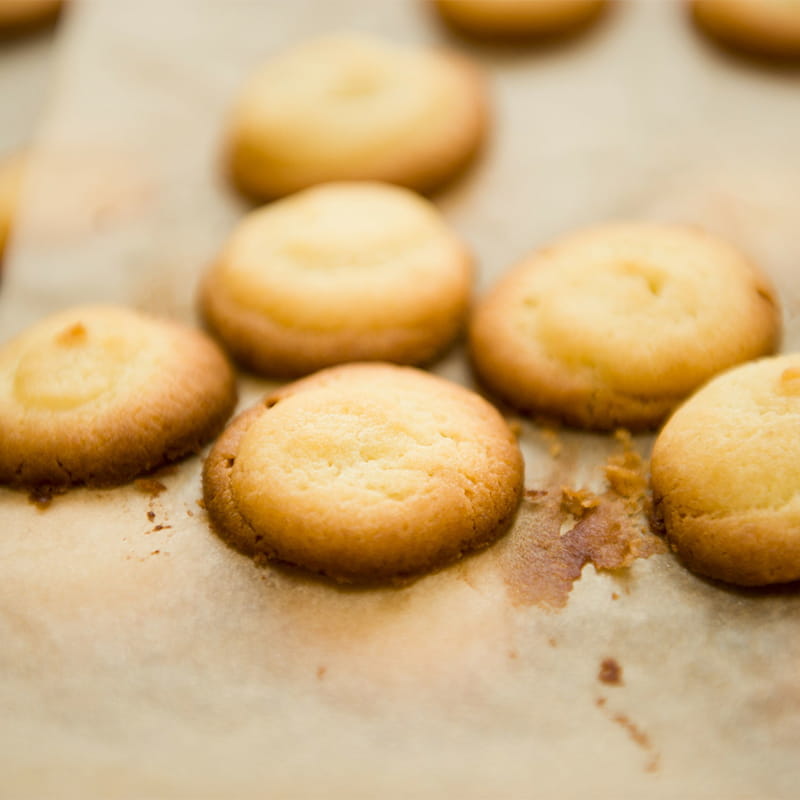
Product Features: 1. Virgin wood pulp 2. Natural unbleached brown color 3. Double sides food grade silicone-treated 4. Fluorine-free 5. Non-stick 6. Oven/Microwave safe 7. Fre...
See Details -
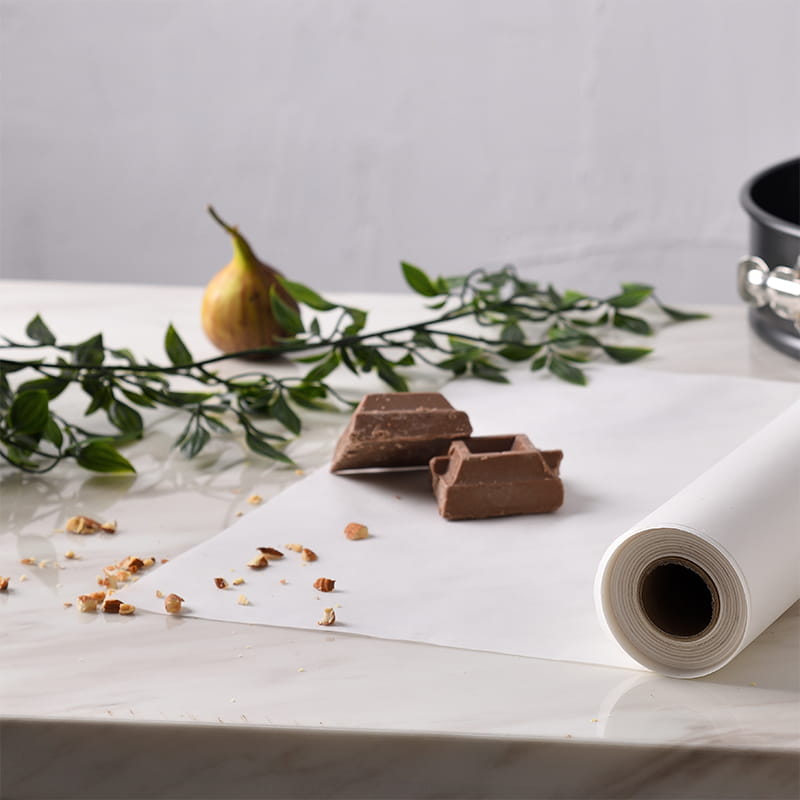
Product Features: 1. Virgin wood pulp 2. Double sides food grade silicone treated 3. Fluorine-free 4. Non-stick 5. Oven/Microwave safe 6. Freezer safe 7. Reusable 8. BPA ...
See Details -
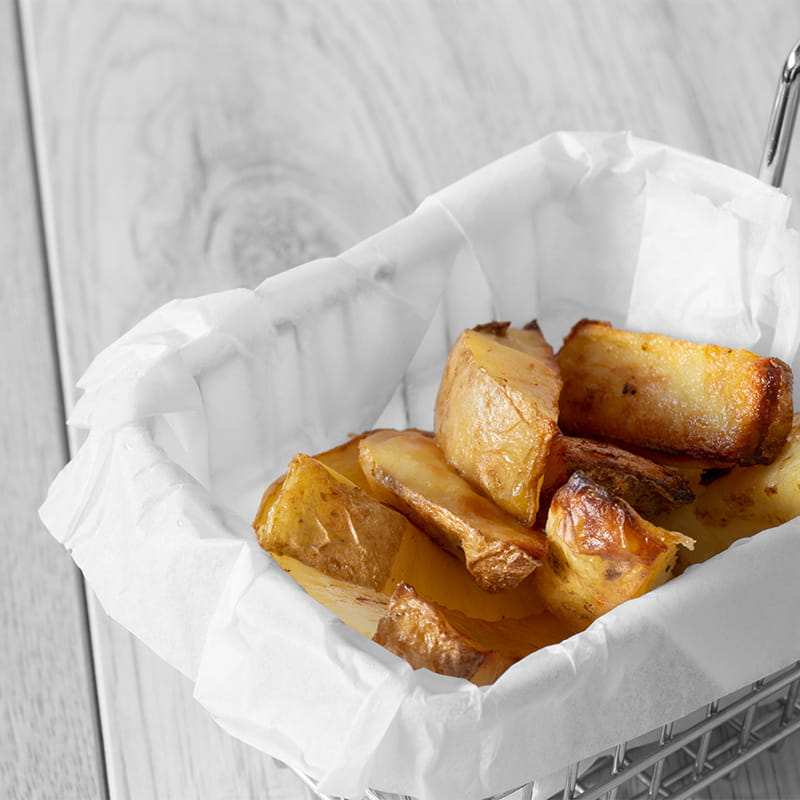
Product Features: 1. Virgin wood pulp 2. Fluorine-free 3. BPA free 4. Biodegradable Product Details: In an era where environmental consciousness and sustainability are paramount, Natu...
See Details -
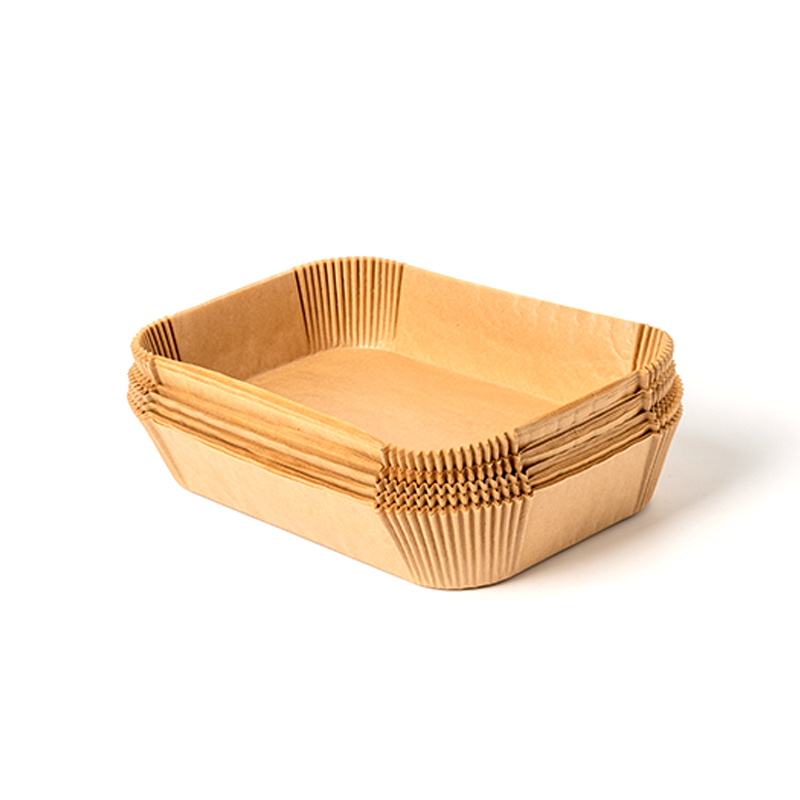
Product Features: 1. Virgin wood pulp 2. Double sides food grade silicone-treated 3. Fluorine-free 4. Non-stick 5. Air fryer basket safe 6. Reusable 7. BPA free 8. Biodeg...
See Details -
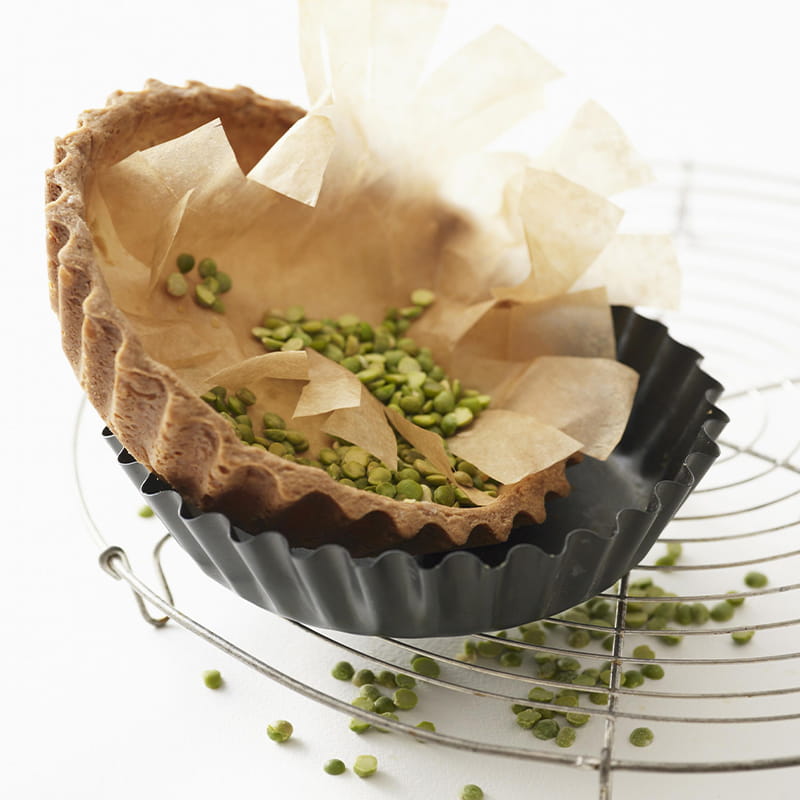
Product Features: 1. Virgin wood pulp 2. Natural unbleached brown color 3. Fluorine-free 4. BPA free 5. Biodegradable Product Details: Introducing our Unbleached Brown Food Grade ...
See Details -
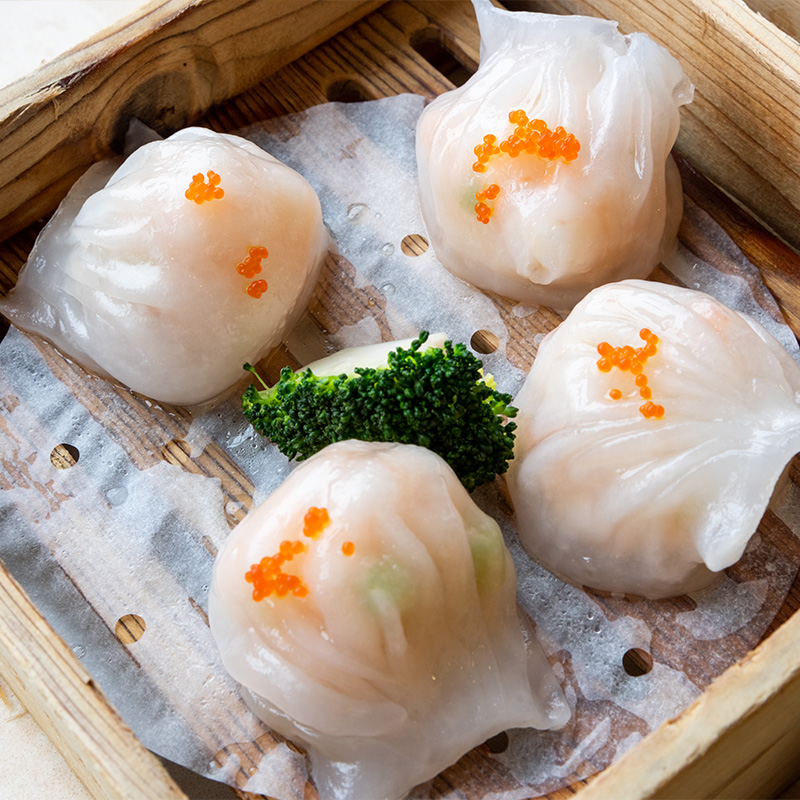
Product Features: 1. Virgin wood pulp 2. Double sides food grade silicone treated 3. Fluorine-free 4. Non-stick 5. Steamer/air fryer basket safe 6. Reusable 7. BPA free 8...
See Details -
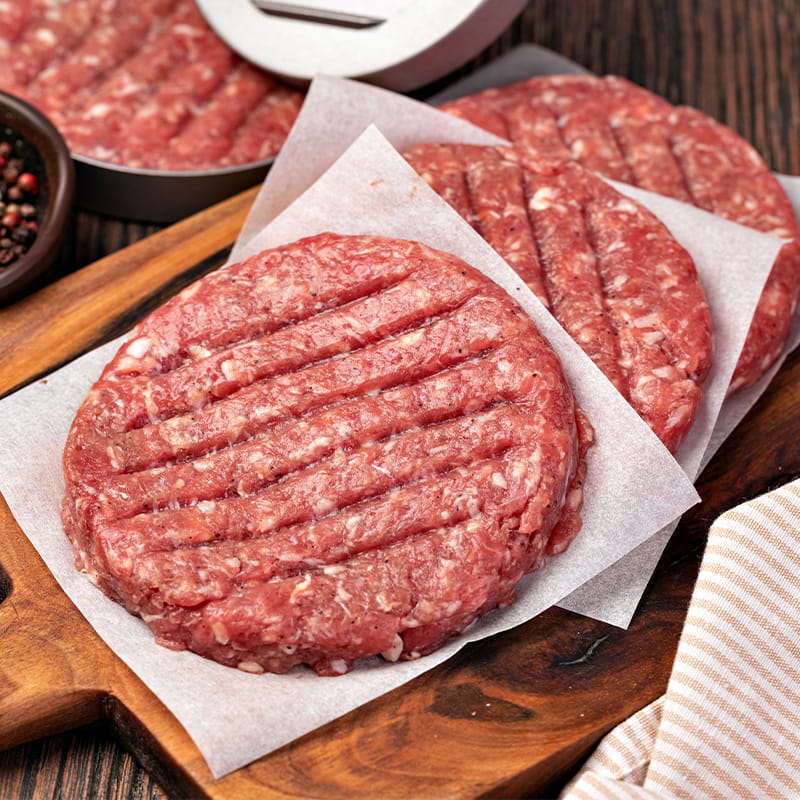
Product Features: 1. Virgin wood pulp 2. Double sides food grade silicone treated 3. Fluorine-free 4. Non-stick 5. Easy to separate 6. Reusable 7. BPA free 8. Biodegradab...
See Details -
Product Features 1. Virgin wood pulp 2. Flexographic printing 3. Eco-friendly water-based ink 4. BPA free Product Details: Introducing our premium Greaseproof Sandwich Paper Sheets, a...
See Details

Professional Baking Parchment Paper Manufacturer in China with more than 15 years silicone coating experience.
Products
Contact Us
- No.10 Longyin Road, Chengnan Industrial Park,Longyou, Quzhou, China.
- +86-18968091013 / +86-571-88639705
- Avayao-1990@hotmail.com
Copyright © Zhejiang Guanghe New Materials Co., Ltd. All Rights Reserved.
Parchment Paper & Baking Paper Sheets Manufacturer
