 English
 中文简体

Pre Cut Baking Paper Sheets are made from wood pulp and coated on both sides with a food-safe silicone layer. This coating gives the paper a smooth, greaseproof, and moisture-resistant surface that su...
See DetailsAre Pop-Up Parchment Paper Sheets Practical for Kitchen Use
A busy kitchen has little room for unnecessary steps. When bakers are preparing trays, chefs are portioning ingredients, and packaging staff are getting orders ready, even a small delay can interrupt the work. Pop-Up Parchment Paper Sheets offer a practical way to handle one of those everyday tasks. Instead of pulling paper from a roll, measuring it, and cutting it by hand, employees can simply take a pre-cut sheet from its dispenser. It is a small change in the way supplies are handled, but one that can make daily kitchen routines feel a little less complicated.
A Small Supply Can Make a Difference on a Busy Kitchen Counter
Parchment paper is easy to overlook when planning a commercial kitchen. Equipment, ingredients, and storage usually get more attention. Yet employees reach for small supplies throughout the day, and the way those supplies are stored can affect their working habits.
Take a bakery during its morning preparation shift. One employee is lining trays, another is shaping dough, while someone else is moving finished pastries toward the packaging area. If the parchment paper is stored away from the baking station, someone has to stop and retrieve it. If it comes in a roll, there is another step before it can be used.
That is where a pop-up dispenser can be useful.
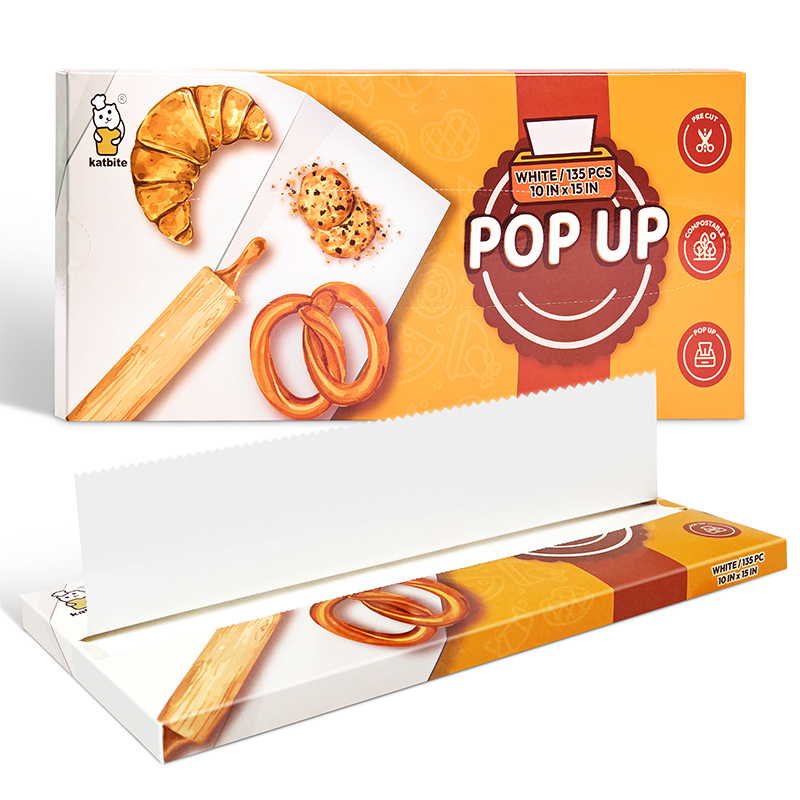
The sheets are already cut and arranged inside the package. Staff can take one when needed, without handling the entire roll. Unused paper also stays together inside the dispenser instead of spreading across the counter.
It may not change the way food is prepared, but it can make the surrounding routine easier to manage. For kitchens where the same tasks happen repeatedly, that convenience is worth considering.
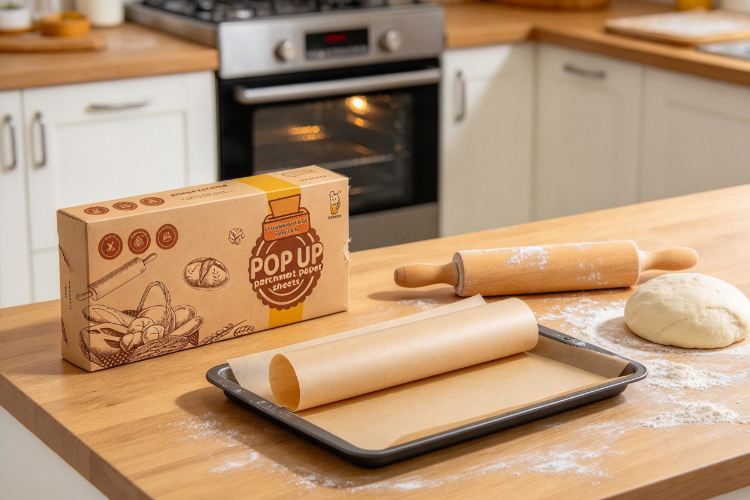
Where Do Pop-Up Parchment Paper Sheets Fit in a Commercial Kitchen?
Not every station needs parchment paper for the same reason. The bakery team may use it for trays, while packaging staff need it for selected food wrapping applications. Looking at each work area separately makes it easier to decide where a pop-up format belongs.
Bakery Stations Need Paper That Is Ready to Use
A baking station is perhaps the easiest place to understand the value of pre-cut sheets.
Picture an employee preparing trays of cookies before the next batch goes into the oven. With a traditional roll, the paper needs to be pulled out, cut, and adjusted to fit the tray. When the same task comes up repeatedly, this becomes a familiar interruption.
Pre-cut sheets remove that extra preparation step, as long as the sheet size matches the tray.
They can also be kept near pastry tables, where employees prepare suitable dough products before baking. Rather than searching for a roll or borrowing supplies from another station, staff can reach for the package beside them.
One thing should not be overlooked: the paper must suit the baking conditions. Sheet size, coating, and heat resistance all need to match the intended use.
Food Preparation Areas Need a Clear Working Space
Food preparation counters often become crowded. Ingredients, containers, utensils, and equipment all compete for room.
In this setting, a pop-up dispenser offers a straightforward way to store parchment paper. Employees can retrieve individual sheets for suitable preparation tasks without having to unroll paper across the counter.
For example, a kitchen preparing baked vegetables or pastry portions may keep sheets near the tray preparation area. When another tray is ready, the employee can take a sheet and continue working.
There is no need to leave the station to cut paper from a roll.
Of course, parchment paper has its own intended uses. It should not replace cutting boards, food storage containers, or the cleaning procedures required for food preparation surfaces.
Assembly Counters Benefit From Easy Access
Sandwich shops, hotel kitchens, and takeaway restaurants often have employees working side by side at assembly counters.
One person may prepare sandwiches while another arranges pastries or organizes takeaway orders. In a shared workspace, supplies need a clear place. Otherwise, employees spend time moving items around just to find what they need.
Pop-Up Parchment Paper Sheets can support selected assembly tasks where parchment paper is suitable. A dispenser placed near the working area gives employees direct access without taking out an entire roll.
The package should not interfere with food handling or occupy space needed for equipment. A sensible position on a nearby shelf or designated supply area is often enough.
Packaging Stations Have Different Paper Requirements
Packaging is not simply the final step of putting food into a box. Employees may need to arrange pastries, separate suitable food items, or prepare paper layers before closing containers.
Consider a bakery packing individual pastries for takeaway orders. If parchment paper is part of the packaging process, pre-cut sheets allow staff to retrieve the material as they work through the orders.
They do not have to stop and cut another piece each time.
Still, buyers should check whether the paper is suitable for the intended packaging application. Grease resistance, coating, material specifications, and food-contact requirements all matter.
Does the Pop-Up Format Actually Make Daily Work Easier?
The difference between a roll and a dispenser is easy to see when employees use parchment paper frequently.
A roll offers flexibility, but each use requires some handling. Pre-cut sheets are ready when their dimensions match the task. For a bakery that prepares similar trays throughout the day, this can make the routine feel more straightforward.
Storage is another consideration. Loose sheets can become mixed with other supplies, while a pop-up package keeps unused paper together. Employees also have a clearer idea of where to return or replace the package after use.
There is a practical benefit for kitchen managers, too. When a particular sheet size is assigned to a recurring task, preparation instructions become easier to follow. Staff do not need to estimate how much paper to cut each time.
The format will not suit every job, though. If employees regularly need unusual paper lengths, a roll may still be the sensible choice.
Pop-Up Parchment Paper Sheets or Traditional Rolls?
Both formats have a place in commercial kitchens. The difference comes down to how much flexibility a task requires and how often employees need parchment paper.
| Comparison | Pop-Up Parchment Paper Sheets | Traditional Parchment Paper Rolls |
|---|---|---|
| Format | Pre-cut individual sheets | Continuous roll |
| Handling | Take a sheet from the dispenser | Pull out and cut |
| Preparation | Ready for suitable tasks | Requires measuring |
| Dimensions | Fixed sheet sizes | Adjustable length |
| Storage | Dispenser-style package | Roll storage |
| Repeated tasks | Convenient for standard applications | Requires repeated cutting |
| Special applications | Depends on available sizes | More flexible for unusual dimensions |
For bakeries using similar trays every day, pop-up sheets can be a practical choice. They are also worth considering for preparation and packaging stations where employees need individual pieces throughout a shift.
Traditional rolls remain useful when sheet dimensions vary or a task calls for a longer piece of paper. There is no reason to replace a format that already works well for a particular operation.
What Should Buyers Look at Before Ordering?
A dispenser may look convenient, but the paper inside deserves just as much attention.
Start with dimensions. Compare the available sheet sizes with the trays and equipment already used in the kitchen. A sheet that is too small may not cover the intended surface, while one that is too large can fold over the edges.
Material quality is another consideration. Check the paper thickness, coating, grease resistance, and stated heat resistance. For baking applications, the manufacturer's instructions should clearly indicate the suitable operating conditions.
Silicone-coated parchment paper is commonly chosen for its non-stick properties, but products can differ. Buyers should review the actual specifications rather than assuming every product performs in the same way.
The packaging itself also matters. Can employees take one sheet without pulling out several? Is the opening easy to use? Will the package stay in place near the working area?
These are ordinary questions, but they are worth asking before placing a bulk order.
Food-contact documentation should also be requested from the supplier. Ask about the materials, coatings, applicable compliance requirements, and recommended applications. This helps purchasing teams match the product to their kitchen's requirements.
How Should Kitchens Set Up Their Pop-Up Paper Dispensers?
A new paper format does not require a major change to the kitchen layout. In many cases, the existing workstations only need a more convenient place for the package.
Watch how employees currently use parchment paper. If it is mainly used for baking trays, the dispenser belongs near the tray preparation area. If it is used for suitable packaging tasks, keeping it close to the packing counter makes more sense.
Avoid placing packages where they block equipment, interfere with food preparation, or get exposed to unnecessary moisture.
It also helps to assign a regular storage position. Employees should know where unused sheets belong and who is responsible for checking supplies during station setup.
In kitchens where several sheet sizes are used, simple labels can help prevent confusion. A baker should not have to open several packages just to find the right dimensions.
The aim is to make the new format fit the existing routine, not create another task for employees.
Finding a Suitable Pop-Up Parchment Paper Supplier
Commercial buyers often have different priorities. A bakery may focus on tray compatibility and non-stick performance, while a restaurant group may be more concerned with packaging design and consistent supply.
Before contacting a supplier, consider the actual applications, sheet dimensions, material requirements, coating, heat resistance, and packaging preferences.
If standard sizes do not fit the equipment, ask whether custom dimensions or packaging arrangements are available. Distributors and larger foodservice operations may also need clear product specifications across repeat orders.
Requesting samples is a sensible step. Employees can check how easily the sheets dispense, whether the paper fits existing trays, and how the package works on a real kitchen counter.
A product that looks convenient in a catalogue still needs to work during an ordinary preparation shift. That is why feedback from the people who handle parchment paper every day can be just as useful as the specifications provided by the supplier.
Related Products
-
-
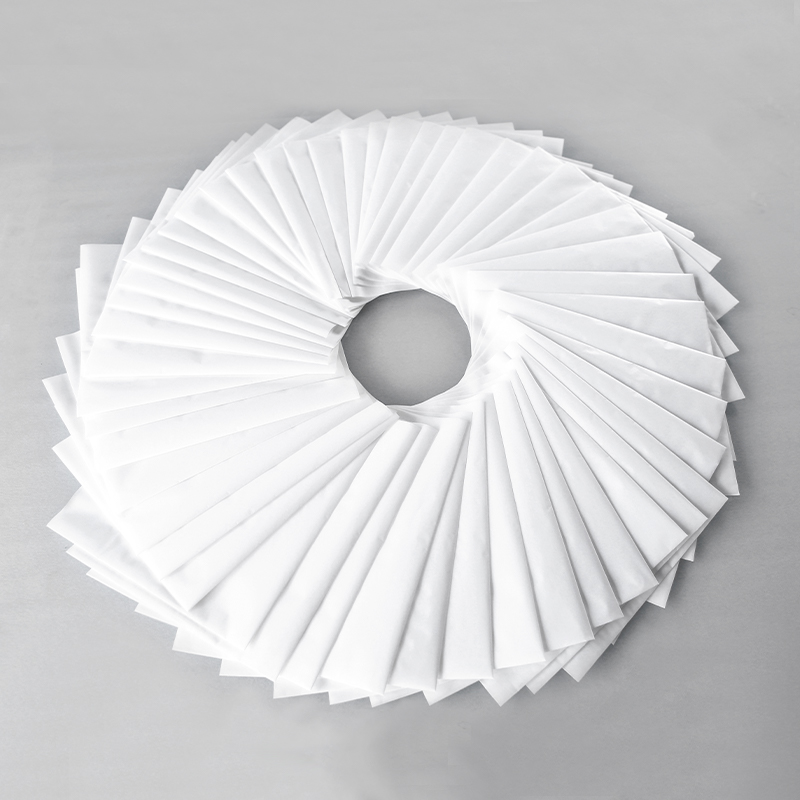
Folded Baking Paper Sheets, also known as Non Stick Baking Paper Sheets, are made from wood pulp and coated on both sides with a food-safe silicone layer. This coating gives the paper a smooth, grease...
See Details -
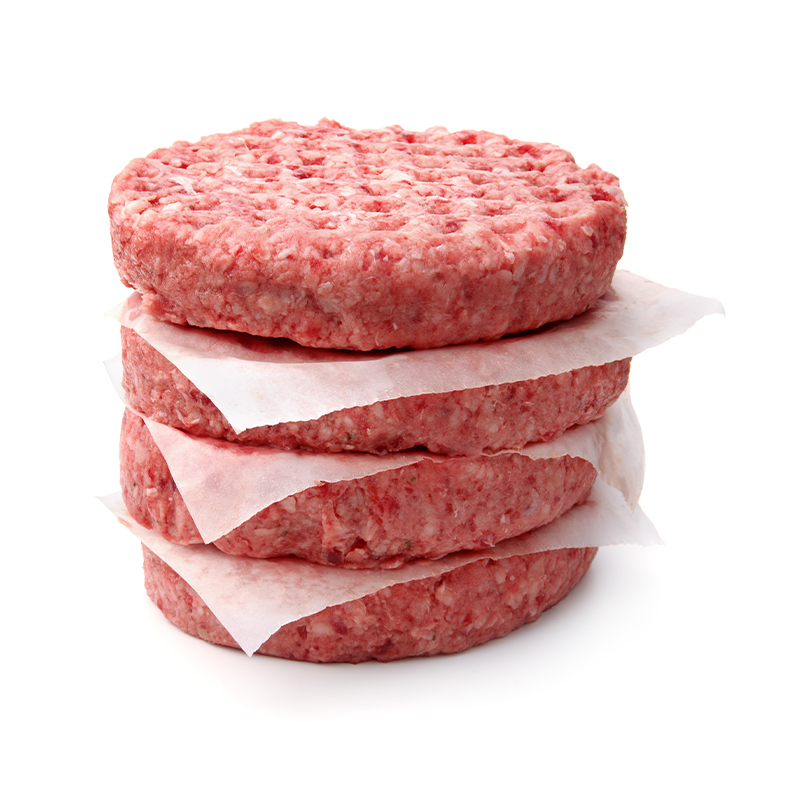
Description: Wax paper is the paper that is coated with food-grade wax in order to make it non-stick and waterproof. wax paper is very good for food storing and presentingMade of food-grade paper and ...
See Details -

Product Features: 1. Virgin wood pulp 2. Double sides food grade silicone-treated 3. Fluorine-free 4. Non-stick 5. Oven/Microwave safe 6. Freezer safe 7. Reusable 8. BPA f...
See Details -
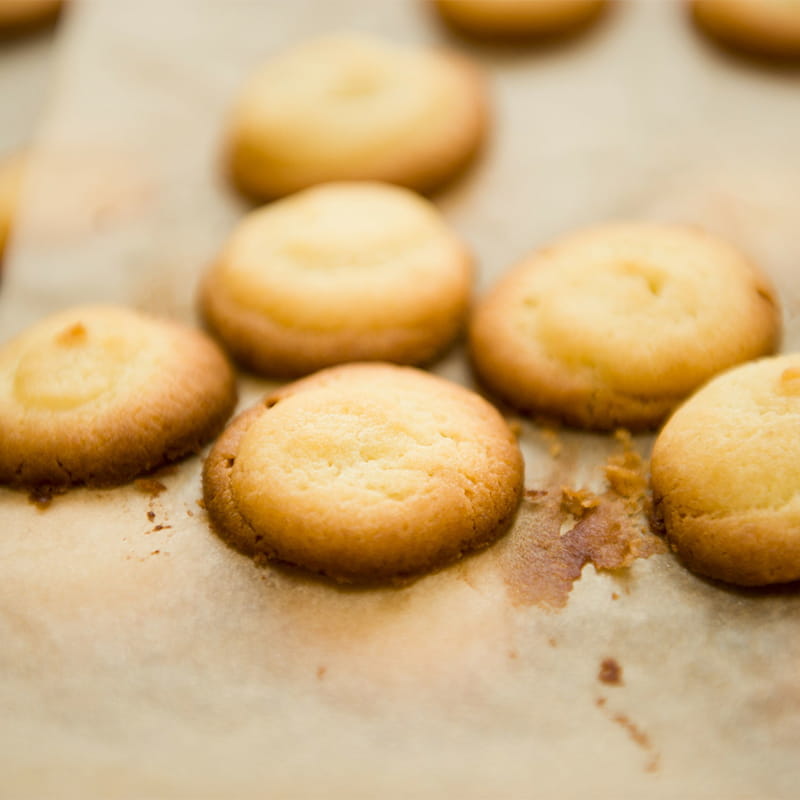
Product Features: 1. Virgin wood pulp 2. Natural unbleached brown color 3. Double sides food grade silicone-treated 4. Fluorine-free 5. Non-stick 6. Oven/Microwave safe 7. Fre...
See Details -
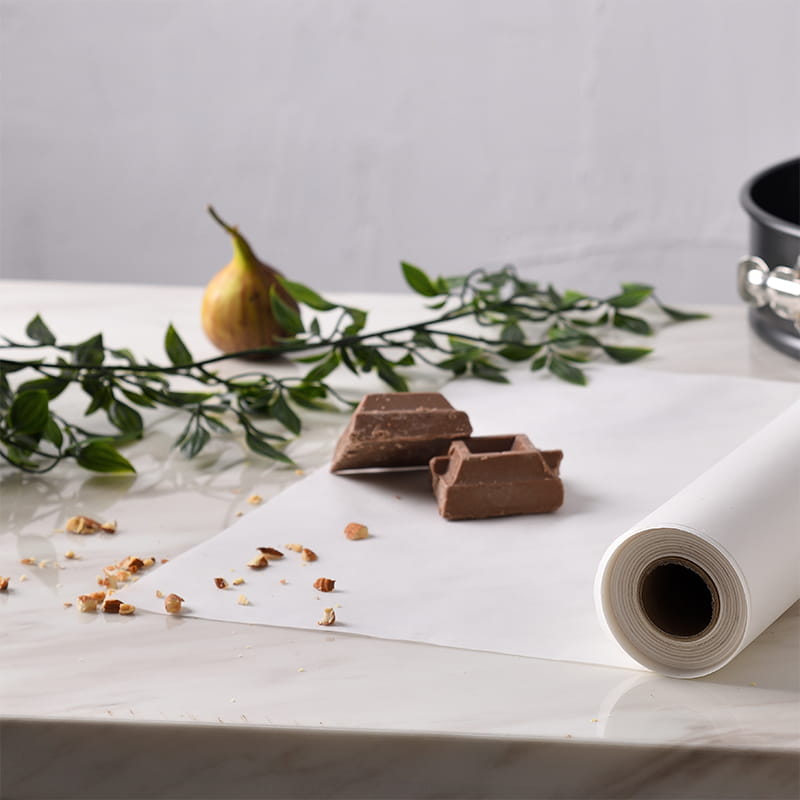
Product Features: 1. Virgin wood pulp 2. Double sides food grade silicone treated 3. Fluorine-free 4. Non-stick 5. Oven/Microwave safe 6. Freezer safe 7. Reusable 8. BPA ...
See Details -
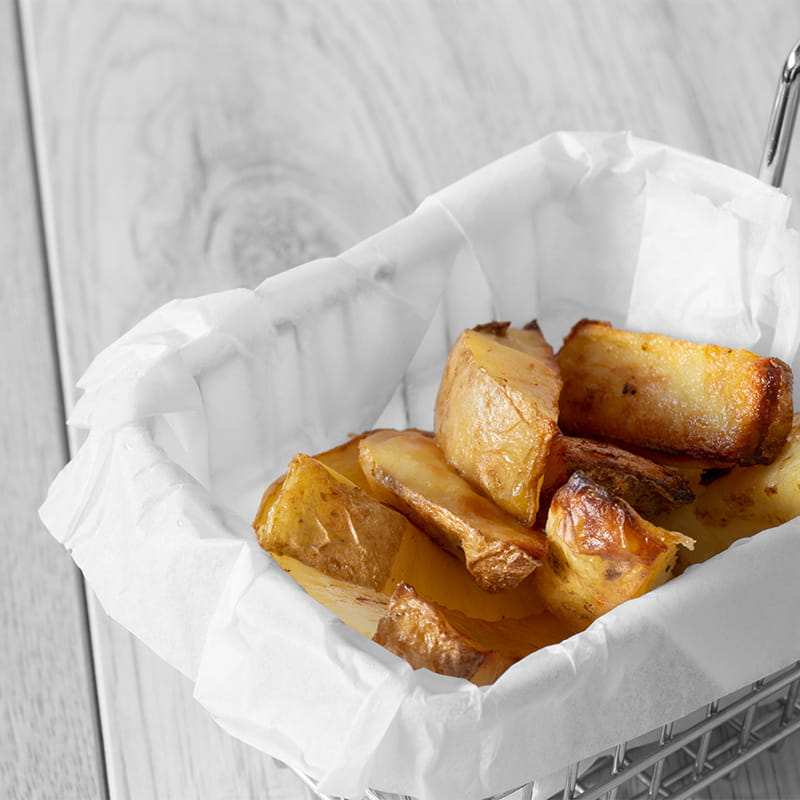
Product Features: 1. Virgin wood pulp 2. Fluorine-free 3. BPA free 4. Biodegradable Product Details: In an era where environmental consciousness and sustainability are paramount, Natu...
See Details -
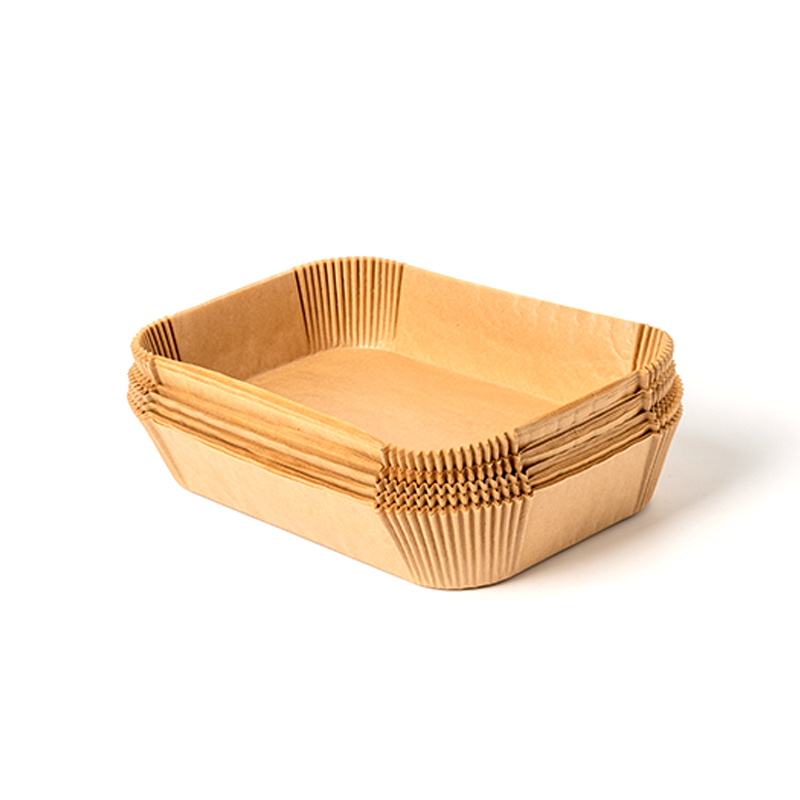
Product Features: 1. Virgin wood pulp 2. Double sides food grade silicone-treated 3. Fluorine-free 4. Non-stick 5. Air fryer basket safe 6. Reusable 7. BPA free 8. Biodeg...
See Details -
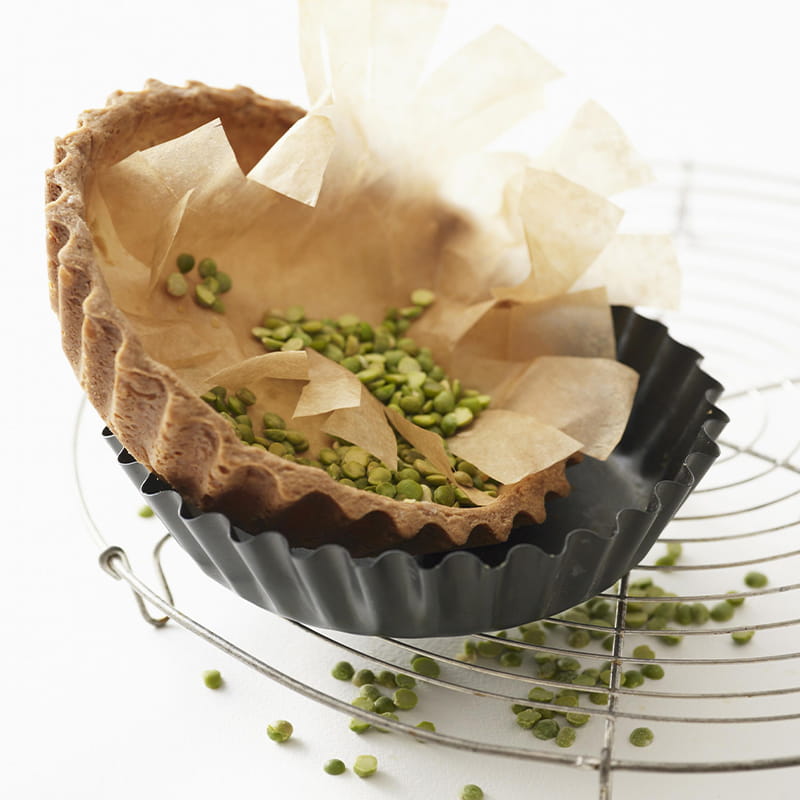
Product Features: 1. Virgin wood pulp 2. Natural unbleached brown color 3. Fluorine-free 4. BPA free 5. Biodegradable Product Details: Introducing our Unbleached Brown Food Grade ...
See Details -
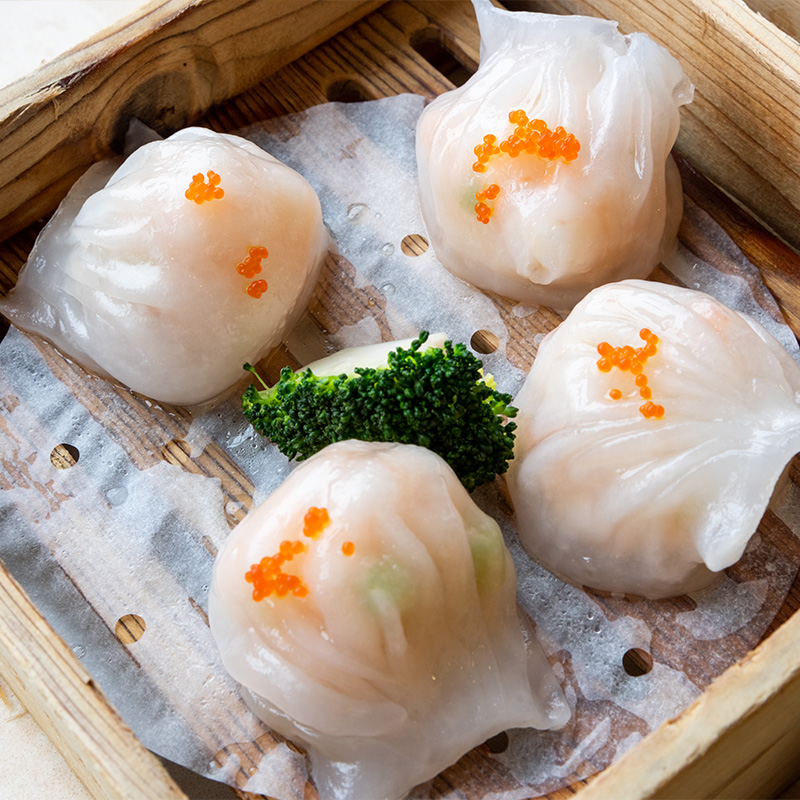
Product Features: 1. Virgin wood pulp 2. Double sides food grade silicone treated 3. Fluorine-free 4. Non-stick 5. Steamer/air fryer basket safe 6. Reusable 7. BPA free 8...
See Details -
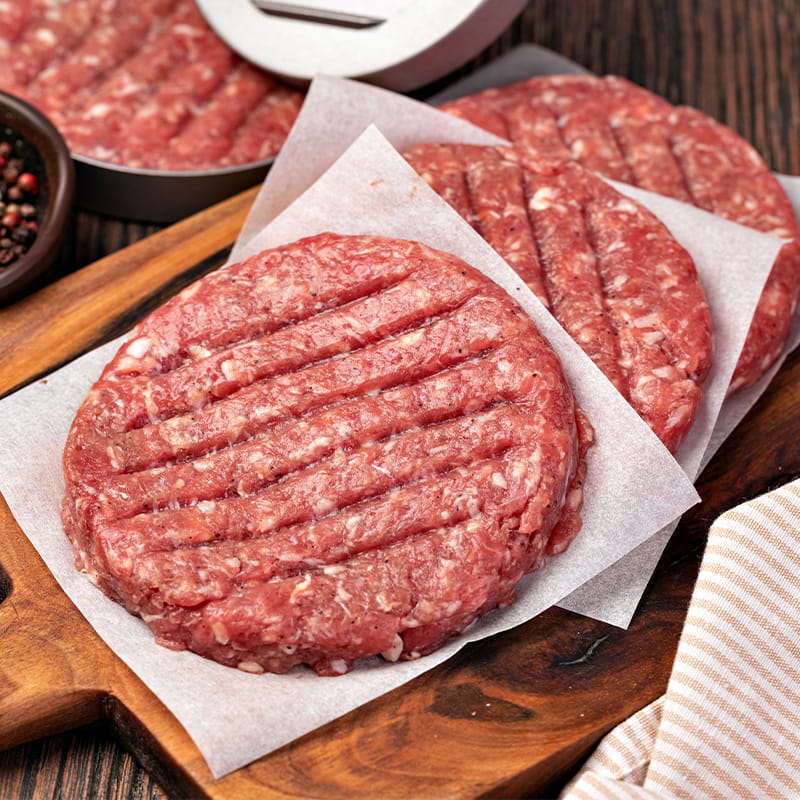
Product Features: 1. Virgin wood pulp 2. Double sides food grade silicone treated 3. Fluorine-free 4. Non-stick 5. Easy to separate 6. Reusable 7. BPA free 8. Biodegradab...
See Details -
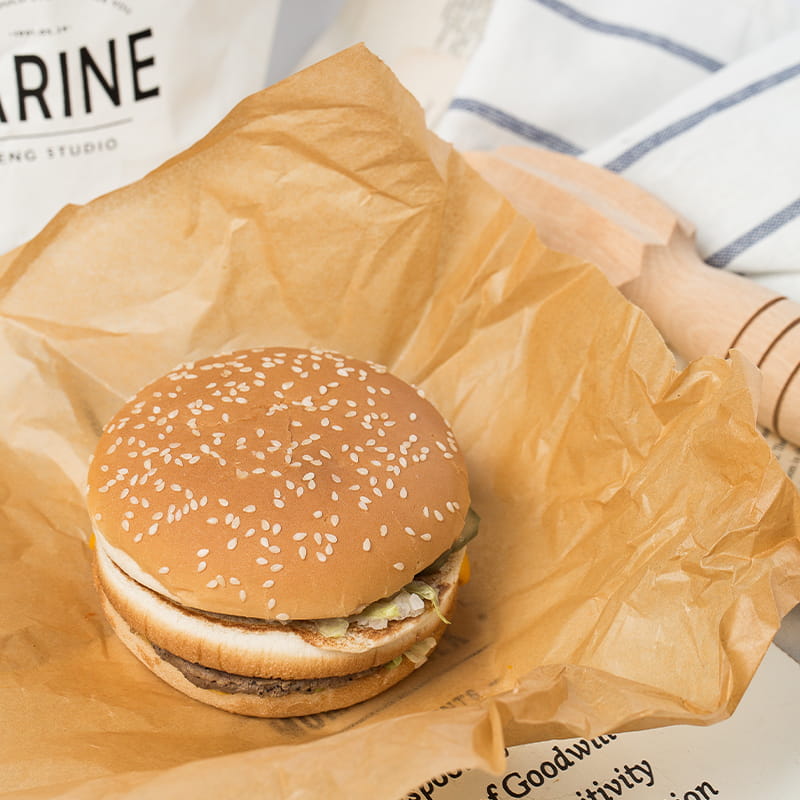
Product Features 1. Virgin wood pulp 2. Flexographic printing 3. Eco-friendly water-based ink 4. BPA free Product Details: Introducing our premium Greaseproof Sandwich Paper Sheets, a...
See Details

Professional Baking Parchment Paper Manufacturer in China with more than 15 years silicone coating experience.
Products
Contact Us
- No.10 Longyin Road, Chengnan Industrial Park,Longyou, Quzhou, China.
- +86-18968091013 / +86-571-88639705
- Avayao-1990@hotmail.com
Copyright © Zhejiang Guanghe New Materials Co., Ltd. All Rights Reserved.
Parchment Paper & Baking Paper Sheets Manufacturer
