 English
 中文简体

Pre Cut Baking Paper Sheets are made from wood pulp and coated on both sides with a food-safe silicone layer. This coating gives the paper a smooth, greaseproof, and moisture-resistant surface that su...
See DetailsCan Pre-Cut Baking Paper Sheets Be Used in Air Fryers
Air fryers handle roasted vegetables, small pastries, and weeknight dinners in a compact space with little oil. Baking paper can make cleanup easier, but not every sheet suits every cooking method or every appliance.
Pre-Cut Baking Paper Sheets can be used in an air fryer when the product is designed for those conditions and the appliance instructions allow it. Heat resistance, position in the basket, and the effect on airflow all matter. One common mistake deserves attention: a loose sheet placed in an empty basket during preheating can be lifted by the moving air toward the heating element.
What Should You Check Before Using Paper in the Basket?
What Are Pre-Cut Sheets For?
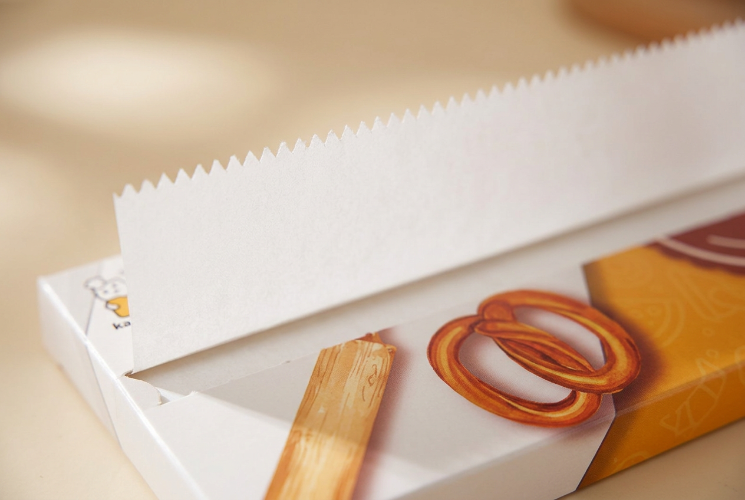
Pre-cut sheets come in a ready-to-use shape, so there is no need to trim paper from a roll. Some are flat, and others are shaped to fit a particular container. In an air fryer, paper limits direct contact between food and the basket and catches grease, crumbs, and small pieces. Marinated vegetables, pastries, and lightly oiled foods are typical examples.
Paper does not replace the basket. The appliance cooks with moving hot air, so a sheet must sit where the air can still do its work. A sheet that covers too much of the basket restricts circulation, and a loose one can shift during operation.
How Can You Tell If a Sheet Is Suitable?
Some baking paper is made for oven use, and some is described as suitable for air fryers. Two products that look alike may carry different instructions. Start with the packaging, and look for a clear statement about air fryer use, placement, and heating conditions. Oven suitability alone does not settle the question.
| What to Check | Why It Matters |
|---|---|
| Intended application | Confirms whether air fryer use is covered |
| Heat-resistance instructions | Shows the conditions the paper is designed for |
| Shape and size | Helps the sheet fit without overhang |
| Surface information | Clarifies how the paper is meant to touch food |
| Appliance manual | Reveals restrictions set by the air fryer maker |
If the appliance manual prohibits liners, follow it, even when the paper's packaging describes general heat resistance. When information is unclear, skipping the paper is a sensible choice.
What Does a Heat-Resistance Label Mean?
The label describes the conditions a product is intended for. It is not permission to use the paper anywhere inside the appliance. An air fryer pushes hot air through a small space, so the paper meets direct airflow, food contact, and local hot spots. Performance depends on placement and operation as well as on the material.
Heat resistance is also different from flame resistance. Cooking paper is not fireproof, and it can scorch or ignite if it touches a heating element. Restrictions such as staying beneath food or keeping clear of the element are part of safe use.
How Do Airflow and Preheating Affect Safe Use?
How Does Paper Change Airflow?
A large flat sheet reduces the open area where air moves, which can change how evenly food cooks. The effect varies with basket design, sheet shape, and the amount of food. Crowding the basket restricts airflow even without paper, so paper and a full load together may make the difference more noticeable.
- Paper covering a large portion of the basket: restricts airflow
- Paper climbing the sides: extra material may fold or block the air path
- Paper without food on top: the sheet may move in the airflow
- Paper over basket openings: air may reach the food differently
Pre-cut shapes make placement easier, yet the dimensions must suit the actual basket. A sheet made for another appliance may not fit properly.
Why Avoid Preheating with Loose Paper?
With no food to hold it down, the sheet can rise on the moving air and reach the heating element, where it may scorch or catch fire. A label written for air fryer use does not remove this risk. Follow the manual's preheating guidance, and place paper only when food is ready to hold it, if the instructions permit liners.
- Keep loose paper out of an empty air fryer during preheating.
- Avoid sheets larger than the basket or with loose edges.
- Let food hold the paper in place when instructions require it.
- Keep paper away from the heating element and restricted areas.
- Stop the appliance if the paper shifts, scorches, or produces an unusual smell.
A sheet that fits while the appliance is off may still move once the fan runs, so be careful when trying a new liner.
How Do You Choose, Use, and Care for the Sheets?
Which Size and Shape Fit Best?
A sheet that is too large may fold upward or overlap itself. One that is too small gives less coverage, though leaving part of the basket open can help airflow. Raised edges may contain residue, but they should not block air or approach the element. Compare the sheet with the basket and follow the manufacturer's guidance, without forcing it into place.
Food matters as well. Flat items sit easily on a flat sheet, while foods that release liquid or grease may suit a design made to contain residue. Some meals can be cooked in a clean basket without any liner, so use paper only when it offers a practical benefit.
How Should You Handle Them?
Check for tears or creases before cooking, and confirm the sheet is secure and clear of the element. If it moves or scorches during cooking, stop the appliance and let it cool before touching anything. Never reach into a hot appliance to reposition a sheet.
Reuse depends on the product instructions and the sheet's condition. Torn, heavily stained, or scorched paper should not go back in. Dispose of used sheets according to local waste guidance, and clean the basket as the manufacturer directs, avoiding tools that damage the surface. Store unused sheets dry, clean, flat, and away from heat.
What Should Buyers and Suppliers Consider?
Shoppers need clear statements of intended use and simple instructions, so they do not have to guess whether a baking product suits an air fryer. Suppliers should separate air fryer suitability from general oven use and include placement and handling guidance. A responsible description does not claim that paper removes all cleaning or promises a particular result, since outcomes depend on the food, appliance, placement, and handling.
For anyone choosing Pre-Cut Baking Paper Sheets, three questions matter: whether the product is meant for air fryers, whether its instructions match the appliance, and whether the sheet stays secure without blocking airflow.
Related Products
-
-
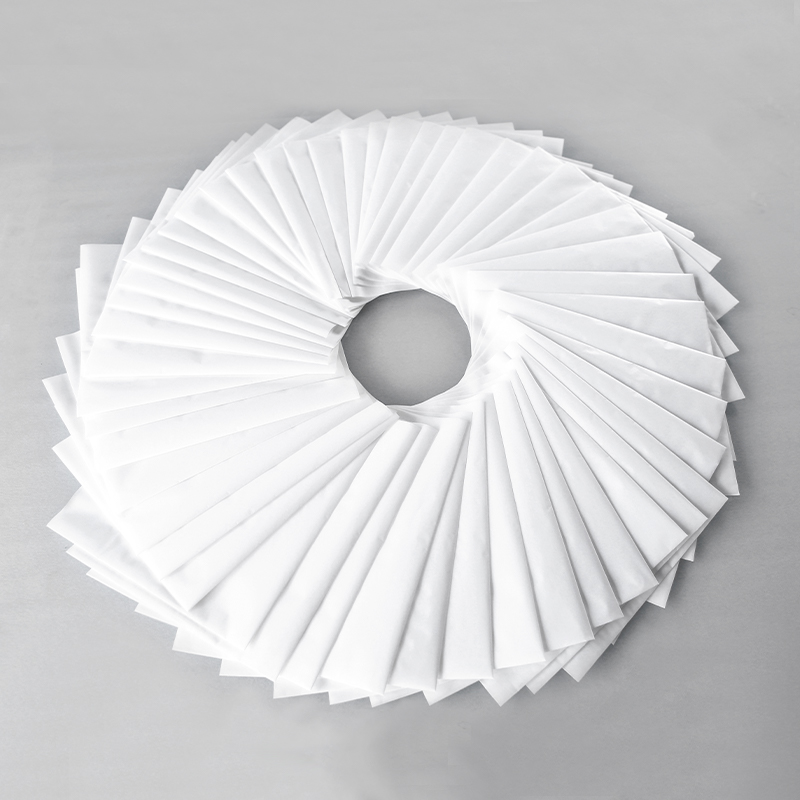
Folded Baking Paper Sheets, also known as Non Stick Baking Paper Sheets, are made from wood pulp and coated on both sides with a food-safe silicone layer. This coating gives the paper a smooth, grease...
See Details -
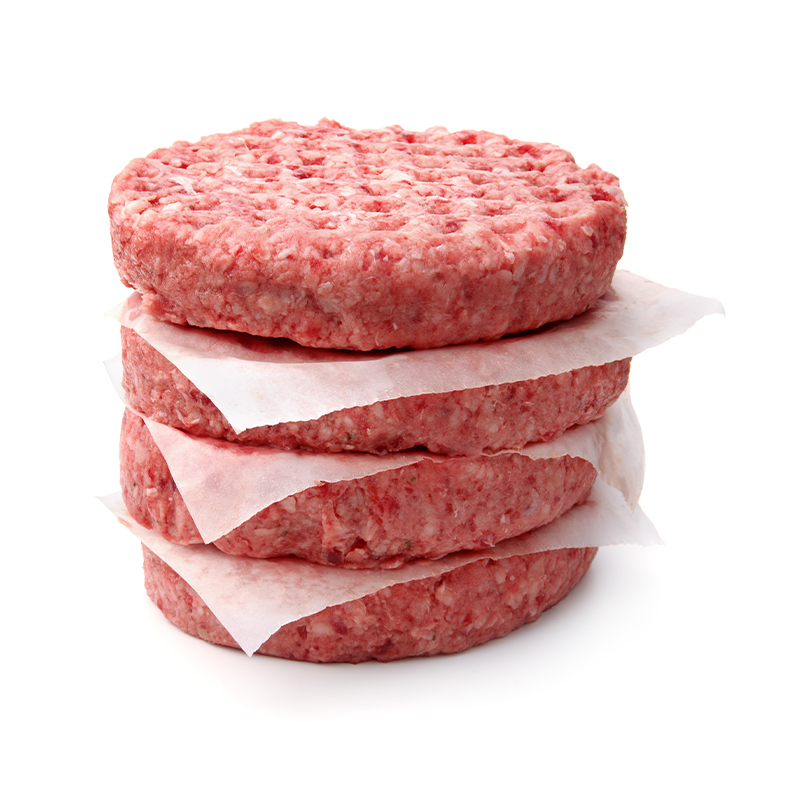
Description: Wax paper is the paper that is coated with food-grade wax in order to make it non-stick and waterproof. wax paper is very good for food storing and presentingMade of food-grade paper and ...
See Details -
Product Features: 1. Virgin wood pulp 2. Double sides food grade silicone-treated 3. Fluorine-free 4. Non-stick 5. Oven/Microwave safe 6. Freezer safe 7. Reusable 8. BPA f...
See Details -
Product Features: 1. Virgin wood pulp 2. Natural unbleached brown color 3. Double sides food grade silicone-treated 4. Fluorine-free 5. Non-stick 6. Oven/Microwave safe 7. Fre...
See Details -
Product Features: 1. Virgin wood pulp 2. Double sides food grade silicone treated 3. Fluorine-free 4. Non-stick 5. Oven/Microwave safe 6. Freezer safe 7. Reusable 8. BPA ...
See Details -
Product Features: 1. Virgin wood pulp 2. Fluorine-free 3. BPA free 4. Biodegradable Product Details: In an era where environmental consciousness and sustainability are paramount, Natu...
See Details -
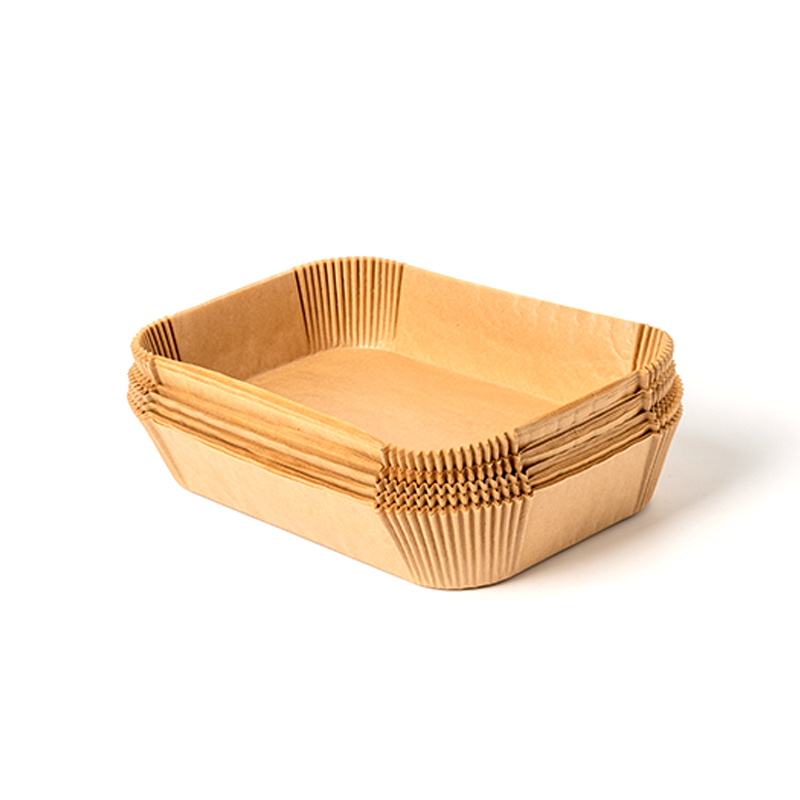
Product Features: 1. Virgin wood pulp 2. Double sides food grade silicone-treated 3. Fluorine-free 4. Non-stick 5. Air fryer basket safe 6. Reusable 7. BPA free 8. Biodeg...
See Details -
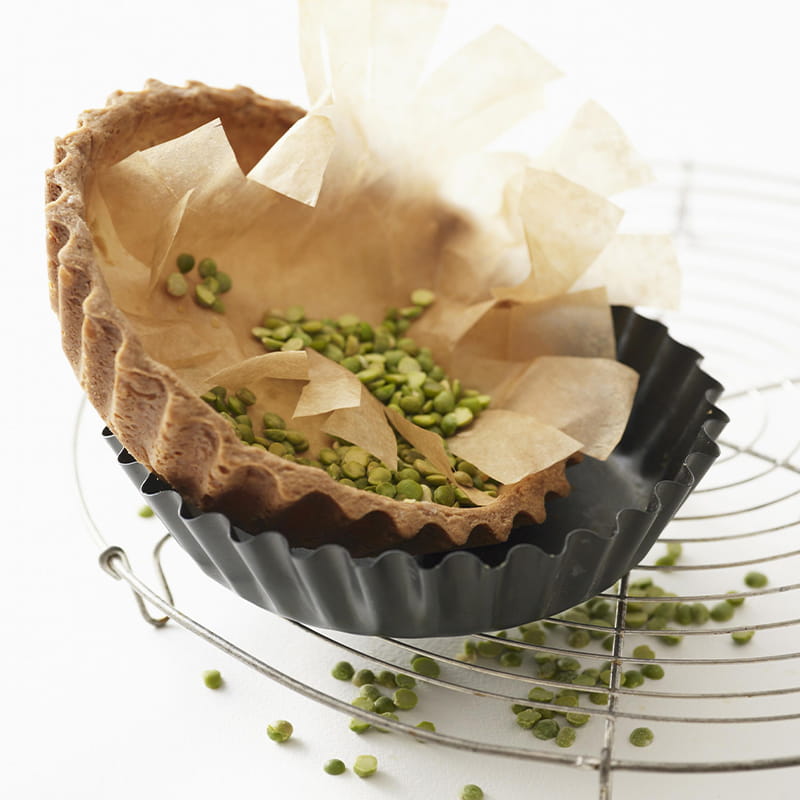
Product Features: 1. Virgin wood pulp 2. Natural unbleached brown color 3. Fluorine-free 4. BPA free 5. Biodegradable Product Details: Introducing our Unbleached Brown Food Grade ...
See Details -
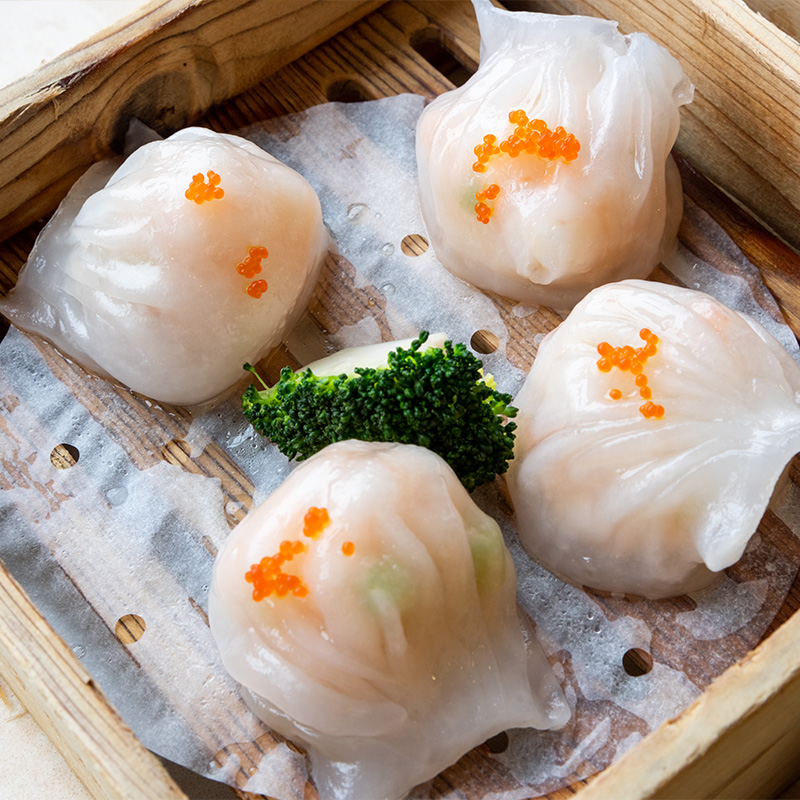
Product Features: 1. Virgin wood pulp 2. Double sides food grade silicone treated 3. Fluorine-free 4. Non-stick 5. Steamer/air fryer basket safe 6. Reusable 7. BPA free 8...
See Details -
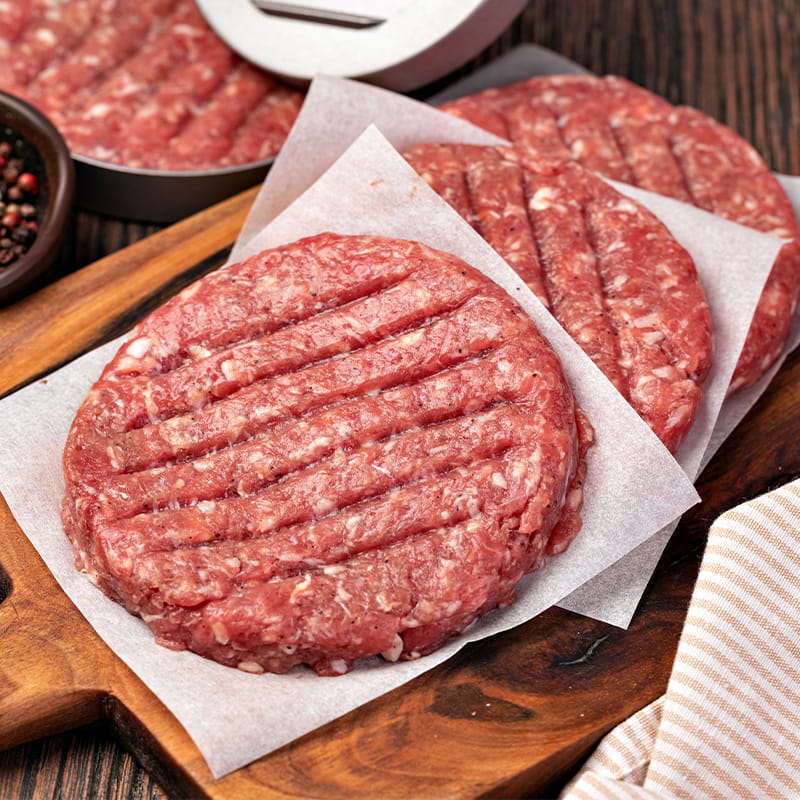
Product Features: 1. Virgin wood pulp 2. Double sides food grade silicone treated 3. Fluorine-free 4. Non-stick 5. Easy to separate 6. Reusable 7. BPA free 8. Biodegradab...
See Details -
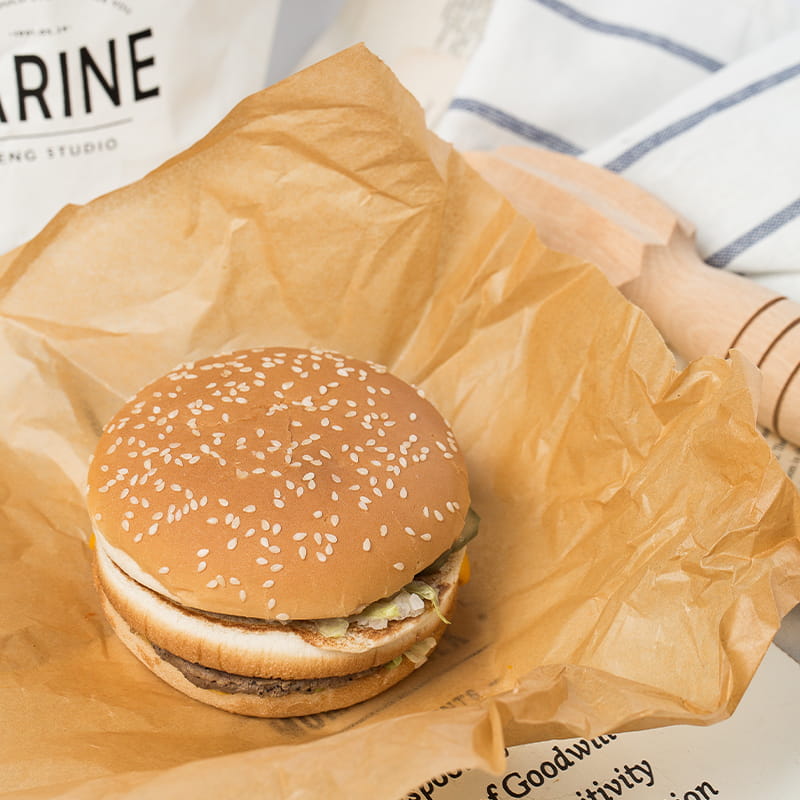
Product Features 1. Virgin wood pulp 2. Flexographic printing 3. Eco-friendly water-based ink 4. BPA free Product Details: Introducing our premium Greaseproof Sandwich Paper Sheets, a...
See Details

Professional Baking Parchment Paper Manufacturer in China with more than 15 years silicone coating experience.
Products
Contact Us
- No.10 Longyin Road, Chengnan Industrial Park,Longyou, Quzhou, China.
- +86-18968091013 / +86-571-88639705
- Avayao-1990@hotmail.com
Copyright © Zhejiang Guanghe New Materials Co., Ltd. All Rights Reserved.
Parchment Paper & Baking Paper Sheets Manufacturer
