 English
 中文简体
中文简体
Product details: Pop-up parchment paper sheets, an environment-friendly product, are composed of wood pulp and are double-side coated with silicone. Such a coating makes our paper smooth, greasepr...
See DetailsNon-Stick Baking Parchment Paper Sheets for Modern Kitchens
Kitchens see all kinds of messes from sticking food, burnt bottoms, or trays that take forever to clean. Non-stick baking parchment paper sheets step in as a simple fix that sits between food and the pan. The paper has a surface that lets cookies, cakes, or roasted things slide off without leaving chunks behind. No need to grease the pan with butter or spray oil that builds up over time. The sheet stays flat on the tray, catches drips, and keeps the pan looking clean after use. Cleanup turns quick—just lift the paper and toss it, maybe wipe the tray once if a little grease got through. The paper handles heat well enough for baking or roasting, so it doesn' t curl or tear in the oven. Cooks grab it for routine jobs like lining trays for biscuits, separating layers of cooled pastries, or wrapping sandwiches to keep fillings from leaking. The material feels sturdy but flexible, so it folds around odd shapes or cuts to fit smaller pans without much trouble. It keeps food from sticking, so presentation stays neat and trays don't get scratched or worn from scraping. The paper works in ovens for baking, on stovetops for gentle steaming packets, or even in microwaves for quick reheats. It catches grease from meats or oils from vegetables, so the cooking surface stays dry underneath. That makes the kitchen run smoother, with less time spent scrubbing and more time on actual cooking.
How Non-Stick Baking Parchment Paper Sheets Get Made
Fibers for the paper come from natural sources that get processed without heavy chemical treatments. The material gets pressed tight to create a surface that resists grease soaking through. No thick coatings get added that could flake off or break down under heat. The paper holds together when moisture hits it from steaming or juicy foods. It bends without cracking, so it shapes around pan edges or folds into packets that seal in flavor. The surface stays non-stick enough for delicate items like fish fillets or soft dough that would otherwise tear when removed. Production keeps things basic so the paper remains food-safe and doesn't add strange tastes or smells. Disposal stays easy—the paper breaks down in compost piles or gets recycled in paper streams. The whole process avoids extras that make other papers hard to handle after use. The sheet feels solid when picked up but flexes for different tasks. It works reliably across baking, roasting, or wrapping without adding steps or worries.
Common Ways to Use Non-Stick Baking Parchment Paper Sheets
Line trays before placing cookie dough or biscuit rounds—the paper prevents sticking and helps even browning. Roast vegetables or meat pieces directly on the sheet; grease stays on top so the pan wipes clean. Fold fish or chicken with herbs into packets—the paper holds moisture for steaming while resisting sogginess from condensation. Wrap sandwiches or rolls for lunches; oils or sauces don't soak through to the bag. Separate cooled layers of cakes or pastries in storage so they don't glue together. Cut or fold the paper to fit muffin tins, loaf pans, or irregular bakeware. The same sheet handles all these jobs—grease stays contained, food releases clean, residue stays minimal. The paper adapts to different pan sizes or shapes without much effort.
Benefits During Baking and Roasting Tasks
Cookies and pastries brown evenly because heat moves around without the paper blocking paths. Pieces lift off whole, no torn edges or stuck bits. Roasted vegetables crisp up as moisture escapes instead of steaming in place. Meats release juices onto the paper rather than burning onto the pan bottom. The natural color reflects heat in a balanced way, so edges don't darken too fast while centers finish. Foods cool on the paper without sogginess transferring back to the tray. The process shortens cleanup time since the mess stays with the discarded sheet. Baking trays look ready for the next batch with just a quick wipe.
Heat Resistance and Daily Reliability
The paper takes oven heat without scorching or weakening early. It stays flat during long bakes or quick roasts, no rips that let grease through. Steam packets hold tight—the material softens slightly but doesn't dissolve or tear from condensation. Microwave reheats go without sparking or shrinking. The fibers keep strength even when damp from food juices, so liners don't collapse mid-cook. Release works the same every time—food slides off instead of clinging, cutting down on wasted portions or extra scraping. Reliability shows up batch after batch, no sudden failures or surprises.
Moisture and Grease Handling in Practice
Excess liquid from marinades or fats gets contained on the surface. Roasted items crisp because moisture moves away instead of pooling. Baking surfaces stay dry underneath, so hot spots don't form. Grease collects in place rather than spreading across pans. After use, the paper discards with the mess attached, leaving cooking areas with faint marks that wipe off fast. The absorbent quality improves texture and shortens post-meal work without drawing attention during cooking.
Versatility in Other Kitchen Tasks
Wrap fresh bread to keep crust crisp while trapping moisture. Line drawers or shelves to catch drips from oils or sauces. Separate layers in gift baskets so items don't touch. Cover counters during messy prep like breading or marinating. Fold into cones for pouring dry ingredients without spills. The paper bends around shapes quickly. Cold uses work too—line platters for serving or wrap produce to hold freshness. The material handles hot and cold tasks without changing behavior.
Comparison of Non-Stick Baking Paper Features
| Aspect | Coated Traditional Papers | Natural White Uncoated Greaseproof Paper |
|---|---|---|
| Grease Blocking | Relies on added layers | Comes from dense fiber weave |
| Added Chemicals | Usually included | None present |
| Food Release | Varies with coating | Steady natural release |
| Heat Tolerance | Solid but coating-dependent | Consistent in oven and microwave |
| Cleanup Effort | Often needs scraping or soaking | Lift sheet, quick wipe |
| Disposal | Breaks down slowly | Compostable |
| Flavor Impact | Can add subtle notes | Stays neutral |
| Range of Uses | Narrower in some methods | Works across baking, roasting, wrapping |
Environmental Aspects of Using Non-stick Baking Parchment Paper Sheets
The fibers in this paper come from sources that grow back naturally without needing heavy sprays or fertilizers dumped on the ground every season. That keeps the soil from getting worn out or full of chemicals that linger for years. Production stays simple—no thick coatings get added like some other papers have, those coatings that make the paper take forever to break down or turn into tiny bits that float around in water. Skipping those extra layers means the paper goes back to nature quicker and cleaner. After cooking or wrapping, the used sheet heads to a compost pile out back if you have one. It rots down into dark, crumbly stuff that mixes into garden soil. If home composting isn't an option, it can go to bigger composting places that handle paper waste the same way. Either path, it turns into something useful again instead of sitting in a landfill or drifting out to sea as little pieces. The uncoated way keeps factory steps fewer, so there's less runoff into rivers or smoke going up chimneys. Picking this paper doesn't change how you cook—food still bakes the same, trays still clean up fast—but the waste side feels lighter. It lines up with daily routines that try to throw away less while still keeping meals straightforward. Over weeks and months, those small choices add up without forcing any big shifts in the kitchen. The paper just does its job, then disappears quietly without leaving much trace behind.
Why Non-stick Baking Parchment Paper Sheets Becomes a Kitchen Staple
Cooks grab this paper because it quietly fixes sticking and cleanup headaches that used to slow things down. Trays come out looking almost new—no baked-on grease or stuck crumbs to scrape off. Food releases clean, so cookies or roasted vegetables look right, taste right, without pieces left behind. The natural feel doesn't add odd coating taste or plastic smell. Home cooking happens more often because the whole thing feels less like a chore. Wrapping sandwiches or lining pans takes seconds instead of messing with foil that tears or plastic that sticks. The paper works the same for baking, roasting, steaming packets, or separating layers—no need to switch products mid-session. Drawers stay less cluttered with fewer types of liners or wraps. Over weeks of use, counters stay cleaner, trash bags fill slower, and the routine feels smoother. The paper settles in as something you just grab without thinking because it does what it needs to do without any fuss or drama. It becomes one of those items you reach for automatically, like salt or a spatula, because it makes the job easier without asking for much in return. The sticking problems fade away, the cleanup shortens, and the kitchen just runs better day after day.
Longer-Term Advantages in Home and Household Settings
Pans and trays keep their original surface longer when the paper sits between the food and the metal. Less scrubbing means non-stick coatings don't wear thin as fast, and plain metal stays smoother without constant scraping. Trash cans don't overflow as quickly since one sheet replaces several pieces of foil or plastic wrap that would have been crumpled up and tossed. Compost bins get a steady supply of material that rots down into dark soil over time instead of sitting in landfills. Recipes turn out the same every time—no unexpected flavor changes or texture shifts from whatever the paper is made of. Storage stays neater because layers of cookies, cakes, or sliced meats separate cleanly without sticking together in the container. Daily kitchen work starts feeling lighter and more predictable after a while. The small changes build up, making the whole space run a bit easier and stay in better shape without anyone having to think hard about it. Pans don't get scratched from scraping stuck food, trays don't collect baked-on residue that builds up over months, and the trash doesn't pile up with disposable stuff that doesn't break down. The paper quietly helps keep things in good condition longer, so replacements happen less often.
The paper quietly fixes sticking and cleanup headaches. Trays look almost new—no grease or crumbs to scrape. Food releases clean, cookies or vegetables look and taste right, no pieces left behind. The natural feel doesn't add odd taste or smell. Home cooking happens more because it feels less like work. Wrapping or lining takes seconds instead of fighting foil or plastic. The paper works the same for baking, roasting, steaming, separating—no switching mid-job. Drawers stay less cluttered. Over weeks, counters cleaner, trash lighter, routine smoother. The paper becomes something you grab without thinking, like salt or a spatula, making jobs easier without much in return. Sticking fades, cleanup shortens, kitchen runs better day after day.
Pans and trays hold surface longer with paper shielding. Less scrubbing keeps non-stick intact, metal smooth. Trash fills slower with paper replacing foil or plastic. Compost gets material that breaks down into soil. Recipes stay the same—no flavor or texture shifts. Storage organizes better with separators preventing sticking. Routines feel lighter and predictable. Small changes build up, space runs easier, stays in shape without much thought. Pans avoid scratches from scraping, trays avoid residue buildup, trash avoids non-breaking stuff. The paper helps keep things good longer, replacements less often.
How It Supports Sustainable Kitchen Practices
This paper slips into routines that lean toward using things that can come back instead of disappearing forever. Fibers grow again from the same managed land, production skips the heavy chemical steps that make other materials harder to handle later, and disposal circles back through compost or recycling without much trouble. Kitchens end up with less waste piling up while still turning out the same meals. The choice fits right into keeping land, water, and air in better shape for longer stretches. It gently pushes small habits that spread—using paper wraps instead of plastic, lining trays instead of scrubbing more, storing with natural separators instead of synthetic sheets. Those patterns carry over to other parts of the house: packaging food for the fridge, lining shelves to catch drips, wrapping gifts or produce. The paper doesn't demand big changes; it just works in ways that line up with lowering impact while keeping daily life practical and unchanged. Over time, those small choices add up without forcing anything new on the routine. The kitchen stays functional, meals stay tasty, and the waste side feels a little lighter each week.
Practical Value in Daily Kitchen Use
Non-stick baking parchment paper sheets do their job without making cooking feel complicated or heavy. They handle heat, grease, and moisture in a plain way—no extra tricks or problems. Cleanup gets shorter because the paper catches drips and lets food come off clean. Trays end up looking almost untouched after use. No more wrestling with stuck bottoms or burnt-on edges. The paper sits under food, grabs the mess, and lets things slide off without leaving chunks behind. It takes care of everyday stuff like lining trays for biscuits or cookies, roasting vegetables or meat, folding steaming packets, or wrapping lunches to go. The paper bends around pan edges, folds into neat packets, cuts down to fit smaller trays or tins without ripping. The surface holds grease in place, keeps moisture where it belongs, and stops food from gluing to the metal. Cleanup turns into lifting the paper and maybe a quick wipe with a cloth. The paper stays flat in the oven, doesn't curl up or scorch, and releases food whole every time. It works fine for delicate pastries that tear easy, roasting meats that drip fat, or separating stored layers so they don't stick together. The natural feel doesn't add any weird taste or smell to the food. Disposal stays simple—toss it in compost if you have it going, or regular trash without worrying about it hanging around forever. The paper fits right into busy days without adding steps or headaches. It keeps the kitchen cleaner, cuts down on waste, and makes cooking feel smoother day in and day out. Cooks start reaching for it automatically because it solves sticking and cleanup without asking for anything extra. The practical side shows up in quicker prep, faster cleanup, steadier results, and less overall hassle. The paper quietly backs up daily work, keeping things simple while giving consistent results. It becomes part of the kitchen without any big announcement—just reliable help that makes routines easier and spaces cleaner over time. The sheets stay in the drawer, ready for whatever comes next, handling heat and mess without complaint. Trays wipe clean fast, food looks and tastes the way it should, and the kitchen doesn't end up a disaster zone after every meal. The paper quietly makes the difference, day after day, without drawing attention to itself. It keeps sticking away, cleanup short, and the whole process less of a drag. The value sits in that quiet reliability—less scrubbing, less waste, more time for the actual cooking. The paper fits in naturally, works without fuss, and leaves the kitchen better off after each use. Cooks keep coming back to it because it just works, plain and simple. The sheets become a go-to item, like a good knife or cutting board, because they take care of the annoying parts without extra effort. The kitchen runs smoother, stays cleaner, and feels less like work because of it. The paper quietly supports all that, batch after batch, without ever getting in the way.
Related Products
-
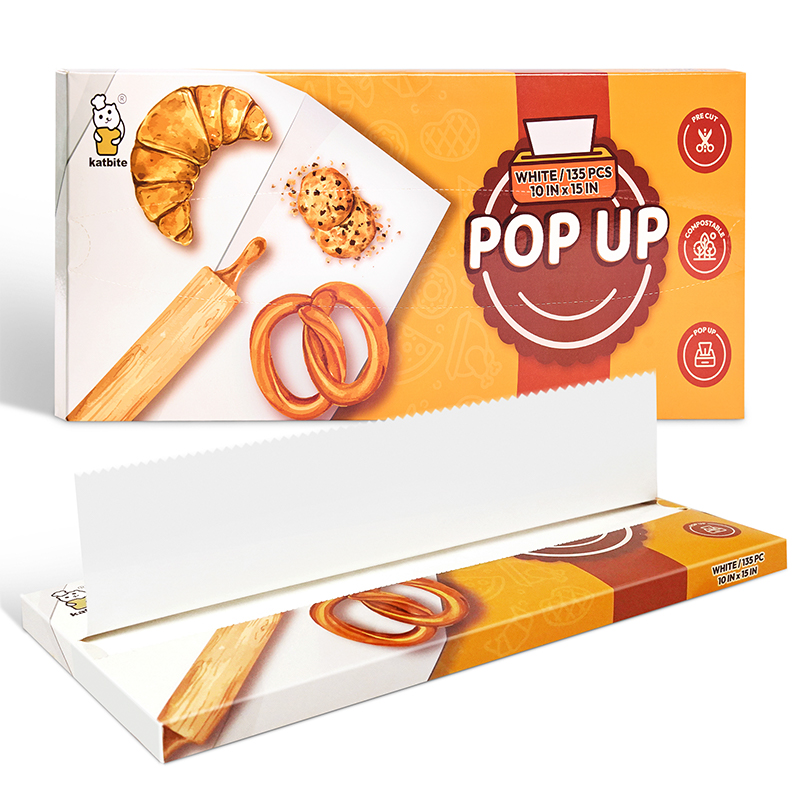
-
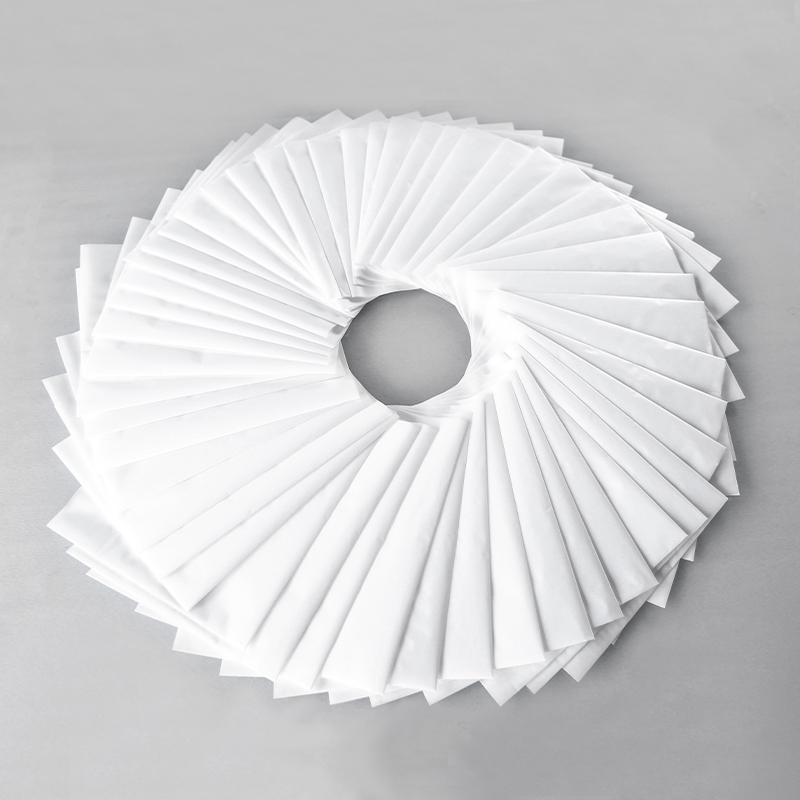
Product details: Folded baking paper sheets, an environment-friendly product, are composed of wood pulp and are double-side coated with silicone. Such a coating makes our paper smooth, greaseproof and...
See Details -
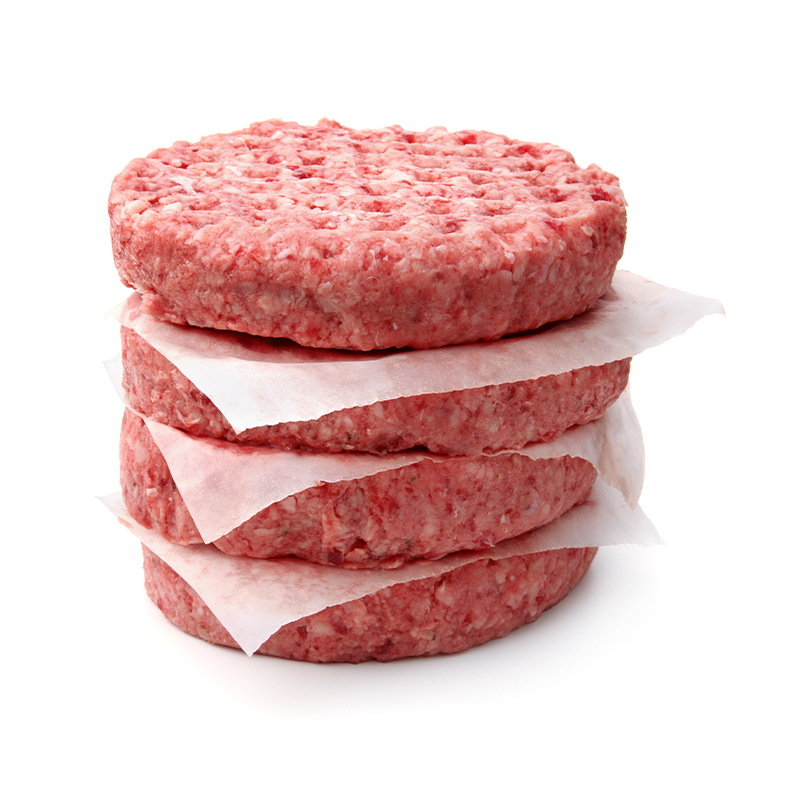
Description: Wax paper is the paper that is coated with food-grade wax in order to make it non-stick and waterproof. wax paper is very good for food storing and presentingMade of food-grade paper and ...
See Details -
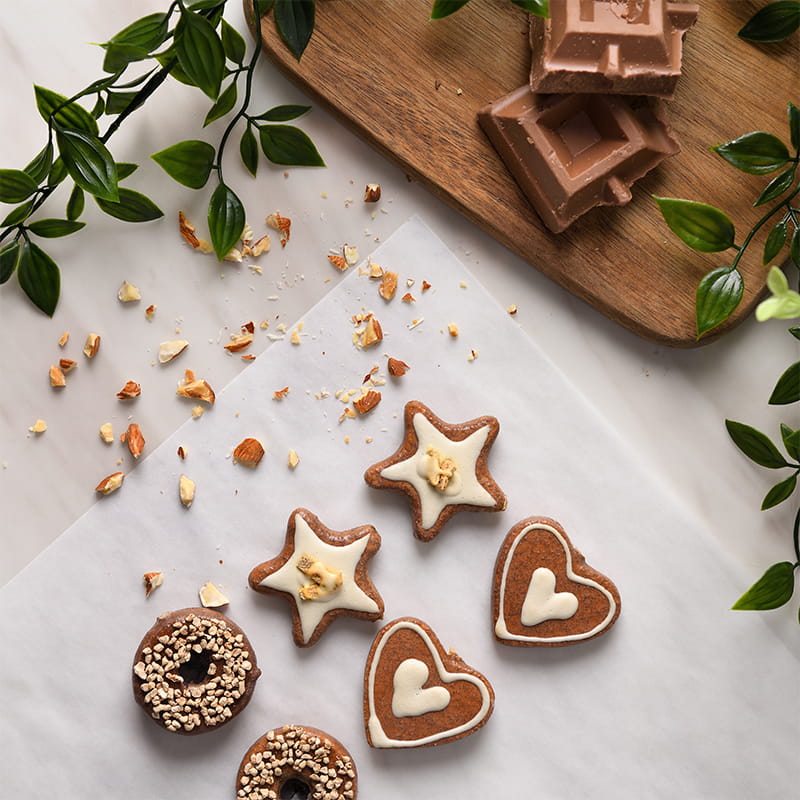
Product Features: 1. Virgin wood pulp 2. Double sides food grade silicone-treated 3. Fluorine-free 4. Non-stick 5. Oven/Microwave safe 6. Freezer safe 7. Reusable 8. BPA f...
See Details -
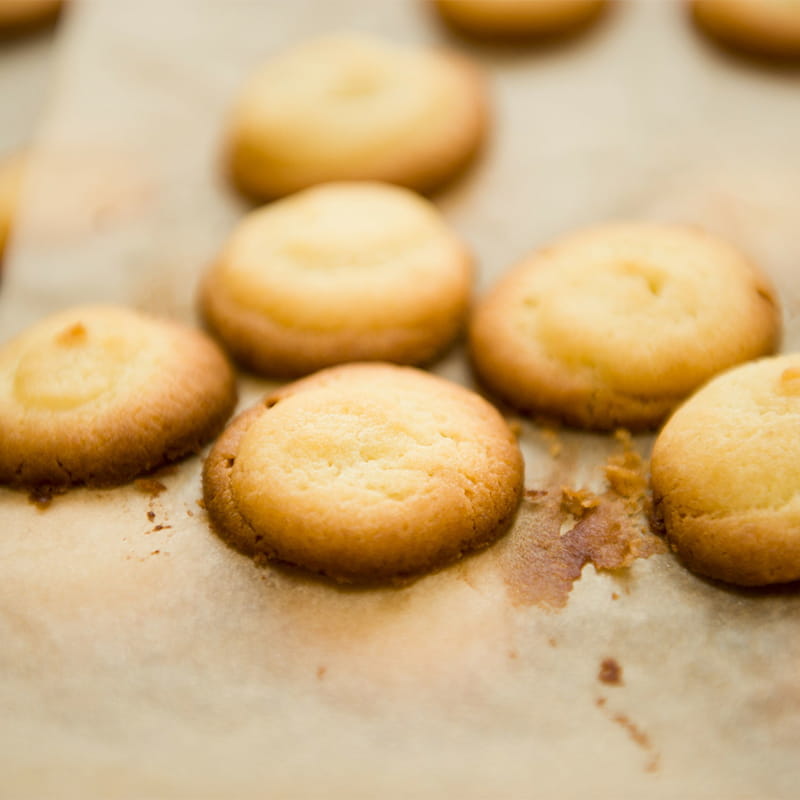
Product Features: 1. Virgin wood pulp 2. Natural unbleached brown color 3. Double sides food grade silicone-treated 4. Fluorine-free 5. Non-stick 6. Oven/Microwave safe 7. Fre...
See Details -
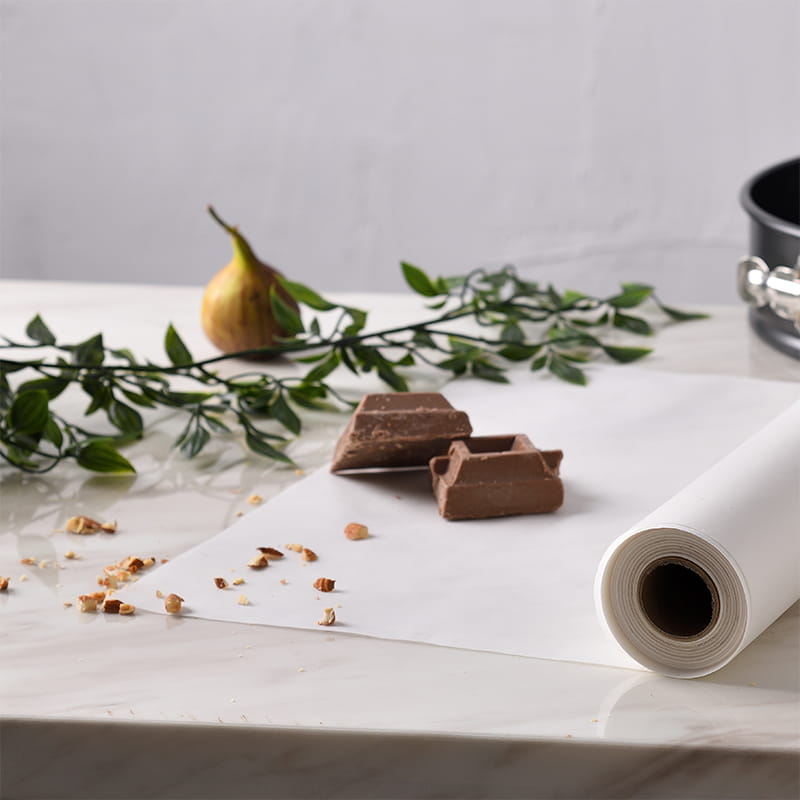
Product Features: 1. Virgin wood pulp 2. Double sides food grade silicone treated 3. Fluorine-free 4. Non-stick 5. Oven/Microwave safe 6. Freezer safe 7. Reusable 8. BPA ...
See Details -
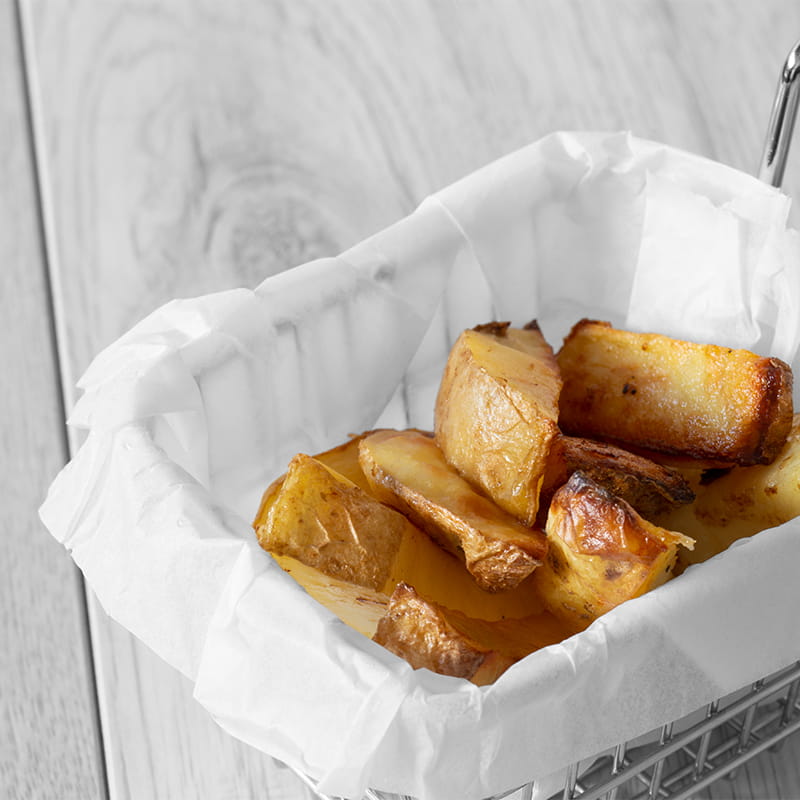
Product Features: 1. Virgin wood pulp 2. Fluorine-free 3. BPA free 4. Biodegradable Product Details: In an era where environmental consciousness and sustainability are paramount, Natu...
See Details -
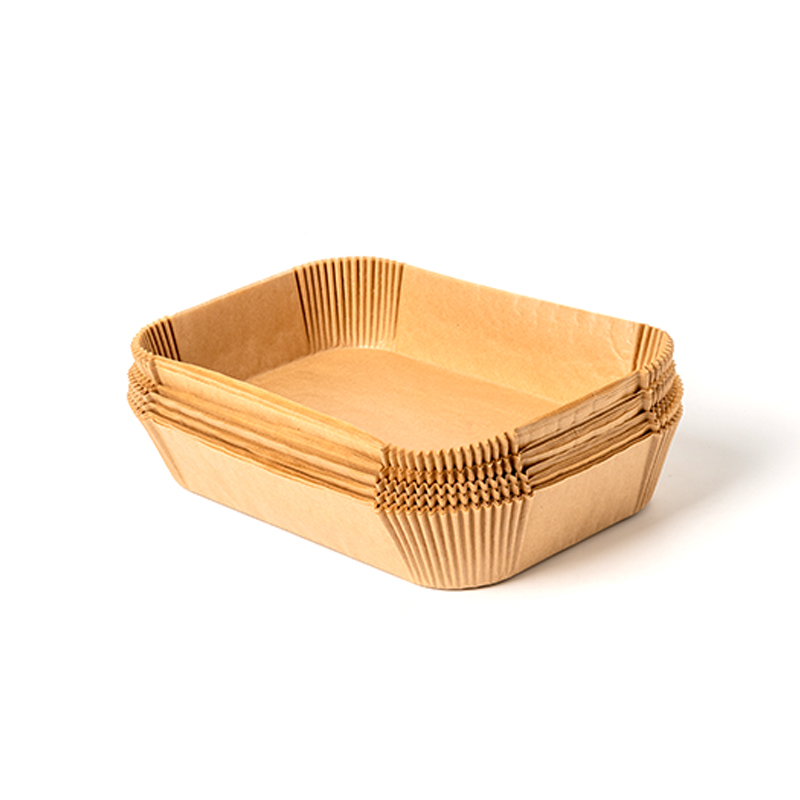
Product Features: 1. Virgin wood pulp 2. Double sides food grade silicone-treated 3. Fluorine-free 4. Non-stick 5. Air fryer basket safe 6. Reusable 7. BPA free 8. Biodeg...
See Details -
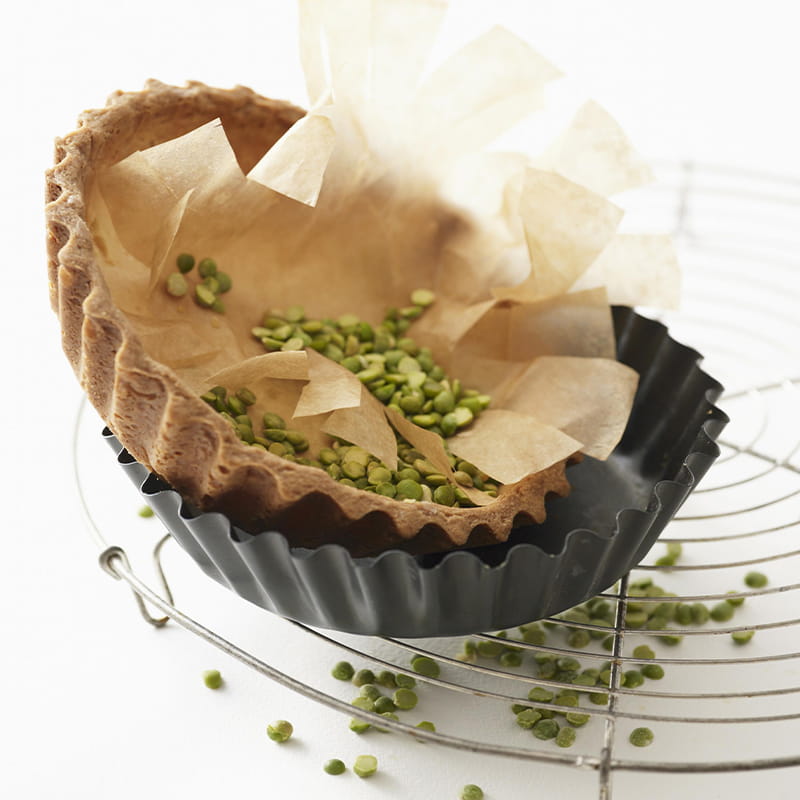
Product Features: 1. Virgin wood pulp 2. Natural unbleached brown color 3. Fluorine-free 4. BPA free 5. Biodegradable Product Details: Introducing our Unbleached Brown Food Grade ...
See Details -
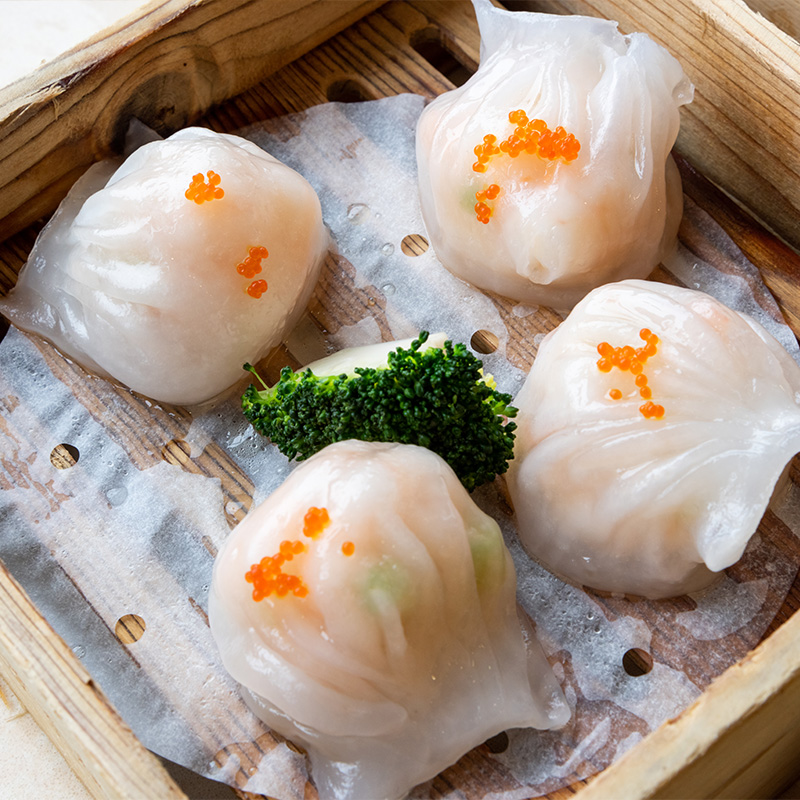
Product Features: 1. Virgin wood pulp 2. Double sides food grade silicone treated 3. Fluorine-free 4. Non-stick 5. Steamer/air fryer basket safe 6. Reusable 7. BPA free 8...
See Details -
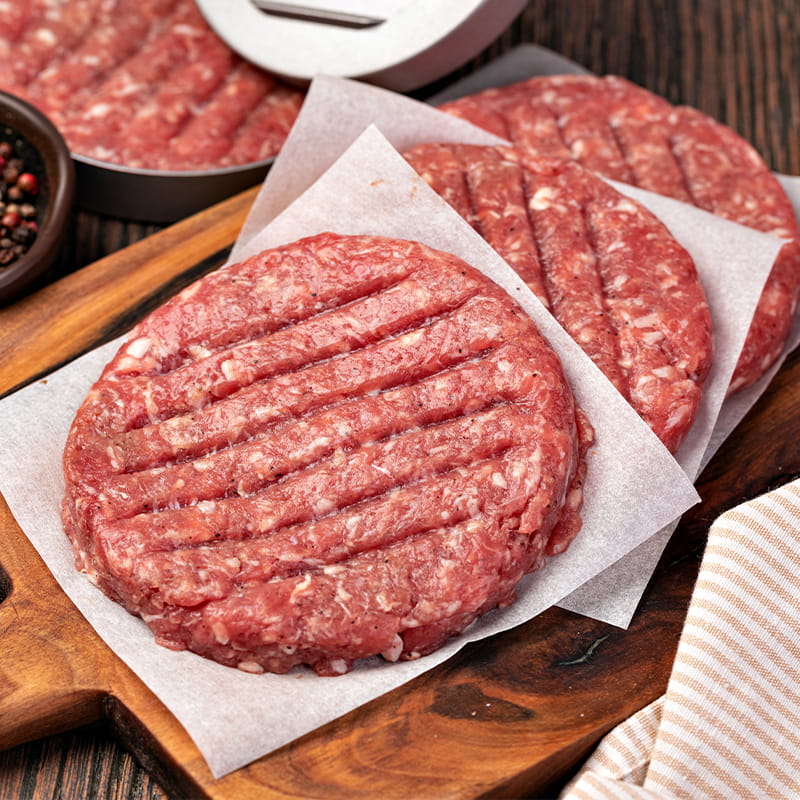
Product Features: 1. Virgin wood pulp 2. Double sides food grade silicone treated 3. Fluorine-free 4. Non-stick 5. Easy to separate 6. Reusable 7. BPA free 8. Biodegradab...
See Details -
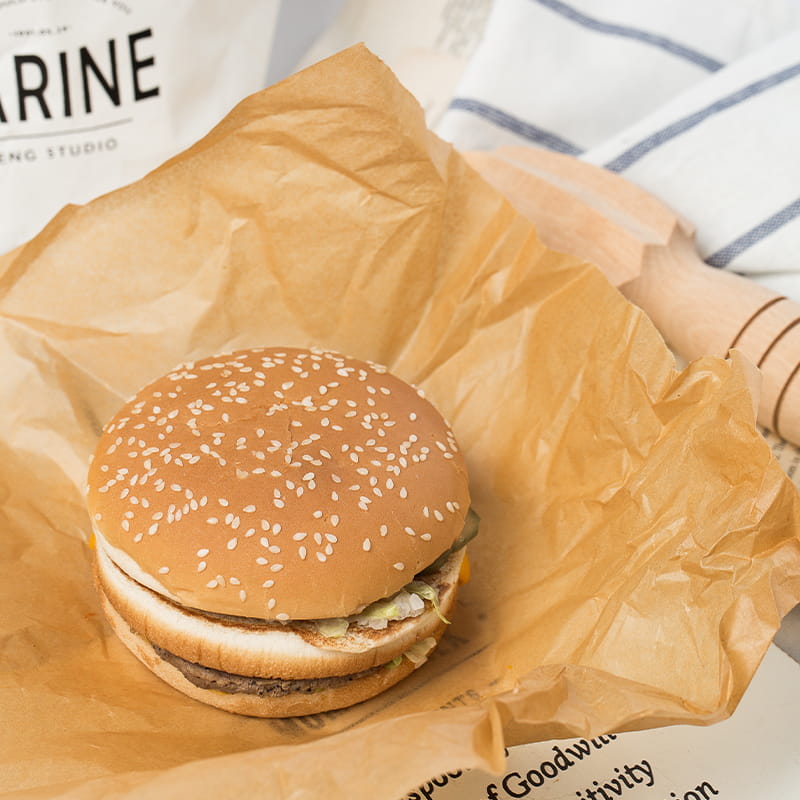
Product Features 1. Virgin wood pulp 2. Flexographic printing 3. Eco-friendly water-based ink 4. BPA free Product Details: Introducing our premium Greaseproof Sandwich Paper Sheets, a...
See Details

Professional Baking Parchment Paper Manufacturer in China with more than 15 years silicone coating experience.
Products
Contact Us
- No.10 Longyin Road, Chengnan Industrial Park,Longyou, Quzhou, China.
- +86-18968091013 / +86-571-88639705
- Avayao-1990@hotmail.com
Copyright © Zhejiang Guanghe New Materials Co., Ltd. All Rights Reserved.
Parchment Paper & Baking Paper Sheets Manufacturer
