 English
 中文简体
中文简体
Product details: Pop-up parchment paper sheets, an environment-friendly product, are composed of wood pulp and are double-side coated with silicone. Such a coating makes our paper smooth, greasepr...
See DetailsCulinary Essential: The Versatility of Parchment Paper
Cooking and baking involve a lot of little steps where things can go wrong if you're not careful. One small tool that helps a ton is oven baking parchment paper sheets. They're just thin sheets you lay on trays or pans, but they change how things turn out—from keeping cookies from sticking to making cleanup quicker. Home cooks who bake on weekends and pros in busy kitchens both reach for them because they solve common problems without much fuss. These sheets handle heat well, stop food from burning onto pans, and cut down on scrubbing afterward.
Why Oven Parchment Paper Are Great for Keeping Things from Sticking
The big reason people grab these sheets is they stop food from gluing itself to the pan. Baking cookies or delicate pastries can be tricky—if they stick, you end up with broken pieces or lost bits. Parchment paper sheets create a smooth layer that lets everything lift off easy, keeping shapes intact and textures right. You don't have to grease the pan heavily or use sprays that add extra fat.
Cleanup gets way simpler too. Without the sheets, pans come out with baked-on crumbs or drippings that need soaking and scrubbing. Line the tray with parchment, and mess stays on the sheet—you crumple it up and toss it, leaving the pan almost clean. In kitchens where time matters, like prepping multiple batches or cooking after a long day, this saves real effort.
The non-stick part works for savory stuff as well. Roasting potatoes, chicken pieces, or fish fillets on a lined tray means even browning without bits left behind. Vegetables caramelize nicely instead of steaming in their own juices stuck to the metal. It's a straightforward fix that improves results across all kinds of dishes, from sweets to dinner mains.
How Oven Parchment Paper Handle Heat in Different Cooking Tasks
These sheets are made to take oven heat without falling apart, so they work for a bunch of cooking styles. Roasting a tray of carrots or beets, baking loaves of bread, or making light meringues—all need steady high temperatures, and the parchment stays flat and intact instead of curling or burning early.
This heat tolerance opens up other techniques. Folding food into little packets—fish with lemon and herbs, or chicken with veggies—lets steam build inside while flavors mix. The sheet seals the juices in, cooking everything gently and keeping moisture where it belongs. It's a simple way to get tender results without drying things out.
For longer cooks like braised meats or layered bakes, the sheets hold up through hours in the oven. They don't degrade or let food seep through, so the pan stays protected and the dish cooks evenly. Having something that performs reliably across quick bakes or slow roasts makes parchment sheets a go-to for varied menus.
All the Different Ways Oven Baking Parchment Paper Sheets Get Used in the Kitchen
These sheets come in rolls you cut yourself or pre-cut sizes, so they fit whatever pan or tray you've got. Line a square brownie pan, round cake tin, or odd-shaped roasting dish—trim to size and it sits snug, making cooking more predictable.
In baking, they help with even heat flow in cake pans, so edges don't overcook while centers catch up. Delicate items like macarons or puffed pastries release clean, keeping details sharp. Piping chocolate decorations or icing patterns on a sheet lets you slide them off later without breaking.
Savory sides benefit too. Homemade pizza on parchment gets a crisp bottom without sticking to the stone. Wrapping veggies or meat in packets for the grill or oven steams them in their own juices with added garlic or spices.
Beyond the oven, sheets work for rolling dough—less flour needed, no sticking to the counter. Freezing cookie dough scoops or patties between layers stops them freezing together. Wrapping sandwiches for lunches or lining serving baskets adds a clean touch. They're handy for all sorts of prep and presentation without extra dishes.
The Greener Side of Using Oven Baking Paper
With more folks thinking about waste in the kitchen, these sheets offer a better option than foil or plastic wrap for many tasks. Foil doesn't break down and can have worries about leaching in heat, while parchment from bleached or unbleached pulp often composts in backyard piles or industrial setups.
You can reuse a sheet a few times if it stays clean—wipe off crumbs after cookies and use again for another batch. This stretches one pack further and cuts trash. When it's done, it goes in compost instead of lasting forever in landfill.
Choosing parchment over less green throwaways lets cooks lower their impact without losing convenience. It fits kitchens aiming for fewer single-use items while still handling busy meal prep.
Extra Creative and Everyday Ways to Use Oven Baking Parchment Paper Sheets
The sheets come in handy for tasks outside regular baking or roasting. Rolling pie crust or bread dough on one means no extra flour dusting the counter, and transferring to the pan is smooth without tearing.
Prep surfaces stay clean when chopping sticky things like dates or caramel—work on the sheet and toss scraps easy. Funneling spices or powders into jars uses a folded sheet as a quick chute without spills.
For freezer organization, layer meatballs or fish portions between sheets to pull apart later without thawing the whole bag. In lunch packing, wrap sandwiches or line boxes to keep things fresh and separate.
Catering or party setups use cut pieces to line trays for appetizers or desserts, giving a neat look with less washing. Even steaming veggies in the microwave works—poke holes and wrap loosely for quick sides.
These little tricks show how the sheets adapt to all sorts of kitchen moments, making workflows smoother from start to cleanup.
| Main Use Category | Everyday Example | How the Sheet Helps | Common Benefit |
|---|---|---|---|
| Baking and Roasting | Cookies, cakes, vegetables | Non-stick release, even heat | Clean pans, intact shapes |
| Packet Cooking | Fish en papillote, chicken parcels | Seals in moisture and flavors | Tender results, easy serving |
| Dough Handling | Pie crusts, bread rolling | Prevents sticking, easy transfer | Less flour mess, no tears |
| Freezer Organization | Dough balls, patties | Layers without freezing together | Portion control, quick access |
| Prep and Presentation | Chopping, serving baskets | Clean surface, neat look | Less cleanup, rustic touch |
Enhancing Savory Preparations Using Baking Paper for Flavorful and Effortless Meals
Savory dishes depend on those small touches – a bit of crunch on the outside, tenderness inside, and seasonings that stand out without any distractions. These sheets handle a lot of the behind-the-scenes work, keeping things from sticking and letting the food cook evenly with minimal effort.
Brussels sprouts are a good example. Cut them in half, spread them out on the lined tray, add a drizzle of balsamic and some oil, salt and pepper to taste. They develop those nice browned edges, and any loose bits stay on the paper instead of burning onto the pan. No greasy buildup, no scrubbing later – just bright, flavorful sprouts that slide right onto the serving dish.
A whole chicken turns out nicely as well. Rub it with herbs like rosemary and garlic, place it on the sheet, and let it roast. The skin turns golden and crisp, juices gather underneath without making a mess. When it's ready, you can carve it in place or lift the edges to transfer everything to a platter. All the taste stays where it should, and cleanup is quick.
Homemade pizza becomes much simpler. Stretch the dough directly on the paper, add sauce, cheese, and whatever toppings sound good, then slide it onto a stone or bake it on the tray. The crust crisps up evenly underneath, no burnt spots. Once done, just peel away the liner and cut into slices – ready to eat without any struggle.
Side dishes benefit too. Eggplant slices for parmigiana don't get soggy and stack easily. Small potatoes tossed with thyme get nicely blistered skins without clinging to the surface. Everything cooks at the same pace, so the vegetables hold their own flavor.
Prep work flows better as well. Form falafel patties on a sheet, freeze them flat, then bake straight from the freezer with no sticking. Stuffed peppers keep their shape while the filling softens.
With those details taken care of, there's more room to adjust flavors – a little extra cumin, a squeeze of lemon at the end, whatever feels right. The meal comes out balanced and thoughtful, without the usual hassle of stuck food or heavy cleanup. Cooking stays about the aromas building in the kitchen and the sounds from the oven.
Discovering Everyday Practical Extensions of Baking Paper Beyond Traditional Oven Tasks
The kitchen involves more than just roasting or baking – it's rolling out dough, packing lunches, wrapping food, serving, and cleaning up. These sheets fit into all those everyday tasks without drawing attention.
Rolling dough feels much smoother. Sprinkle a little flour on the sheet, work your crust or biscuit dough until it's the right thickness – nothing grabs onto the counter. When ready, lift and flip it into the pan. Leftover flour brushes off easily, and the workspace is clear for chopping vegetables or whatever comes next.
Taking food on the go is easier too. Fold sandwiches or wraps in a piece of parchment for lunches or outings – everything stays contained, no leaks soaking through. When rolling sushi at home, placing a sheet under the mat keeps rice from sticking and makes the process cleaner.
For serving, small touches help. Line a platter for cheese and fruit so juices don't spread everywhere. After frying, set pieces on a fresh sheet to drain excess oil and stay crisp.
Even for quick projects – tracing cutter shapes or keeping candy from sticking while it sets – having one nearby often solves little problems on the spot.
Week after week, these uses make a difference. Common annoyances like dough clinging to the counter or messy wraps happen less often. The kitchen runs a little more smoothly, feeling more like a comfortable space where the focus stays on preparing food.
Thinking About Why Baking Parchment Paper Sheets Still Matter in Today's Kitchens
Baking parchment paper sheets have stuck around in kitchens for a good reason—they just work well day in and day out. They stop food from sticking to pans, cut down on the mess left behind, and make all kinds of cooking easier, from quick weeknight dinners to weekend baking projects. Over the years, they've become one of those things people keep in the drawer because they solve little problems without any drama.
These sheets take care of the annoying parts of cooking so you can focus on the food itself. Roasting a tray of veggies with some garlic and oil, or putting together a layered lasagna—they help heat spread even and let everything lift off the pan without tearing or leaving half behind. You get to pay attention to flavors, how things are seasoned, or getting the timing right instead of worrying about scraping burnt bits later.
From what people say after using them a while, these sheets keep folks interested in cooking at home. Beginners don't get discouraged when things come out looking decent instead of stuck and broken. More experienced cooks try new recipes—maybe something tricky with pastry or delicate fish—knowing cleanup won't take forever. They handle everything from flatbreads to fancier tarts or rolls, fitting whatever style of food someone likes to make.
These days, a lot of home cooks think about using less stuff that ends up in the trash and keeping things clean while they work. Parchment sheets slide right into that way of doing things. They back up the usual ways of cooking but also help cut down on throwaway materials and make the whole process less wasteful.
Keeping with that same straightforward and careful approach, Guanghe is the factory that makes these products. We stick to steady ways of producing them, paying attention to keeping the process responsible for the environment, so each sheet does its job in regular cooking while holding up to ideas about lasting longer and being thoughtful—things that match how many people run their own kitchens these days.
Related Products
-
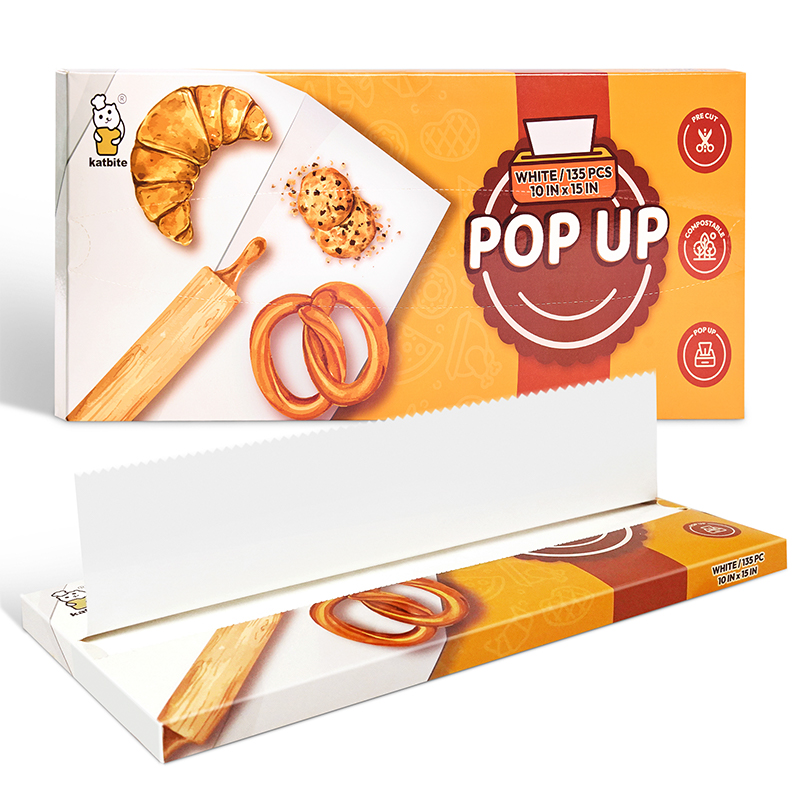
-
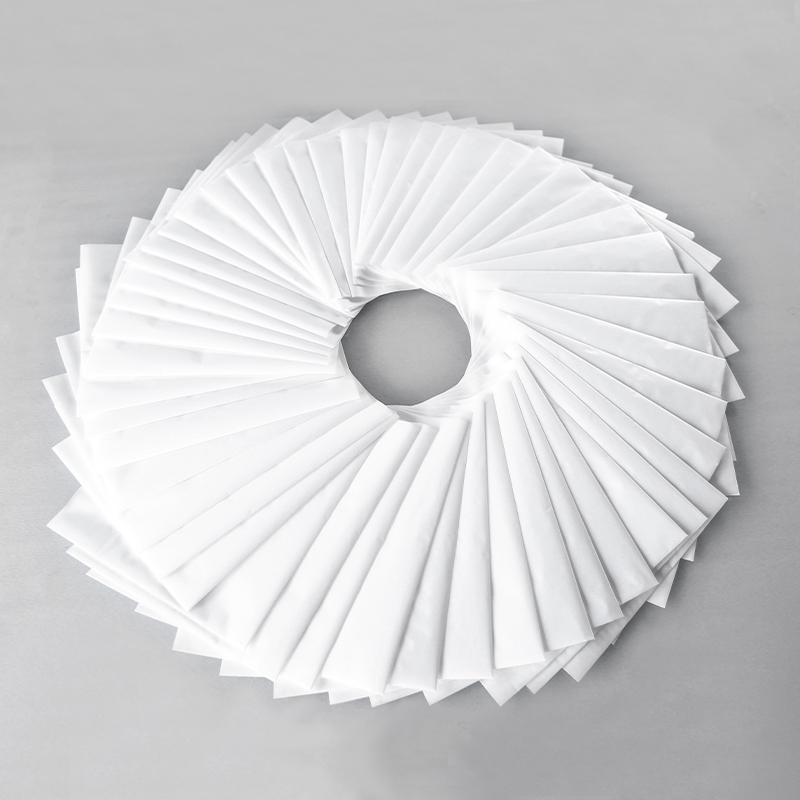
Product details: Folded baking paper sheets, an environment-friendly product, are composed of wood pulp and are double-side coated with silicone. Such a coating makes our paper smooth, greaseproof and...
See Details -
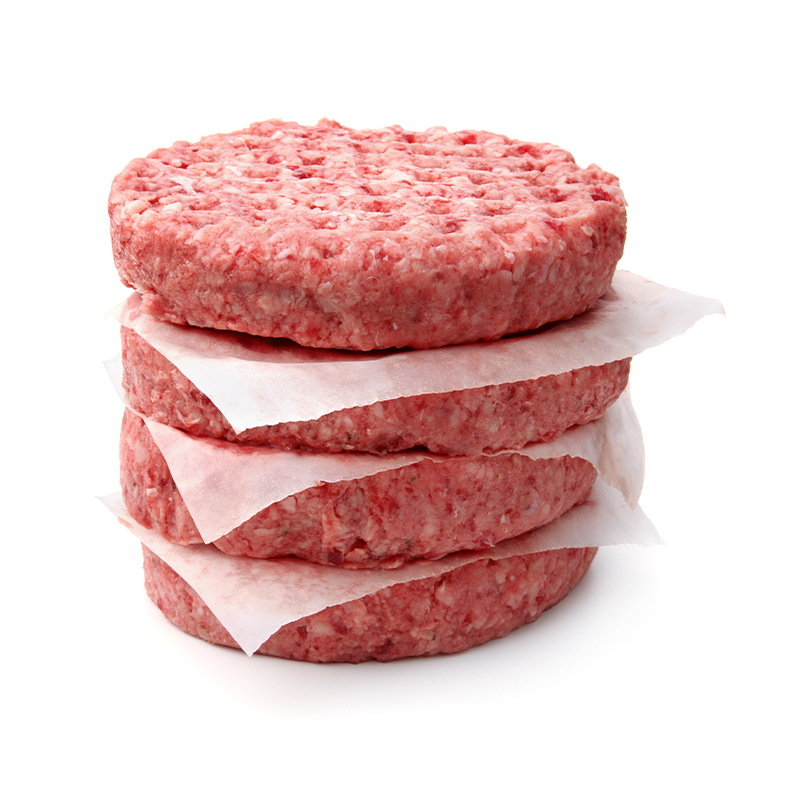
Description: Wax paper is the paper that is coated with food-grade wax in order to make it non-stick and waterproof. wax paper is very good for food storing and presentingMade of food-grade paper and ...
See Details -
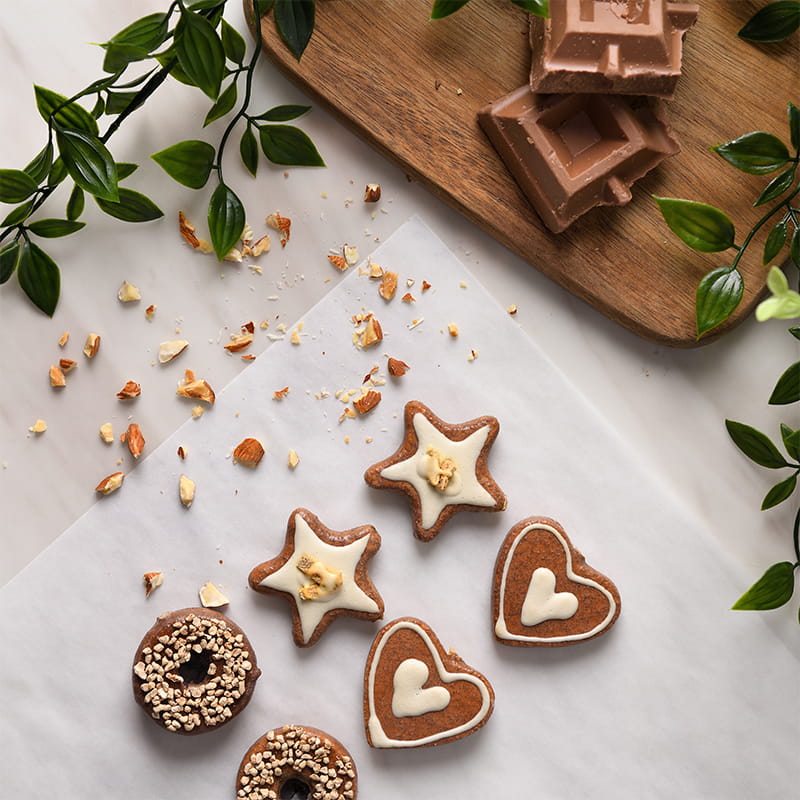
Product Features: 1. Virgin wood pulp 2. Double sides food grade silicone-treated 3. Fluorine-free 4. Non-stick 5. Oven/Microwave safe 6. Freezer safe 7. Reusable 8. BPA f...
See Details -
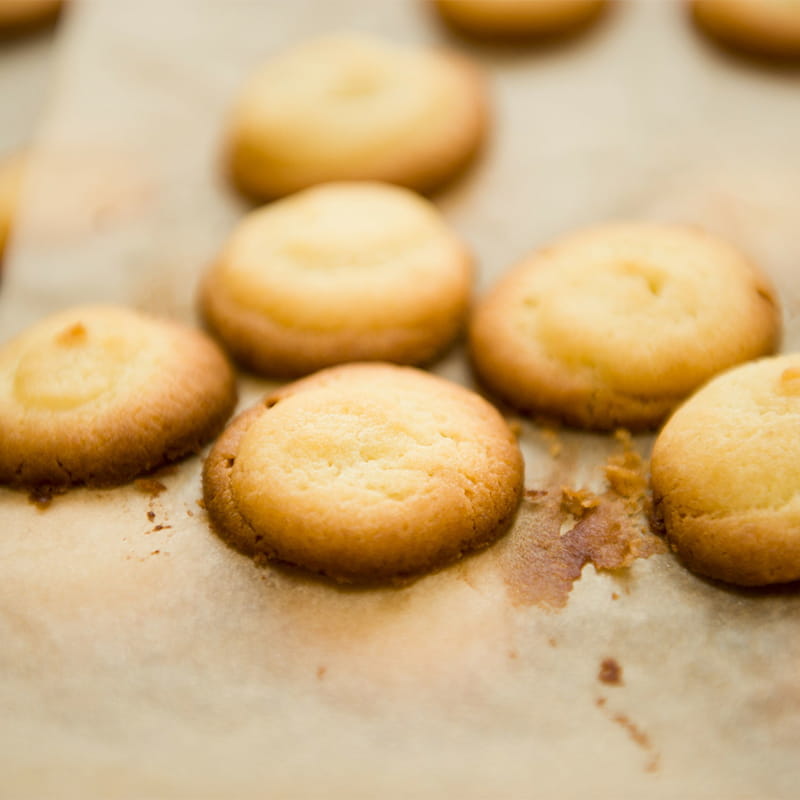
Product Features: 1. Virgin wood pulp 2. Natural unbleached brown color 3. Double sides food grade silicone-treated 4. Fluorine-free 5. Non-stick 6. Oven/Microwave safe 7. Fre...
See Details -
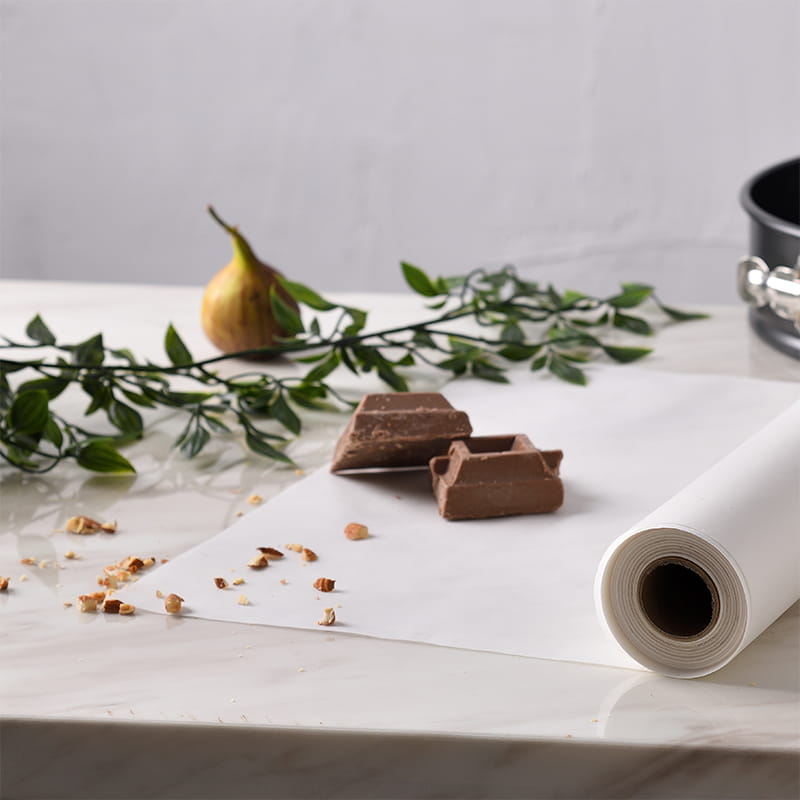
Product Features: 1. Virgin wood pulp 2. Double sides food grade silicone treated 3. Fluorine-free 4. Non-stick 5. Oven/Microwave safe 6. Freezer safe 7. Reusable 8. BPA ...
See Details -
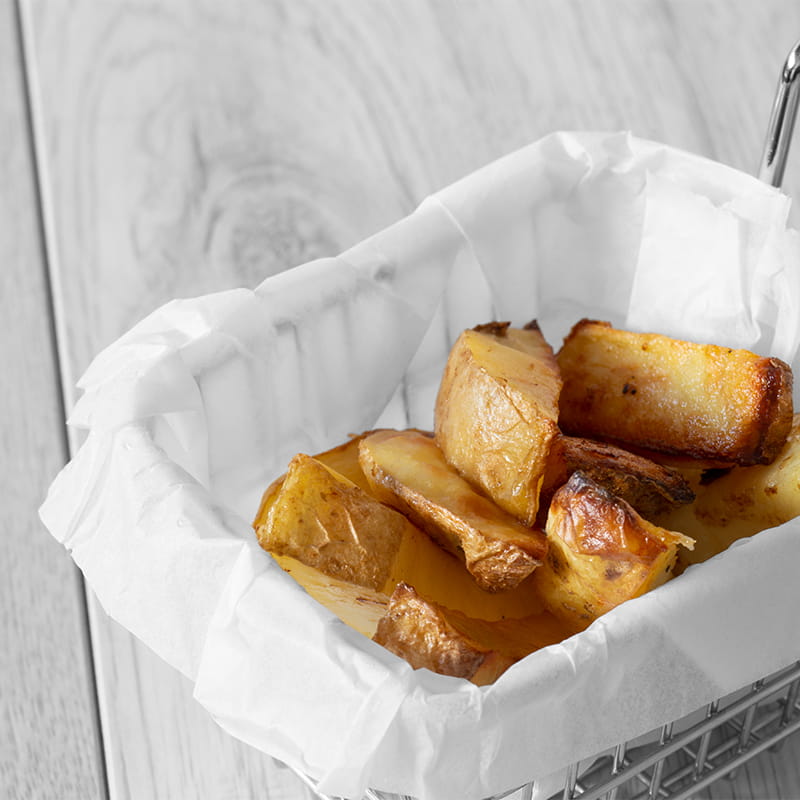
Product Features: 1. Virgin wood pulp 2. Fluorine-free 3. BPA free 4. Biodegradable Product Details: In an era where environmental consciousness and sustainability are paramount, Natu...
See Details -
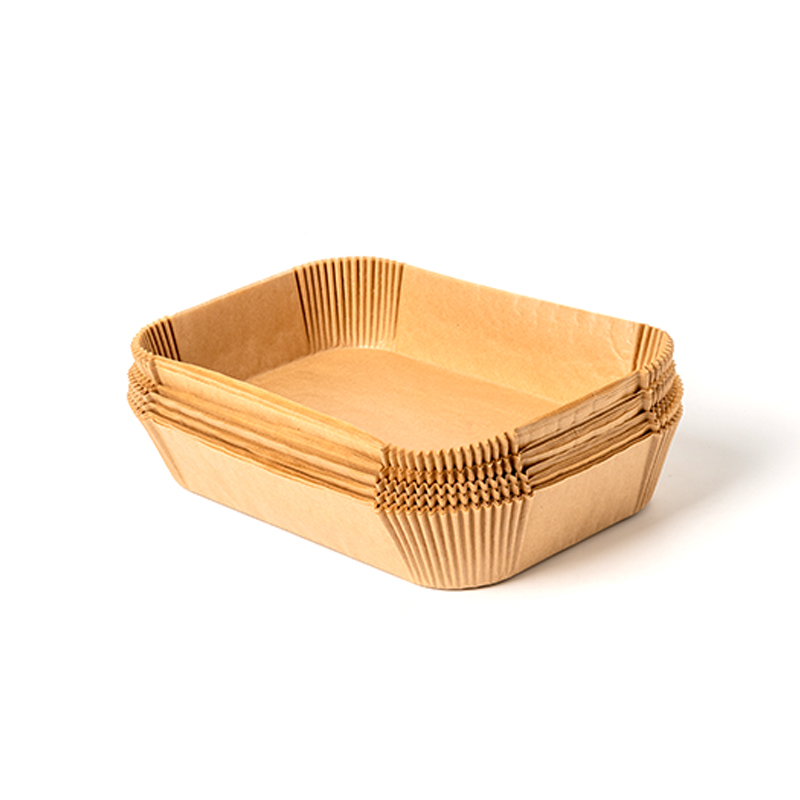
Product Features: 1. Virgin wood pulp 2. Double sides food grade silicone-treated 3. Fluorine-free 4. Non-stick 5. Air fryer basket safe 6. Reusable 7. BPA free 8. Biodeg...
See Details -
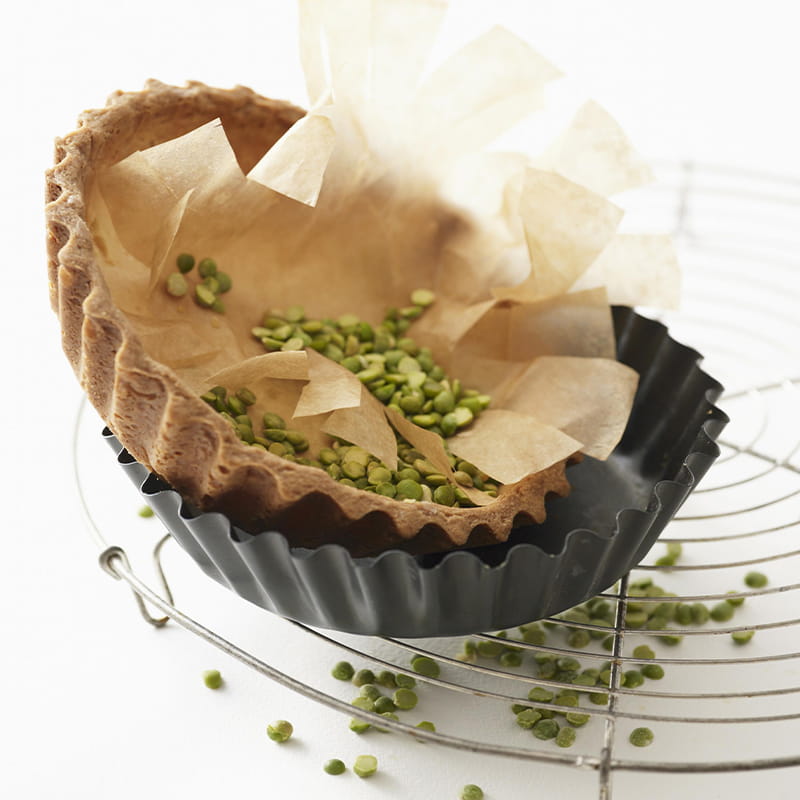
Product Features: 1. Virgin wood pulp 2. Natural unbleached brown color 3. Fluorine-free 4. BPA free 5. Biodegradable Product Details: Introducing our Unbleached Brown Food Grade ...
See Details -
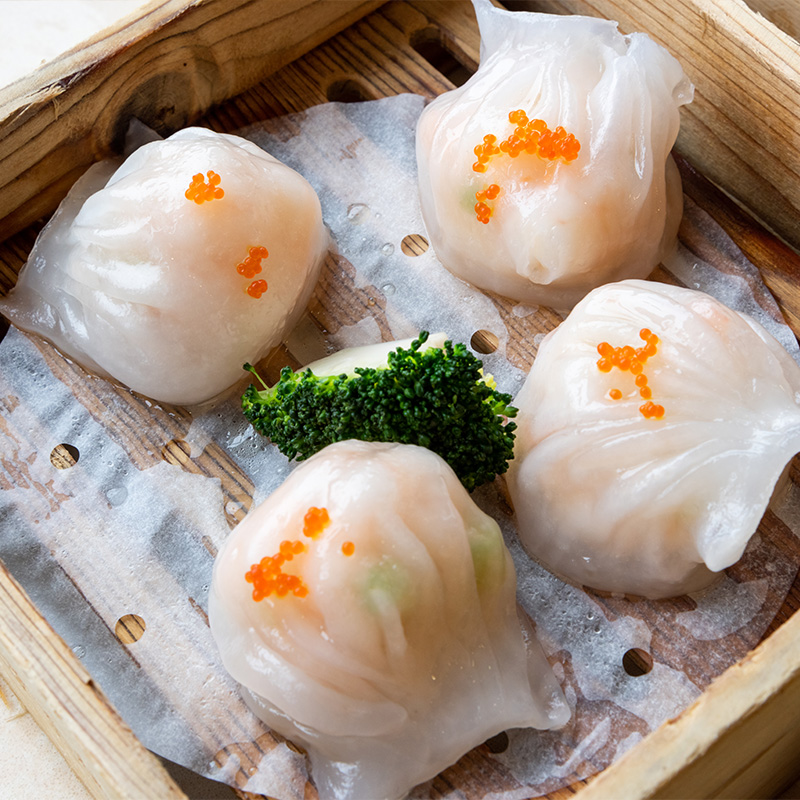
Product Features: 1. Virgin wood pulp 2. Double sides food grade silicone treated 3. Fluorine-free 4. Non-stick 5. Steamer/air fryer basket safe 6. Reusable 7. BPA free 8...
See Details -
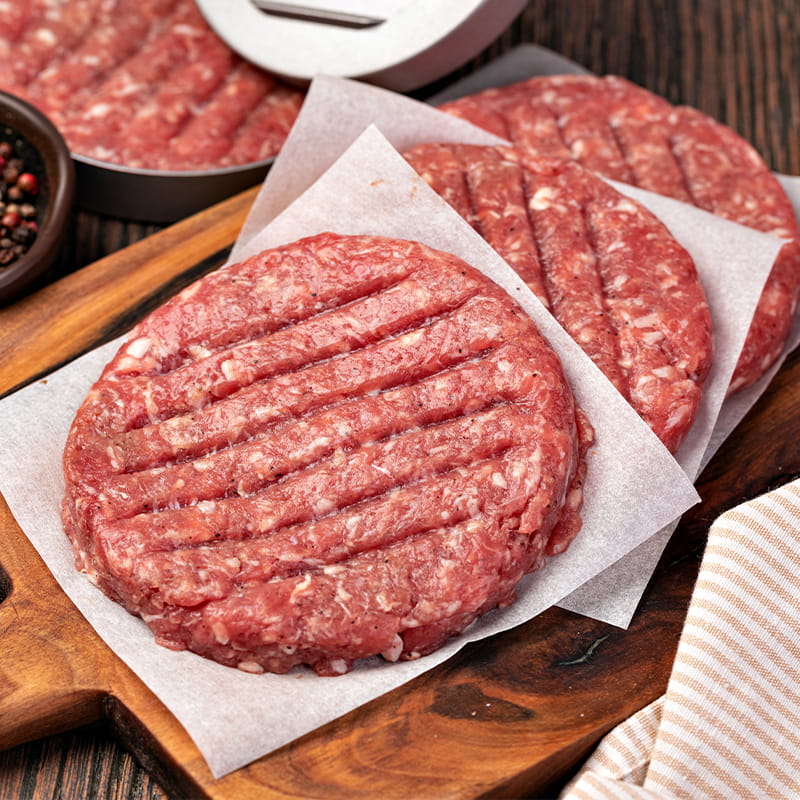
Product Features: 1. Virgin wood pulp 2. Double sides food grade silicone treated 3. Fluorine-free 4. Non-stick 5. Easy to separate 6. Reusable 7. BPA free 8. Biodegradab...
See Details -
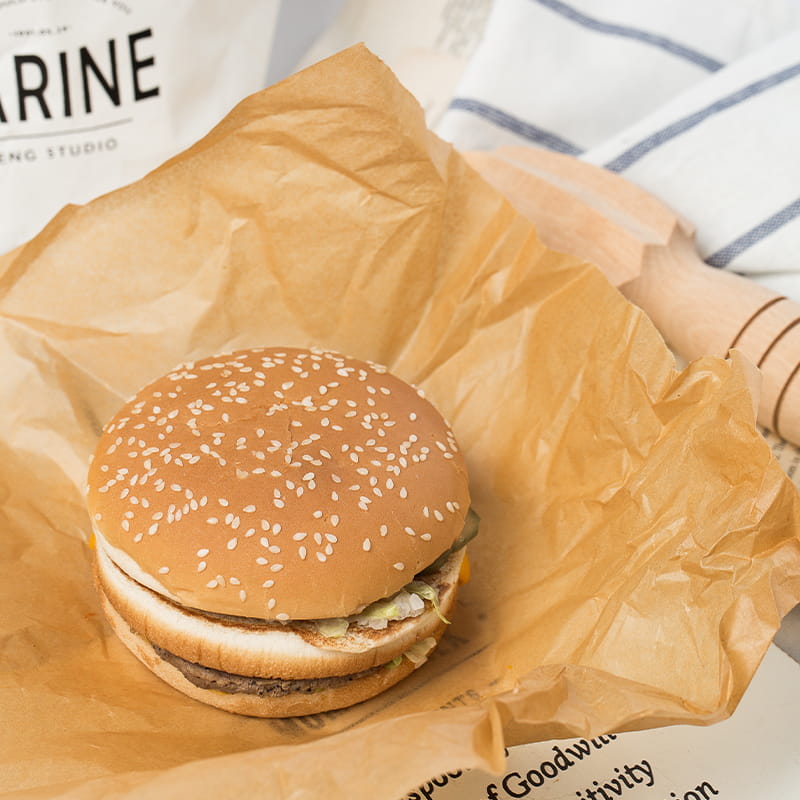
Product Features 1. Virgin wood pulp 2. Flexographic printing 3. Eco-friendly water-based ink 4. BPA free Product Details: Introducing our premium Greaseproof Sandwich Paper Sheets, a...
See Details

Professional Baking Parchment Paper Manufacturer in China with more than 15 years silicone coating experience.
Products
Contact Us
- No.10 Longyin Road, Chengnan Industrial Park,Longyou, Quzhou, China.
- +86-18968091013 / +86-571-88639705
- Avayao-1990@hotmail.com
Copyright © Zhejiang Guanghe New Materials Co., Ltd. All Rights Reserved.
Parchment Paper & Baking Paper Sheets Manufacturer
