 English
 中文简体
中文简体
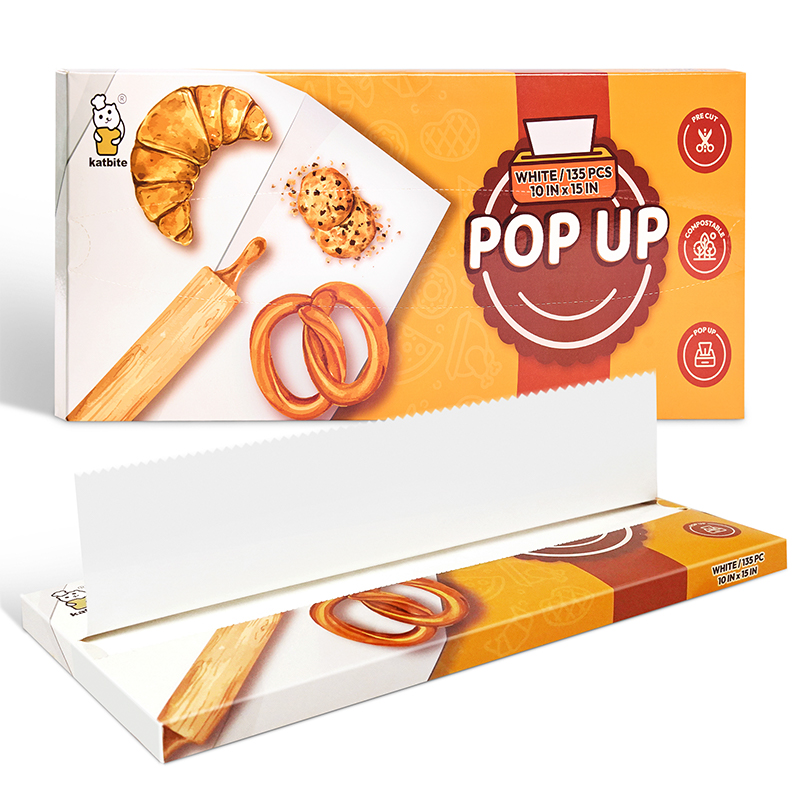
Product details: Pop-up parchment paper sheets, an environment-friendly product, are composed of wood pulp and are double-side coated with silicone. Such a coating makes our paper smooth, greasepr...
See DetailsNatural Environmentally Friendly Raw Materials
People running kitchens, packing goods, or making household items now pay close attention to where materials come from. The push comes from wanting things that work well today but don't leave problems for tomorrow. Natural environmentally friendly raw materials come directly from plants, trees, or recycled waste that nature can replace or handle. These sources avoid the heavy toll that comes with digging deep into the earth or spraying fields with chemicals year after year. Instead the emphasis falls on plants that grow back quickly, trees that keep standing after harvest, or old items turned into new ones. The goal remains simple: use what the planet can renew so soil stays fertile, rivers run cleaner, and air holds fewer pollutants from production.
How These Materials Keep Supply Steady Over Time
Renewable raw materials come back around quick enough that running out stays off the table. Some grasses and trees grow tall in a matter of months or a couple seasons, so you can cut again without tearing up the ground and starting fresh every time. When the harvest gets done right, plenty stays rooted and the patch keeps pushing new growth year after year. The land gets a chance to rest and rebuild between cuts instead of getting worn thin. Those roots dig deep and grab hold, keeping dirt from sliding away when heavy rains hit. Cut stems, dropped leaves, and leftover bits lie there and slowly rot, feeding worms and microbes that loosen the soil and add back nutrients for whatever grows next. Rain handles much of the watering work, so rivers and wells aren' t drained dry. Tractors and sprayers roll across the fields way less often because there's no constant need to plow deep or fight weeds with chemicals, which means quieter land and cleaner air without all the diesel smoke hanging around. At the end of the line, a lot of these materials just break apart in a compost pile or get turned back into something useful instead of sitting forever in giant trash piles that keep growing. The whole setup keeps the supply rolling steady without chewing through the landscape or forcing people to keep opening up new ground.
Organic Cotton and Its Quiet Benefits in the Field
Cotton raised without synthetic fertilizers or sprays depends on what nature already provides. Farmers rotate crops to let soil rest and rebuild nutrients naturally. Cover plants grow between rows to crowd out weeds and fix nitrogen from the air. Beneficial insects handle pest pressure instead of broad chemical applications. The soil structure improves over seasons because it avoids compaction and chemical imbalances that harden ground. Moisture soaks in deeper and stays longer in healthier dirt. The harvested fiber ends up soft yet strong enough for kitchen towels, napkins, or paper sheets that absorb spills without falling apart. Items made from it feel gentle against hands or food, and when worn out they break down in backyard compost without strange residues left behind.
Bamboo and the Speed of Its Regrowth
Bamboo stands out because it pushes upward so fast in warm, wet climates. Shoots emerge and reach full height in weeks or months, then the clump keeps sending up new ones from the same root mass. No need to plow and replant each cycle. The plant draws water mostly from rain and holds soil tightly with its dense roots, stopping erosion on slopes or riverbanks. Little to no pesticide goes on because the grass-like structure resists many common pests naturally. Stems get cut, split, and turned into thin sheets for food wrapping, sturdy boxes, or lightweight handles for utensils. In cooking spaces, bamboo liners or mats resist some moisture while staying rigid enough to support weight. The material carries a fresh, clean scent that doesn't interfere with food.
Cork Harvested Without Killing the Tree
Cork oak trees shed their outer bark every few years, and workers strip it carefully so the inner layer stays intact. The tree continues growing, producing new bark for the next harvest. These managed woodlands provide shade for understory plants, shelter for birds and small mammals, and a steady pull of carbon from the air into living wood. The bark itself feels light yet tough, with tiny air pockets that trap heat or sound. Cut into sheets it lines trays or wraps items to keep them dry. Thicker pieces become mats under hot dishes or stoppers that seal bottles without flavor transfer. When finally discarded the material rots slowly in soil, feeding microorganisms rather than clogging waste streams.
Hemp and How It Strengthens the Ground
Hemp pushes through soil quickly even in poorer conditions. It needs modest rain and crowds out many weeds on its own. Roots pull nitrogen from the air and deposit it in the ground, leaving the field richer for whatever crop follows. Stalks get retted and broken down to free long, tough fibers that spin into yarn or press into paper. The fiber holds up to repeated folding or wiping without tearing easily. In packaging it forms strong, lightweight wraps that resist grease to some degree. Kitchen cloths made from hemp soak up liquids well and dry quickly. Leftover hurd from processing turns into animal bedding or building blocks that insulate naturally. The entire plant gets used with little thrown away.
Recycled Materials Closing the Loop
Old paper stacks up from homes, offices, and shops, gets hauled away, sorted, cleaned, pulped, and pressed flat into brand-new sheets ready for wrapping food or soaking up spills. Plastic bottles pile in collection bins, get washed, shredded, melted, and molded into fresh trays, jars, or holders without ever touching new oil wells. Scrap metal from cans and appliances heads to furnaces, melts down clean, and comes out as strong as before for another use. Skipping the step of mining fresh ore or chopping down untouched forests saves huge amounts of energy and leaves the land alone. Stuff that used to get dumped in landfills or left floating in water now gets pulled back into the system and given new life. The finished products usually look and hold up the same as ones made from untouched resources, but they carry far less damage from start to finish. In home kitchens recycled paper sheets go under roasting pans to catch grease drips and keep the tray from turning into a sticky mess. Recycled plastic containers hold vegetable peels and scraps waiting for the compost bucket without adding more strain to trash systems. The circle keeps materials flowing round and round instead of a straight shot from raw ground to buried waste, taking pressure off both the source and the dump sites.
Life-Cycle Advantages That Add Up
Sustainable materials cause smaller waves from the day the seed hits soil or the scrap gets picked up all the way until nothing useful remains. Soil holds onto its natural balance because it never gets flooded with artificial nutrients that pile up and throw things off over seasons. Water stays where it belongs since crops and trees pull mostly from rainfall instead of sucking rivers or aquifers dry. Air stays fresher with far fewer fumes drifting out from plants churning out chemical fertilizers or from heavy equipment rumbling day after day across open land. When use ends, plant-based pieces go into compost heaps and feed back into fields as dark, rich organic matter that keeps the ground alive. Recycled pieces keep moving through factories and shops instead of getting locked underground or burned. The whole flow leans hard toward renewal rather than pulling everything in one direction until something runs dry. Everyday items built this way do their job without dragging along hidden problems that show up later as fouled water, tired soil, or overflowing waste grounds. The gains stack up slowly but surely, turning what looks like a simple choice into something that quietly helps keep land, water, and air in better shape for the long haul.
Quick Side-by-Side Look at the Materials
| Material | How It Grows or Is Sourced | Main Environmental Gains | Typical Everyday Uses |
|---|---|---|---|
| Organic Cotton | Grown with rotation and natural pest control | Builds soil health, lowers water pollution | Towels, napkins, absorbent paper |
| Bamboo | Rapid natural regrowth from existing clumps | Holds soil, minimal added water or chemicals | Wrapping sheets, utensils, packaging |
| Cork | Bark stripped periodically from living trees | Keeps forests standing, stores carbon | Mats, wraps, bottle stoppers |
| Hemp | Fast growth, improves soil nitrogen | Enriches land, versatile strong fibers | Cloths, paper, biodegradable wraps |
| Recycled Content | Collected waste reprocessed | Cuts mining, reduces landfill volume | Containers, trays, absorbent pads |
Making Thoughtful Choices in Routine Tasks
Picking materials that grow back or recycle naturally turns into a habit that sticks around without feeling forced. Once you start reaching for those options in the kitchen or around the house, it becomes second nature. Liners or wraps made from plant fibers catch grease drips and food spills right where they land, so counters and trays don't end up coated in sticky layers that need scrubbing later. The paper or cloth sits there quietly doing its job, then lifts away clean or nearly clean. No more fighting to peel off hardened bits or running the sink for ten minutes just to get a pan usable again.
Packaging switches over too. Boxes or bags from recycled paper or hemp feel sturdy enough to carry groceries home without ripping at the seams, yet they don't add that heavy, bulky feel of some plastic alternatives. They fold flat when empty, stack neatly in a drawer, and when they're done they go into the recycling bin or compost pile without guilt. The same goes for everyday household stuff—cloths for wiping, mats under hot dishes, even simple separators between stacked plates. When they're woven from tough, low-impact fibers like hemp or organic cotton, they hold up wash after wash or use after use without fraying or thinning out too fast. You end up replacing them less often, which means fewer trips to buy new ones and less stuff piling up in drawers.
The switch doesn't happen in one big dramatic moment. It creeps in slowly. You spot a label on a package that says something about natural fibers or recycled content, give it a try because the price looks close enough, use it once, notice it works just as well—or better—than the usual stuff, and next time you grab that same one off the shelf without thinking twice. Then it spreads to other things. One week it's the kitchen liners, the next it's the paper towels or the shopping bags. Each little swap feels minor on its own—no big lifestyle overhaul, no extra steps in the day—but they pile up. Over months the trash bin fills slower, the recycling bag looks fuller, and the compost pile gets more kitchen scraps instead of plastic wrappers.
What keeps people coming back is how little gets sacrificed. The performance doesn't drop off. Food still cooks evenly, spills still get wiped up fast, packages still protect what's inside. Convenience stays right where it was—no hunting for special tools, no complicated care instructions, no weird smells or textures that throw off the routine. The only real difference shows up later: less strain on the land that grows the raw stuff, less pulling from rivers for irrigation, less smoke from factories churning out synthetic replacements. That quiet satisfaction builds in the background—the sense that the small choices line up with keeping soil healthy, water clean, and forests standing for the long run. It turns routine tasks into something that feels a bit more deliberate without ever feeling heavy or preachy.
Over time the pattern solidifies. The drawer gets stocked with the natural-fiber cloths instead of the old synthetic ones. The pantry shelves fill with recycled-paper wraps and bags. The trash can stays lighter week after week. Each time a liner gets used and tossed in the compost, or a cloth gets rinsed and hung to dry, it reinforces the loop. No lectures needed, no big speeches—just steady, small decisions that add up to less pressure on the planet while the kitchen still runs smooth and the house still feels normal. That's how these habits take root and last.
Real-World Ease in Busy Settings
Busy counters benefit from materials that handle grease, moisture, or heat without complaint. Food wrapping keeps counters spotless. Tray liners lift away with residue attached. Cloths wipe spills fast and dry without mildew smell. Natural origins mean no strange aftertaste lingers on bread or fruit. Strength prevents tearing during normal use. Disposal happens simply—compost bin for plant fibers, recycling bin for reworked items. These practical sides turn sustainable choices into everyday tools rather than special items pulled out only occasionally.
How Resource Stability Improves Over Years
Steady reliance on fast-renewing sources takes weight off limited reserves. Managed woodlands and fields keep yielding without collapse. Water stays available for other needs when crops drink less. Waste piles shrink as materials cycle back into use. Ecosystems stay resilient, providing consistent supplies without wild swings. Supply chains gain predictability when raw inputs come from predictable growth cycles. End users receive dependable products without adding to rapid resource drain.
Spreading the Practice Further
Knowledge about origins shapes what gets bought. Clear information on packaging helps decisions. As more people try these materials and see results, supply grows to match. Kitchens adopt them without fanfare. Workshops and homes follow the same pattern. The change feels organic when items perform at least as well as older options. Gradual steps reduce strain without forcing big disruptions.
The Overall Worth of Choosing This Path
Natural environmentally friendly raw materials give a down-to-earth way to keep using stuff without wearing everything out. They bring real strength and do the job without pushing past what nature can handle. The fast regrowth, easy growing ways, and simple cleanup at the end tie everything into a circle that actually holds up. In kitchens and around the house, things go smoother—less mess left behind, less trash piling up, results stay clean and straightforward. The whole approach keeps the supply going strong for years ahead without forcing anyone to give up on things being easy or dependable. Factories like Guanghe keep making products that stick to this kind of thinking.
Related Products
-
-
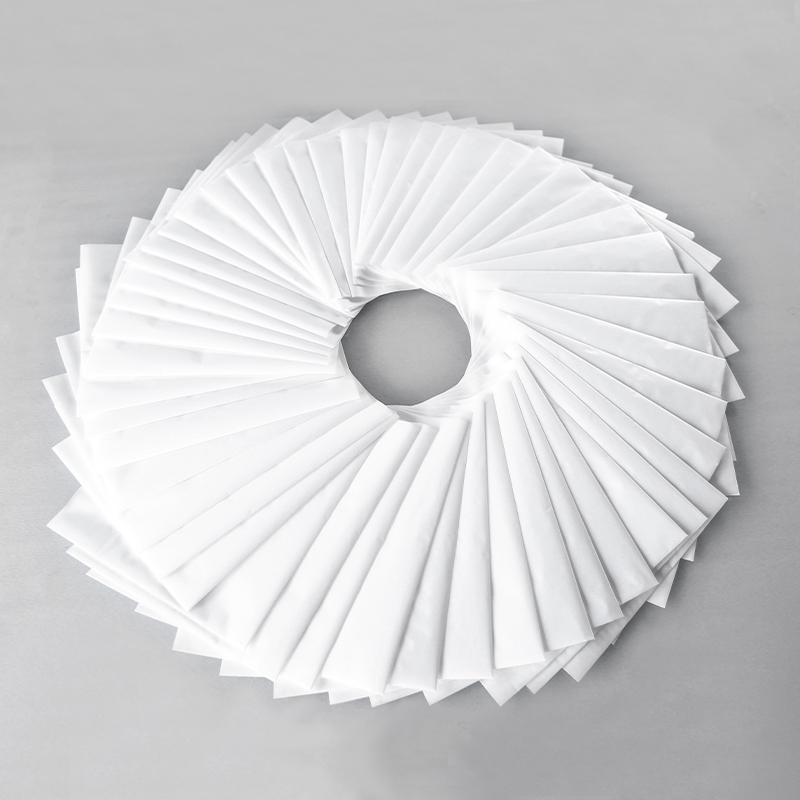
Product details: Folded baking paper sheets, an environment-friendly product, are composed of wood pulp and are double-side coated with silicone. Such a coating makes our paper smooth, greaseproof and...
See Details -
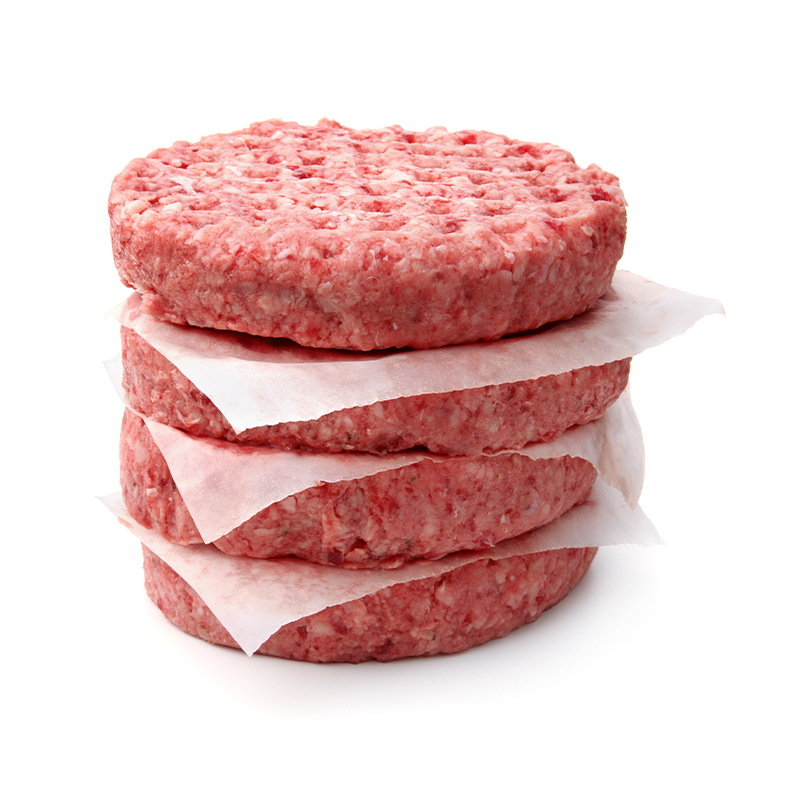
Description: Wax paper is the paper that is coated with food-grade wax in order to make it non-stick and waterproof. wax paper is very good for food storing and presentingMade of food-grade paper and ...
See Details -
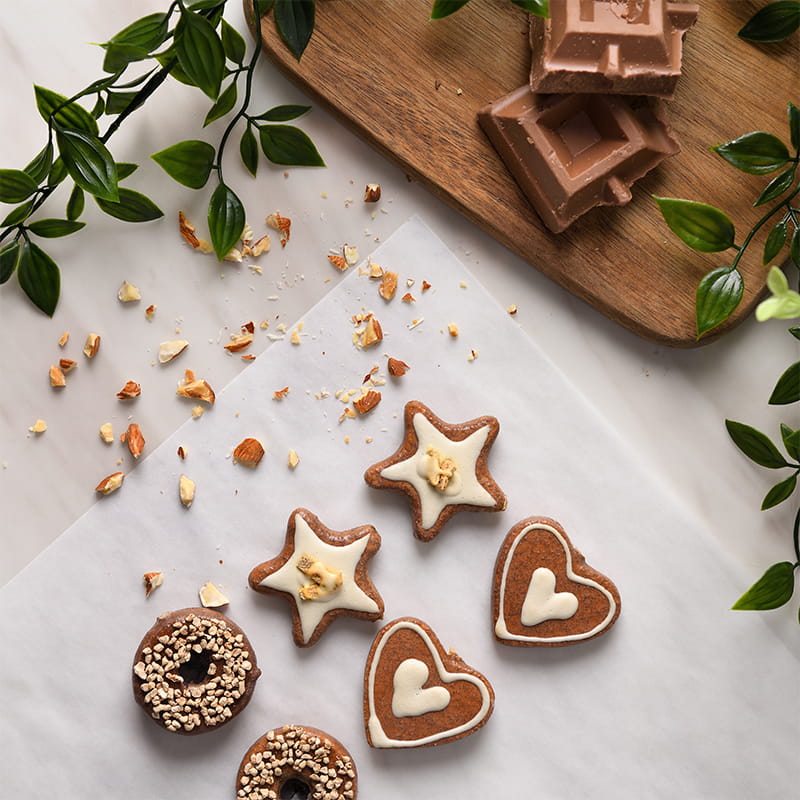
Product Features: 1. Virgin wood pulp 2. Double sides food grade silicone-treated 3. Fluorine-free 4. Non-stick 5. Oven/Microwave safe 6. Freezer safe 7. Reusable 8. BPA f...
See Details -
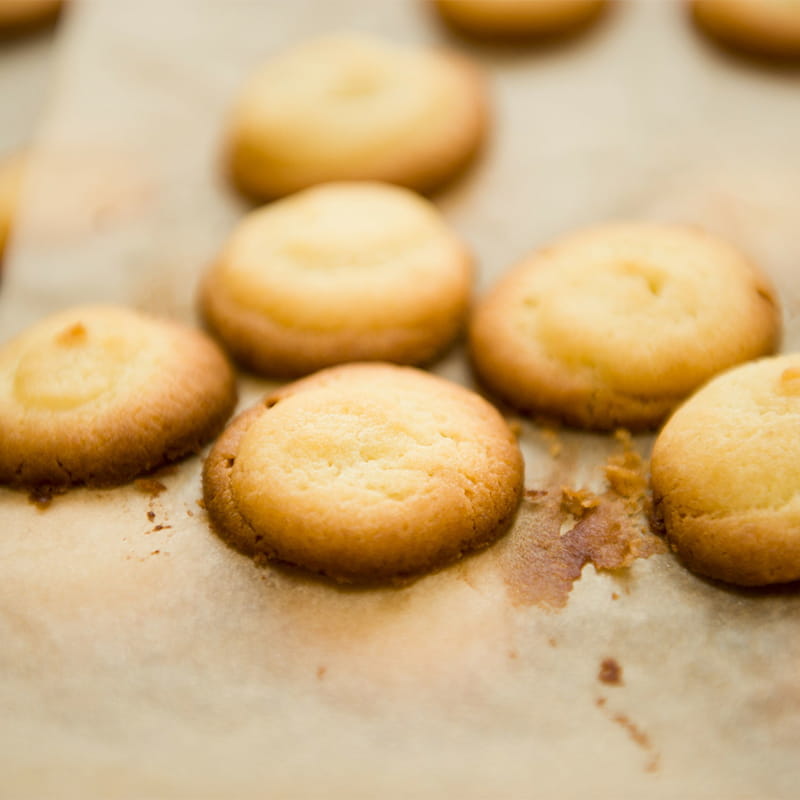
Product Features: 1. Virgin wood pulp 2. Natural unbleached brown color 3. Double sides food grade silicone-treated 4. Fluorine-free 5. Non-stick 6. Oven/Microwave safe 7. Fre...
See Details -
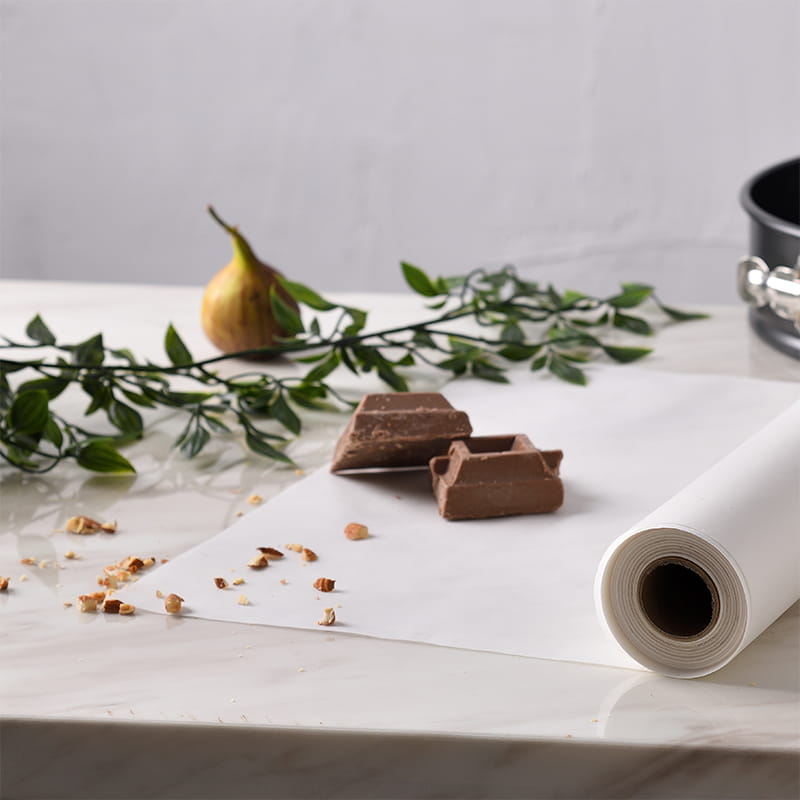
Product Features: 1. Virgin wood pulp 2. Double sides food grade silicone treated 3. Fluorine-free 4. Non-stick 5. Oven/Microwave safe 6. Freezer safe 7. Reusable 8. BPA ...
See Details -
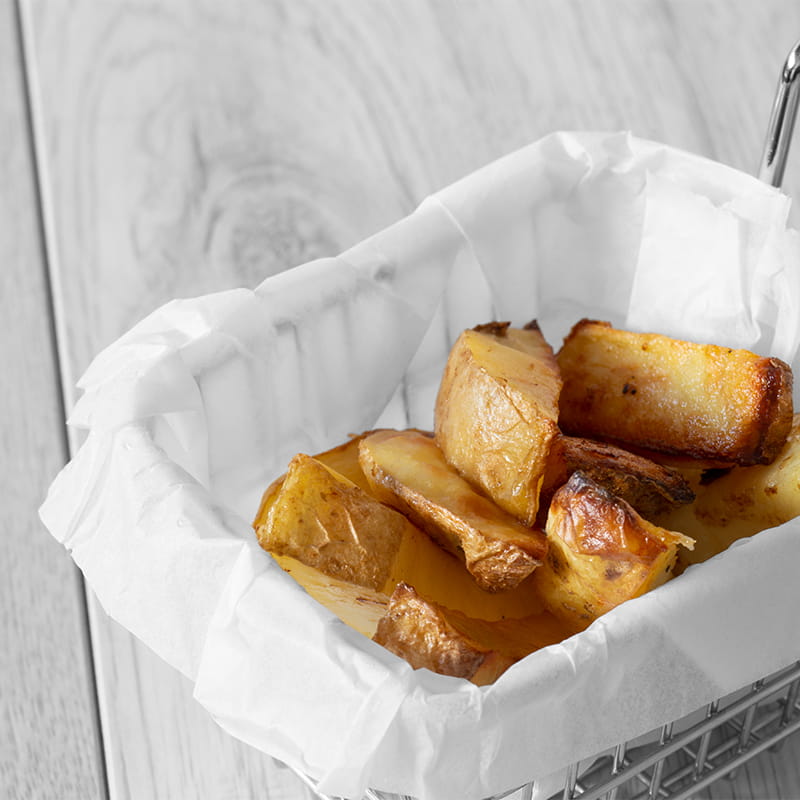
Product Features: 1. Virgin wood pulp 2. Fluorine-free 3. BPA free 4. Biodegradable Product Details: In an era where environmental consciousness and sustainability are paramount, Natu...
See Details -
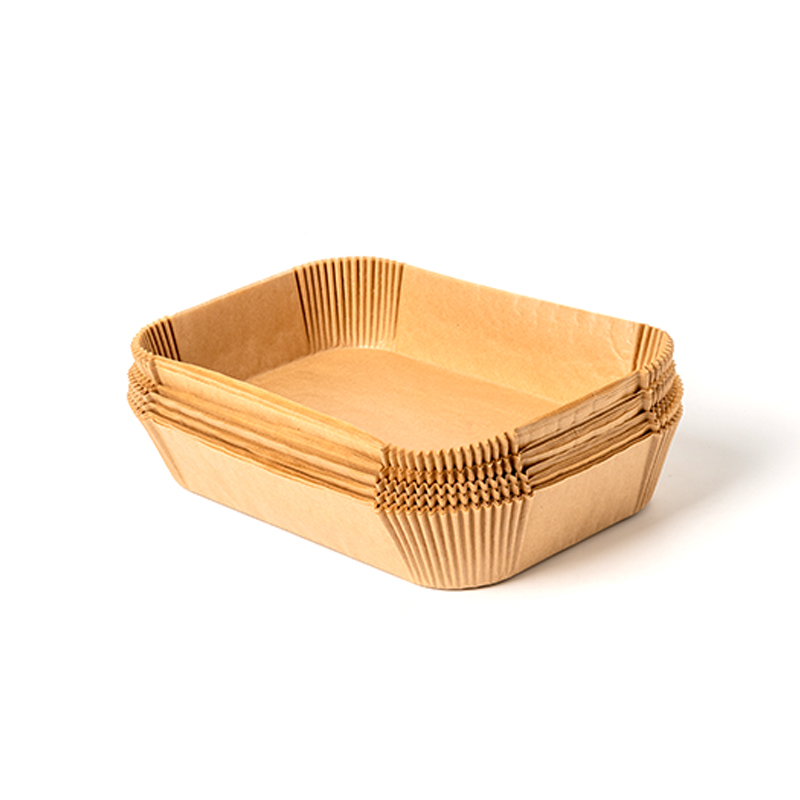
Product Features: 1. Virgin wood pulp 2. Double sides food grade silicone-treated 3. Fluorine-free 4. Non-stick 5. Air fryer basket safe 6. Reusable 7. BPA free 8. Biodeg...
See Details -
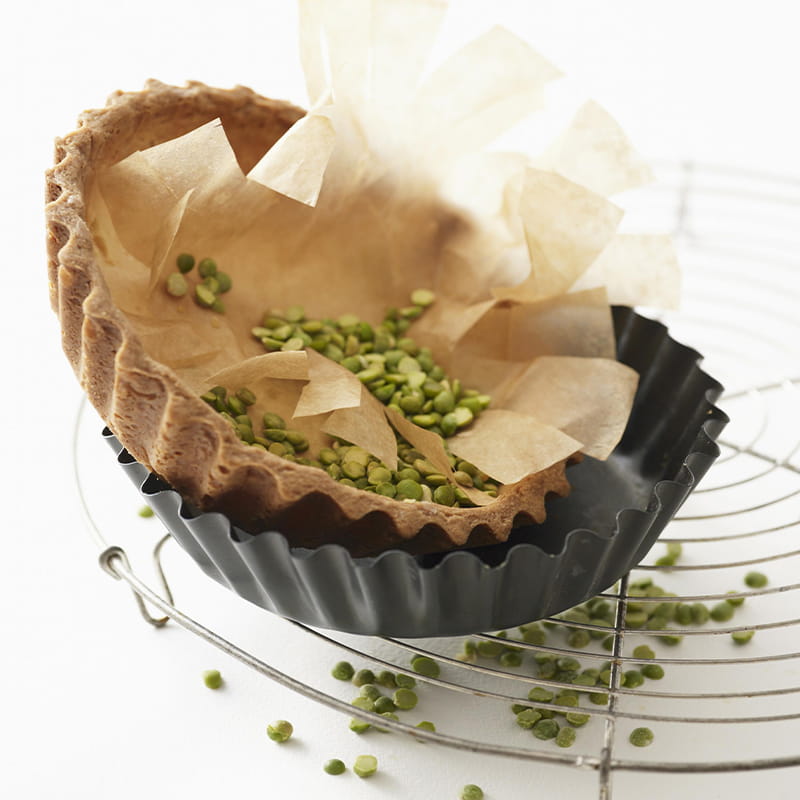
Product Features: 1. Virgin wood pulp 2. Natural unbleached brown color 3. Fluorine-free 4. BPA free 5. Biodegradable Product Details: Introducing our Unbleached Brown Food Grade ...
See Details -
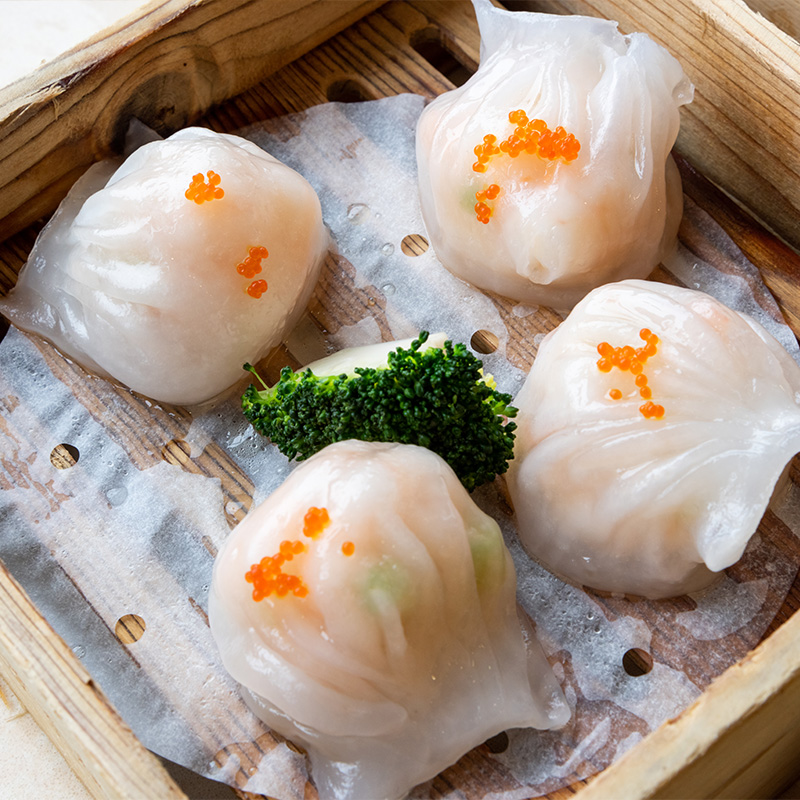
Product Features: 1. Virgin wood pulp 2. Double sides food grade silicone treated 3. Fluorine-free 4. Non-stick 5. Steamer/air fryer basket safe 6. Reusable 7. BPA free 8...
See Details -
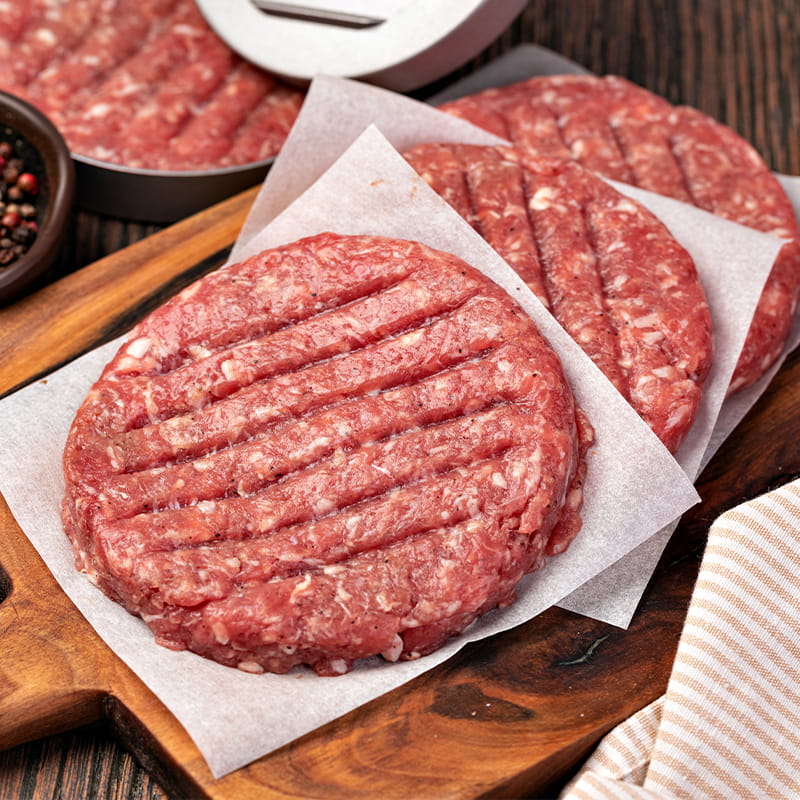
Product Features: 1. Virgin wood pulp 2. Double sides food grade silicone treated 3. Fluorine-free 4. Non-stick 5. Easy to separate 6. Reusable 7. BPA free 8. Biodegradab...
See Details -
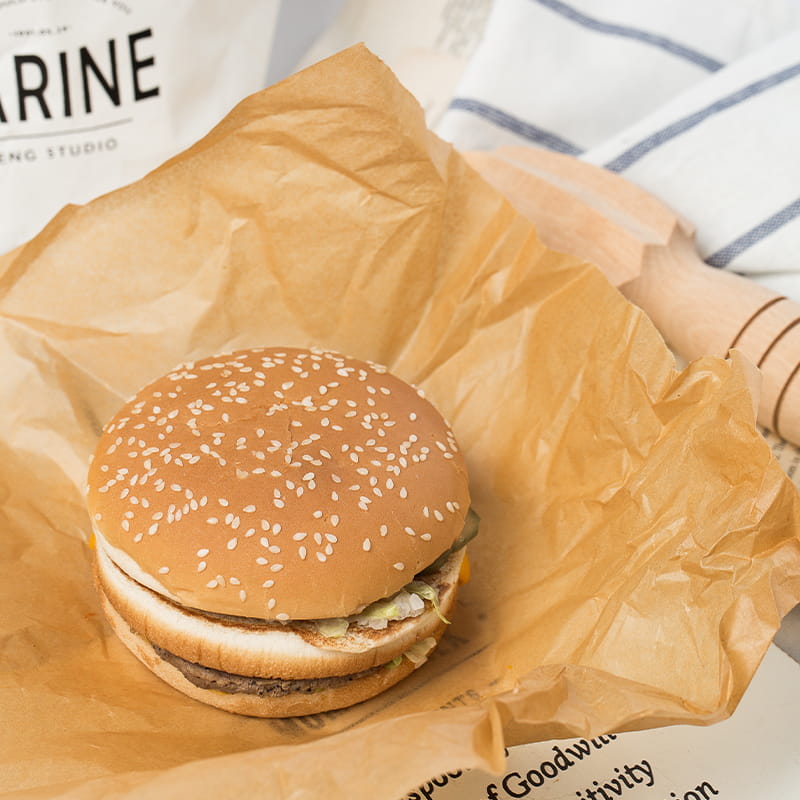
Product Features 1. Virgin wood pulp 2. Flexographic printing 3. Eco-friendly water-based ink 4. BPA free Product Details: Introducing our premium Greaseproof Sandwich Paper Sheets, a...
See Details

Professional Baking Parchment Paper Manufacturer in China with more than 15 years silicone coating experience.
Products
Contact Us
- No.10 Longyin Road, Chengnan Industrial Park,Longyou, Quzhou, China.
- +86-18968091013 / +86-571-88639705
- Avayao-1990@hotmail.com
Copyright © Zhejiang Guanghe New Materials Co., Ltd. All Rights Reserved.
Parchment Paper & Baking Paper Sheets Manufacturer
