 English
 中文简体
中文简体
Product details: Pop-up parchment paper sheets, an environment-friendly product, are composed of wood pulp and are double-side coated with silicone. Such a coating makes our paper smooth, greasepr...
See DetailsA Circular Economy Characterized By Sustainable Development
These days, the way things get made is shifting toward using resources smarter, cutting down on waste, and keeping materials in play longer. A circular economy is all about that—finding ways to reuse, fix, or recycle stuff so it cycles back instead of getting thrown out after one go. This setup moves away from the old take-make-trash pattern by planning from the start how things can stay useful through multiple rounds, easing pressure on the planet and making supplies last.
In factories turning out paper products, like baking paper sheets for kitchens, this thinking shows up in careful picks for starting materials and how they're handled. Pulp coming from well-looked-after forests or recycled streams helps keep things balanced, protecting trees and water while giving steady inputs. Baking paper, for example, benefits from these choices—it ends up reliable for everyday oven use without adding to long-term waste piles.
The whole circular idea spreads across everyone involved—suppliers, makers, shops, and users—all sharing the job of keeping materials looping. It takes working together to line up sourcing, production, and what happens after use. Over time, this teamwork brings steadier operations, less stuff piling up in landfills, and chances to keep getting better at using resources wisely.
Exploring Responsible Sourcing Practices for Raw Materials in Sustainable Production Cycles
Where raw materials come from sets the tone for how green the whole process ends up. Responsible sourcing means teaming up with suppliers who take care of the land and surroundings their stuff comes from.
For pulp in paper making—like what's used for baking paper sheets—this often means fibers from forests managed so trees grow back naturally and wildlife stays okay. They harvest older trees, leaving younger ones to mature, keeping soil healthy and habitats connected. The same kind of thinking applies to other inputs, avoiding spots that are fragile or important for water.
One upside is the materials tend to be more consistent. Steady supplies from cared-for sources mean less variation when they hit the machines, causing to output that's reliable batch after batch. Long relationships with suppliers who share the same outlook make it easier to get details and check practices.
Other parts include fair jobs and support for local areas, which helps keep supply stable by building good conditions around the sources.
Putting this in place takes regular contact—visits to see operations or reviews of how things are done. Outside checks add another layer of confirmation that everything lines up with environmental guidelines.
All told, sourcing this way lowers risks of shortages and lightens the load on nature, letting materials go into production ready for multiple uses down the line.
Integrating Recycled Materials into Production Processes to Enhance Resource Circulation
Bringing in recovered fibers gives materials extra rounds of use and cuts the need for fresh ones. Recycled content takes old paper from homes or offices, turns it back into pulp, and forms new sheets—like baking paper that works just as well for lining trays.
The process starts with sorting collected paper, then breaking it down, cleaning out ink or glue, and getting it ready again. Checks along the way make sure the pulp has the strength and cleanliness needed for the final product.
Mixing recycled with new fibers often gets the right feel—smooth enough for food contact, sturdy for oven heat. Improvements in cleaning and blending have let higher recycled amounts work in more items, including everyday baking paper.
This keeps big volumes out of dumps and eases pressure on trees. Turning old paper into new usually takes less energy than starting from scratch.
Keeping the incoming recycled stuff consistent can be tricky with varying quality or bits of contaminant. Good supplier ties and in-house testing sort that out.
Day-to-day, watching the mix ratios helps get the more recycled in while keeping performance steady. This ties the factory right into bigger recovery loops, turning yesterday's sheets into tomorrow's baking paper.
Applying Life Cycle Assessment Methods to Evaluate Raw Material Impacts in Circular Systems
Taking a full look at a material's journey helps decide what's worth using. Life cycle checks go through every step—from pulling it out of the ground or recycling bin, through making, shipping, using, and what happens at the end.
For paper products like baking paper sheets, this covers tree growing or waste collection, pulping, forming sheets, getting them to kitchens, daily oven use, and composting or recycling afterward.
Gathering info on water, energy, emissions, and other effects at each part shows where the biggest loads are. This points out spots to tweak for less impact.
Results often highlight chances to save energy in pulping or design sheets that compost faster. They also show how one change affects another stage, avoiding fixes that just move problems around.
Working with folks who know these assessments keeps the review thorough, folding findings into choices for materials.
Checking again every so often keeps it current as ways improve or new options come up. This ongoing habit supports picking materials that come out lighter on the planet across their whole life.
| Stage of Material Journey | Primary Activities Observed | Opportunities for Enhancement |
|---|---|---|
| Resource Acquisition | Harvesting or recovery collection | Prioritizing managed sources and efficient gathering |
| Processing and Manufacturing | Pulping, forming, and finishing | Streamlining energy and water usage |
| Distribution and Application | Transport and end-use integration | Improving logistics and product durability |
| End-of-Life Pathways | Recovery, reuse, or responsible management | Expanding recovery options and material compatibility |
Setting Up Traceability and Open Information Sharing in Raw Material Supply Chains
Having clear records of where materials come from gives buyers more confidence when sustainability is mentioned. Traceability means keeping track of inputs from the very start all the way through making the product, and transparency is about sharing the right details with everyone involved.
For paper materials, this might mean linking a particular batch of pulp back to a specific forest area or a recycling collection point. Simple digital logs or detailed paperwork help keep the chain unbroken.
It starts with getting suppliers on board to follow the same reporting rules. Regular checks and shared data systems make sure things stay on track.
The upside is being able to spot and fix any issues quick, plus it backs up the sustainability story with real proof. Sharing this openly also lets manufacturers pass on the responsible practices to their customers or end users.
In complicated supply setups with lots of steps, rolling this out takes time and coordination between different levels.
All together, these steps build accountability and make sure the materials really meet the environmental and ethical standards they're supposed to from beginning to end.
Building Cooperation and Fresh Ideas Among Everyone Involved to Push Sustainable Materials Forward
Progress in better sourcing often comes from people working together instead of going it alone. Bringing suppliers, makers, researchers, and users into the same conversations opens up ways to improve how things get done.
Groups might team up to figure out better recycling methods or test new fiber sources that fit the reuse loop. Regular meetings or focused forums let folks swap what they've learned and try small pilots.
New ideas usually pop up from these chats—maybe a different way to process fibers or mix materials that makes the cycle stronger.
Keeping talk open builds networks that can adjust when new problems or chances come up.
This kind of teamwork speeds up getting practical solutions into place that match the circular economy goals.
Moving Ahead with Sustainable Raw Material Approaches in a Changing Circular Economy Picture
Putting together responsible sourcing, more recycled content, full life cycle looks, traceability setups, and teamwork across the board creates a solid base for handling resources better. Each part helps cut down on environmental strain while keeping materials flowing in ways that allow reuse.
In day-to-day running, these ideas guide choices—like who to buy from, how to tweak processes, or what to design next. Using them regularly builds toughness against supply changes or new rules and market shifts.
The circular economy keeps evolving with new knowledge and tools. Staying involved with those changes keeps practices useful and ready to adapt.
In this setup, Guanghe runs as a focused production place committed to these ideas. Working on paper-based materials, the factory pays close attention to inputs, efficient making steps, and operations that consider the environment. This focus turns out reliable products that fit reuse frameworks, serving different uses while sticking to quality and resource care standards.
Supporting Steady Results Through Simple Design and Reliable Production
A good kitchen tool doesn't need to be complicated to earn its spot—it just has to work the same way every time. Parchment paper sheets are a outstanding example: nothing fancy about them, but they give you the same outcome no matter how many times you use them. At Guanghe, we build the production around how these sheets actually get used in real kitchens—going through heat again and again, dealing with oils or juices, getting folded, lifted, moved around, and sometimes even wiped off for a quick second use before tossing.
We keep the surface feel and thickness the same across every sheet so dough spreads out even, baked goods come off clean, and roasted stuff browns nicely without leaving burnt bits stuck behind. This kind of steadiness counts a lot in busy kitchens where even small differences from one batch to the next can throw off timing or texture. Our setup lets us keep that consistency whether the sheets are going to home ovens, big commercial trays, or slower multi-layer bakes.
The green side gets built in too, with designs that let a sheet do a light job more than once if it stays clean. After bread or cookies, you can often wipe it down and use it again instead of throwing it away right off. When it's finally done, the sheet breaks down easy in compost, keeping things moving in a reuse loop rather than stopping at the bin.
Wrapping Up Thoughts on Why Baking Parchment Paper Sheets Still Matter in Everyday Kitchens
Baking parchment paper sheets have turned into one of those kitchen items people just keep around because they make things easier without any fuss. They stop food from sticking to pans, catch drips and crumbs so cleanup is quick, and handle all kinds of cooking without needing extra oil or foil.
For regular home cooking, they take away the worry about ruining a pan or having a cake fall apart when you turn it out. Roasting a tray of vegetables or baking a batch of cookies comes out neater, with everything browning even and nothing left burnt on the bottom. On busy days or when making bigger meals, that bit of saved time and less scrubbing really adds up.
They work for pretty much anything—fancy pastries, simple roasts, or those little packets with fish and herbs steamed inside. The sheets hold up to oven heat, deal with moisture or grease without falling apart, and peel off clean when the food's done.
More and more people are thinking about cutting down on waste and making greener choices in the kitchen, and these sheets fit right in. They're designed to break down after use, and if one stays fairly clean, you can wipe it off and use it again for the next batch. That means less stuff ending up in the bin compared to foil or plastic wrap, which suits kitchens trying to throw away less.
What makes them valuable is how they show up over time—quietly helping get better results, making work lighter, and slipping into daily habits without needing big changes or extra effort.
At Guanghe, our factory makes these baking parchment paper sheets with everyday needs in mind—practical, steady pieces for home ovens or larger setups, always adjusting from user notes to keep them useful and simple to rely on.
Related Products
-
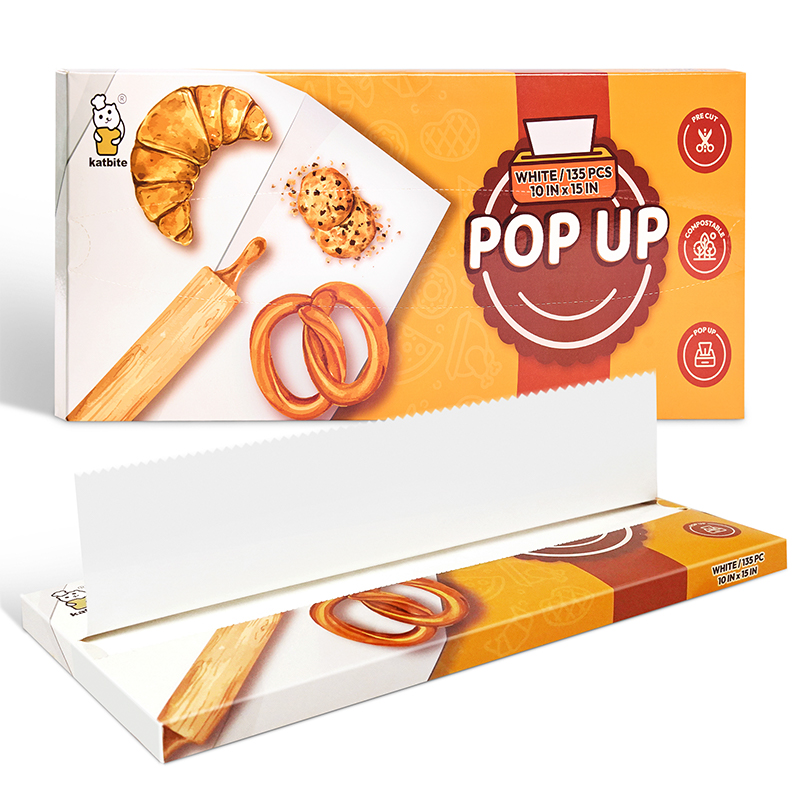
-
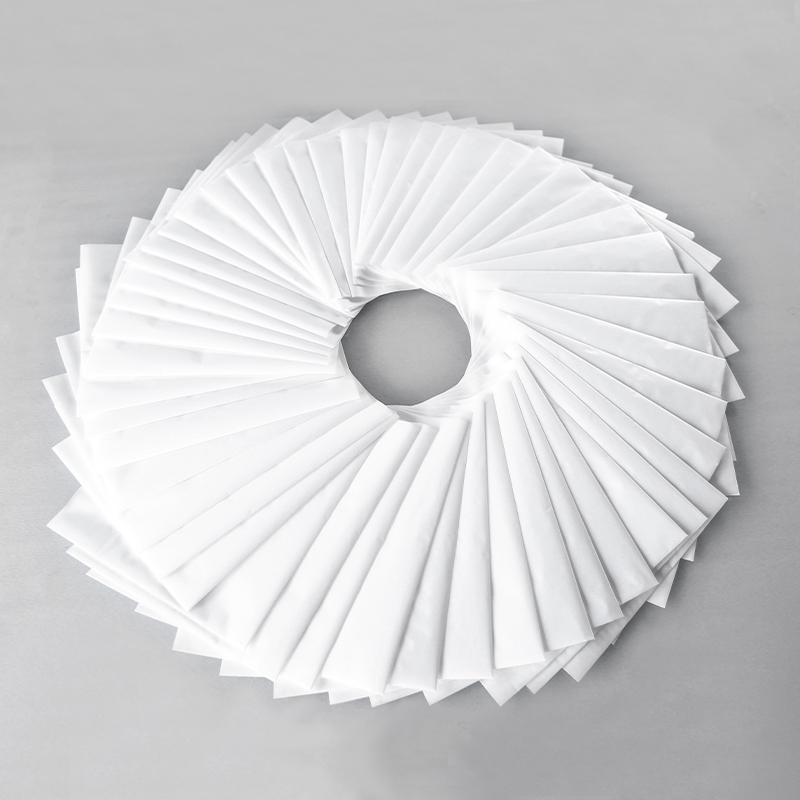
Product details: Folded baking paper sheets, an environment-friendly product, are composed of wood pulp and are double-side coated with silicone. Such a coating makes our paper smooth, greaseproof and...
See Details -
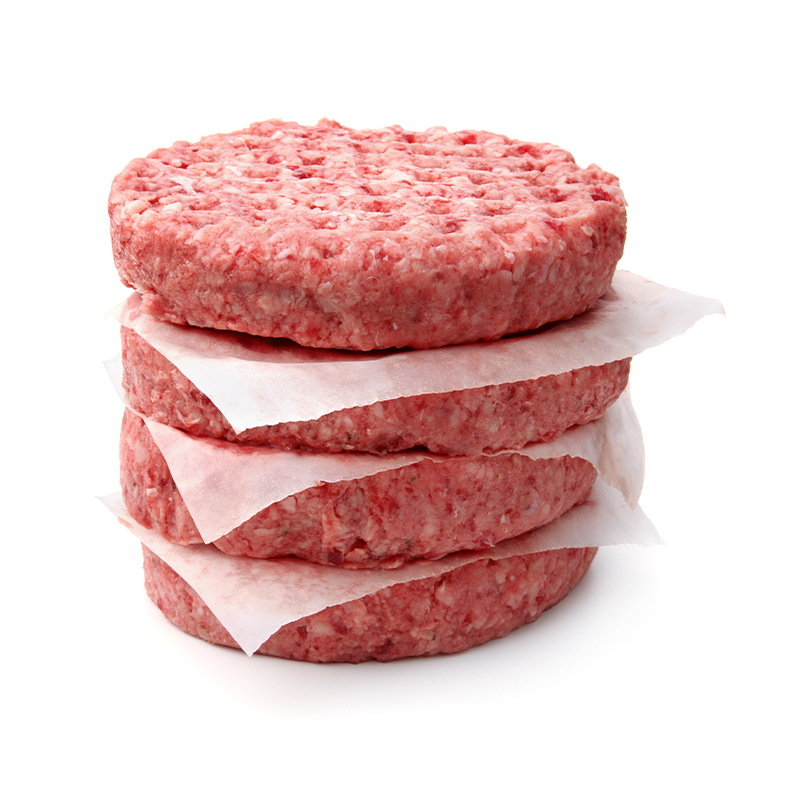
Description: Wax paper is the paper that is coated with food-grade wax in order to make it non-stick and waterproof. wax paper is very good for food storing and presentingMade of food-grade paper and ...
See Details -
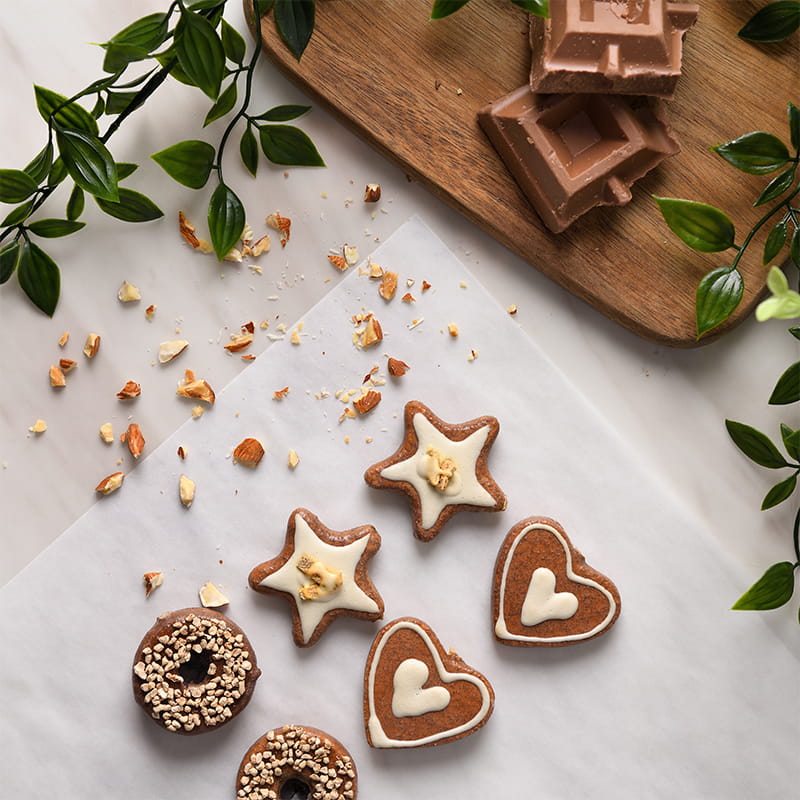
Product Features: 1. Virgin wood pulp 2. Double sides food grade silicone-treated 3. Fluorine-free 4. Non-stick 5. Oven/Microwave safe 6. Freezer safe 7. Reusable 8. BPA f...
See Details -
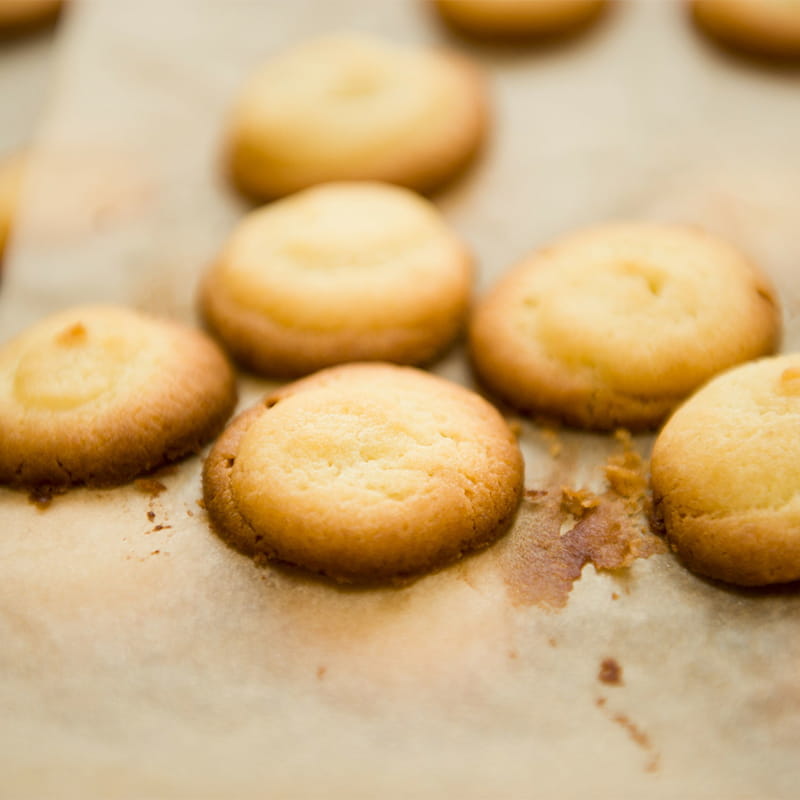
Product Features: 1. Virgin wood pulp 2. Natural unbleached brown color 3. Double sides food grade silicone-treated 4. Fluorine-free 5. Non-stick 6. Oven/Microwave safe 7. Fre...
See Details -
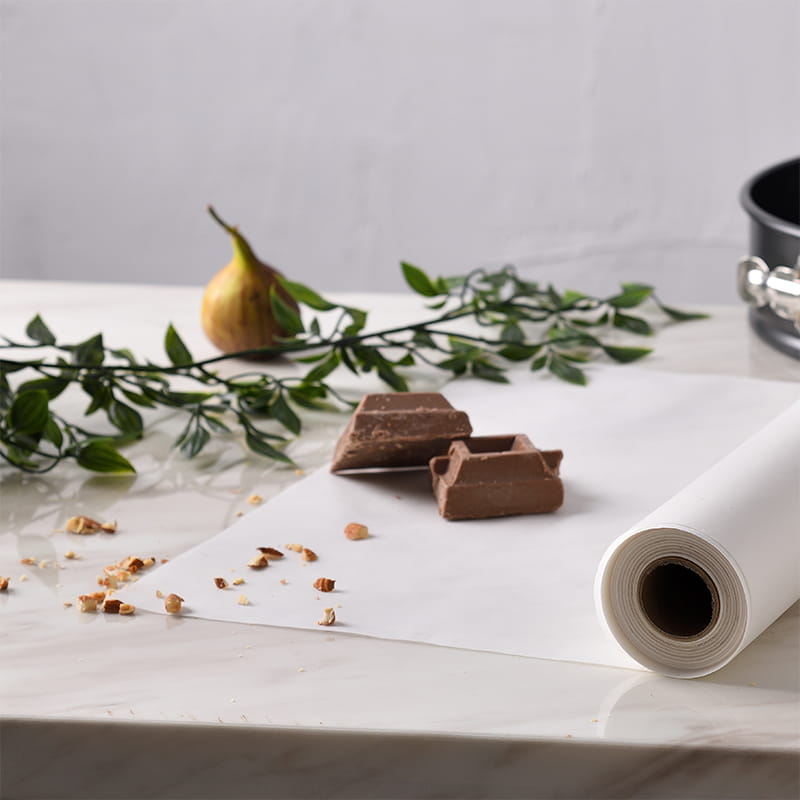
Product Features: 1. Virgin wood pulp 2. Double sides food grade silicone treated 3. Fluorine-free 4. Non-stick 5. Oven/Microwave safe 6. Freezer safe 7. Reusable 8. BPA ...
See Details -
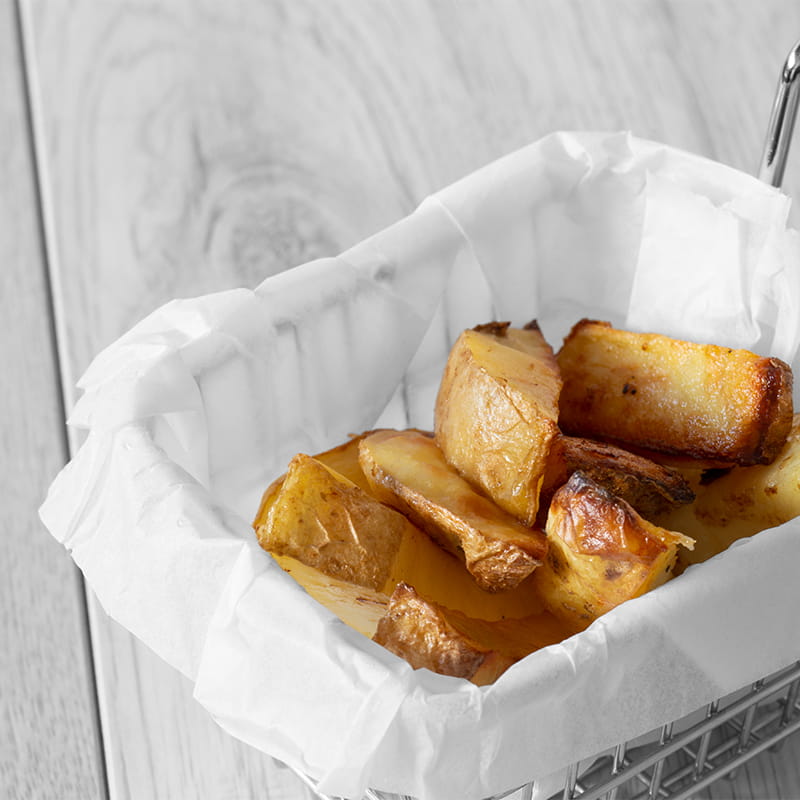
Product Features: 1. Virgin wood pulp 2. Fluorine-free 3. BPA free 4. Biodegradable Product Details: In an era where environmental consciousness and sustainability are paramount, Natu...
See Details -
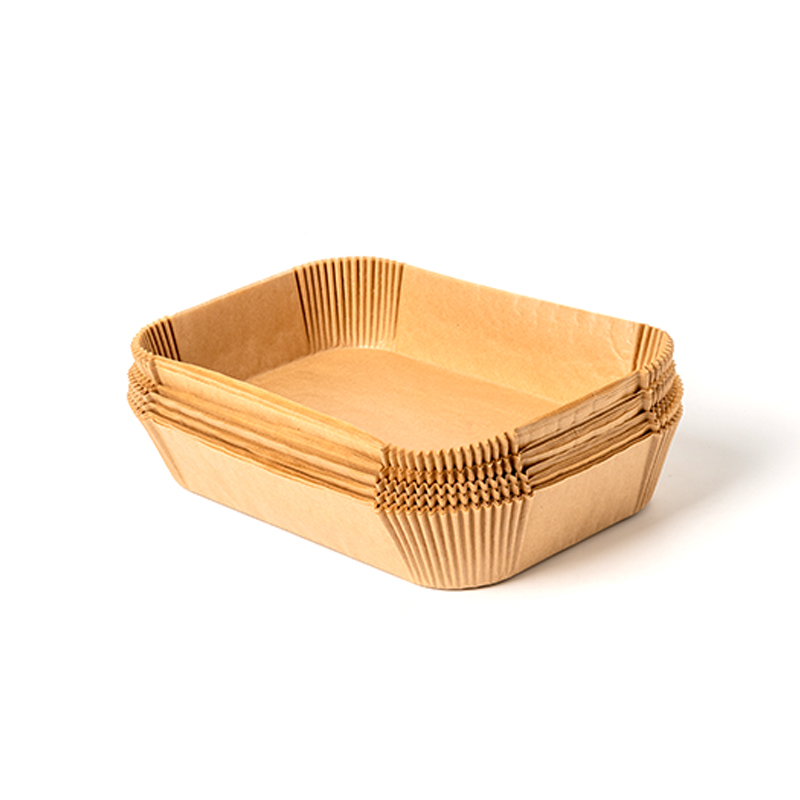
Product Features: 1. Virgin wood pulp 2. Double sides food grade silicone-treated 3. Fluorine-free 4. Non-stick 5. Air fryer basket safe 6. Reusable 7. BPA free 8. Biodeg...
See Details -
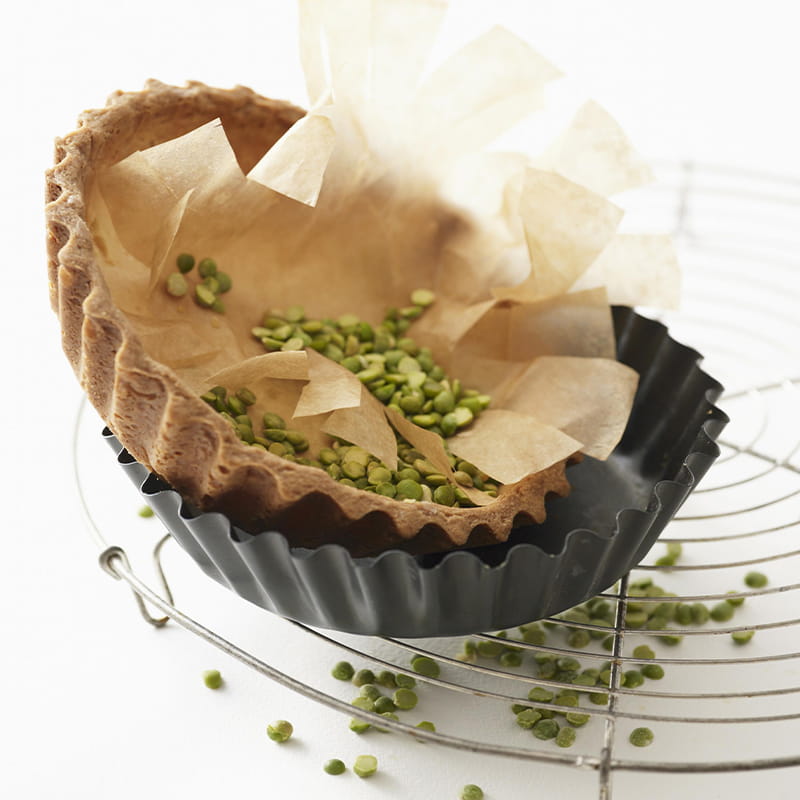
Product Features: 1. Virgin wood pulp 2. Natural unbleached brown color 3. Fluorine-free 4. BPA free 5. Biodegradable Product Details: Introducing our Unbleached Brown Food Grade ...
See Details -
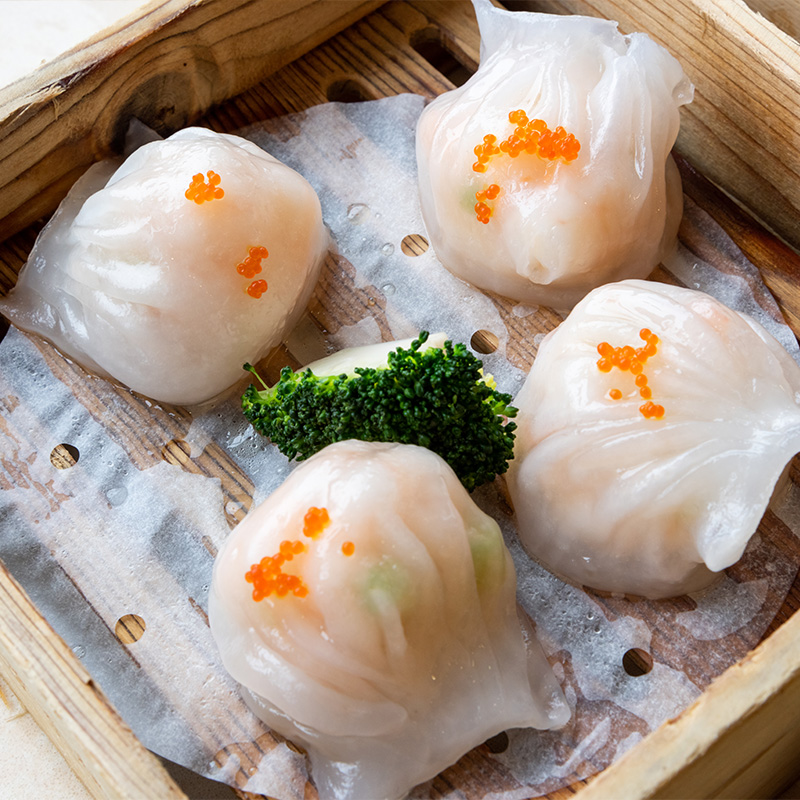
Product Features: 1. Virgin wood pulp 2. Double sides food grade silicone treated 3. Fluorine-free 4. Non-stick 5. Steamer/air fryer basket safe 6. Reusable 7. BPA free 8...
See Details -
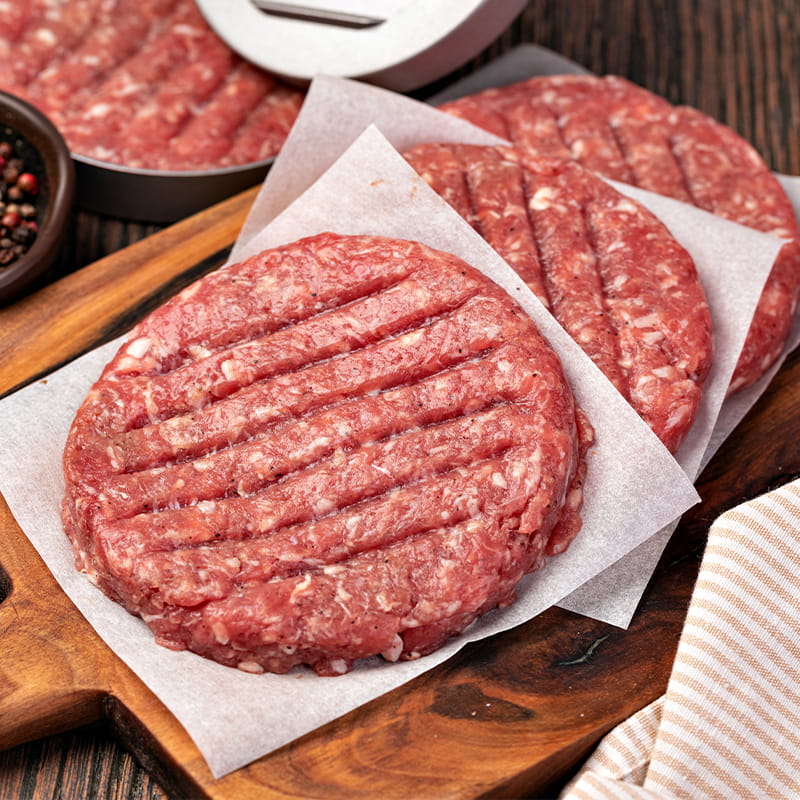
Product Features: 1. Virgin wood pulp 2. Double sides food grade silicone treated 3. Fluorine-free 4. Non-stick 5. Easy to separate 6. Reusable 7. BPA free 8. Biodegradab...
See Details -
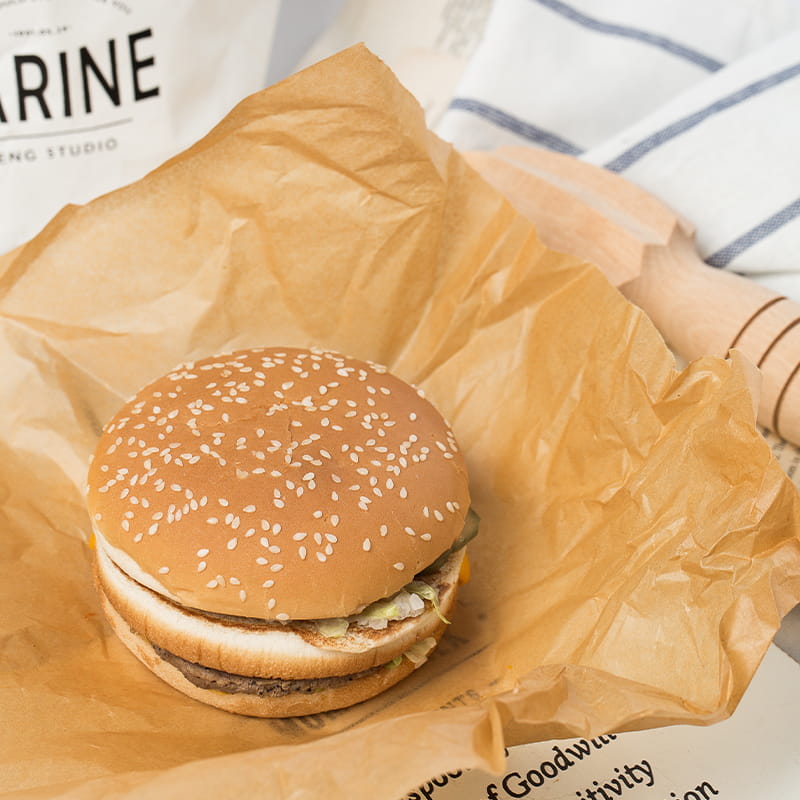
Product Features 1. Virgin wood pulp 2. Flexographic printing 3. Eco-friendly water-based ink 4. BPA free Product Details: Introducing our premium Greaseproof Sandwich Paper Sheets, a...
See Details

Professional Baking Parchment Paper Manufacturer in China with more than 15 years silicone coating experience.
Products
Contact Us
- No.10 Longyin Road, Chengnan Industrial Park,Longyou, Quzhou, China.
- +86-18968091013 / +86-571-88639705
- Avayao-1990@hotmail.com
Copyright © Zhejiang Guanghe New Materials Co., Ltd. All Rights Reserved.
Parchment Paper & Baking Paper Sheets Manufacturer
