 English
 中文简体
中文简体
Pre Cut Baking Paper Sheets are made from wood pulp and coated on both sides with a food-safe silicone layer. This coating gives the paper a smooth, greaseproof, and moisture-resistant surface that su...
See DetailsHow Perforated Liners Enhance Air Fryer Efficiency
Air fryers showed up on counters and stayed there. People started buying them because the promise sounded too good to ignore—crispy food that tastes like it came out of a deep fryer, but with almost no oil and way less waiting around. The trick is simple: hot air gets blown around the food really fast, like a super-powered convection oven in a small box. That circulating heat browns the outside quickly while the inside cooks through without turning dry. Compared to pulling out a big oven tray or dealing with a pot of oil, it feels like a shortcut. Meals that used to take forty minutes now finish in half that time. The smell of fried food fills the kitchen without the heavy greasy haze hanging around afterward. For families trying to eat a little lighter, for people who hate long cleanups, or just anyone tired of the same old oven routines, the air fryer became the new default.
But almost everyone who uses one regularly runs into the same complaint pretty quick. The basket ends up looking rough after just a few rounds. Cheese melts and hardens in the corners, breading crumbs fall through the holes and burn on the bottom, grease from bacon or wings splatters and bakes on. If you cook something saucy or sticky, it drips straight down and turns into a stubborn film that won't come off without serious elbow grease. Soaking the basket overnight becomes routine. Scrubbing with a brush gets old fast. The non-stick coating starts wearing in spots from all the scraping. What was supposed to be an easy appliance suddenly adds extra work at the end of every meal. That frustration builds up, and some people even start using the air fryer less because they dread the aftermath more than they enjoy the results.
What Perforated Air Fryer Paper Liners Actually Are
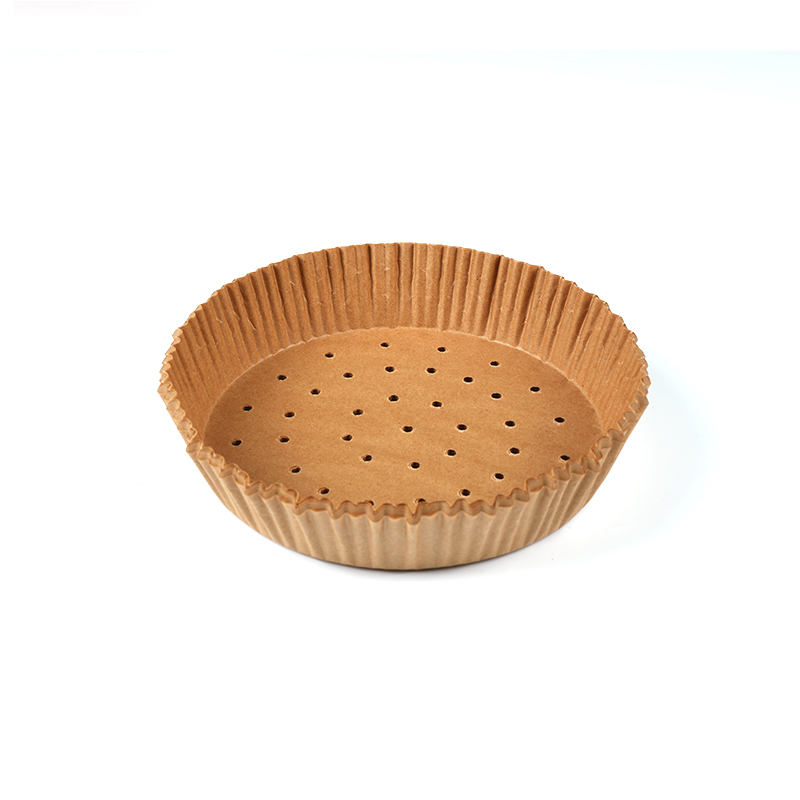
Perforated liners are basically paper sheets cut to match the shape of commonly used air fryer baskets. They sit flat on the bottom, with edges that usually curve up a little to catch any runaway drips. The real key is the pattern of small holes scattered evenly across the entire surface. Those holes are deliberate—too few and airflow suffers, too many and the paper might tear or let food fall through. The material is almost always food-safe parchment-style paper, sometimes with a thin non-stick treatment or a light silicone coating. It has to stand up to temperatures well above what typical home cooking reaches without scorching, curling, or giving off any strange smells or tastes. Some brands make thicker versions that feel sturdier, others keep them thin so they fold easily for storage. Reusable silicone ones exist too, usually thicker and washable, but the disposable paper kind dominates because it's cheap and zero-maintenance.
The perforations make sure the liner doesn't fight the air fryer. Without holes, you'd basically turn the basket into a solid plate, trapping heat underneath and steaming instead of crisping. With the right hole pattern, air moves up through the paper just like it would through the basket grate alone. Food sits on top, grease and moisture drip down and get caught, but the hot air keeps doing its job uninterrupted.
How the Holes Fix Uneven Cooking for Good
The whole magic of an air fryer comes down to that nonstop hot air movement. Food placed straight in the basket often blocks the space underneath. A flat piece of chicken or a pile of fries can sit flush against the metal, creating dead zones where heat can't reach. One side ends up golden and crunchy while the bottom stays pale and soft, almost soggy. You end up shaking the basket every few minutes or flipping things by hand, which gets annoying and lets heat escape each time you open the drawer.
Drop a perforated liner in at the start and the problem mostly disappears. Air pushes up through every hole, hitting the underside of the food directly. The heat wraps around more completely—top, sides, bottom all at once. Browning happens evenly without constant babysitting. Vegetables roast with consistent color instead of patchy spots. Breaded items develop an all-over crust instead of a half-done bottom. The difference shows up especially on thicker cuts or denser foods where heat used to struggle to penetrate from below. The whole meal comes out looking like it was cooked with more care, even when you barely touched it after hitting start.
Why Meals Finish Noticeably Quicker
Better airflow doesn't just even things out—it accelerates the whole process. When hot air makes full contact instead of fighting to get around blocked areas, food heats up faster and cooks through more efficiently. What used to need twenty-five minutes might finish in eighteen or twenty. That gap grows when you're cooking larger batches or denser items. Frozen foods thaw and crisp quicker because the circulating air hits every frozen edge right away. Weeknight dinners stop feeling rushed. Snacks for kids after school appear faster. Late-night cravings don't drag on forever. The liner doesn't speed up the machine itself; it removes the little inefficiencies that used to slow everything down. Over a month of regular use, those saved minutes add up to hours.
Getting That Reliable Crunch Every Single Time
Air fryers earned their fans by delivering crispiness without a vat of oil. The high-speed air dries the surface fast, creating that satisfying snap. But if the bottom stays shielded from the heat, it stays limp. Moisture from the food sits there, steams instead of evaporating, and leaves a soft layer. People complain about "soggy bottoms" on fries, wings, or breaded snacks.
The perforations let that moisture escape while heat keeps blasting underneath. Excess water vapor moves down through the holes instead of trapping against the food. The exterior dries out evenly, browns evenly, crisps evenly. Fries stay crunchy tip to tip. Wings have that audible crack when you bite. Breaded shrimp or zucchini fries hold a uniform texture instead of soft patches. Even things like potato wedges or onion rings come out noticeably better. The texture matches what you expect from the appliance—no more disappointment when the bottom doesn't match the top.
Cutting Oil Use Down Even Further
Air fryers already use a fraction of the oil needed for deep frying, but liners push that advantage. The non-stick surface lets food slide off without brushing or spraying the basket first. Lean chicken breasts, plain vegetables, or naturally moist foods can go in completely dry and still brown nicely. For recipes that call for a light coating, you can cut the amount in half and still get good results. Meals taste cleaner, feel lighter, leave less greasy feeling in the mouth. Less oil also means less splatter inside the machine. The kitchen stays smelling fresh longer, counters don't get slick, and the air fryer itself doesn't collect as much sticky residue over time.
Comparing Results Side by Side
| Feature | Without Liners | With Perforated Liners |
|---|---|---|
| Airflow Under Food | Often blocked, dead zones common | Flows through holes, surrounds food completely |
| Typical Cooking Duration | Longer because of uneven exposure | Shorter from direct, efficient heat contact |
| Crispness Across Surfaces | Uneven—crisp top, soft or soggy bottom | Uniform crunch on every side |
| Oil Needed for Non-Stick | Extra brushing or spraying required | Minimal to zero thanks to the surface |
| Post-Cooking Cleanup Time | Ten to twenty minutes of scrubbing and soaking | Under two minutes—lift and wipe |
| Long-Term Basket Condition | Buildup, darkening, coating wear | Stays cleaner, less wear, longer life |
| Waste and Sustainability | More foil/plastic use, higher trash | Biodegradable or reusable options reduce impact |
| Recipe Flexibility | Messy items avoided or dreaded | Saucy, sticky, delicate foods become easy |
These liners slip into home routines without fanfare. They fix the one real complaint that many people have, keep the air fryer at peak performance, and make cooking feel easier overall. Once you start using them, going back to bare-basket cooking feels like unnecessary extra work.
Turning Cleanup Into Something Almost Instant
Cleanup stands out as the biggest reason perforated liners win over so many users. Once cooking finishes, the drawer pulls out, the liner lifts away, and the majority of the mess leaves with it. Grease that dripped from wings or burgers, stray crumbs from breaded snacks, melted cheese that oozed off nachos, runny marinade from seasoned meats—all of it stays captured on the paper surface. The basket underneath typically shows only faint smears at most, sometimes nothing noticeable at all. A quick pass with a damp cloth or paper towel clears whatever trace remains. No need for scraping hardened bits, no waiting for soaking to loosen stuck-on residue, no poking into tight crevices with a brush or tool. The entire process shrinks from something tedious and time-consuming to a brief, almost automatic step. That shift in effort changes how people feel about using the air fryer. The dread that used to follow every session fades away. When the aftermath barely registers, the appliance gets pulled out more often. Why bother heating a skillet on the stove or firing up the full oven when the air fryer delivers comparable results with almost no aftermath to deal with?
Keeping the Basket in Better Shape Long-Term
Without liners, every round of cooking lets oils, stray bits, and drippings seep into the basket's little holes, seams, and corners. Over time that stuff builds up, hardens, turns dark and crusty, and starts messing with how the air fryer works. Airflow gets blocked in spots, so you end up with uneven heat—some areas cook faster while others lag behind. Then comes the scrubbing to clean it off, which grinds away at the non-stick layer sooner than it should, leaving rough patches that make food stick even more next time. A perforated liner stops that whole chain reaction. It sits there as a throwaway shield, grabbing drips and splatters before they hit the metal. Sticky barbecue sauce, melted cheese spreading everywhere, greasy meat juices, sugary glazes that turn hard—all of it ends up on the paper. The basket underneath stays way closer to how it looked brand new for a lot longer. Those heavy deep-clean sessions that used to happen all the time drop to once in a while. The air fryer keeps performing the same way batch after batch, looks better after months of use, and still feels like money well spent instead of something that wore out too fast.
Greener Choices That Don't Sacrifice Convenience
Disposable paper liners are dead simple to use, but plenty of them now pay attention to the environment without adding hassle. Some are made from parchment that actually breaks down in compost instead of hanging around forever in landfills. Others are silicone sheets you can rinse off under the faucet and reuse over and over. Either way, they beat the old routine of grabbing crumpled foil or solid plastic sheets that block the air anyway and just add more trash. The cooking stays clean and easy, but the extra layer doesn't pile on unnecessary waste. It makes regular air fryer use feel a little better—same convenience, same results, but the small step lines up with greener habits instead of fighting them. The practical side doesn't suffer, and the eco part stops feeling like a burden.
Making Messier Recipes Actually Doable
Recipes that involve sticky sauces, heavy glazes, or wet ingredients used to carry a built-in penalty in the form of major cleanup afterward. Barbecue-slathered wings dripping sauce, honey-coated carrots or other glazed vegetables, thick batters clinging to fish pieces or vegetable slices, marinated steaks or chops releasing juices during cooking—all created situations where excess liquid hit the basket bottom and turned into a burned-on challenge. Smoke would sometimes fill the kitchen from caramelized drips hitting hot metal, and delicate foods risked tearing or leaving fragments behind. With a perforated liner in place, that excess gets intercepted. Sauces pool on the paper instead of scorching, glazes stay contained without spreading everywhere, batters release cleanly without embedding bits into the surface. The bottom stays protected from direct contact with sticky residues, so nothing smokes or hardens in place. Delicate items like tender fish fillets or soft vegetable slices cook without sticking or falling apart. Trying new flavor combinations or messier preparations becomes far less intimidating. The worst-case scenario gets handled automatically, leaving more room for experimentation and enjoyment rather than hesitation over the aftermath.
Why Liners Quickly Became Non-Negotiable for Regular Users
The benefits build on each other in ways that become obvious during everyday cooking. Food emerges looking and tasting more uniform across batches. Meals reach the table faster because of smoother heat distribution. Oil use drops further, making dishes feel lighter without losing appeal. Cleanup no longer acts as a barrier to frequent use. The air fryer shifts from an occasional novelty to a reliable daily tool. The perforated design ensures the core hot-air circulation stays effective while the paper absorbs the wear and tear. For anyone who turns to the appliance several times a week, liners elevate it from merely useful to genuinely improved. They address the one consistent drawback without introducing new steps or complications. Once incorporated, cooking without them starts feeling incomplete—like skipping a step that makes everything else easier. The small addition quietly transforms routine kitchen tasks into something smoother, cleaner, and more enjoyable overall. Regular use reinforces the value, turning what began as a simple accessory into an essential part of the air fryer experience.
Related Products
-
-
Folded Baking Paper Sheets, also known as Non Stick Baking Paper Sheets, are made from wood pulp and coated on both sides with a food-safe silicone layer. This coating gives the paper a smooth, grease...
See Details -
Description: Wax paper is the paper that is coated with food-grade wax in order to make it non-stick and waterproof. wax paper is very good for food storing and presentingMade of food-grade paper and ...
See Details -
Product Features: 1. Virgin wood pulp 2. Double sides food grade silicone-treated 3. Fluorine-free 4. Non-stick 5. Oven/Microwave safe 6. Freezer safe 7. Reusable 8. BPA f...
See Details -
Product Features: 1. Virgin wood pulp 2. Natural unbleached brown color 3. Double sides food grade silicone-treated 4. Fluorine-free 5. Non-stick 6. Oven/Microwave safe 7. Fre...
See Details -
Product Features: 1. Virgin wood pulp 2. Double sides food grade silicone treated 3. Fluorine-free 4. Non-stick 5. Oven/Microwave safe 6. Freezer safe 7. Reusable 8. BPA ...
See Details -
Product Features: 1. Virgin wood pulp 2. Fluorine-free 3. BPA free 4. Biodegradable Product Details: In an era where environmental consciousness and sustainability are paramount, Natu...
See Details -
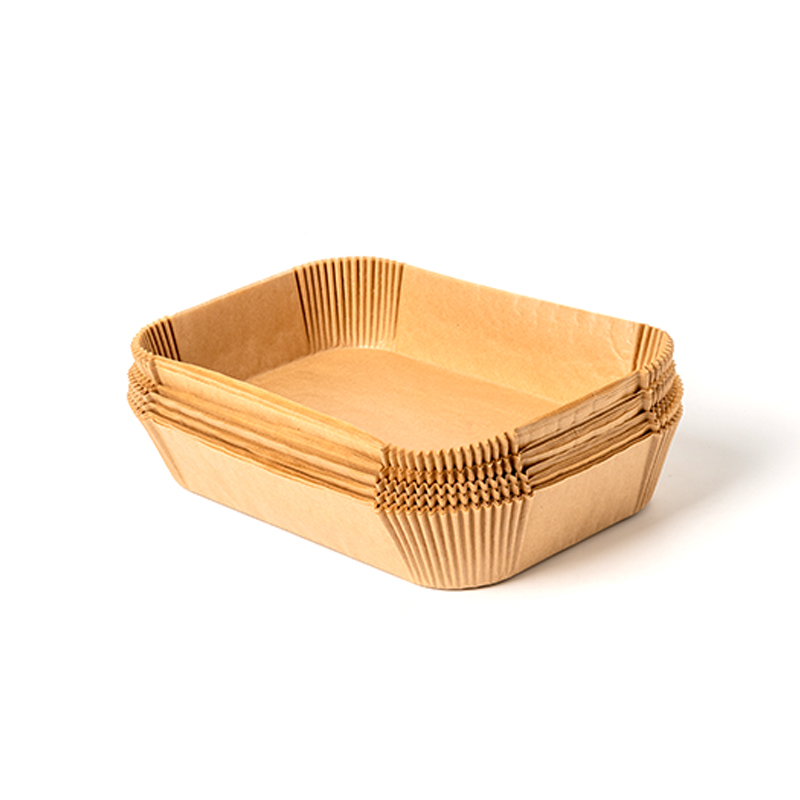
Product Features: 1. Virgin wood pulp 2. Double sides food grade silicone-treated 3. Fluorine-free 4. Non-stick 5. Air fryer basket safe 6. Reusable 7. BPA free 8. Biodeg...
See Details -
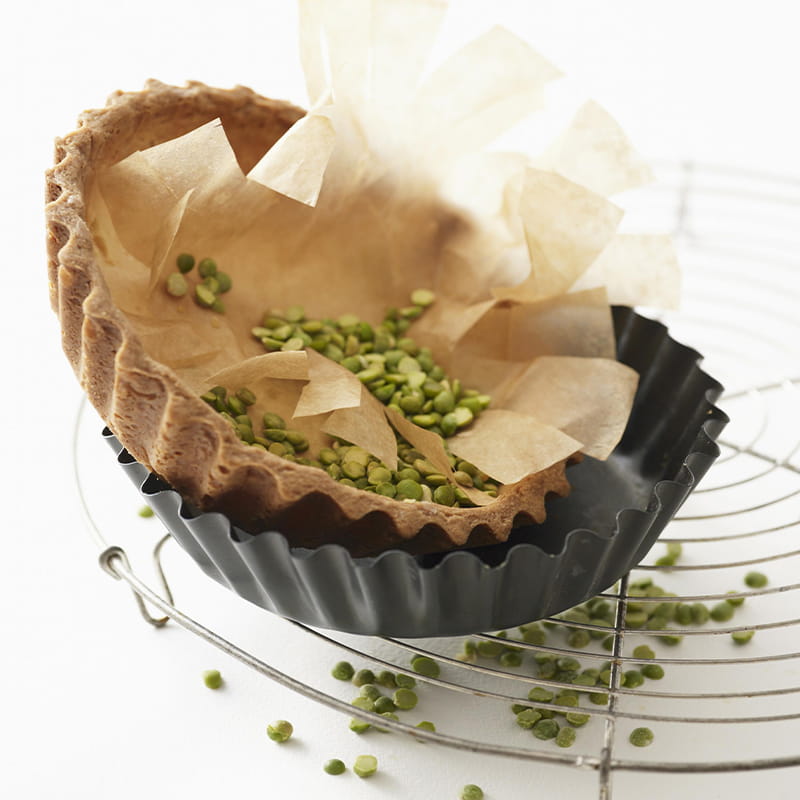
Product Features: 1. Virgin wood pulp 2. Natural unbleached brown color 3. Fluorine-free 4. BPA free 5. Biodegradable Product Details: Introducing our Unbleached Brown Food Grade ...
See Details -
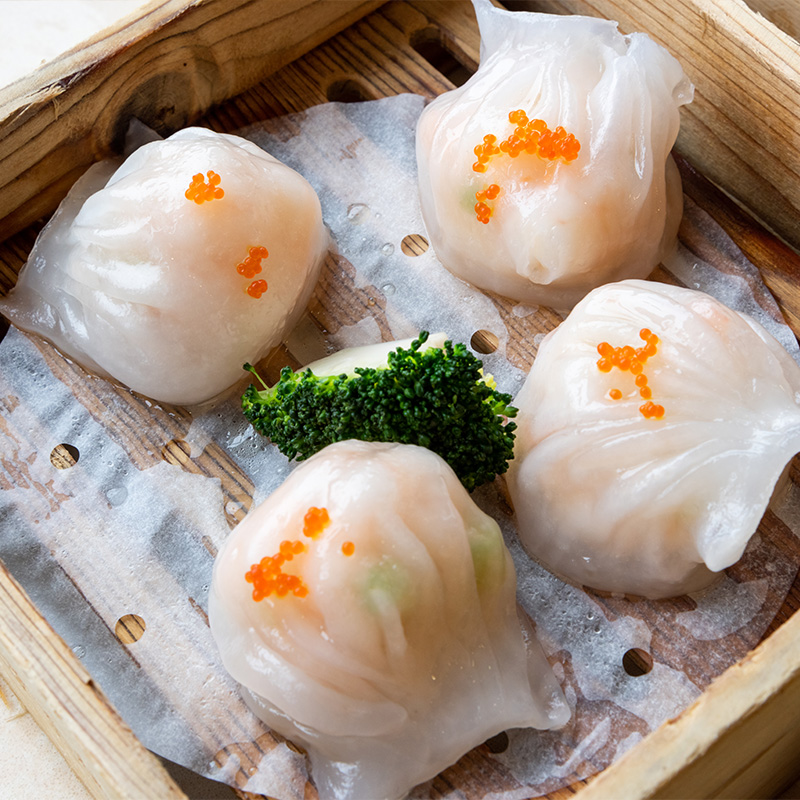
Product Features: 1. Virgin wood pulp 2. Double sides food grade silicone treated 3. Fluorine-free 4. Non-stick 5. Steamer/air fryer basket safe 6. Reusable 7. BPA free 8...
See Details -
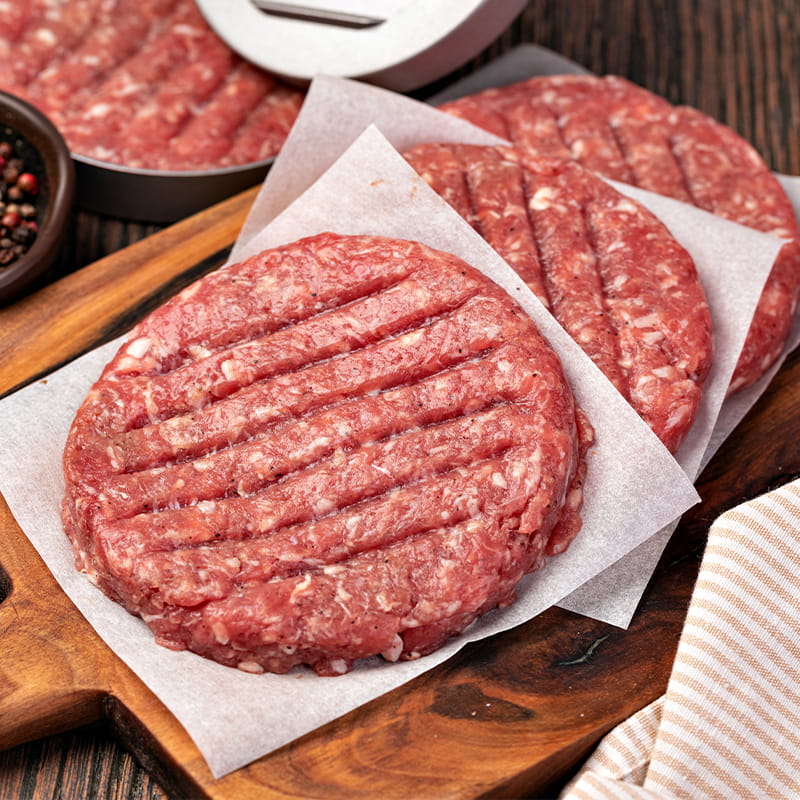
Product Features: 1. Virgin wood pulp 2. Double sides food grade silicone treated 3. Fluorine-free 4. Non-stick 5. Easy to separate 6. Reusable 7. BPA free 8. Biodegradab...
See Details -
Product Features 1. Virgin wood pulp 2. Flexographic printing 3. Eco-friendly water-based ink 4. BPA free Product Details: Introducing our premium Greaseproof Sandwich Paper Sheets, a...
See Details

Professional Baking Parchment Paper Manufacturer in China with more than 15 years silicone coating experience.
Products
Contact Us
- No.10 Longyin Road, Chengnan Industrial Park,Longyou, Quzhou, China.
- +86-18968091013 / +86-571-88639705
- Avayao-1990@hotmail.com
Copyright © Zhejiang Guanghe New Materials Co., Ltd. All Rights Reserved.
Parchment Paper & Baking Paper Sheets Manufacturer
