 English
 中文简体
中文简体
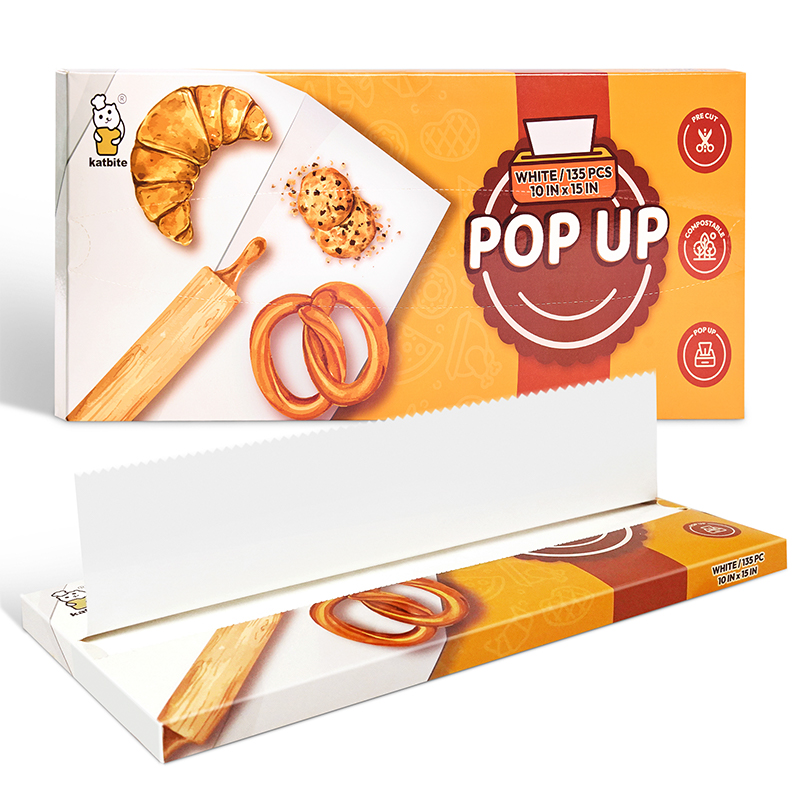
Product details: Pop-up parchment paper sheets, an environment-friendly product, are composed of wood pulp and are double-side coated with silicone. Such a coating makes our paper smooth, greasepr...
See DetailsHome / News / Industry News / Double-Side Silicone Coated Steaming Paper For Dim Sum: Elevating Culinary Tradition with Innovation
Double-Side Silicone Coated Steaming Paper For Dim Sum: Elevating Culinary Tradition with Innovation
Steaming has long served as the primary cooking method for dim sum because it applies moist heat gently and evenly. Small portions—dumplings with thin, almost transparent wrappers, pleated buns holding savory or sweet fillings, open shrimp toasts, rolled rice noodle sheets—benefit from this approach. The vapor rising from simmering water below the baskets surrounds each piece, cooking it without submerging or adding oil. This technique keeps textures light, flavors distinct, and moisture intact. Stacked bamboo baskets allow several varieties to steam at once, creating the familiar sequence of hot, fragrant dishes arriving at the table. Dim Sum Steaming Paper plays a key supporting role in this process by providing a reliable, non-stick liner that ensures clean release and consistent results every time.
The Function of Liners in Bamboo Baskets
Baskets have slatted bottoms that permit steam to rise freely but also expose food to the risk of falling through or sticking to the wood. To solve this, cooks place a barrier between the food and the basket. The liner supports the pieces, catches any drips, and still allows vapor to reach every surface. For generations, different materials have filled this role, each with its strengths and limitations that influence cooking results, ease of handling, and cleanup.
Traditional Lining Choices and Their Characteristics
Cotton or muslin cloth squares let steam pass and can be washed for reuse. Fresh cabbage leaves, banana leaves, corn husks, or lotus leaves offer natural release properties and add a light aroma. Plain parchment paper provides a neutral base but usually requires cutting to match the round shape and perforating by hand to prevent steam blockage. These options have supported dim sum preparation over many years, yet they introduce variables—cloth soaks up liquids and can carry faint traces after repeated washing, leaves differ in thickness and size, plain paper may cling to wrappers if not treated—that affect consistency from one session to the next.
Common Issues with Conventional Liners
Cloth becomes heavy with absorbed condensation and juices, sometimes leaving a damp feel on the food. Leaves vary in availability and performance depending on season and source, to uneven support or occasional adhesion. Plain parchment often needs oil brushing or manual holes poked through it, and even then it can tear or stick to delicate surfaces during removal. These small challenges build up, particularly when preparing larger quantities or multiple types, adding time and effort to both setup and post-cooking cleanup.
The Structure of Double-Side Silicone Coated Paper
Double-side silicone coated steaming paper applies a thin, even silicone layer to both surfaces of a cellulose sheet suitable for food contact. The dual coating ensures non-stick performance on whichever side faces the food. The silicone creates a smooth, low-friction barrier that reduces adhesion significantly, while the paper base maintains enough openness for steam to move through freely. This design combines the breathability required for even cooking with the release qualities that simplify daily use.
Bonding Between Silicone and Paper
The silicone adheres firmly to the paper fibers through the manufacturing process, forming a continuous film that stays attached under repeated heat and moisture exposure. The layer remains flexible, following the gentle curves of basket slats without cracking. It stays chemically neutral during steaming, so no taste transfers from the paper to the food and no substances migrate into the ingredients. The surface interacts minimally with acidic sauces, oily fillings, or sweet pastes.
Clean Separation After Cooking
Items placed on the coated surface—har gow showing pink shrimp through clear wrappers, siu mai with roe garnish, steamed pork buns, shrimp toast circles, vegetable rolls—lift away cleanly once steamed. Wrappers separate without tearing, bottoms stay whole instead of leaving bits behind, and pleats retain their shape. This dependable release makes plating straightforward and preserves the visual appeal needed for shared dim sum trays.
Management of Moisture and Juices
Steam condenses on the basket lid and drips downward, while food releases its own liquids and oils. The silicone causes water to bead or drain through the slats instead of soaking into the paper. Excess juice flows off rather than saturating the sheet. Oils from richer fillings remain on the surface, preventing the liner from turning greasy or losing strength. This control keeps the paper structurally sound even in longer cooks or fully loaded multi-tier stacks.
Behavior Under Steam Heat
The coating handles continuous steam exposure without softening, melting, or releasing odor. It works reliably in traditional wok setups over a flame and in electric steamers or combi-ovens. The paper stays flat and firm enough to hold the weight of arranged dim sum without bending or curling during the process.
Contribution to Even Cooking
The barrier creates a uniform interface between food and basket slats, reducing direct contact points that can produce uneven heat. Steam reaches all sides of each piece more consistently. Dumpling skins gain even translucency, bun dough rises at a steady pace, and fillings cook through without cold spots. The result is balanced texture and thorough cooking across the batch.
Retention of Shape and Detail
Dim sum frequently includes thin, stretchy wrappers, tight pleats, or layered elements that expand while cooking. The low-friction surface allows this expansion without pulling or distortion from sticking. Pieces keep their intended form from placement to removal. Clean release reduces handling after steaming, lowering the risk of accidental damage during transfer to plates.
Time Savings During Preparation and Cleanup
Sheets cut to standard basket sizes fit immediately without trimming or measuring. Cooks place one sheet per tier, arrange the dim sum with spacing, stack the baskets, and start steaming. After cooking, the used sheet peels off easily, leaving the bamboo mostly clean. A brief rinse or wipe readies the baskets for reuse. This efficiency shortens preparation and cleanup compared to cloth or soaked parchment.
| Aspect of Using the Steaming Paper | Practical Benefit |
|---|---|
| Pre-cut to standard basket sizes | Fits immediately—no trimming or measuring required |
| One sheet per basket tier | Quick placement during setup |
| Arrange dim sum with spacing | Simple and fast food arrangement |
| Stack baskets and start steaming | Seamless transition to cooking |
| Peels off easily after steaming | Leaves bamboo mostly clean |
| Brief rinse or wipe needed | Baskets ready for immediate reuse |
| Overall efficiency | Shortens both preparation and cleanup time compared to cloth or soaked parchment |
Use in Other Steamed Dishes Although developed with dim sum in focus, the paper works well for many steamed preparations. It lines baskets for plain mantou, char siu bao variations, sticky rice wrapped in lotus leaves, fish slices with aromatics, vegetable dumplings, small meat patties, and sweet puddings. The consistent non-stick and moisture control make it useful for any dish that depends on gentle steam cooking.
Comparison with Traditional Lining Options
Uncoated parchment paper usually calls for a light brush of oil or a few holes poked by hand so steam can pass through and food does not cling. Reusable cloth squares soak up condensation and juices, then require careful washing and drying after every steaming session. Natural leaves—cabbage, banana, or lotus—lend a gentle aroma and some degree of non-stick quality, yet their size, thickness, and availability change from one batch to another. The double-side silicone coated paper delivers steady steam flow along with dependable release, cutting down on the variability that often appears with older lining choices.
Food Safety Characteristics
The silicone layer satisfies standards for safe food contact. It holds steady during steaming and does not give off any extractable materials that could reach the food. This neutral behavior brings reassurance when cooking for family members, friends, or customers who value ingredient purity.
Practical Workflow Advantages
In busy professional kitchens, the liner shortens the interval between batches and decreases the amount of food lost to torn or misshapen pieces. Home cooks preparing dim sum for weekend meals or small gatherings discover the task becomes smoother and more pleasant. In either environment, the paper shifts attention away from wrestling with sticking problems or extra scrubbing and toward details like dough consistency, filling seasoning, wrapper folding, and precise steaming duration.
Efficiency in Resource Use
The clean release reduces how many pieces end up discarded because they tear or lose shape. Sheets cut to fit baskets exactly leave almost no trimming scraps behind. The material holds up through repeated use, so replacements happen less often than with uncoated single-use papers that rip easily. These modest savings become noticeable when steaming is a regular part of kitchen work.
Storage and Everyday Handling Unused sheets rest flat inside a dry cabinet or drawer. The silicone surfaces keep them from clinging to one another, even when humidity rises slightly. When the time comes to use one, the paper settles flat across the basket base without curling at the edges or sliding out of position while food is arranged.
Encouragement for Skill and Experimentation
A surface that releases food reliably gives cooks room to explore thinner doughs, tighter pleats, more open-top designs, or fillings with layered textures. Knowing the pieces will come away whole removes a common source of hesitation. This freedom lets more energy go toward creative shaping, seasoning adjustments, and refining the small details that elevate dim sum.
Use in a Variety of Steamed Dishes
Although the paper was created with dim sum in view, it works equally well for other steamed foods. It lines baskets for plain steamed buns, rice rolls stuffed with shrimp or vegetables, fish slices topped with ginger and scallions, tamales wrapped in corn husks, small vegetable parcels, and both savory and sweet steamed cakes. The steady non-stick quality and moisture handling suit any recipe that depends on gentle steam.
| Application of the Steaming Paper | Examples of Dishes / Uses |
|---|---|
| Plain steamed buns | Mantou, basic dough buns |
| Stuffed rice rolls | Shrimp or vegetable-filled cheung fun |
| Fish slices | Steamed fish with ginger & scallions |
| Tamales | Wrapped in corn husks |
| Small vegetable parcels | Wrapped vegetable bundles or packets |
| Savory & sweet steamed cakes | Both types of steamed cakes |
| General suitability | Any recipe using gentle steam cooking |
Durability Through Ongoing Use
In everyday steaming, the coating keeps its non-stick character cycle after cycle. The paper base holds together without obvious signs of breakdown. This lasting quality makes the liner a sensible option whenever steaming becomes a frequent kitchen activity.
Fit Within Today's Kitchen Priorities
Current kitchens seek equipment that honors long-standing culinary practices while lightening repetitive chores. Double-side silicone coated steaming paper strikes that balance. It keeps the genuine feel of bamboo-steamed dim sum alive while taking away the recurring annoyances of sticking, sogginess, and extra scrubbing.
How Steaming Liners Have Evolved
Lining materials started with whatever nature provided—leaves, husks, simple cloths—and gradually moved toward papers treated to improve performance. The double-side silicone coated version marks a careful advance in that journey. It helps sustain the pleasure of dim sum by bringing consistent, good-looking results within easier reach for cooks of every experience level.
A Steady Companion in the Kitchen
Double-side silicone coated steaming paper quietly strengthens the dim sum cooking experience. Its non-stick surfaces, resistance to moisture, ability to handle heat, and straightforward handling produce cleaner outcomes, more attractive plating, and less hassle during preparation and cleanup. In home kitchens and professional settings alike, it stands as a trustworthy partner that respects the roots of the cuisine while easing the practical side of making it day after day.
Why Choose Guanghe
Why Choose Guanghe comes down to a single, quiet conviction: the small choices in everyday tools should quietly make life better, not louder or more complicated. In kitchens where dim sum preparation happens week after week, Guanghe's double-side silicone coated steaming paper does exactly that.
It removes the familiar frustrations—torn wrappers, soggy liners, uneven release—without asking the cook to change technique, rethink tradition, or compromise on authenticity. What changes is the confidence behind each batch: knowing every piece will lift cleanly, every texture will stay true, every presentation will look intentional. For home cooks feeding family on weekends, for chefs sending trays out during busy services, Guanghe simply becomes the liner they reach for—because it lets them focus on what actually matters: the flavor, the fold, the moment the lid lifts.
Related Products
-
-
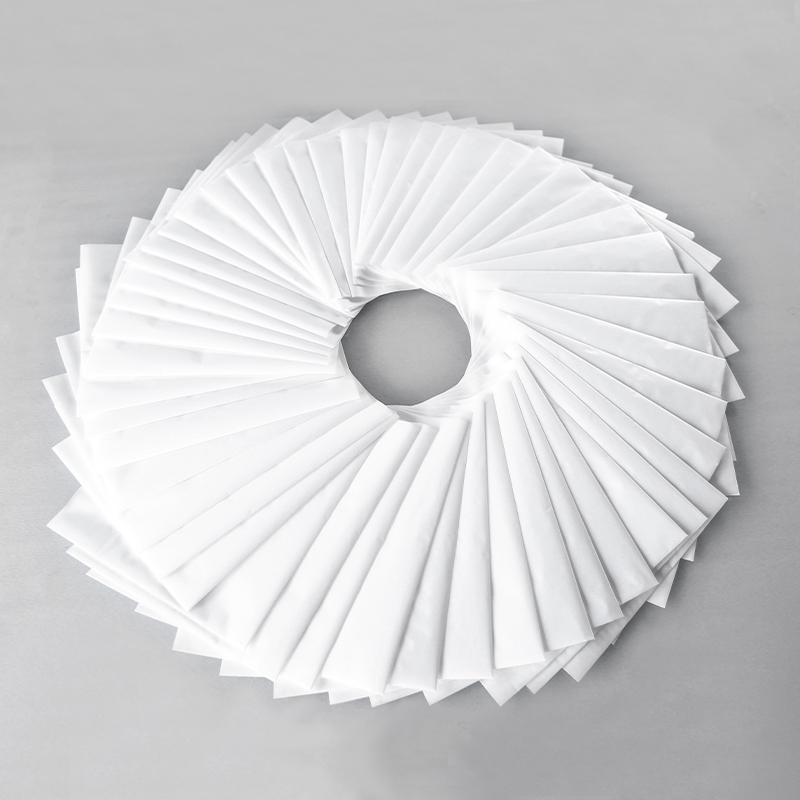
Product details: Folded baking paper sheets, an environment-friendly product, are composed of wood pulp and are double-side coated with silicone. Such a coating makes our paper smooth, greaseproof and...
See Details -
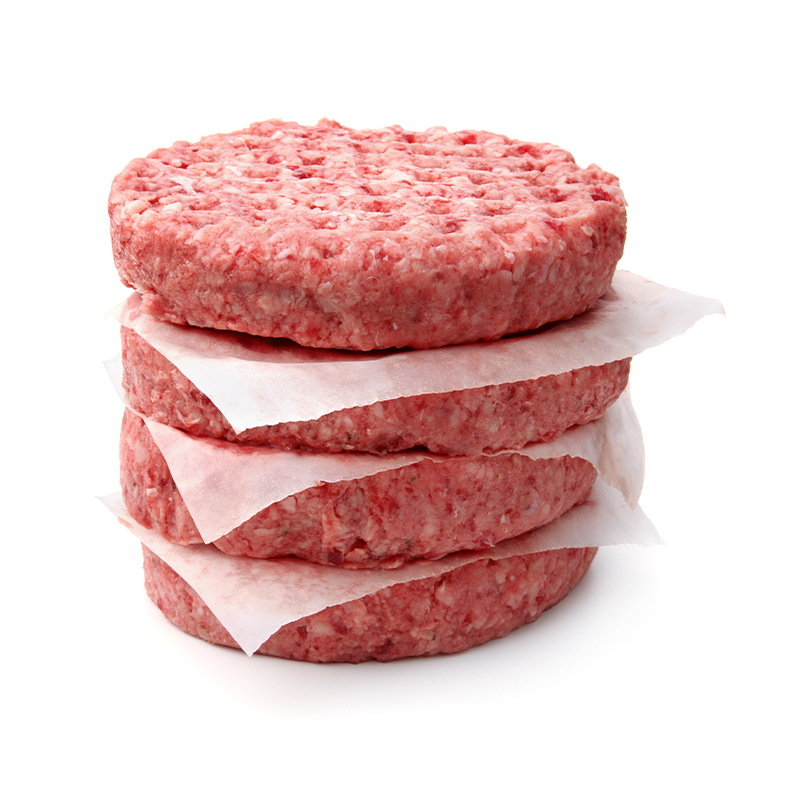
Description: Wax paper is the paper that is coated with food-grade wax in order to make it non-stick and waterproof. wax paper is very good for food storing and presentingMade of food-grade paper and ...
See Details -
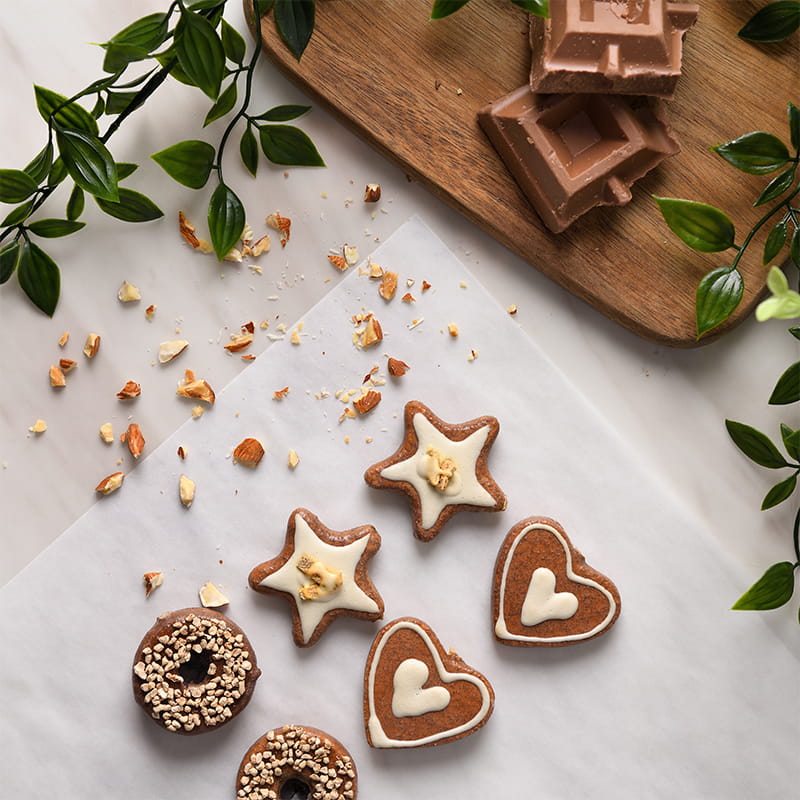
Product Features: 1. Virgin wood pulp 2. Double sides food grade silicone-treated 3. Fluorine-free 4. Non-stick 5. Oven/Microwave safe 6. Freezer safe 7. Reusable 8. BPA f...
See Details -
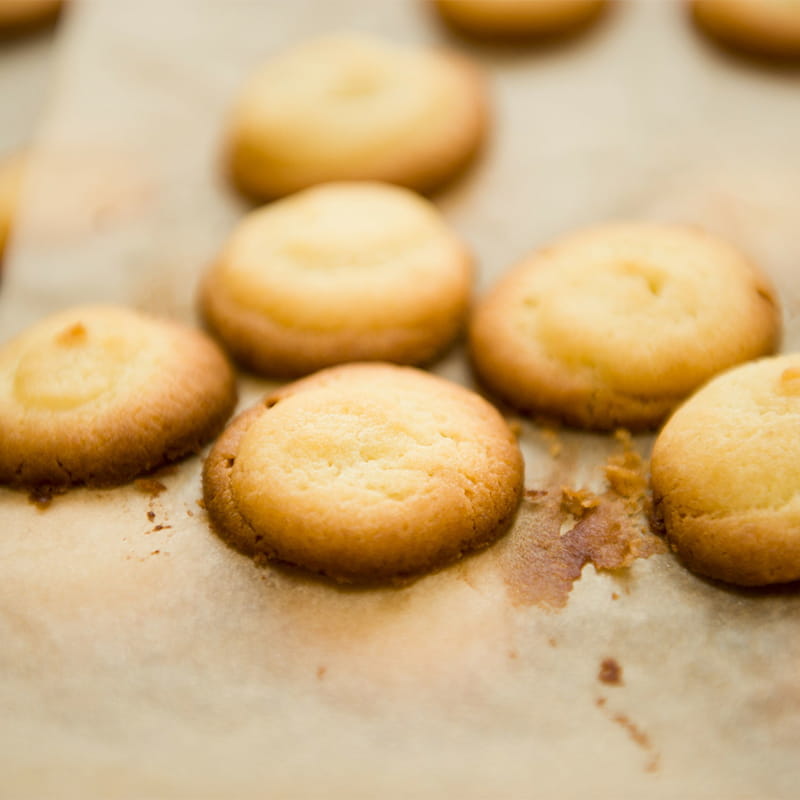
Product Features: 1. Virgin wood pulp 2. Natural unbleached brown color 3. Double sides food grade silicone-treated 4. Fluorine-free 5. Non-stick 6. Oven/Microwave safe 7. Fre...
See Details -
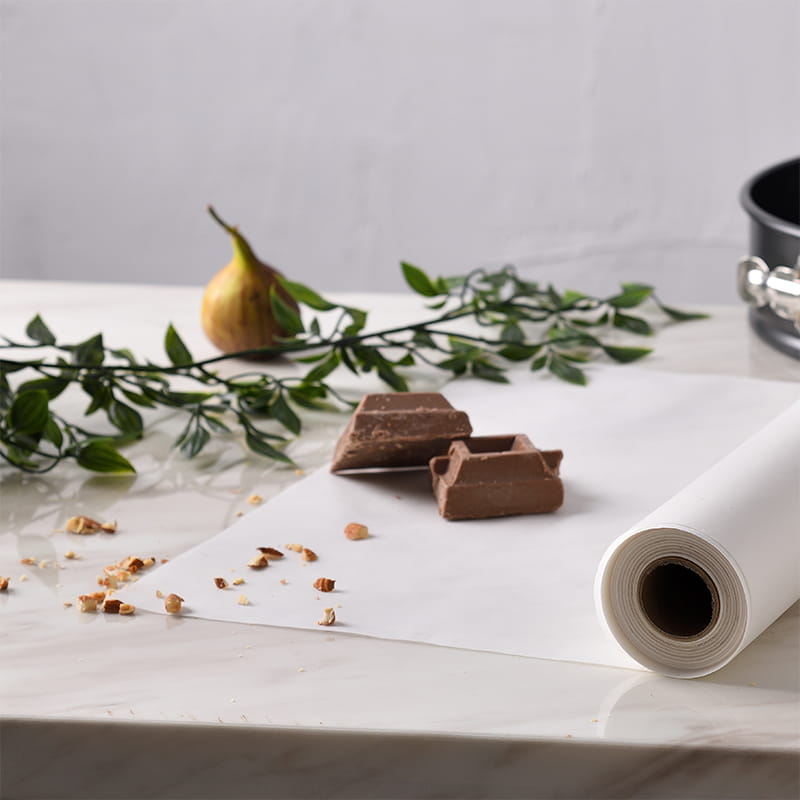
Product Features: 1. Virgin wood pulp 2. Double sides food grade silicone treated 3. Fluorine-free 4. Non-stick 5. Oven/Microwave safe 6. Freezer safe 7. Reusable 8. BPA ...
See Details -
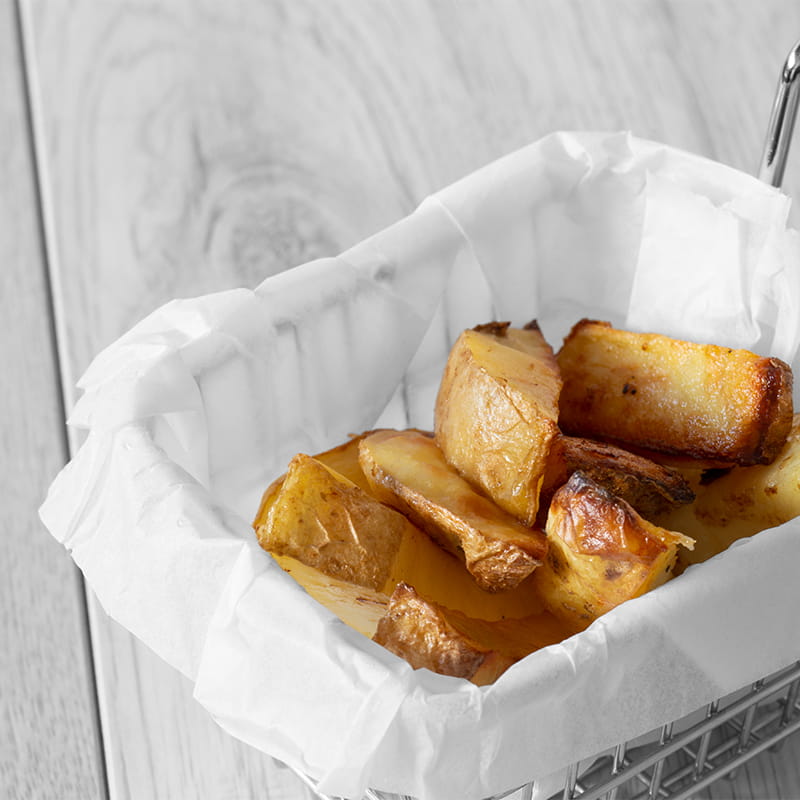
Product Features: 1. Virgin wood pulp 2. Fluorine-free 3. BPA free 4. Biodegradable Product Details: In an era where environmental consciousness and sustainability are paramount, Natu...
See Details -
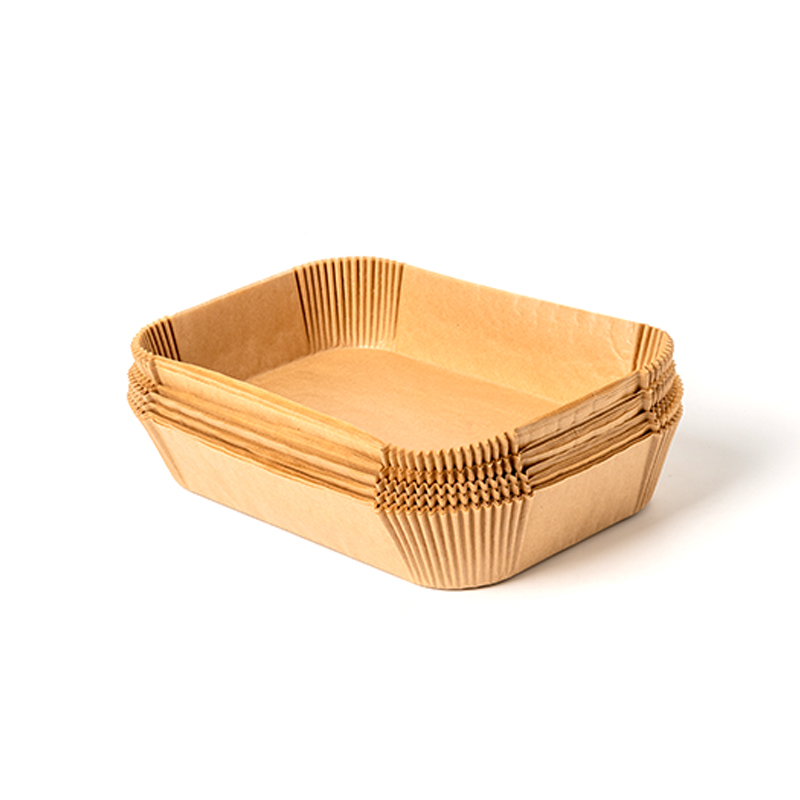
Product Features: 1. Virgin wood pulp 2. Double sides food grade silicone-treated 3. Fluorine-free 4. Non-stick 5. Air fryer basket safe 6. Reusable 7. BPA free 8. Biodeg...
See Details -
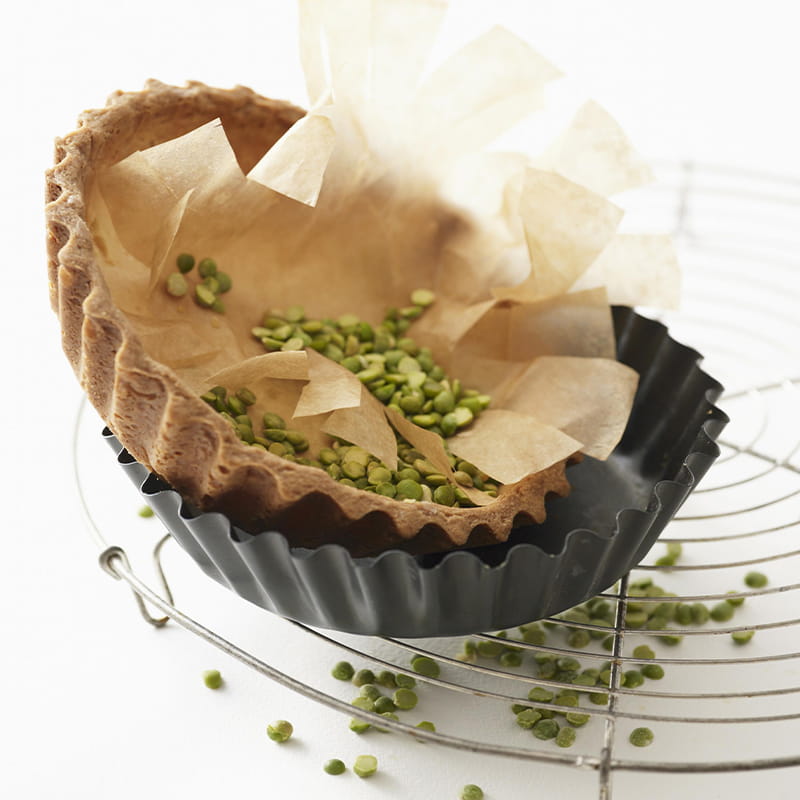
Product Features: 1. Virgin wood pulp 2. Natural unbleached brown color 3. Fluorine-free 4. BPA free 5. Biodegradable Product Details: Introducing our Unbleached Brown Food Grade ...
See Details -
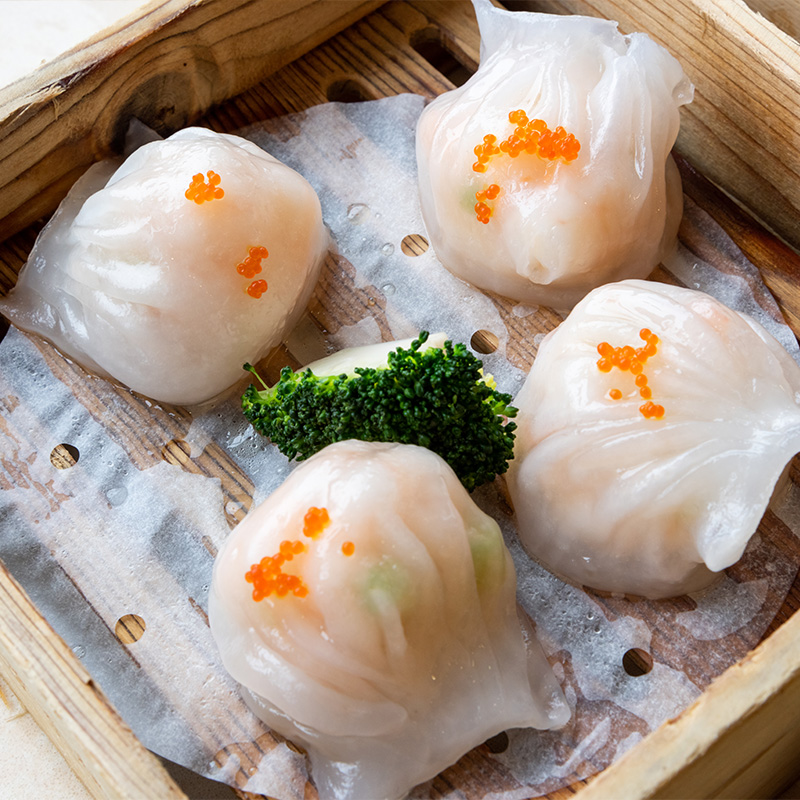
Product Features: 1. Virgin wood pulp 2. Double sides food grade silicone treated 3. Fluorine-free 4. Non-stick 5. Steamer/air fryer basket safe 6. Reusable 7. BPA free 8...
See Details -
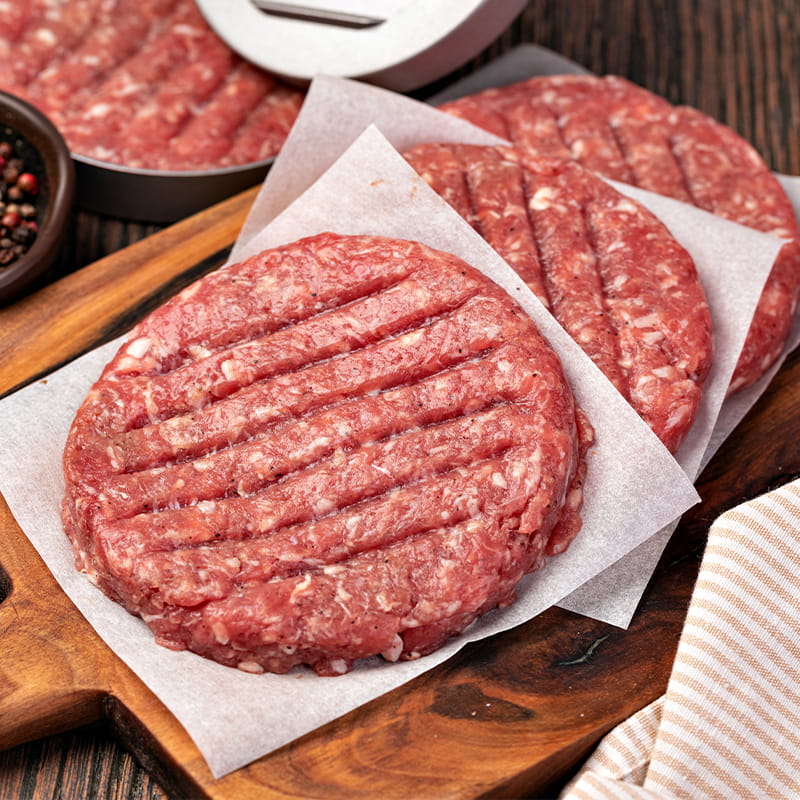
Product Features: 1. Virgin wood pulp 2. Double sides food grade silicone treated 3. Fluorine-free 4. Non-stick 5. Easy to separate 6. Reusable 7. BPA free 8. Biodegradab...
See Details -
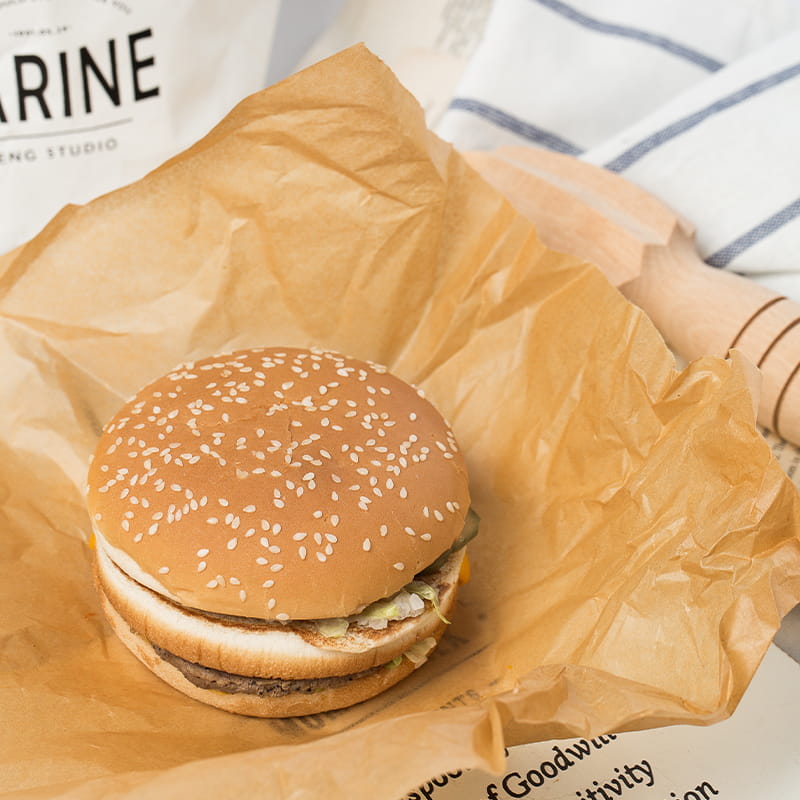
Product Features 1. Virgin wood pulp 2. Flexographic printing 3. Eco-friendly water-based ink 4. BPA free Product Details: Introducing our premium Greaseproof Sandwich Paper Sheets, a...
See Details

Professional Baking Parchment Paper Manufacturer in China with more than 15 years silicone coating experience.
Products
Contact Us
- No.10 Longyin Road, Chengnan Industrial Park,Longyou, Quzhou, China.
- +86-18968091013 / +86-571-88639705
- Avayao-1990@hotmail.com
Copyright © Zhejiang Guanghe New Materials Co., Ltd. All Rights Reserved.
Parchment Paper & Baking Paper Sheets Manufacturer
