 English
 中文简体
中文简体
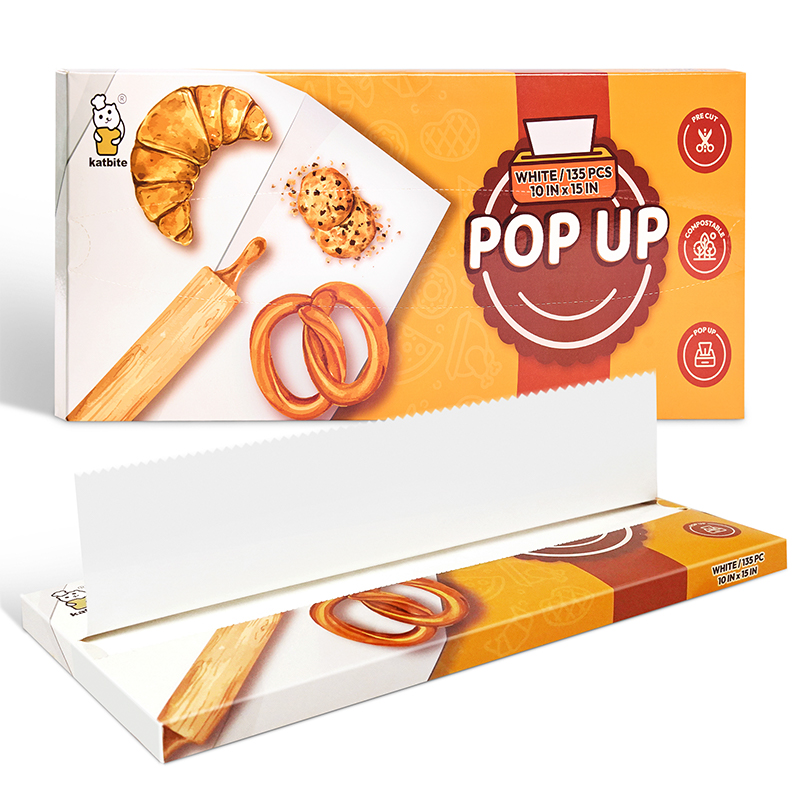
Product details: Pop-up parchment paper sheets, an environment-friendly product, are composed of wood pulp and are double-side coated with silicone. Such a coating makes our paper smooth, greasepr...
See DetailsHome / News / Industry News / Brown Food Grade Greaseproof Paper: The Eco-Friendly Choice for Sustainable Cooking
Brown Food Grade Greaseproof Paper: The Eco-Friendly Choice for Sustainable Cooking
Brown Food Grade Greaseproof Paper gives cooks a dependable, no-fuss option that handles oils, fats, and everyday kitchen tasks without adding unnecessary steps or waste. The unbleached fibers keep their warm, natural tone, which comes from leaving out heavy chemical bleaching. That minimal processing keeps the material simple while still delivering solid performance. Cooks use it to line baking trays, wrap ingredients, separate dough layers, or create moisture barriers during cooking and storage. The surface lets heat and steam pass through evenly, but it stops grease from soaking through to the pan or tray below.
In home kitchens and professional settings, the paper becomes part of the regular rhythm because it reduces cleanup time and makes lighter cooking easier. Many people reach for it when they want to cut back on added fats without losing texture or flavor. Its natural look and origin fit well with routines that aim for sustainability alongside practicality. This article covers how the paper is produced, what gives it grease resistance, the ways it helps during preparation, its performance in baking and roasting, packet and steaming uses, storage roles, environmental aspects, comparisons with other materials, safe handling, versatility across tasks, practical tips, common questions, traditional cooking connections, skill-building benefits, complementary tools, troubleshooting, everyday examples, and observations from regular use.
How Production Keeps It Simple and Effective
The process begins with cellulose fibers sourced from renewable plants. These fibers stay in their natural state, so no aggressive bleaching changes the color or weakens the structure. Mechanical refining breaks the fibers down into a smooth pulp while keeping their length and strength intact.
The pulp spreads onto a moving screen where water drains off, leaving a wet fiber mat. Heavy rollers press this mat to squeeze out more water and tighten the fiber network. Further calendaring smooths the surface and increases density, forming a compact sheet that resists grease penetration. A light, food-safe surface treatment goes on next, applied evenly so the paper remains breathable but still blocks oils effectively. The finished sheets roll up or cut into flat pieces, then pass through checks to confirm they meet food-contact standards. The whole sequence focuses on efficiency and low intervention to keep the material straightforward and functional.
What Gives the Paper Its Grease-Resistant Quality
The greaseproof nature comes from the tight fiber arrangement paired with the surface treatment. When oil or fat touches the paper, it beads up and stays on top instead of soaking into the fibers or reaching the pan below. This barrier prevents sticking and leaves cooking surfaces cleaner.
Moisture interacts with the paper differently depending on the cooking method. In dry baking, the sheet allows gradual steam release, helping achieve crisp edges or golden crusts. In moist preparations such as steaming or packet cooking, it holds its shape long enough to finish the dish without turning soggy or tearing. This balanced behavior supports even heat distribution and reduces hot spots that cause uneven browning or burning.
Preparation Benefits That Save Time
Lining trays or pans with the paper removes the need for heavy greasing. Ingredients such as dough, vegetables, proteins, or batters sit directly on the sheet and release cleanly after cooking. This cuts setup time and reduces added fats in many recipes.
After cooking, residue stays on the paper rather than bonding to metal. Trays and sheets need only a quick rinse or wipe, which proves helpful when preparing several dishes in a row. The paper catches drips, crumbs, and small spills, protecting oven interiors from buildup over repeated use.
| Benefit Category | Key Action / Feature | Practical Advantage |
|---|---|---|
| Preparation & Setup | Line trays/pans instead of heavy greasing | Ingredients (dough, vegetables, proteins, batters) sit directly on paper and release cleanly after cooking |
| Reduced Fat Usage | Minimal or no added grease needed | Cuts setup time and lowers fat content in many recipes |
| Post-Cooking Cleanup | Residue stays on paper, not on metal | Trays/sheets require only a quick rinse or wipe |
| Multi-Dish Efficiency | Paper catches drips, crumbs, spills | Helpful when preparing several dishes consecutively |
| Oven Protection | Acts as a barrier for spills and buildup | Protects oven interiors from long-term residue accumulation |
Performance During Baking Tasks
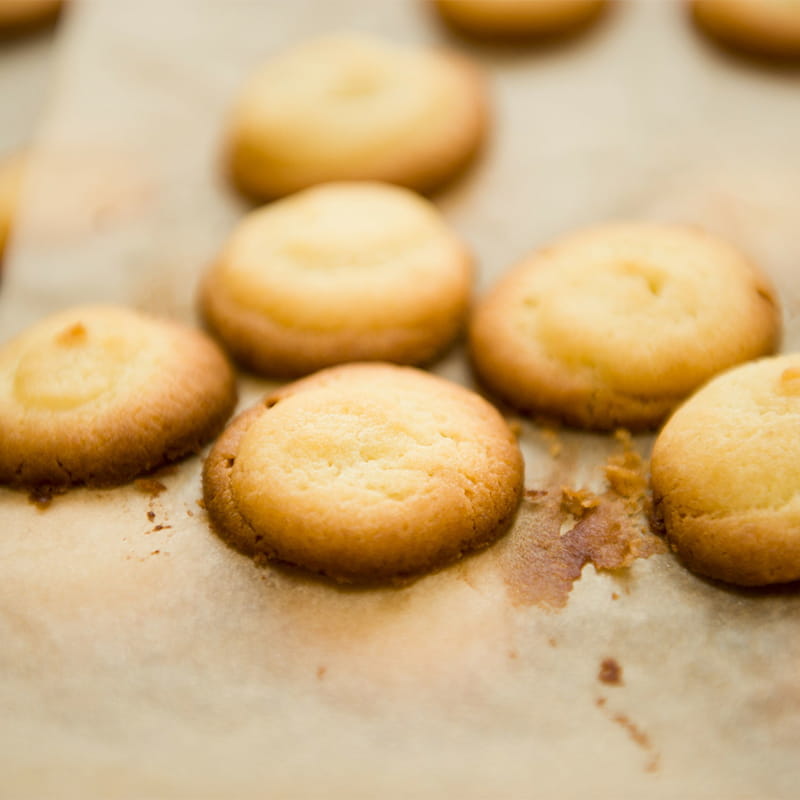
Cookies baked on lined sheets develop even color and texture. The surface limits excessive spreading, so shapes hold their form during baking. Cooled cookies lift away without breaking edges or leaving fragments behind.
Cake batters release smoothly from lined tins, leaving clean sides and flat bases ready for stacking or decorating. The paper supports uniform rising, avoiding stuck portions along the edges. Muffins, quick breads, or bar cookies cut neatly after baking directly on sheets.
Pastry dough rolled on the paper transfers to pans without tearing. Steam escapes gradually during baking, contributing to flaky layers in pies, turnovers, or laminated doughs. The paper handles both sweet and savory baking across typical oven temperatures.
Roasting and Sheet-Pan Meals
Roasting vegetables on lined rimmed trays allows caramelization without adhesion. Heat surrounds each piece evenly, producing golden edges on roots, brassicas, or tubers. Juices collect on the paper, available for light sauces or reduction.
Meats and poultry brown without the bottom sticking, making turning and basting easier. Seasonings stay on the food rather than the pan. Combining proteins, vegetables, and starches on one tray keeps everything contained and simple to serve.
The paper withstands longer roasting times, making it suitable for whole birds, large vegetable batches, or slow-cooked dishes. Cleanup remains minimal since the pan itself requires little scrubbing.
Packet Cooking and Wrapping Uses
Folding ingredients into sealed packets concentrates flavors and moisture. Fish, chicken, or vegetable combinations cook gently with added herbs, citrus, or aromatics. The result stays tender, with natural juices preserved.
The greaseproof surface resists steam and fats, holding the packet shape throughout oven or steamer time. Opening at the table releases aromas, adding a small presentation element to simple meals.
For everyday wrapping, the paper encloses sandwiches, wraps, or snacks without sogginess from fillings. It separates portions in lunch containers or meal prep boxes, maintaining freshness during storage or transport.
Steaming and Gentle Cooking Methods
Lining steamer baskets or inserts prevents delicate items from sticking. Dumplings, buns, or seafood lift away cleanly after cooking. The paper withstands prolonged moisture exposure without tearing.
This method preserves textures and nutrients in vegetables or proteins. Steam circulates freely, allowing even cooking without added fats. The paper supports lighter preparations focused on natural taste.
Storage and Freezer Applications
In the refrigerator, brown greaseproof paper works well for wrapping leftovers or covering open bowls. It keeps sauces, gravies, or oily dishes from leaking and stops odors from spreading to other foods. The grease-resistant surface deals with rich or saucy items without letting them soak through, so nothing ends up making a mess on shelves.
For the freezer, portions wrapped in the paper hold up against freezer burn. The sheet creates a close barrier that limits air exposure while staying flexible even when cold. When it’s time to thaw, food comes away cleanly, ready for reheating or going straight into a pan or oven. The paper does not become brittle or crack at low temperatures, so it stays intact during storage and handling.
Environmental Considerations
Leaving the fibers unbleached means skipping the heavy chemical whitening steps that can affect water systems. The raw material comes from renewable plant sources, which helps keep supply steady without depleting non-renewable resources.
The paper breaks down in proper composting conditions, turning back into soil instead of sitting in landfills. Industrial composting facilities handle it efficiently, and smaller household amounts can go into garden compost piles.
Clean sheets can go back into service for dry jobs—separating dough layers, catching drips under cooling racks, or lining trays for light tasks. Using the paper instead of some plastic films or thick foil cuts down on reliance on materials that take longer to break down in routine kitchen work.
Comparison to Other Common Materials
Bleached parchment goes through additional processing to reach its white color, while the brown version skips those steps and keeps things straightforward. It gives similar non-stick release without the extra chemical treatments.
Waxed paper holds grease back but sometimes leaves wax behind when exposed to high heat, which limits its use in ovens. The greaseproof type handles baking and roasting without that issue.
Aluminum foil transfers heat fast but can react with acidic ingredients or cause patchy browning. The paper stays neutral and provides an even cooking surface without those reactions.
Plastic wraps create a tight seal for storage but do not let air move through and take much longer to break down. The paper gives a more natural choice for wrapping and lining tasks.
Health and Safe Handling
The paper’s natural makeup allows direct contact with food without added synthetic substances. Using less extra fat during cooking keeps meals lighter while letting the true taste of ingredients come through.
The grease barrier reduces the chance of pan residues transferring to food, which helps when cooking for people with sensitivities or allergies. The material holds steady across normal cooking temperatures without breaking down or releasing unwanted vapors.
Its breathable quality stops too much steam from building up during handling. When it's time to dispose of used sheets, there are no health concerns since the fibers break down naturally.
Versatility Across Kitchen Tasks
The paper lines cake tins for smooth release, wraps fish or vegetables for steaming, soaks up extra oil after shallow frying, and separates dough layers while resting. It moves easily between baking, roasting, grilling, and storage without needing a separate product for each job.
For packaging, the natural brown color gives homemade breads, cookies, or treats a rustic, appealing look when given as gifts. Lining boxes or baskets keeps contents fresh and tidy during transport.
Meal prep becomes simpler with portion wrapping or tray lining. The paper slips into different kitchen routines without feeling out of place.
Practical Handling Tips
Cut the paper to fit the pan or tray exactly so there is no excess hanging over edges that could curl up or catch in the oven. For recipes with a lot of moisture, placing two sheets on top of each other adds extra protection.
Keep rolls in a dry, cool spot to stop them from curling due to humidity. If sheets arrive folded or creased, lay them flat under a cutting board for a few minutes before using.
Clean pieces can go back into service for dry jobs such as separating layers or catching drips. Always check local guidelines on composting to dispose of used sheets properly.
Addressing Common Questions
The paper holds up well within the temperature ranges found in home and professional ovens, without melting, charring, or giving off odors. It manages everyday baking and roasting conditions without trouble.
No flavors carry over from the paper to the food—the natural fibers stay neutral. Dishes taste the way they are supposed to.
The time saved on scrubbing pans and prepping surfaces makes up for the cost over repeated uses, especially when cooking often.
Integration with Cooking Traditions
European-style pastries benefit from the clean release when shaping dough or unmolding finished items. The paper makes precise work easier without pieces sticking to surfaces.
Asian steaming traditions keep delicate textures intact in buns, dumplings, or wrapped fish. The paper comes away cleanly after cooking, leaving food undisturbed.
Mediterranean recipes with olive oil, herbs, and vegetables roast evenly, with liquids staying contained instead of baking onto the pan.
The paper works with different flavor profiles and cooking styles without needing special adjustments.
Learning and Skill Building
Using the paper hands-on shows how well it resists grease and distributes heat. Beginners get reliable results that help build confidence in basic techniques.
The easy release takes away frustration from food sticking to pans, leaving more room to try new recipes. The paper supports learning at a comfortable pace without adding pressure.
| Aspect | Description / Benefit | Practical Outcome for Beginners |
|---|---|---|
| Hands-on Experience | Using the paper demonstrates grease resistance and even heat distribution | Beginners see clear, reliable results that build confidence in basic cooking techniques |
| Reliable Release | Food lifts away easily from pans and trays | Removes frustration from sticking, encouraging experimentation with new recipes |
| Learning Pace | Supports gradual skill development | Allows comfortable, low-pressure practice without added stress or complexity |
Complementary Tools
The paper works nicely with cooling racks to catch drips from glazed or frosted items. Baking stones stay cleaner with a sheet underneath during high-heat baking.
Wire racks lined with the paper make it easier to apply glazes or chocolate coatings without mess. These pairings help the kitchen run more smoothly overall.
Troubleshooting Minor Issues
If the paper tears under heavy or wet loads, using a thicker sheet or doubling up solves the problem. Too much moisture can be managed by adding an extra layer.
Uneven browning usually improves by rotating the tray midway or adjusting rack position in the oven. Small changes like these keep results even.
Sample Everyday Uses
Line a rimmed tray for roasted seasonal vegetables tossed with herbs. The paper gathers juices that can be spooned over servings at the table.
Wrap fish fillets with lemon slices and dill for gentle oven steaming. Opening the packet releases a burst of aroma and reveals moist, flavorful fish.
Place cookie dough portions on sheets for even baking. The cookies release cleanly, ready for quick cooling and storage.
These straightforward uses show how the paper becomes part of ordinary cooking.
Experiences from Regular Use
Cooks often say the kitchen feels less chaotic with reduced scrubbing time between recipes. Baking several batches in a row becomes less tiring.
People who focus on lighter meals notice that flavors come through more clearly without extra fats masking them. In busy professional kitchens, the paper helps keep preparation and cleanup efficient during high-volume service.
The paper does its job quietly, becoming a reliable part of the routine without ever feeling like the main focus.
Zhejiang Guanghe New Materials Co., Ltd.
Guanghe baking paper brings a dependable, straightforward presence to kitchens where consistent results and thoughtful simplicity matter. Crafted from natural fibers with a light grease-resistant treatment, it quietly handles everything from lining trays for even baking to wrapping fish for gentle steaming, separating delicate pastries, or catching drips during roasting—all while keeping pans cleaner and reducing the need for extra fats. Cooks find that food releases smoothly, cleanup stays minimal, and flavors remain clear, whether preparing a single batch of cookies or managing a full sheet-pan meal.
Its unbleached, brown tone adds a natural warmth to the process, and the paper's ability to stay flexible, breathable, and effective across everyday temperatures makes it a reliable companion for both casual home cooking and more intentional meal preparation. Over repeated uses, Guanghe baking paper proves itself as a practical tool that supports lighter routines, less waste, and more confident outcomes without ever asking for much attention in return.
Related Products
-
-
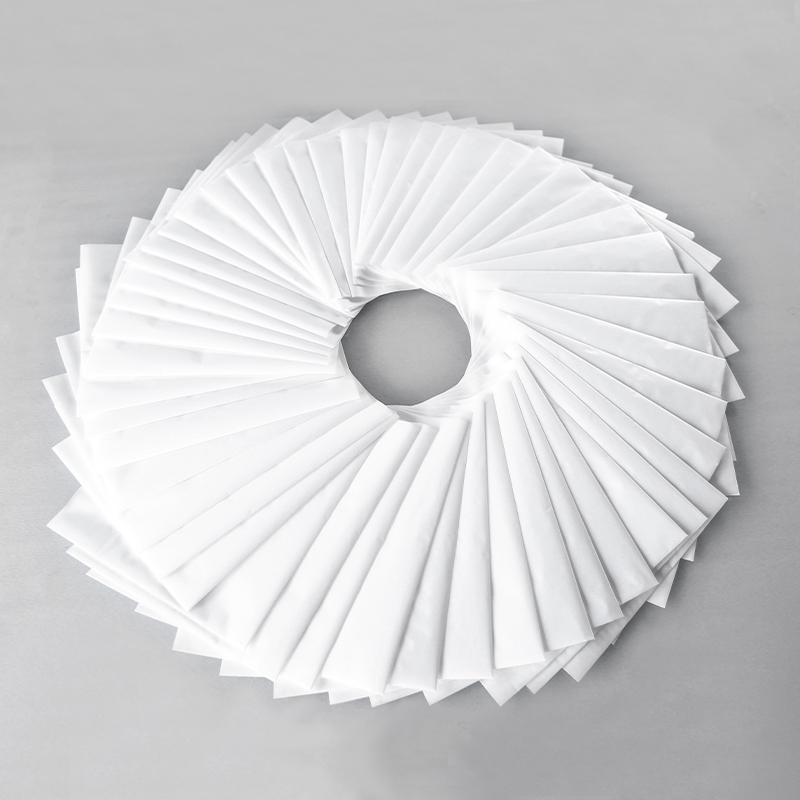
Product details: Folded baking paper sheets, an environment-friendly product, are composed of wood pulp and are double-side coated with silicone. Such a coating makes our paper smooth, greaseproof and...
See Details -
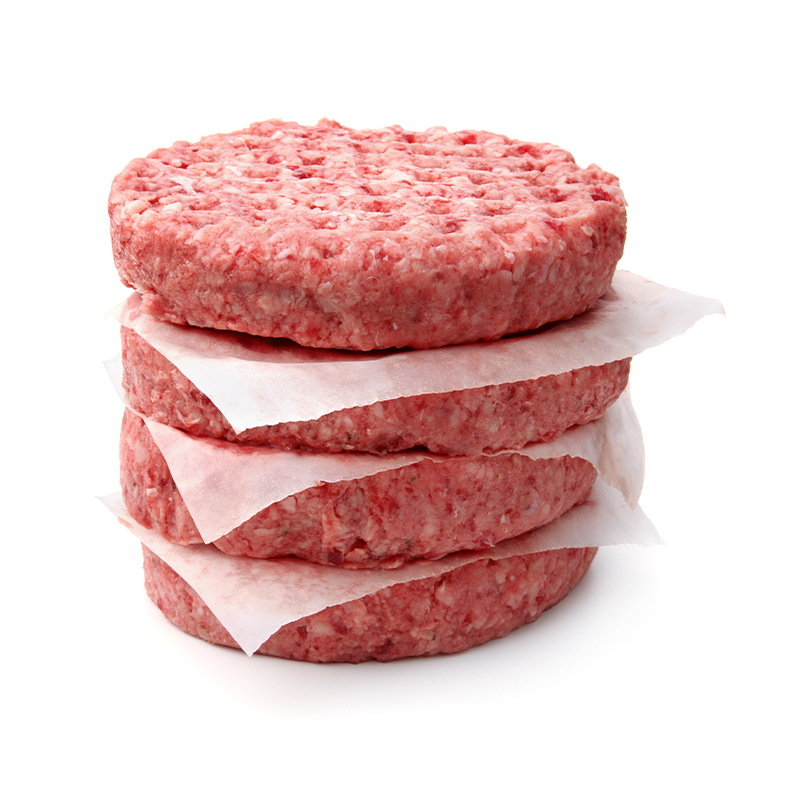
Description: Wax paper is the paper that is coated with food-grade wax in order to make it non-stick and waterproof. wax paper is very good for food storing and presentingMade of food-grade paper and ...
See Details -
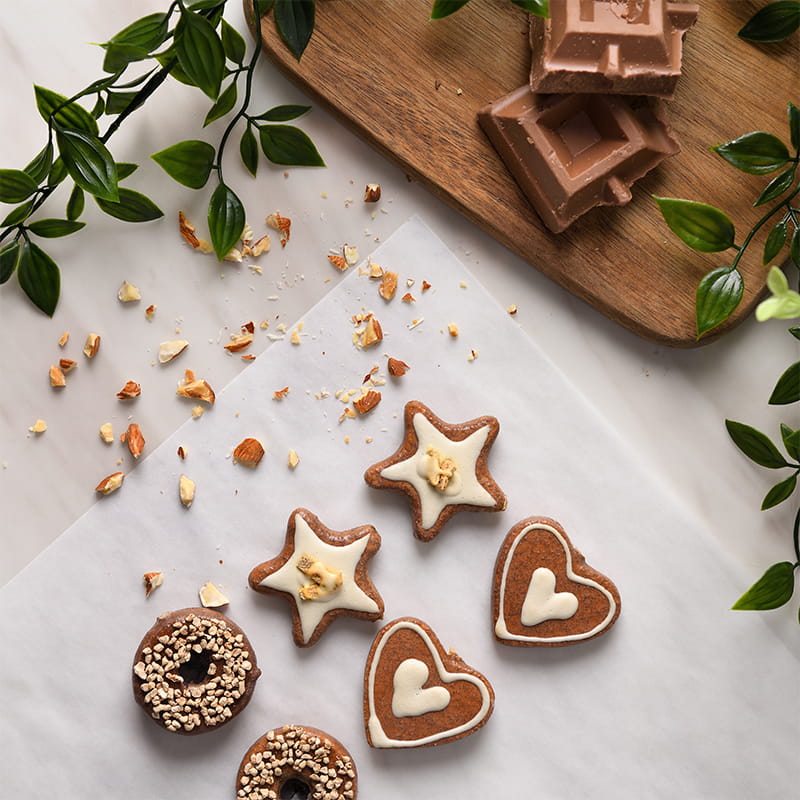
Product Features: 1. Virgin wood pulp 2. Double sides food grade silicone-treated 3. Fluorine-free 4. Non-stick 5. Oven/Microwave safe 6. Freezer safe 7. Reusable 8. BPA f...
See Details -
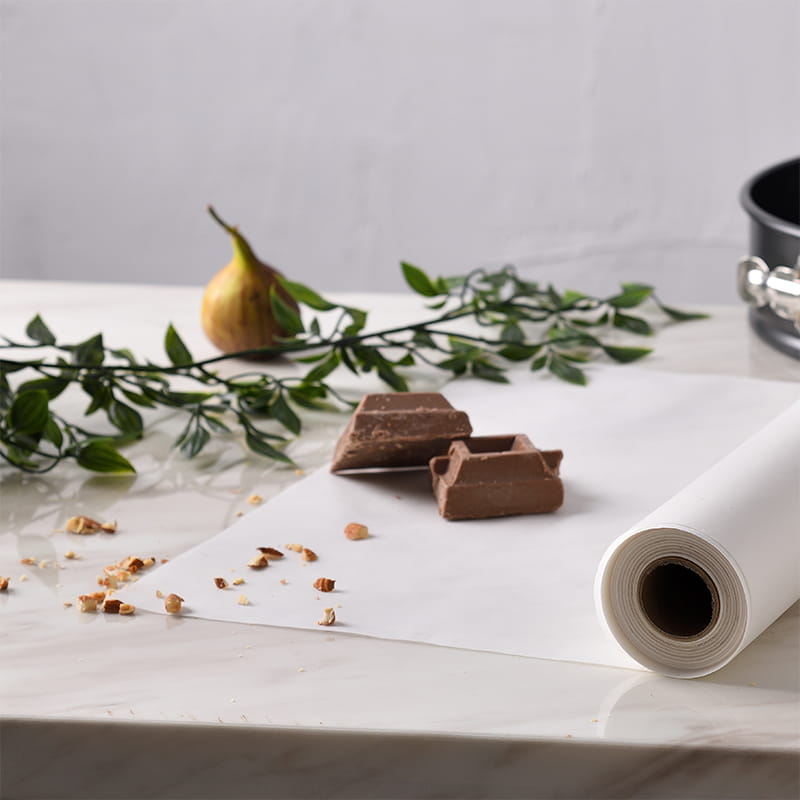
Product Features: 1. Virgin wood pulp 2. Natural unbleached brown color 3. Double sides food grade silicone-treated 4. Fluorine-free 5. Non-stick 6. Oven/Microwave safe 7. Fre...
See Details -
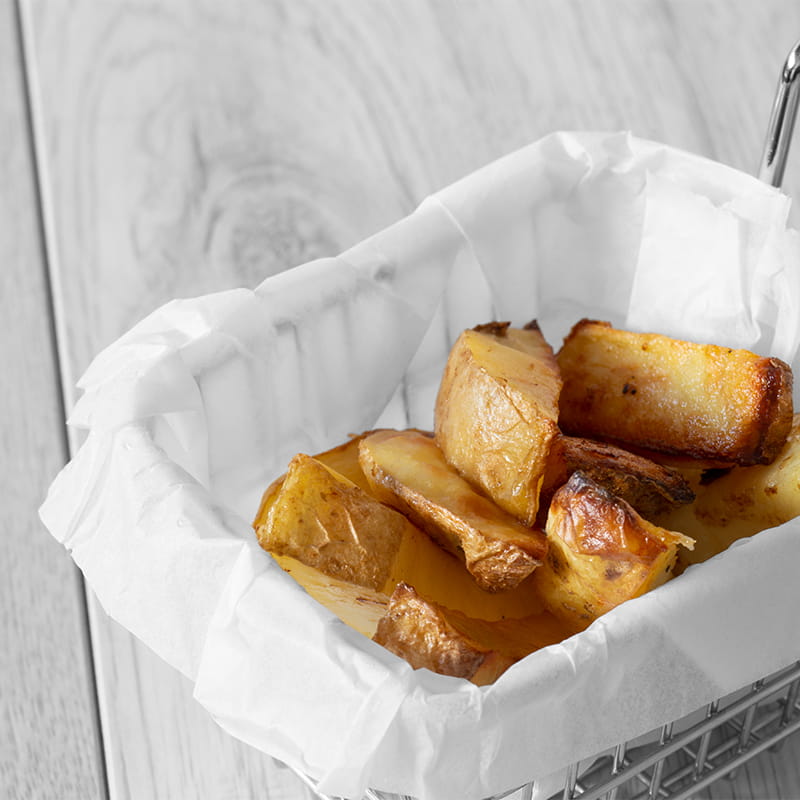
Product Features: 1. Virgin wood pulp 2. Double sides food grade silicone treated 3. Fluorine-free 4. Non-stick 5. Oven/Microwave safe 6. Freezer safe 7. Reusable 8. BPA ...
See Details -
Product Features: 1. Virgin wood pulp 2. Fluorine-free 3. BPA free 4. Biodegradable Product Details: In an era where environmental consciousness and sustainability are paramount, Natu...
See Details -
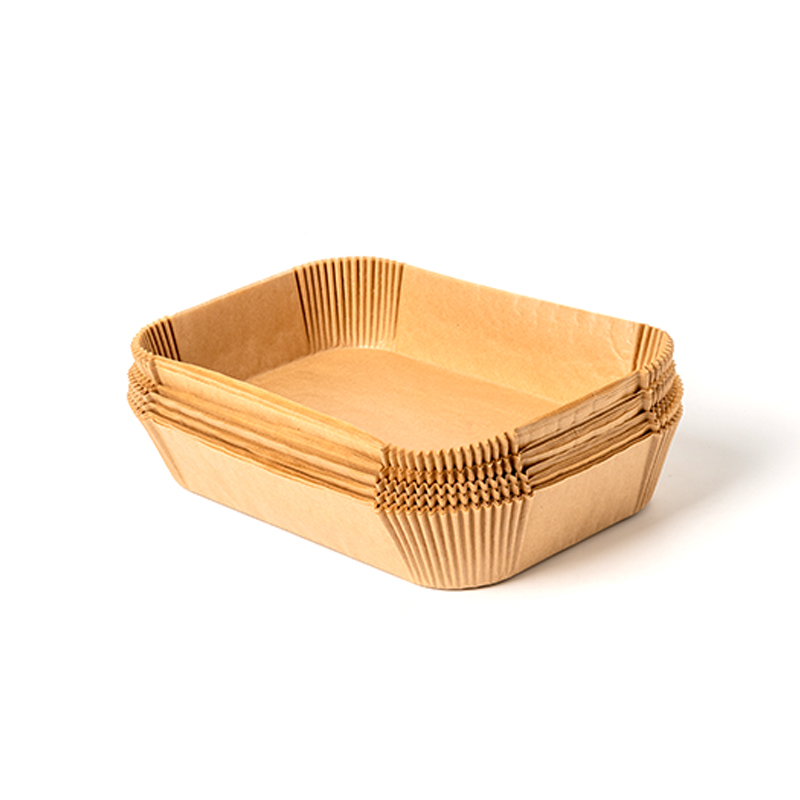
Product Features: 1. Virgin wood pulp 2. Double sides food grade silicone-treated 3. Fluorine-free 4. Non-stick 5. Air fryer basket safe 6. Reusable 7. BPA free 8. Biodeg...
See Details -
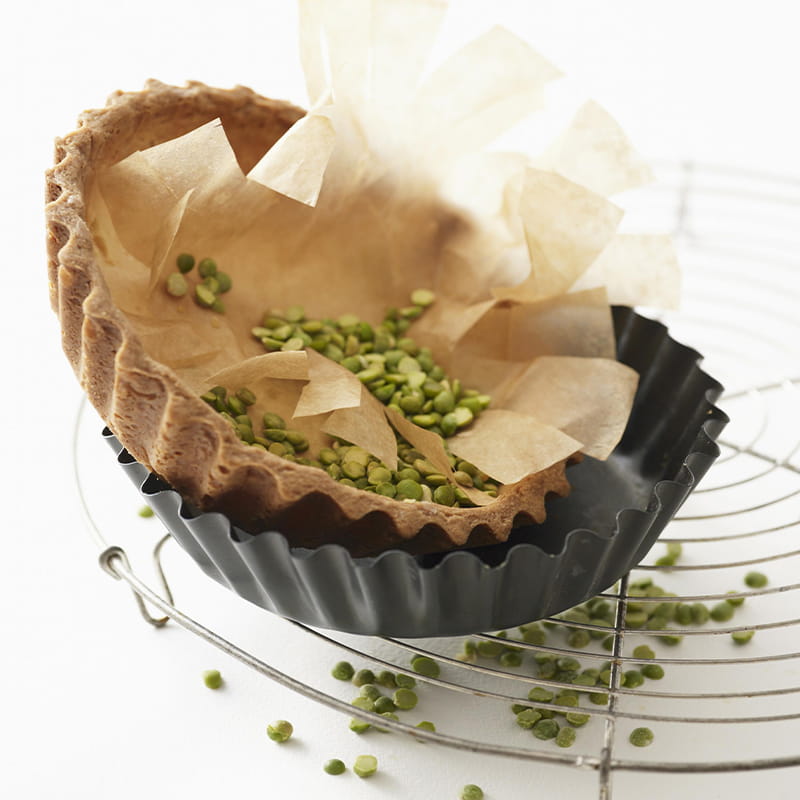
Product Features: 1. Virgin wood pulp 2. Natural unbleached brown color 3. Fluorine-free 4. BPA free 5. Biodegradable Product Details: Introducing our Unbleached Brown Food Grade ...
See Details -
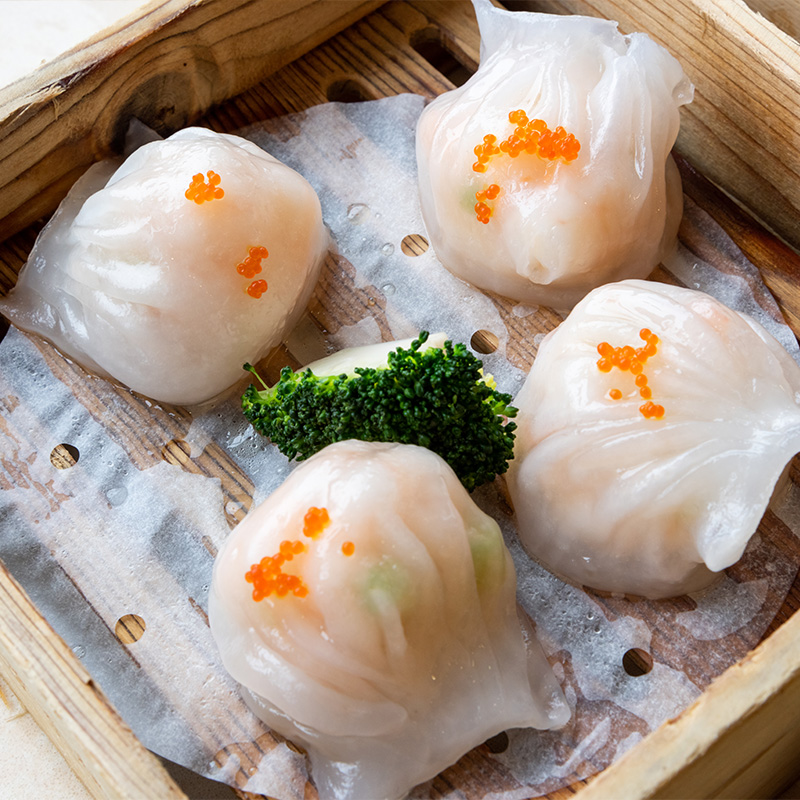
Product Features: 1. Virgin wood pulp 2. Double sides food grade silicone treated 3. Fluorine-free 4. Non-stick 5. Steamer/air fryer basket safe 6. Reusable 7. BPA free 8...
See Details -
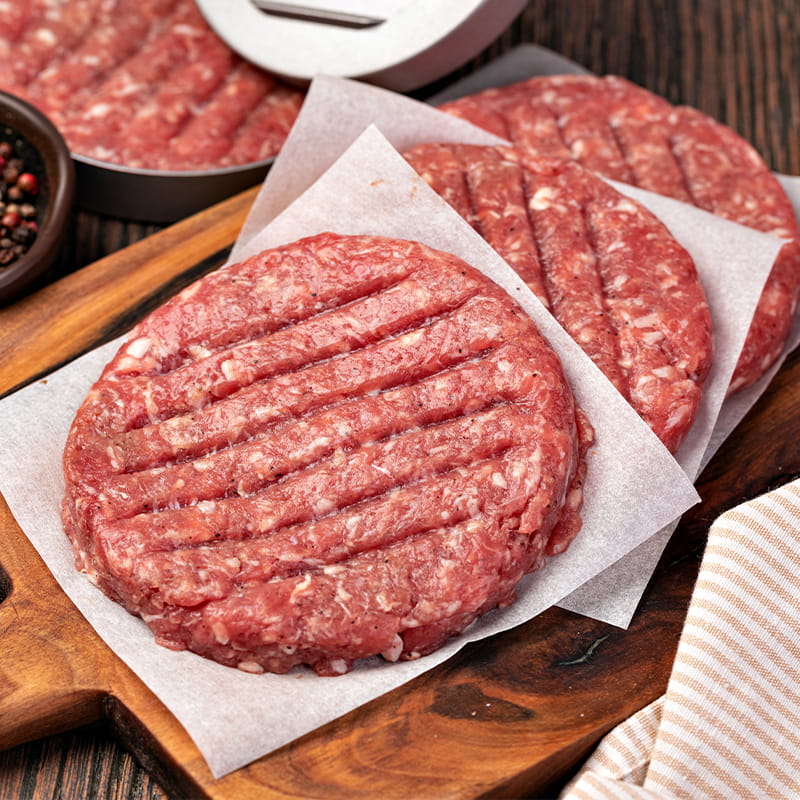
Product Features: 1. Virgin wood pulp 2. Double sides food grade silicone treated 3. Fluorine-free 4. Non-stick 5. Easy to separate 6. Reusable 7. BPA free 8. Biodegradab...
See Details -
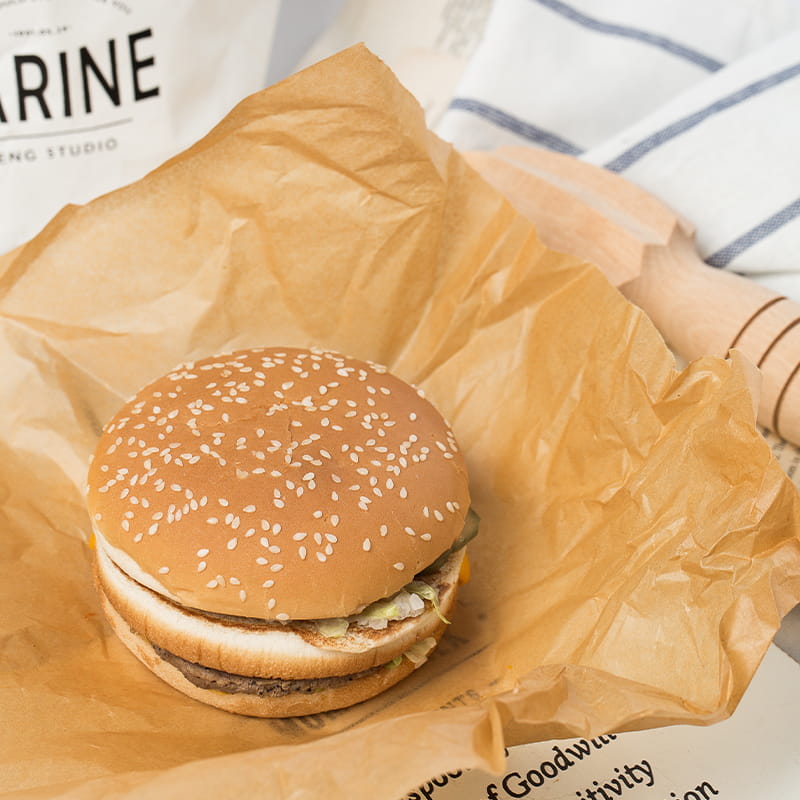
Product Features 1. Virgin wood pulp 2. Flexographic printing 3. Eco-friendly water-based ink 4. BPA free Product Details: Introducing our premium Greaseproof Sandwich Paper Sheets, a...
See Details

Professional Baking Parchment Paper Manufacturer in China with more than 15 years silicone coating experience.
Products
Contact Us
- No.10 Longyin Road, Chengnan Industrial Park,Longyou, Quzhou, China.
- +86-18968091013 / +86-571-88639705
- Avayao-1990@hotmail.com
Copyright © Zhejiang Guanghe New Materials Co., Ltd. All Rights Reserved.
Parchment Paper & Baking Paper Sheets Manufacturer
