 English
 中文简体

Pre Cut Baking Paper Sheets are made from wood pulp and coated on both sides with a food-safe silicone layer. This coating gives the paper a smooth, greaseproof, and moisture-resistant surface that su...
See DetailsWhich Baking Paper Format Is Best for Commercial Kitchens
Ten hours into a bake shift, small habits start to matter. A cook who trims paper from a roll for every tray loses minutes that add up, while a cook who pulls a ready sheet from a box keeps moving. Pre-cut sheets, rolls, and dispenser packs differ in handling speed, waste, and shelf space. Looking at Baking Paper Sheets Vs Parchment Paper, the daily value of Pop-Up Parchment Paper Sheets, and the role of Custom Baking Paper gives bakery owners, restaurant operators, and purchasing managers a practical basis for choosing supply.
Baking Paper Sheets Vs Parchment Paper: What the Names Mean
Suppliers in different regions use "baking paper" and "parchment paper" for closely related products. Both line trays and keep dough, batter, and roasted food from sticking. The label often reflects local habit or how the paper is packed, not a fixed difference in material. Two products with the same name can still perform differently.
Reading the specification sheet answers more than reading the name. These properties deserve a check:
- Release surface: how cleanly cookies, bread, or pastry lift away after baking.
- Heat tolerance: the temperature range the maker recommends, which matters for hot ovens and long bakes.
- Grease handling: how the paper copes with butter, oil, and rendered fat.
- Strength: whether it tears when a loaded tray is slid into a rack.
- Food-contact status: documents showing the material suits its intended use.
| Property | Practical Question |
|---|---|
| Coating | Does it release the specific product being baked? |
| Temperature range | Does it match the oven settings in use? |
| Thickness | Does it stay flat when loaded? |
| Grease resistance | Does fat soak through or stain the tray? |
| Documentation | Are food-contact records available? |
A sheet that works well with dry cookies may not perform as expected with buttery laminated dough. Testing it with the actual product on the intended tray can help confirm whether it is suitable.
Sheets, Rolls, and Dispenser Boxes Compared
The format can influence how a station runs throughout the day, often in ways buyers may not anticipate.
Pre-cut sheets come sized for common trays. A cook lays one down and moves on, which suits bakeries that bake the same items on the same pans every day. The flat stacks fit neatly under a bench.
Rolls give continuous paper. Kitchens that use odd pan sizes, half trays, or round tins can cut exactly what they need. The trade-off is time spent measuring and cutting, plus offcuts that end up in the bin. Scissors or a cutting bar must also be placed within reach.
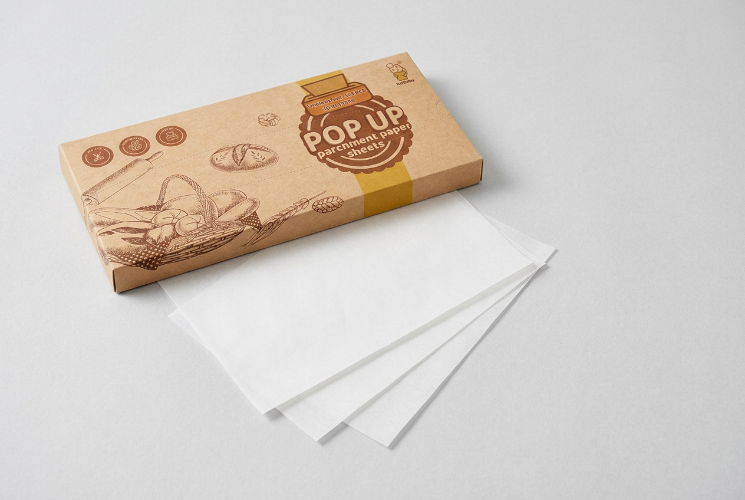
Dispenser boxes hold pre-cut sheets that rise through an opening one at a time. The remaining sheets stay covered, so flour dust and kitchen splashes reach them less often.
| Aspect | Pre-Cut Sheets | Rolls | Dispenser Boxes |
|---|---|---|---|
| Preparation | None | Measure and cut | None |
| Size flexibility | Fixed | Adjustable | Fixed |
| Retrieval | From a stack | Unroll | Pull from box |
| Storage | Flat | Upright or on a bar | Box on shelf |
One business can mix formats. A central bakery may keep rolls for special orders and dispenser boxes at the pastry station for routine tray lining.
Where Pop-Up Parchment Paper Sheets Save Time
Picture a pastry station at mid-morning with three people panning croissants, filling tarts, and loading racks. Nobody wants to stop and wrestle a roll. Pop-Up Parchment Paper Sheets sit beside the work, and each pull delivers one flat sheet ready for the tray.
Consistent sheet dimensions also make staff training easier. New team members can use the paper without having to estimate how much to tear off, helping keep tray presentation consistent across shifts. This depends on choosing sheets that fit the pans in use, so checking the dimensions beforehand is important.
Check these points before ordering a dispenser format:
- Fit: Check whether the sheet dimensions match the trays used regularly.
- Separation: sheets should leave the box one at a time without sticking together.
- Paper behavior: confirm release, strength, and heat tolerance suit the products.
- Box protection: the pack should shield unused sheets from dust and moisture.
- Shelf space: the box must fit the workstation without crowding tools.
Good packaging does not rescue unsuitable paper. Both elements need to fit the job.
Selecting a Paper Format for Your Kitchen
Begin at the pan rack. Measure the flat base of each tray, then decide whether the paper should stop at the edges or rise slightly for easier lifting. If several products share one pan size, a single paper size reduces stock items and ordering errors.
Next, ask the cooks. People who line trays all day know which format slows them down, which tears under load, and which jams in the box. Their comments often change a purchasing decision.
Then look at real cost. Price per pack tells only part of the story. Count usable sheets, paper lost during cutting, minutes of labor, and the effort of restocking. A roll may be cheaper to buy yet cost more in labor, while pre-cut sheets save time but require holding several sizes. Parchment products are also not interchangeable, because coatings and materials carry different limits.
Using Custom Baking Paper for Specific Needs
Standard sizes leave gaps. A kitchen with imported pans, unusual tray dimensions, or a distinctive presentation style may need Custom Baking Paper made to agreed specifications. Discussing requirements before production avoids trimming and waste later.
Items that can be tailored include:
- Sheet length and width.
- Roll width and core length.
- Paper material and thickness.
- Surface treatment.
- Pack style, such as stacks, dispenser boxes, or rolls.
Supply tray measurements and a list of baked products when requesting a quotation. Packaging deserves equal thought, since it affects how fast staff reach the paper and how well unused sheets stay clean.
Printed paper can carry a logo or pattern for suitable preparation or presentation uses. Confirm that the paper accepts printing and that inks and processes suit the application. Any surface that touches food must meet applicable safety requirements, and appearance should never outweigh material suitability.
| Topic | Details to Provide |
|---|---|
| Format | Sheets, rolls, or dispenser packs |
| Material | Required paper characteristics |
| Size | Sheet dimensions or roll specification |
| Packaging | Stack, box, or roll |
| Printing | Artwork and placement |
| Documents | Testing and compliance records |
Checks Before Placing a Bulk Order
Ask how the manufacturer keeps size, thickness, and surface quality steady from one batch to the next. Request samples and let the kitchen team test them under normal working conditions, including a full bake cycle and removal of the finished product.
Review food-contact documents and test reports that apply to the destination market. Confirm that coatings, treatments, and inks suit the intended use. Clarify order quantities, sample approval steps, production scheduling, and shipping arrangements so supply matches inventory plans.
The choice among sheets, rolls, and dispenser packs follows the way a kitchen works. Tray sizes, staff routines, paper performance, and storage space guide the decision, and tailored specifications close the gaps that standard sizes leave.
Related Products
-
-
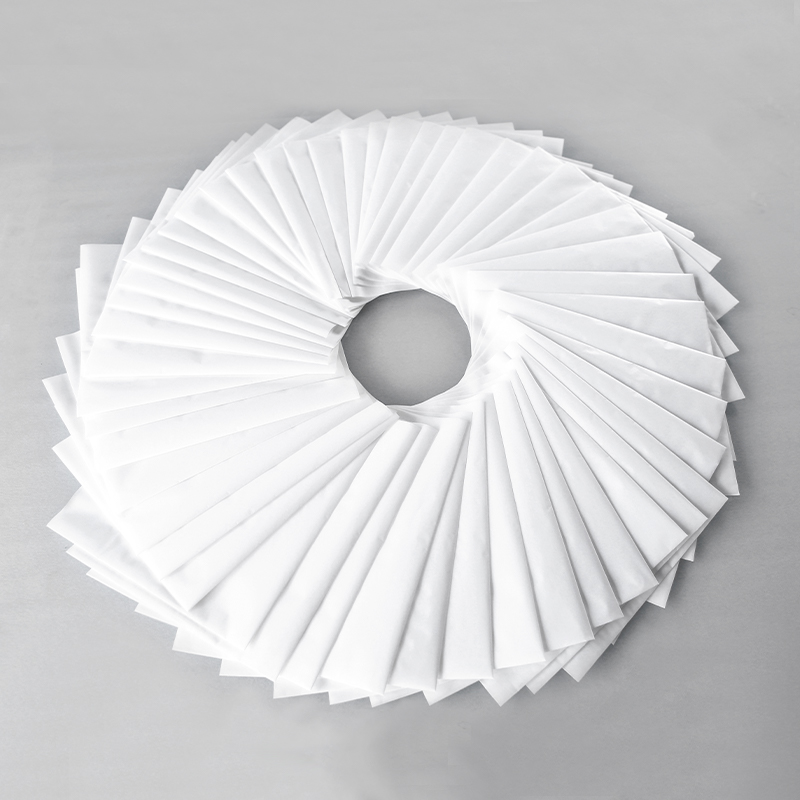
Folded Baking Paper Sheets, also known as Non Stick Baking Paper Sheets, are made from wood pulp and coated on both sides with a food-safe silicone layer. This coating gives the paper a smooth, grease...
See Details -
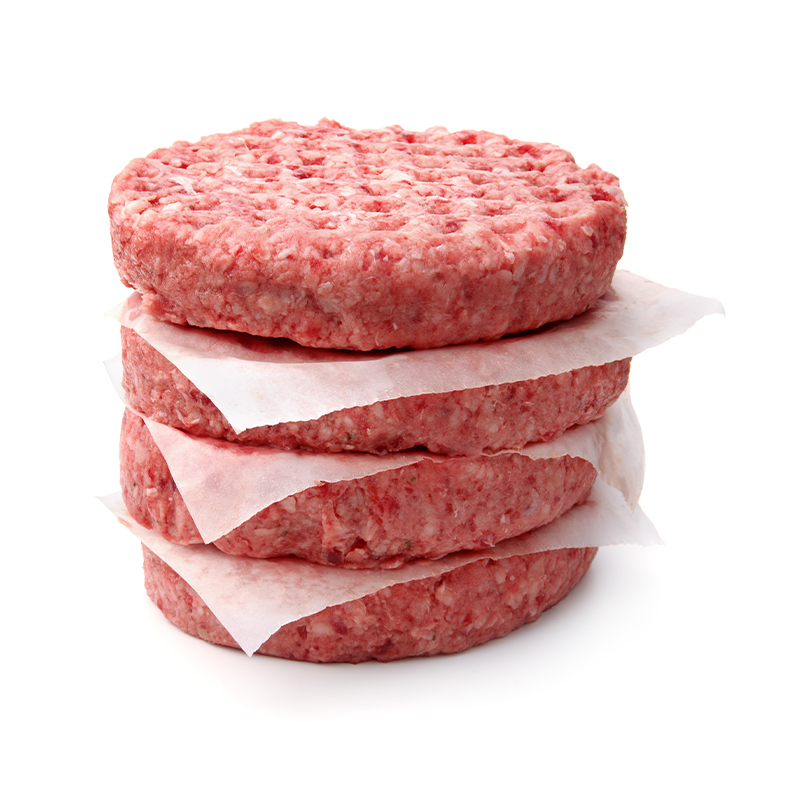
Description: Wax paper is the paper that is coated with food-grade wax in order to make it non-stick and waterproof. wax paper is very good for food storing and presentingMade of food-grade paper and ...
See Details -
Product Features: 1. Virgin wood pulp 2. Double sides food grade silicone-treated 3. Fluorine-free 4. Non-stick 5. Oven/Microwave safe 6. Freezer safe 7. Reusable 8. BPA f...
See Details -
Product Features: 1. Virgin wood pulp 2. Natural unbleached brown color 3. Double sides food grade silicone-treated 4. Fluorine-free 5. Non-stick 6. Oven/Microwave safe 7. Fre...
See Details -
Product Features: 1. Virgin wood pulp 2. Double sides food grade silicone treated 3. Fluorine-free 4. Non-stick 5. Oven/Microwave safe 6. Freezer safe 7. Reusable 8. BPA ...
See Details -
Product Features: 1. Virgin wood pulp 2. Fluorine-free 3. BPA free 4. Biodegradable Product Details: In an era where environmental consciousness and sustainability are paramount, Natu...
See Details -
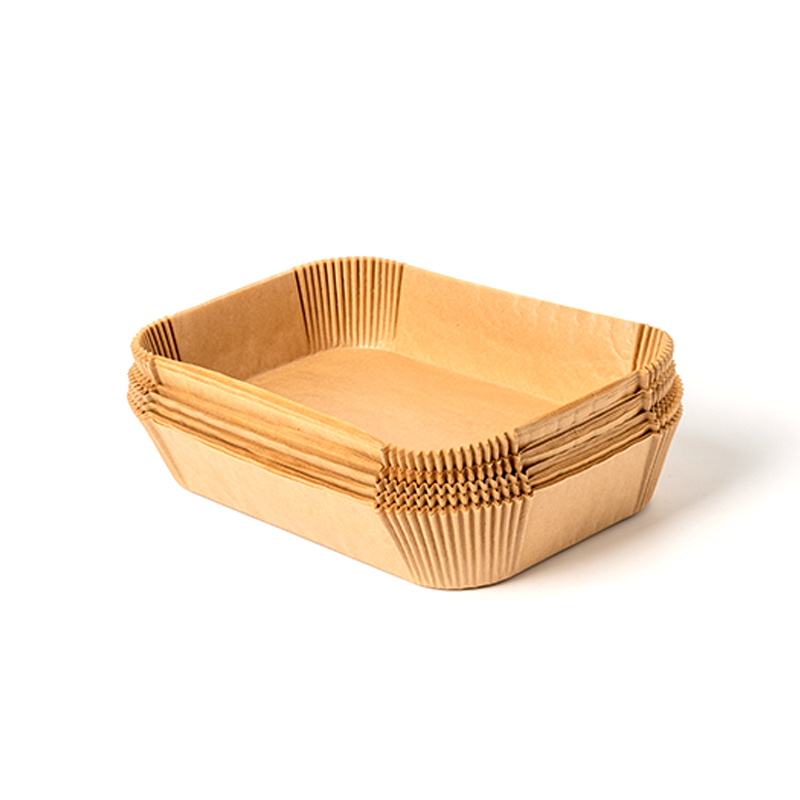
Product Features: 1. Virgin wood pulp 2. Double sides food grade silicone-treated 3. Fluorine-free 4. Non-stick 5. Air fryer basket safe 6. Reusable 7. BPA free 8. Biodeg...
See Details -
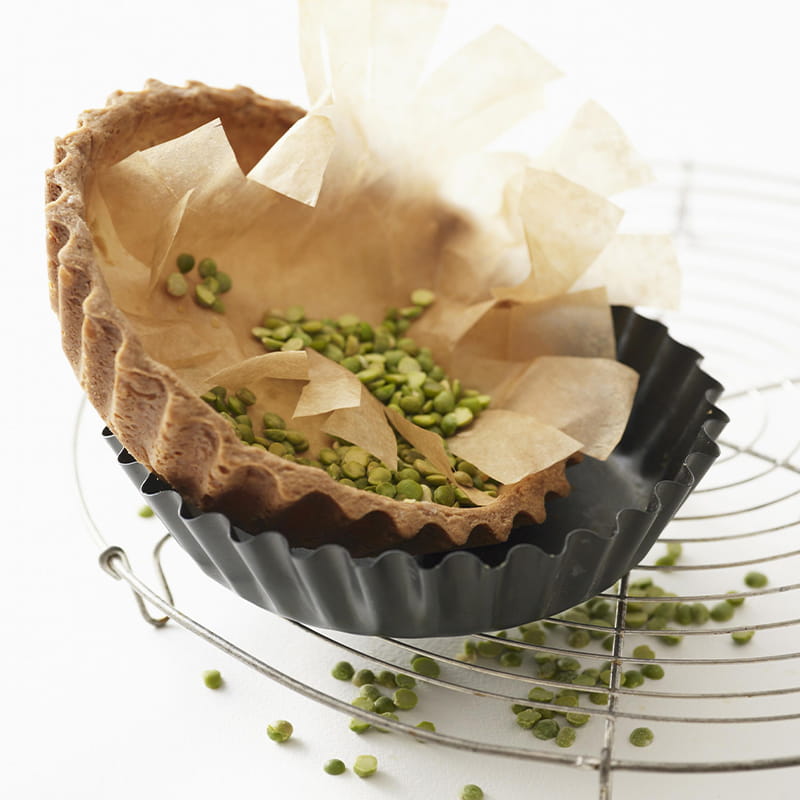
Product Features: 1. Virgin wood pulp 2. Natural unbleached brown color 3. Fluorine-free 4. BPA free 5. Biodegradable Product Details: Introducing our Unbleached Brown Food Grade ...
See Details -
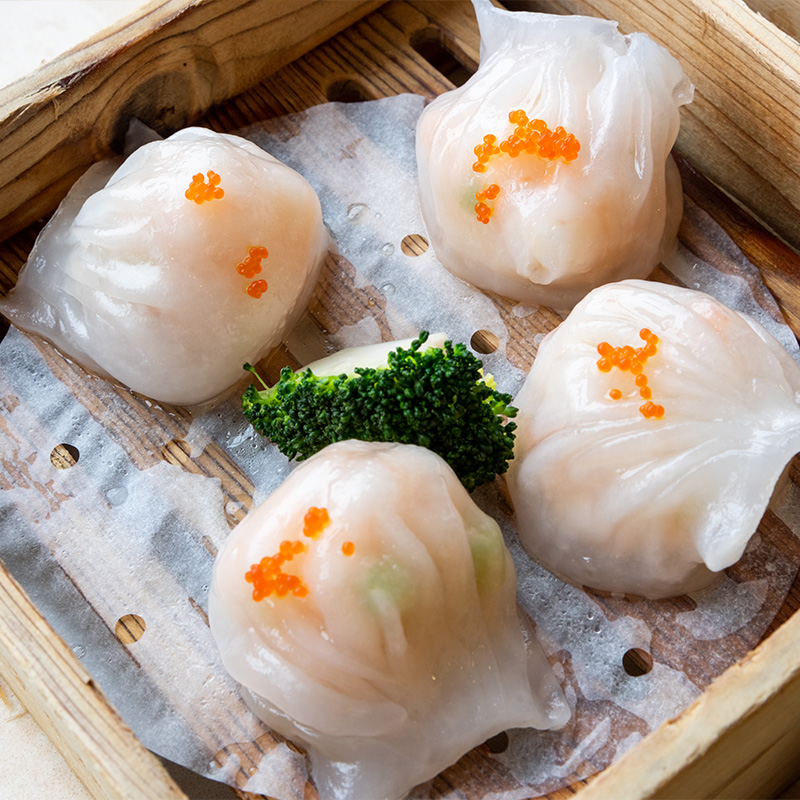
Product Features: 1. Virgin wood pulp 2. Double sides food grade silicone treated 3. Fluorine-free 4. Non-stick 5. Steamer/air fryer basket safe 6. Reusable 7. BPA free 8...
See Details -
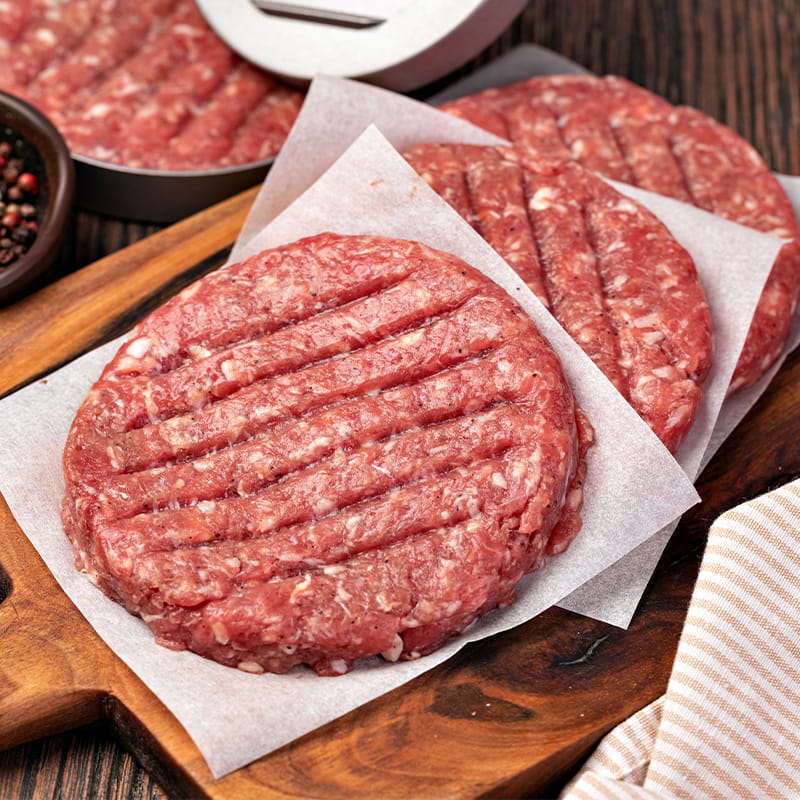
Product Features: 1. Virgin wood pulp 2. Double sides food grade silicone treated 3. Fluorine-free 4. Non-stick 5. Easy to separate 6. Reusable 7. BPA free 8. Biodegradab...
See Details -
Product Features 1. Virgin wood pulp 2. Flexographic printing 3. Eco-friendly water-based ink 4. BPA free Product Details: Introducing our premium Greaseproof Sandwich Paper Sheets, a...
See Details

Professional Baking Parchment Paper Manufacturer in China with more than 15 years silicone coating experience.
Products
Contact Us
- No.10 Longyin Road, Chengnan Industrial Park,Longyou, Quzhou, China.
- +86-18968091013 / +86-571-88639705
- Avayao-1990@hotmail.com
Copyright © Zhejiang Guanghe New Materials Co., Ltd. All Rights Reserved.
Parchment Paper & Baking Paper Sheets Manufacturer
