 English
 中文简体
中文简体
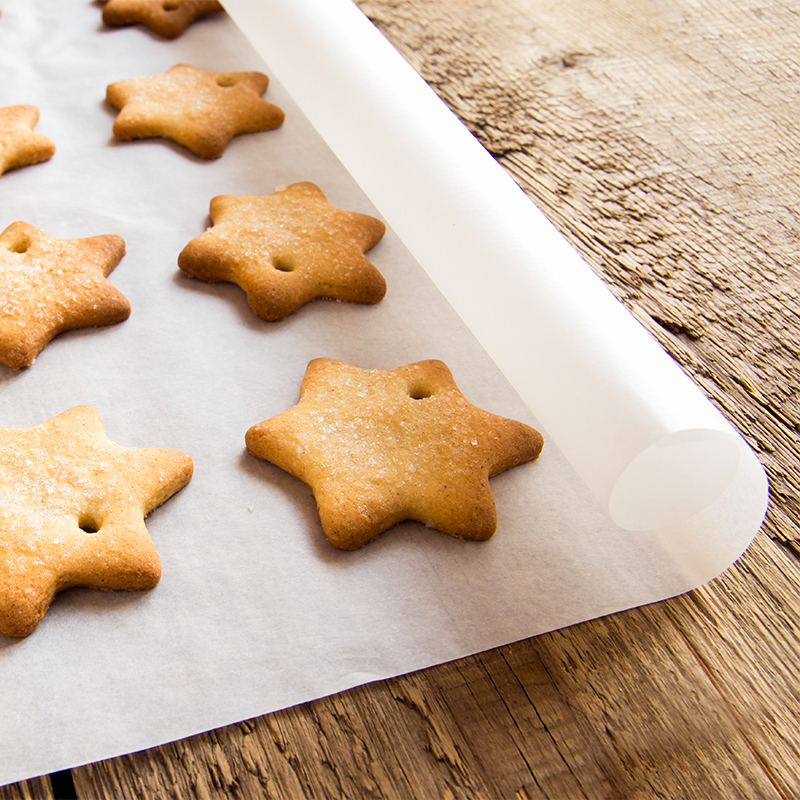
Product details: Pop-up parchment paper sheets, an environment-friendly product, are composed of wood pulp and are double-side coated with silicone. Such a coating makes our paper smooth, greasepr...
See DetailsParchment Paper: Heat, Durability & Eco-Friendly Materials
Parchment paper keeps showing up in more kitchens and on more production floors. The paper lines trays for baking, wraps items for storage, separates layers so things don't stick together, and acts as a simple barrier during cooking or holding. Demand picks up because kitchens and businesses want something that deals with heat, blocks grease, and cuts down on cleanup time. At home, it helps with regular baking sessions, roasting pans, or packing lunches without mess leaking out. In commercial kitchens, it keeps prep work moving fast and results even during rush hours. The paper fits into daily patterns that focus on consistent cooking, clean surfaces, and less overall mess. The surface lets food come away without pulling pieces off or leaving residue. Trays stay in better shape, meals turn out looking decent, and the process doesn't drag on. The paper adjusts to whatever task comes up without needing extra tools or special handling. It goes into ovens for baking runs, works on stovetops for steaming folds, or gets used in packaging to keep things fresh. The natural makeup makes it practical for small home batches and bigger production runs. Households and facilities keep turning to it for steady results in everyday work. The paper catches drips from meats or oils from vegetables, so cooking surfaces stay dry underneath. That keeps kitchens moving without long scrubbing sessions and more focus on the actual food. The material lays flat on trays, doesn't slide around, and holds up through several uses in one go. Cooks like how it stops sticking on delicate things like pastries or fish that fall apart easy without it. The paper turns into a regular pick because it handles common annoyances without making things more complicated. Trays clean up quick, food looks better, and the kitchen doesn't turn into a wreck after every meal. The demand keeps going up as more people see how it simplifies cooking and packaging without piling on extra waste or steps.
Heat Resistance in Baking and Cooking Applications
Parchment paper takes oven temperatures without melting or coming apart. It holds together during baking, roasting, or grilling, so food cooks through evenly without sticking. The paper puts a layer between food and metal, cutting down on scorching or burnt spots. Cookies get even color across the sheet, pastries come off in one piece, roasted vegetables get crisp without turning soggy. The material keeps its shape under steady heat, so trays and pans don't take direct hits. In home ovens, it handles batch after batch of baked items without losing strength. In commercial kitchens, it covers large trays for steady output during long shifts. The paper works with delicate foods like fish fillets or soft dough that tear easy without a barrier. Heat moves around the food, so cooking stays uniform from side to side. The paper avoids problems that come from food touching the pan directly, like patchy browning or stuck edges. It fits into cooking styles that need consistent temperature without extra hassle. The surface doesn't scorch or curl under normal oven conditions, so results stay even. Cooks use it for quick sheet-pan meals or longer bakes that need steady heat. The paper keeps food from gluing down, so nothing goes to waste from tearing. The heat handling lets it go into high-temperature roasting or baking without falling apart. The paper stays solid even when grease or juices hit it, keeping the non-stick working through the whole cook. In roasting, it lets extra moisture get out while holding drips, so vegetables or meats get that edge without steaming in their own liquid. The paper supports methods that depend on even heat spread, making sure food cooks through without hot spots or underdone parts. The material deals with the heat without adding any strange taste or smell to the food. Cooks keep going back to it for tasks that need dependable heat handling without extra cleanup afterward.
Durability and Strength for Commercial and Industrial Tasks
Parchment paper holds up under repeated handling and contact with grease or moisture. The structure resists tearing when placed or removed from trays. In food service, it lines trays for large batches, wraps pastries, and separates layers without failing. Bakeries use it for consistent baking results across multiple trays. Restaurants use it for prep and plating, catering for transport without leaks. The paper withstands prolonged exposure to oils, sauces, or steam without losing strength. In industrial packaging, it acts as a barrier in wrapping or lining operations. The durability allows cutting or folding to fit various containers or molds without ripping. The paper avoids breakdown that could cause leaks or contamination in production. Its strength supports high-volume use without frequent replacement. The material keeps performing across shifts, reducing downtime from failures. In non-food applications like arts or labs, it provides a sturdy surface for work involving moisture or residue. The paper bends without cracking, so it conforms to different shapes during use. The reinforced fibers keep it from tearing under normal handling or weight. In wrapping, it holds tight without splitting when folded or twisted. The paper maintains integrity during transport or storage, so food stays contained. The durability makes it suitable for tasks that require repeated folding or cutting. The material resists grease penetration over time, so it doesn't soften or lose effectiveness mid-use. Cooks and operators appreciate how it stands up to daily abuse without giving out early. The paper keeps trays protected, food secure, and processes running without interruptions from material failure.
Eco-Friendly Materials and Production Shifts
Parchment paper production leans toward materials that grow back and break down naturally. Fibers come from sources that renew without heavy chemical treatments. The process skips coatings that make composting or recycling harder. Unbleached versions cut down on chlorine use, keeping the material closer to its natural state. Some versions carry certification for sourcing from managed forests. The paper composts in home piles or industrial facilities, turning back into soil matter. This cuts reliance on materials that sit in landfills or break into tiny pieces that linger. The uncoated or lightly treated way keeps manufacturing simple, with fewer steps that release pollutants. Disposal stays straightforward—compost for natural return, recycle where paper collection exists. The material fits routines that aim to reduce waste while keeping cooking and packaging practical. The paper slides into habits that favor renewal over constant taking. Production skips harsh steps, disposal loops back naturally. Kitchens add less waste without losing performance. The choice lines up with keeping resources around for longer. It encourages mindful patterns that spread to packaging or household items. The paper quietly backs up daily work, keeping things simple while delivering consistent results.
Role in Reducing Food Waste During Preparation
Parchment paper helps cut down food waste by stopping food from sticking and burning. Food comes off clean, so portions stay whole instead of tearing or scorching on the pan. Trays and pans don't get ruined batches from stuck pieces. During meal prep, it wraps or separates items without letting moisture escape or causing contamination. Leftovers hold up better when wrapped in the paper, keeping them fresh without plastic bags. In bigger production runs, the consistent release means fewer pieces get thrown away from trays that food clings to. The paper lets ingredients get used fully since nothing stays glued to the surface. The non-stick side keeps food looking and tasting like it should, so people finish what's there instead of tossing half. In packaging, it acts as a barrier that holds quality during storage or moving around. The material fits into patterns that try to make food last from prep to eating. The paper keeps food from gluing down, so less ends up in the trash from bad looks or textures. The surface grabs drips and grease, stopping waste from burnt-on spots. In roasting or baking, it lets extra moisture get out while holding juices, so food cooks through without drying or getting soggy. The paper helps with portion control by making separation and storage easy. The material keeps ingredients usable longer, cutting down on throwing away leftovers that stick or go bad. The paper slips into routines that aim to get more out of food without extra waste. The paper quietly keeps portions intact, trays clean, and waste lower without changing how cooking works. Food stays whole, nothing gets lost to the pan, and storage stays simple. The paper supports habits that reduce what gets discarded from prep all the way to the plate. The non-stick surface makes sure food doesn't tear or burn, so less goes in the bin. In daily cooking, it catches drips and keeps things from sticking, so meals finish without waste from ruined parts. The paper helps leftovers stay fresh longer when wrapped, so they get eaten instead of tossed. In larger setups, steady release means fewer scraps from trays that hold on to food. The material keeps food looking good, tasting good, and getting used up fully.
Industry Innovations and Future Directions
Parchment paper keeps seeing changes that improve how it works and how it affects the environment. Some versions switch to plant-based treatments instead of regular coatings. Others lean on unbleached fibers to ease the impact. Manufacturing looks at ways to make heat handling and strength better without piling on extra layers. The paper fits into online food delivery with wraps and liners that take the place of single-use plastics. Restaurants and chains try biodegradable versions to follow packaging rules. The material helps keep food fresh in ways that fit sustainable habits. Changes aim to keep the paper useful for baking, roasting, and wrapping while lining up with less waste goals. The industry heads toward products that hold function while cutting long-term load on the environment. The paper keeps adapting to demands for cleaner production and simpler disposal. The updates focus on keeping the material dependable while making it easier to return to nature. The paper stays useful for daily work while backing shifts toward lower impact. The changes keep the paper reliable across tasks without adding complications. The industry pushes forward with options that balance performance and sustainability. The paper evolves to meet needs for better heat handling, stronger structure, and easier breakdown. The material keeps supporting cooking and packaging in ways that reduce waste over time. The innovations make the paper fit into routines that care about the environment without losing practicality. The paper quietly improves with each update, staying a solid choice for kitchens and businesses.
Comparison of Parchment Paper Features
| Aspect | Traditional Foil or Greased Pans | Parchment Paper Sheets |
|---|---|---|
| Food Release | Often requires scraping | Clean release without sticking |
| Heat Resistance | Varies with material | Handles typical oven temperatures |
| Grease Containment | Spreads on surface | Keeps grease on paper |
| Cleanup Effort | Scrubbing or soaking needed | Lift paper, quick wipe |
| Disposal | Foil hard to recycle | Compostable or recyclable |
| Flavor Impact | Possible from grease buildup | Neutral, no added taste |
| Versatility | Limited to specific pans | Works across baking, roasting, wrapping |
| Waste Reduction | Higher from non-breaking materials | Reduces waste through reuse potential |
Supporting Daily Kitchen Efficiency with Baking Parchment Paper
Non-stick baking parchment paper sheets do their job in cooking without complicating things or adding extra work. They deal with heat, grease, and moisture in a plain way—no fuss or surprises. Cleanup gets quicker because the paper grabs drips and lets food come off clean. Trays end up looking almost untouched after use. No more struggling with stuck bottoms or burnt edges. The paper sits under food, catches the mess, lets things slide off without leaving chunks behind. It handles everyday stuff like lining trays for biscuits or cookies, roasting vegetables or meat, folding steaming packets, wrapping lunches to go. The paper bends around pan edges, folds into neat packets, cuts down to fit smaller trays or tins without ripping. The surface holds grease in place, keeps moisture where it belongs, stops food from gluing to the metal. Cleanup turns into lifting the paper and maybe a quick wipe with a cloth. The paper stays flat in the oven, doesn't curl up or scorch, releases food whole every time. It works fine for delicate pastries that tear easy, roasting meats that drip fat, separating stored layers so they don't stick together. The natural feel doesn't add any weird taste or smell to the food. Disposal stays simple—toss it in compost if you have it going, or regular trash without worrying about it hanging around forever. The paper fits right into busy days without adding steps or headaches. It keeps the kitchen cleaner, cuts down on waste, makes cooking feel smoother day in and day out. Cooks start reaching for it automatically because it solves sticking and cleanup without asking for anything extra. The practical side shows up in quicker prep, faster cleanup, steadier results, less overall hassle. The paper quietly backs up daily work, keeping things simple while giving consistent results. It becomes part of the kitchen without any big announcement—just reliable help that makes routines easier and spaces cleaner over time. The sheets stay in the drawer, ready for whatever comes next, handling heat and mess without complaint. Trays wipe clean fast, food looks and tastes the way it should, kitchen doesn't turn into a wreck after every meal. The paper quietly makes the difference, day after day, without drawing attention. It keeps sticking away, cleanup short, whole process less of a drag. The value sits in that quiet reliability—less scrubbing, less waste, more time for actual cooking. The paper fits in naturally, works without fuss, leaves the kitchen better off after each use. Cooks keep coming back because it just works, plain and simple. The sheets become a regular thing, like a good knife or cutting board, because they take care of annoying parts without extra effort. The kitchen runs smoother, stays cleaner, feels less like work because of it. The paper quietly supports all that, batch after batch, without getting in the way. The material catches grease, controls moisture, lets food release without sticking. Cleanup becomes lifting the sheet and a quick wipe, trays look ready for next use. The paper fits busy schedules, handles routine tasks, reduces mess in kitchen. The sheets work reliably across baking, roasting, wrapping, storage. The paper stays flat, doesn't tear easy, keeps food from gluing to surfaces. The natural properties make it suitable for delicate or greasy foods without added issues. The paper quietly backs up kitchen work, making routines easier and spaces cleaner over time. The material becomes a regular part of cooking because it solves common problems without extra steps. The paper keeps trays protected, food intact, cleanup simple day after day.
Guanghe specializes in producing parchment paper and related products. The factory focuses on sustainable materials and reliable performance for kitchen and packaging needs. Visit http://guanghepaper.com/ for more details.
Related Products
-
-
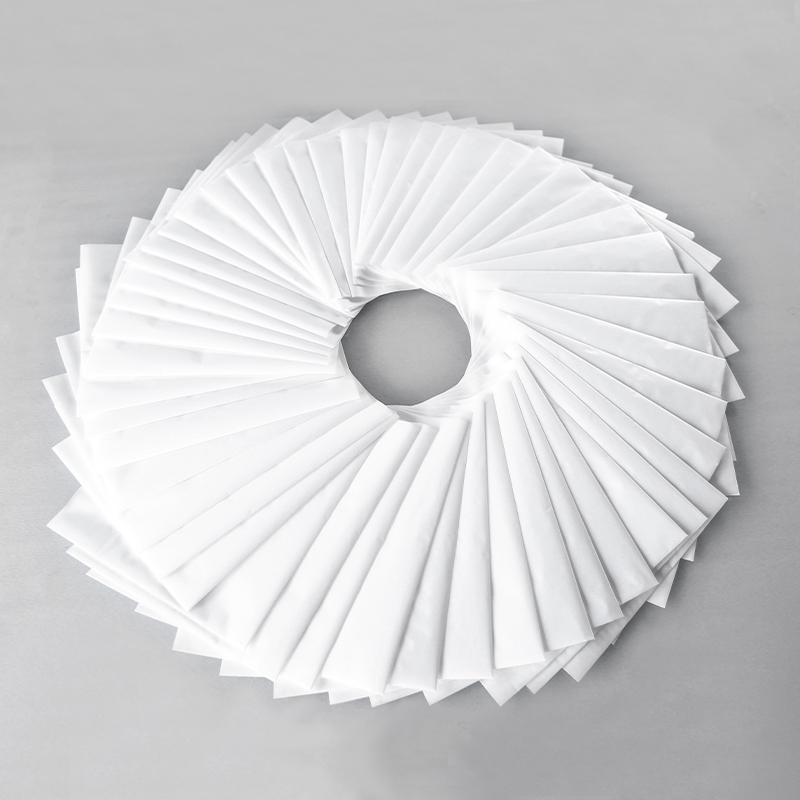
Product details: Folded baking paper sheets, an environment-friendly product, are composed of wood pulp and are double-side coated with silicone. Such a coating makes our paper smooth, greaseproof and...
See Details -
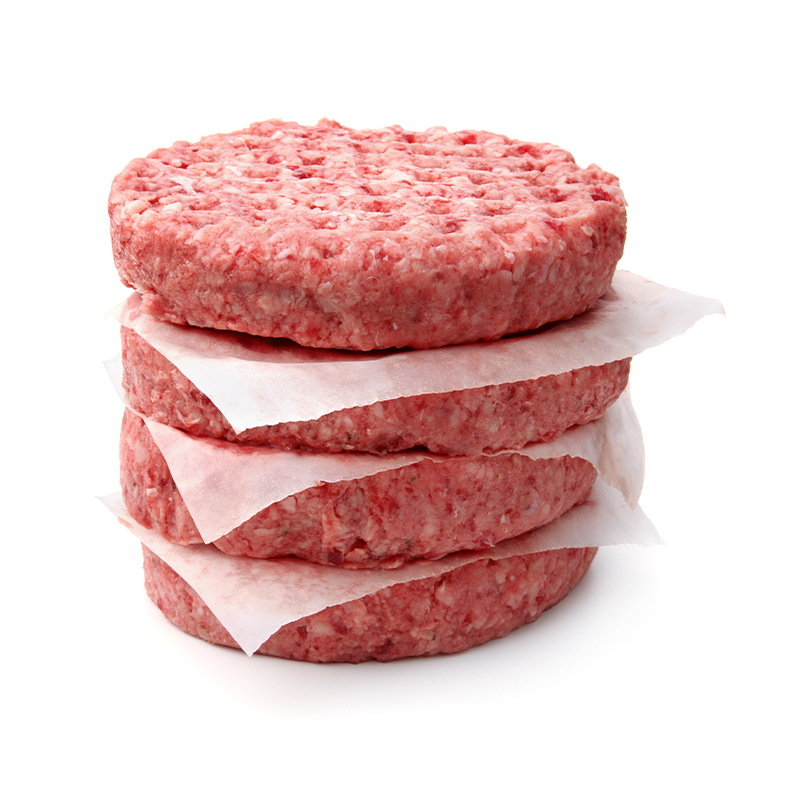
Description: Wax paper is the paper that is coated with food-grade wax in order to make it non-stick and waterproof. wax paper is very good for food storing and presentingMade of food-grade paper and ...
See Details -
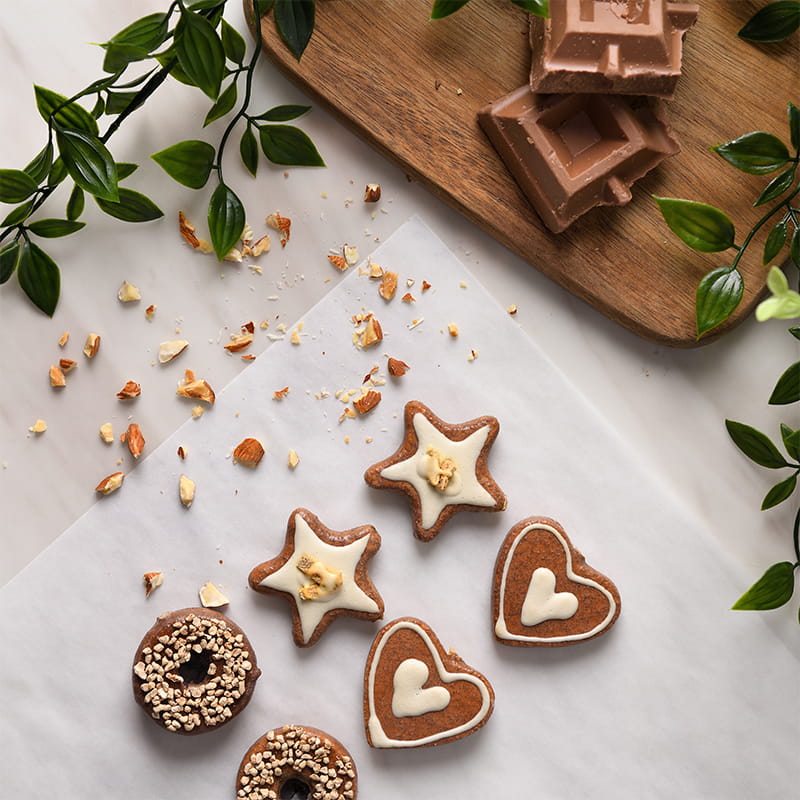
Product Features: 1. Virgin wood pulp 2. Double sides food grade silicone-treated 3. Fluorine-free 4. Non-stick 5. Oven/Microwave safe 6. Freezer safe 7. Reusable 8. BPA f...
See Details -
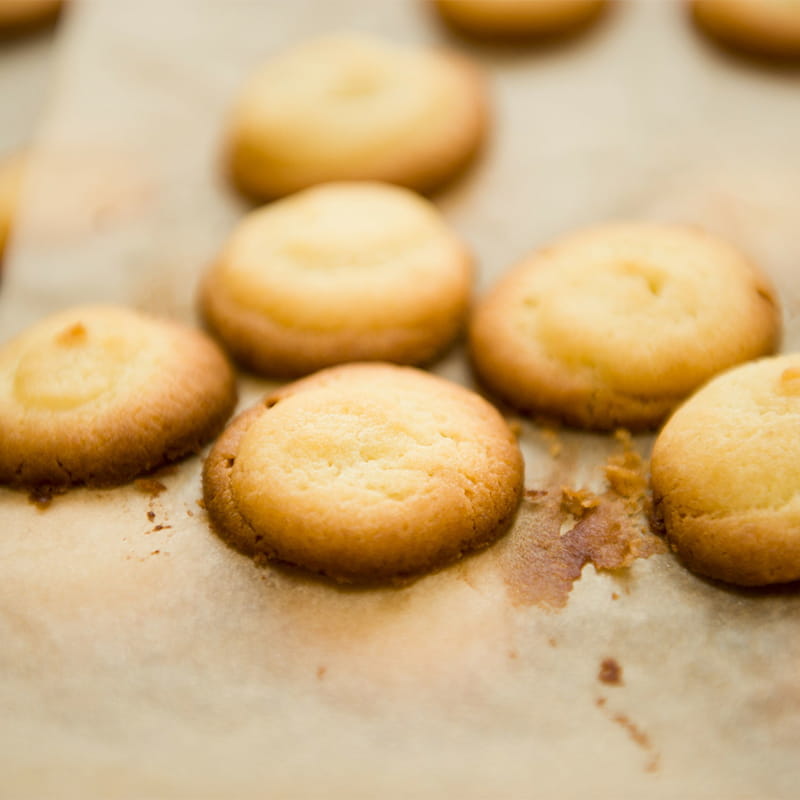
Product Features: 1. Virgin wood pulp 2. Natural unbleached brown color 3. Double sides food grade silicone-treated 4. Fluorine-free 5. Non-stick 6. Oven/Microwave safe 7. Fre...
See Details -
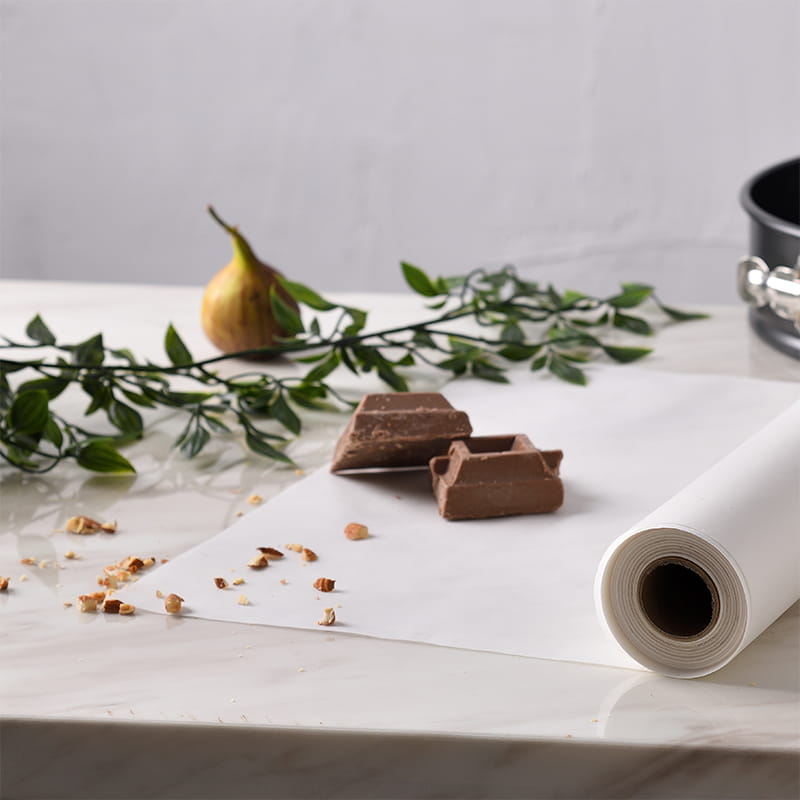
Product Features: 1. Virgin wood pulp 2. Double sides food grade silicone treated 3. Fluorine-free 4. Non-stick 5. Oven/Microwave safe 6. Freezer safe 7. Reusable 8. BPA ...
See Details -
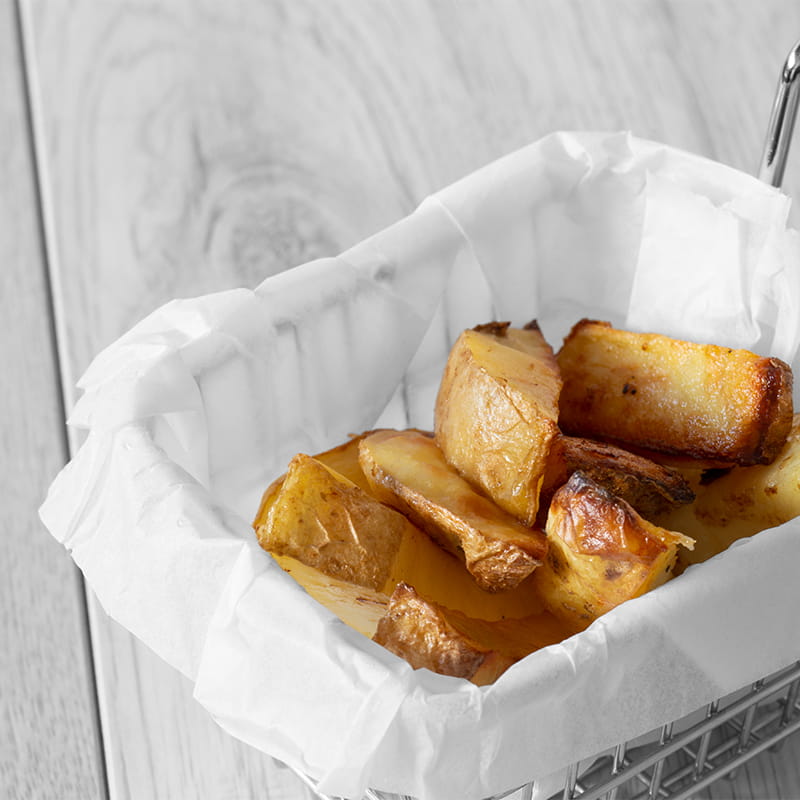
Product Features: 1. Virgin wood pulp 2. Fluorine-free 3. BPA free 4. Biodegradable Product Details: In an era where environmental consciousness and sustainability are paramount, Natu...
See Details -
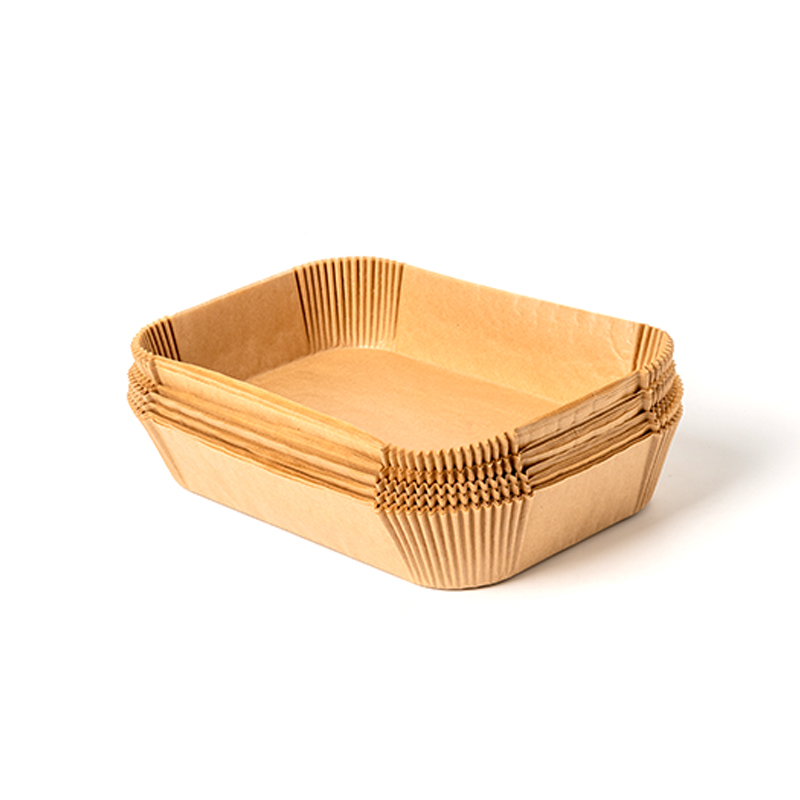
Product Features: 1. Virgin wood pulp 2. Double sides food grade silicone-treated 3. Fluorine-free 4. Non-stick 5. Air fryer basket safe 6. Reusable 7. BPA free 8. Biodeg...
See Details -
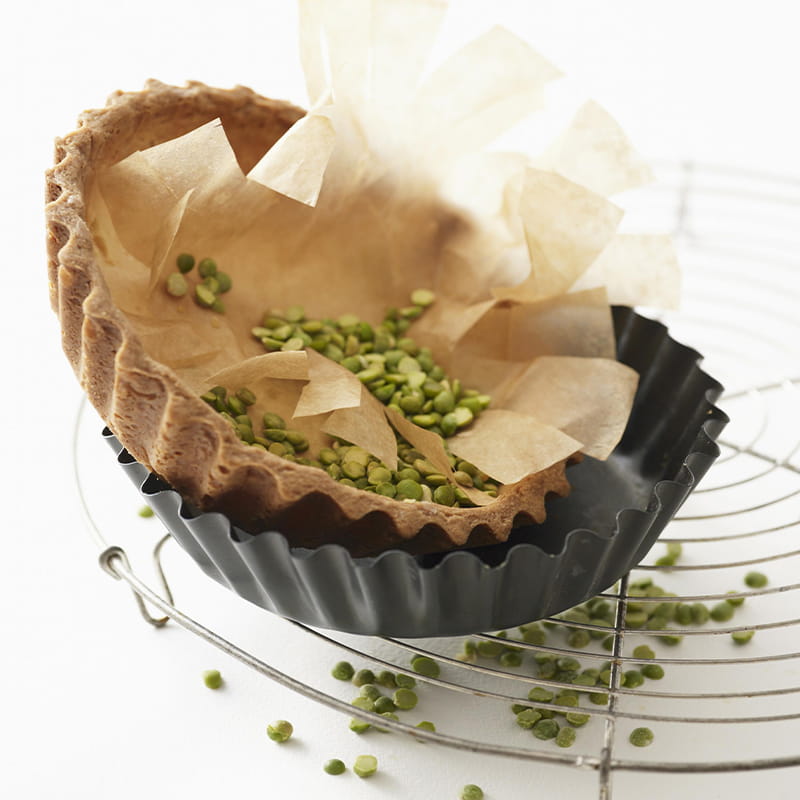
Product Features: 1. Virgin wood pulp 2. Natural unbleached brown color 3. Fluorine-free 4. BPA free 5. Biodegradable Product Details: Introducing our Unbleached Brown Food Grade ...
See Details -
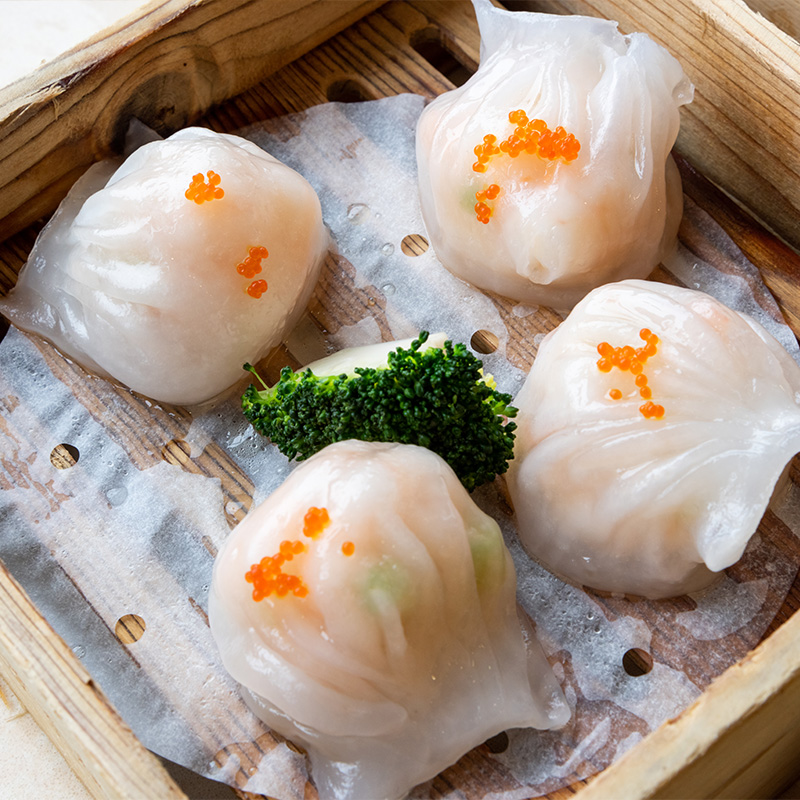
Product Features: 1. Virgin wood pulp 2. Double sides food grade silicone treated 3. Fluorine-free 4. Non-stick 5. Steamer/air fryer basket safe 6. Reusable 7. BPA free 8...
See Details -
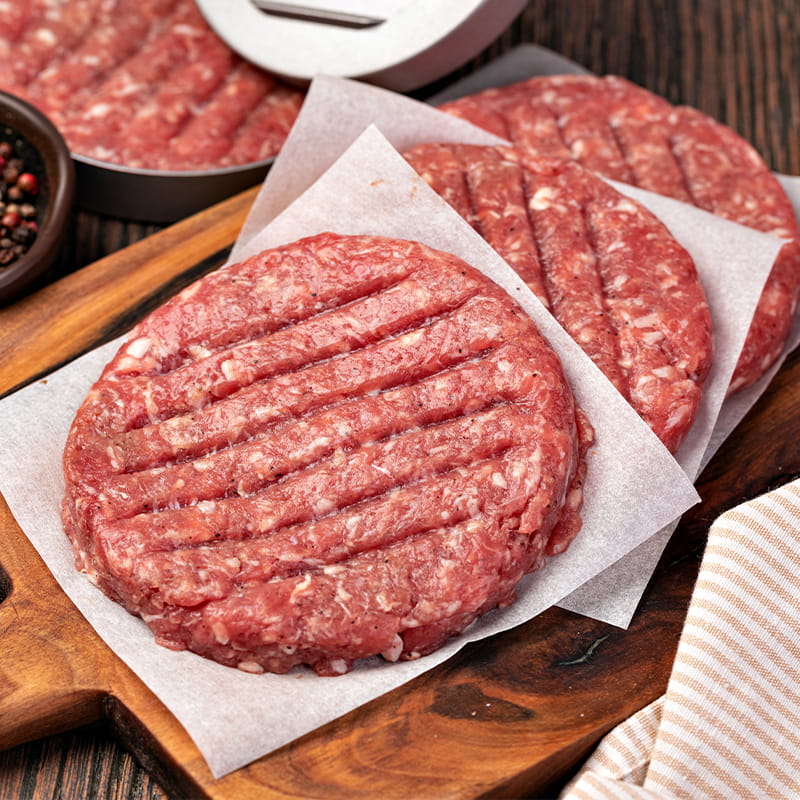
Product Features: 1. Virgin wood pulp 2. Double sides food grade silicone treated 3. Fluorine-free 4. Non-stick 5. Easy to separate 6. Reusable 7. BPA free 8. Biodegradab...
See Details -
Product Features 1. Virgin wood pulp 2. Flexographic printing 3. Eco-friendly water-based ink 4. BPA free Product Details: Introducing our premium Greaseproof Sandwich Paper Sheets, a...
See Details

Professional Baking Parchment Paper Manufacturer in China with more than 15 years silicone coating experience.
Products
Contact Us
- No.10 Longyin Road, Chengnan Industrial Park,Longyou, Quzhou, China.
- +86-18968091013 / +86-571-88639705
- Avayao-1990@hotmail.com
Copyright © Zhejiang Guanghe New Materials Co., Ltd. All Rights Reserved.
Parchment Paper & Baking Paper Sheets Manufacturer
