 English
 中文简体
中文简体
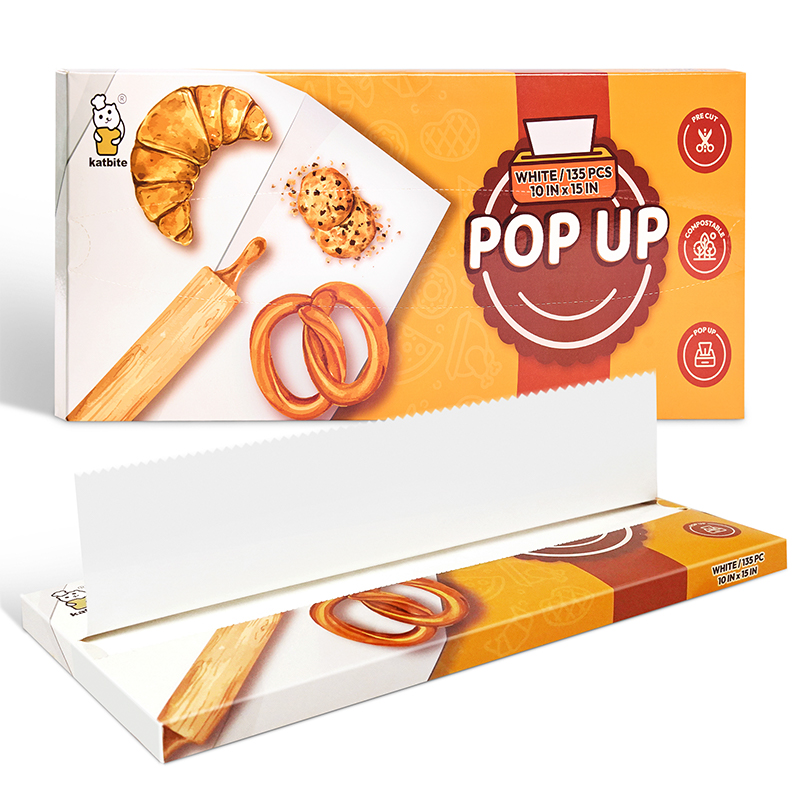
Product details: Pop-up parchment paper sheets, an environment-friendly product, are composed of wood pulp and are double-side coated with silicone. Such a coating makes our paper smooth, greasepr...
See DetailsNatural White Uncoated Greaseproof Paper in Daily Baking
If you spend any real time in the kitchen, you know the small frustrations that pile up. Dough sticks to the tray and rips when you try to lift it. Roasted vegetables leave a greasy film that takes forever to scrub off. That faint plastic-y smell sometimes creeps into delicate bakes even though you swear the paper was " food-safe." Little things like that make cooking feel more like a chore than something you actually enjoy. Natural white uncoated greaseproof paper doesn' t try to be revolutionary or solve world hunger. It just quietly removes many of those annoyances so you can focus on the food instead of fighting your tools.
The biggest difference is what' s missing: no coating. Most baking papers and greaseproof sheets you find at the grocery store have a thin layer of silicone, quilon, or some other treatment applied to the surface. Those coatings do block grease pretty well at first, but they don't hold up the same way over time. Heat them enough times, expose them to acidic marinades, or let moisture sit on them too long, and the performance drops. Bits can flake off, oils start seeping through in spots, and occasionally you get that subtle off-taste people describe as " chemical" or " papery." Uncoated natural white greaseproof skips the whole added-layer game. Instead, the paper is made by refining wood pulp fibers to a high degree—beating them until they' re well hydrated, then pressing and calendering the sheet so tightly that the structure itself becomes the barrier. Oil hits that dense mat of interlocking fibers and basically gets stuck on top. It' s physics, not chemistry, and that makes a noticeable difference over months of regular use.
The color is another detail worth mentioning. It' s a gentle, creamy off-white—think natural linen or fresh parchment, not the bright, almost blue-white you see on a lot of supermarket rolls. Against that softer background, roasted meats look richer, vegetables pop with color, and baked goods have that homemade, inviting feel instead of looking overly polished or factory-made. It' s a small thing, but when you' re plating dinner for family or snapping a quick photo for friends, it matters more than you' d expect.
How It Behaves in Real Cooking Situations
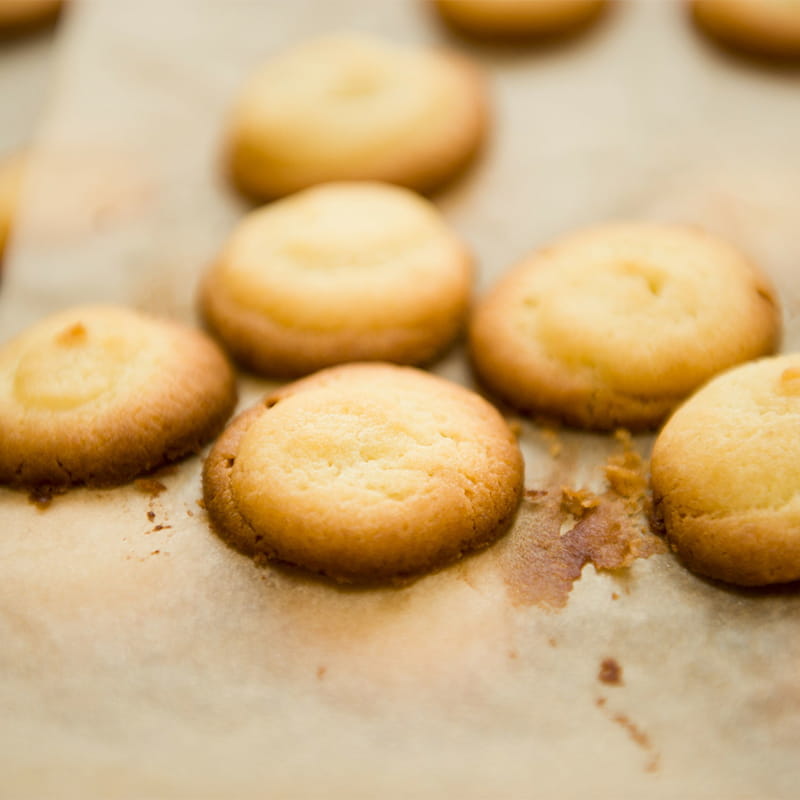
Baking cookies or drop scones: You line the sheet, spoon or scoop the dough, bake at 375°F. When the timer goes off, the bottoms are evenly golden, no scorch marks from direct metal contact. You slide a spatula under and they release smoothly—no torn edges, no half the batch left glued to the tray. Even sticky ginger molasses cookies or chocolate chunk ones with lots of butter lift cleanly after a short cooling time.
Roasting root vegetables: Toss carrots, parsnips, beets, red onions with olive oil, salt, rosemary. Spread them on the lined tray. After 40 minutes at 425°F they' re caramelized and tender. When you go to serve, the pieces slide right off. Any caramelized bits or pooled oil stay on the paper. The tray underneath has maybe a few stray drops—wipe with a damp cloth and you' re done. No more soaking overnight because balsamic glaze or honey burned onto the metal.
Fatty proteins like salmon fillets, pork belly strips, or chicken thighs with skin: Lay them skin-side up (or down, depending on your recipe). The rendered fat drips onto the paper and stays there instead of running to the edges and pooling under the rack or directly on the pan. Flipping halfway through is easy because nothing sticks aggressively. After cooking, the sheet absorbs a surprising amount of grease without turning translucent or tearing.
Steaming in packets (the classic French en papillote technique): Place a fish fillet, sliced fennel, lemon rounds, dill, a knob of butter, splash of white wine on the center of a sheet. Fold into a half-moon, crimp the edges tightly by folding over and over. Bake at 400°F for 12–15 minutes. When you open the packet at the table, steam pours out with all the aroma intact. The paper holds together through the moisture—no leaks, no bursting, no soggy disintegrated mess.
Wrapping for lunches or picnics: Thick sandwiches with aioli, avocado, roast beef, or breakfast burritos loaded with cheese and chorizo. Fold the paper around them snugly. The grease doesn' t bleed through to your backpack, lunch bag, or car seat. It' s sturdier than wax paper and breathes better than plastic wrap, so the bread doesn' t get as gummy.
Grilling indoors or out: On a grill pan or outdoor grill, place portions directly on the sheet over medium heat. Fat drips hit the paper instead of flaring up or gunking the grates. Flipping is straightforward, and cleanup is basically just tossing the sheet.
Cold uses people don' t always think about right away: Lining platters for cheese boards so oily cheeses don' t leave stains. Separating layers of cooled macarons or shortbread so they don' t fuse in the tin. Placing under a cutting board when trimming fatty brisket or chopping bacon so drips don' t hit the counter. Even rolling out pie dough between two sheets—no sticking to the rolling pin or bench.
The Cleanup and Maintenance Wins Add Up Fast
This is where a lot of people get hooked. Traditional baking meant scrubbing trays after every roast. Non-stick pans slowly lost their coating from metal scrapers and harsh sponges. With uncoated greaseproof, many sessions end like this: open the oven, pull the tray, lift the used sheet by the corners, fold it over the mess, and carry it to the trash or compost bin. Tray might have a light film or a few crumbs—hot water, dish cloth, 20 seconds. Done.
Over weeks and months the savings become obvious. Non-stick bakeware keeps its surface longer because you' re not attacking it with abrasive tools. Aluminum and stainless trays don' t develop etched spots from repeated exposure to acids without protection. Less aggressive cleaning means your sink stays cleaner too—no mountains of greasy steel wool or soaked pans taking up space overnight.
Why Clean-Tasting Recipes Reveal the Difference
Anything that' s supposed to taste clean really shows the benefit. Angel food cake, pavlova shells, plain butter shortbread, steamed white fish with nothing but salt and herbs—these are unforgiving. A faint silicone or coating note can ruin them. Uncoated paper adds zero. You get pure vanilla, pure egg white sweetness, pure delicate fish flavor. It' s subtle, but once you' ve tasted the difference side by side, you can' t un-taste it.
Even bolder dishes benefit indirectly. When roasted vegetables caramelize without the paper interfering, their natural sugars come through cleaner. Marinades reduce and cling to the food instead of bonding to a coating and transferring odd notes back.
Heat Performance in Everyday Ovens and Microwaves
Most home ovens, even the ones that claim high-end specs, rarely push past 500°F in normal use. The dial might go higher, but actual cooking—roasting, baking, broiling—usually stays between 350°F and 450°F for the vast majority of recipes. Natural white uncoated greaseproof paper handles that range without any drama. Depending on the specific brand and how densely the fibers were compressed during manufacturing, it' s generally rated safe up to 450–480°F, sometimes a touch higher. That covers just about every standard home application without needing to worry about the paper suddenly failing.
What stands out in practice is how steadily it behaves under heat. It doesn' t start turning brown or yellowing early like some lower-grade papers do when hot air circulates around them. Edges stay flat instead of curling up and lifting off the tray, which prevents uneven exposure and hot spots that can scorch food. The material doesn' t crisp up and become brittle either—no cracking or shattering when you try to fold a hot packet or slide the sheet out of the oven. That consistent stability comes from the tight fiber network; once those cellulose strands are locked together so closely, they resist thermal stress far better than looser sheets or ones relying on surface treatments that can soften or degrade.
Convection ovens are where the difference really shows. Forced air movement can make some papers flutter or warp, causing to patchy browning on baked goods. This uncoated version stays put and lets air pass through evenly because there' s no slick coating blocking airflow. Cookies, pastries, and roasted vegetables end up with more uniform color and texture—no half the batch pale while the other half edges toward burnt. The paper basically disappears into the background during the cooking process, doing its job without drawing attention to itself.
Microwave use follows similar logic but with a narrower scope. For low-moisture tasks it works reliably: reheating a slice of quiche or leftover pizza so the crust doesn' t turn soggy, gently defrosting a stick of butter without melting the wrapper, or steaming a small handful of broccoli florets in a covered dish with a splash of water. The paper absorbs minimal moisture in these short sessions and doesn' t break down or release odors. It' s also handy for proofing dough in the microwave with the light on—lay a sheet over the bowl to keep condensation from dripping back in.
There are limits, though, and they' re practical ones. Avoid using it to contain large volumes of boiling liquid or for extended high-power runs. Wrapping a huge pot of soup or trying to steam a whole head of cauliflower for twenty minutes straight pushes the material beyond what it' s designed for; moisture can eventually overwhelm the fiber barrier and cause tearing or excessive sogginess. Short bursts and moderate amounts keep everything in the safe zone. In everyday kitchens where microwaves mostly handle quick rewarms and defrosts rather than full-on boiling, the paper fits right in without issues.
A Practical Approach to Sustainability in Everyday Cooking
No one is pretending this paper turns the kitchen into a perfectly closed-loop system. It' s still meant to be used once and then discarded. The point isn' t to achieve zero waste overnight but to make the single-use option less damaging than the alternatives that have been standard for years. The raw material starts as wood pulp from renewable sources—trees grown specifically for paper production, often in managed forests where replanting is standard practice. That alone puts it ahead of materials derived from petroleum or non-renewable mining.
What really lightens the load is the absence of problematic extras. No plasticizers to make it flexible in ways that hinder breakdown. No heavy fluorochemicals—the PFAS family of compounds that stick around in soil and water for decades. No silicone layers that create a barrier too permanent for composting. Because the sheet is essentially just refined cellulose with minimal processing beyond mechanical beating and pressing, it returns to the earth far more readily. In a typical home compost setup, used sheets torn into smaller pieces usually break down within a few months, sometimes faster if conditions stay moist and aerated. The fibers feed microorganisms the way plain paper or cardboard does, turning into usable humus rather than lingering as micro-shreds.
Even in places without backyard composting, the picture improves. Municipal food-waste programs that accept paper products tend to take uncoated greaseproof sheets without hesitation, unlike foil, plastic-lined parchment, or heavily treated baking papers that get flagged as contaminants. The lack of synthetic coatings means less sorting hassle at the facility and a cleaner output for composting or biogas production.
For households running on tight schedules—long workdays, school runs, soccer practice, dinner that needs to hit the table before everyone crashes—the balance feels realistic. The convenience of grabbing a sheet, using it, and tossing it doesn' t disappear, but the guilt factor drops because the material isn' t adding decades of persistent pollution to landfills or oceans. It' s a small, almost invisible adjustment: swap one roll in the drawer for another that performs just as well (or better) while quietly being kinder to the systems that handle waste afterward.
Over months or a year of regular use, those little choices accumulate. Fewer sheets end up sitting indefinitely in a trash heap. Less energy gets spent trying to recycle or dispose of coated papers that complicate the process. The kitchen routine stays fast and straightforward—no extra steps, no special bins required—but the overall impact tilts slightly toward better instead of worse. It' s not about perfection or radical lifestyle overhaul; it' s about picking the version of disposable that doesn' t quietly stack the deck against the environment quite so heavily. That middle ground is where everyday cooking happens, and this paper sits comfortably right there.
A Longer Side-by-Side Look at How It Stacks Up
| Feature | Typical Silicone-Coated Parchment | Natural White Uncoated Greaseproof |
|---|---|---|
| Grease Resistance | Surface treatment, good initially | Fiber density, consistent long-term |
| Release After Cooking | Depends on coating quality and wear | Naturally clean, very reliable |
| Food Flavor Impact | Occasional subtle off-notes possible | None—completely neutral |
| Heat Stability | 420–450°F typical, coating can degrade | Stable to 450°F+, no breakdown risk |
| Cleanup | Sometimes needs soaking if coating fails | Lift & quick wipe almost always |
| Compostability | Rarely accepted, coating hinders breakdown | Most versions home or commercial OK |
| Environmental Footprint | Higher due to synthetic treatments | Lower—renewable source, fewer additives |
| Price per Sheet | Usually lower | Slightly higher but often used more efficiently |
Real Tricks and Hacks From People Who Use It Constantly
- Bake multiple trays at once? Cut sheets to size and layer one between trays as a drip guard.
- No springform for a cheesecake? Cut a circle bottom + long collar strip—works surprisingly well.
- Sticky dough prep? Lay paper on counter. Scrape excess straight into bin.
- Frying bacon or chicken cutlets? Line a plate to drain—absorbs more than paper towels without sticking.
- Freezer organization: raw chicken breasts, fish portions, cookie dough balls—layer with paper so nothing fuses solid.
- Messy transfers: fold into a cone to pour spices, cocoa, or powdered sugar without spilling everywhere.
- Protecting surfaces: under cutting boards for oily fish or garlic prep—slide dirty paper to trash afterward.
- Custom liners: trace and cut for heart-shaped pans, oval roasters, odd loaf tins.
- Separating sticky candies or no-bake bars in storage—prevents them merging into one blob.
Why It Quietly Becomes a Drawer Staple
Consistency is the real draw. You reach for the same box every time, same reliable performance. No more gambling on whether today' s sheet will stick or not. Fewer ruined batches mean less food waste. Trays and pans stay in better shape longer. Less scrubbing means less time in the kitchen sink and more time eating or relaxing.
Cooking starts feeling easier. You experiment more because the fear of " what if it sticks?" fades. Weeknight dinners improve because cleanup isn' t daunting. Over a year of regular use, the time, frustration, and small replacements saved add up in ways that are hard to ignore.
It' s not glamorous. It doesn' t have a flashy brand story or influencer endorsements everywhere. But once it' s in your routine, it' s one of those unglamorous items—like a good pair of kitchen shears or a decent wooden spoon—that you wonder how you ever managed without. Simple, effective, low-drama. That' s what makes natural white uncoated greaseproof paper stick around in so many kitchens.
Related Products
-
-
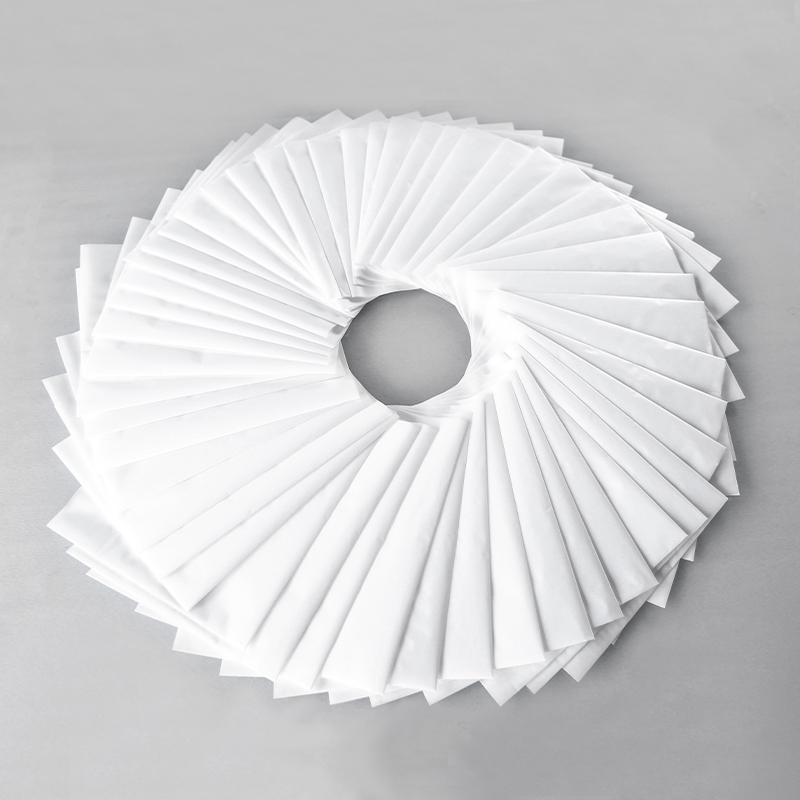
Product details: Folded baking paper sheets, an environment-friendly product, are composed of wood pulp and are double-side coated with silicone. Such a coating makes our paper smooth, greaseproof and...
See Details -
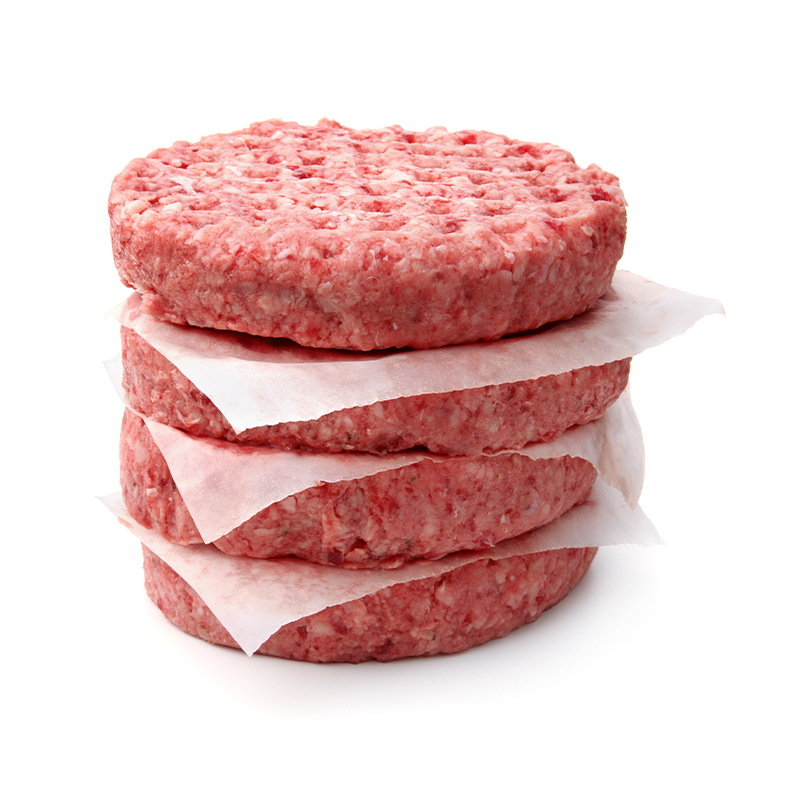
Description: Wax paper is the paper that is coated with food-grade wax in order to make it non-stick and waterproof. wax paper is very good for food storing and presentingMade of food-grade paper and ...
See Details -
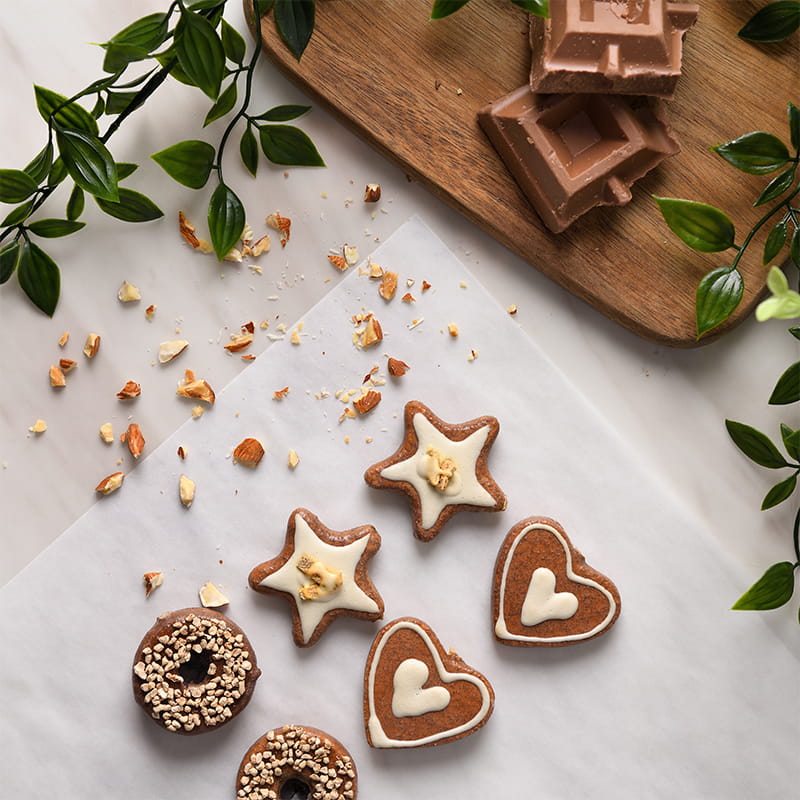
Product Features: 1. Virgin wood pulp 2. Double sides food grade silicone-treated 3. Fluorine-free 4. Non-stick 5. Oven/Microwave safe 6. Freezer safe 7. Reusable 8. BPA f...
See Details -
Product Features: 1. Virgin wood pulp 2. Natural unbleached brown color 3. Double sides food grade silicone-treated 4. Fluorine-free 5. Non-stick 6. Oven/Microwave safe 7. Fre...
See Details -
Product Features: 1. Virgin wood pulp 2. Double sides food grade silicone treated 3. Fluorine-free 4. Non-stick 5. Oven/Microwave safe 6. Freezer safe 7. Reusable 8. BPA ...
See Details -
Product Features: 1. Virgin wood pulp 2. Fluorine-free 3. BPA free 4. Biodegradable Product Details: In an era where environmental consciousness and sustainability are paramount, Natu...
See Details -
Product Features: 1. Virgin wood pulp 2. Double sides food grade silicone-treated 3. Fluorine-free 4. Non-stick 5. Air fryer basket safe 6. Reusable 7. BPA free 8. Biodeg...
See Details -
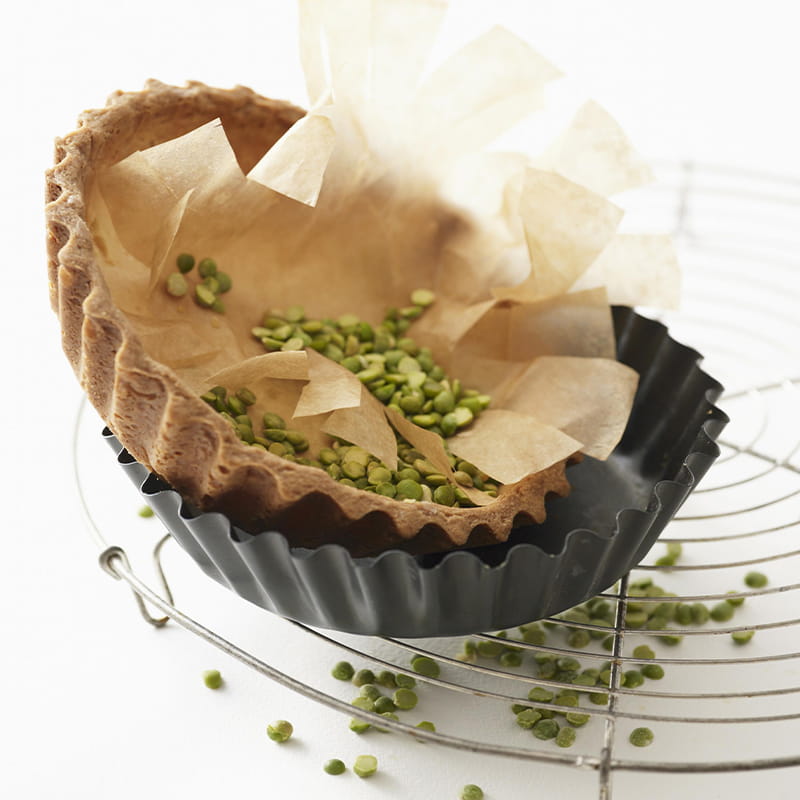
Product Features: 1. Virgin wood pulp 2. Natural unbleached brown color 3. Fluorine-free 4. BPA free 5. Biodegradable Product Details: Introducing our Unbleached Brown Food Grade ...
See Details -
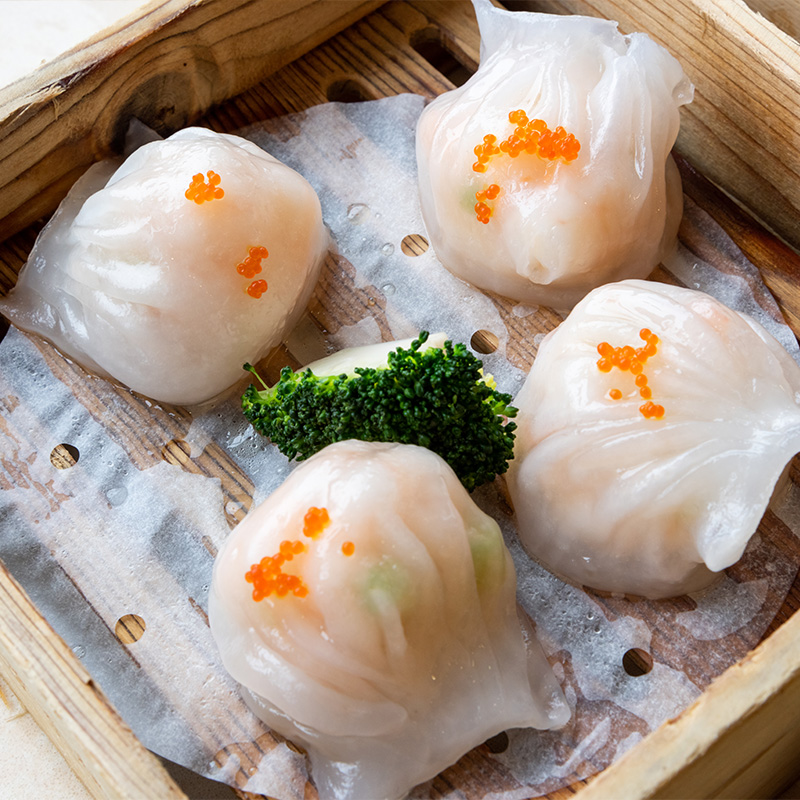
Product Features: 1. Virgin wood pulp 2. Double sides food grade silicone treated 3. Fluorine-free 4. Non-stick 5. Steamer/air fryer basket safe 6. Reusable 7. BPA free 8...
See Details -
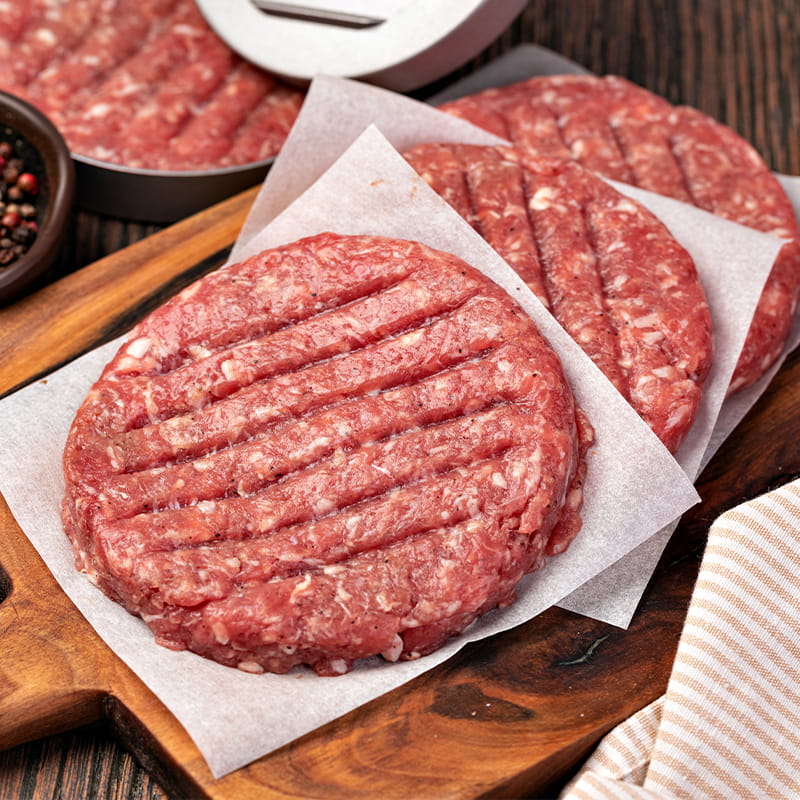
Product Features: 1. Virgin wood pulp 2. Double sides food grade silicone treated 3. Fluorine-free 4. Non-stick 5. Easy to separate 6. Reusable 7. BPA free 8. Biodegradab...
See Details -
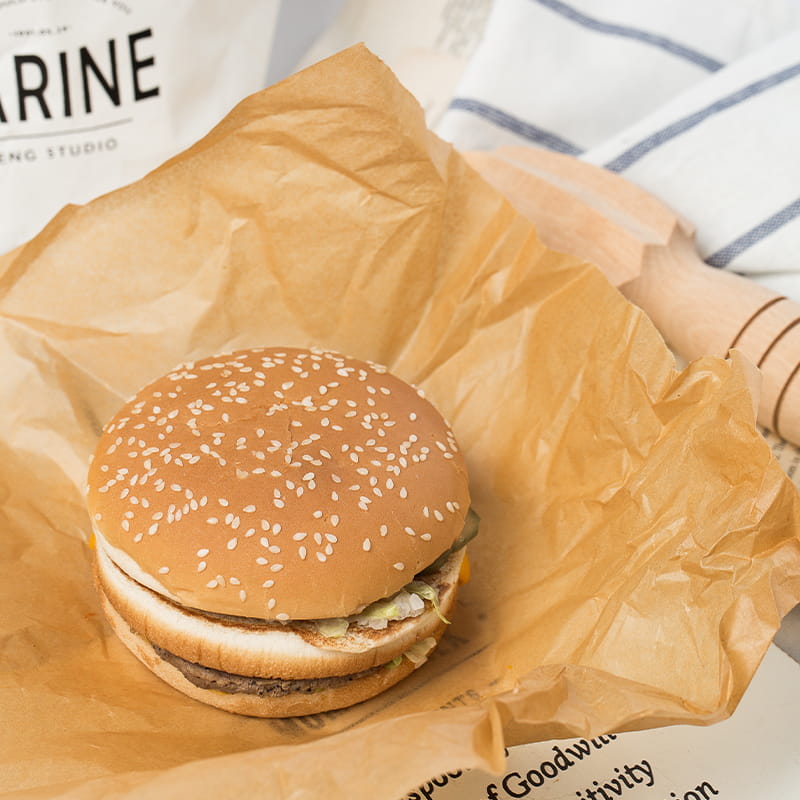
Product Features 1. Virgin wood pulp 2. Flexographic printing 3. Eco-friendly water-based ink 4. BPA free Product Details: Introducing our premium Greaseproof Sandwich Paper Sheets, a...
See Details

Professional Baking Parchment Paper Manufacturer in China with more than 15 years silicone coating experience.
Products
Contact Us
- No.10 Longyin Road, Chengnan Industrial Park,Longyou, Quzhou, China.
- +86-18968091013 / +86-571-88639705
- Avayao-1990@hotmail.com
Copyright © Zhejiang Guanghe New Materials Co., Ltd. All Rights Reserved.
Parchment Paper & Baking Paper Sheets Manufacturer
