 English
 中文简体
中文简体
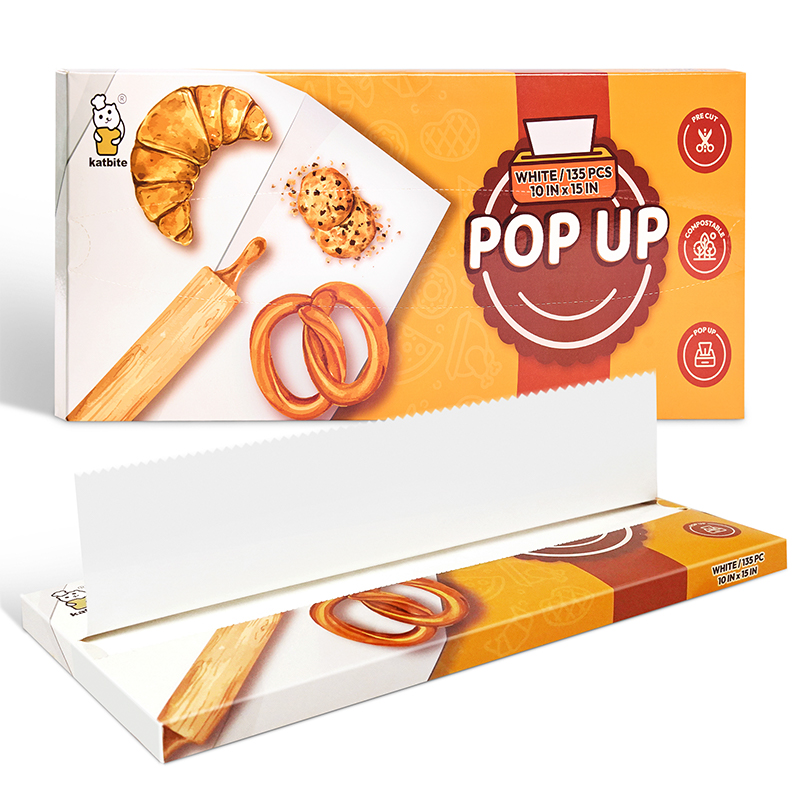
Pre Cut Baking Paper Sheets are made from wood pulp and coated on both sides with a food-safe silicone layer. This coating gives the paper a smooth, greaseproof, and moisture-resistant surface that su...
See DetailsGuanghe Hamburger Wrapping Paper for Clean, Easy Burger Handling
Quick-service places and casual spots always look for ways to improve how food gets from grill to customer without adding extra steps or mess. Burgers come with their own challenges—juicy patties that drip, buns that soak up grease, toppings that slide around. Old-school wrappers like plain foil or thin napkins often fail at keeping things neat. They let oil seep through, turn soggy fast, or leave everything looking sloppy by the time it reaches the table or bag. Lately more kitchens have switched to a sturdier option that handles those issues while giving the whole package a cleaner, more deliberate appearance. Hamburger wrapping paper steps in as a practical choice that contains the mess, holds heat reasonably well, and makes the burger look put-together instead of thrown in a bag.
How the Paper Handles Grease and Moisture
Grease is the biggest enemy of a good burger wrapper. Hot fat from the patty quickly soaks regular paper, creating dark patches and letting oil transfer to hands, bags, or clothing. This material uses a layered structure that prevents much of that seepage. The outer side stays mostly dry even after several minutes of contact with a fresh, juicy burger. Inside, it traps drips without letting them pool and make the bottom bun heavy and gummy. That keeps the texture closer to how it left the grill—crisp edges on the patty, soft but not soggy bread, toppings still in place instead of sliding out.
Moisture balance matters just as much. Too much trapped steam turns the bun into mush; too little lets the whole thing dry out and lose flavor. The paper allows a controlled amount of air to move while holding natural juices close to the meat. Cheese stays melted and gooey instead of hardening as it cools. Sauces cling to layers without running sideways. Vegetables like lettuce or tomato hold their crunch longer instead of wilting from excess heat buildup. That small control over humidity makes each bite stay satisfying from start to finish, whether eaten right away or after a short wait.
Speeding Up Kitchen Work During Busy Times
Rush hours demand tools that work fast and reliably. Staff cannot afford to pause and re-wrap failed packages or clean up spills every few orders. Pre-cut sheets sized for standard burgers fold in one quick motion—tuck the sides, roll the bottom, done. No tearing at corners, no fighting with clingy materials that stick to gloves or counters. The surface has just enough grip to stay secure during assembly but peels away cleanly when the customer opens it. That smooth release means less frustration for everyone involved.
In tight spaces like food trucks or small takeout windows, the paper proves especially useful. Stacks of sheets take up little room on the prep line. They handle heat from griddles without softening or sticking together. Cleanup stays lighter too—stray bits of onion, sauce drips, or cheese remnants stay caught on the wrapper instead of baking onto surfaces. At the end of a long shift, the area looks less chaotic, and staff spend less time scrubbing.
Keeping Food Warm and Presentable During Travel
Delivery and takeout have become everyday routines for many. A burger that travels well makes a big difference in satisfaction. The paper helps slow heat loss by folding snugly around the shape and creating fewer air gaps that let warmth escape. Wrapped burgers hold temperature better in insulated bags or boxes compared to loose foil packets. The patty stays hotter, cheese remains soft, and the bun does not cool into a tough chew.
Jostling during transport tests any wrapper. Bumps from driving, stops at lights, or carrying bags across parking lots can shift contents and cause sauces to leak or toppings to slide. This paper holds the stack stable without crushing delicate layers. It grips firmly enough to keep everything centered but releases without leaving sticky residue or torn fragments on the food. Customers open the package to find a burger that still looks intact and appetizing—no half-collapsed stacks or greasy hands from unwrapping.
Adapting to Different Burger Types and Loadings
Burgers vary widely—thin smashed patties with crispy edges, thick hand-pressed ones loaded with toppings, simple cheeseburgers, or gourmet stacks with multiple sauces and greens. The paper adjusts naturally to those differences. For smashed styles, it protects the lacy, caramelized crust without steaming it soft. Thick patties with more internal juice benefit from the barrier that stops drips from soaking the bottom while still letting heat circulate gently.
Heavily loaded versions present a tough challenge. Double or triple stacks with lettuce, tomato slices, pickles, onions, and multiple condiments can easily fall apart or compress. The paper' s fold keeps layers from shifting too much. Lettuce stays crisp instead of steaming limp, tomatoes hold their firmness, sauces stay contained rather than leaking out the sides. That stability means each bite delivers balanced flavors instead of a random jumble by the last few mouthfuls.
Even basic burgers gain from the treatment. Plain ones avoid the common problem of buns turning greasy and dense from absorbed fat. Cheese melts evenly without pooling at the bottom. The overall experience feels more consistent, no matter the style.
Everyday Uses Outside Standard Wrapping
Kitchens rarely use the paper for just one job. Leftover sheets line trays when serving fries, rings, or nuggets, catching oil without letting it pool at the bottom. Sandwiches and wraps roll up neatly inside it for pre-made lunches or catering orders. Some places fold it into quick separators for platters, keeping different sauces or sides from mixing before serving.
It works well as a disposable surface for casual outdoor setups—backyard tables, picnic blankets, kids' areas where spills happen often. TheIts grease resistance makes it reliable for messy eating, and the neutral look fits many setups without clashing. One supply covers multiple tasks, reducing the need for separate materials.
| Setting | Typical Application | Main Practical Benefit | Everyday Observation |
|---|---|---|---|
| Fast-service counters | Wrapping individual burgers | Quick folding, no tearing at edges | Speeds up line during peak hours |
| Takeout and delivery | Securing burgers for transport | Grease stays inside, bag stays clean | Reduces complaints about soggy packaging |
| Food trucks | On-the-go wrapping and tray lining | Compact storage, easy cleanup | Holds up in hot, cramped conditions |
| Casual dining tables | In-house burger service | Neat presentation without extra plates | Adds subtle style to casual meals |
| Home or picnic setups | Backyard grilling or packed lunches | Portable, no mess on hands or surfaces | Makes outdoor eating feel more put-together |
| Multi-item platters | Lining trays or separating sides | Keeps sauces contained, prevents mixing | Saves time on prep and washing |
Fitting Into Current Eating Patterns
Eating habits have shifted hard toward speed and flexibility over the last few years. Folks snatch meals whenever a break opens up—thirty-minute lunch windows at work, midnight cravings after a long shift, or just pulling over for something quick during a drive. Burgers fit right into that rhythm because they travel decently and satisfy without needing a sit-down setup. The wrapper plays a quiet but important role here. When the paper keeps the burger from turning into a soggy lump or leaking through the bag during a car ride or walk to the office, it matches how people actually eat now. A package that arrives looking halfway decent—no grease stains spreading across the paper sack, no bun collapsing from trapped steam—changes the whole feel of the meal. It stops being just fuel and starts feeling like something someone put a little thought into, even if it came from a window or an app.
That small upgrade sticks with people. They remember the difference next time they' re deciding where to grab food. A place where the burger shows up still hot, still intact, with toppings mostly where they started, tends to win out over spots where things arrive messy or cooled down. It' s not about fancy ingredients every time; sometimes it' s the basics done right that pull customers back. On the home side, the paper slots into routines just as easily. Weekend grilling sessions turn less chaotic when burgers come off the heat, get wrapped fast, and hold their warmth while corn or salads finish up. They carry to the picnic table or backyard chairs without patties sliding out or buns going limp from grease. Kids running around don' t leave half-eaten burgers because everything fell apart in their hands. Leftovers benefit too—wrap them tight right after eating, stick them in the fridge, and they reheat better the next day. The paper traps just enough moisture during storage so the patty doesn' t turn tough and the bun doesn' t go rubbery in the microwave. That makes cooking a bigger batch feel smart instead of wasteful, especially when schedules get packed and meals need to stretch across days.
Building Recognition Through Consistent Details
A lot of spots lean on little visual cues to stand out these days. The wrapper becomes one of those cues without much effort. Simple solid colors—maybe a deep red, clean white, or muted kraft tone—create a thread that runs through the whole order. The bag, the box, the burger inside—they all match in a low-key way that feels deliberate. No need for pricey printed custom boxes or heavy branding; the paper does a surprising amount of heavy lifting just by looking consistent. Food trucks especially pick up on this. When lines form and people glance through the serving window, a stack of neatly wrapped burgers catches the eye quicker than plain foil or random napkins ever could. That quick visual hook pulls in walk-ups who might have kept walking otherwise.
Smaller operations—corner joints, pop-ups, independent spots—find the same payoff. A tidy wrapper makes the meal look finished rather than slapped together. It gives the impression that care went into every part, even the packaging. Customers snap photos more often, share them without prompting, and mention the place to friends because the whole thing felt a bit more put-together than expected. The style layer never overshadows the main purpose though. Containing the burger stays job number one—keeping juices in, mess out, heat from escaping too fast. Once that works reliably, the cleaner appearance becomes a bonus that builds loyalty quietly. People don' t always talk about the wrapper itself, but they notice when food arrives looking good and tasting close to how it left the grill. Satisfaction climbs in small, steady ways, and that' s what keeps them coming through the door or tapping the app again next time hunger hits. The paper doesn' t try to be the star; it just helps the burger stay the star, and that quiet support turns into repeat business over months and years.
Extending Freshness for Longer Holding Times
Some places hold burgers for pickup windows or catering spreads. The paper extends that safe window noticeably. Wrapped items sit in warming cabinets longer without losing quality. The barrier slows moisture migration, so buns do not turn gummy and patties do not toughen up. Catering trays lined with it keep multiple burgers presentable over an hour or two—still warm, still contained, still enjoyable when served.
Even in home fridges, wrapped leftovers maintain better texture for reheating. The paper traps residual moisture during storage, so the burger reheats more evenly in a microwave or oven without turning rubbery or overly dry. That small extension makes batch cooking or meal prep feel worthwhile instead of wasteful.
Why Texture and Flavor Retention Matter Long-Term
People remember meals that deliver consistently. A burger that starts strong but fades halfway through leaves a flat impression. When the wrapper keeps quality steady from start to finish, satisfaction lingers. Diners finish the whole thing instead of leaving half because it lost appeal. That simple outcome drives repeat visits and positive mentions more than fancy ingredients sometimes do.
In competitive settings—food halls, festivals, street markets—the difference shows up clearly. Stands using reliable wrapping stand out because their burgers arrive intact and appetizing while others struggle with soggy or messy results. Customers gravitate toward the ones that look and taste right after travel.
Guanghe: Producing Reliable Hamburger Wrapping Paper
Guanghe runs a focused manufacturing operation built around making wrapping paper that stands up to real kitchen use. The setup emphasizes consistent layering so each sheet resists grease penetration, folds without splitting, and maintains shape under pressure from loaded burgers. Every batch goes through checks to confirm it handles hot, juicy conditions while staying easy to work with. Materials get selected carefully to avoid any issues during food contact.
The process includes ongoing efforts to source fibers responsibly, cut down on waste from trimmings, and operate equipment efficiently. Adjustments come from listening to how the paper actually performs—tweaks to grip during folding, refinements to the barrier for heavier toppings, minor changes to dimensions for better fit. Shipments go out steadily to reach suppliers, direct customers, and distributors in various areas.
The goal stays simple: deliver a dependable tool that lets cooks focus on cooking instead of battling packaging problems. Through steady quality and attention to everyday needs, Guanghe supports better burger handling in busy lines, casual home setups, and on-the-go situations across many locations.
Related Products
-
-
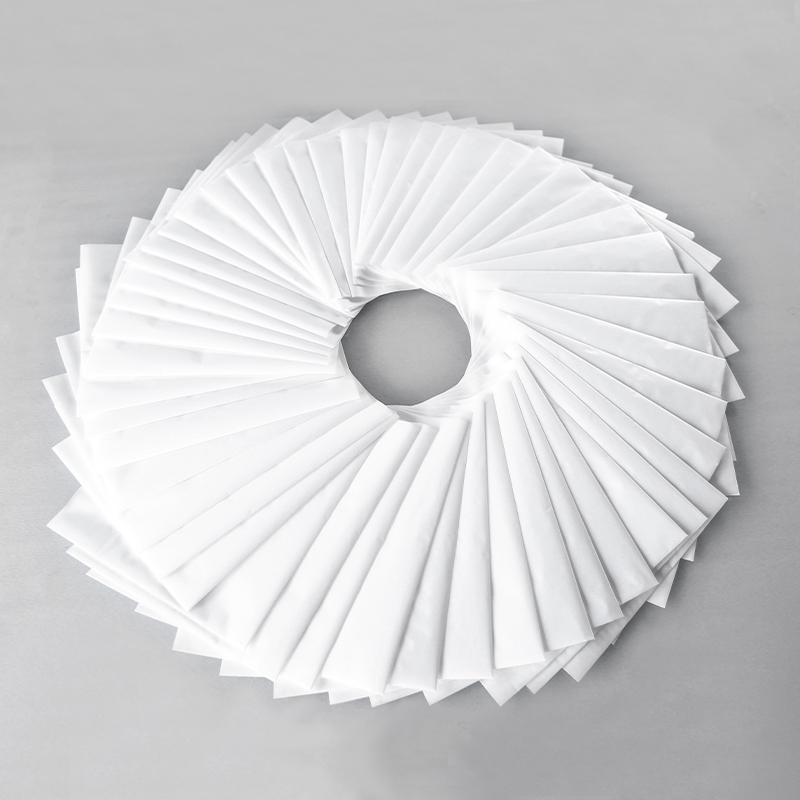
Folded Baking Paper Sheets, also known as Non Stick Baking Paper Sheets, are made from wood pulp and coated on both sides with a food-safe silicone layer. This coating gives the paper a smooth, grease...
See Details -
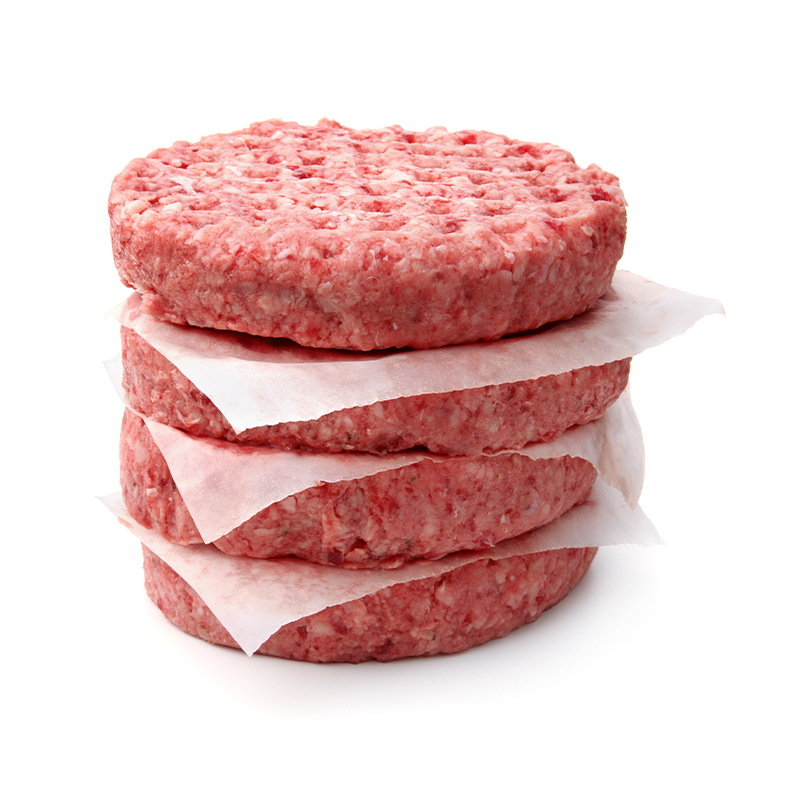
Description: Wax paper is the paper that is coated with food-grade wax in order to make it non-stick and waterproof. wax paper is very good for food storing and presentingMade of food-grade paper and ...
See Details -
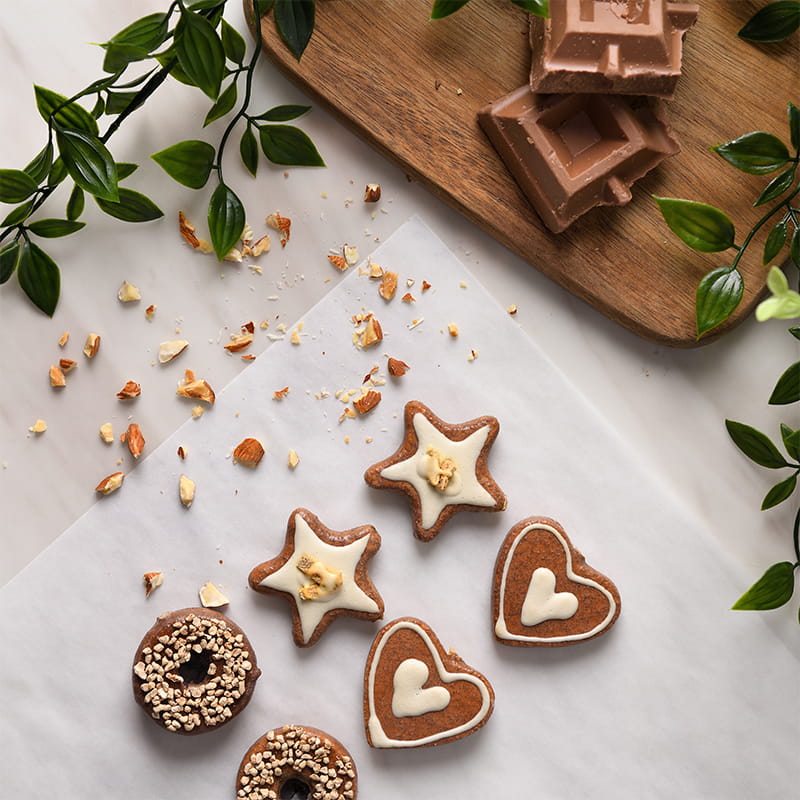
Product Features: 1. Virgin wood pulp 2. Double sides food grade silicone-treated 3. Fluorine-free 4. Non-stick 5. Oven/Microwave safe 6. Freezer safe 7. Reusable 8. BPA f...
See Details -
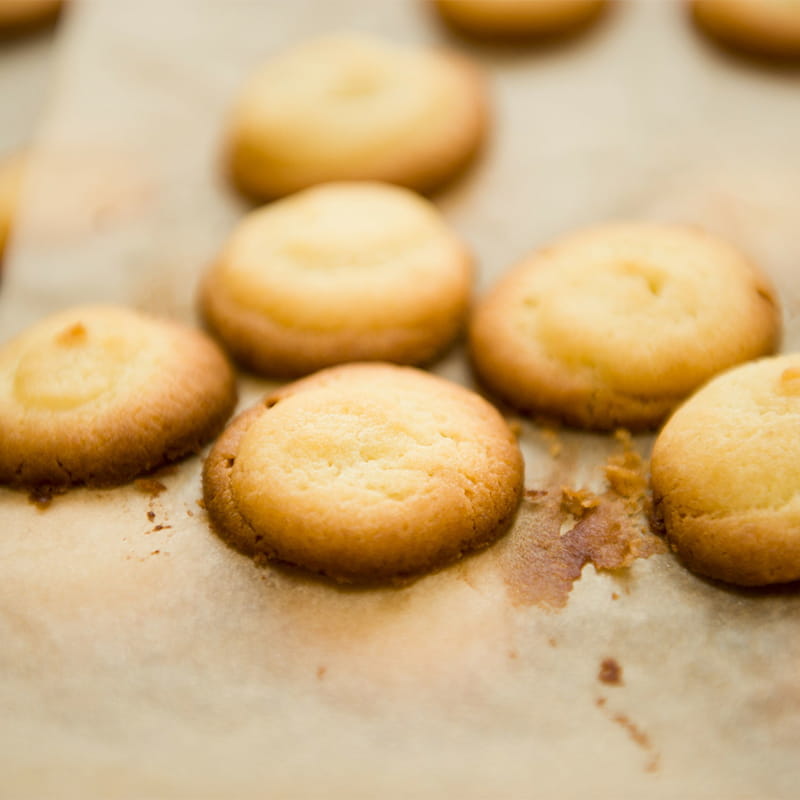
Product Features: 1. Virgin wood pulp 2. Natural unbleached brown color 3. Double sides food grade silicone-treated 4. Fluorine-free 5. Non-stick 6. Oven/Microwave safe 7. Fre...
See Details -
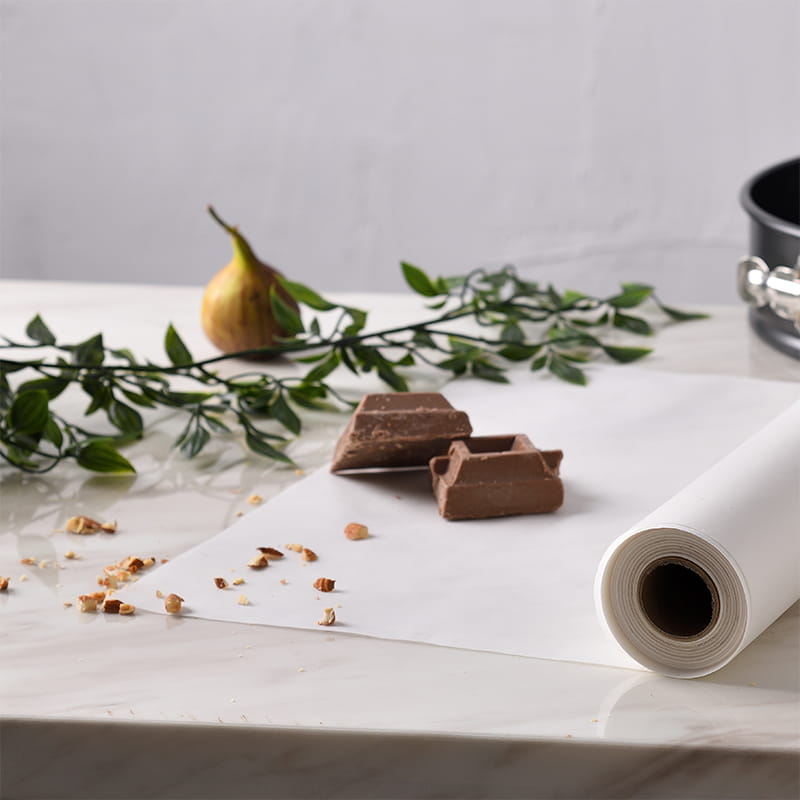
Product Features: 1. Virgin wood pulp 2. Double sides food grade silicone treated 3. Fluorine-free 4. Non-stick 5. Oven/Microwave safe 6. Freezer safe 7. Reusable 8. BPA ...
See Details -
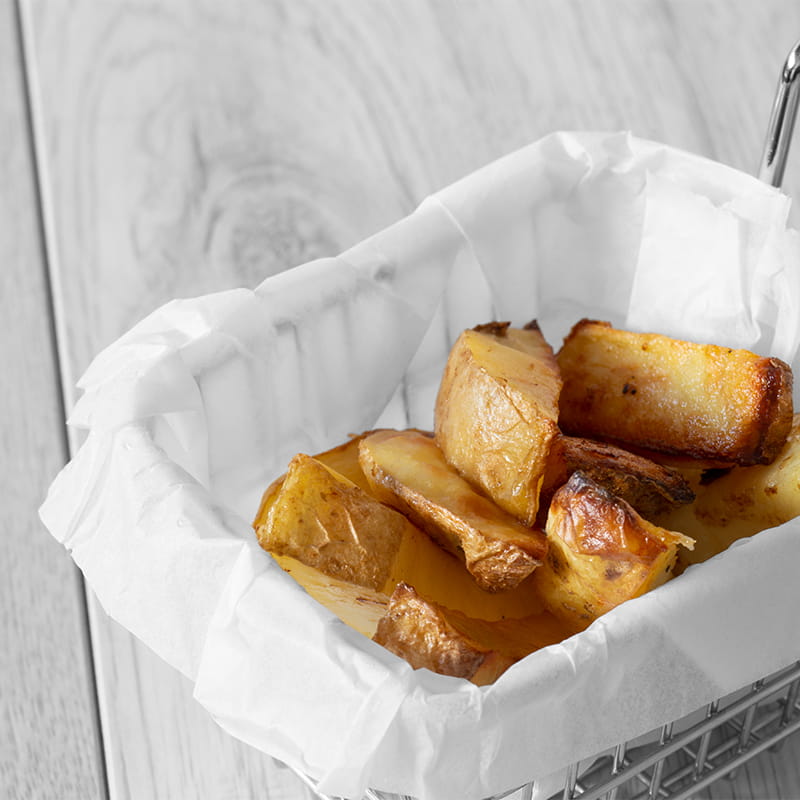
Product Features: 1. Virgin wood pulp 2. Fluorine-free 3. BPA free 4. Biodegradable Product Details: In an era where environmental consciousness and sustainability are paramount, Natu...
See Details -
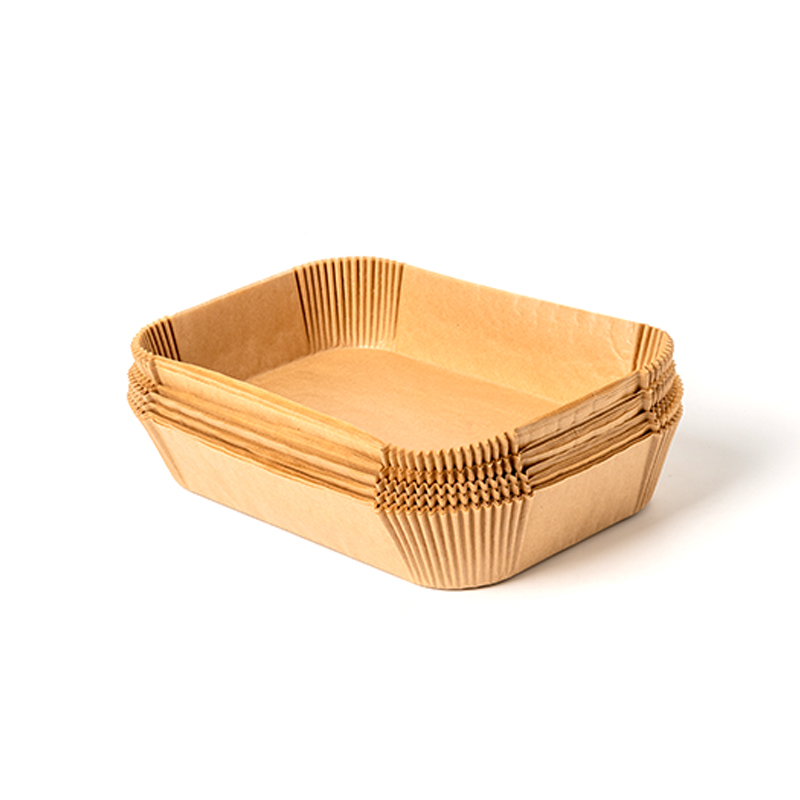
Product Features: 1. Virgin wood pulp 2. Double sides food grade silicone-treated 3. Fluorine-free 4. Non-stick 5. Air fryer basket safe 6. Reusable 7. BPA free 8. Biodeg...
See Details -
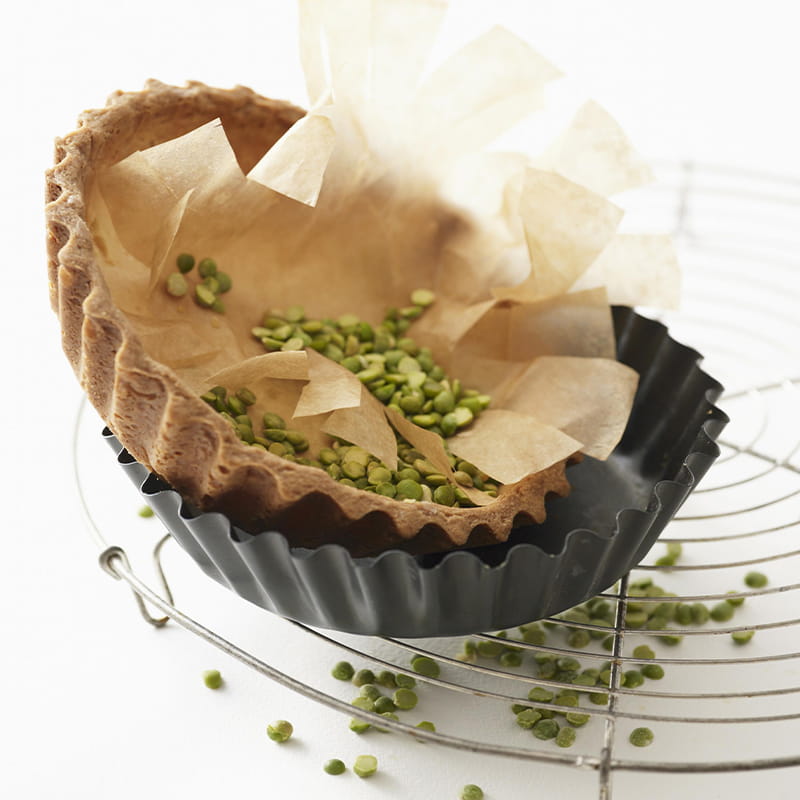
Product Features: 1. Virgin wood pulp 2. Natural unbleached brown color 3. Fluorine-free 4. BPA free 5. Biodegradable Product Details: Introducing our Unbleached Brown Food Grade ...
See Details -
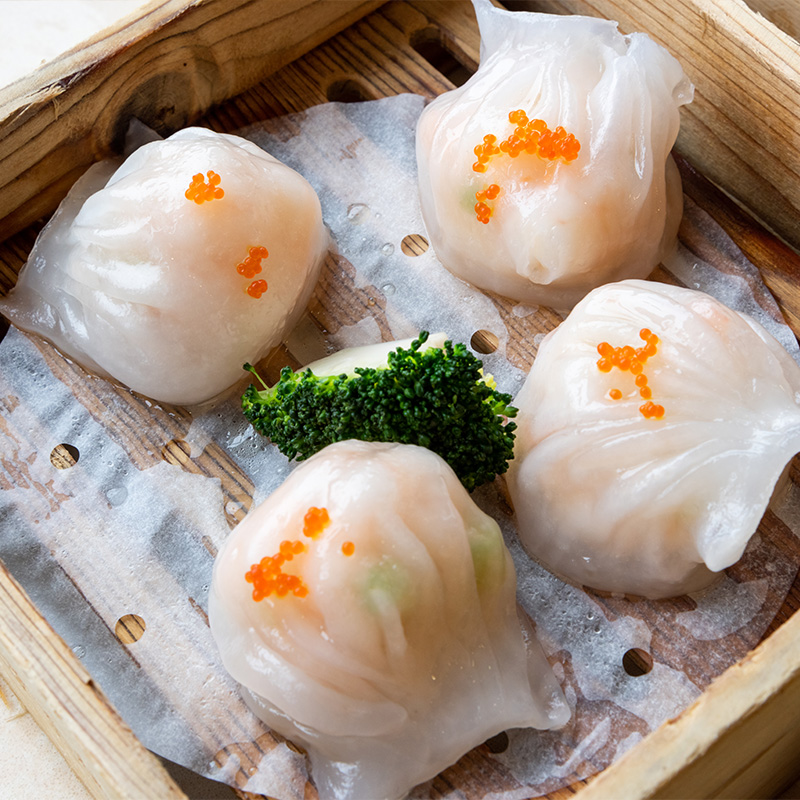
Product Features: 1. Virgin wood pulp 2. Double sides food grade silicone treated 3. Fluorine-free 4. Non-stick 5. Steamer/air fryer basket safe 6. Reusable 7. BPA free 8...
See Details -
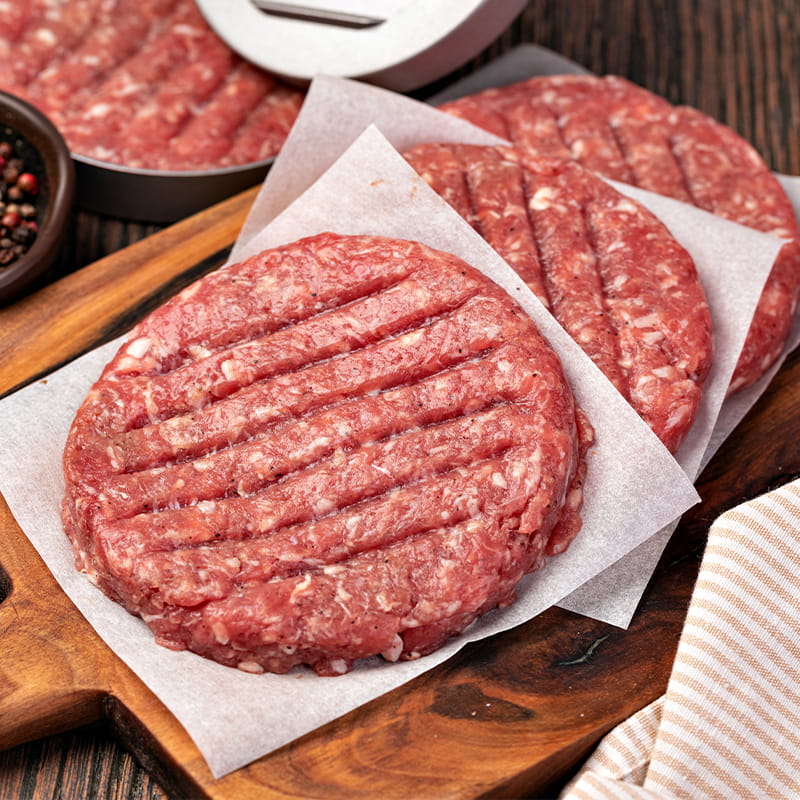
Product Features: 1. Virgin wood pulp 2. Double sides food grade silicone treated 3. Fluorine-free 4. Non-stick 5. Easy to separate 6. Reusable 7. BPA free 8. Biodegradab...
See Details -
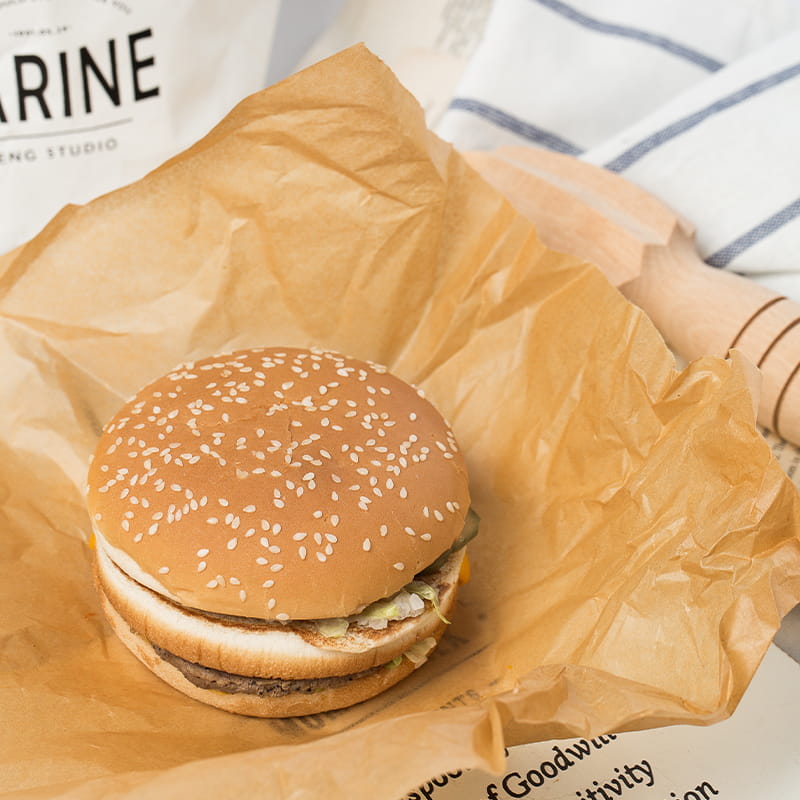
Product Features 1. Virgin wood pulp 2. Flexographic printing 3. Eco-friendly water-based ink 4. BPA free Product Details: Introducing our premium Greaseproof Sandwich Paper Sheets, a...
See Details

Professional Baking Parchment Paper Manufacturer in China with more than 15 years silicone coating experience.
Products
Contact Us
- No.10 Longyin Road, Chengnan Industrial Park,Longyou, Quzhou, China.
- +86-18968091013 / +86-571-88639705
- Avayao-1990@hotmail.com
Copyright © Zhejiang Guanghe New Materials Co., Ltd. All Rights Reserved.
Parchment Paper & Baking Paper Sheets Manufacturer
