 English
 中文简体
中文简体
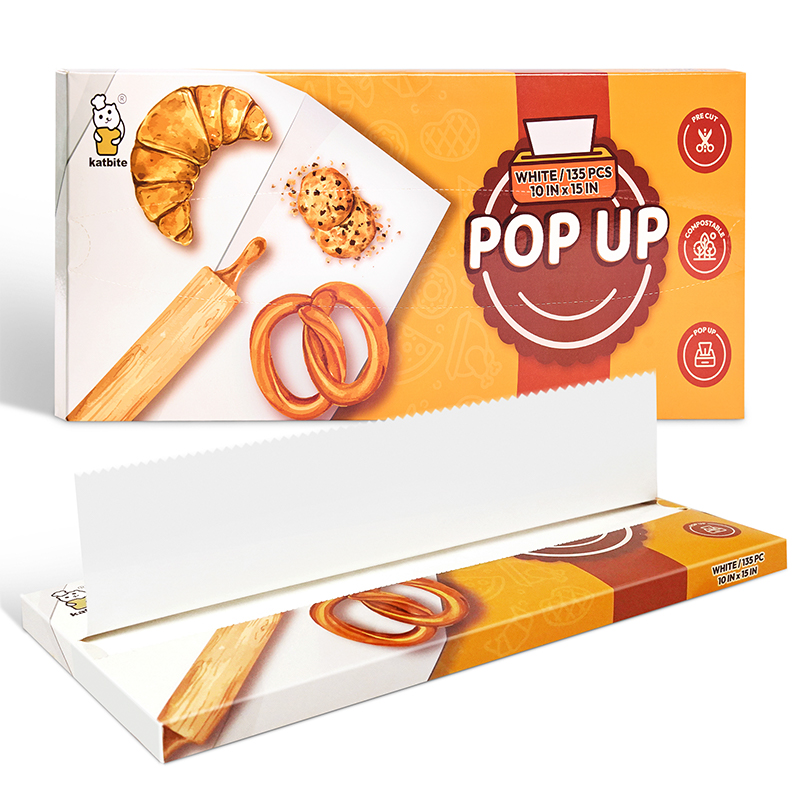
Product details: Pop-up parchment paper sheets, an environment-friendly product, are composed of wood pulp and are double-side coated with silicone. Such a coating makes our paper smooth, greasepr...
See DetailsWhy Steaming Paper Has Become a Daily Kitchen Essential
Cooking never stands still. People always hunt for little changes that bring better taste, save effort, or clean up faster. In busy commercial kitchens and quiet home setups alike, one simple item keeps showing up more often because it quietly solves several everyday frustrations. Steaming paper has moved from being just a background tool in certain traditional styles to something many different cooks reach for regularly. It handles the gentle work of vapor cooking without fuss, keeping food moist but not soggy, tender but not falling apart.
What Exactly Makes Steaming Paper Different
Think about ordinary paper meeting steam. Most types quickly turn limp, tear easily, or start giving off strange tastes when heat and moisture hit them for a while. Steaming paper gets built differently on purpose. It uses fibers—usually from plants that grow back reasonably fast—that hold together even after long exposure to hot, wet conditions. The surface stays intact, nothing leaches into the food, and the sheet does not fall apart halfway through cooking.
You can find it shaped in several practical ways. Some come as neat stacks of square pieces that fit standard steamer trays. Others arrive as clean, round sheets sized for bamboo baskets or metal inserts.Long rolls let you tear off whatever length you need for oddly shaped equipment or larger batches. Pre-cut liners already match popular steamer sizes, so there is almost no trimming required. That range lets cooks pick what fits their setup without much waste.
The whole point centers on letting steam do its job freely while protecting the ingredients. Food sits on top, vapor rises from below, circulates around every side, and carries away just enough excess moisture so nothing drowns or dries out. That balance matters more than people often realize at first.
How Traditional Cooking Styles Helped It Spread
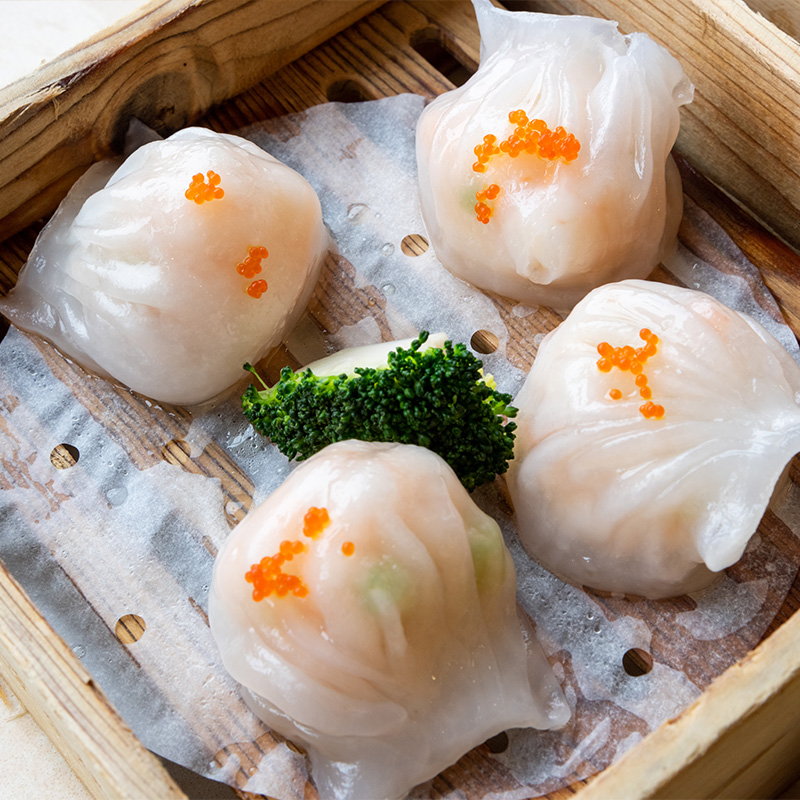
Certain older ways of preparing food leaned heavily on steam for gentle results. Small parcels wrapped in leaves, soft dough pockets stuffed with savory or sweet fillings, little bundles of greens or thin slices of protein—these all benefited from controlled humidity. The paper stepped in as a cleaner, more consistent substitute for natural wraps that sometimes carried their own strong flavors or broke down unpredictably.
Once cooks saw how reliably it kept things separate in stacked steamers, word spread. Kitchens that once used only woven trays or cloth liners started trying the sheets. The change felt small at first, but the difference in texture and appearance added up quickly. Food came out looking neater, tasting cleaner, and requiring far less scraping afterward.
Why Professional Cooks Depend on It So Much
High-volume kitchens run on tight schedules. Every minute counts, and mistakes show up fast on the plate. When a cook needs to prepare dozens of delicate items at once—think rows of small filled buns, thin fish portions, or layered vegetable packages—the paper becomes almost essential. It stops pieces from touching each other directly. Steam reaches every surface evenly instead of getting blocked where items press together. That means no half-cooked spots or merged edges that ruin presentation.
Sticking presents another headache in fast service. Delicate foods cling to hot metal or damp bamboo, tearing when lifted or leaving behind scraps that burn onto the next batch. A quick sheet underneath changes that completely. The surface stays smooth, the food lifts away cleanly, and the steamer tray needs only a light rinse instead of heavy scrubbing.
Appearance plays a big role too. Diners notice details. Serving steamed items still resting on their cooking sheet gives a natural, thoughtful look. The soft crinkles and faint steam marks suggest care without trying too hard. Fresh herbs scattered on top, a light drizzle of sauce, or a few thin vegetable ribbons arranged neatly all stand out more against that simple background. Many places keep using the same sheet from steamer to table because it saves an extra transfer step and looks intentional.
Everyday Advantages for Home Cooks
Most people do not run a restaurant pace at home, but the same problems still appear. Busy evenings, limited counter space, picky eaters, or just wanting a healthy meal without much work—these push cooks toward easier methods. Steaming paper fits right in because the setup stays basic. A pot, a collapsible basket or cheap bamboo steamer, some water, and a few sheets—that is usually enough.
Once everything sits in place, the process mostly runs itself. The paper spreads heat and moisture evenly so you do not hover checking every few minutes. Vegetables hold their snap instead of turning mushy. Lean proteins stay juicy rather than toughening up. Dough items puff up light and airy without collapsing. Even when cooking several things together, flavors do not bleed into each other as much because the sheets act like gentle barriers.
Cleanup ranks high on the list of reasons people keep coming back to it. Scraps, drippings, and small bits stay caught on the paper instead of baking hard onto metal or wood. You lift the sheet out, fold it over the leftovers, and toss it. The steamer parts rinse under the tap in seconds. Compare that to scraping residue off multiple trays after every use, and the difference feels huge, especially when you cook often.
Families with children or older members often appreciate how gentle the method stays. No added fats, no scorching, no harsh browning—just pure steam coaxing out natural sweetness and tenderness. That makes it easier to prepare meals everyone can enjoy without much complaint.
Environmental Side That Matters More Each Year
Choices in the kitchen reflect bigger habits now. Many look for ways to lighten their daily footprint without giving up convenience. Steaming paper produced from fast-growing plant sources fits that goal reasonably well. Bamboo, certain grasses, or other renewable fibers grow back quickly compared to trees used for regular paper. After use, biodegradable versions break down naturally instead of sitting in landfills for decades.
That does not mean every sheet on the market behaves the same way. Some prioritize strength and low cost over full compostability. Others focus heavily on sustainability certifications and traceable materials. Cooks who care tend to read labels and choose options that match their priorities. Even small shifts—choosing renewable over conventional—add up as millions of sheets are used worldwide.
A Quick Comparison of Practical Uses
| Cooking Environment | Common Dishes Prepared | Biggest Practical Wins | Real-World Notes from Regular Use |
|---|---|---|---|
| Multi-tier stacked steamers | Filled dough items, small savory parcels | Prevents merging, allows even steam on every layer | Handles large batches without flavor crossover |
| Single shallow trays | Fish fillets, sliced vegetables, tofu blocks | Stops sticking, keeps delicate surfaces smooth | Great for quick solo meals or side dishes |
| Mixed-ingredient setups | Proteins with greens, root vegetables together | Reduces unwanted flavor mixing, maintains texture | Useful when timing different items close together |
| Sweet or dessert steaming | Light puddings, sweet stuffed buns, fruit compotes | Holds gentle moisture, avoids sogginess | Brings out natural sugars without extra sweeteners |
| Everyday home routines | Quick vegetables, simple proteins, batch prep | Minimal monitoring, fast cleanup, consistent results | Fits small kitchens and busy schedules perfectly |
| Presentation-focused service | Steamed seafood, elegant vegetable bundles | Natural look enhances plating, saves transfer step | Diners often comment on the thoughtful detail |
Long-Term Habits That Develop
Using steaming paper starts off feeling like nothing special—just another thing to try in the kitchen. But give it a couple of weeks and it sneaks into the everyday flow without much notice. The box usually ends up parked somewhere handy: right next to the stove so it’s easy to grab, or shoved in the same drawer with the wooden spoons, measuring cups, and other stuff that gets touched daily. Pretty soon the hand reaches for it on autopilot whenever a steamed dish pops into mind—no second-guessing or digging around. After a few months, maybe even a year or two, the steamer basket starts coming out way more than the frying pan or the oven rack for certain kinds of meals. Things cooked that way end up feeling lighter overall, no heavy oil hanging in the air, no greasy film left on everything. The kitchen stays fresher longer, and after standing around cooking all day the body appreciates not having to deal with extra scrubbing or leaning over sizzling fat. Storage never turns into an issue either. Flat sheets just sit in a tidy pile in the back of a shelf, barely taking up space. A roll can hang from a hook or slide into a narrow gap between cabinets. Nothing bulky, nothing that needs special care or washing. Because it stays so low-key and useful, it doesn’t get forgotten the way those one-trick gadgets do—the ones that look exciting in the store but end up buried after a handful of uses. It just keeps showing up, week after week, because it quietly makes the routine smoother.
Small Details That Add Up Over Time
The little things are what keep steaming paper coming back meal after meal. Each sheet acts exactly the same as the last one—no random weak spots that rip when the steam builds up, no sudden glue-like sticking that wrecks a nice piece of fish or a row of dumplings. That steady behavior builds quiet confidence over time. The paper itself doesn’t add anything to the food either—no faint cardboard smell creeping in, no weird papery taste that shows up on the tongue. Everything stays pure, so a simple carrot tastes like carrot, ginger stays sharp, herbs keep their brightness. The range of what it handles keeps surprising too. Mornings might mean a quick basket of eggs nestled with some greens, soft and bright. Lunch could be a mix of vegetables and a piece of lean protein all steaming together without extra pots. Evenings open the door to more interesting stuff—savory little parcels, whole fish laid out with fresh herbs, or even something sweet like soft rice cakes or fruit left just long enough for the natural sugars to turn syrupy. The same box covers breakfast, lunch, dinner, and the occasional dessert without needing different tools or tweaks. Money-wise it makes sense in the long run too. The purchase feels almost trivial once those sheets have gone through hundreds of meals. Compare that to constantly tossing out worn-out steamer mats that start fraying, or washing piles of reusable cloths every few days, or buying replacement inserts when the old ones warp or stain beyond use. Those ongoing costs creep up quietly, while steaming paper just sits there delivering the same clean, dependable result every single time.
A Practical Role in Everyday Steaming
Steaming paper never tries to steal the spotlight. It just clears away the small hassles so the food can actually stand out. Moisture levels stay right where they should—enough to keep proteins tender and juicy, vegetables crisp-tender instead of mushy, dough items light and airy rather than dense or soggy. Textures hold on to what makes them good; nothing gets drowned or dried out. Cleanup never drags on forever either. Most of the drips, bits, and juices stay caught on the sheet itself, so the steamer parts rinse off in seconds under the tap—no endless scraping, no soaking overnight. The whole thing feels less tiring, especially when the day has already stretched long. In a packed professional kitchen where plates need to fly out fast and look sharp, it brings speed and neatness without extra steps. At home it does the same thing on a smaller scale—meals come together smoothly, the kitchen stays calmer, and there’s no big production just to eat well. It doesn’t push every other cooking method aside, but it carves out its own reliable spot because it works so consistently and stays so out of the way. Fresh ingredients get to show what they really are—no added fat masking flavors, no harsh heat changing textures, no complicated setup standing between the cook and a good plate. That simple, steady support turns steaming into the go-to choice more often than not, whether the goal is a fast weeknight supper or a carefully balanced meal after hours of standing.
Guanghe: Building Reliability into Every Sheet of Steaming Paper
Guanghe runs a focused production facility that concentrates on making dependable steaming paper suited for all kinds of kitchens. Every step follows careful guidelines to keep the material strong, safe for food contact, and consistent under steam heat. The team works hard to balance reliable performance with responsible sourcing and minimal waste. Year after year, the factory supplies this straightforward kitchen helper to cooks across many regions, helping make gentle vapor cooking easier and more enjoyable for everyone who uses it.
Related Products
-
-
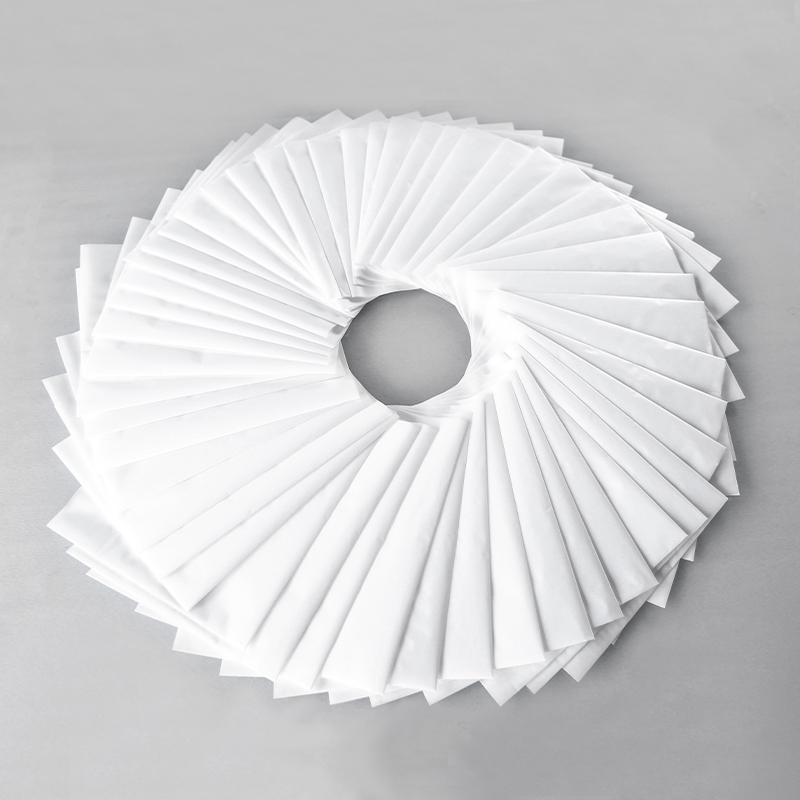
Product details: Folded baking paper sheets, an environment-friendly product, are composed of wood pulp and are double-side coated with silicone. Such a coating makes our paper smooth, greaseproof and...
See Details -
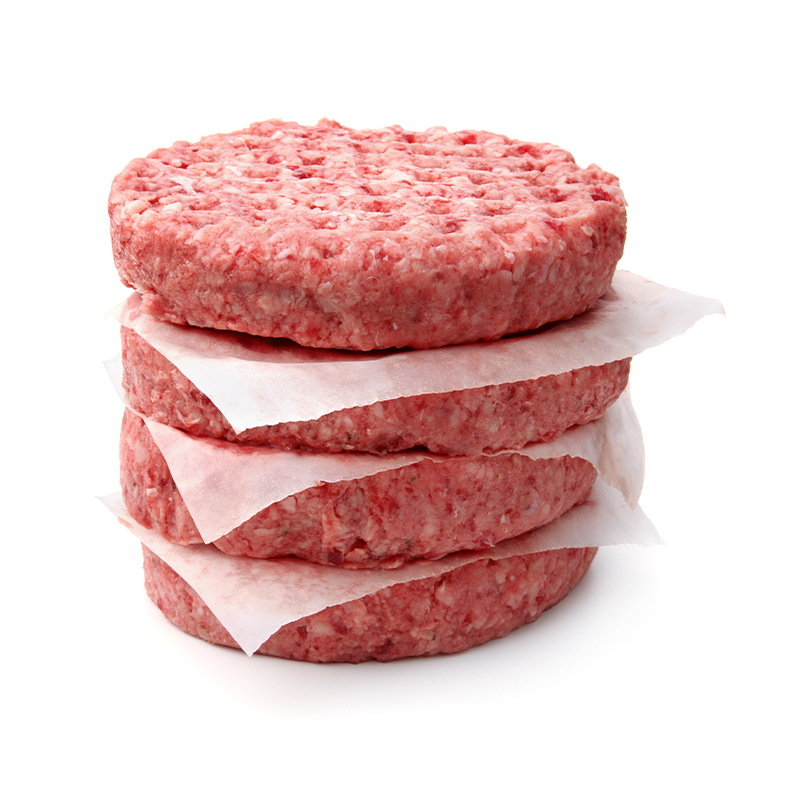
Description: Wax paper is the paper that is coated with food-grade wax in order to make it non-stick and waterproof. wax paper is very good for food storing and presentingMade of food-grade paper and ...
See Details -
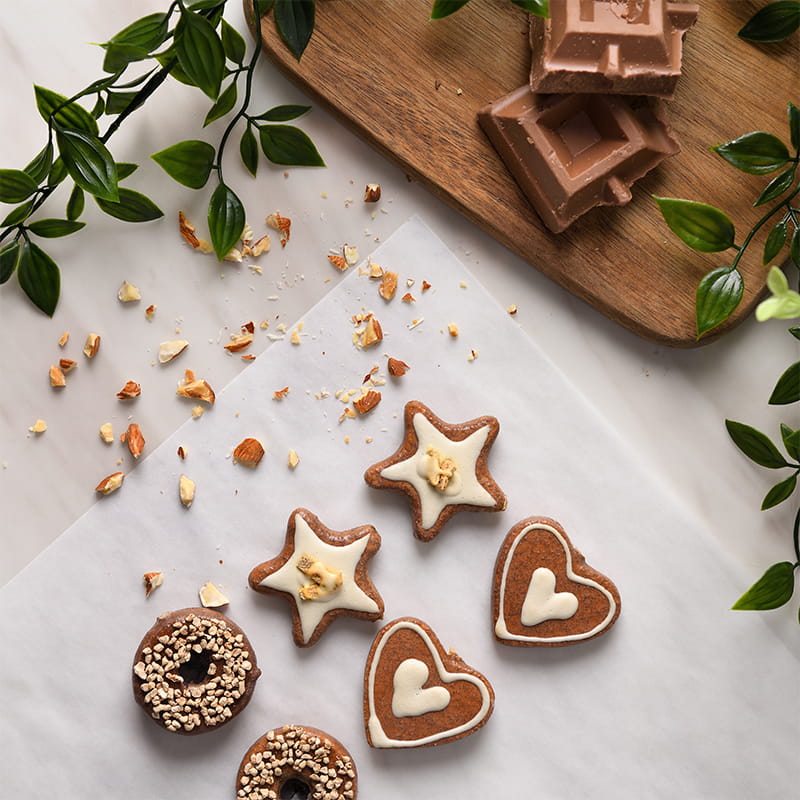
Product Features: 1. Virgin wood pulp 2. Double sides food grade silicone-treated 3. Fluorine-free 4. Non-stick 5. Oven/Microwave safe 6. Freezer safe 7. Reusable 8. BPA f...
See Details -
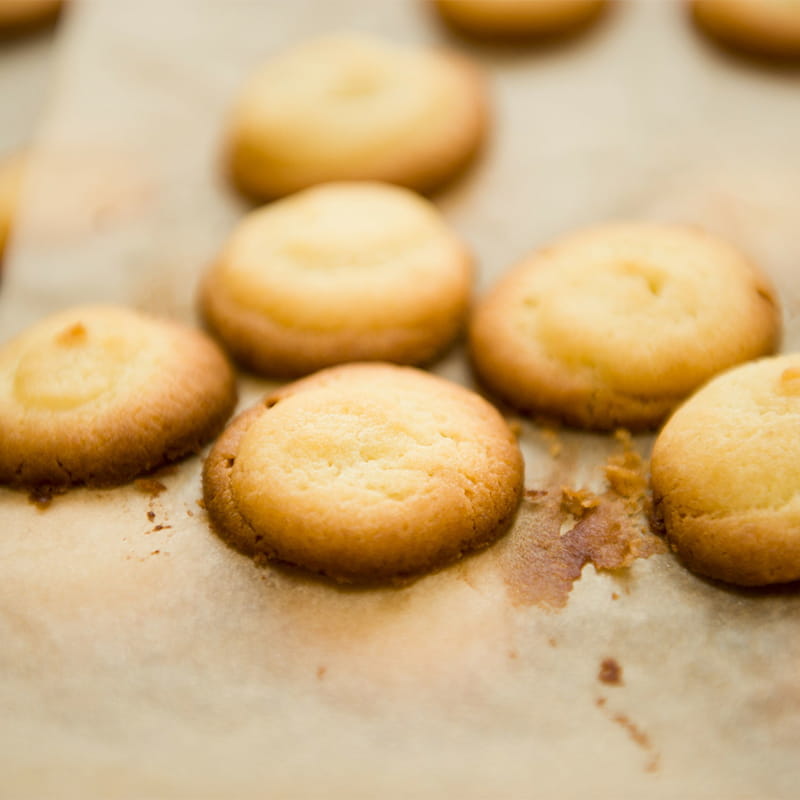
Product Features: 1. Virgin wood pulp 2. Natural unbleached brown color 3. Double sides food grade silicone-treated 4. Fluorine-free 5. Non-stick 6. Oven/Microwave safe 7. Fre...
See Details -
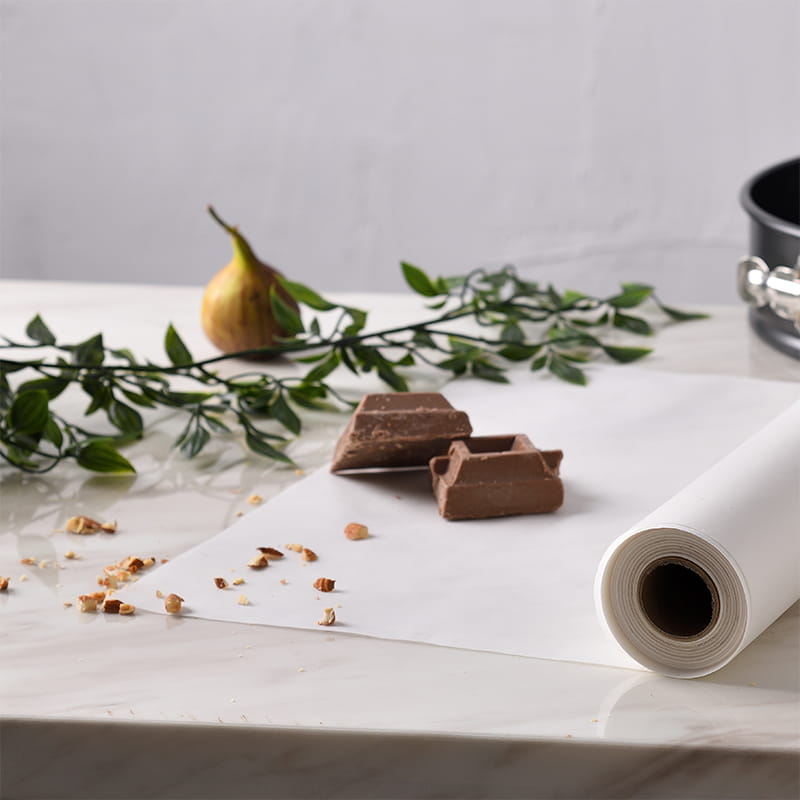
Product Features: 1. Virgin wood pulp 2. Double sides food grade silicone treated 3. Fluorine-free 4. Non-stick 5. Oven/Microwave safe 6. Freezer safe 7. Reusable 8. BPA ...
See Details -
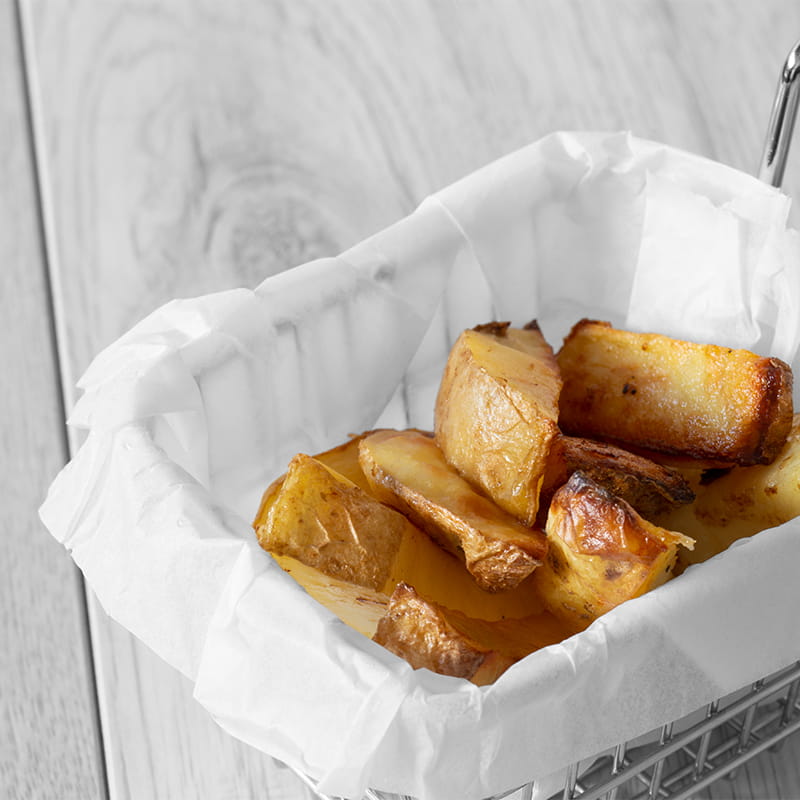
Product Features: 1. Virgin wood pulp 2. Fluorine-free 3. BPA free 4. Biodegradable Product Details: In an era where environmental consciousness and sustainability are paramount, Natu...
See Details -
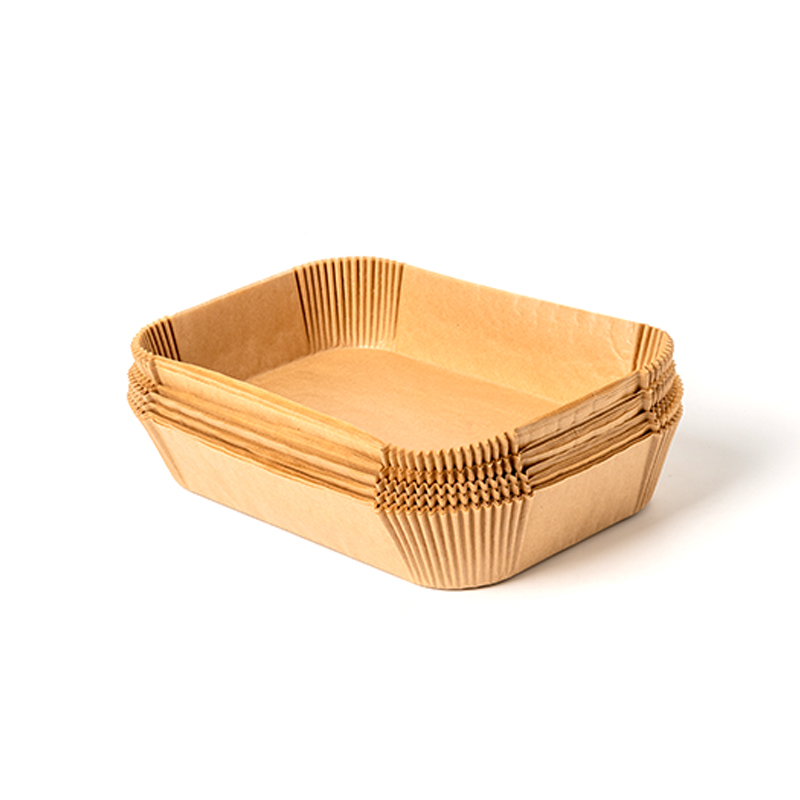
Product Features: 1. Virgin wood pulp 2. Double sides food grade silicone-treated 3. Fluorine-free 4. Non-stick 5. Air fryer basket safe 6. Reusable 7. BPA free 8. Biodeg...
See Details -
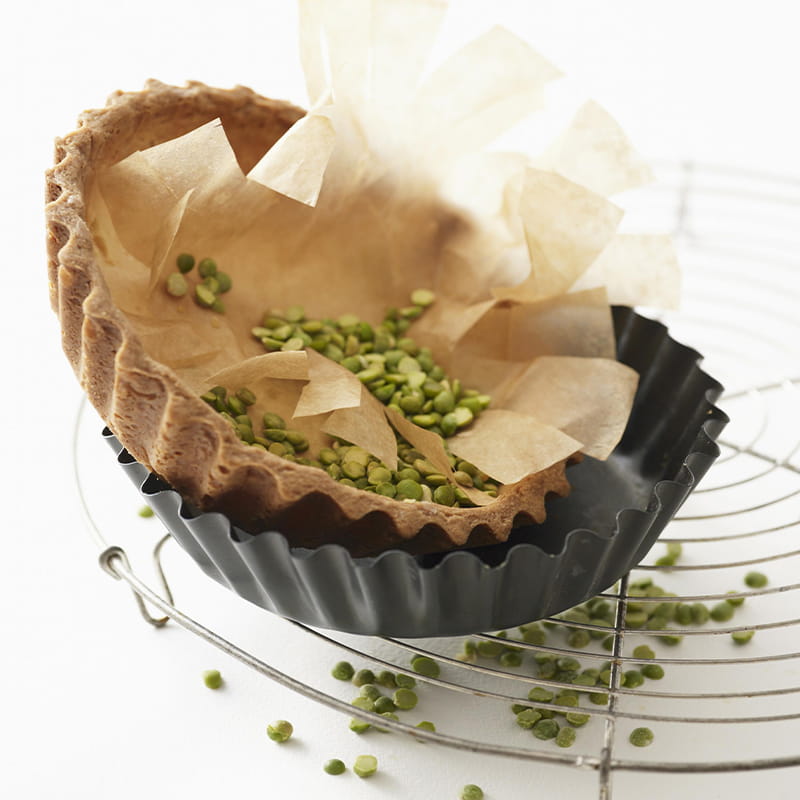
Product Features: 1. Virgin wood pulp 2. Natural unbleached brown color 3. Fluorine-free 4. BPA free 5. Biodegradable Product Details: Introducing our Unbleached Brown Food Grade ...
See Details -
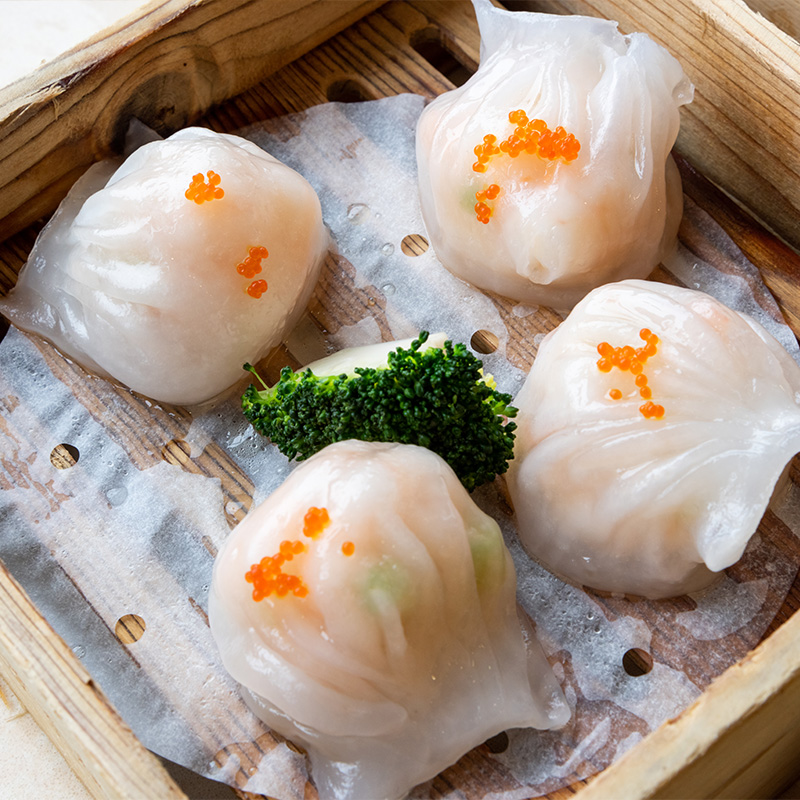
Product Features: 1. Virgin wood pulp 2. Double sides food grade silicone treated 3. Fluorine-free 4. Non-stick 5. Steamer/air fryer basket safe 6. Reusable 7. BPA free 8...
See Details -
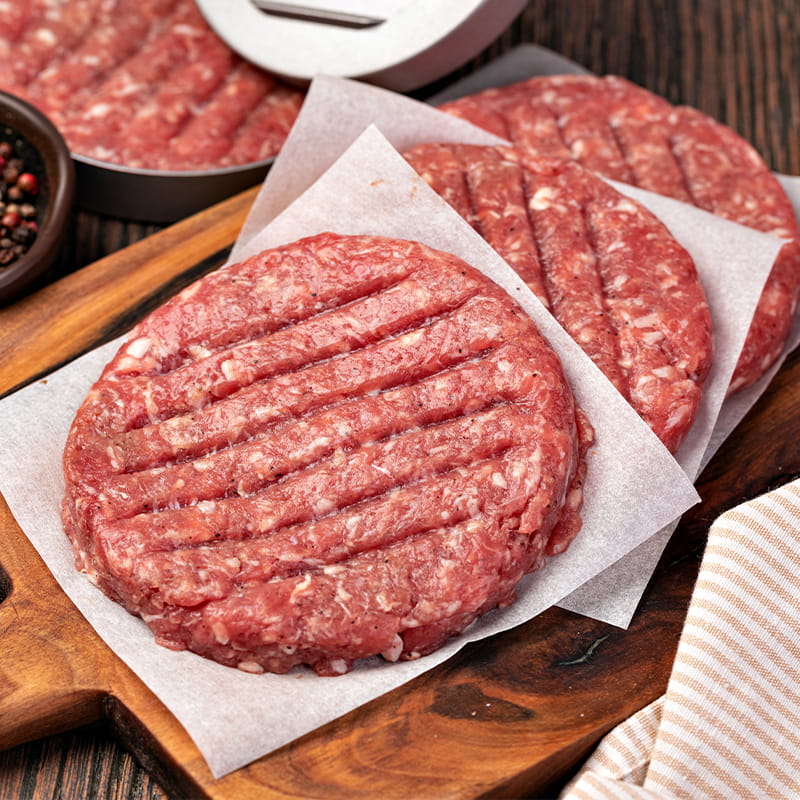
Product Features: 1. Virgin wood pulp 2. Double sides food grade silicone treated 3. Fluorine-free 4. Non-stick 5. Easy to separate 6. Reusable 7. BPA free 8. Biodegradab...
See Details -
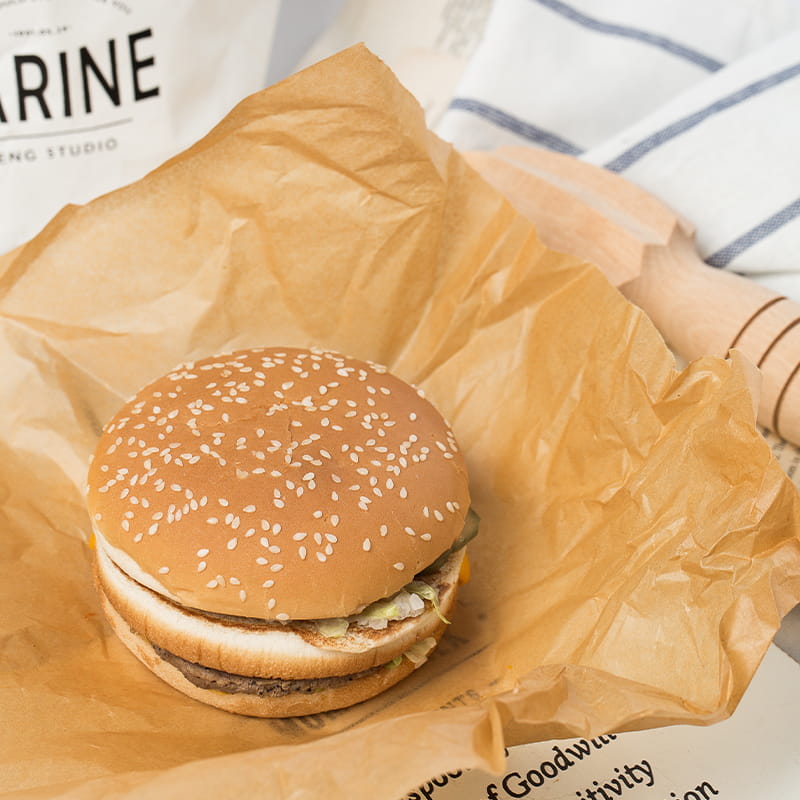
Product Features 1. Virgin wood pulp 2. Flexographic printing 3. Eco-friendly water-based ink 4. BPA free Product Details: Introducing our premium Greaseproof Sandwich Paper Sheets, a...
See Details

Professional Baking Parchment Paper Manufacturer in China with more than 15 years silicone coating experience.
Products
Contact Us
- No.10 Longyin Road, Chengnan Industrial Park,Longyou, Quzhou, China.
- +86-18968091013 / +86-571-88639705
- Avayao-1990@hotmail.com
Copyright © Zhejiang Guanghe New Materials Co., Ltd. All Rights Reserved.
Parchment Paper & Baking Paper Sheets Manufacturer
