 English
 中文简体
中文简体
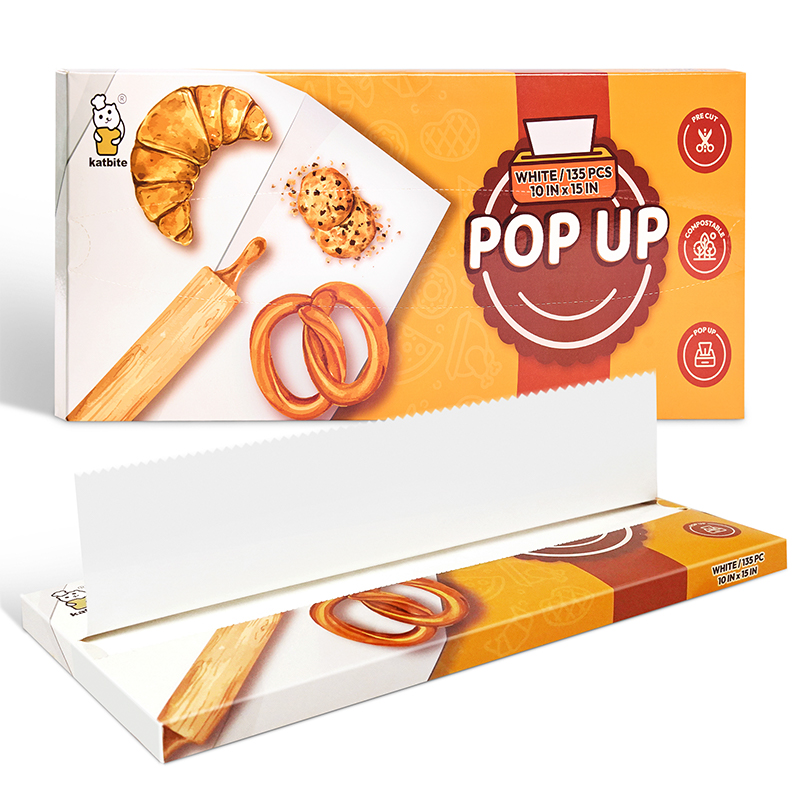
Product details: Pop-up parchment paper sheets, an environment-friendly product, are composed of wood pulp and are double-side coated with silicone. Such a coating makes our paper smooth, greasepr...
See DetailsHome / News / Industry News / From Baking to Air Frying: Why Cooking Paper Is Taking Over the Kitchen
From Baking to Air Frying: Why Cooking Paper Is Taking Over the Kitchen
Kitchens have changed a lot lately. People cook more at home, try new gadgets, and look for anything that cuts down on hassle while keeping results good. Cooking paper has slipped into that spot almost without anyone making a big deal about it. Once mostly seen in baking trays, it now shows up in air fryers, roasting pans, grill setups, and even steaming packets. The shift feels natural because the paper solves real, everyday annoyances—stuck food, greasy messes, long cleanup times—without asking much in return.
It started small. Bakers noticed how much easier it was to slide cookies off sheets without breakage. Then home cooks experimenting with roasting saw the same benefit on vegetables and meats. When air fryers became common, the paper followed right along, catching drips and making baskets easier to handle. Now it sits in drawers next to foil and silicone mats, pulled out for almost any hot cooking job.
What Makes Cooking Paper Work So Well
At its core, cooking paper is treated to handle heat, moisture, and fat without falling apart. The surface resists sticking so food lifts away cleanly after cooking. It also soaks up extra oil and grease that would otherwise burn onto metal or pool under food. That dual action—non-stick plus absorption—sets it apart from plain paper or bare surfaces.
The material holds shape under typical oven or appliance temperatures. Edges don' t curl wildly, and it doesn' t tear easily when shifting trays. Rolls, pre-cut sheets, or custom liners give options depending on the pan or basket size. No special skills needed; just lay it down and cook.
Simplifying Everyday Baking
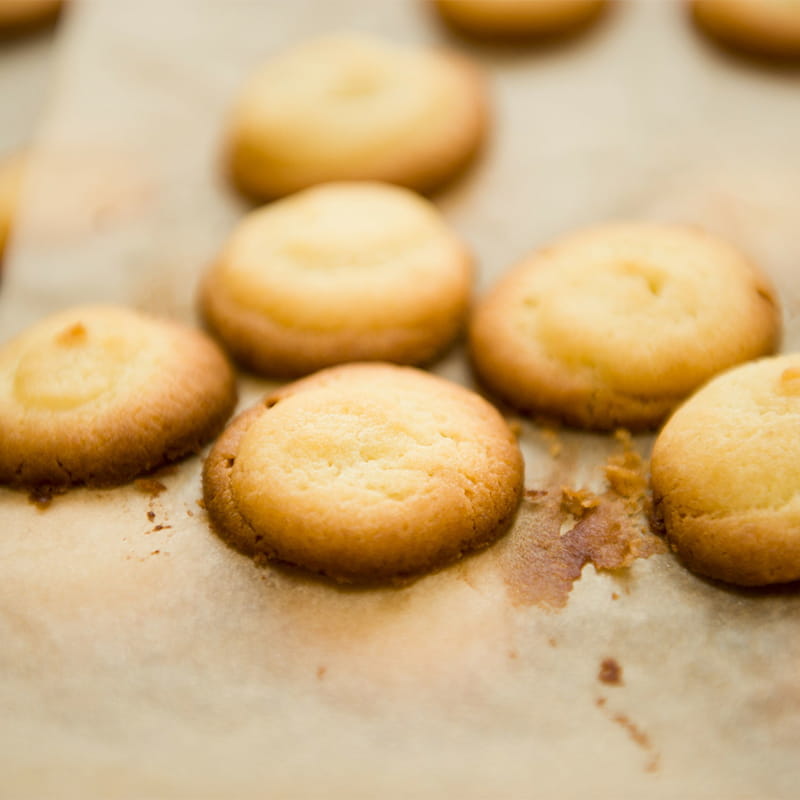
Baking stays one of the clearest reasons to keep cooking paper on hand. So many common bakes—cookies that spread thin at the edges, brownies with sticky corners, scones that cling where butter melted unevenly, layer cakes that refuse to budge from the bottom—run into the same problem when the pan is only greased. Even a careful swipe of butter or spray can miss spots or leave uneven patches that grab hold during baking. Dropping a sheet of cooking paper across the tray or pressing it into the tin changes that completely. Food comes away clean, no tugging or twisting needed. Those fragile shortbread fingers or airy meringues keep their sharp outlines intact instead of leaving half behind on the surface.
Muffin tins show the same improvement in a different way. Without liners, batter creeps over the rims or bakes hard onto the metal lips, turning removal into a scraping battle. Paper cups or a full sheet cut to fit catch any spillover right away and stop the tin from turning into a sticky mess. Popping muffins out afterward is just a light tug—no knife wedged under edges, no risk of tearing the tops. Round cake layers behave the same once cooled: they glide off the base with the sides staying straight and smooth, ready for frosting without patches or crumbs stuck everywhere. Cutting back on heavy greasing also means the finished bake carries less greasy film, so flavors stay cleaner and the whole process feels lighter.
When someone dives into bigger baking days—holiday cookies by the dozen, weekend batches of rolls, or prepping multiple desserts for gatherings—the difference really adds up. Trays cycle through the oven much faster because nothing bonds to them. As soon as one batch cools enough, the paper lifts away and the tray goes straight back in for the next round. No waiting for pans to soak or cool down from scrubbing. Cleanup turns into something almost casual: a quick wipe over surfaces that stayed mostly spotless, maybe a rinse if a little sugar caramelized at the very edge. That saved time lets the baker stay focused on shaping dough, watching for golden color, or just enjoying the warm smell filling the kitchen instead of dreading the sink full of work afterward.
Even small everyday bakes pick up the benefit. A single tray of drop cookies for after-school snacks or a quick coffee cake for weekend brunch comes out looking neat and transfers to a rack without drama. The habit builds quietly—reach for the roll, lay it down, bake, lift, repeat—and soon the kitchen runs smoother without anyone thinking twice about it.
Roasting and Grilling Without the Struggle
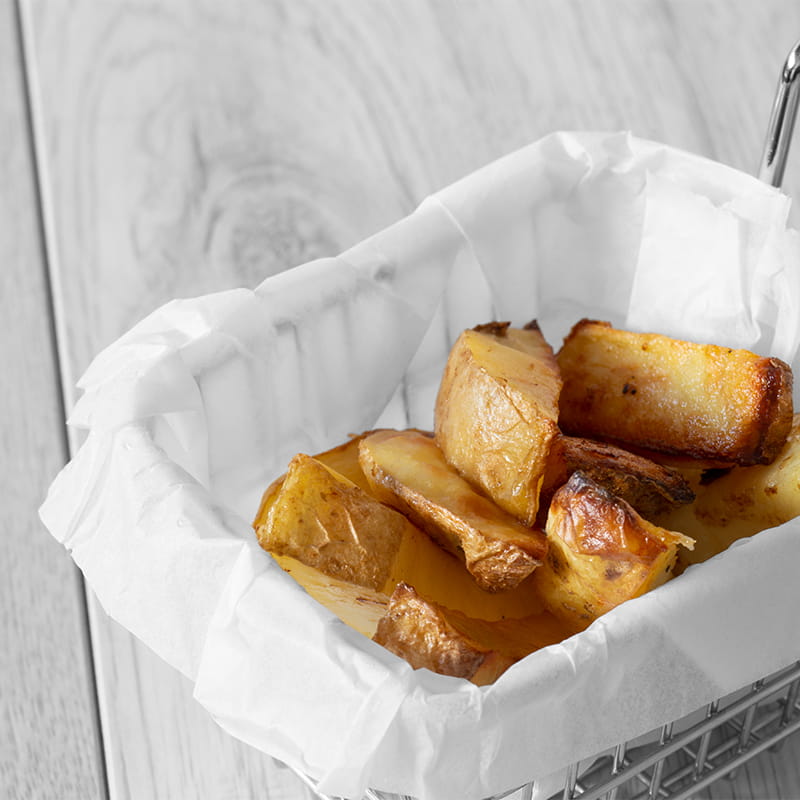
Roasting brings out deep flavors in vegetables, root crops, and proteins, but the aftermath can discourage repeat efforts. Juices, rendered fat, and caramelized bits bond to pans, turning cleanup into a chore. Cooking paper acts as a barrier that catches those liquids while letting heat reach food evenly.
Vegetable trays—potatoes, carrots, broccoli, Brussels sprouts—develop even browning without hot spots or soggy bottoms. Meats release cleanly after resting, leaving the tray free of stuck-on bits. Fish fillets, often fragile, hold together better when the paper prevents direct contact with metal.
Grill pans and indoor griddles see similar gains. Food doesn' t weld itself to ridges, and grease runs off into the paper instead of pooling or flaring up. Post-cooking, the tray wipes down in seconds rather than needing aggressive scrubbing.
Fitting Right Into Air Frying
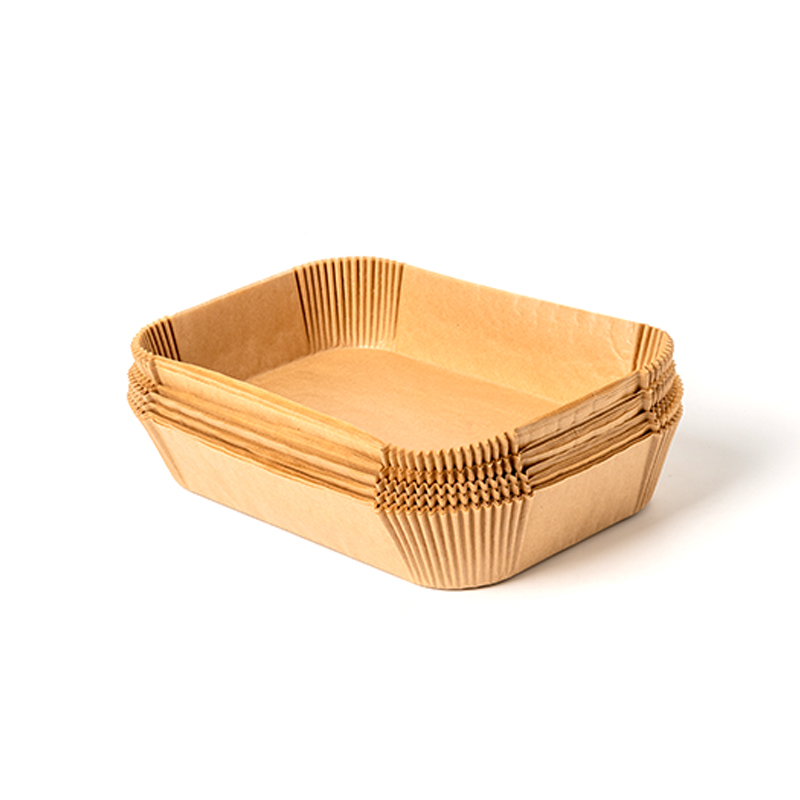
Air fryers have changed how a lot of people handle quick meals, especially when they want that crisp bite without drowning everything in oil. The hot air blasts around the food fast, which is great for texture but can also make small pieces shift around or get glued to the basket holes in spots. That' s where cooking paper steps in naturally. A sheet or pre-cut liner laid flat in the basket gives everything a stable, non-stick base so wings, fries, nuggets, or vegetable chunks stay put while the air does its work.
The paper catches the little drips of oil or marinade that come out during cooking. Instead of them burning onto the metal or falling through to the bottom drawer in a sticky mess, they soak in or sit on top. The finished food comes out noticeably less greasy—crisp on the outside, tender inside—and the basket itself stays way easier to deal with. A quick rinse or wipe usually does the job instead of scrubbing at baked-on bits that cling like glue.
People who use air fryers a lot say the difference shows up with batches. One round of frozen snacks or breaded cutlets after another goes smoothly because nothing sticks, so there' s no pausing to clean between loads. The paper holds up fine under the strong directed heat—no curling up wildly, no weird smells, no tearing when you lift it out. Some cut their own rounds to match common basket sizes, others just tear off a piece from the roll and press it in. Either way, setup takes seconds.
Over time it becomes part of the routine. Pull the basket, drop in the liner, add food, cook, lift everything out clean. The whole flow feels less fussy, especially on busy evenings when dinner needs to happen fast but still taste like it took effort. Cleanup stops being the part everyone dreads and turns into something almost forgettable.
Gentle Steaming and Parcel Cooking
Cooking paper really shines when you shift away from dry, high-heat methods and lean into gentler, steam-based cooking. The classic technique—folding everything into a sealed parcel, what many call en papillote—turns a simple sheet into a mini pressure cooker of sorts. You place the main ingredient, maybe a fillet of white fish, a handful of shrimp, thin slices of zucchini, bell peppers, or asparagus, a few sprigs of fresh herbs like thyme or dill, maybe a slice of lemon or a drizzle of white wine or broth, then fold the edges over tightly to create an airtight pouch. Once it hits the oven or even a stovetop steamer setup, the heat builds steam inside that pouch, circulating moisture and flavors around the food without letting anything escape.
That trapped environment does a few things at once. The steam keeps proteins moist and tender instead of letting them tighten up or dry out like they sometimes do on an open tray. Vegetables soften just enough to stay vibrant and crisp-tender rather than turning mushy. Aromas from the herbs, citrus, or aromatics infuse everything deeply because nothing evaporates away. Nutrients stay locked in too—no leaching into boiling water or burning off in direct heat. The result is a dish that tastes bright, clean, and layered without needing butter, oil, or heavy sauces to carry the flavor.
Cleanup stays almost nonexistent. The parcel goes straight from oven to plate; you snip or unfold it right there, and the food slides out onto the dish with its own light broth or juices pooling underneath. No pot or tray gets dirty in the process—the paper takes all the contact and gets tossed afterward. That makes it especially handy for lighter weeknight dinners when you want something quick but still feel like a proper meal, or for times when strong fish smells need to stay contained instead of filling the whole house. It' s also forgiving for beginners—fold loosely if you' re worried about over-sealing, or crimp tighter for more intensity—and the paper holds up reliably without tearing or leaking steam prematurely.
People often start with fish because it cooks so fast and benefits hugely from the gentle method, but it works just as well with boneless chicken pieces, scallops, or even root vegetables cut thin. You can experiment with different liquids—a splash of soy for an Asian twist, a bit of coconut milk for creaminess, or just water with garlic and ginger—and the paper adapts without complaint. Over time, it becomes a go-to for meals that feel intentional and healthy but don' t demand a ton of effort or fancy equipment.
Supporting Healthier Everyday Cooking
Health awareness keeps growing, and cooking paper quietly helps without changing recipes much. The non-stick surface means less oil or butter required to prevent sticking. Proteins and vegetables cook in their own juices or with just a light brush, cutting down on added fats.
Roasted items drain excess grease away rather than reabsorbing it. Air-fried foods crisp up using hot air instead of submersion, and the paper catches what little oil is present. Meals end up lighter in calories while keeping texture and taste intact.
Portion control becomes simpler too. Lining trays for single servings or small batches reduces waste and encourages mindful cooking. The ease of use lowers the barrier to trying healthier preparations regularly.
Comparing Options at a Glance
Different kitchen barriers serve different needs. Here' s how cooking paper stacks up against common alternatives:
| Aspect | Cooking Paper | Aluminum Foil | Silicone Mats | Bare Pan/Grease | Wax Paper |
|---|---|---|---|---|---|
| Non-Stick Level | High | Variable | Very High | Low | Moderate |
| Grease Absorption | Good | None | None | None | Limited |
| Heat Resistance | Strong | Excellent | High | Varies | Low |
| Easy Cleanup | High (disposable) | Medium | Very High (reusable) | Low | High |
| Airflow/Breathability | Moderate | None | Low | High | Low |
| Shape Retention | Good | Flexible | Excellent | N/A | Poor |
| Odor/Food Transfer Risk | Very Low | Possible | Very Low | None | Low |
| Best For | Baking, Air Frying | High-Heat Wrapping | Reusable Baking | Direct Contact | Cold Storage |
Why It Keeps Gaining Ground
The appeal lies in simplicity and reliability. No learning curve, no extra tools, no complicated prep. Results improve right away—cleaner pans, intact food, faster recovery between tasks. That immediate payoff turns occasional use into habit.
Seasonal shifts highlight different strengths. Summer favors quick air-fried snacks or grilled vegetables. Fall leans on long roasts where even heat matters. Winter brings baking marathons needing fast tray turnover. The paper adapts without missing a beat.
Daily routines benefit too. Meal prep days use it for portion separation. Lunch packing relies on grease-resistant wraps. Quick dinners count on minimal mess. Each context finds the same quiet efficiency.
Over time, it becomes background infrastructure—always there, always dependable. Kitchens run smoother because one small item handles so many friction points.
Guanghe Production Standards
Cooking paper just blends right into how kitchens run these days. It handles the basics like old-school oven baking, handles quick air-fryer runs without any drama, works fine for those gentle steam packets, and keeps everyday roasting trays from turning into a disaster zone. The whole thing feels reliable—stuff comes off clean, cleanup doesn' t eat up your evening, and you don' t have to fiddle around setting it up. That' s why it keeps showing up in drawers no matter what season or what kind of day you' re having.
Guanghe keeps things pretty straightforward on their end. They' ve got separate lines that only run food-safe paper, so nothing random crosses over from other stuff they make. From the very beginning—picking out decent, clean fibers—all the way through rolling it up and cutting it down, the focus stays on making sure every roll comes out even. They don' t slack on the checks either: grease-blocking gets tested over and over, heat handling gets put through real temperatures, and they pull sheets apart to see if they' re strong enough to not rip when you' re in the middle of cooking.
They keep putting money back into the setup—better machines that run smoother, fewer stops, cleaner ways to get the raw materials—so the paper stays consistent without jacking up the price too much. It' s not about flashy claims or complicated tech; it' s just about turning out rolls that do the same job every single time, whether someone' s baking cookies on a Tuesday night or roasting a big tray of vegetables for Sunday dinner. Home cooks notice when something actually works the way it' s supposed to, and that' s what they' re aiming for, plain and simple.
Related Products
-
-
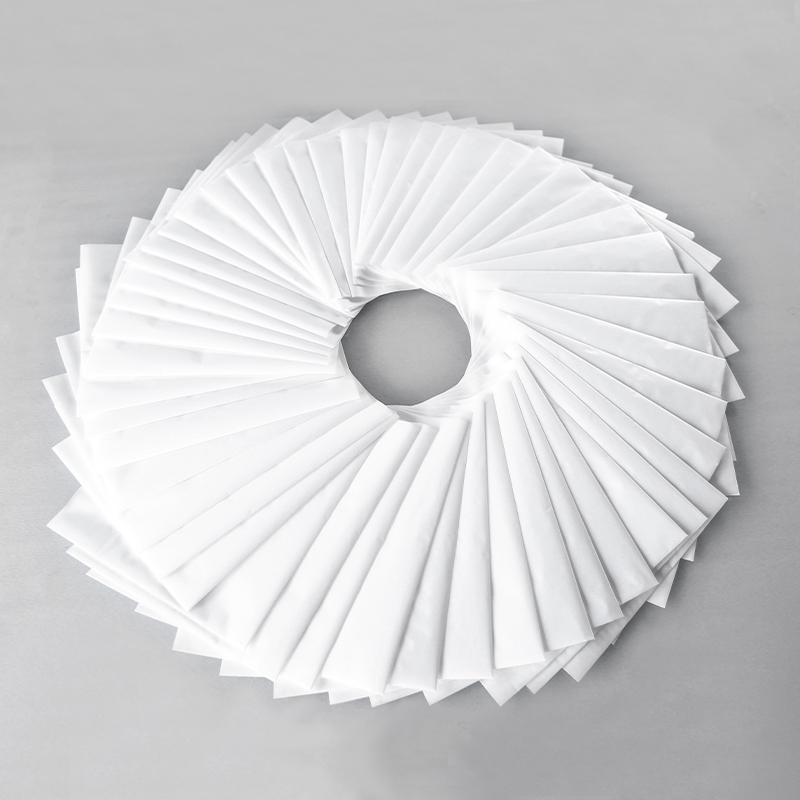
Product details: Folded baking paper sheets, an environment-friendly product, are composed of wood pulp and are double-side coated with silicone. Such a coating makes our paper smooth, greaseproof and...
See Details -
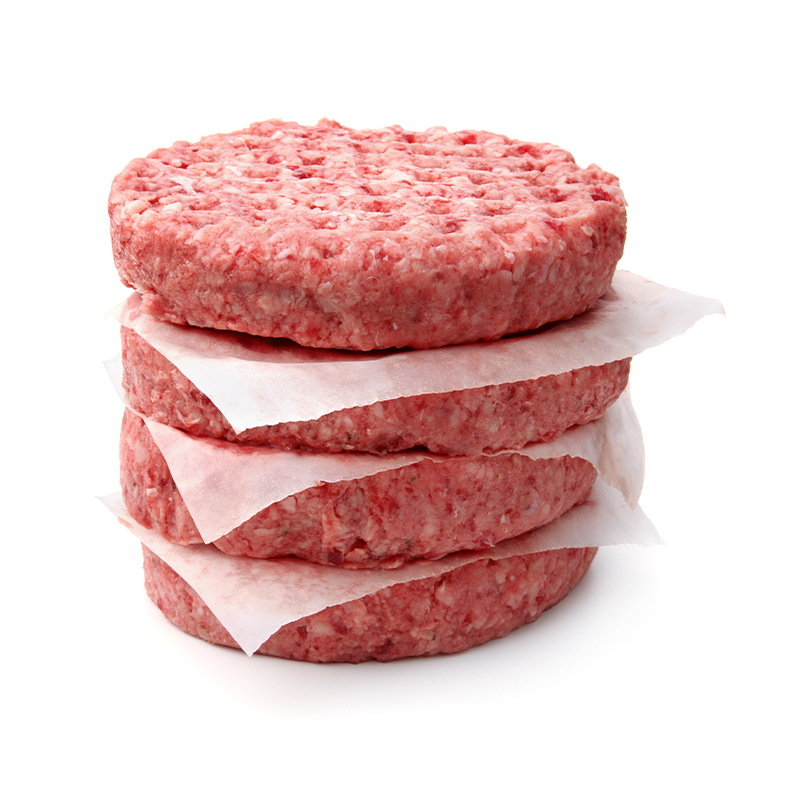
Description: Wax paper is the paper that is coated with food-grade wax in order to make it non-stick and waterproof. wax paper is very good for food storing and presentingMade of food-grade paper and ...
See Details -
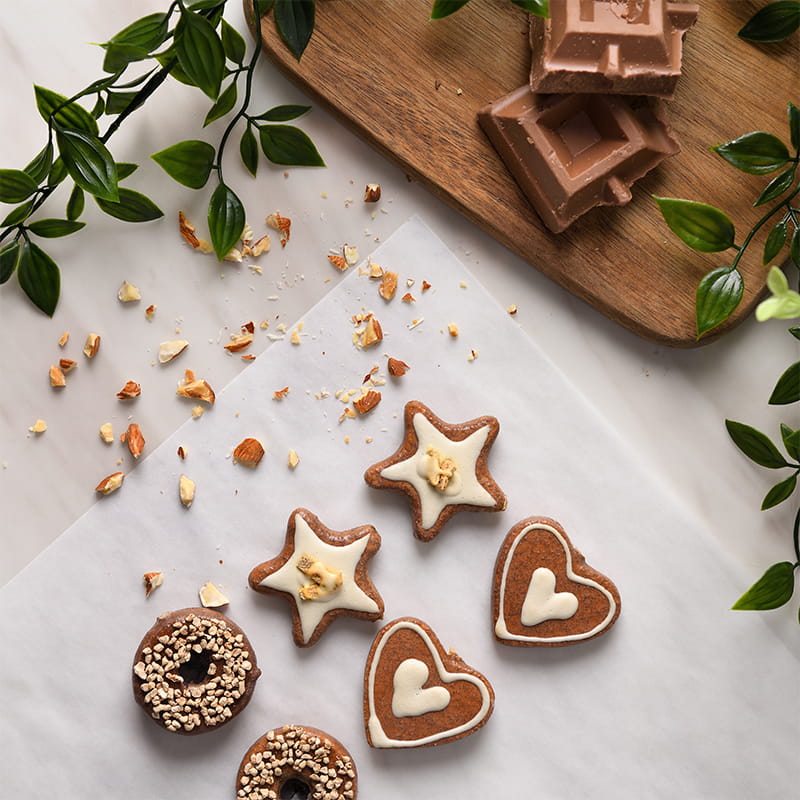
Product Features: 1. Virgin wood pulp 2. Double sides food grade silicone-treated 3. Fluorine-free 4. Non-stick 5. Oven/Microwave safe 6. Freezer safe 7. Reusable 8. BPA f...
See Details -
Product Features: 1. Virgin wood pulp 2. Natural unbleached brown color 3. Double sides food grade silicone-treated 4. Fluorine-free 5. Non-stick 6. Oven/Microwave safe 7. Fre...
See Details -
Product Features: 1. Virgin wood pulp 2. Double sides food grade silicone treated 3. Fluorine-free 4. Non-stick 5. Oven/Microwave safe 6. Freezer safe 7. Reusable 8. BPA ...
See Details -
Product Features: 1. Virgin wood pulp 2. Fluorine-free 3. BPA free 4. Biodegradable Product Details: In an era where environmental consciousness and sustainability are paramount, Natu...
See Details -
Product Features: 1. Virgin wood pulp 2. Double sides food grade silicone-treated 3. Fluorine-free 4. Non-stick 5. Air fryer basket safe 6. Reusable 7. BPA free 8. Biodeg...
See Details -
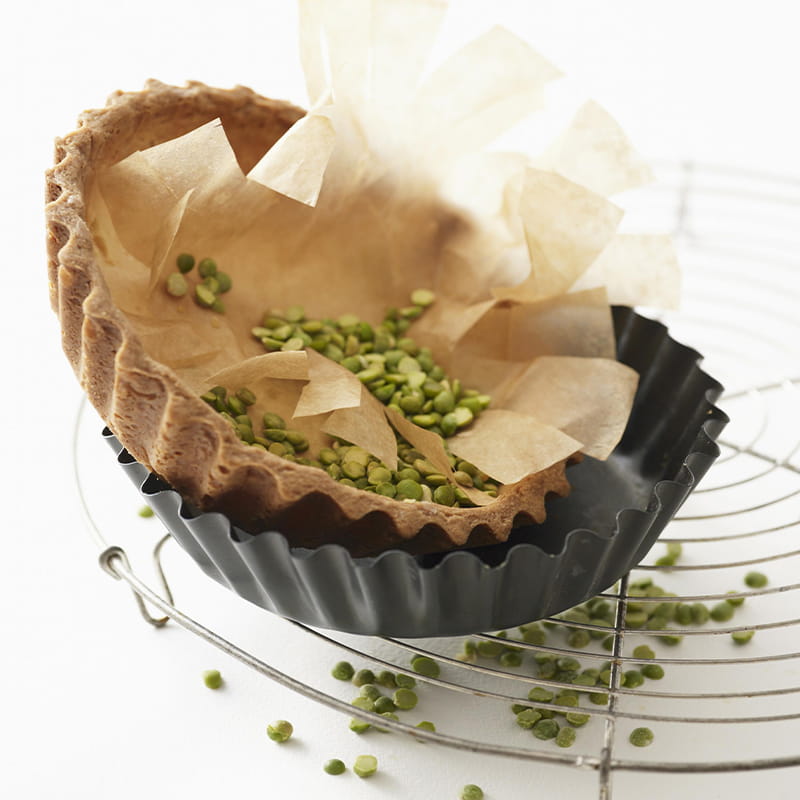
Product Features: 1. Virgin wood pulp 2. Natural unbleached brown color 3. Fluorine-free 4. BPA free 5. Biodegradable Product Details: Introducing our Unbleached Brown Food Grade ...
See Details -
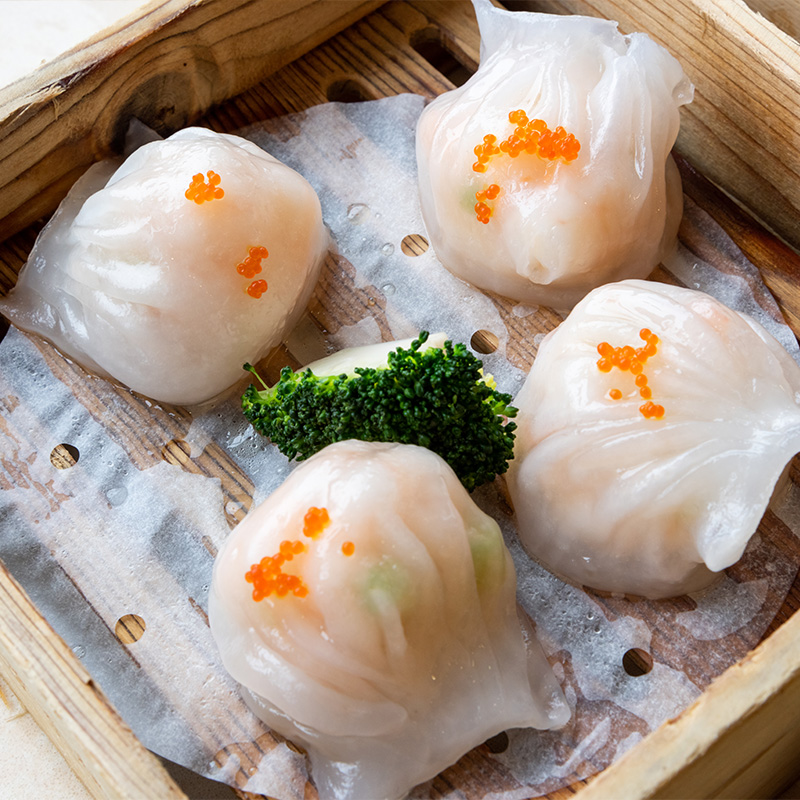
Product Features: 1. Virgin wood pulp 2. Double sides food grade silicone treated 3. Fluorine-free 4. Non-stick 5. Steamer/air fryer basket safe 6. Reusable 7. BPA free 8...
See Details -
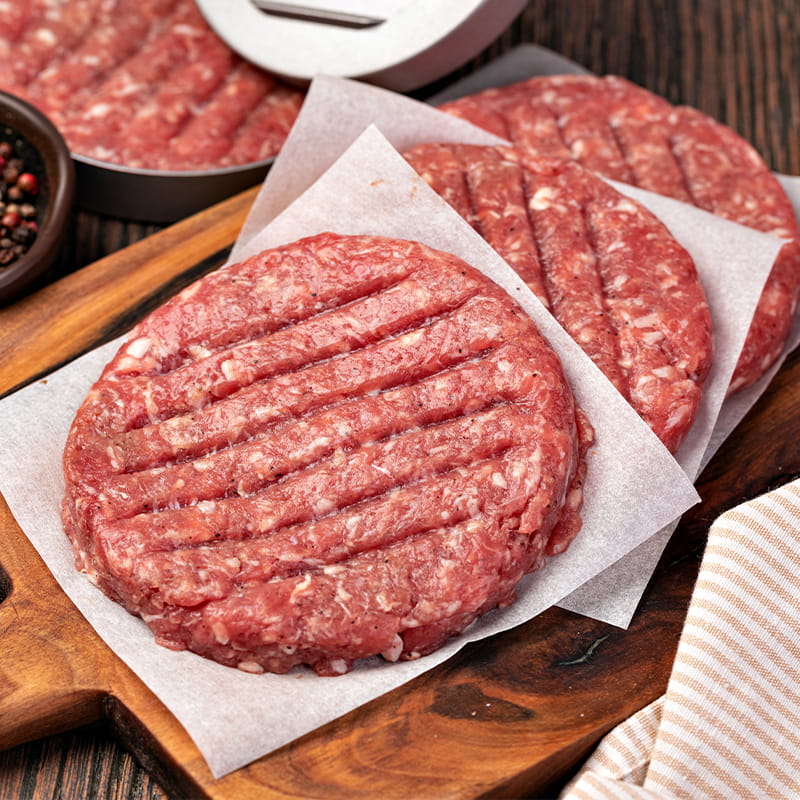
Product Features: 1. Virgin wood pulp 2. Double sides food grade silicone treated 3. Fluorine-free 4. Non-stick 5. Easy to separate 6. Reusable 7. BPA free 8. Biodegradab...
See Details -
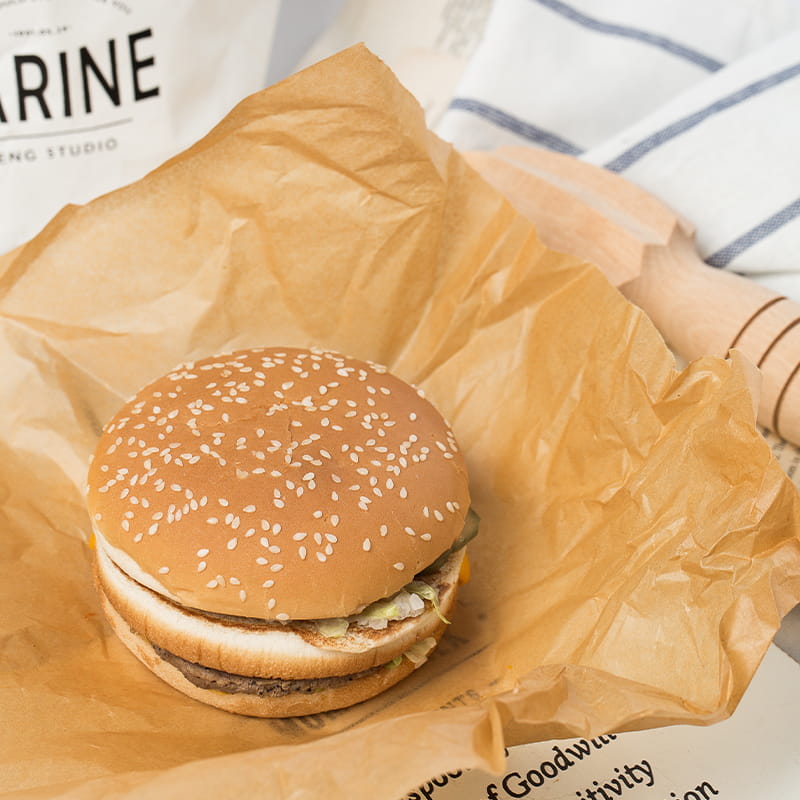
Product Features 1. Virgin wood pulp 2. Flexographic printing 3. Eco-friendly water-based ink 4. BPA free Product Details: Introducing our premium Greaseproof Sandwich Paper Sheets, a...
See Details

Professional Baking Parchment Paper Manufacturer in China with more than 15 years silicone coating experience.
Products
Contact Us
- No.10 Longyin Road, Chengnan Industrial Park,Longyou, Quzhou, China.
- +86-18968091013 / +86-571-88639705
- Avayao-1990@hotmail.com
Copyright © Zhejiang Guanghe New Materials Co., Ltd. All Rights Reserved.
Parchment Paper & Baking Paper Sheets Manufacturer
