 English
 中文简体
中文简体
Product details: Pop-up parchment paper sheets, an environment-friendly product, are composed of wood pulp and are double-side coated with silicone. Such a coating makes our paper smooth, greasepr...
See DetailsBrown Greaseproof Paper for Everyday Cooking, Baking, and Storage
Modern home cooking has evolved into something far more thoughtful than it used to be. People spend hours planning meals, tweaking recipes, and hunting for small upgrades that make the whole process feel smoother and more enjoyable. Among the quiet helpers that have earned a permanent place on many counters sits brown food grade greaseproof paper . Its deep, earthy color gives off a handcrafted vibe right away—no sterile white sheets here. That natural look fits perfectly with wooden cutting boards, cast-iron pans, and the kind of meals that feel personal rather than mass-produced.
What really sets this paper apart is how well it deals with oil and fat. During roasting or baking, fats inevitably release from meats, cheeses, or buttery doughs. Without a decent barrier, those liquids burn onto metal surfaces, creating stubborn spots that demand elbow grease later. This treated paper stops that migration almost completely. Lift the finished food away and the tray underneath stays surprisingly clean. That alone saves noticeable time after every session, especially when multiple batches follow one another.
Many cooks notice the improvement in texture almost immediately. Bottom sides of items crisp up more evenly because excess moisture can escape without pooling. Roasted root vegetables develop those caramelized edges people chase after. Pastries hold their structure better instead of turning soggy underneath. The difference feels subtle at a glance, yet it accumulates across dozens of dishes until it becomes hard to imagine going back to bare trays.
Everyday Baking and Roasting Benefits
Oven work benefits enormously from consistent performance under heat. The sheet remains stable even when temperatures climb for long periods. No sudden curling at the corners, no unexpected tearing when shifting heavy dishes. That dependability lets cooks focus on timing spices or watching color development rather than worrying about the liner failing midway.
Release properties shine brightest with tricky items. Sticky glazes, sugary toppings, or high-fat batters often cling stubbornly elsewhere. Here they slide off with minimal coaxing once cooled slightly. Cookies keep their round shapes instead of losing chunks to the pan. Fish portions lift cleanly, preserving delicate flakes that would otherwise break apart during transfer. Even when working with minimal added fat, the paper prevents proteins from bonding to the surface.
Air circulation around food improves too. Unlike some heavier barriers that trap steam aggressively, this variety allows just enough airflow for proper browning while still containing drips. That balance helps achieve restaurant-style finishes at home without constant monitoring or flipping.
Smart Ways to Use It for Storage
Storage challenges appear in every kitchen eventually. Leftovers need wrapping that keeps air out without creating condensation inside. Sandwiches carried to work or school demand protection from squishing and leaking sauces. This paper handles both situations gracefully. Folded tightly around a filled roll or flat wrap, it resists moisture transfer from wet ingredients like tomatoes or dressings. Bread stays soft but not mushy; crisp lettuce holds its snap longer.
Prepping components ahead becomes far less frustrating. Stack cutlets or burger patties with a sheet between each one before chilling or freezing. They separate effortlessly later—no more wrestling frozen blocks apart or tearing delicate surfaces. Layered cookie dough discs or filo sheets stay distinct instead of fusing together overnight. That small habit shaves minutes off busy morning or evening routines.
Travel-friendly snacks benefit similarly. Homemade energy bars, fruit slices, or cheese portions wrapped individually resist sticking to one another in a bag. No unpleasant merging of flavors or textures by the time hunger strikes. The material' s natural strength holds up to jostling without ripping easily.
Exploring Creative Cooking Techniques
Beyond straightforward lining, the paper lends itself to envelope-style packets that trap moisture and aroma. Place seasoned fillets, sliced vegetables, and a splash of liquid inside, fold the edges securely, and let gentle heat work its magic. Everything steams together softly, infusing flavors deeply while keeping proteins tender. Cleanup remains minimal—just discard the used packet afterward.
Presentation ideas flow naturally from the rustic tone. Line wooden boards or slate platters for serving charcuterie, artisanal breads, or grilled items. The warm shade complements deep reds of cured meats, golden crusts, and vibrant greens without clashing. Folded into shallow boats or cones, it holds appetizers at casual get-togethers—sturdy enough to stand upright yet disposable when the party ends.
Some experiment with tiered baking setups. Multiple layers inside a deep dish keep sauces from blending when cooking different elements simultaneously. Others use strips as makeshift guides for even slicing or scoring dough before baking. These small improvisations reveal how adaptable the material truly becomes once cooks start playing with it.
Everyday Non-Food Household Roles
Kitchens spill over into the rest of the home more often than people admit. Drawers collecting stray crumbs or pantry shelves picking up drips from jars benefit from a quick lining. The grease-resistant surface wipes clean easily or gets replaced without guilt. Fragile ornaments wrapped for off-season storage stay dust-free and protected from minor moisture swings in attics or basements.
Crafting corners find uses too—protecting work surfaces during messy projects or interleaving delicate paper goods to prevent curling. Its neutral appearance blends into organized spaces without drawing attention, yet it performs reliably when needed.
Side-by-Side Look at Common Options
Different households rely on various barriers depending on habit and preference. Here' s a straightforward comparison of typical choices people reach for:
| Feature | Brown Greaseproof Paper | Standard Parchment (Light) | Aluminum Foil | Silicone Mats | Waxed Paper |
|---|---|---|---|---|---|
| Grease Resistance | Excellent | Good | Very Good | Excellent | Moderate |
| Heat Tolerance | Strong (oven-safe) | Strong | Very High | High | Limited |
| Non-Stick Performance | Very Good | Excellent | Variable | Excellent | Fair |
| Natural Appearance | Warm, rustic | Clean, neutral | Metallic shine | Plain | Thin, translucent |
| Breathability | Moderate | Moderate | None | Low | Low |
| Easy Cleanup | High (disposable) | High | Medium (crumples) | Very High (reusable) | High |
| Environmental Footprint | Biodegradable option | Varies | Recyclable but energy-intensive | Reusable long-term | Limited biodegradability |
| Cost per Use | Low | Low | Low | Higher upfront | Low |
| Aroma/Food Transfer Risk | Very Low | Low | Possible metallic note | Very Low | Low |
Adapting Across Seasons and Routines
When the calendar flips to spring, kitchens start leaning into brighter, quicker meals that match the longer days and warmer air. Grilled lean cuts of meat, lightly oiled fish, or big colorful trays of mixed vegetables roasted fast under high heat become common. As those foods cook, natural fats and juices drip steadily downward. Without a solid catch layer, those liquids hit the tray directly, burn in patches, and leave behind a sticky residue that' s tough to scrub off later. Brown food grade greaseproof paper placed underneath quietly gathers every bit of runoff. It keeps the cooking surface mostly untouched so that after the meal is done, the tray can be wiped lightly or simply rinsed. The used sheet rolls up and goes straight into the bin—no prolonged soaking or harsh scraping required. That kind of effortless end to the cooking process feels especially welcome when the focus is on getting outside sooner rather than staying chained to the sink.
Summer keeps the pattern going but often pushes things even faster—sheet-pan dinners thrown together in minutes, quick broils for weeknight proteins, or vegetables charred just enough to bring out sweetness. The paper continues to handle the grease load without complaint. Whether the heat source is an indoor oven or an outdoor grill setup with a catch tray, the barrier holds firm. Cleanup stays minimal, which matters a lot during months when people want to maximize time away from the stove rather than tied to post-meal chores.
Once fall rolls around the mood in the kitchen changes noticeably. Heavier, slower-cooked dishes take center stage. Large roasts surrounded by dense root vegetables—carrots, turnips, sweet potatoes, onions—go into the oven for hours at lower temperatures. The goal is usually deep, even caramelization across every surface, that rich golden-brown color and concentrated flavor that turns basic ingredients into something memorable. If juices and rendered fat are allowed to pool unchecked on the tray, browning becomes uneven in spots; some pieces end up scorched while others stay pale. A sheet of this greaseproof paper spread across the base changes the dynamic completely. It contains the liquids so they spread more evenly under the food, allowing heat to do its work consistently from edge to edge. Vegetables finish with crisp exteriors and soft centers, meats develop better crust without sticking, and the tray underneath emerges far cleaner than it would have otherwise. That reliability makes repeating the same comforting fall meals week after week much less of a hassle.
Winter brings its own intensity. Baking ramps up dramatically—trays of cookies sliding in and out in quick succession, bread loaves proofing and browning one after another, casseroles layered with cheese and cream bubbling under the broiler. Ovens run almost constantly during colder months, and downtime between batches needs to be short. The paper' s fast, clean release becomes one of its appreciated features here. Once items finish baking and rest for just a minute or two, they lift away whole—no torn edges, no fragments glued to the surface. Trays return to service immediately for the next load. Even after hours of continuous use, the final cleanup remains straightforward instead of turning into an exhausting marathon. That sustained performance keeps the whole baking rhythm flowing smoothly through long afternoons and evenings.
Beyond seasonal shifts, the paper also molds itself around the small daily patterns that actually shape how kitchens operate. Weekend meal preparation sessions, for instance, often involve breaking down proteins into individual portions, slicing vegetables into ready-to-cook amounts, and stacking everything for the week ahead. Without separators between layers, pieces tend to freeze or chill into solid blocks that are hard to pry apart later. Slipping a sheet between each slice or patty prevents that merging entirely. When it' s time to cook, layers separate effortlessly—no wasted minutes thawing clumps or dealing with damaged surfaces. The habit saves noticeable effort during rushed weekday evenings when every step counts.
Mornings that revolve around packing lunches follow a similar logic. Sandwiches layered with spreads, wraps stuffed with moist fillings, cut fruit that releases juice—all of these threaten to turn bread soggy or leak into neighboring items by midday. Wrapping each piece individually creates a snug, grease-resistant envelope that blocks moisture transfer and keeps flavors contained. The lunch stays fresh and structurally sound for hours without needing bulky containers or multiple layers of other materials. The whole process remains simple yet effective, especially when multiple lunches need to be assembled quickly before everyone heads out.
For anyone working through the day at home, quick between-task snacks become routine. A few nuts, a wedge of cheese, slices of apple, or a pre-made energy bite—small portions that keep energy steady without much preparation. Individually wrapped pieces mean no sticky residue transfers to hands or surfaces later, no crumbs scattering across desks, and no stack of dirty dishes building up from reusable containers. The paper handles these minor jobs without fanfare, yet it quietly makes the entire flow of the day cleaner and less interrupted.
Building Long-Term Kitchen Habits
The deepest reason this paper keeps getting used is how smoothly it settles into everyday patterns without demanding attention. There are no complex folding diagrams to memorize, no special tools needed to make it work, no learning period where results feel inconsistent. From the moment a tray is lined and pulled from the oven, the difference shows immediately—pans look barely used, food transfers to plates whole, surfaces stay free of baked-on residue. That instant payoff plants the seed. After only a handful of uses, the motion of reaching for the roll becomes automatic, right alongside grabbing a wooden spoon or setting out salt and pepper. Reliability turns into habit because the outcome rarely varies: even browning underneath, clean release on top, no unexpected failures mid-process.
Communities centered around home cooking keep the material interesting long after the initial novelty wears off. People constantly circulate small practical tweaks online—sharp diagonal creases that form tighter, more secure packets for moist cooking methods; repeated accordion-style crimps along the edges when extra height is needed to contain thicker sauces; double or triple layering between stacks of dough rounds, marinated cuts, or delicate pastries headed for the freezer. These little discoveries travel quickly through forums, photo shares, and comment threads. They prevent the paper from ever feeling stale, even after years of steady use in the same kitchen. Every so often a minor imperfection appears—a small tear along a stressed fold line, a faint seep-through in an unusually fatty batch—but those incidents usually prompt only tiny adjustments rather than frustration. A slight change in folding angle, an extra tuck at the corner, or shifting the tray to a different rack level often solves it completely on the next attempt. The low-stakes nature of those experiments keeps people willing to keep trying new things.
In kitchens that see heavier or more frequent traffic—preparing food for neighborhood potlucks, handling temporary meal setups for groups, cooking regular large-family dinners—the steady, predictable performance starts carrying even greater weight. When dozens of portions need to come together under time pressure, any step that reduces friction in preparation or cleanup becomes disproportionately valuable. Less time spent wrestling with stuck food or scrubbing trays translates directly into more attention available for balancing flavors, arranging servings thoughtfully, or simply sitting down to the meal without the looming dread of a wrecked kitchen waiting afterward. That shift—from task-heavy obligation to manageable flow—alters the entire experience in ways that are hard to overstate.
Over months and years the paper quietly graduates from "useful item" to "essential background element." It supports quiet solo dinners just as reliably as crowded holiday spreads. It works equally well for fast weeknight fixes and elaborate weekend projects. The consistent way it handles vastly different demands is ultimately what cements its place—no second thoughts about whether the roll should stay stocked or not.
Where Practical Design Meets Daily Cooking
In the end, brown food grade greaseproof paper does its work without making a big fuss. It turns routine kitchen jobs into something smoother and less of a headache. The no-nonsense look fits right in with the way a lot of people cook these days—practical, down-to-earth, nothing flashy. Whether it' s just covering a tray for a quick weeknight roast, wrapping up a sandwich that needs to hold together on the go, or folding neat little packets for gentle steaming, the paper gets the job done quietly and well every single time.
Guanghe facilities keep things tight from start to finish. They run separate production lines just for anything that touches food, so quality stays even all the way from picking the right fibers through to the final roll. Every step gets checked hard—how well it blocks grease, how it holds up to heat, how solid the whole sheet stays—so nothing slips through that won' t perform the same way every time. They keep putting money into smarter ways of working and better sourcing because the goal is straightforward: make a product kitchens everywhere can count on, day in and day out.
Related Products
-
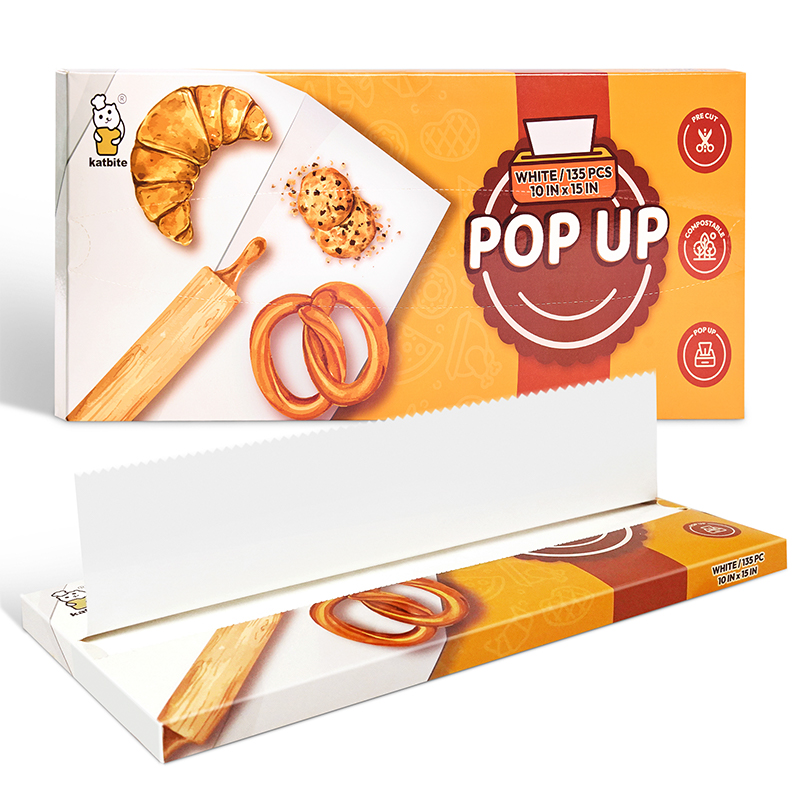
-
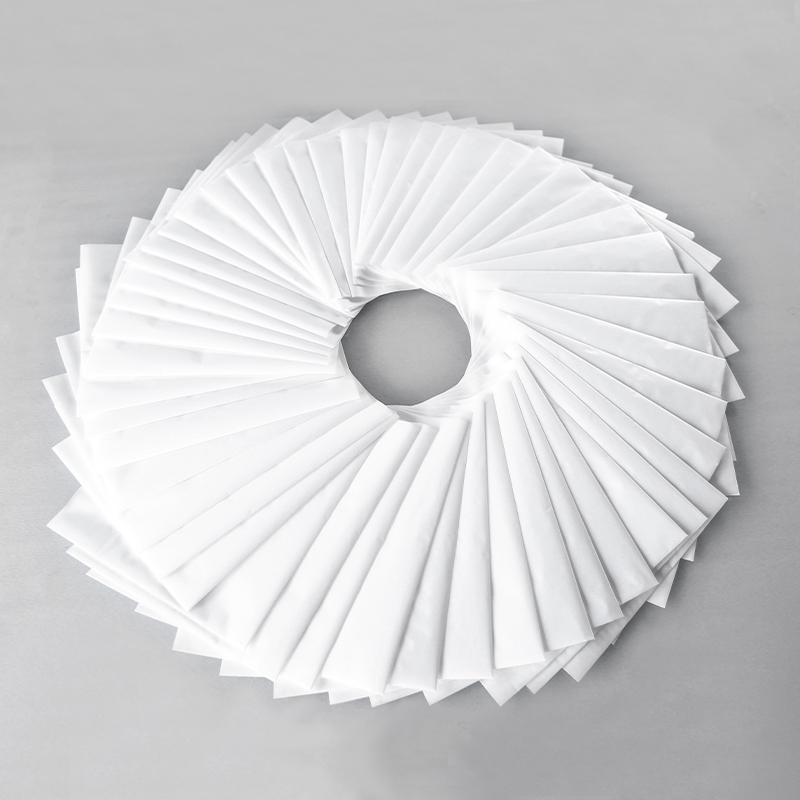
Product details: Folded baking paper sheets, an environment-friendly product, are composed of wood pulp and are double-side coated with silicone. Such a coating makes our paper smooth, greaseproof and...
See Details -
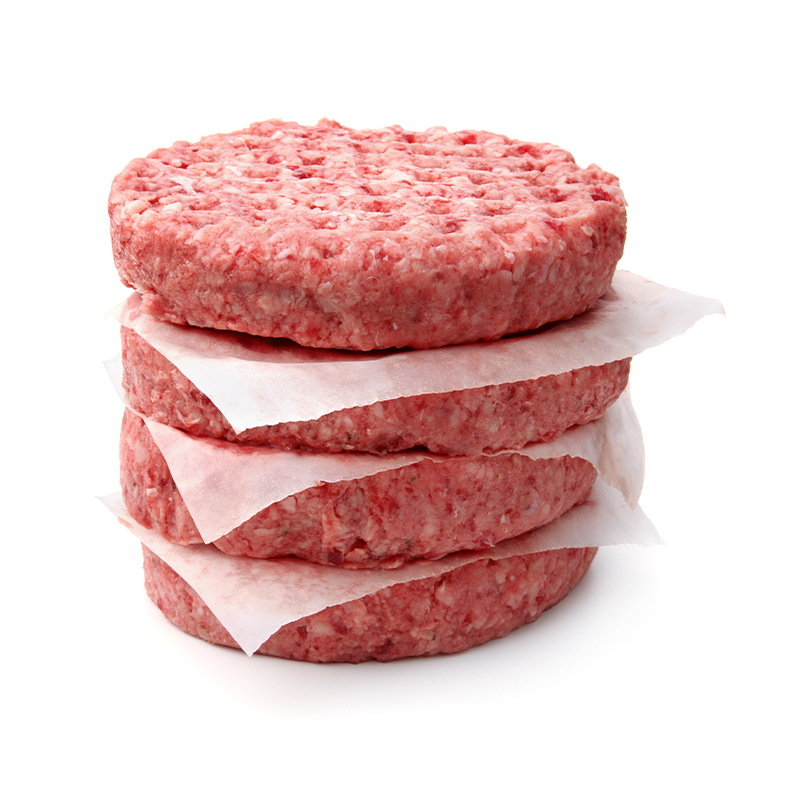
Description: Wax paper is the paper that is coated with food-grade wax in order to make it non-stick and waterproof. wax paper is very good for food storing and presentingMade of food-grade paper and ...
See Details -
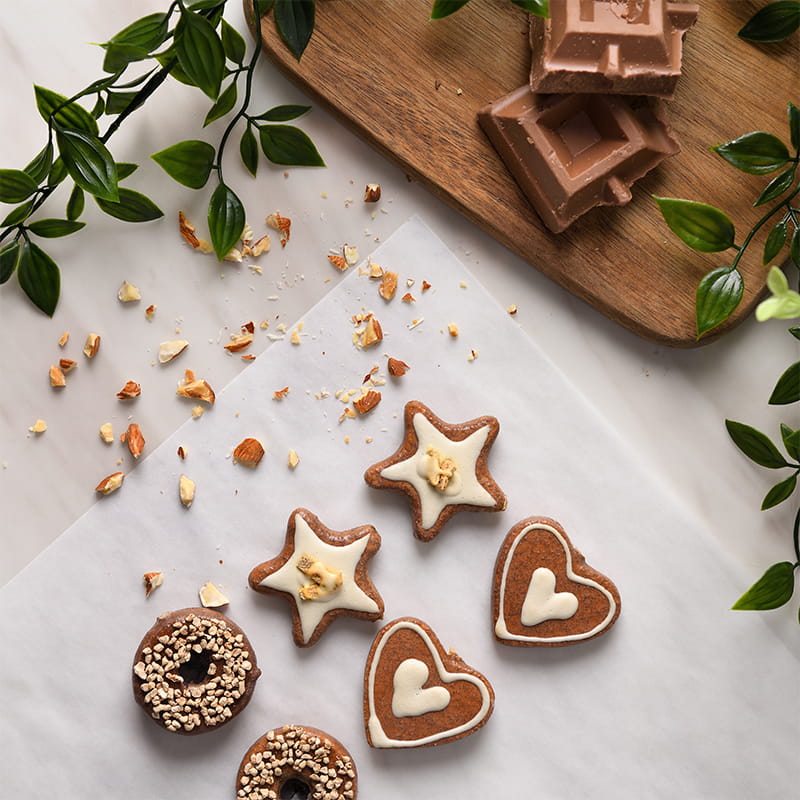
Product Features: 1. Virgin wood pulp 2. Double sides food grade silicone-treated 3. Fluorine-free 4. Non-stick 5. Oven/Microwave safe 6. Freezer safe 7. Reusable 8. BPA f...
See Details -
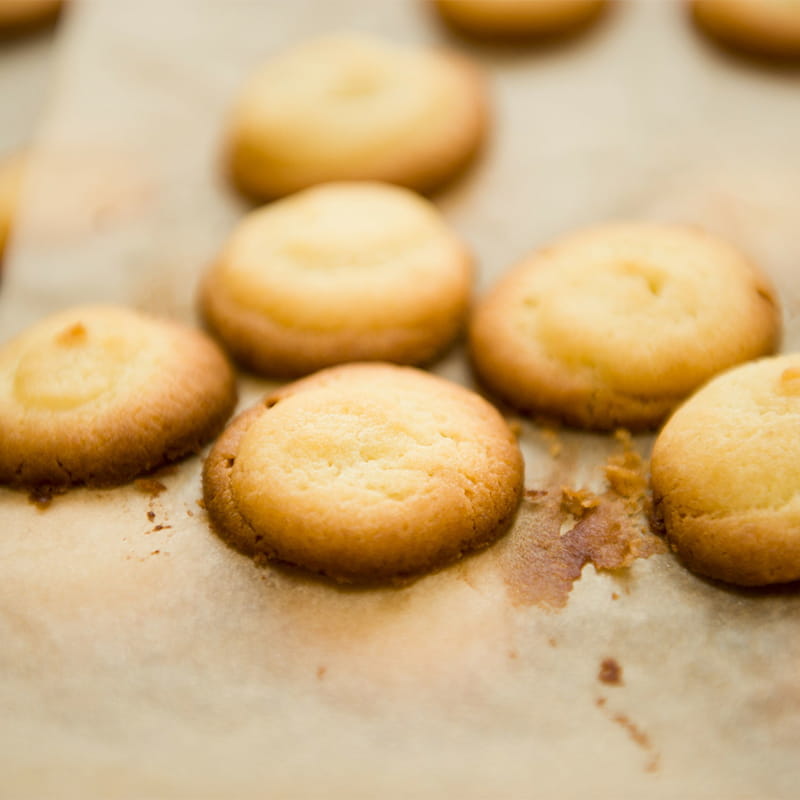
Product Features: 1. Virgin wood pulp 2. Natural unbleached brown color 3. Double sides food grade silicone-treated 4. Fluorine-free 5. Non-stick 6. Oven/Microwave safe 7. Fre...
See Details -
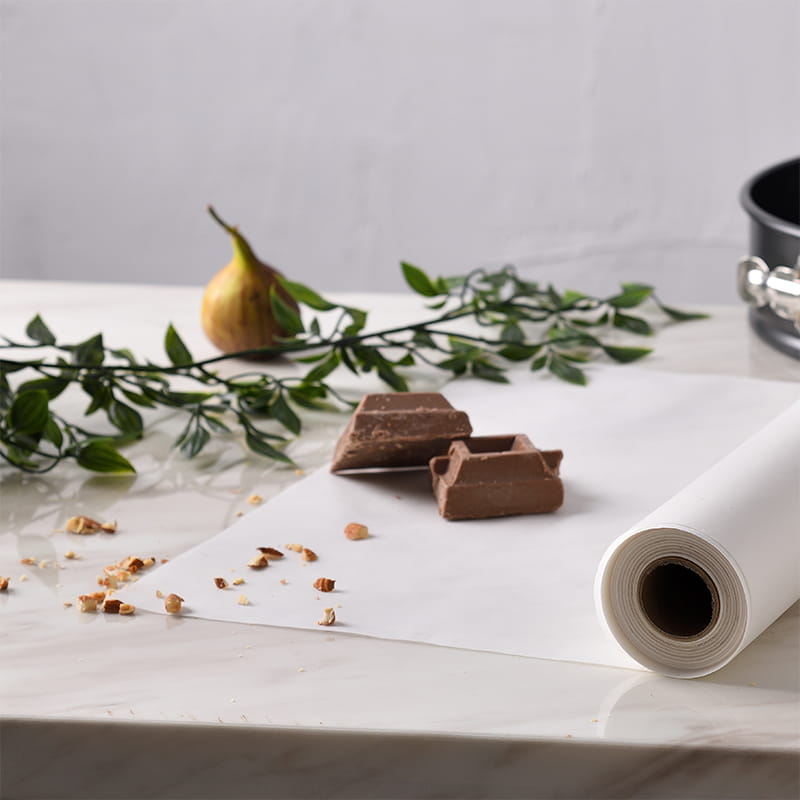
Product Features: 1. Virgin wood pulp 2. Double sides food grade silicone treated 3. Fluorine-free 4. Non-stick 5. Oven/Microwave safe 6. Freezer safe 7. Reusable 8. BPA ...
See Details -
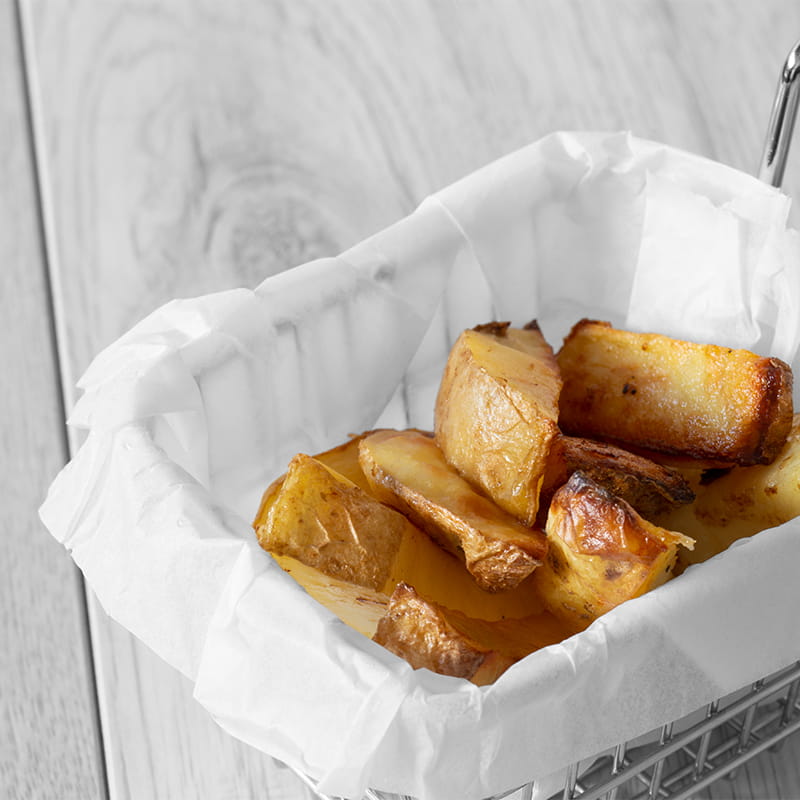
Product Features: 1. Virgin wood pulp 2. Fluorine-free 3. BPA free 4. Biodegradable Product Details: In an era where environmental consciousness and sustainability are paramount, Natu...
See Details -
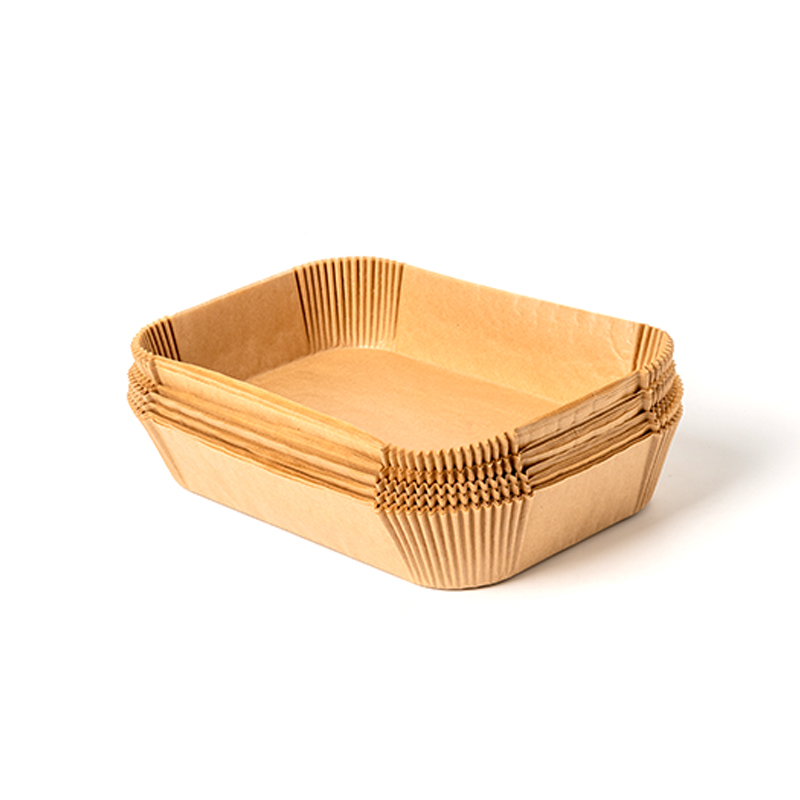
Product Features: 1. Virgin wood pulp 2. Double sides food grade silicone-treated 3. Fluorine-free 4. Non-stick 5. Air fryer basket safe 6. Reusable 7. BPA free 8. Biodeg...
See Details -
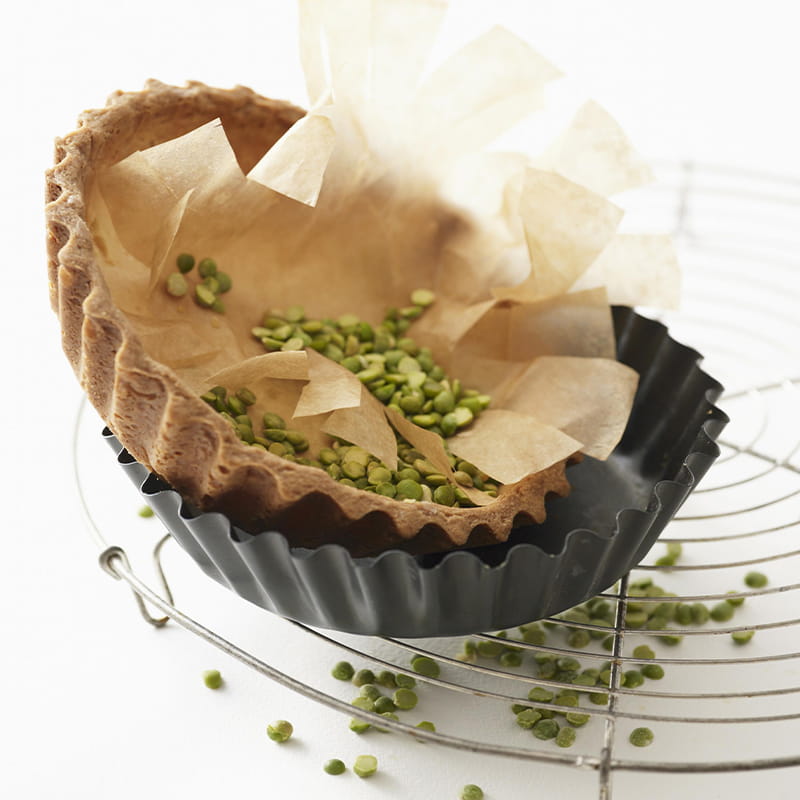
Product Features: 1. Virgin wood pulp 2. Natural unbleached brown color 3. Fluorine-free 4. BPA free 5. Biodegradable Product Details: Introducing our Unbleached Brown Food Grade ...
See Details -
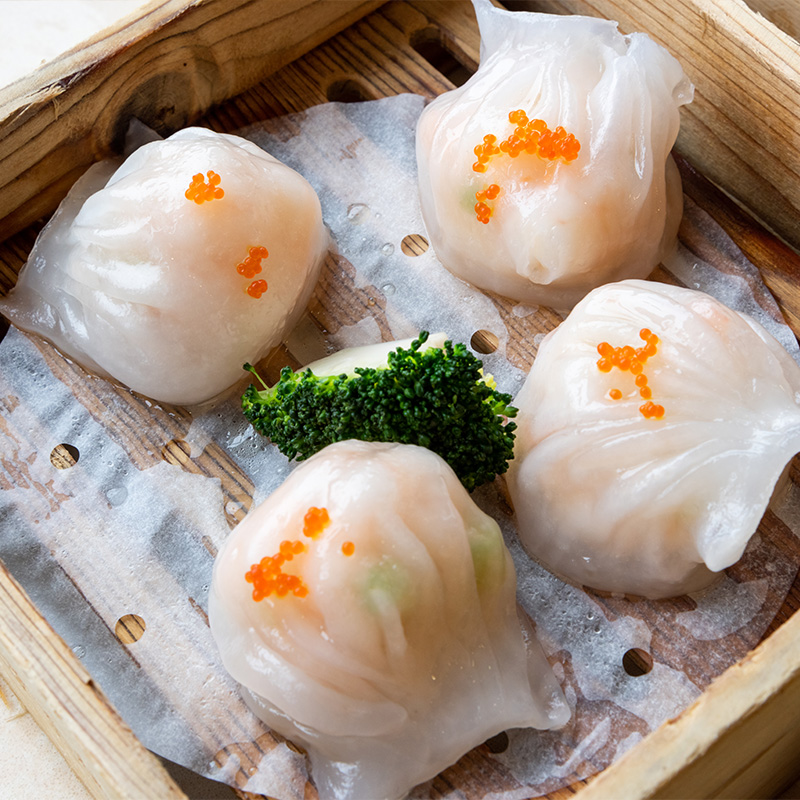
Product Features: 1. Virgin wood pulp 2. Double sides food grade silicone treated 3. Fluorine-free 4. Non-stick 5. Steamer/air fryer basket safe 6. Reusable 7. BPA free 8...
See Details -
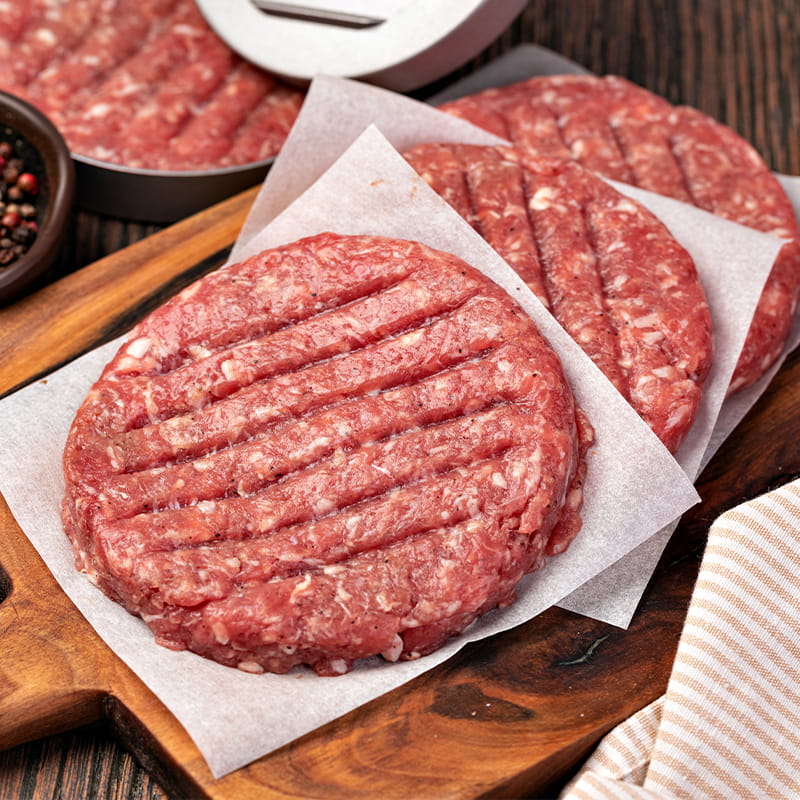
Product Features: 1. Virgin wood pulp 2. Double sides food grade silicone treated 3. Fluorine-free 4. Non-stick 5. Easy to separate 6. Reusable 7. BPA free 8. Biodegradab...
See Details -
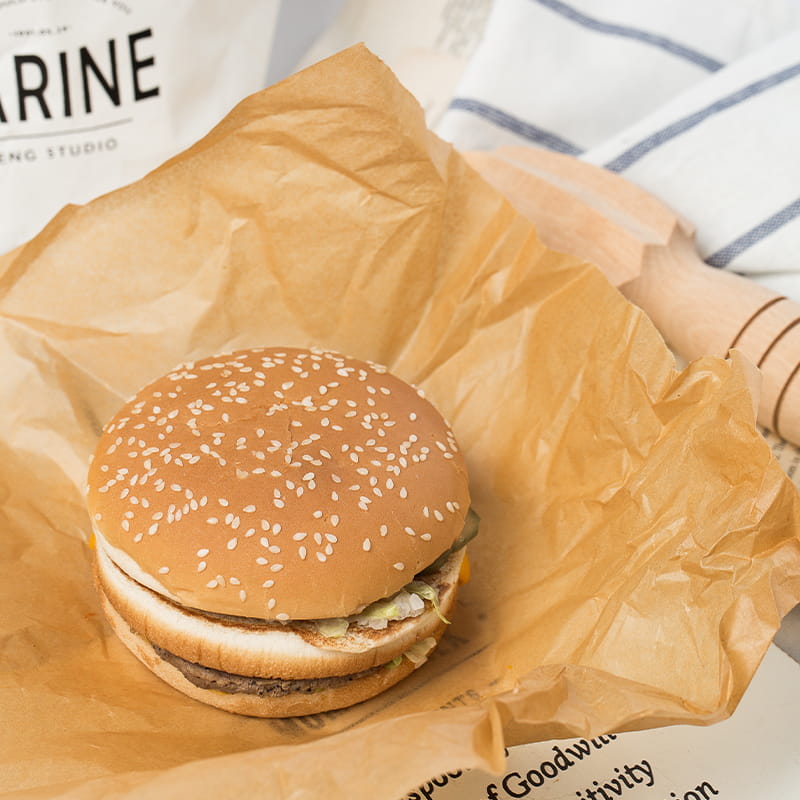
Product Features 1. Virgin wood pulp 2. Flexographic printing 3. Eco-friendly water-based ink 4. BPA free Product Details: Introducing our premium Greaseproof Sandwich Paper Sheets, a...
See Details

Professional Baking Parchment Paper Manufacturer in China with more than 15 years silicone coating experience.
Products
Contact Us
- No.10 Longyin Road, Chengnan Industrial Park,Longyou, Quzhou, China.
- +86-18968091013 / +86-571-88639705
- Avayao-1990@hotmail.com
Copyright © Zhejiang Guanghe New Materials Co., Ltd. All Rights Reserved.
Parchment Paper & Baking Paper Sheets Manufacturer
