 English
 中文简体
中文简体
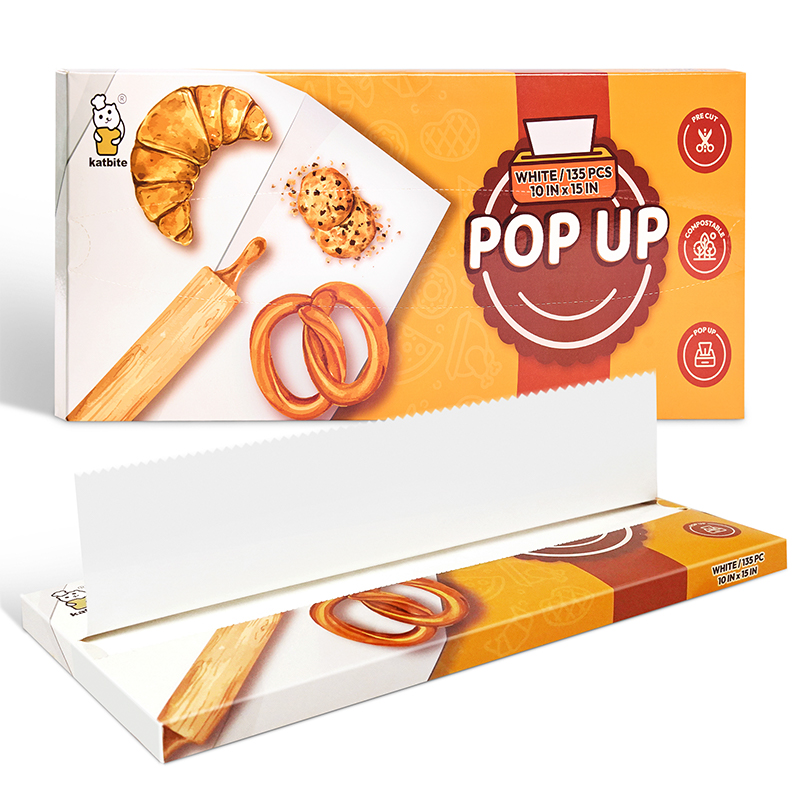
Product details: Pop-up parchment paper sheets, an environment-friendly product, are composed of wood pulp and are double-side coated with silicone. Such a coating makes our paper smooth, greasepr...
See DetailsHome / News / Industry News / Easy Separation Burgers Patty Paper: The Secret Ingredient for Perfectly Shaped Burgers
Easy Separation Burgers Patty Paper: The Secret Ingredient for Perfectly Shaped Burgers
Making burgers at home involves a series of small decisions that shape the final experience, from choosing the right ground meat blend to achieving even cooking and attractive presentation. One straightforward tool that quietly improves several of those steps is Easy Separation Burgers Patty Paper—thin, coated sheets designed to keep raw patties from adhering to each other or to work surfaces. The coating allows patties to slide off easily, helping cooks maintain consistent shape from the moment the meat is portioned until it hits the grill or skillet.
Why Separation Improves Patty Quality
When ground meat is shaped into patties, natural juices and fats make the surfaces slightly tacky. Stacking unshrouded patties leads to bonding between layers, which often results in torn edges, flattened spots, or uneven thickness when separation is forced. Non-stick patty paper interrupts that contact. A common routine places one sheet on the counter or tray, adds a portion of seasoned meat, gently forms it into a round disc of uniform thickness, and covers it with another sheet before continuing with the next patty.
The stack that forms separates without resistance, preserving the intended round shape and even depth across the batch. Patties of consistent thickness cook more predictably—thinner areas no longer char while thicker centers stay pink. The paper also wicks away a small amount of surface moisture during chilling, which can encourage a better crust when the patties meet heat. Cooks notice the difference on the plate: burgers look neater, hold together better when flipped, and present an appealing, professional appearance even when prepared casually at home.
Advantages for Refrigeration and Freezer Storage
Most people who enjoy burgers prepare more patties than they plan to cook in one sitting. Refrigerating or freezing the extras becomes routine, yet without separation the patties tend to fuse into a single frozen mass. Removing only one or two requires prying them apart, often damaging edges or compacting the meat.
Placing a sheet between each patty solves this problem cleanly. In the refrigerator, the paper keeps layers independent so a cook can pull a single patty for tomorrow's dinner without disturbing the others. In the freezer, the coating continues to perform under cold conditions, preventing ice crystals from locking patties together even after several weeks. Thawing happens in an orderly way—each patty releases from its sheet without sticking, ready for a quick pat-down with seasoning or straight placement on the cooking surface.
| Situation | Benefit of Non-Stick Patty Paper |
|---|---|
| Refrigerator storage | Keeps patties separate → easy to remove one without disturbing others |
| Freezer storage | Prevents ice crystal bonding → patties stay independent for weeks |
| Thawing process | Clean, orderly release → no sticking, ready for seasoning or cooking |
| Overall handling | Quick single-patty access → supports advance prep and portion control |
This separation encourages advance preparation. A single session of mixing, portioning, and stacking can supply patties for multiple meals, reducing the need for last-minute shaping on busy evenings. The method also supports experimenting with variations—different fat ratios, added herbs, minced vegetables, or spice blends—since individual patties can be labeled and stored separately.
Support During the Cooking Stage
Non-stick patty paper assists at several points during actual cooking. For smash-style burgers, where a loose ball of meat is pressed flat on a screaming-hot surface to develop a deeply caramelized crust, placing a sheet over the patty before pressing prevents the meat from clinging to the spatula or press tool. The paper allows firm, even downward force without tearing the surface, then peels away cleanly once the side has set.
When transferring patties from fridge or freezer to grill or pan, the paper provides a stable base for sliding them directly onto the heat. Some cooks use a sheet under frozen patties on sheet pans for oven baking or air-frying, catching drippings and simplifying tray cleanup afterward. The non-stick release makes it easy to lift cooked patties without scraping or leaving residue behind.
Hygienic Handling of Raw Ground Meat
Ground meat demands careful handling because surface bacteria can be distributed throughout the product during grinding. Non-stick patty paper adds a hygienic layer between hands and raw meat while shaping. Less direct contact reduces the transfer of skin bacteria to the food and of meat juices to countertops, cutting boards, or utensils.
When patties are layered, the paper stops juices from one patty dripping onto the one below, limiting the spread of potential contaminants across the stack. In the refrigerator or freezer, separation lowers the chance of raw meat juices migrating to nearby ready-to-eat foods. While core safety practices—thorough hand washing before and after handling, dedicated tools for raw meat, separate storage zones, and cooking to safe internal temperatures—remain non-negotiable, the paper contributes convenience to these routines.
Wider Applications Around the Kitchen
The same non-stick surface that keeps burger patties independent proves useful in many other cooking tasks. Portioning ground meat for meatballs, breakfast sausage patties, or meatloaf slices follows the same layering technique before freezing, keeping single servings easy to grab. Sliced cheeses, cold cuts, or pre-portioned fish fillets store neatly when separated, preventing fusion in crowded refrigerator drawers.
Bakers often use similar paper to line sheet pans when roasting vegetables, proteins, or oven-baked snacks, catching drips and reducing scrubbing time afterward. Rolling out pie dough, cookie dough, or flatbreads becomes less messy with a sheet underneath to prevent sticking to the counter and another on top to allow rolling without heavy flour dust everywhere. Wrapping sandwiches, burritos, or fruit slices for packed lunches creates compact packages that resist sogginess from moisture migration.
Snack preparation benefits as well—sliced apples, pears, or vegetables intended for dehydration or freezing stay separate and easy to portion. When working with sticky confections such as toffee, marshmallows, or chocolate-dipped items, the paper offers a clean release surface after cooling. These diverse uses transform the paper from a single-purpose burger aid into a general kitchen helper that earns its place in drawers or cabinets.
Integration into Meal Preparation Habits
Households that prepare burgers frequently find non-stick patty paper streamlines weekly food prep. A dedicated hour of mixing ground meat with seasonings, portioning, shaping, and separating yields stacks ready for freezing. Labeled bags or containers hold patties organized by date, flavor profile, or intended use, turning a potentially repetitive task into an efficient routine.
| Step in Weekly Prep | Benefit of Non-Stick Patty Paper |
|---|---|
| Dedicated prep session | One hour mixes, portions, shapes & separates multiple patties |
| Stacking & separation | Creates neat, easy-to-separate stacks |
| Freezer storage | Patties stay independent and ready for freezing |
| Organization | Labeled bags/containers sort by date, flavor, or purpose |
| Overall outcome | Turns repetitive task into fast, efficient routine |
The resulting consistency simplifies weeknight meals—thaw one or two patties, add a quick seasoning rub if desired, and cook with reliable timing. Families with different tastes can keep several variations on hand—classic beef, turkey blends, or plant-forward mixes—without confusion. Children often respond positively to uniformly shaped burgers that cook evenly, reducing complaints about dry edges or underdone centers.
In outdoor seasons, the paper keeps patties neatly organized inside coolers for beach trips, park picnics, or tailgate gatherings. It prevents sticking during transport and allows fast setup at the destination, letting everyone focus on the grill and conversation rather than wrestling with fused patties.
Practical Value in Food Service and Busy Kitchens
In the fast-moving environment of a restaurant kitchen, catering operation, or food-truck prep area, time and consistency drive everything. Non-stick patty paper becomes a quiet ally when chefs or line cooks need to prep dozens or hundreds of patties ahead of the rush. They can form large batches during slower hours, layer each one between sheets, and slide the stacks into refrigeration or freezers knowing the patties will stay separate and ready to grab when orders start flying in. The paper prevents patties from fusing together overnight or during busy shifts, so cooks aren't wasting seconds prying them apart or dealing with torn edges that would ruin plate presentation.
The reduction in damaged patties directly cuts down on food waste and rework. When every patty arrives at the grill or flattop looking uniform, the final burgers look better on the plate, which matters for customer satisfaction and photo-worthy dishes in today's social-media-driven dining scene. For mobile setups—food trucks, pop-ups, or event catering—where cooler space is tight and refrigeration limited, pre-separated frozen patties thaw more evenly and cook in predictable time frames. That reliability translates to quicker ticket times and happier lines. The hygienic layer between patties also fits naturally into protocols that stress clean handling of raw proteins, helping maintain an organized, low-risk workflow even when the pace picks up.
Everyday Storage and Usage Notes
Pre-cut sheets sized to match typical burger dimensions eliminate the need to trim edges, letting cooks move through prep quickly. The food-grade coating holds up well in refrigerators, freezers, and during short contact with warm surfaces without breaking down or transferring off-flavors. Most people simply toss the used sheets after shaping or thawing, which keeps counters clean and reduces cross-contamination concerns. That said, some home cooks opt for reusable versions—silicone-coated or parchment-style sheets that can be wiped down and stored for repeated use—especially if they're mindful of waste.
Storing the paper takes almost no effort. A flat stack fits neatly in a kitchen drawer, pantry shelf, or cabinet door organizer, staying out of the way until needed. Households that grill burgers weekly or bi-weekly often keep a larger pack on hand, while occasional cooks do fine with a smaller box that lasts months. Either way, the paper remains instantly accessible for spur-of-the-moment burger nights, quick protein portioning, or any task that benefits from a reliable non-stick barrier.
Encouraging Enjoyable Home Cooking
Little frustrations can turn cooking from a pleasure into a chore. When patties stick together, tear apart during separation, cook unevenly because of inconsistent thickness, or leave greasy smears on counters, the whole experience feels harder than it should. Non-stick patty paper quietly removes those obstacles. Once separation, shape retention, and clean release become effortless, cooks feel freer to experiment—trying leaner blends, higher-fat mixes, bold spice combinations, finely minced vegetables folded in, or even plant-based patties—without worrying that the patties will fall apart before they reach the plate.
That confidence spills over into sharing meals. A well-formed burger looks inviting on the bun, holds together when bitten, and delivers consistent texture and juiciness from edge to center. Family members and friends notice the difference, even if they can't pinpoint why the burgers taste and look better than usual. Over time the paper simply becomes part of the routine, like having sharp knives or a good spatula—something you reach for without thinking because it makes the process smoother and more rewarding. Casual Tuesday-night dinners feel a little more special, and weekend cookouts turn into relaxed, enjoyable gatherings instead of stressful production lines.
Why Choose Zhejiang Guanghe New Materials Co., Ltd.
When selecting non-stick patty paper, you need a reliable product capable of effortlessly handling the rigorous demands of a busy commercial kitchen—whether it involves separating hundreds of patties during peak prep times, keeping stacks of frozen patties neatly organized for quick access, or ensuring patties release easily from the grill during large-scale barbecues.
In this field, Zhejiang Guanghe New Materials Co., Ltd. stands out as your ideal choice, distinguished by an unwavering commitment to quality and a relentless pursuit of practical innovation. The company specializes in the research and development of food-grade coatings, ensuring that its products maintain exceptional performance across various environments—including refrigeration, freezing, and even exposure to short-term heat. Furthermore, thanks to precision cutting techniques and a material structure that balances durability with lightweight convenience, every sheet of non-stick paper we provide effectively streamlines your workflow, ensuring your operations remain hassle-free.
Choosing Zhejiang Guanghe New Materials Co., Ltd. means partnering with a company that truly understands the real-world pace of food preparation. Here, every sheet of non-stick paper plays a pivotal role in helping you achieve faster prep speeds, maintain a cleaner workspace, and ensure that every burger you serve boasts a flawless appearance and texture.
Related Products
-
-
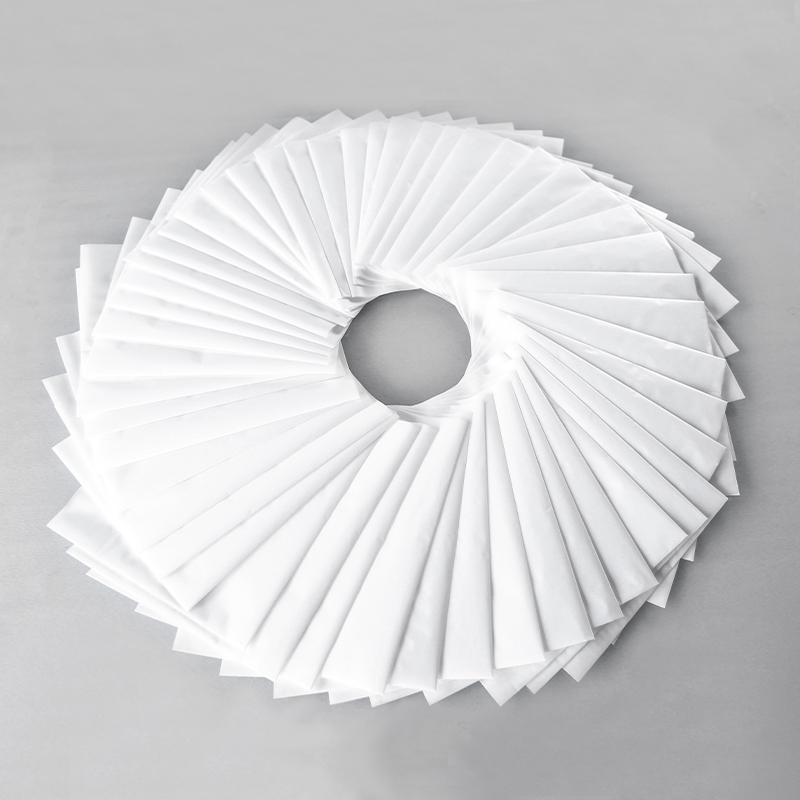
Product details: Folded baking paper sheets, an environment-friendly product, are composed of wood pulp and are double-side coated with silicone. Such a coating makes our paper smooth, greaseproof and...
See Details -
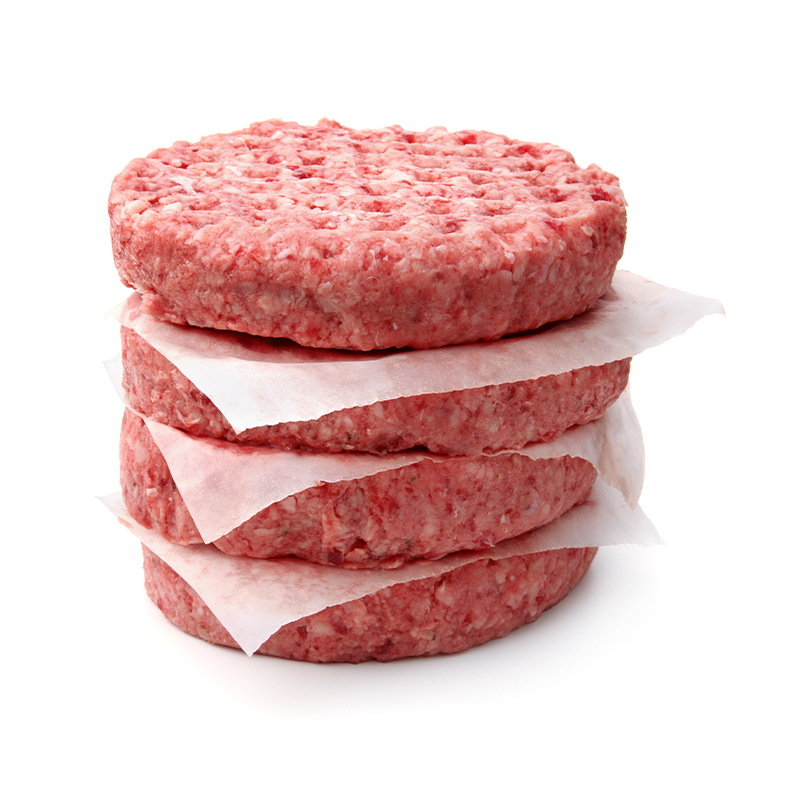
Description: Wax paper is the paper that is coated with food-grade wax in order to make it non-stick and waterproof. wax paper is very good for food storing and presentingMade of food-grade paper and ...
See Details -
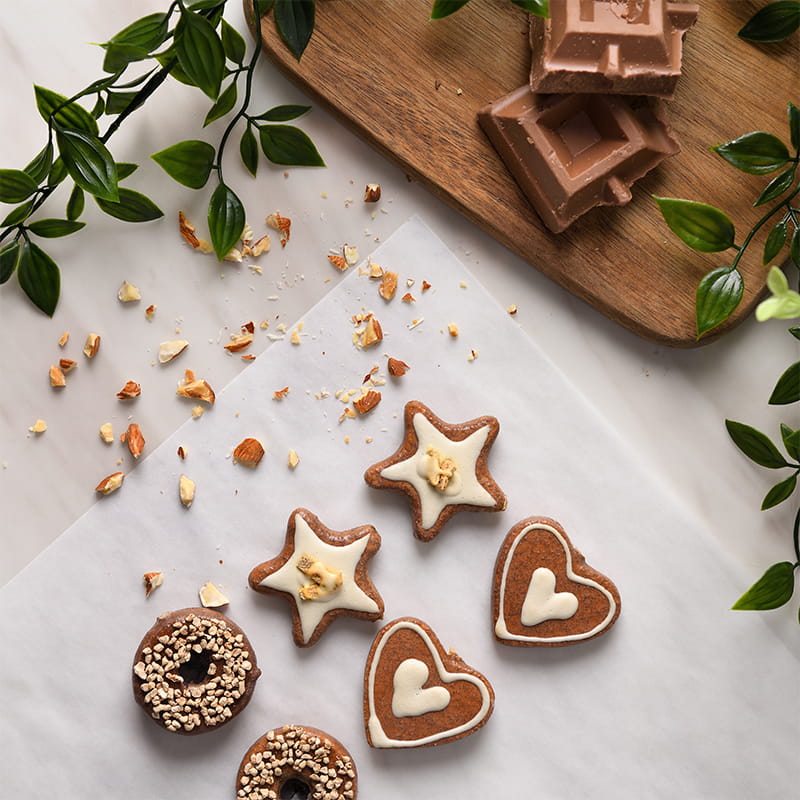
Product Features: 1. Virgin wood pulp 2. Double sides food grade silicone-treated 3. Fluorine-free 4. Non-stick 5. Oven/Microwave safe 6. Freezer safe 7. Reusable 8. BPA f...
See Details -
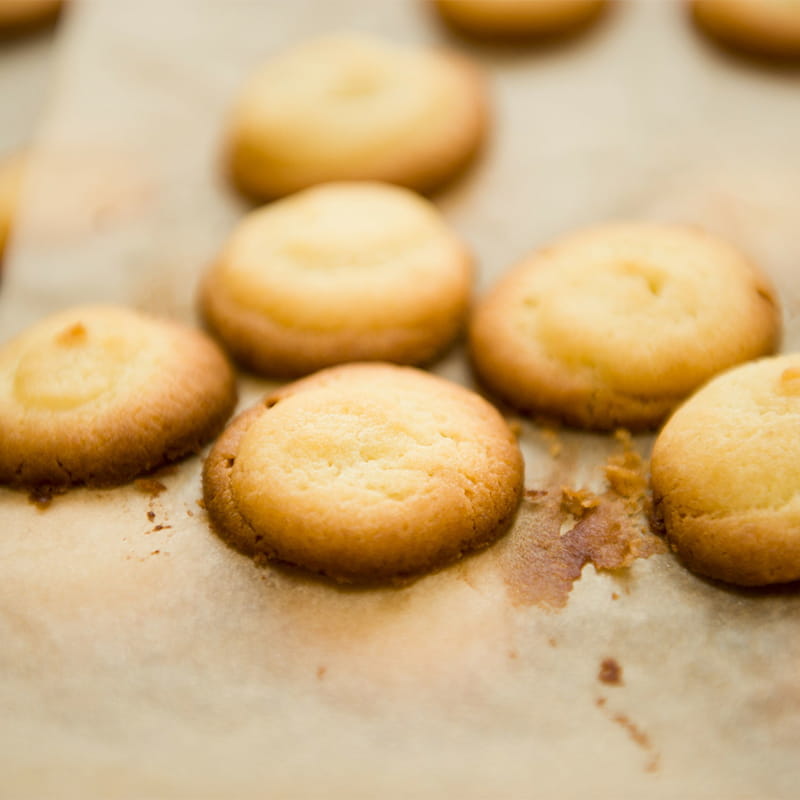
Product Features: 1. Virgin wood pulp 2. Natural unbleached brown color 3. Double sides food grade silicone-treated 4. Fluorine-free 5. Non-stick 6. Oven/Microwave safe 7. Fre...
See Details -
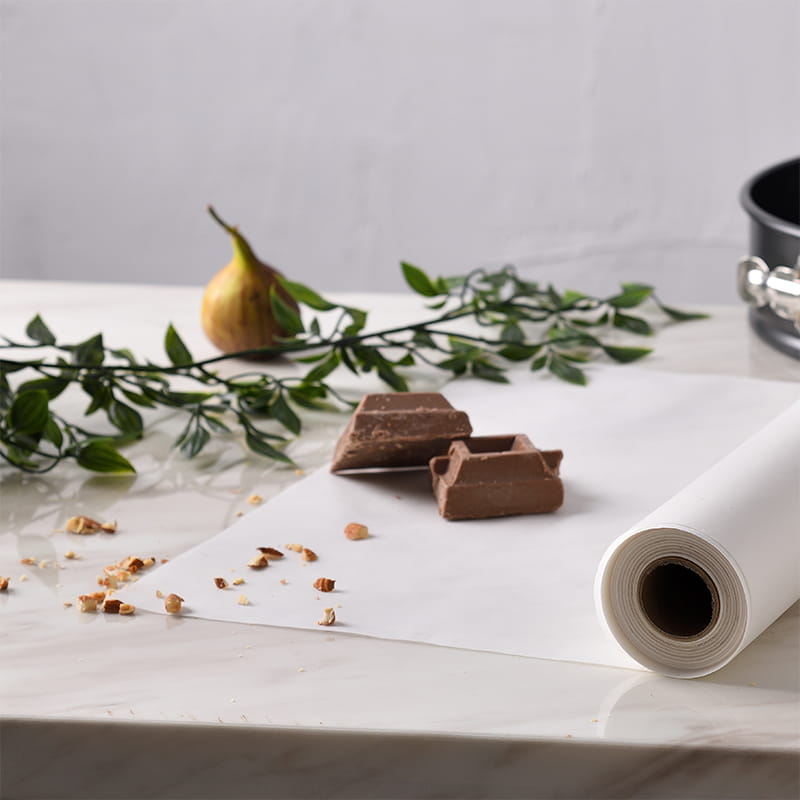
Product Features: 1. Virgin wood pulp 2. Double sides food grade silicone treated 3. Fluorine-free 4. Non-stick 5. Oven/Microwave safe 6. Freezer safe 7. Reusable 8. BPA ...
See Details -
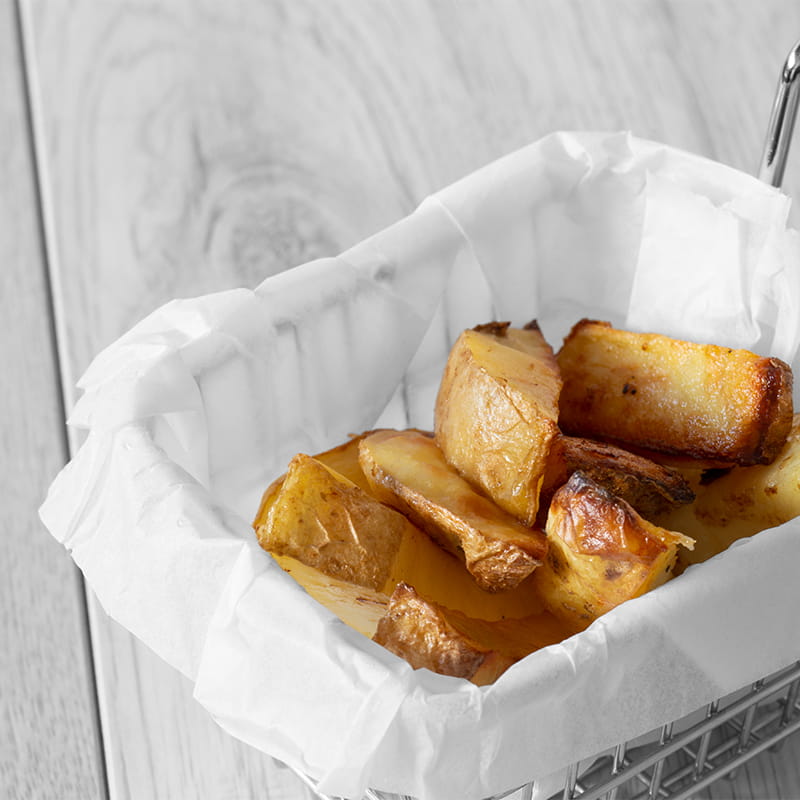
Product Features: 1. Virgin wood pulp 2. Fluorine-free 3. BPA free 4. Biodegradable Product Details: In an era where environmental consciousness and sustainability are paramount, Natu...
See Details -
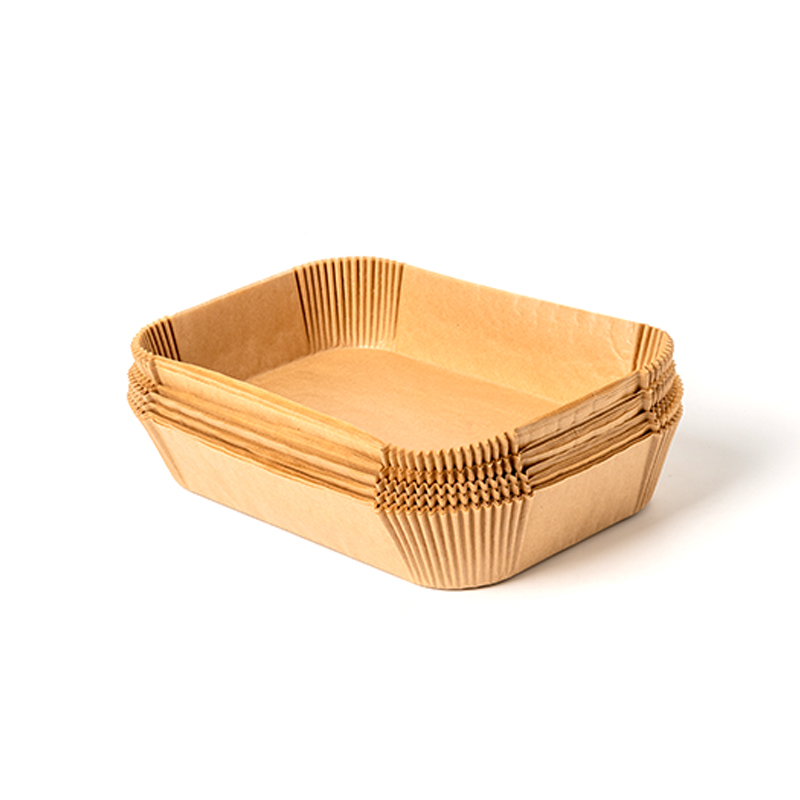
Product Features: 1. Virgin wood pulp 2. Double sides food grade silicone-treated 3. Fluorine-free 4. Non-stick 5. Air fryer basket safe 6. Reusable 7. BPA free 8. Biodeg...
See Details -
Product Features: 1. Virgin wood pulp 2. Natural unbleached brown color 3. Fluorine-free 4. BPA free 5. Biodegradable Product Details: Introducing our Unbleached Brown Food Grade ...
See Details -
Product Features: 1. Virgin wood pulp 2. Double sides food grade silicone treated 3. Fluorine-free 4. Non-stick 5. Steamer/air fryer basket safe 6. Reusable 7. BPA free 8...
See Details -
Product Features: 1. Virgin wood pulp 2. Double sides food grade silicone treated 3. Fluorine-free 4. Non-stick 5. Easy to separate 6. Reusable 7. BPA free 8. Biodegradab...
See Details -
Product Features 1. Virgin wood pulp 2. Flexographic printing 3. Eco-friendly water-based ink 4. BPA free Product Details: Introducing our premium Greaseproof Sandwich Paper Sheets, a...
See Details

Professional Baking Parchment Paper Manufacturer in China with more than 15 years silicone coating experience.
Products
Contact Us
- No.10 Longyin Road, Chengnan Industrial Park,Longyou, Quzhou, China.
- +86-18968091013 / +86-571-88639705
- Avayao-1990@hotmail.com
Copyright © Zhejiang Guanghe New Materials Co., Ltd. All Rights Reserved.
Parchment Paper & Baking Paper Sheets Manufacturer
