 English
 中文简体
中文简体
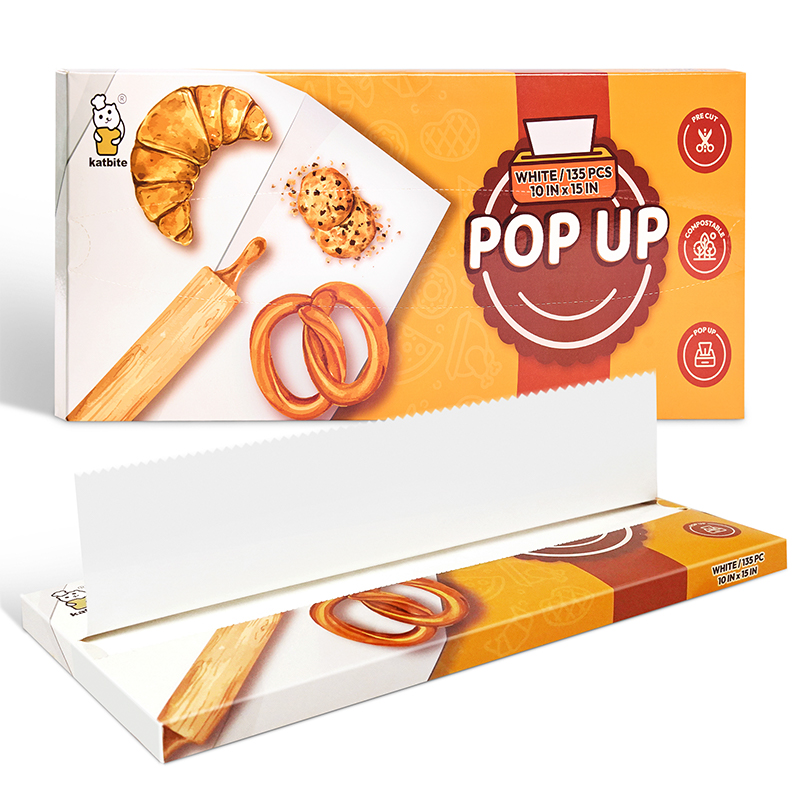
Product details: Pop-up parchment paper sheets, an environment-friendly product, are composed of wood pulp and are double-side coated with silicone. Such a coating makes our paper smooth, greasepr...
See DetailsHome / News / Industry News / Double Sides Silicone Coated Baking Parchment Paper: Revolutionizing Baking and Cooking
Double Sides Silicone Coated Baking Parchment Paper: Revolutionizing Baking and Cooking
Double Sides Silicone Coated Baking Parchment Paper offers a practical solution for everyday baking and cooking needs. The material features a thin cellulose base sheet treated with food-safe silicone on both surfaces. This dual coating creates a consistent barrier that resists adhesion and handles typical oven temperatures effectively.
What is Double-Sided Silicone Baking Paper
The paper begins with a cellulose foundation processed into a lightweight, flexible sheet. Silicone application covers each side evenly, forming identical non-stick properties. Users place the sheet without worrying about orientation, as both faces perform similarly.
The coating acts as a protective layer that prevents food from bonding to bakeware. Heat transfers through the thin structure, allowing even cooking while the silicone maintains stability.
Cellulose Base Properties
Cellulose fibers form the core material, providing natural strength after processing. The sheet resists tearing under normal handling and folding. It allows some breathability, permitting steam to escape while containing liquids and fats.
The base contributes to overall flexibility, enabling the paper to conform to tray shapes or fold into packets. It supports cutting to custom sizes without fraying.
Silicone Coating Function
Food-contact silicone applies in a thin, uniform layer on both sides. The coating bonds to the cellulose, creating a smooth, low-friction surface. It remains inert during use, avoiding flavor transfer or chemical interaction with ingredients.
The silicone resists moisture and oil penetration, preserving the paper's condition during cooking. It enhances durability compared to uncoated paper.
| Feature of Food-Contact Silicone Coating | Main Benefit / Effect |
|---|---|
| Applied in a thin, uniform layer on both sides | Creates even coverage across the paper surface |
| Bonds securely to the cellulose base | Forms a stable, integrated coating |
| Provides a smooth, low-friction surface | Allows easy release of food and reduces sticking |
| Remains chemically inert during use | Prevents flavor transfer or interaction with ingredients |
| Resists penetration by moisture and oil | Maintains paper integrity during cooking and baking |
| Enhances overall durability | Stronger and more resistant than uncoated paper |
Heat Transfer Characteristics
The thin profile permits direct heat flow to food surfaces. This supports uniform temperature distribution, promoting consistent browning and texture. The material avoids insulating effects that might slow cooking.
Stability across oven ranges allows use in various recipes without breakdown or odor release.
Non-Stick Performance Explained
Silicone surfaces lower adhesion between food and the paper. Sugars, proteins, and fats encounter minimal bonding, enabling clean release after cooling. The dual coating ensures release works equally well on either side.
The barrier reduces scorching risks by limiting direct pan contact. Items separate smoothly, preserving shape and appearance.
Baking Sweet Items
Cookies spread evenly on lined trays, with bottoms browning uniformly. The non-stick surface prevents sticking, allowing easy removal. Cakes lift from pans cleanly, supporting smooth frosting application.
Pastries and delicate confections maintain form during baking. Multiple pieces fit on one sheet while staying separate for even air circulation.
Yeast Dough and Bread Applications
Rolls and flatbreads rise without anchoring to the tray. Crust develops consistently due to proper steam escape. The paper aids transfer from counter to oven.
Dough shaping benefits from rolling between sheets to contain flour and prevent sticking.
Roasting Vegetables
Root crops and greens caramelize on lined trays. Natural sugars concentrate without pan adhesion. The paper contains juices, simplifying removal and cleanup.
Mixed vegetables cook evenly, with seasonings staying on the food.
Cooking Fish and Poultry
Fillets release cleanly after baking. Juices contain for moisture retention. Poultry browns externally while staying tender inside.
Wrapping proteins in folded sheets creates gentle steaming conditions.
Grilling and Broiling Uses
Sheets on grill racks provide a clean platform. Food contacts heat while drippings stay managed. The material handles radiant heat in moderate setups.
Parcels allow enclosed cooking of vegetables or seafood, with easy unfolding.
Batch Cooking and Meal Prep
Portioning ingredients on the sheet organizes trays. Items stay separate for uniform seasoning. Pre-cut sheets speed lining multiple pans.
The paper supports efficient preparation of family meals or weekly batches.
Cleanup Advantages
Used sheets peel from bakeware, taking residues away. Pans need minimal washing, preserving surfaces. Reduced scrubbing extends tray lifespan.
Time saved allows quicker kitchen transitions.
Support for Lighter Cooking
Release properties decrease added fat needs. Dishes use natural oils from ingredients. Flavors develop cleanly without extra greasing.
Baked goods retain moisture balance without surface oil.
Reuse in Light Tasks
Dry baking leaves little residue, permitting wiping and reuse. The coating maintains performance for similar applications. Sticky items limit reuse.
Households baking often extend sheet value.
Pastry Work Support
Dough rolls between sheets without sticking. Cut shapes transfer intact. Laminated doughs fold cleanly.
Rolled cones hold decorating materials, releasing contents smoothly.
Steaming and Parcel Methods
Folded packets steam food in the oven. Moisture infuses flavors while containing liquids. Unfolding occurs cleanly.
Lining steamer inserts prevents adhesion during vapor cooking.
Portable Wrapping
Sandwiches stay secure in transit. Fillings release easily when unwrapping. Sheets fold without tearing.
Snacks portioned on the paper remain fresh for carrying.
Microwave and Stovetop Roles
Covering dishes contains microwave splatters. The paper stays stable briefly. Skillet lining supports low-oil cooking.
Sheets cover pots during simmering to trap heat.
Uniform Cooking Outcomes
Even heat promotes consistent browning. Cookies spread predictably, cakes rise level. Roasted items caramelize uniformly.
The barrier minimizes pan contact variables.
| Aspect of Uniform Cooking Outcomes | Main Benefit / Effect |
|---|---|
| Even heat distribution | Promotes consistent browning across all items |
| Predictable cookie spreading | Cookies achieve uniform shape and thickness |
| Level cake rising | Cakes rise evenly without doming or sinking |
| Uniform caramelization | Roasted items develop even color and flavor |
| Reduced pan contact variables | Silicone barrier minimizes direct pan influence on cooking results |
Counter Protection Uses
Sheets protect surfaces during prep. Temporary mats contain messes. Non-stick quality eases residue removal.
The material aids decorative work release.
Educational and Professional Value
Learning environments demonstrate heat principles. Beginners gain confidence from reliable results. Professional kitchens value consistent release.
Reduced maintenance supports workflow.
Storage Practices
Sheets stack in drawers due to flexibility. Silicone resists moisture absorption. Rolled formats dispense easily.
Accessibility encourages frequent use.
Daily Kitchen Role
Routine interaction builds familiarity. The paper adapts to recipes and styles. It contributes to successful cooking quietly.
Core Benefits Overview
Dual coating provides reliable non-stick, heat transfer, and versatility. Cleanup simplifies, pan care improves, cooking lightens. The material serves as a dependable kitchen tool.
Zhejiang Guanghe New Materials Co., Ltd.
As Zhejiang Guanghe New Materials Co., Ltd. continues to advance its silicone-coated parchment production in the industrial corridors of Zhejiang, the company focuses on refining the balance between coating uniformity, heat stability, and everyday kitchen practicality to address the evolving expectations of home bakers and professional foodservice operations.
Rather than simply maintaining established production lines, Guanghe integrates incremental improvements in cellulose-silicone bonding techniques and surface consistency across both sides, enabling the material to deliver dependable release and even heat distribution under increasingly varied cooking conditions.
In a market where reliable performance in small daily tasks accumulates into widespread adoption, Zhejiang Guanghe New Materials Co., Ltd. positions its double-sided coated baking parchment as a quiet, consistent enabler of cleaner workflows, reduced waste, and more predictable results for cooks who value functionality over complexity.
Related Products
-
-
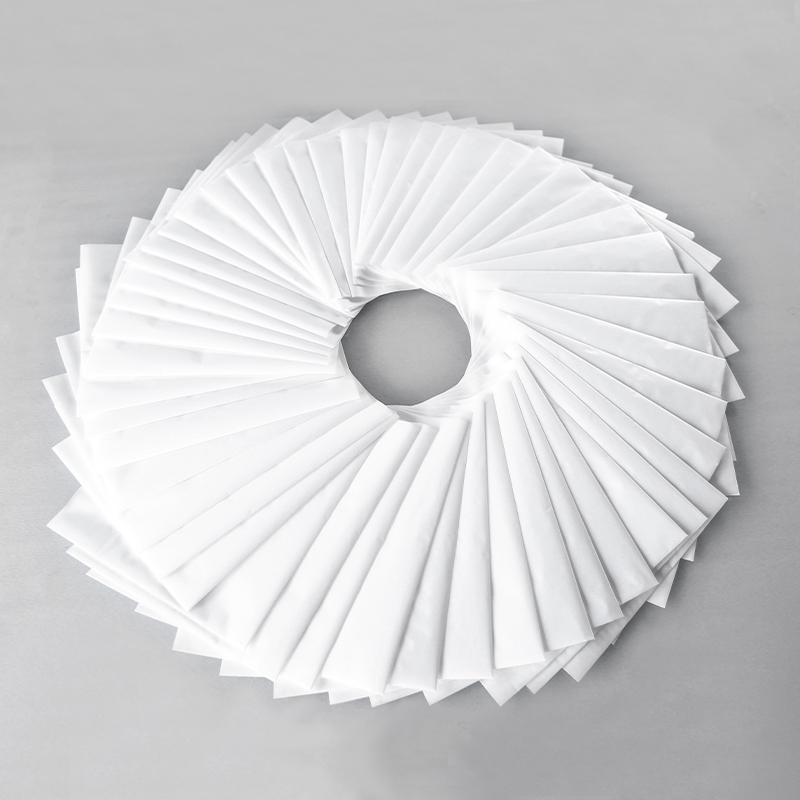
Product details: Folded baking paper sheets, an environment-friendly product, are composed of wood pulp and are double-side coated with silicone. Such a coating makes our paper smooth, greaseproof and...
See Details -
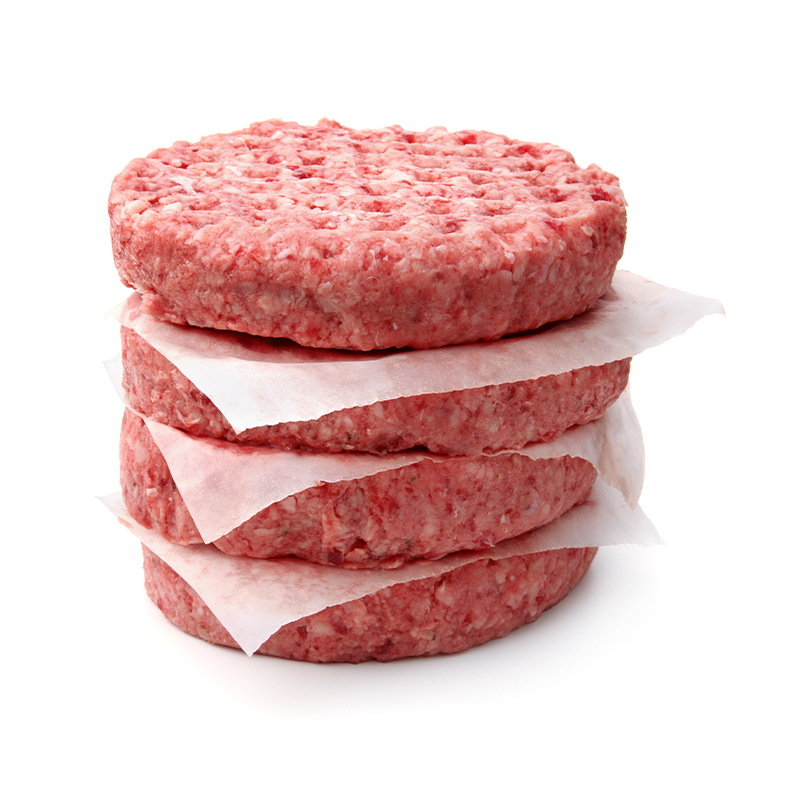
Description: Wax paper is the paper that is coated with food-grade wax in order to make it non-stick and waterproof. wax paper is very good for food storing and presentingMade of food-grade paper and ...
See Details -
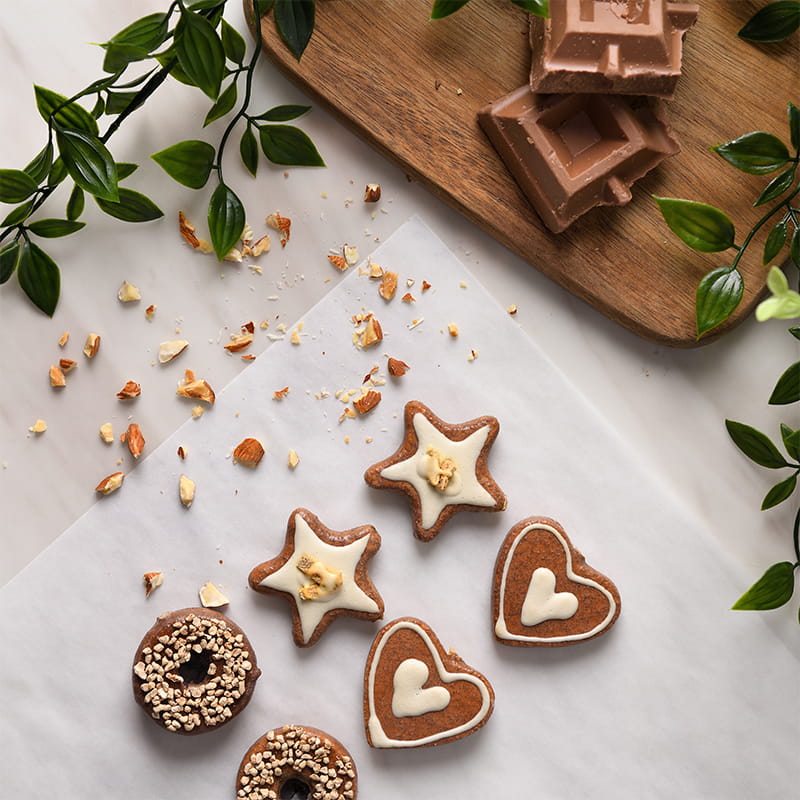
Product Features: 1. Virgin wood pulp 2. Double sides food grade silicone-treated 3. Fluorine-free 4. Non-stick 5. Oven/Microwave safe 6. Freezer safe 7. Reusable 8. BPA f...
See Details -
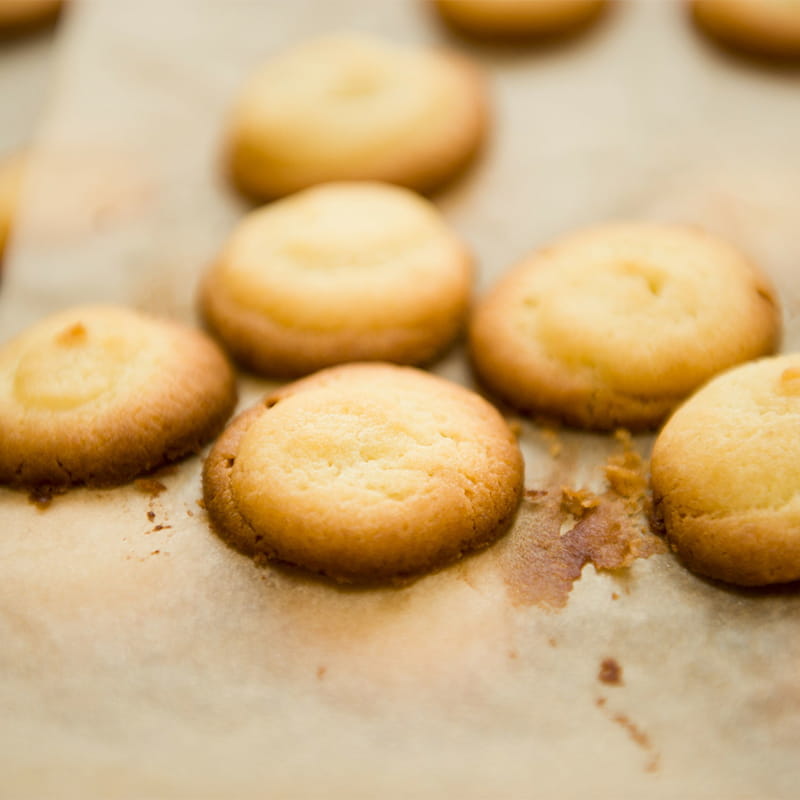
Product Features: 1. Virgin wood pulp 2. Natural unbleached brown color 3. Double sides food grade silicone-treated 4. Fluorine-free 5. Non-stick 6. Oven/Microwave safe 7. Fre...
See Details -
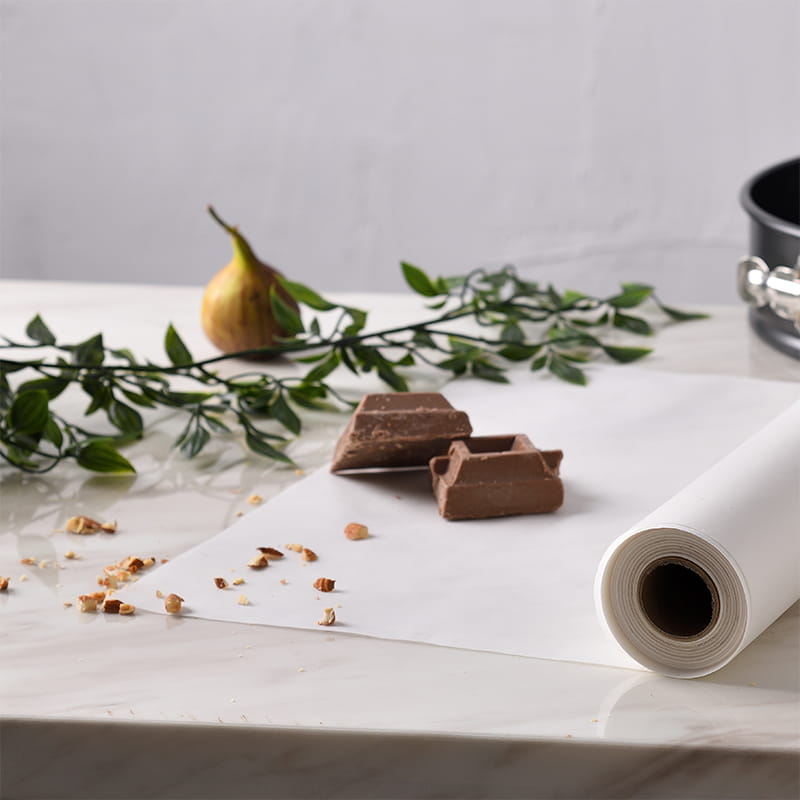
Product Features: 1. Virgin wood pulp 2. Double sides food grade silicone treated 3. Fluorine-free 4. Non-stick 5. Oven/Microwave safe 6. Freezer safe 7. Reusable 8. BPA ...
See Details -
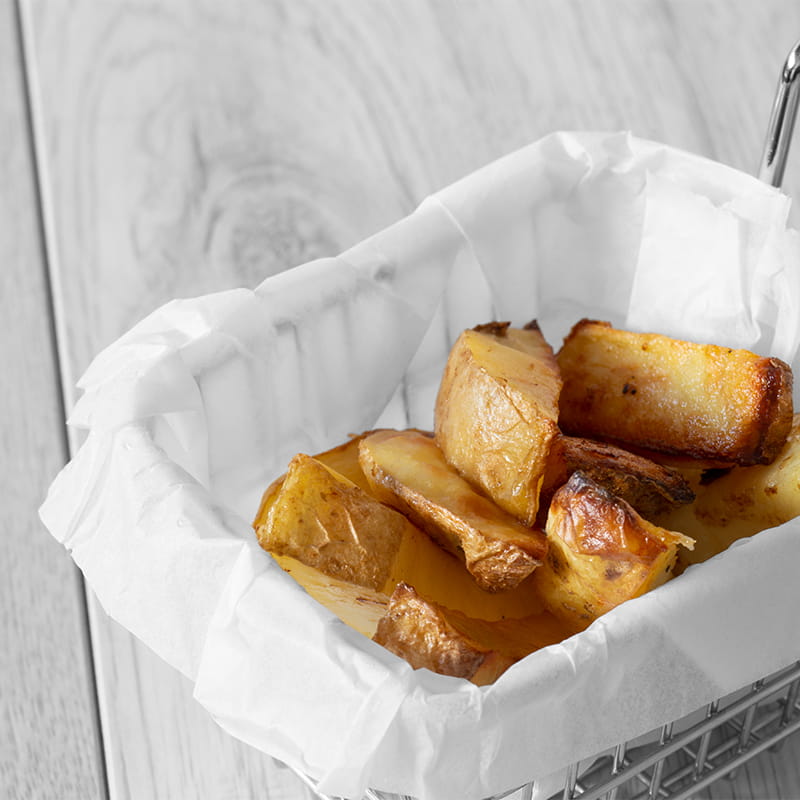
Product Features: 1. Virgin wood pulp 2. Fluorine-free 3. BPA free 4. Biodegradable Product Details: In an era where environmental consciousness and sustainability are paramount, Natu...
See Details -
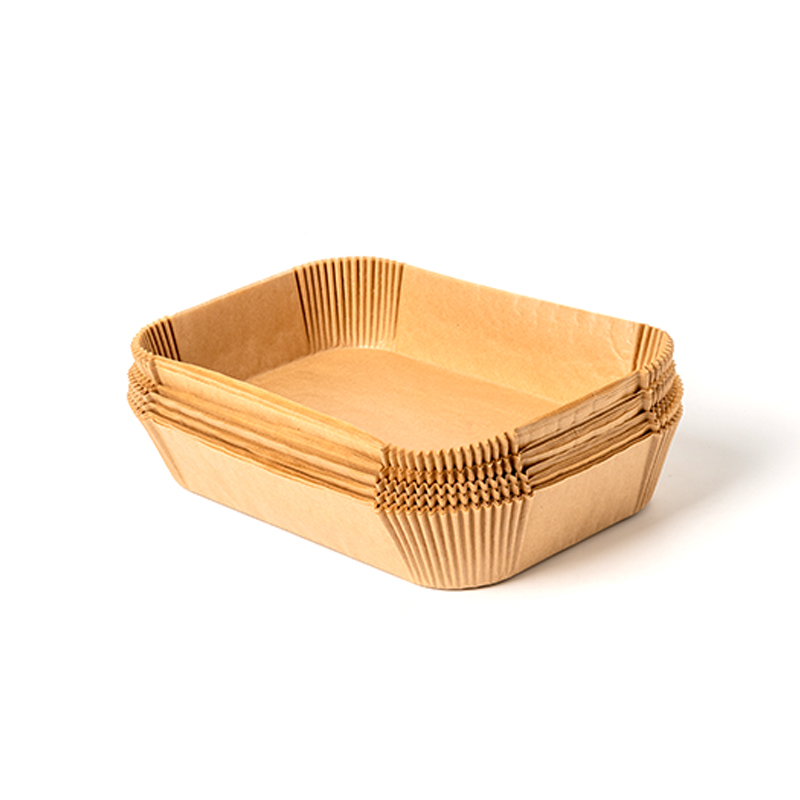
Product Features: 1. Virgin wood pulp 2. Double sides food grade silicone-treated 3. Fluorine-free 4. Non-stick 5. Air fryer basket safe 6. Reusable 7. BPA free 8. Biodeg...
See Details -
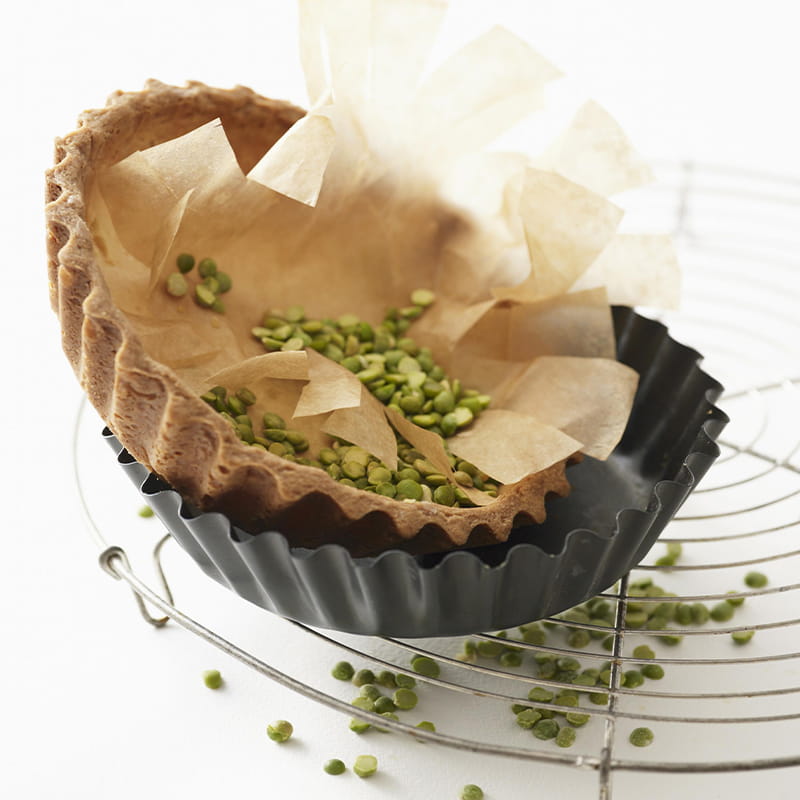
Product Features: 1. Virgin wood pulp 2. Natural unbleached brown color 3. Fluorine-free 4. BPA free 5. Biodegradable Product Details: Introducing our Unbleached Brown Food Grade ...
See Details -
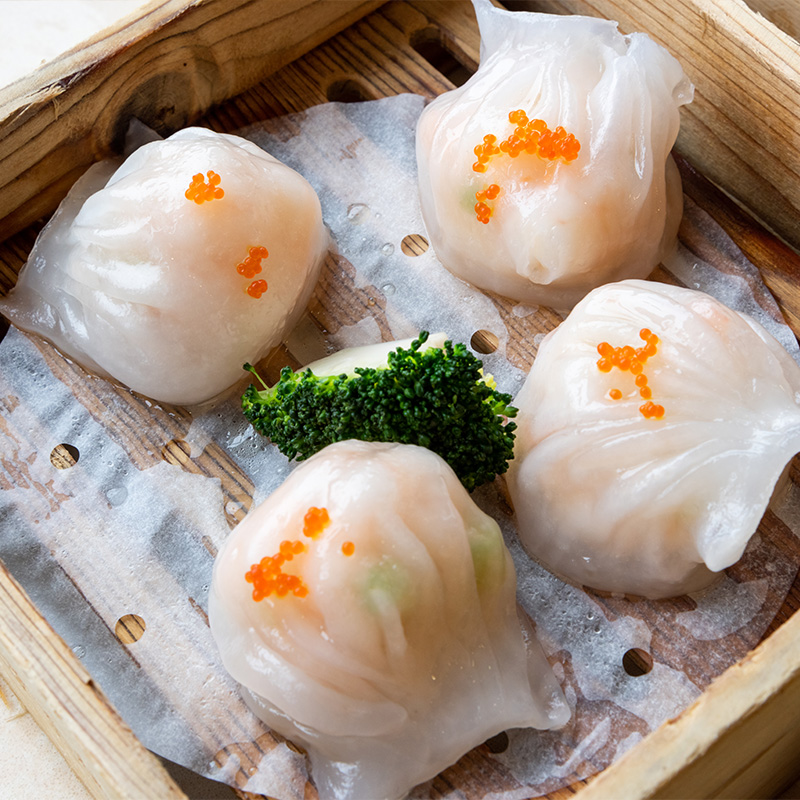
Product Features: 1. Virgin wood pulp 2. Double sides food grade silicone treated 3. Fluorine-free 4. Non-stick 5. Steamer/air fryer basket safe 6. Reusable 7. BPA free 8...
See Details -
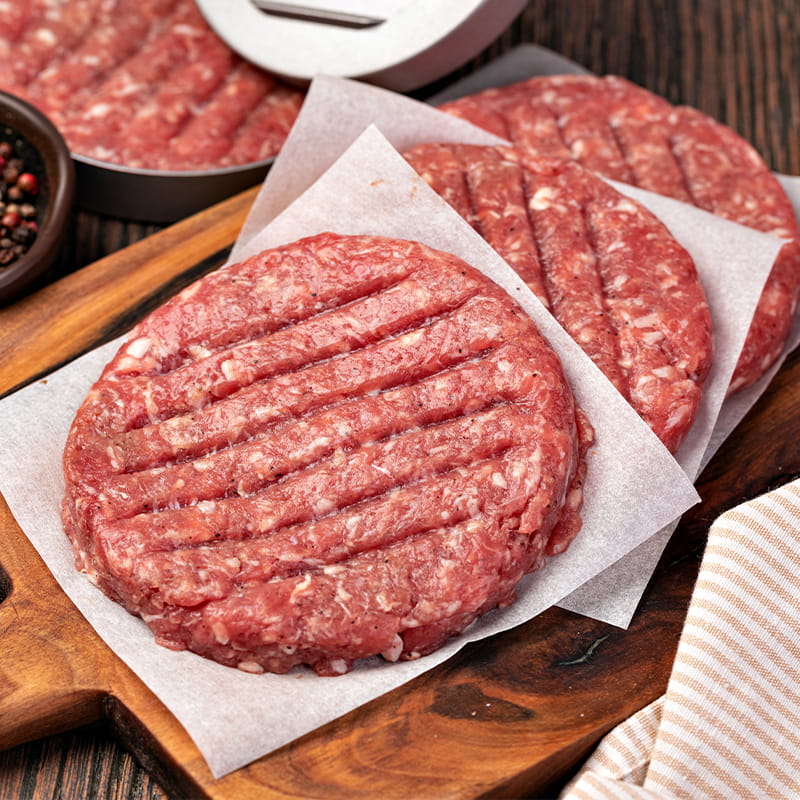
Product Features: 1. Virgin wood pulp 2. Double sides food grade silicone treated 3. Fluorine-free 4. Non-stick 5. Easy to separate 6. Reusable 7. BPA free 8. Biodegradab...
See Details -
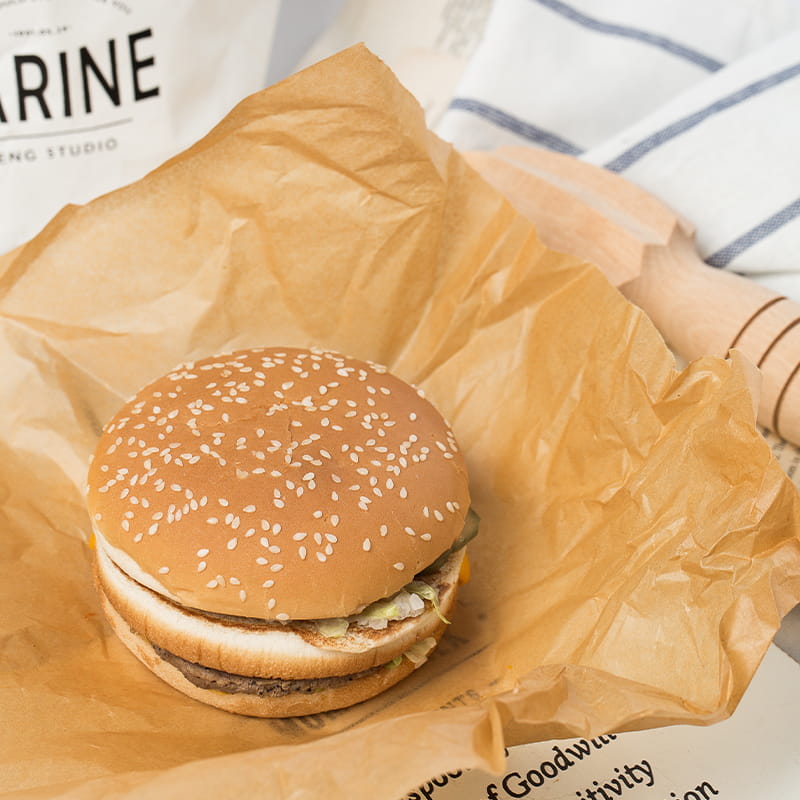
Product Features 1. Virgin wood pulp 2. Flexographic printing 3. Eco-friendly water-based ink 4. BPA free Product Details: Introducing our premium Greaseproof Sandwich Paper Sheets, a...
See Details

Professional Baking Parchment Paper Manufacturer in China with more than 15 years silicone coating experience.
Products
Contact Us
- No.10 Longyin Road, Chengnan Industrial Park,Longyou, Quzhou, China.
- +86-18968091013 / +86-571-88639705
- Avayao-1990@hotmail.com
Copyright © Zhejiang Guanghe New Materials Co., Ltd. All Rights Reserved.
Parchment Paper & Baking Paper Sheets Manufacturer
