 English
 中文简体
中文简体
Product details: Pop-up parchment paper sheets, an environment-friendly product, are composed of wood pulp and are double-side coated with silicone. Such a coating makes our paper smooth, greasepr...
See DetailsDim Sum Steamer Parchment Paper: A Culinary Staple Evolves
Dim sum has been around for a long time as a favorite Chinese way to eat. Small dishes like dumplings, buns, and rolls get shared at the table, often steamed fresh. Steaming keeps them light and full of flavor, but it can be tricky. Food sticks to the basket, shapes fall apart, or cleanup takes forever. That's where dim sum steamer parchment paper comes in. It's a thin sheet with holes that lines the steamer. Steam goes through, food doesn't stick, and things come out looking nice.
This paper changes how people steam dim sum. Home cooks get better results without frustration. Restaurant workers keep up during busy times. It's made from safe paper that holds up to heat and moisture. No odd tastes, no tearing when you lift the food. Just place it in the basket, add your dumplings or buns, steam, and serve.
What Dim Sum Steamer Parchment Paper Does in the Steaming Process
Steaming dim sum means putting delicate food in a bamboo or metal basket over boiling water. The steam rises and cooks everything gentle. But the basket slats can trap dough or filling if nothing's in between. Parchment paper fixes that. Cut to fit round or square baskets, it sits flat with small holes letting steam up while blocking direct contact.
The paper keeps wrappers from gluing down. Shrimp dumplings with thin skins lift whole, pork buns stay round without flat bottoms. Fillings like sticky rice or saucy mixes don't leak through. Even cooking happens because steam hits all sides even.
Home folks use it in small bamboo sets or pots with racks. Restaurants stack baskets high for carts rolling around. The paper works the same—quick to place, easy to toss after.
People started using it more after trying without. Stuck har gow or torn siu mai ruins the look and taste. With paper, shapes hold, juices stay inside till dipping.
Non-Stick Surface: Keeping Food Whole and Pretty
The biggest draw is how food slides off clean. No ripping skins or squished buns. Shrimp dumplings show translucent wrappers intact, pork siu mai keep open tops full. Buns puff up smooth without sticking flat.
In restaurants, this means plates go out looking right. Customers expect dim sum pretty as it is tasty. Home tables get the same—kids eat neat bites, no mess on fingers.
The surface comes treated light, safe for food. Heat makes it release easy, no oil needed. Traditional ways used cabbage leaves, but paper stays clean, no veggie taste mixing in.
Cleanup follows natural. Lift the paper, and the crumbs, grease, or stray bits go right with it. The basket underneath usually just needs a quick rinse—no scrubbing off baked-on starch or oil.
Even Cooking Thanks to the Holes in the Paper
Holes punched regular let steam rise free. No soggy bottoms or dry tops like blocked baskets. Dumplings cook through gentle, wrappers soft but firm.
Perforations match basket gaps often. Steam hits undersides direct, cooking fillings even. Veggies like bok choy or fish fillets steam crisp-tender.
Stacking works better. Multiple layers in one basket, steam flows up through holes. Restaurants save space, home cooks cook family portions fast.
Users notice difference. Pros in dim sum spots use it for bulk turns.
Easy Cleanup After Steaming Sessions
Steaming leaves sticky residue without paper. Starch glues, oils seep, baskets need soaking. With liners, toss the used sheet, rinse basket under tap. Seconds, not minutes.
Home after dinner party—dumplings done, trays clear quick. Family eats while kitchen stays tidy.
Restaurants wash hundreds baskets daily. Liners cut labor, water use drops. Bamboo lasts longer without buildup warping slats.
No harsh cleaners needed. Mild soap if anything, paper catches grease.
A Greener Choice for Steaming Dim Sum
Paper liners lean toward planet-friendly. Made from wood pulp or plant fibers, many break down natural. Less plastic waste than foil or sprays.
Reusable leaves like cabbage add food waste sometimes. Paper uses less overall, composts easy in many spots.
Production cuts water and energy compared to metal mats. Home cooks feel good steaming healthy without extra trash.
Restaurants cut single-use plastics. Liners stack flat, store small.
Demand grows as folks think sustainable. Makers use unbleached or recycled pulp.
| Steaming Liner Type | Sticking Prevention | Steam Flow | Cleanup Time | Eco Impact |
|---|---|---|---|---|
| Bamboo Basket Bare | Poor | Good | Long scrub | Reusable but stains |
| Cabbage Leaves | Fair | Fair | Toss leaves | Adds food waste |
| Metal or Silicone Mats | Good | Good | Wipe down | Durable but plastic-like |
| Parchment Paper Liners | Excellent | Excellent (holes) | Quick toss | Breaks down natural |
How Restaurants Handle Busy Service with Parchment Liners
Dim sum restaurants run hot all day. Steamers stack high, carts roll out constant with fresh shumai, har gow, char siu bao. Chefs keep baskets turning—pull one batch, load next, no pause. Parchment liners make this flow possible.
They let chefs stack layers safe. Bottom dumplings, middle buns, top maybe veggie rolls—all in one steamer. Steam rises through holes, everything cooks even. More food ready at once, carts stay full during lunch rush.
No sticking means quick plating. Lift the liner gentle, pieces come off whole. Servers grab hot, pretty dumplings fast. No torn wrappers or spilled filling slowing things down. Customers at tables get food steaming, looking right.
Cross-flavor stays low. Pork batch finishes, toss liner, new one for veggie or shrimp. Baskets stay clean between, hygiene easy. Health checks pass smoother.
Morning prep goes faster. Line big trays with sheets, fill hundreds dumplings, steam ready for opening. Turnover stays smooth, waste drops—fewer ruined from sticking.
Small neighborhood spots keep up with big dim sum halls. Liners give consistent look, no matter kitchen size. Plates go out neat, customers come back regular.
Busy weekends or holidays, liners save the day. Extra orders come in, steamers run nonstop. Staff stay calm, food quality holds. No frantic scraping stuck pieces mid-service.
All around, liners keep the pace without cutting corners. Chefs focus on fillings and folds, service rolls smooth.
How Home Cooks Make Dim Sum Without the Usual Stress
Steaming dim sum at home used to feel hit or miss. Early tries often stuck—wrappers tore, shapes flattened. Now with parchment liners, even first-timers get nice results.
Beginners fold wrappers shaky, fillings spill a bit. Liners forgive mistakes. Dumplings lift clean anyway, no ripping when checking doneness. Confidence grows quick.
Family nights turn regular. Kids sit at table pleating simple shapes, adults handle trickier ones. Everyone fills—pork and chive, shrimp and bamboo, mushroom for veggie eaters. Steam together in stacked baskets, eat proud sharing what they made.
Leftovers happen plenty. Reheat on fresh liner in microwave or steamer—soft and hot again, no drying out or sticking to plate.
Parties impress easy. Guests ask "How'd you get them so perfect?" Liners stay the quiet secret. Host serves restaurant-look food without sweating in kitchen alone.
Weekends stretch slow. Make big batches, freeze some on lined trays. Later steam straight from frozen, liners prevent clumping.
Couples try date-night dim sum. Recipes from parents or online, liners make it doable. Romantic dinner feels special, not stressful.
Home cooks experiment more. Add cheese or spicy fillings, try new folds. Liners handle trials, less waste from failures.
The ease brings people back to steamer often. Dim sum becomes weekend treat or quick weeknight side, not once-a-year project.
Keeping Traditions Alive with a Bit of Modern Help
Dim sum ties people to roots. Liners let the focus stay on stories, not stuck food ruining the moment.
Generations cook side by side. Kids learn patience folding, taste memories forming. They add own ideas—cheese siu mai or spicy shrimp—tradition evolves gentle.
Holidays keep the ritual. New Year trays full, everyone contributes. Birthdays or gatherings become dumpling days.
Paper honors old steaming—pure, no extras—adds ease for busy lives. No sacrificing quality for convenience.
Families far from home keep connection. Recipes travel in heads or notes, liners make practice possible.
The help stays quiet. Food tastes right, looks right, memories build strong.
Tips for Folks Trying Liners the First Time
- Match size close to basket—round for bamboo, squares work flexible in metal.
- Poke few extra holes if steam seems slow. Even flow cooks better.
- Space pieces apart—half inch or so. Crowding squishes shapes.
- Start cold water or boiling—liners handle both fine.
- Reuse once if barely greasy, no heavy soak. Saves a bit.
- Store flat dry spot—drawer or box. Humidity curls edges bad.
- Fold up sides slight for soupy fillings—contains broth nice.
- Try herbs under—ginger slices or scallions infuse gentle.
- Freeze on lined tray first—dumplings pop off easy later.
- Clean basket quick after—liners catch mess.
Why Paper Liners Come Out Ahead of Other Options
- Cabbage leaves work old way but wilt fast, add taste sometimes, messy toss.
- Banana leaves flavor strong, hard find regular, clean tricky.
- Metal mats reusable heavy, wash slow, store bulky.
- Silicone pads last but thick, steam slower some say.
- Paper stays light, neutral taste, toss easy. Fits quick pace.
- No strong flavors mixing, no heavy cleanup.
The Slow Shift Toward Greener Habits in Everyday Kitchens
Kitchens have started paying closer attention to waste these days. People notice how much ends up in the bin after cooking, and they look for small ways to cut it down. Parchment liners for dim sum steaming fit right into that thinking. They're made from paper pulp that comes from trees grown for the purpose—they get planted again after harvest, so the supply keeps renewing natural enough.
Once used, the liners break down without much fuss. Toss them in backyard compost or city green bins, and they turn into soil instead of sitting around forever. No thick plastic layer that takes ages to go away. Families with compost piles at home throw them in with veggie scraps, restaurants send them off with food waste collection. Either way, less stuff headed to landfills that pile up year after year.
Home cooks treat boxes of liners like regular staples. They sit on the shelf next to foil or cling film, grabbed whenever steaming happens. Buying a pack feels similar to stocking up on other kitchen wraps, but with less plastic guilt. Some switched partly to reduce the plastic feel in drawers—paper boxes stack neat, no shiny rolls cluttering.
Restaurants go bigger. They order bulk rolls or pre-cut sheets by the case. Cutting single-use waste becomes noticeable when you steam hundreds of dumplings a day. Old ways meant greasing baskets or using plastic films sometimes—now paper liners handle it cleaner. Chefs see bins with less mixed rubbish at shift end.
The health side sneaks in quiet. No need to spray oil heavy to stop sticking. Food steams in own juices, flavors stay pure, less fat added. Veggies come out bright, meats juicy natural. Families eating lighter meals find steaming more often fits the plan.
The change feels small day to day—one sheet instead of grease or foil. But over weeks it adds up. Less trash bags full, compost richer, kitchen habits a touch kinder. Parents teach kids tossing liners right way. Restaurant workers notice lighter rubbish loads.
No big announcements needed. Just a switch that works, waste drops bit by bit, cooking stays the same or better. Greener kitchens happen gradual, one steamed batch at a time. Feels doable, not overwhelming. Small step, steady difference over months and years.
What Might Come Next for Steamer Liners
- Home dim sum kits sell more, liners bundle often. Demand keeps rising.
- Makers try new sizes—small for single serve, large for party steamers.
- Unbleached or plant-based push grows. Colors stay natural.
- Air fryer steam functions use perforated rounds too.
- Cross cooking—Asian and Western steam recipes mix.
- Liners stay simple, improve quiet.
The Everyday Role of Dim Sum Steamer Parchment Paper
These liners simplify steaming plain. Non-stick, holes for steam, toss when done—food comes out right more often. Restaurants keep service rolling, homes enjoy traditions easy. From dumplings to fish or veggies, uses grow. Greener touch too. For reliable liners, Guanghe makes options many kitchens use. Visit https://www.guanghepaper.com for details. They keep dim sum joy going, one smooth steam at a time.
Related Products
-
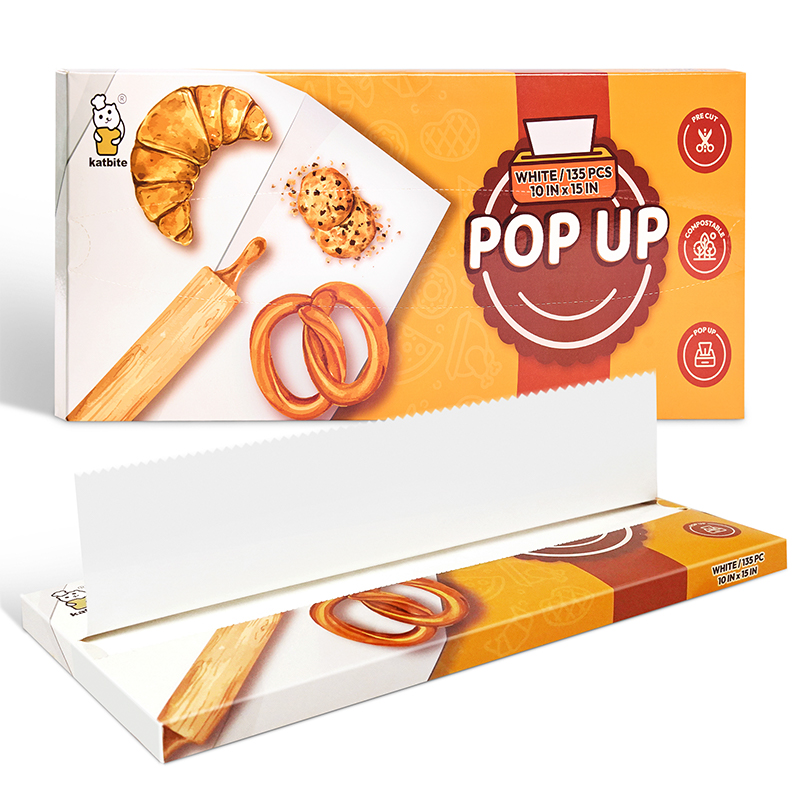
-
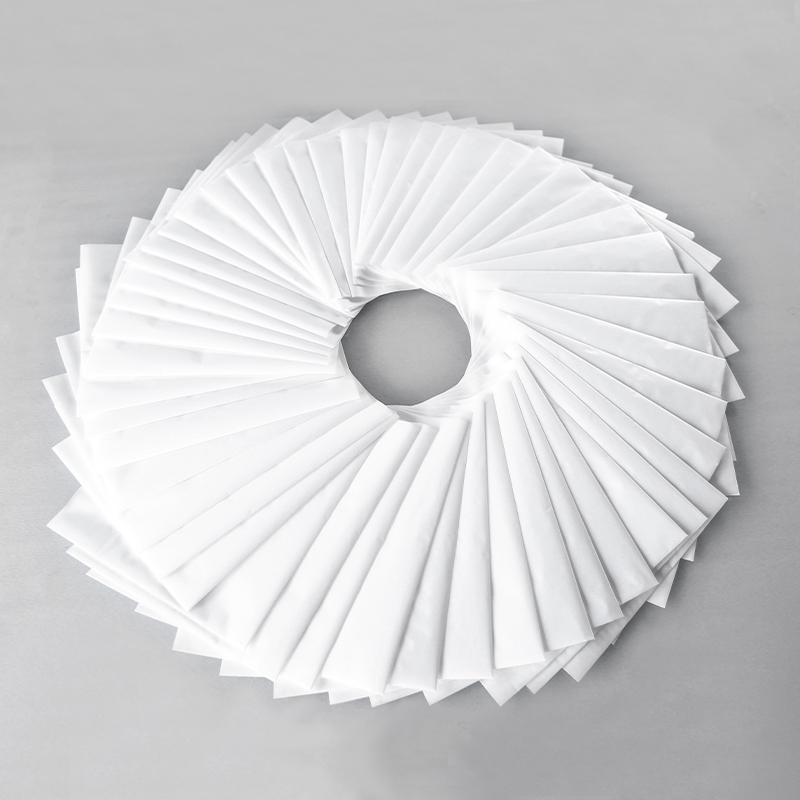
Product details: Folded baking paper sheets, an environment-friendly product, are composed of wood pulp and are double-side coated with silicone. Such a coating makes our paper smooth, greaseproof and...
See Details -
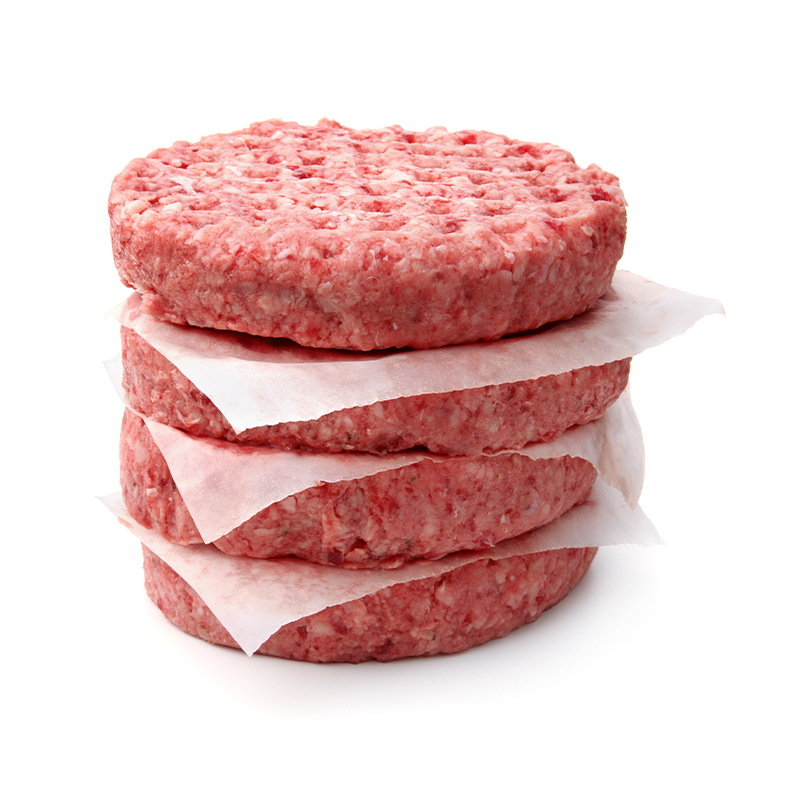
Description: Wax paper is the paper that is coated with food-grade wax in order to make it non-stick and waterproof. wax paper is very good for food storing and presentingMade of food-grade paper and ...
See Details -
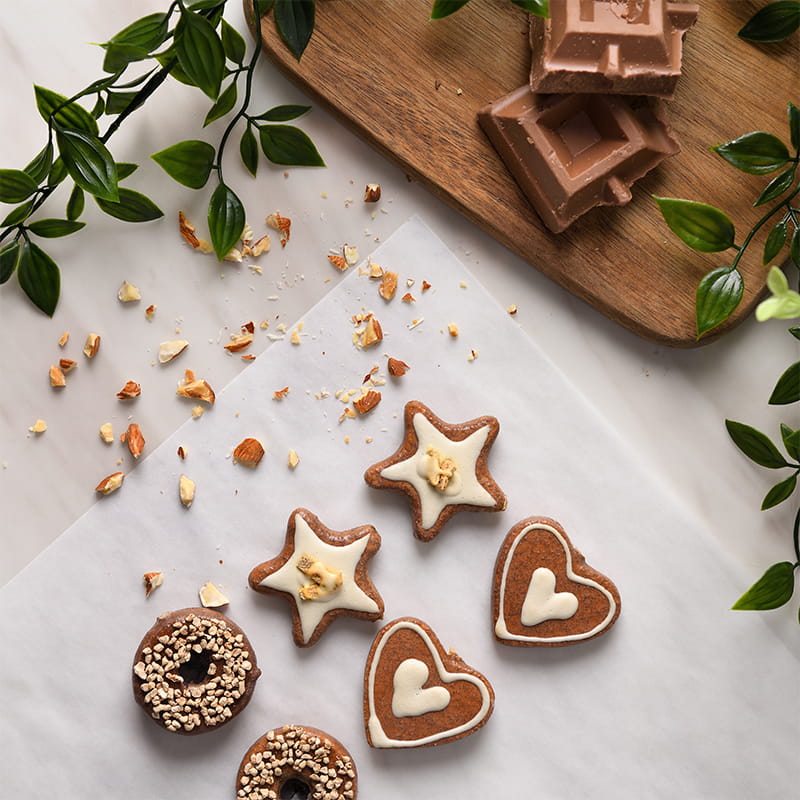
Product Features: 1. Virgin wood pulp 2. Double sides food grade silicone-treated 3. Fluorine-free 4. Non-stick 5. Oven/Microwave safe 6. Freezer safe 7. Reusable 8. BPA f...
See Details -
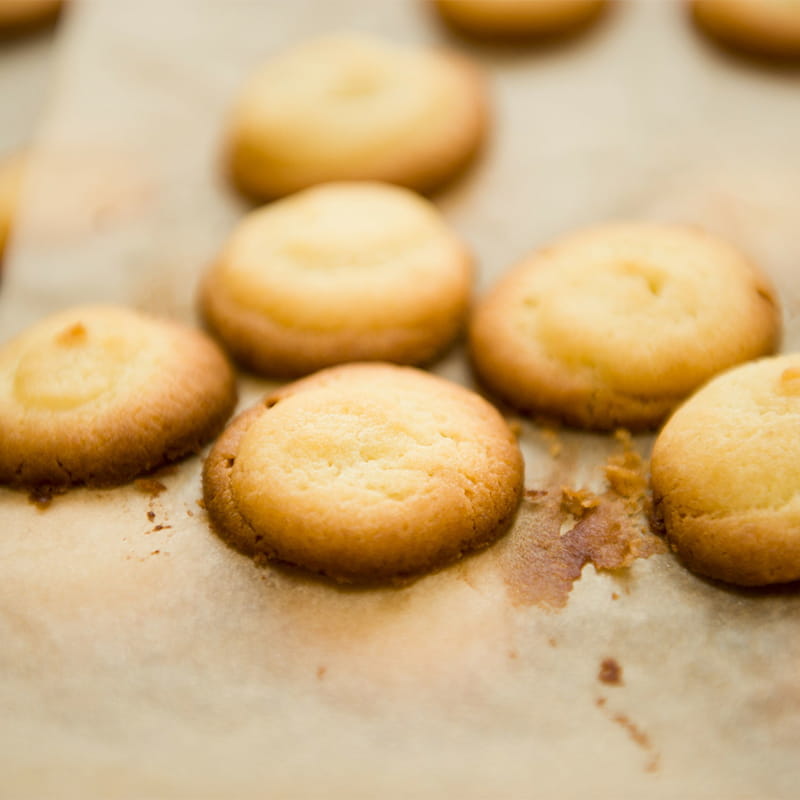
Product Features: 1. Virgin wood pulp 2. Natural unbleached brown color 3. Double sides food grade silicone-treated 4. Fluorine-free 5. Non-stick 6. Oven/Microwave safe 7. Fre...
See Details -
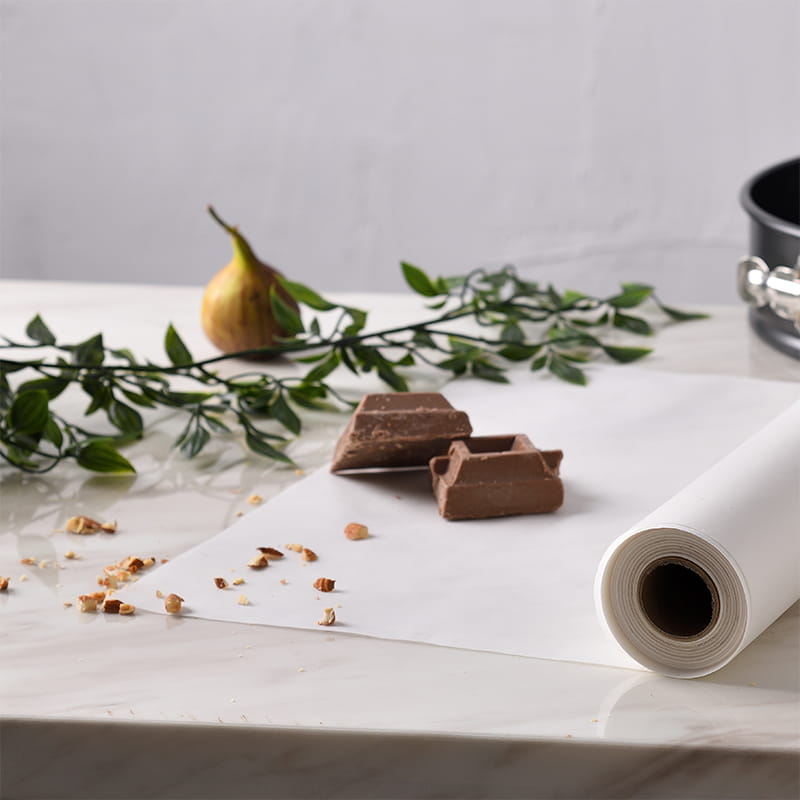
Product Features: 1. Virgin wood pulp 2. Double sides food grade silicone treated 3. Fluorine-free 4. Non-stick 5. Oven/Microwave safe 6. Freezer safe 7. Reusable 8. BPA ...
See Details -
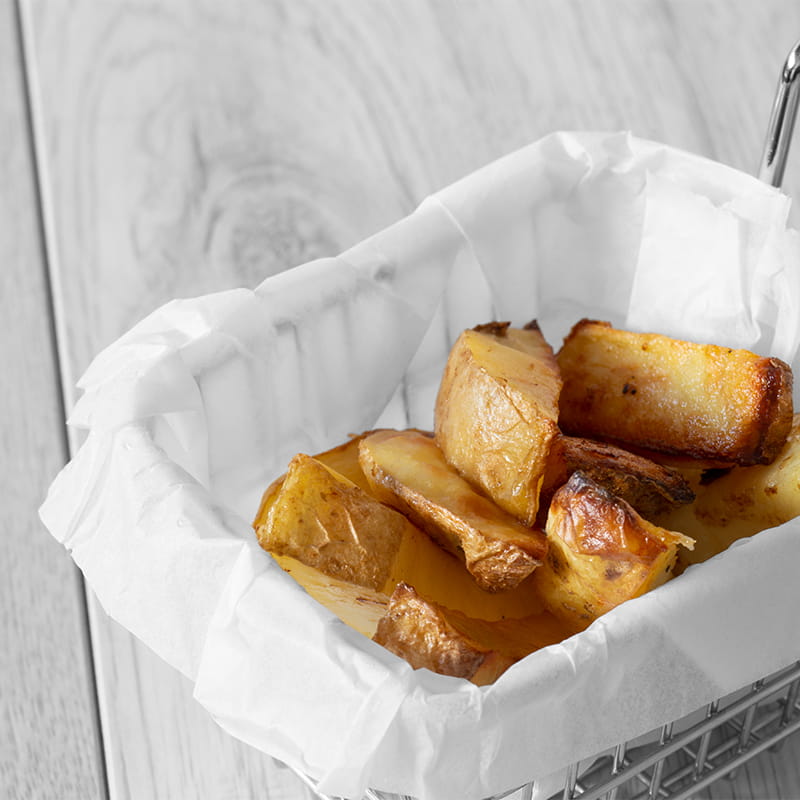
Product Features: 1. Virgin wood pulp 2. Fluorine-free 3. BPA free 4. Biodegradable Product Details: In an era where environmental consciousness and sustainability are paramount, Natu...
See Details -
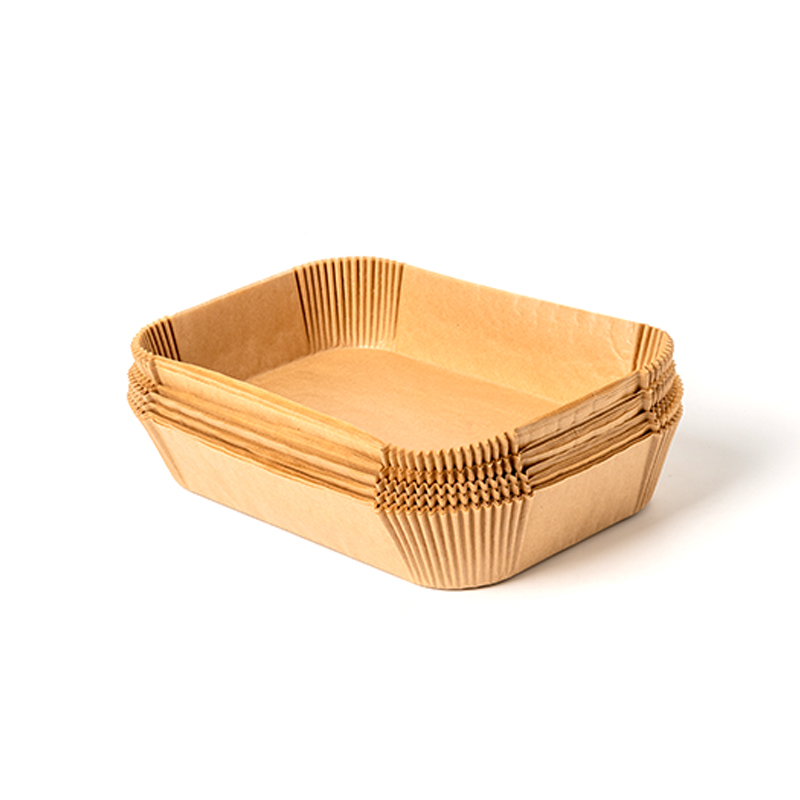
Product Features: 1. Virgin wood pulp 2. Double sides food grade silicone-treated 3. Fluorine-free 4. Non-stick 5. Air fryer basket safe 6. Reusable 7. BPA free 8. Biodeg...
See Details -
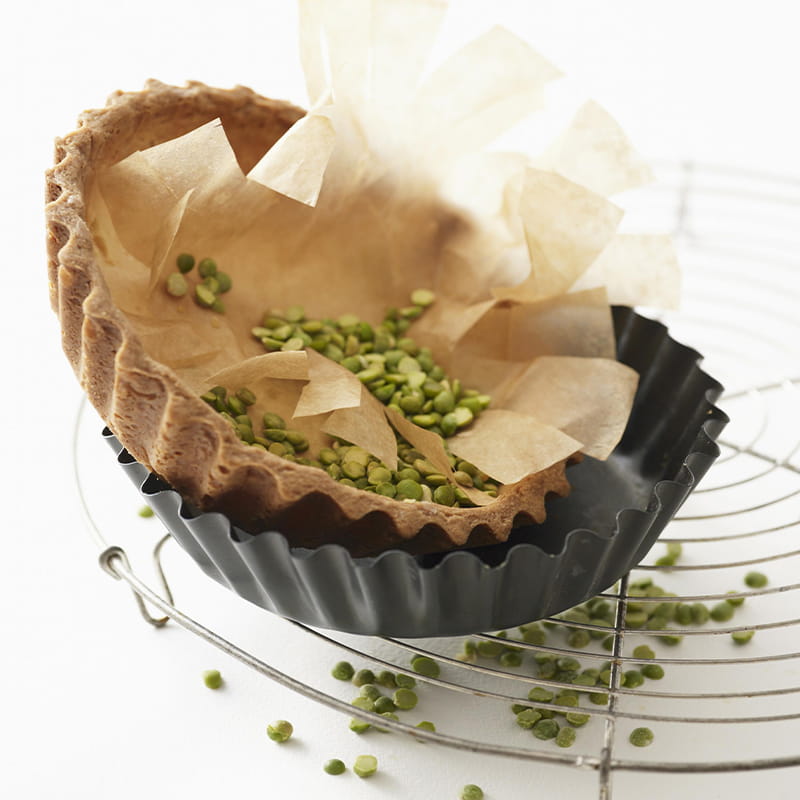
Product Features: 1. Virgin wood pulp 2. Natural unbleached brown color 3. Fluorine-free 4. BPA free 5. Biodegradable Product Details: Introducing our Unbleached Brown Food Grade ...
See Details -
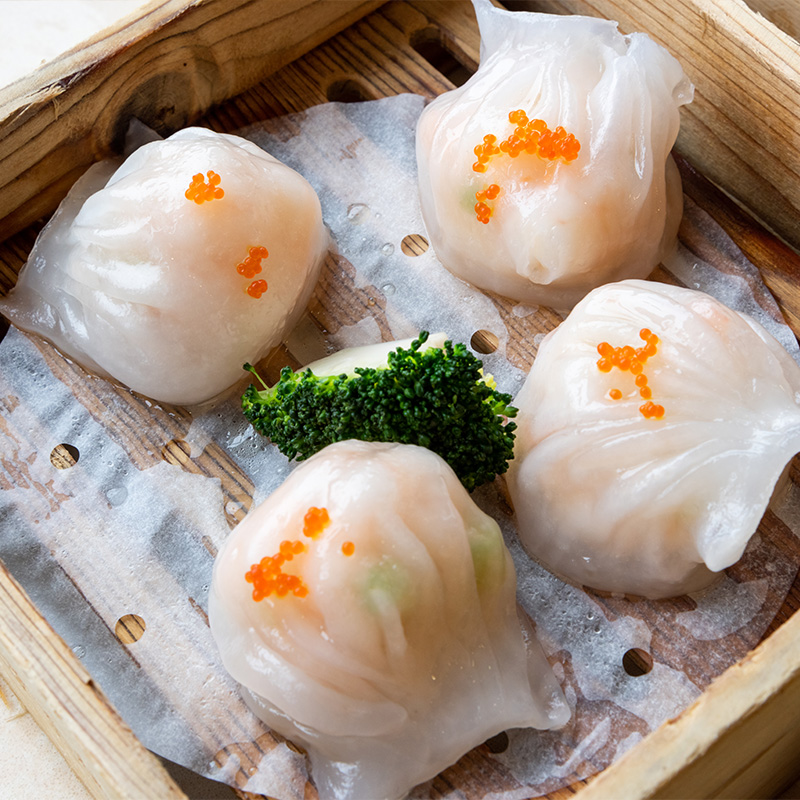
Product Features: 1. Virgin wood pulp 2. Double sides food grade silicone treated 3. Fluorine-free 4. Non-stick 5. Steamer/air fryer basket safe 6. Reusable 7. BPA free 8...
See Details -
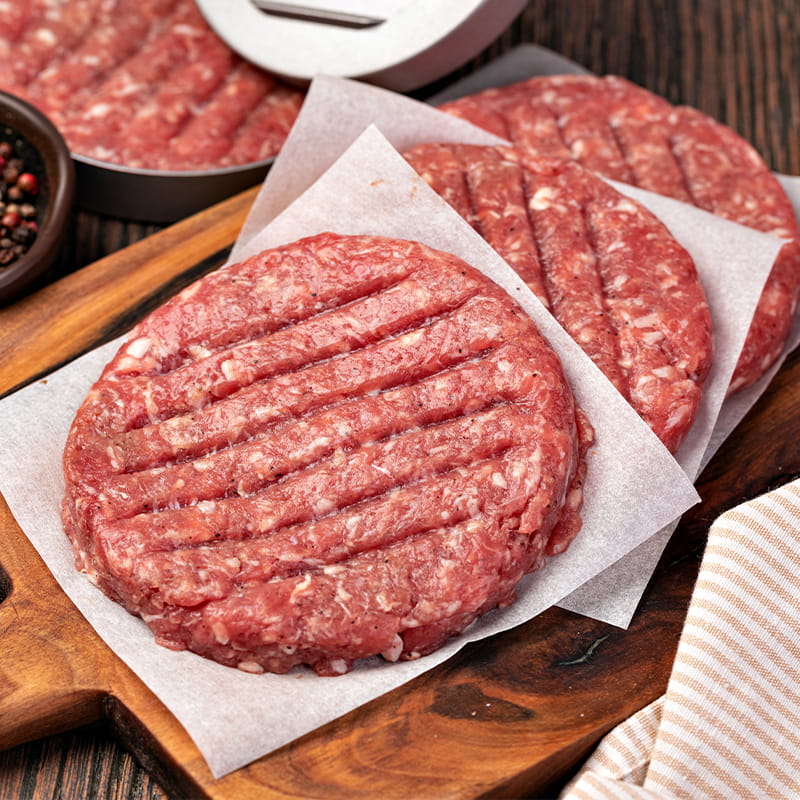
Product Features: 1. Virgin wood pulp 2. Double sides food grade silicone treated 3. Fluorine-free 4. Non-stick 5. Easy to separate 6. Reusable 7. BPA free 8. Biodegradab...
See Details -
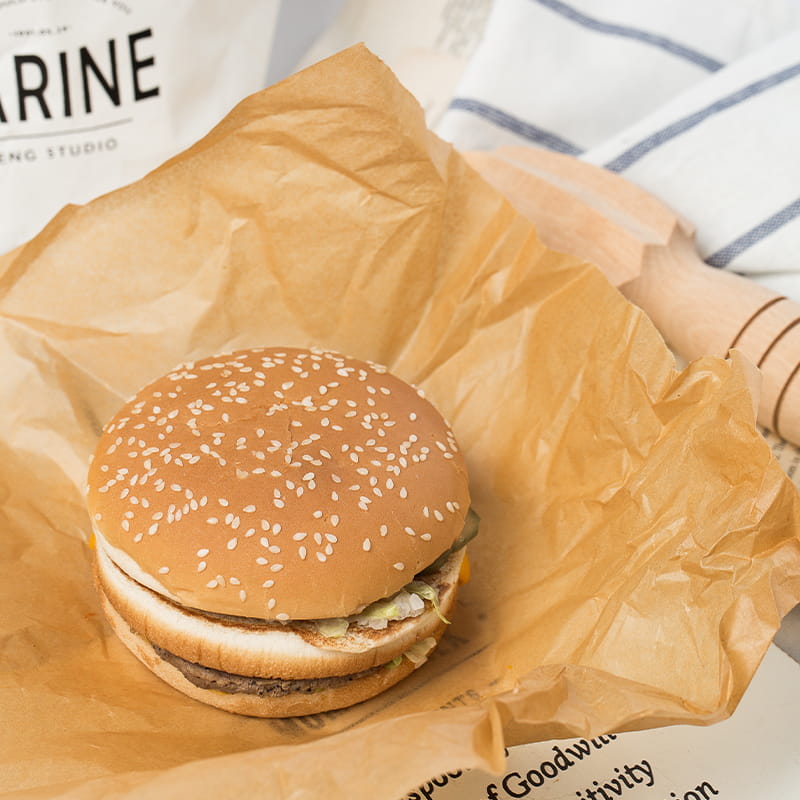
Product Features 1. Virgin wood pulp 2. Flexographic printing 3. Eco-friendly water-based ink 4. BPA free Product Details: Introducing our premium Greaseproof Sandwich Paper Sheets, a...
See Details

Professional Baking Parchment Paper Manufacturer in China with more than 15 years silicone coating experience.
Products
Contact Us
- No.10 Longyin Road, Chengnan Industrial Park,Longyou, Quzhou, China.
- +86-18968091013 / +86-571-88639705
- Avayao-1990@hotmail.com
Copyright © Zhejiang Guanghe New Materials Co., Ltd. All Rights Reserved.
Parchment Paper & Baking Paper Sheets Manufacturer
