 English
 中文简体
中文简体
Product details: Pop-up parchment paper sheets, an environment-friendly product, are composed of wood pulp and are double-side coated with silicone. Such a coating makes our paper smooth, greasepr...
See DetailsDim Sum Parchment Paper: Essential for Chefs and Home Cooks
Dim sum holds a special place in many meals. Those little dumplings, fluffy buns, and stuffed rolls bring people together over shared plates. Making them at home or in a restaurant kitchen takes care, though. The dough needs the right feel, fillings have to balance flavors, and steaming has to happen just so. One thing that helps a lot—something simple that often gets overlooked—is dim sum parchment paper. These liners go under the dumplings in the steamer, keeping everything from sticking and falling apart.
Traditional bamboo steamers look nice and let steam circulate well, but without something between the food and the bamboo, things can go wrong quick. Dough sticks to the slats, skins tear when you try to lift them, shapes get squished. Parchment liners fix that. They give a smooth, non-stick surface that lets steam through but keeps the food separate. Dumplings come out whole, buns stay fluffy, and nobody has to pry anything off with a spatula.
Why Parchment Liners Matter in Busy Restaurant Kitchens
Restaurant kitchens turning out dim sum all day face constant pressure. Orders come fast, steamers stack high, and every piece needs to look good on the cart or plate. Chefs rely on these liners to keep things running smooth.
- First off, they stop sticking dead in its tracks. Har gow shrimp dumplings with their thin wrappers or siu mai with open tops lift off easy. No torn skins, no fillings spilling out. Chefs plate faster, servers get food out hotter.
- They save space too. With liners, you can stack layers in one steamer—dumplings on bottom, buns on top—without food touching the level above. More gets cooked at once, turnover speeds up during rush hours.
- Cleanup between batches takes less time. Bamboo steamers don't get gummy from starch or oily from fillings. A quick rinse keeps them ready for the next round. In places doing hundreds of pieces a day, those minutes add up.
- Chefs also like how liners help with presentation. Dim sum is meant to look pretty—pleats sharp, buns round and tall. Liners keep shapes intact, no flat bottoms or stuck sides. Plates go out looking like they should, customers smile more.
How Home Cooks Get Better Results with Parchment Liners
More people try dim sum at home now. Weekends turn into dumpling-making sessions with family or friends. Recipes from books or online videos make it doable, but getting the steaming right can still trip folks up.
Parchment liners make the process friendlier. You pleat your dumplings, place them on cut circles or squares in the steamer, cover, and walk away. No babysitting to see if they're sticking. When the timer dings, they lift off clean with chopsticks or tongs.
Home steamers are often metal or small bamboo sets. Without liners, dough glues itself fast. With them, even beginners get nice-looking results. Kids helping out see their work turn out whole, not torn.
They cut mess too. Sauces or oils from fillings stay on the paper, not baked onto the steamer. Washing up takes seconds—a rinse for the bamboo or metal, toss the used liners. No scrubbing starch residue later.
Health-conscious cooks appreciate less oil needed. No greasing the steamer, food steams in its own moisture. Fillings shine through, calories stay lower.
Different Ways to Use Parchment Liners Beyond Basic Dumplings
These liners work for more than just har gow or siu mai. Steamed buns—char siu bao or plain mantou—sit nice without bottoms sticking. Chicken or veggie buns keep fluffy tops.
Fish fillets steam gentle on liners with ginger and scallions. No breaking apart when serving. Whole shrimp or scallops get the same treatment.
Veggie bundles or rice rolls lay flat, cook even. Even desserts like steamed sponge cake or egg tarts in small tins benefit from small liner pieces.
Some cooks use them for reheating leftovers. Cold dumplings or buns go back in the steamer on fresh liners, come out hot and soft again.
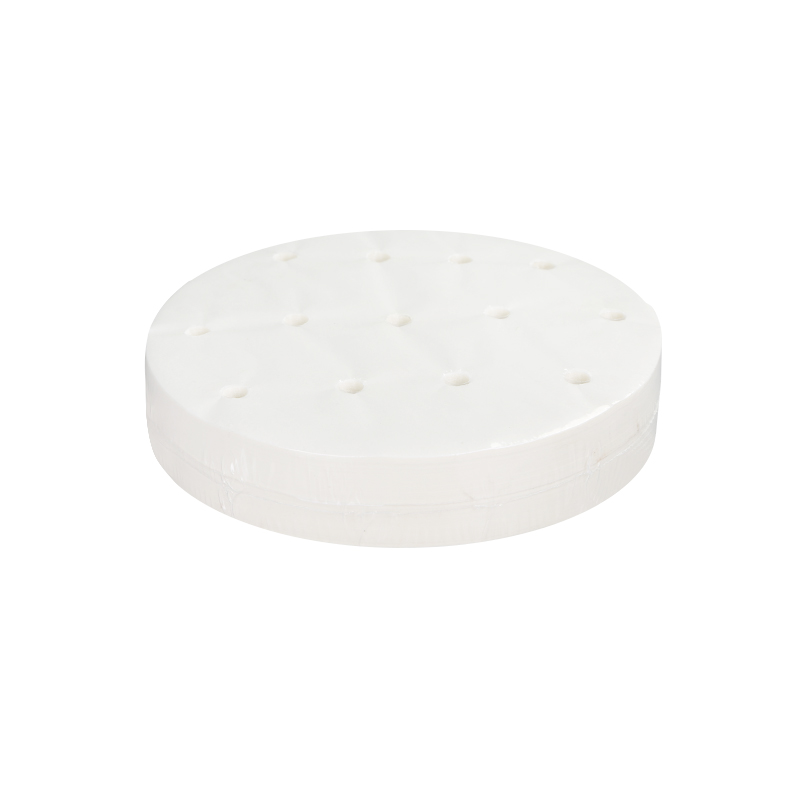
Picking and Using the Right Parchment Liners
Liners come round or square, different diameters to fit steamer sizes. Round ones with holes let steam rise better in bamboo setups. Plain squares work fine in metal steamers.
- Cutting your own from regular parchment works, but pre-cut saves time and fits perfect. No wasted edges, no curling from bad cuts.
- Place them flat, leave space between pieces for steam to circulate. Overcrowding squishes shapes. A little gap keeps everything pretty.
- After steaming, let sit a minute before lifting. Steam settles, liners peel away easier.
A Quick Comparison of Steaming Methods
| Steaming Method | Sticking Risk | Cleanup Effort | Shape Retention | Space Efficiency |
|---|---|---|---|---|
| Direct on Bamboo/Metal | High | Hard scrubbing | Often squished | Good |
| Greased Surface | Medium | Oily residue | Decent | Good |
| Banana Leaves | Low | Moderate | Good | Limited by size |
| Parchment Liners | Very low | Quick rinse | Excellent | High (stackable) |
| Silicone Mats | Low | Wipe down | Good | Reusable but bulky |
The liners come out ahead for daily use in many kitchens.
Bringing Dim Sum Traditions Home
Making dim sum at home feels like keeping a piece of family history alive. It's not just about the food—it's the whole thing: everyone around the table with flour on their hands, rolling out dough, picking fillings, trying to fold those tricky pleats. Grandparents might show the old way they did it back home, parents remember eating these as kids, and the little ones mess around with shapes until they get one that looks halfway decent. The kitchen gets loud with talking, laughing at wonky dumplings, swapping stories about big family meals long ago. Those afternoons or evenings stick with you more than just eating out ever could.
Parchment liners take away the one thing that used to spoil the mood. Without them, half the dumplings glue themselves to the steamer, wrappers rip when you try to pick them up, fillings spill everywhere. Suddenly everyone's tense, watching the clock, poking carefully with chopsticks hoping nothing falls apart. With liners in place, that stress just isn't there anymore. You fold your dumplings, set them down, cover the steamer, and let it do its thing. When time's up, they come off clean and whole. The fun stays on the making and eating, not fixing disasters.
Weekends turn into easy get-togethers because of it. Call up friends or cousins, spread out bowls of pork and shrimp, chives, mushrooms, maybe some veggie mixes for whoever doesn't eat meat. Everybody grabs a spot, chooses fillings, tries different folds. Some go for tight closed ones, others leave tops open like siu mai. The liners handle the cooking part without any trouble. Stack the baskets, steam big batches, pull them out looking proper. No one hovers worried about stuck pieces ruining everything.
Kids pick it up quick and love it. They watch plain dough circles turn into little pouches hiding tasty stuff inside. Their initial attempts might look funny, but when they steam up and lift off cleanly, they get so excited. That early win keeps them coming back to the table. They ask to do more, want to know why you fold certain ways or what fillings taste good together. Cooking turns into something they enjoy, not a chore they avoid.
Holidays get the full treatment. New Year means trays and trays of jiaozi, everyone pitching in for hours, telling the same old stories. Birthdays or random Sundays become dumpling days just because. Leftovers go in lunch boxes, reminding everyone of the good time.
The liners keep the whole thing light. Baskets rinse in seconds, no heavy scrubbing to end the day tired. Energy goes to dipping sauces, passing plates, eating while it's hot.
These home sessions keep old ways going strong. Recipes move from hands to hands, not just words on paper. People add their own twists—new fillings or shapes—but the heart of it stays. Parchment liners clear the little roadblocks, letting the real stuff shine: making food side by side, sharing laughs and memories, filling the house with steam and good smells. Simple sheets of paper help hold traditions together around today's busy tables.
Tips for Using Parchment Liners Effectively
Keeping your parchment liners in good shape starts with how you store them. Stick them in a drawer or cabinet where it's dry—humidity sneaks in and makes the edges curl up, turning flat sheets into annoying rolls that won't lay right in the steamer. A simple folder or the original box works fine, just somewhere away from the sink or stove splashes.
Have a couple different sizes around. Steamers usually come in 8-inch or 10-inch sizes, so rounds cut to fit those save time. Squares give flexibility for odd-shaped pans or metal steamers. If you run out of rounds mid-batch, grab a bigger sheet and trim squares quick—no exact circles needed.
When cooking juicy fillings—like soup dumplings or saucy buns—fold the edges of the liner up a bit. Make little walls around each piece so broth stays put instead of running everywhere. The dumplings steam happy, no pooling liquid making bottoms soggy.
Bamboo steamers last longer with liners. Starch and oils from food build up over time, warping the slats or making them sticky. Liners catch the majority of that gunk, so a quick rinse keeps the bamboo fresh for years—no scrubbing or soaking needed.
Get playful with flavors. Slip thin slices of ginger, garlic, or green onion under each dumpling right on the liner. Steam picks up the aroma gentle, infusing without mess on the steamer. Try lemongrass for chicken buns or cilantro sprigs for shrimp. Herbs wilt a bit but release taste nice. Same with a drop of sesame oil or soy on the liner—flavor steams up without greasing the basket.
For reheating leftovers, lay cold dumplings on fresh liners. They warm even, no new sticking. Freeze extras on lined trays first—pop off easy later.
Fold liners into packets for fish or veggies with sauce. Seal loose, steam inside, open at table for wow. Kids love helping fold, adults love no extra dishes.
Trim liners for small tins if baking egg tarts or mini cakes in steamer. Fits snug, lifts clean.
These little tricks turn basic liners into everyday helpers. Stock a box, experiment a bit, watch steaming get easier and tastier.
Why These Liners Fit Today's Cooking
More folks cook at home now than a few years back. Weeknights they try quick restaurant copycats, weekends they pull out family recipes from parents or grandparents. Phones stay propped up with videos, ingredients scattered. Time feels short, though—work, kids, errands pile on.
Parchment liners match this reality. Setup takes seconds—drop in, place food, cover steamer. No oiling baskets or worrying about release. Results come out reliable, so trying new fillings or shapes doesn't feel risky.
Health kicks play in big. People cut oil where they can, steam instead of fry. Liners let food cook in own juices—no extra fat to stop sticking. Veggies stay bright, meats juicy, calories lower natural. Families eating lighter reach for steamer more.
Eco thinking shows up too. Ruined dumplings from sticking mean waste—torn wrappers, spilled filling. Liners cut that down, more pieces make it to plate. Less food trash, smaller footprint. Some feel good skipping grease on bamboo, keeping it natural longer.
Busy parents juggle a lot. Dinner needs to happen fast after school pickups. Liners mean steaming big batches while homework gets done. Weekend treats with kids—dumpling parties or bun making—stay fun, not followed by sink duty.
Restaurant workers feel the pace. Lunch rush dim sum carts roll constant. Liners keep baskets turning quick, no delays scraping. Service flows, customers happy.
Home trends mix gadgets—electric steamers, multi-cookers, air fryers with steam functions. Liners work across them all. No switching habits for different tools.
Cultural ties stay strong. Families keep traditions alive—making jiaozi for New Year or har gow for weekends. Liners make passing recipes easier, no lost steps from sticking issues.
All around, these liners fit how people cook today—mix of quick and careful, health and tradition, busy and enjoyable. They sit quiet in the cabinet, ready when needed, making steaming feel simple again. Kitchens stay places for good food and good times, not battles with stuck dough.
A Small Item with Real Impact
Dim sum parchment paper liners don't grab attention. They sit quiet under the food, doing their job. But take them away, and the difference shows fast—stuck dough, torn wrappers, squished shapes.
With them, steaming turns predictable. Dumplings come out whole, buns fluffy, fish tender. Kitchens stay calmer, meals nicer.
From professional dim sum houses pushing carts to home tables with steaming baskets, these liners help every time. Small circles or squares of paper keep traditions alive and make new ones possible. Cooking feels better, eating tastes better, sharing brings people closer.
Related Products
-
-
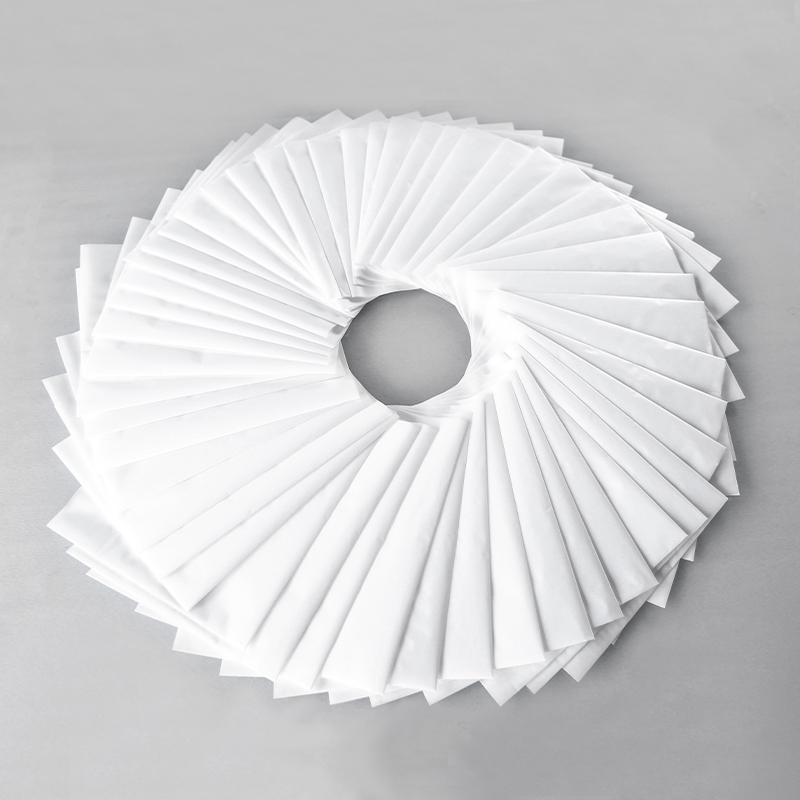
Product details: Folded baking paper sheets, an environment-friendly product, are composed of wood pulp and are double-side coated with silicone. Such a coating makes our paper smooth, greaseproof and...
See Details -
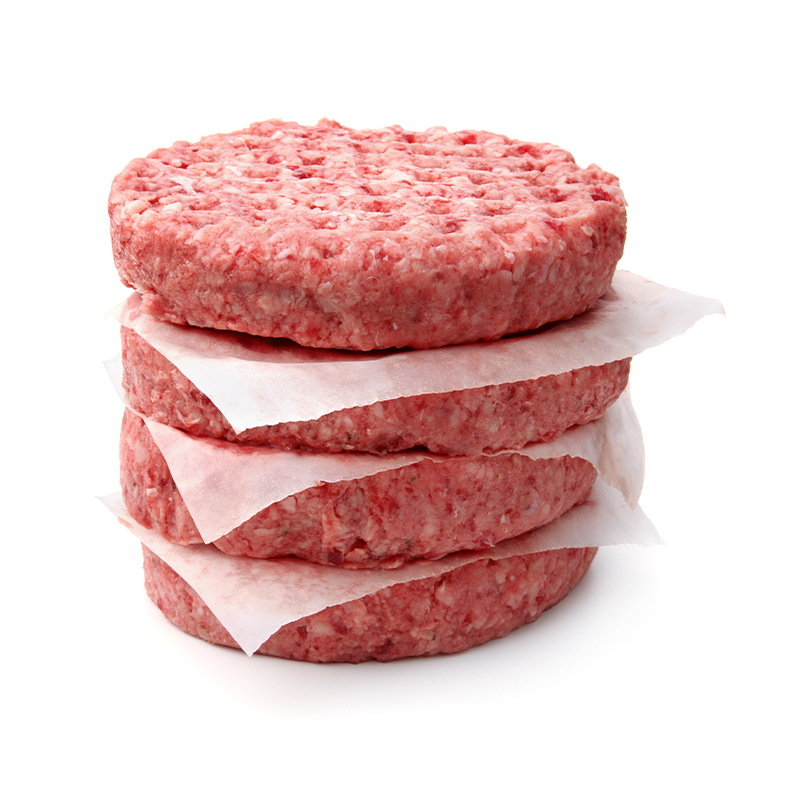
Description: Wax paper is the paper that is coated with food-grade wax in order to make it non-stick and waterproof. wax paper is very good for food storing and presentingMade of food-grade paper and ...
See Details -
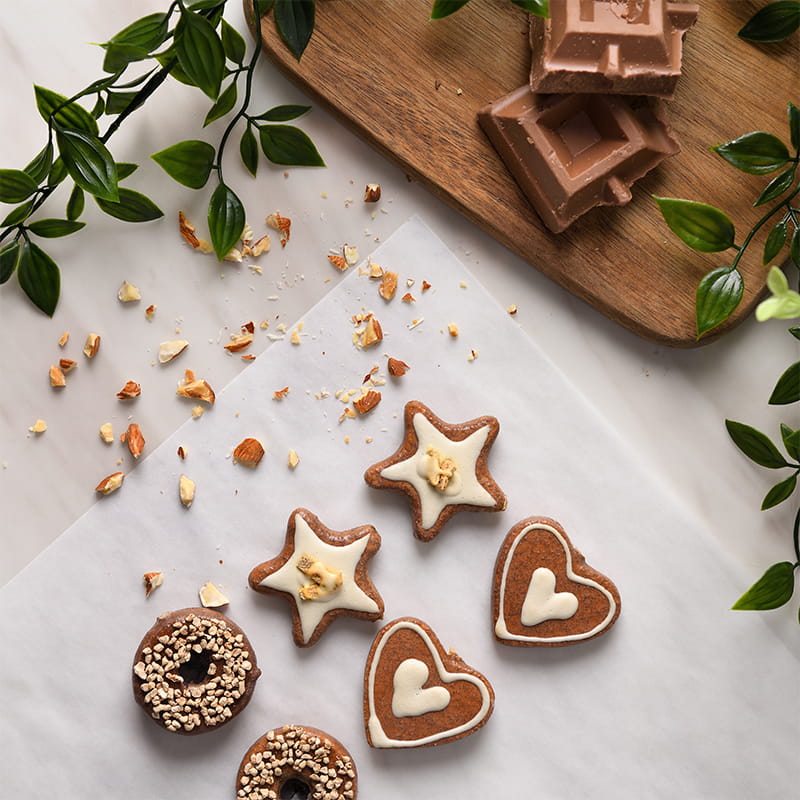
Product Features: 1. Virgin wood pulp 2. Double sides food grade silicone-treated 3. Fluorine-free 4. Non-stick 5. Oven/Microwave safe 6. Freezer safe 7. Reusable 8. BPA f...
See Details -
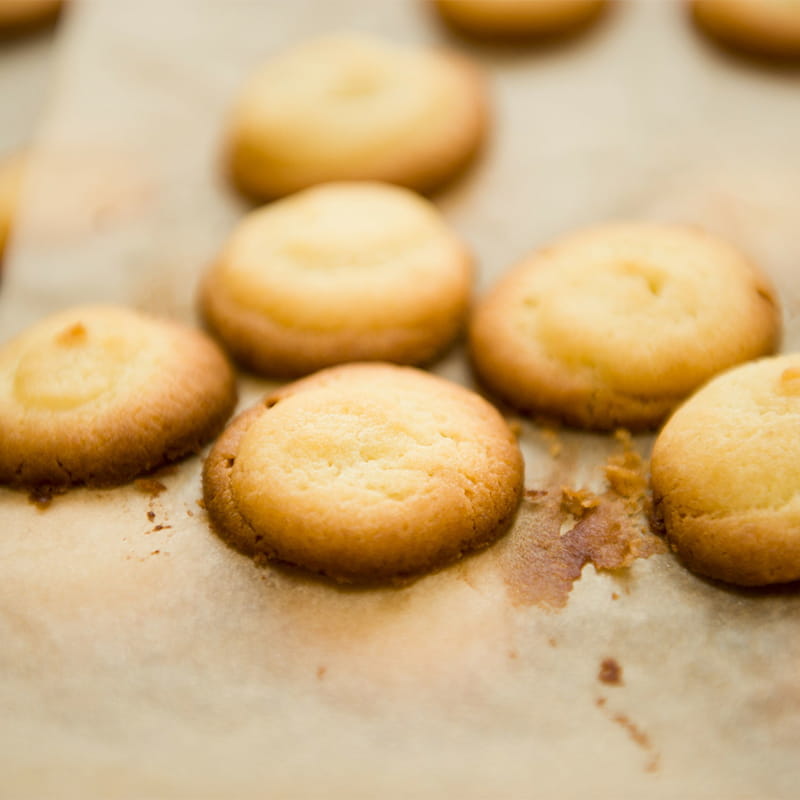
Product Features: 1. Virgin wood pulp 2. Natural unbleached brown color 3. Double sides food grade silicone-treated 4. Fluorine-free 5. Non-stick 6. Oven/Microwave safe 7. Fre...
See Details -
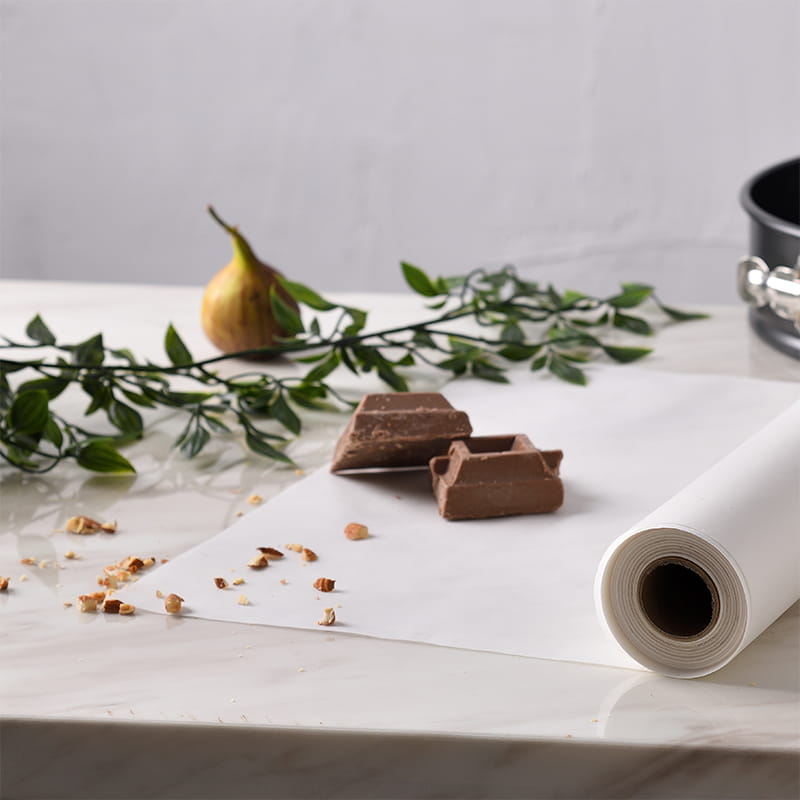
Product Features: 1. Virgin wood pulp 2. Double sides food grade silicone treated 3. Fluorine-free 4. Non-stick 5. Oven/Microwave safe 6. Freezer safe 7. Reusable 8. BPA ...
See Details -
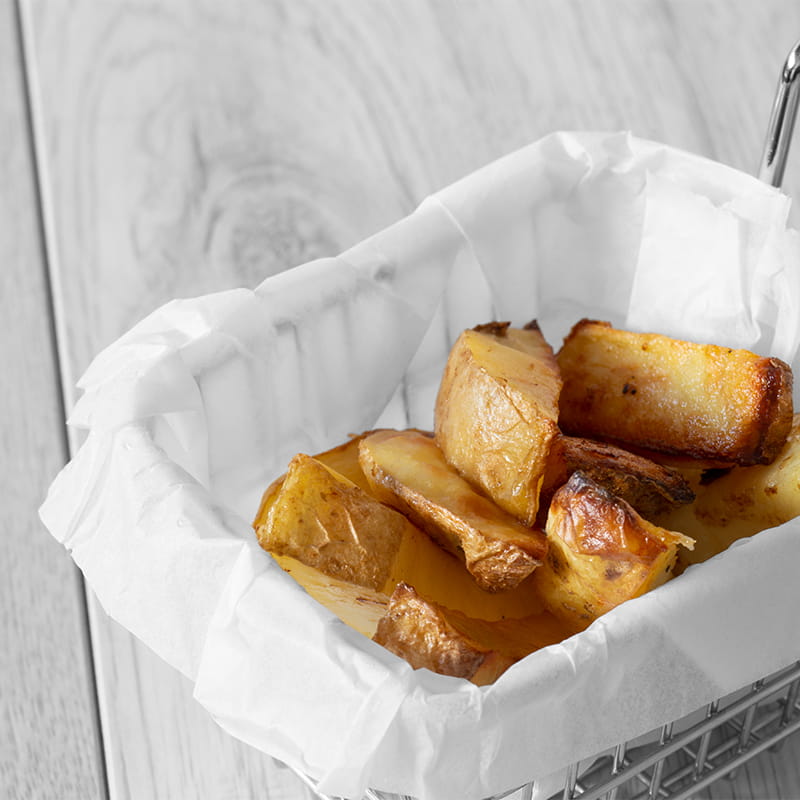
Product Features: 1. Virgin wood pulp 2. Fluorine-free 3. BPA free 4. Biodegradable Product Details: In an era where environmental consciousness and sustainability are paramount, Natu...
See Details -
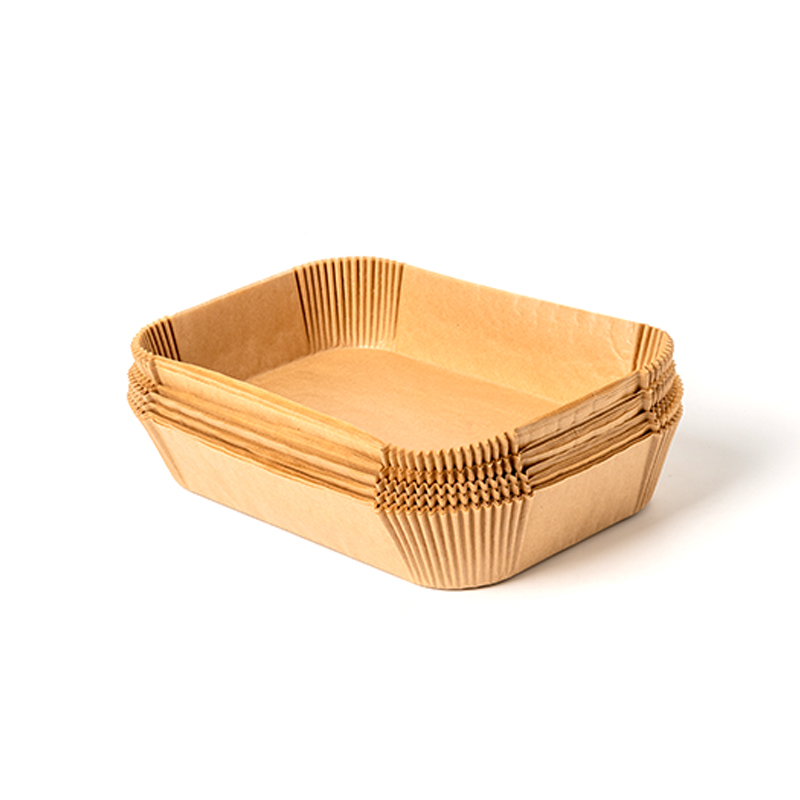
Product Features: 1. Virgin wood pulp 2. Double sides food grade silicone-treated 3. Fluorine-free 4. Non-stick 5. Air fryer basket safe 6. Reusable 7. BPA free 8. Biodeg...
See Details -
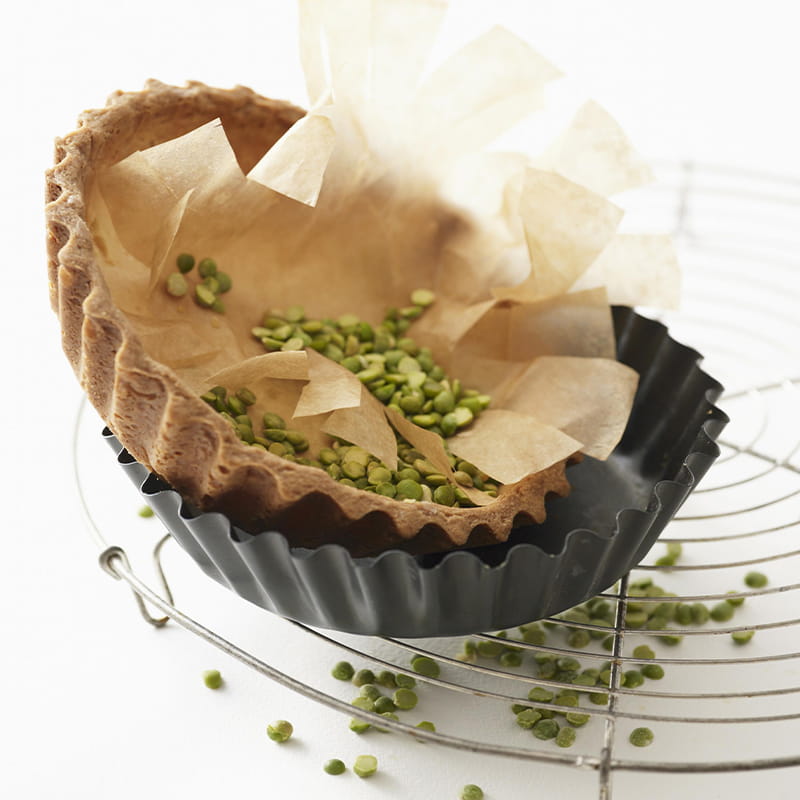
Product Features: 1. Virgin wood pulp 2. Natural unbleached brown color 3. Fluorine-free 4. BPA free 5. Biodegradable Product Details: Introducing our Unbleached Brown Food Grade ...
See Details -
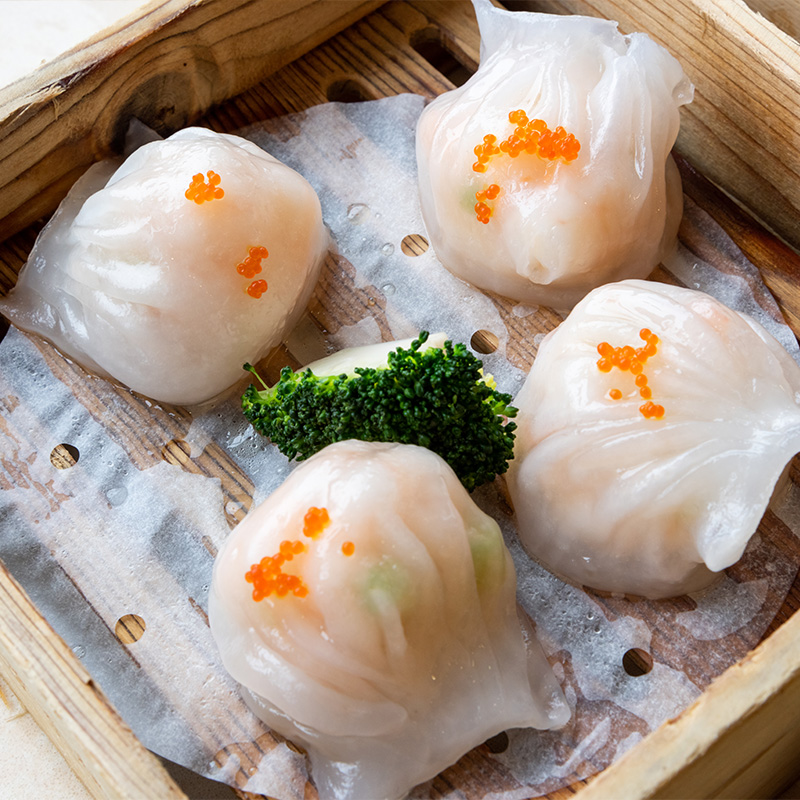
Product Features: 1. Virgin wood pulp 2. Double sides food grade silicone treated 3. Fluorine-free 4. Non-stick 5. Steamer/air fryer basket safe 6. Reusable 7. BPA free 8...
See Details -
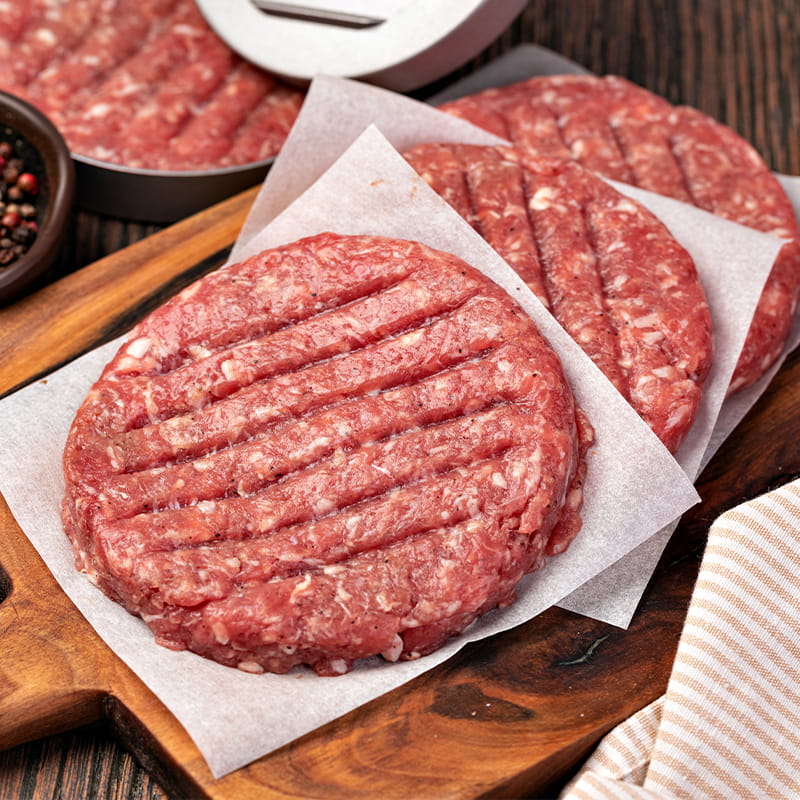
Product Features: 1. Virgin wood pulp 2. Double sides food grade silicone treated 3. Fluorine-free 4. Non-stick 5. Easy to separate 6. Reusable 7. BPA free 8. Biodegradab...
See Details -
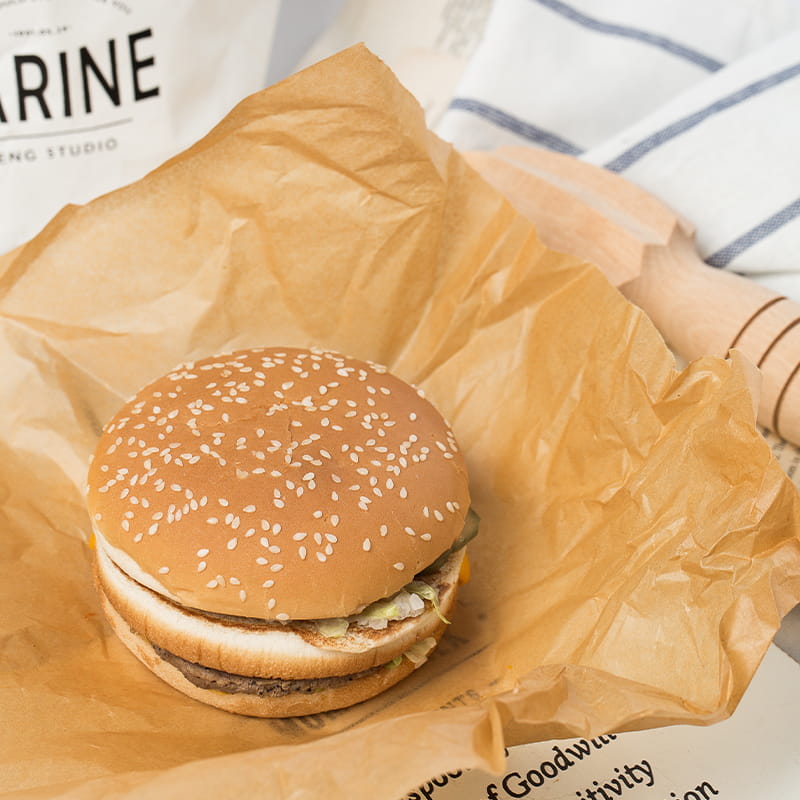
Product Features 1. Virgin wood pulp 2. Flexographic printing 3. Eco-friendly water-based ink 4. BPA free Product Details: Introducing our premium Greaseproof Sandwich Paper Sheets, a...
See Details

Professional Baking Parchment Paper Manufacturer in China with more than 15 years silicone coating experience.
Products
Contact Us
- No.10 Longyin Road, Chengnan Industrial Park,Longyou, Quzhou, China.
- +86-18968091013 / +86-571-88639705
- Avayao-1990@hotmail.com
Copyright © Zhejiang Guanghe New Materials Co., Ltd. All Rights Reserved.
Parchment Paper & Baking Paper Sheets Manufacturer
