 English
 中文简体
中文简体
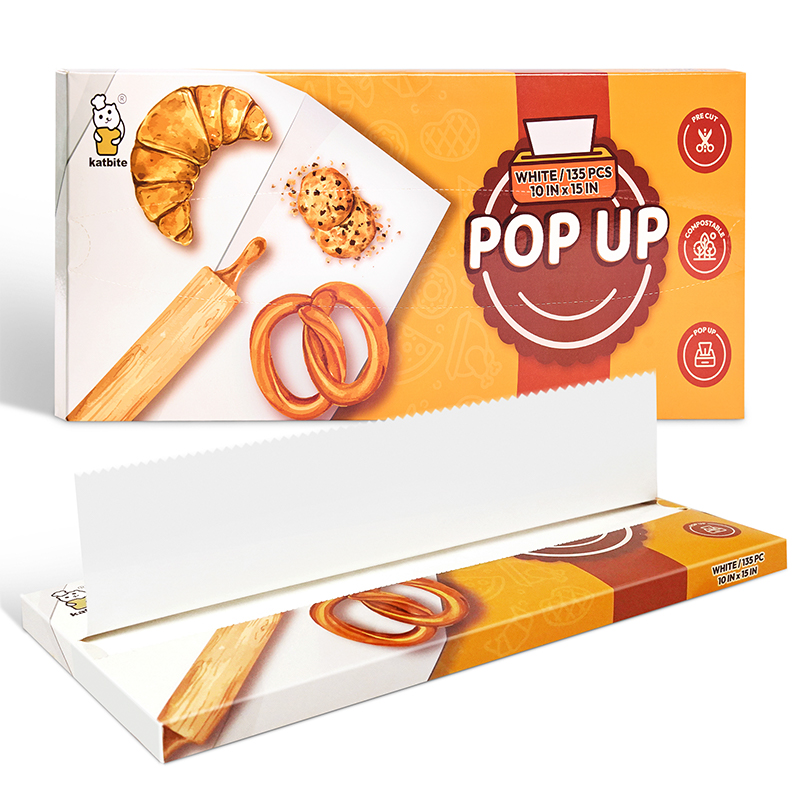
Product details: Pop-up parchment paper sheets, an environment-friendly product, are composed of wood pulp and are double-side coated with silicone. Such a coating makes our paper smooth, greasepr...
See DetailsHome / News / Industry News / Crispier Future: How Air Fryer Paper Liners Are Revolutionizing Kitchen Convenience
Crispier Future: How Air Fryer Paper Liners Are Revolutionizing Kitchen Convenience
Modern kitchens rely on tools that simplify tasks without adding complexity. Air fryer paper liners, often made from high-quality Baking Paper, serve this purpose effectively. They act as a disposable barrier between food and the appliance basket, helping food release cleanly, protecting the interior from residue, and reducing the time spent on maintenance.
Whether preparing a quick family meal or managing repeated batches in a small commercial setup, these liners support steady results. Their understated role reflects a broader preference for accessories that make cooking feel smoother and less labor-intensive.
Origins and Gradual Refinement of the Material
Air fryer paper liners evolved from the need to adapt familiar parchment-style sheets to the specific demands of hot-air circulation appliances. Initial versions used basic heat-resistant paper cut to approximate basket shapes. As air fryers became more widespread, manufacturers refined the design to address airflow patterns, oil management, and ease of handling.
Current liners are built primarily from cellulose fibers sourced from plant materials. Production involves forming dense sheets, adding perforations in strategic patterns, and applying surface treatments that resist adhesion while allowing air to pass through. The result is a liner that holds its shape during cooking cycles and performs consistently across different basket styles.
Fundamental Properties That Enable Consistent Use
Air fryer paper liners display several key characteristics suited to their purpose. They withstand the temperatures generated inside the appliance without breaking down. The treated surface discourages food from bonding, so items lift away cleanly after cooking. Perforations permit hot air to reach food from below, while grease resistance keeps excess oil from soaking through to the basket floor.
These combined features produce a reliable cooking interface. Air circulates evenly around ingredients, promoting uniform texture development. Released moisture and fat remain contained or channeled away from sensitive areas. The focus stays on food preparation rather than dealing with stubborn buildup or frequent deep cleaning.
Non-Stick Performance During Air Fryer Cycles
Air fryer cooking depends on direct exposure to moving hot air and easy removal from the basket. Without separation, food can stick, tear during lifting, or leave uneven patches of residue. Air fryer paper liners create consistent detachment that preserves shape and appearance.
Vegetable pieces crisp at the edges and release whole. Protein portions maintain integrity without leaving fragments behind. Batches of smaller items stay separate during cooking, avoiding merged edges or distorted forms. The liner helps achieve even browning and crispness across the entire load.
Support for Crispy and Roasted-Style Preparations
Air fryers excel at producing crisp exteriors and tender interiors through rapid air movement. Direct basket contact often results in adhesion or heavy residue. Air fryer paper liners introduce a protective layer that allows browning while simplifying release.
Root vegetables develop golden surfaces without repeated shaking. Fish or poultry pieces cook with skin or flesh intact. Seasoned or marinated items drain excess liquid away from the food itself, concentrating flavor rather than allowing it to burn onto the surface. Mixed trays of vegetables and proteins proceed without components sticking to one another.
The liner manages drippings by guiding them to perforations or containing small amounts, reducing splatter inside the appliance and limiting charred spots on the basket. Cooking continues with reduced added fat, emphasizing natural taste and texture.
Streamlining Cleanup and Kitchen Workflow
Kitchen routines include both cooking and restoring order afterward. Air fryer paper liners shorten the second part noticeably. Food interacts with the liner rather than the basket, leaving metal or non-stick surfaces largely untouched by direct residue.
After a cycle, the liner lifts out in one piece, leaving the basket ready for a light wipe or immediate reuse. In sequences with frequent batches, this pattern prevents cleaning delays. Service continues smoothly when baskets return to use quickly.
At home, meals finish with less effort at the sink. Discarding the used liner keeps counters tidy and the appliance accessible during active preparation.
Hygiene Advantages from Single-Use Separation
Safe food handling relies on minimizing unintended transfer between batches. Each fresh air fryer paper liner begins free of previous contact. This clean starting point reduces carryover of particles, oils, or flavors.
| Aspect | Description | Benefit |
|---|---|---|
| Safe Food Handling Principle | Minimize unintended transfer between batches | Prevents cross-contamination |
| Fresh Liner Characteristic | Starts free of any previous contact | Provides a clean, uncontaminated surface |
| Risk Reduction | Reduces carryover of particles, oils, or flavors | Maintains flavor purity and food safety |
In setups preparing multiple ingredient types or accommodating sensitivities, the barrier adds control. Cooled items stored with liners between layers avoid surface adhesion and texture damage. Preparation areas accumulate less debris, supporting cleaner transitions between tasks.
Versatility Across Savory Cooking Applications
Air fryer paper liners adapt to various savory preparations. They support cooking vegetables, proteins, and combined dishes in a single cycle. The perforated design allows air to reach all sides for even results.
Seasoned cuts or vegetable medleys achieve desired texture without direct basket contact. The material contains released juices, keeping the appliance interior cleaner. This approach suits lighter methods that rely less on oil for crispness.
Applications in Sweet and Baked Goods
Sweet items also benefit from lined baskets. Small baked treats, fruit-based desserts, or portioned pastries cook evenly on the surface. The liner prevents sticking and enables clean removal after cooling.
Bar-style items spread uniformly and set properly without bonding to the basket. The paper distributes heat consistently, contributing to balanced color and texture. Finished pieces lift intact, easing transfer to plates or storage containers.
Practical Role in Reheating and Quick Tasks
Air fryers manage reheating and simple cooking duties reliably. Air fryer paper liners line the basket or cover portions during these short cycles. They contain splatters, retain needed moisture, and avoid complications seen with some other materials.
Reheated items warm more evenly with less edge drying. Small vegetable bundles or grain portions placed on the liner maintain texture. The material remains stable throughout typical durations, offering a convenient option for everyday use.
Environmental Considerations in Current Formulations
Awareness of resource cycles influences liner production. Fibers come from renewable plant sources managed through sustainable practices. Many versions avoid intensive bleaching processes, resulting in natural or lightly colored sheets.
Select formulations decompose in organic composting systems under appropriate conditions. Standard liners frequently enter paper recycling streams, depending on local facilities and residue levels. These qualities appeal to users seeking alignment between kitchen habits and reduced environmental impact.
Storage, Handling, and Usage Guidelines
Proper storage maintains liner condition. Keep flat stacks in drawers or roll loosely in dry conditions to prevent creasing. Trim pieces to fit specific basket shapes for full coverage without excess that could block airflow.
Smooth the liner across the basket before adding food to eliminate air pockets. Allow brief cooling after cooking for easier release. Use tongs or spatulas to handle hot liners safely. A quick test fit on an empty basket confirms proper placement before starting a recipe.
Savory Batch Preparation Examples
Lined baskets simplify cooking multiple vegetable types together. Arrange seasonal pieces in a single layer; the liner keeps items separate while permitting natural sugars to caramelize gently. Light seasoning enhances flavor during the cycle.
Proteins rest directly on the liner, containing marinades and rendered liquids. The same basket can accommodate vegetables and meat portions spaced apart, forming a complete meal with minimal cleanup. Cool components on the liner before portioning for later meals.
Layered savory combinations benefit from the non-stick surface. The liner prevents lower pieces from fusing to the basket while upper layers cook evenly.
Sweet Preparation and Finishing Techniques
Fruit-forward items and small baked goods cook neatly on lined surfaces. Place sliced fruit or dough portions on the liner; the material catches escaping juices while exteriors develop color.
Bar-style treats spread evenly across the liner and cool in place for clean cutting. For layered or portioned desserts, the liner ensures smooth release after cooking. Multiple small items achieve uniform results across the basket.
Educational and Creative Applications
Air fryer paper liners demonstrate hot-air circulation and moisture control in learning environments. Observers note how a lined basket yields more consistent browning than an unlined one.
Creative users trim liners into custom shapes to fit unusual baskets or create small holders. The smooth surface supports piping practice for decorations that harden and lift cleanly. The neutral background keeps attention on ingredients during experiments with shaping, layering, or assembly.
Compatibility with Various Air Fryer Designs
Air fryer paper liners function reliably across round, square, and rectangular basket styles. Perforated patterns accommodate different airflow directions without lifting or obstructing circulation.
| Feature | Description | Benefit |
|---|---|---|
| Basket Shape Compatibility | Works with round, square, and rectangular baskets | Fits various air fryer models reliably |
| Perforated Pattern | Designed holes allow airflow from different directions | Ensures even cooking without blocking air |
| Stability During Use | Stays flat without lifting or shifting | Maintains consistent heat circulation |
The material adjusts to varying capacities through simple trimming. Consistent performance across models provides flexibility when using multiple units or replacing appliances over time.
Contribution to Daily Kitchen Flow
Air fryer paper liners influence routines by supporting dependable outcomes, reducing maintenance time, and adapting to diverse cooking styles. Their use involves no advanced technique, making them accessible to beginners and experienced cooks alike.
Professional environments maintain batch quality during extended use. Home kitchens complete meals with less cleanup effort, preserving energy for enjoyment beyond preparation.
Ongoing Development in Liner Materials
Refinement continues to address fiber sourcing, surface longevity, and compatibility with modern waste systems. Adjustments aim to preserve essential performance while meeting evolving expectations around resource use and disposal.
Air fryer paper liners remain a modest yet effective part of food preparation. Through their practical design, they facilitate cleaner processes, more reliable results, and intentional approaches to daily cooking.
Why Choose Guanghe Baking Paper
In kitchens where every small choice shapes the rhythm of the day, Guanghe baking paper settles into its place without fanfare. It supports the quiet moments—sliding a sheet of cookies from the oven with clean edges, cradling a folded packet of fish and herbs as steam gently works its magic, or simply leaving the tray beneath ready for whatever comes next. Over time, it becomes familiar, not because it demands attention, but because it removes small obstacles so the real work—seasoning, timing, tasting—can happen freely.
For cooks who value both the craft of the meal and the ease of the process, Guanghe baking paper offers a steady, unpretentious way forward: one sheet that lets the focus stay exactly where it belongs—on the food, the table, and the people sharing it.
Related Products
-
-
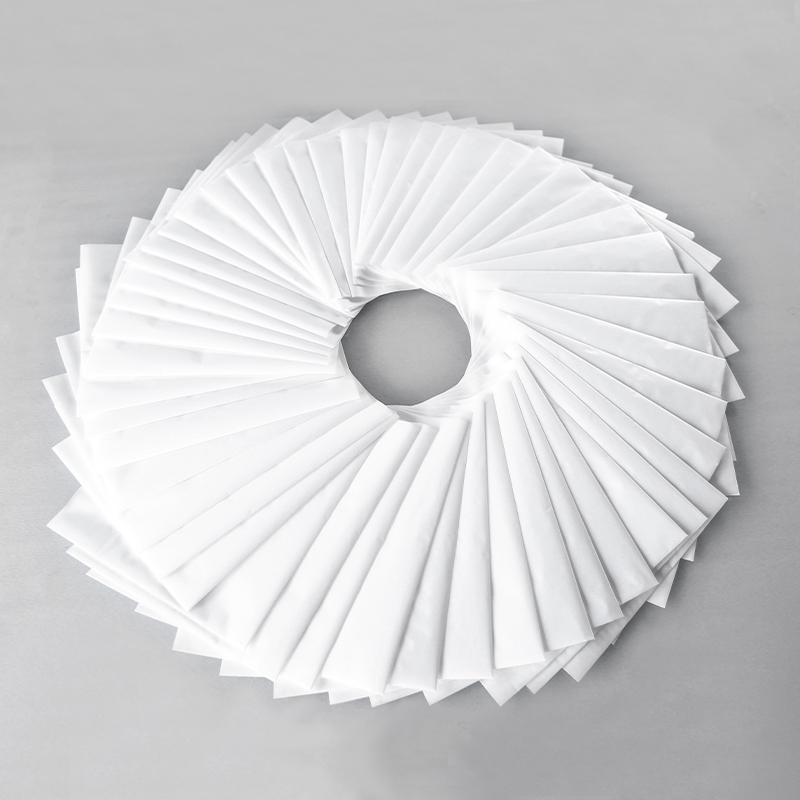
Product details: Folded baking paper sheets, an environment-friendly product, are composed of wood pulp and are double-side coated with silicone. Such a coating makes our paper smooth, greaseproof and...
See Details -
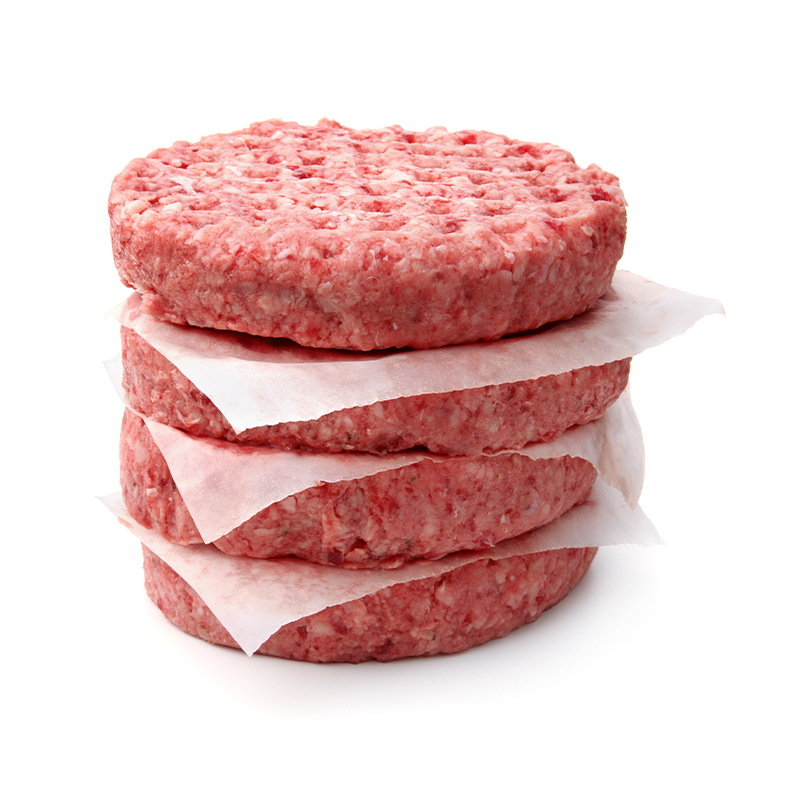
Description: Wax paper is the paper that is coated with food-grade wax in order to make it non-stick and waterproof. wax paper is very good for food storing and presentingMade of food-grade paper and ...
See Details -
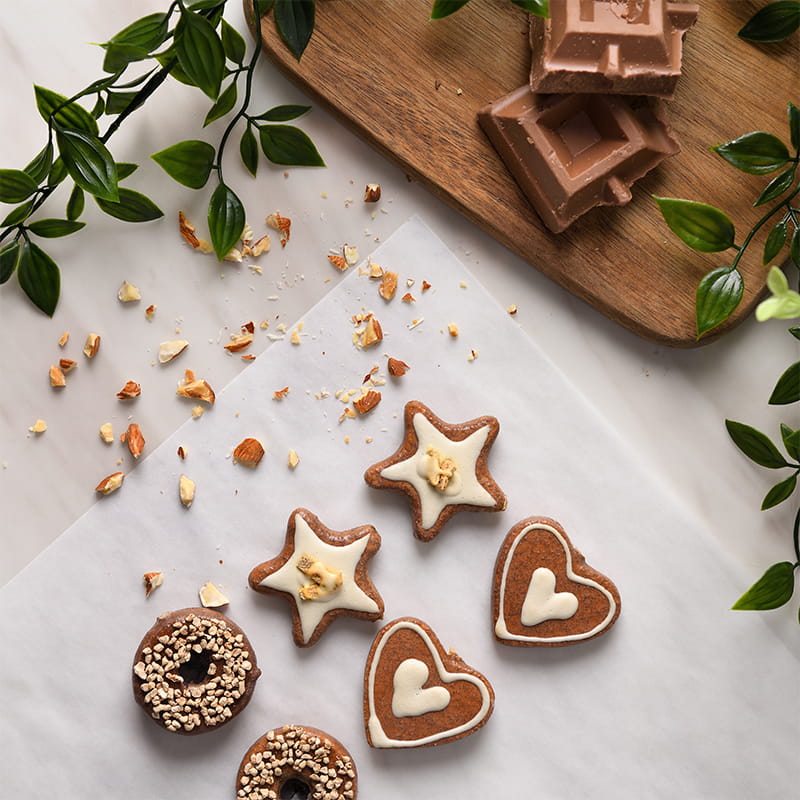
Product Features: 1. Virgin wood pulp 2. Double sides food grade silicone-treated 3. Fluorine-free 4. Non-stick 5. Oven/Microwave safe 6. Freezer safe 7. Reusable 8. BPA f...
See Details -
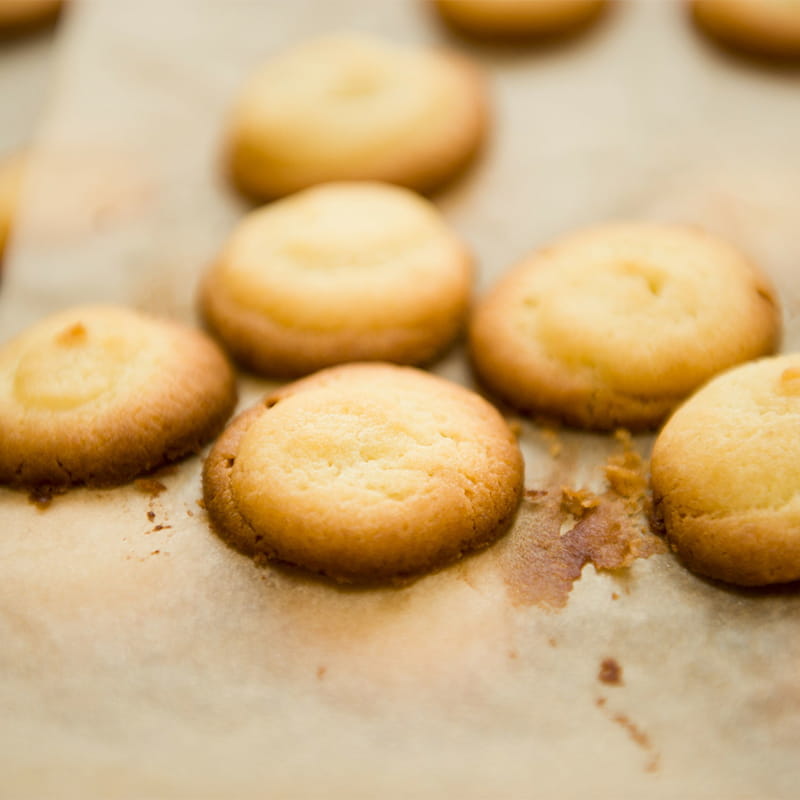
Product Features: 1. Virgin wood pulp 2. Natural unbleached brown color 3. Double sides food grade silicone-treated 4. Fluorine-free 5. Non-stick 6. Oven/Microwave safe 7. Fre...
See Details -
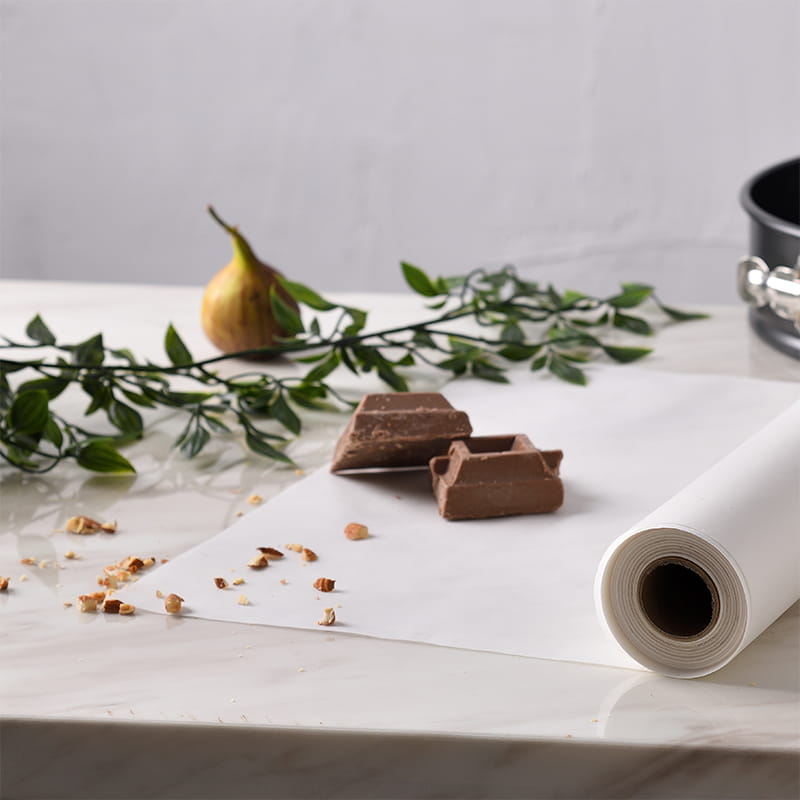
Product Features: 1. Virgin wood pulp 2. Double sides food grade silicone treated 3. Fluorine-free 4. Non-stick 5. Oven/Microwave safe 6. Freezer safe 7. Reusable 8. BPA ...
See Details -
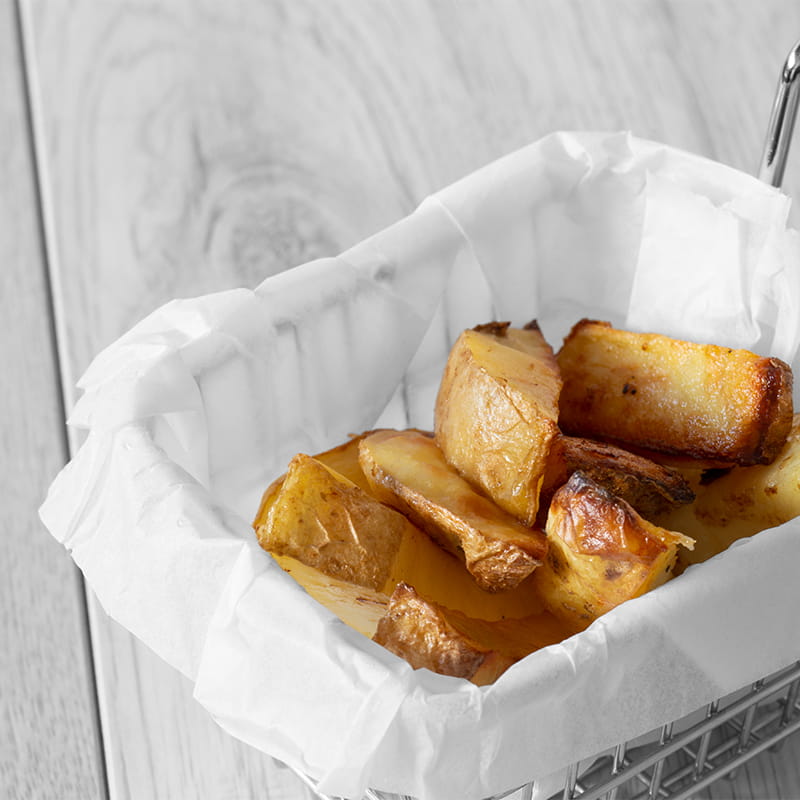
Product Features: 1. Virgin wood pulp 2. Fluorine-free 3. BPA free 4. Biodegradable Product Details: In an era where environmental consciousness and sustainability are paramount, Natu...
See Details -
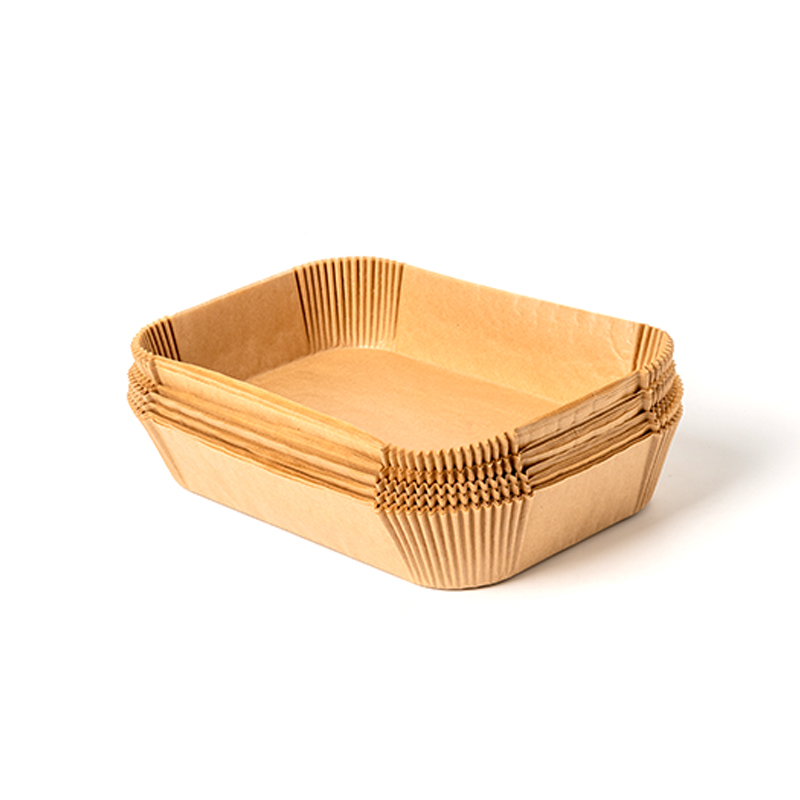
Product Features: 1. Virgin wood pulp 2. Double sides food grade silicone-treated 3. Fluorine-free 4. Non-stick 5. Air fryer basket safe 6. Reusable 7. BPA free 8. Biodeg...
See Details -
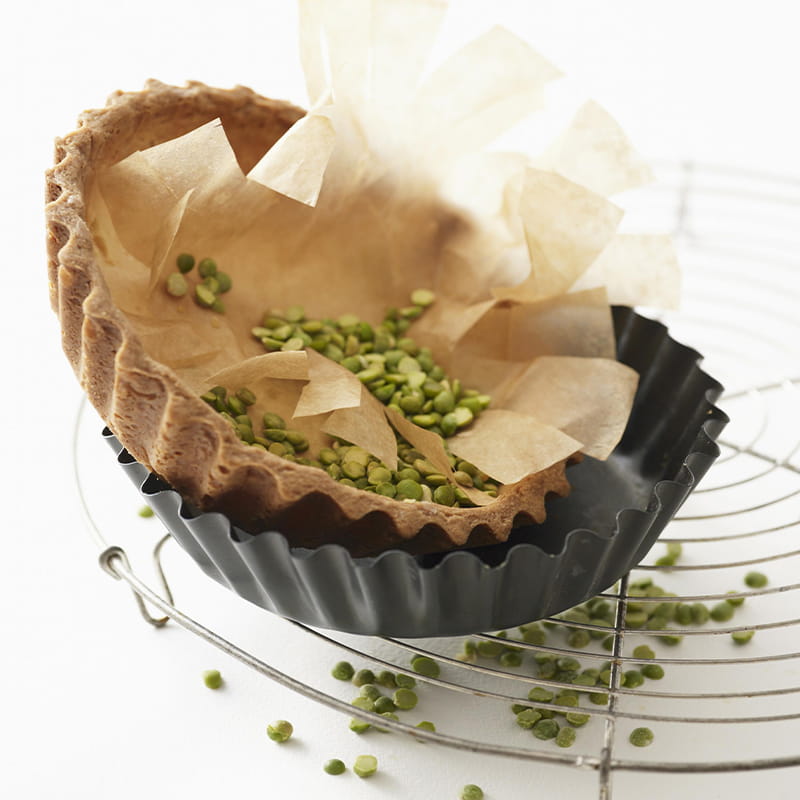
Product Features: 1. Virgin wood pulp 2. Natural unbleached brown color 3. Fluorine-free 4. BPA free 5. Biodegradable Product Details: Introducing our Unbleached Brown Food Grade ...
See Details -
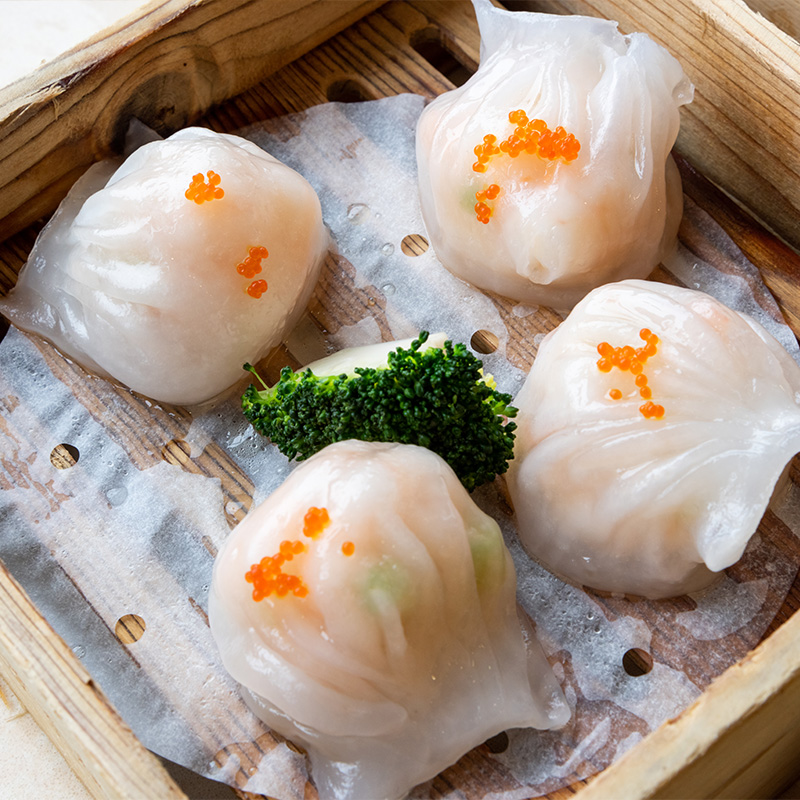
Product Features: 1. Virgin wood pulp 2. Double sides food grade silicone treated 3. Fluorine-free 4. Non-stick 5. Steamer/air fryer basket safe 6. Reusable 7. BPA free 8...
See Details -
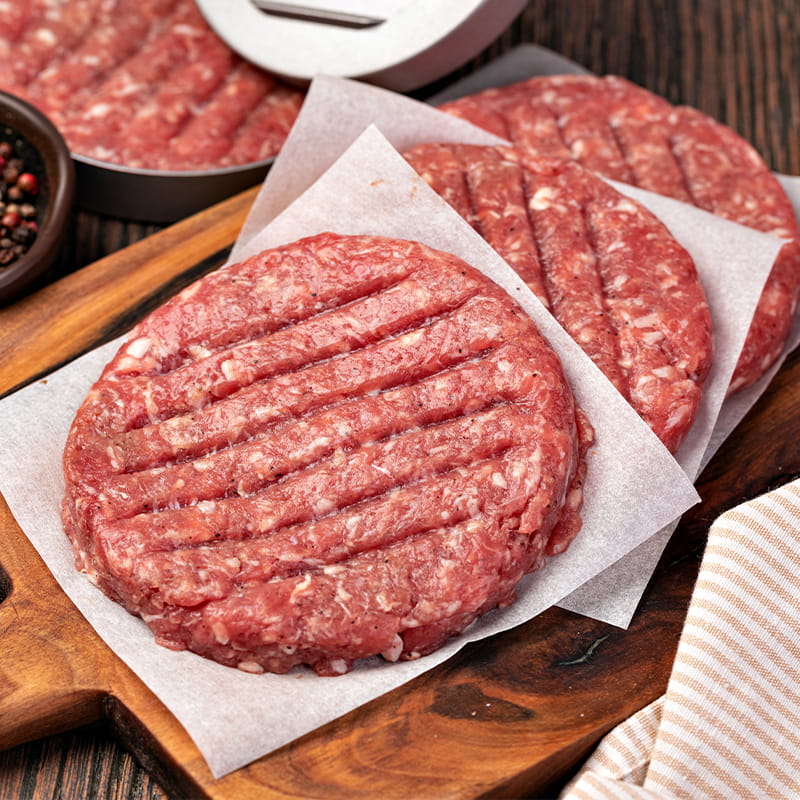
Product Features: 1. Virgin wood pulp 2. Double sides food grade silicone treated 3. Fluorine-free 4. Non-stick 5. Easy to separate 6. Reusable 7. BPA free 8. Biodegradab...
See Details -
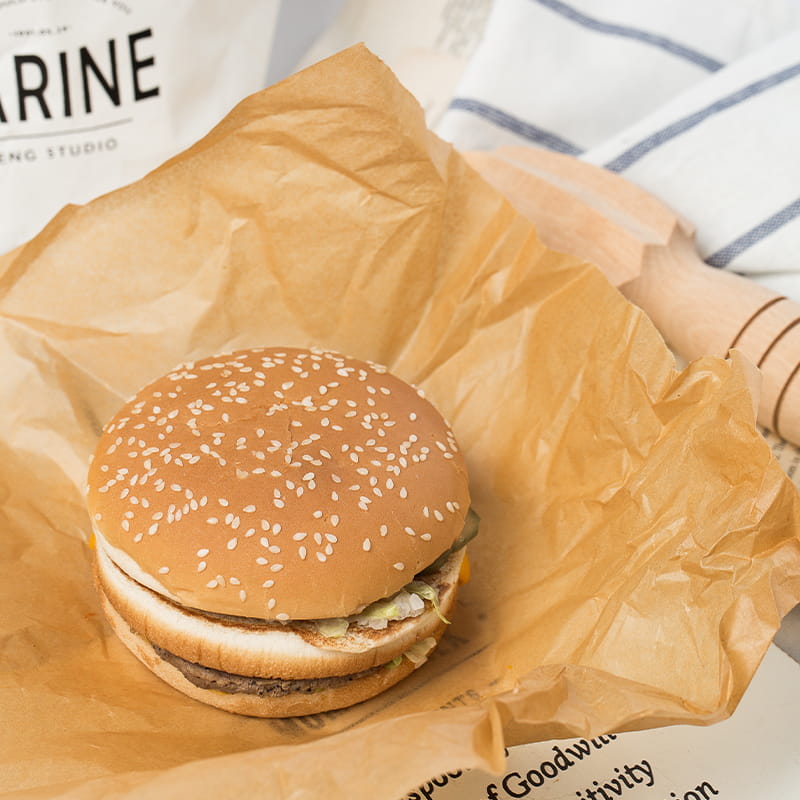
Product Features 1. Virgin wood pulp 2. Flexographic printing 3. Eco-friendly water-based ink 4. BPA free Product Details: Introducing our premium Greaseproof Sandwich Paper Sheets, a...
See Details

Professional Baking Parchment Paper Manufacturer in China with more than 15 years silicone coating experience.
Products
Contact Us
- No.10 Longyin Road, Chengnan Industrial Park,Longyou, Quzhou, China.
- +86-18968091013 / +86-571-88639705
- Avayao-1990@hotmail.com
Copyright © Zhejiang Guanghe New Materials Co., Ltd. All Rights Reserved.
Parchment Paper & Baking Paper Sheets Manufacturer
