 English
 中文简体
中文简体
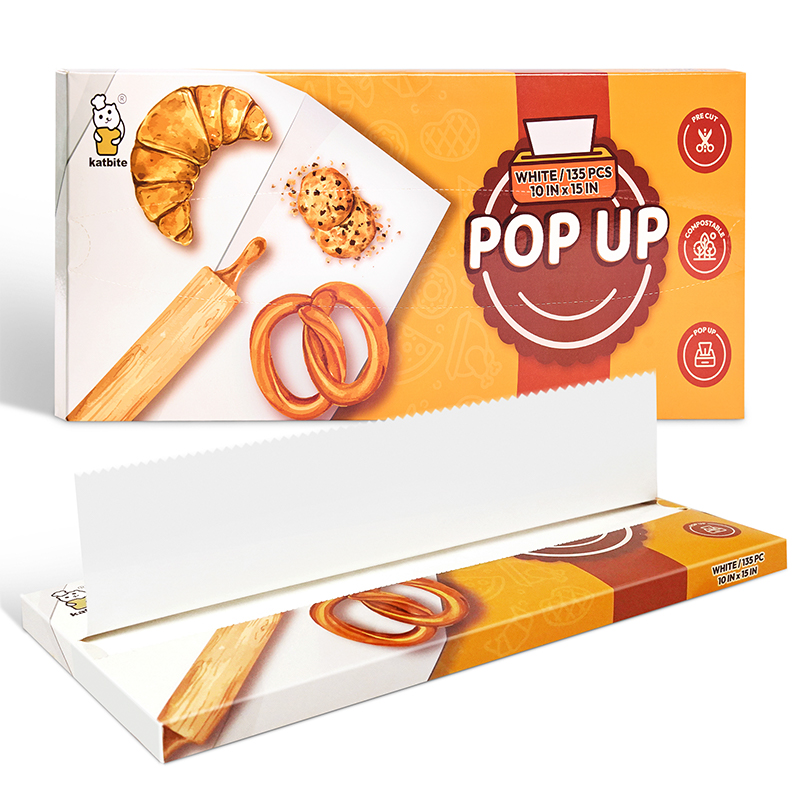
Product details: Pop-up parchment paper sheets, an environment-friendly product, are composed of wood pulp and are double-side coated with silicone. Such a coating makes our paper smooth, greasepr...
See DetailsHome / News / Industry News / Breaking Culinary Boundaries: Siliconized Baking Parchment Paper Redefines Cooking Experience
Breaking Culinary Boundaries: Siliconized Baking Parchment Paper Redefines Cooking Experience
Siliconized Baking Parchment Paper brings a level of ease to cooking and baking that many people come to rely on once they start using it regularly. The paper consists of a cellulose base sheet treated with a thin silicone coating on both surfaces. This coating forms a smooth, non-porous layer that keeps food from bonding to pans, trays, or other cooking surfaces while allowing heat to transfer steadily. Cooks use it to line baking sheets, create steaming packets, separate layers of dough, or protect surfaces during preparation.
The cellulose starts as processed plant fibers pressed into flexible sheets with enough strength to hold up under oven conditions. The silicone bonds securely during manufacturing, creating a uniform finish that repels grease, moisture, and food particles. This combination supports a wide variety of tasks without the paper tearing easily or leaving residue behind.
How the Paper Behaves Under Heat
Heat travels through the paper in an even pattern, helping ingredients cook uniformly from edge to edge. The silicone layer acts as a barrier, so food sits on top rather than fusing to the metal beneath. Once the item cools slightly, it usually lifts away cleanly, leaving the pan or tray with little to no stuck-on material.
Moisture from the food escapes in a controlled way, which helps produce crisp exteriors on cookies, roasted vegetables, or grilled items while keeping interiors tender. The coating resists soaking up oils or liquids, so the sheet stays intact even when dealing with juicy ingredients or sauces. Cutting the paper to fit odd-shaped pans or rolling unused portions for storage makes it adaptable to different kitchen layouts and cooking frequencies.
Simplifying Preparation and Cleanup
One clear advantage appears during setup. Lining a tray before adding dough, vegetables, or proteins eliminates the need to rub butter, oil, or spray across the surface. This step alone reduces the amount of added fat in many recipes and shortens the time spent preparing the pan.
After cooking, food releases without scraping or soaking. Pans and trays need only a quick rinse or wipe, which proves especially helpful when preparing multiple dishes or baking in batches. The paper collects drips, crumbs, and minor spills, keeping the oven interior cleaner over time.
Disposal remains straightforward—used sheets go into regular waste or, when appropriate, see limited reuse for dry, low-mess tasks such as separating dough layers or catching drips under cooling racks. This routine reduces the overall effort required to maintain a tidy workspace.
Baking Cookies and Small Treats
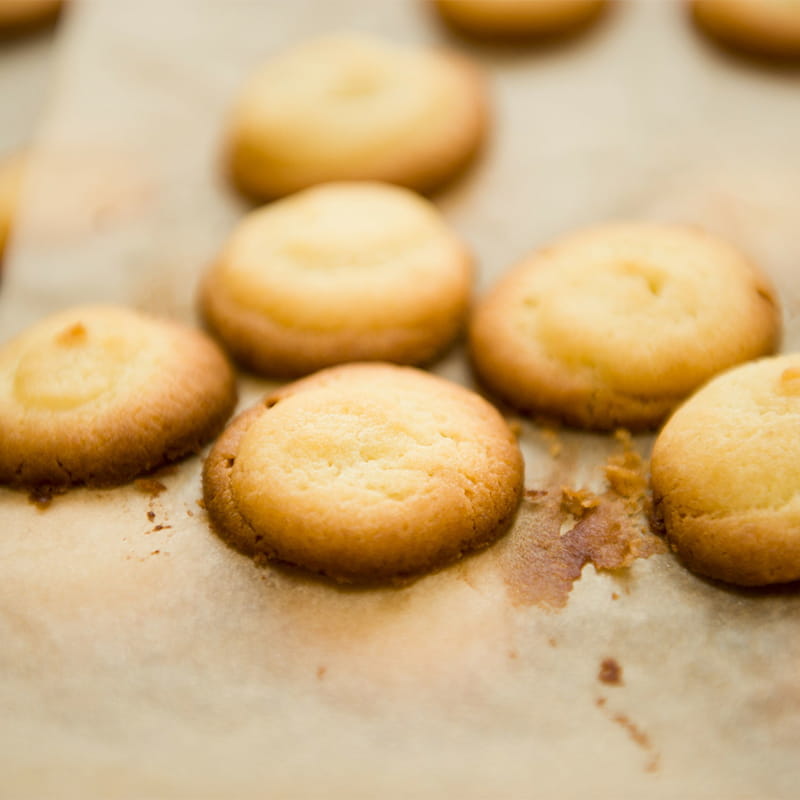
Cookies placed on lined sheets bake with consistent color and texture across the batch. The surface controls how much the dough spreads, so shapes hold their form better than they might on an unlined pan. Once cooled, the cookies slide off without breaking edges or leaving fragments behind.
The even heat distribution prevents some cookies from browning too quickly on the bottom while staying pale on top. Transferring them to a cooling rack becomes a simple lift rather than a careful pry. This reliability supports baking larger quantities without constant monitoring.
| Aspect | Key Benefits / Performance | Practical Outcome for the User |
|---|---|---|
| Consistent Baking Results | Even color and texture across the entire batch | Uniform cookies every time |
| Dough Spread Control | Surface limits excessive spreading | Shapes hold form better than on unlined pans |
| Easy Release After Cooling | Cookies slide off cleanly, no breaking or fragments | No scraping or damage during removal |
| Balanced Heat Distribution | Prevents over-browning on bottom while top stays even | No burnt bottoms or pale tops |
| Simplified Transfer | Simple lift to cooling rack (no careful prying) | Faster, less stressful handling |
| Batch Baking Support | Reliable performance across multiple trays | Bake larger quantities with less constant watching |
Working with Cakes and Quick Breads
Cake batters poured into lined pans release smoothly after baking, preserving clean sides and flat bottoms that make stacking or frosting easier. The paper eliminates the traditional greasing-and-flouring step, which sometimes leaves a powdery coating or uneven texture.
Quick breads and loaf-style cakes unmold cleanly, keeping crusts intact and corners sharp. The paper's stability allows the batter to rise evenly without sticking to the sides, resulting in loaves that slice neatly. For recipes baked directly on flat sheets, such as sheet cakes or bar cookies, the lining simplifies cutting and serving portions.
Pastry and Dough Techniques
Rolling pastry dough on the paper prevents it from sticking to the work surface and makes transferring to a pie tin or tart pan easier. The sheet supports delicate doughs without tearing during handling.
Laminated doughs for croissants or puff pastry benefit from the non-stick layer when resting or shaping. Steam escapes through the paper during baking, contributing to the layered, flaky structure many recipes aim for. The paper's flexibility allows folding or pleating for decorative edges or filled pastries.
Roasting Vegetables and Meats
Roasting on lined rimmed sheets captures juices and prevents food from bonding to the pan. Vegetables caramelize evenly as heat surrounds each piece. Root crops, brassicas, or tubers develop golden edges without burning in spots.
Meats and poultry cook without the bottom sticking, so turning or basting remains simple. Seasonings stay on the ingredients rather than embedding into the metal. Sheet-pan dinners that combine proteins, vegetables, and starches stay contained, with pan juices available for light sauces or drizzling.
The paper handles longer roasting times without degrading, making it suitable for slow-cooked items like whole chickens or large vegetable trays.
Packet Cooking for Flavorful Results
Folding ingredients into sealed packets traps steam and concentrates aromas. Fish fillets, chicken pieces, or vegetable medleys cook gently with herbs, citrus, garlic, or other seasonings placed inside. The result stays moist and tender, with flavors melding naturally.
The silicone coating resists steam and juices, so the paper holds its shape throughout the cooking process. Packets can go into the oven on a tray or directly into a steamer basket. Opening them at the table releases a burst of fragrance, adding a small element of presentation to everyday meals.
Steaming and Gentle Cooking
Beyond packets, the paper lines steamer baskets or perforated inserts to prevent sticking. Dumplings, buns, or delicate proteins stay intact during steaming, lifting away cleanly afterward.
The coating withstands prolonged moisture exposure, so the paper does not become soggy or tear. This method preserves nutrients and natural textures in vegetables or seafood, supporting lighter cooking styles.
Reheating Without Loss of Quality
Reheating leftovers on lined trays or dishes prevents sticking and contains splatters. Foods warm through more evenly, retaining moisture better than direct contact with hot surfaces.
In the microwave, covering items with the paper keeps steam inside for softer textures. Frozen portions wrapped in the paper can move straight from freezer to oven, protecting against freezer burn and simplifying the thawing-to-serving process.
Environmental Aspects of Use
The silicone layer comes from food-grade sources applied in minimal amounts. Production focuses on efficient use of materials, and some versions of the paper break down more readily in industrial composting facilities.
Reusing clean sheets for dry tasks—such as catching drips or separating dough layers—extends their usefulness before disposal. Choosing this paper over certain plastic wraps or heavy foil aligns with habits that aim to lower single-use waste in the kitchen.
| Aspect | Key Details / Benefits | Practical Actions / Choices |
|---|---|---|
| Material Source & Production | Silicone from food-grade sources, applied thinly; focus on material efficiency | Supports lower resource use in manufacturing |
| Composting Capability | Some versions break down more readily in industrial composting facilities | Check local facilities for proper disposal |
| Reusing Sheets | Clean sheets suitable for dry, low-mess tasks (e.g., drip-catching, dough separation) | Extend life by reusing before final disposal |
| Waste Reduction Comparison | Preferred over certain plastic wraps or heavy foil | Helps reduce single-use waste in daily kitchen habits |
Differences from Uncoated or Alternative Liners
Plain parchment paper without the silicone layer usually needs a light coat of oil or butter to keep food from sticking, and it can become fragile or rip when it gets wet from sauces, batters, or steam. Adding the silicone changes that equation completely. The treated surface handles release on its own, so you skip the extra greasing step entirely, and it stands up better to moisture without falling apart.
Reusable silicone baking mats stick around for a long time since you wash and store them after each use. They transfer heat in their own way, which sometimes causes dough to spread out more than expected or leads to slightly different browning on the bottom compared to paper. The mats require scrubbing and drying, while siliconized parchment lets you toss the sheet when you're finished or reuse it a couple of times for low-mess jobs without any washing involved.
Aluminum foil manages very hot temperatures well and reflects heat back toward the food, but it can react with tomatoes, citrus, or other acidic ingredients, sometimes leaving a metallic taste or discoloring the foil. It also conducts heat so quickly in spots that you might end up with uneven cooking. Siliconized parchment sidesteps those chemical reactions and spreads heat more gently, giving reliable release no matter whether the recipe is sweet, savory, dry, or juicy.
Supporting Balanced Preparation
The slick silicone surface means you can cut back on added oils and fats in a lot of recipes. Doughs, vegetables, and proteins cook without clinging, so the natural taste and mouthfeel of the ingredients come through clearly instead of being coated or masked by extra butter or spray.
That same barrier keeps food from picking up any leftover bits stuck to the pan from previous uses. When someone in the household needs to avoid certain allergens or sensitivities, this separation adds a layer of confidence that cross-contact stays minimal. The coating holds steady through normal oven heat, so there's no worry about it breaking down or releasing anything into the food during everyday baking or roasting.
Inspiring Small Experiments
Once the paper proves it won't let things stick or tear mid-recipe, it opens the door to playing around with combinations. You can stack proteins, vegetables, and seasonings inside a folded packet and let the oven do the work, knowing everything will come out intact and full of flavor.
Flat baking sheets become a safe place to test small batches with new spice blends, glazes, or finishing touches. When the food lifts off cleanly, plating looks neater for weeknight dinners or when friends come over. People just starting out in the kitchen feel more comfortable pushing their limits because the results stay predictable instead of turning into a stuck-on mess.
Choosing Sheets That Fit Your Needs
Rolls give you the freedom to snip exactly the size and shape you need for round cake pans, odd baking dishes, or long roasting trays. Pre-cut rectangular sheets speed things up when you're pulling the same tray size out of the oven week after week.
Thinner paper works nicely for light pastries and cookies where you want minimal interference with browning and texture. Heavier sheets stand up to longer roasting sessions or recipes with lots of liquid without soaking through. Stash rolls in a drawer or cabinet away from the sink and stove so they stay flat and dry instead of curling from humidity.
Everyday Handling Tips
A sheet that arrives a little curled usually flattens out if you weigh it down with a cutting board or a heavy pot for a few minutes before lining the pan. For recipes that produce a lot of steam or sauce, placing two sheets on top of each other gives an extra buffer without changing how the food cooks.
Stick to the temperature range your oven normally reaches at home, and the paper will perform steadily. Let used sheets cool completely, then look them over—if they're still clean and intact, they can line another dry tray or catch crumbs under a cooling rack before going in the bin.
Addressing Frequent Concerns
The silicone layer carries no taste of its own and won't pass any flavor onto bread, fish, vegetables, or anything else. It simply lets the ingredients' natural character shine through.
It behaves reliably across the temperatures home ovens reach for baking, roasting, or reheating. The minutes saved scraping pans or greasing ahead of time add up quickly, making repeated use feel worthwhile even if the upfront cost of the paper seems a bit higher than plain alternatives.
Fitting Into Various Cooking Traditions
Cooks who make European pastries appreciate how the paper lets them roll, cut, and transfer delicate dough without it sticking to the counter or tearing when it goes into the tin. Clean release keeps the final shape sharp for tarts, éclairs, or layered cakes.
Asian-style steaming keeps buns, dumplings, and whole fish looking neat and lifting away easily from the basket or plate. Mediterranean dishes loaded with olive oil, lemon, garlic, and fresh herbs roast without the pan becoming a sticky mess that needs hours of soaking.
The paper slips into different ways of cooking without forcing any major changes to technique or ingredients.
Building Skills Through Use
Working with the paper hands-on quickly shows why a good non-stick surface matters. You see right away how it changes the flow of a recipe—less wrestling with stuck edges, more attention on seasoning, timing, and presentation.
When the same good results happen batch after batch, it builds momentum to try recipes that once seemed intimidating. Simple handling and dependable outcomes take some of the stress out of learning, so people keep coming back to the kitchen instead of stepping away after a frustrating experience.
Guanghe Baking Paper
Guanghe baking paper quietly changes how everyday cooking feels in the kitchen, turning routine tasks into smoother, more enjoyable steps without drawing attention to itself. The consistent non-stick release lets dough slide off trays, roasted vegetables lift away whole, and delicate fish packets open to reveal perfectly steamed results every time. Home cooks find themselves reaching for it naturally when lining a sheet for weekend batch baking, folding a quick dinner packet on a busy weeknight, or simply protecting a pan during a casual reheat.
As more people fold it into their regular rhythm, whether shaping pastries for a holiday table or steaming vegetables for a light supper, Guanghe baking paper becomes less of a tool and more of a background habit that lets the focus stay on flavors, aromas, and the small satisfactions of a meal well made.
Related Products
-
-
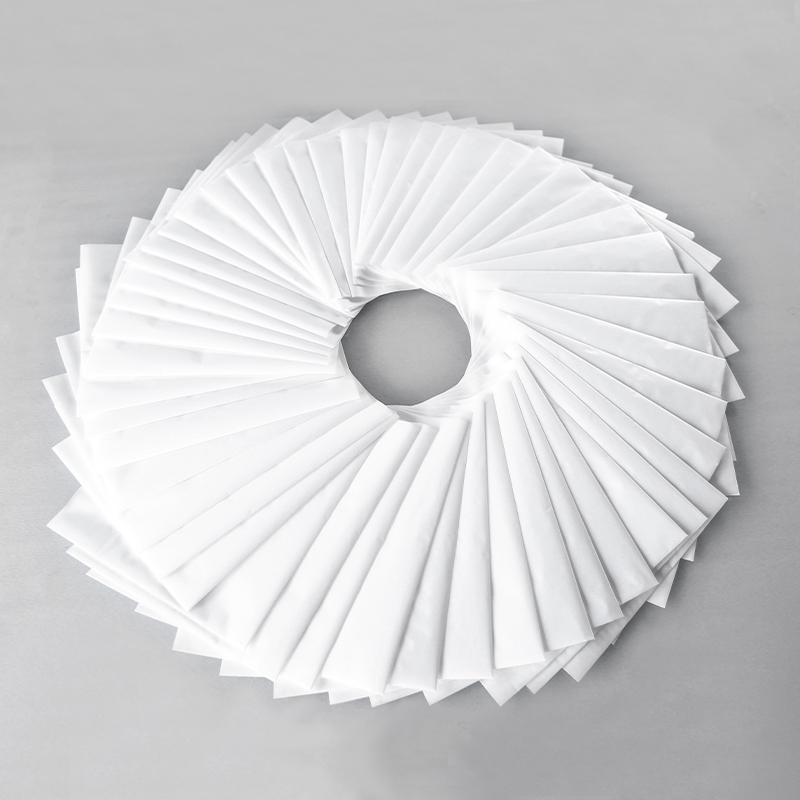
Product details: Folded baking paper sheets, an environment-friendly product, are composed of wood pulp and are double-side coated with silicone. Such a coating makes our paper smooth, greaseproof and...
See Details -
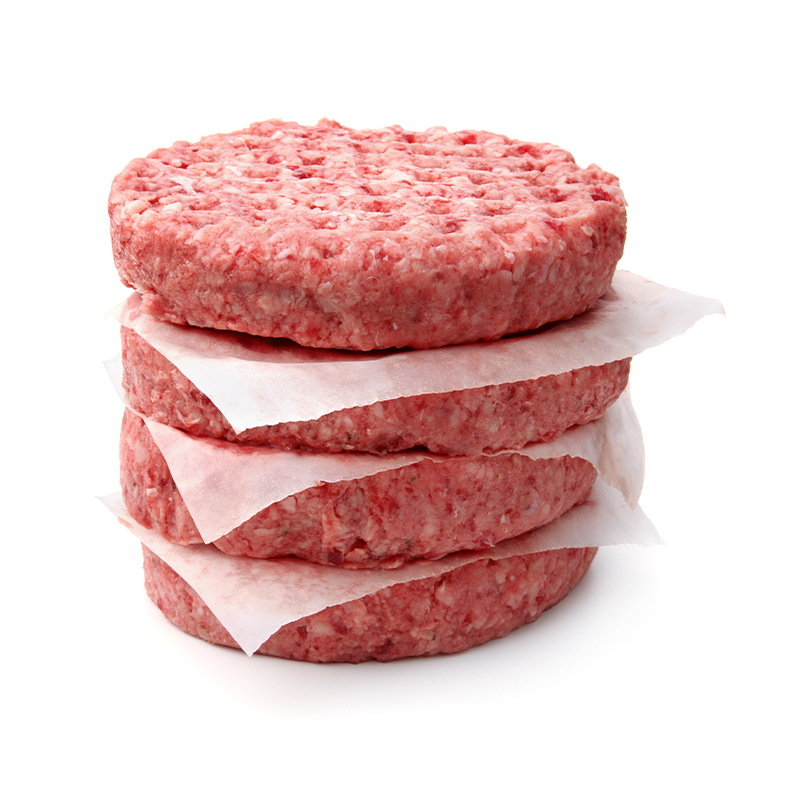
Description: Wax paper is the paper that is coated with food-grade wax in order to make it non-stick and waterproof. wax paper is very good for food storing and presentingMade of food-grade paper and ...
See Details -
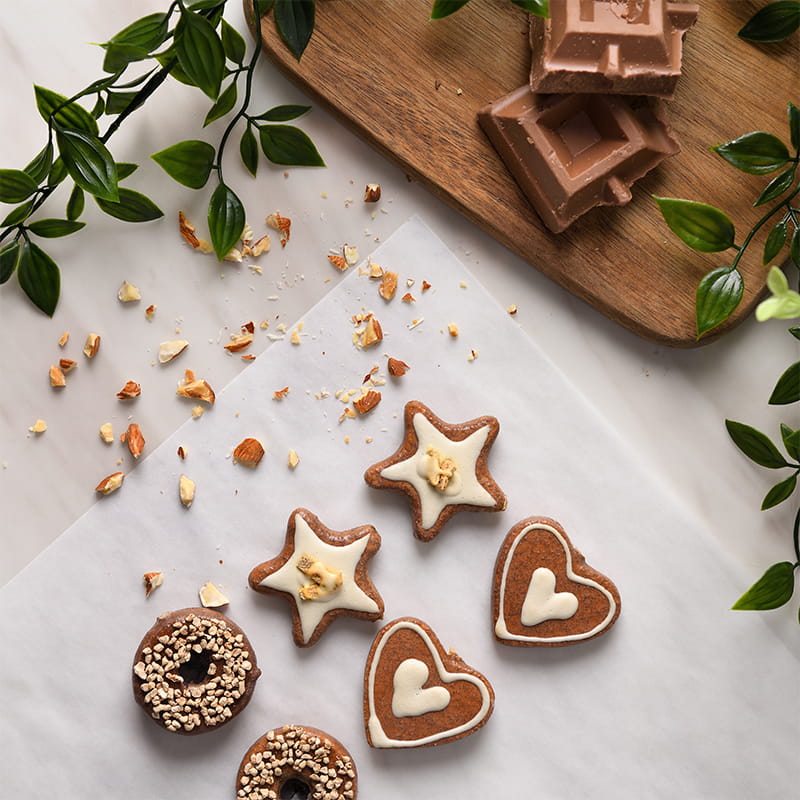
Product Features: 1. Virgin wood pulp 2. Double sides food grade silicone-treated 3. Fluorine-free 4. Non-stick 5. Oven/Microwave safe 6. Freezer safe 7. Reusable 8. BPA f...
See Details -
Product Features: 1. Virgin wood pulp 2. Natural unbleached brown color 3. Double sides food grade silicone-treated 4. Fluorine-free 5. Non-stick 6. Oven/Microwave safe 7. Fre...
See Details -
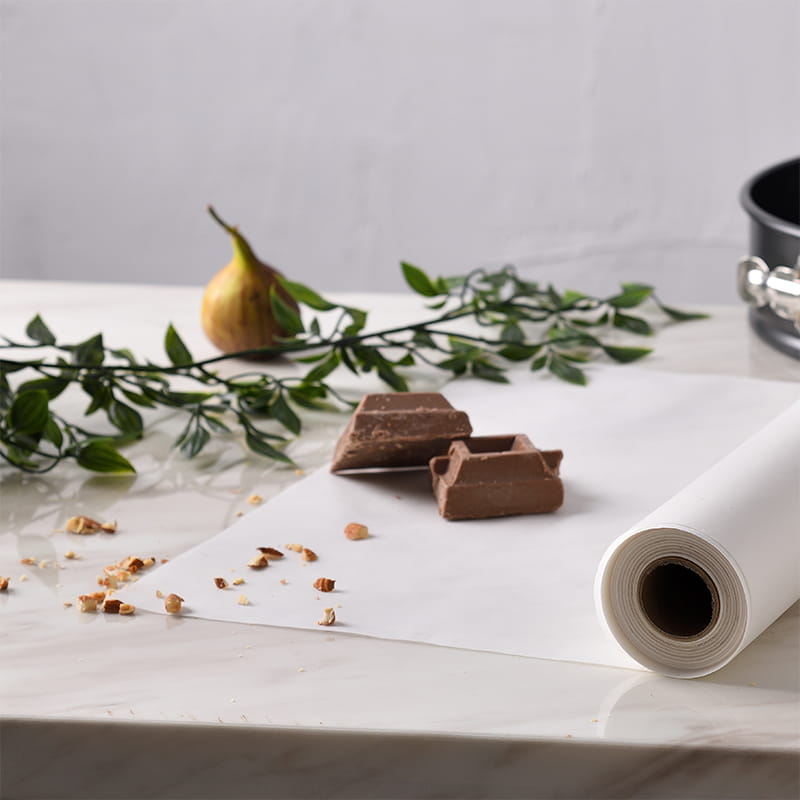
Product Features: 1. Virgin wood pulp 2. Double sides food grade silicone treated 3. Fluorine-free 4. Non-stick 5. Oven/Microwave safe 6. Freezer safe 7. Reusable 8. BPA ...
See Details -
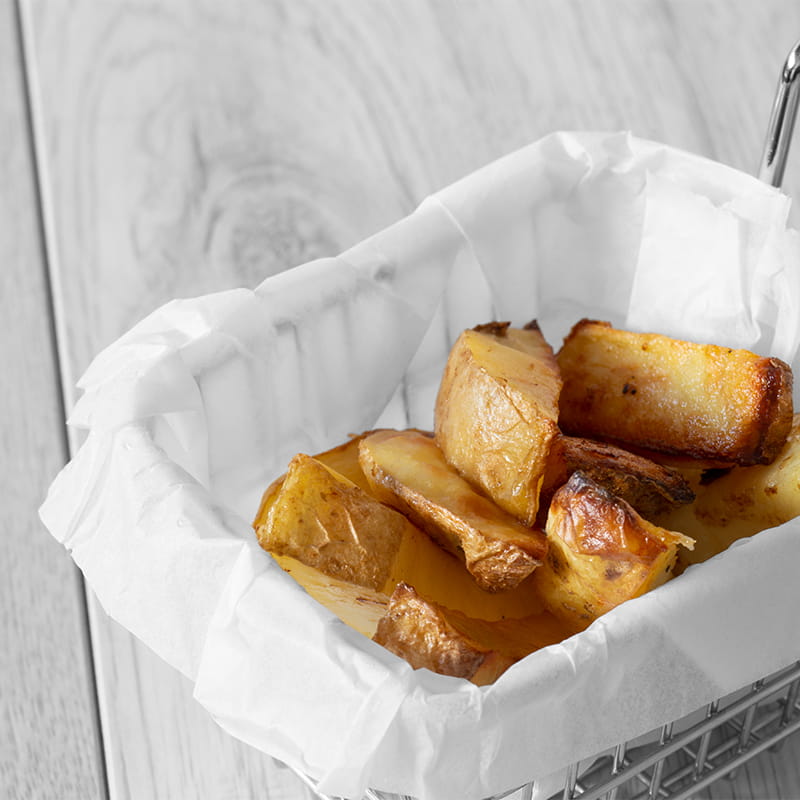
Product Features: 1. Virgin wood pulp 2. Fluorine-free 3. BPA free 4. Biodegradable Product Details: In an era where environmental consciousness and sustainability are paramount, Natu...
See Details -
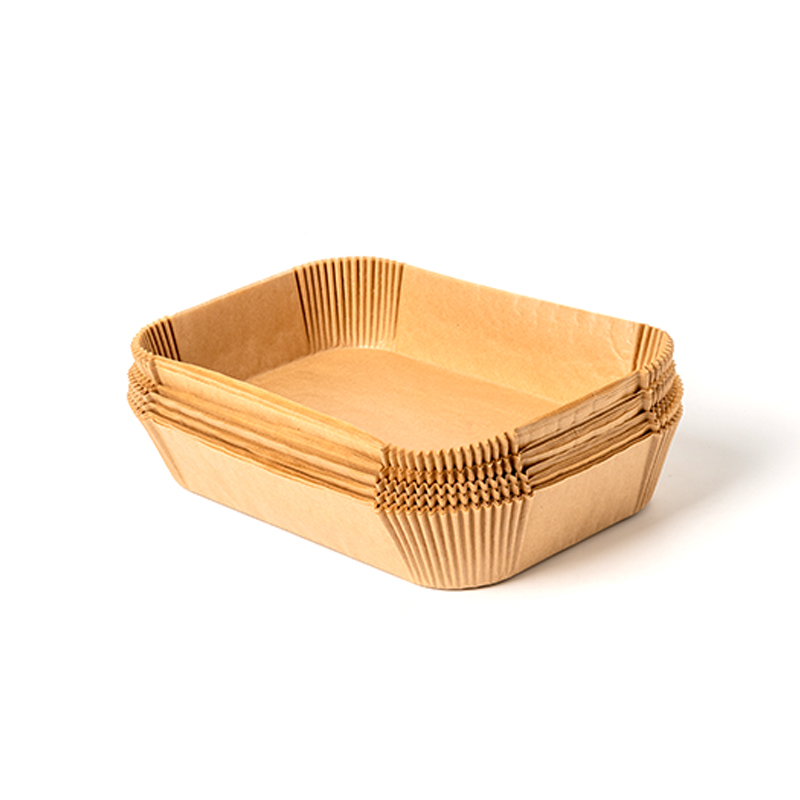
Product Features: 1. Virgin wood pulp 2. Double sides food grade silicone-treated 3. Fluorine-free 4. Non-stick 5. Air fryer basket safe 6. Reusable 7. BPA free 8. Biodeg...
See Details -
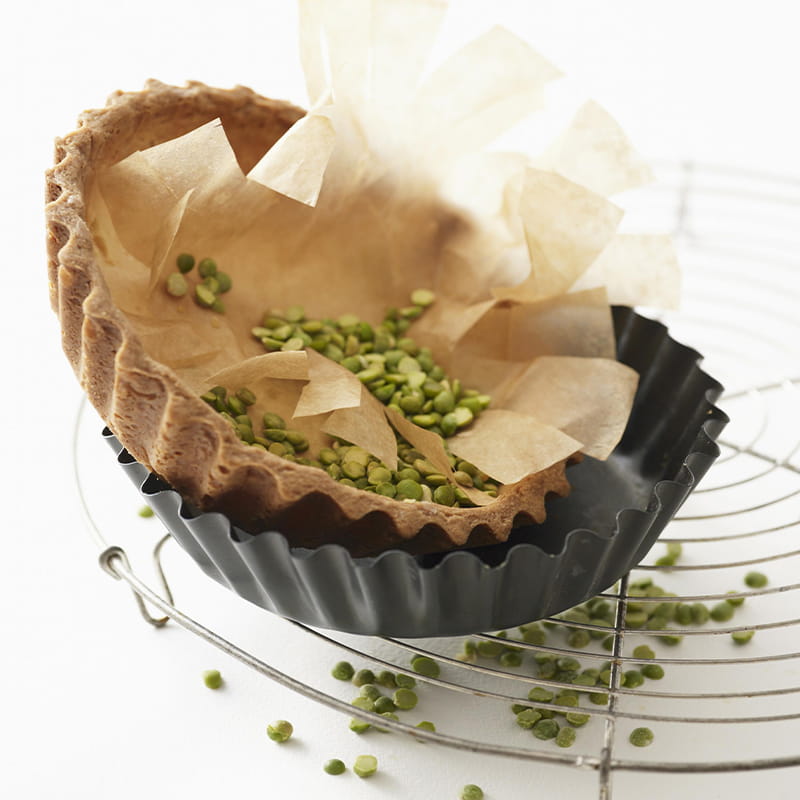
Product Features: 1. Virgin wood pulp 2. Natural unbleached brown color 3. Fluorine-free 4. BPA free 5. Biodegradable Product Details: Introducing our Unbleached Brown Food Grade ...
See Details -
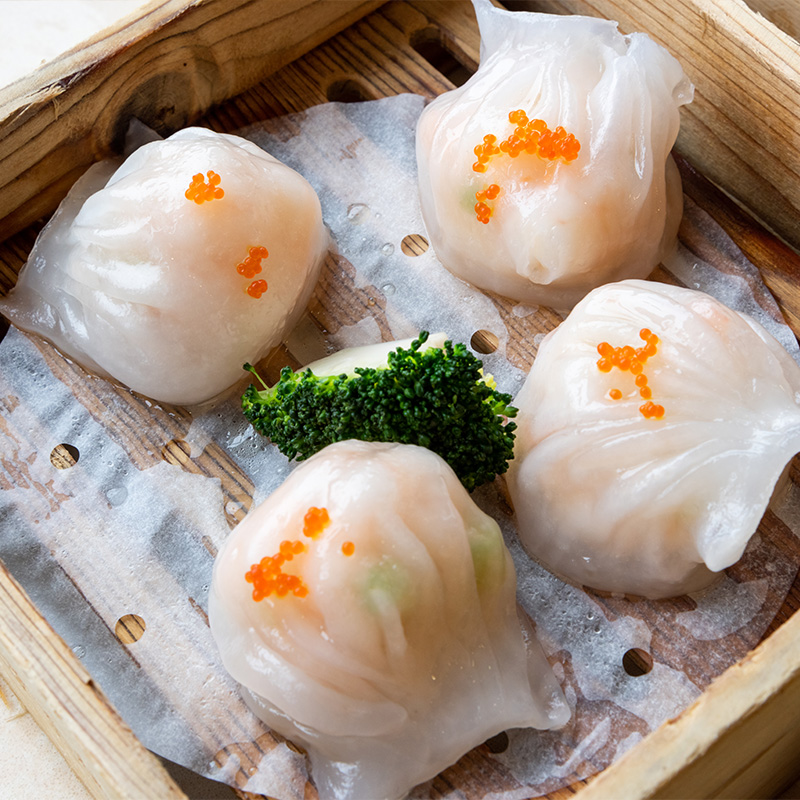
Product Features: 1. Virgin wood pulp 2. Double sides food grade silicone treated 3. Fluorine-free 4. Non-stick 5. Steamer/air fryer basket safe 6. Reusable 7. BPA free 8...
See Details -
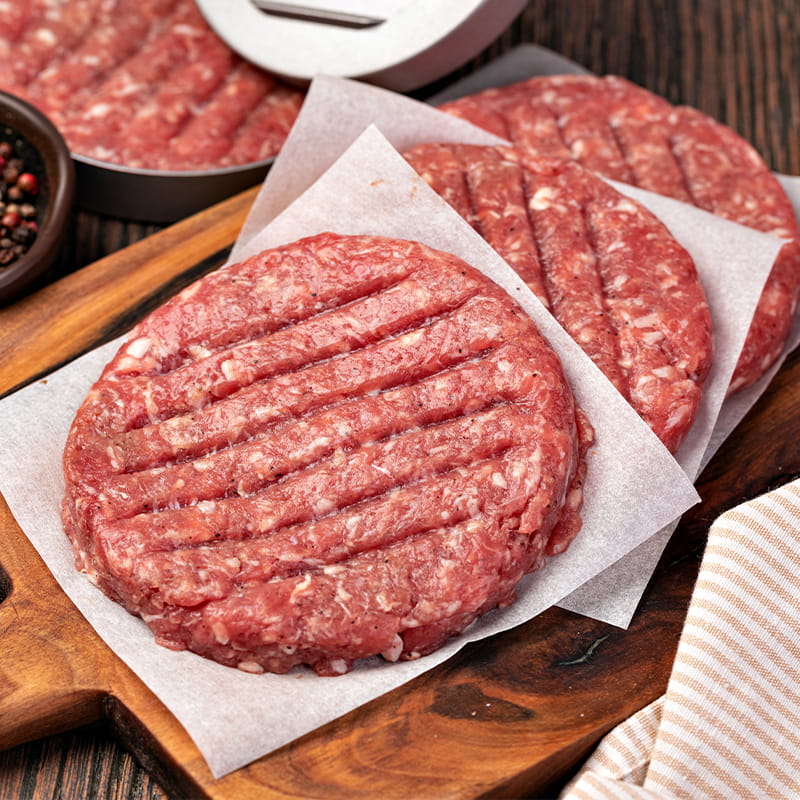
Product Features: 1. Virgin wood pulp 2. Double sides food grade silicone treated 3. Fluorine-free 4. Non-stick 5. Easy to separate 6. Reusable 7. BPA free 8. Biodegradab...
See Details -
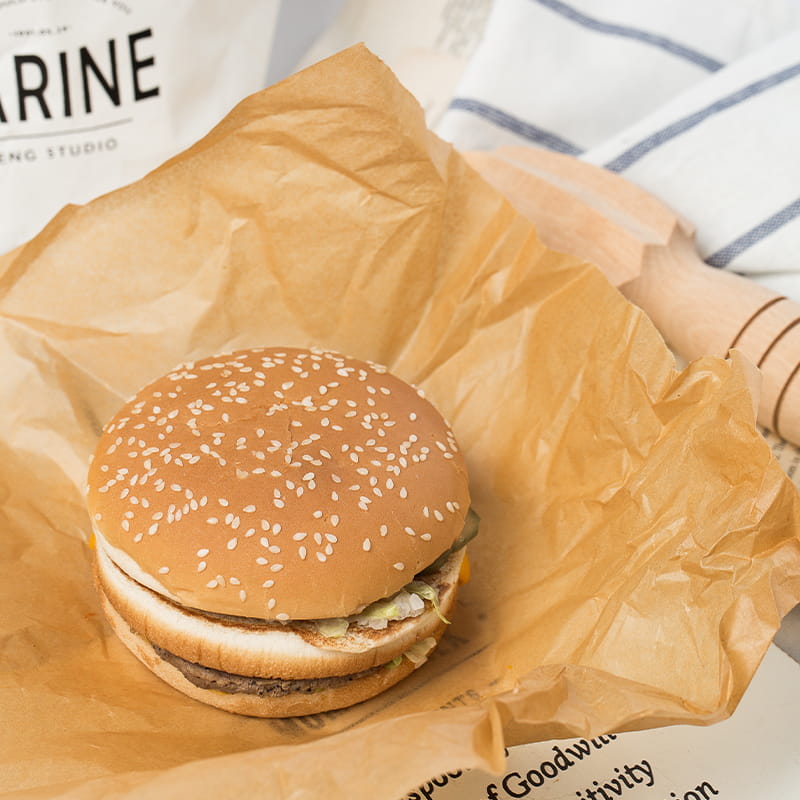
Product Features 1. Virgin wood pulp 2. Flexographic printing 3. Eco-friendly water-based ink 4. BPA free Product Details: Introducing our premium Greaseproof Sandwich Paper Sheets, a...
See Details

Professional Baking Parchment Paper Manufacturer in China with more than 15 years silicone coating experience.
Products
Contact Us
- No.10 Longyin Road, Chengnan Industrial Park,Longyou, Quzhou, China.
- +86-18968091013 / +86-571-88639705
- Avayao-1990@hotmail.com
Copyright © Zhejiang Guanghe New Materials Co., Ltd. All Rights Reserved.
Parchment Paper & Baking Paper Sheets Manufacturer
