 English
 中文简体
中文简体
Pre Cut Baking Paper Sheets are made from wood pulp and coated on both sides with a food-safe silicone layer. This coating gives the paper a smooth, greaseproof, and moisture-resistant surface that su...
See DetailsBaking Silicone Parchment Paper: Revolutionizing the Culinary World
Baking Silicone Parchment Paper consists of a cellulose base sheet treated for grease resistance and coated on one or both sides with a thin layer of food-grade silicone. The silicone creates a smooth, non-stick finish that withstands oven temperatures while allowing heat to pass through to the food. Cooks and bakers choose it because it reduces sticking, supports even cooking in many cases, and cuts down on cleanup compared to bare metal trays or heavily greased pans.
The paper arrives in rolls for custom cutting or as pre-cut sheets in common sizes. It lies flat in pans and on baking trays, staying in place during filling and baking. The silicone layer repels oils, sugars, proteins, and moisture, preventing food from bonding to the surface. Once cooled, items lift away cleanly or peel off with little effort.
This material fits into both casual home cooking and more structured kitchen routines. It handles a range of tasks from lining trays for cookies to serving as a work surface for rolling dough. The combination of non-stick performance and heat stability makes it useful across sweet and savory preparations.
Heat Behavior and Cooking Performance
Oven heat reaches the food through the pan or tray metal and then the paper. The silicone coating does not absorb heat quickly, so it moderates direct contact between the food and the hot surface. This buffering effect helps reduce scorching on the underside of items like cookies, biscuits, or roasted vegetables.
In cake batters, the paper prevents the bottom from browning faster than the center. The result is more uniform color and texture across the base. Delicate mixtures that rely on steady heat for structure—such as sponge cakes or chiffons—set evenly without hot spots collapsing air pockets near the base.
High-sugar recipes benefit from the separation the paper provides. Caramelized edges or fruit juices stay on the sheet instead of hardening against the pan. The coating holds up without breaking down or releasing smoke at typical baking temperatures.
Roasting applications see similar advantages. Vegetables caramelize evenly when spread on a silicone-lined tray. The paper catches drips and prevents small pieces from sticking or burning before larger ones finish cooking.
Non-Stick Release and Food Integrity
The silicone surface repels residues. Cookies, biscuits, and shortbread lift away without leaving fragments behind. Meringues and macarons release without cracking or tearing the delicate structure.
Cakes and tortes unmold smoothly after loosening the sides. The base remains even and free of torn patches that would require patching or trimming. Cheesecakes separate cleanly from springform bottoms, preserving the crust texture and appearance.
Savory items such as roasted fish fillets or thin vegetable slices slide off without sticking. The paper contains any released oils or juices, keeping the tray cleaner and preventing flare-ups during high-heat cooking.
Sticky doughs—honey-sweetened pastries, molasses cookies, or high-hydration bread—release without excessive flour dusting or oil coating. This preserves intended texture and avoids adding unwanted flavors or calories.
| Food Type / Application | Main Challenge / Characteristic | How Silicone Parchment Helps | Benefit / Result |
|---|---|---|---|
| Savory roasted items (fish fillets, thin vegetable slices) | Sticking to tray, released oils/juices causing mess or flare-ups | Non-stick surface allows clean sliding; contains oils and juices | Keeps tray cleaner, prevents flare-ups during high-heat cooking |
| Sticky doughs (honey-sweetened pastries, molasses cookies, high-hydration bread) | Adhesion requiring heavy flour dusting or oil coating | Releases cleanly without extra flour or oil | Preserves intended texture, avoids added flavors or calories |
Cleanup and Kitchen Efficiency
After use, the silicone sheet collects crumbs, drips, and caramelized bits. Removing the sheet disposes of debris in one motion. The tray or pan underneath usually needs only a light rinse or wipe rather than soaking or scraping.
This efficiency stands out during back-to-back baking. Switching between sweet and savory recipes requires no deep cleaning when a fresh sheet is used each time. Non-stick pan surfaces stay in better condition when spared abrasive scrubbing.
In high-volume preparation—holiday baking, batch cooking, or small-scale catering—the reduced cleanup time allows more focus on assembly, portioning, and presentation.
The disposable format eliminates the need to wash reusable liners between batches. No risk of flavor carryover occurs when changing from chocolate dough to vanilla or from savory to sweet applications.
Practical Uses Beyond Oven Baking
Silicone parchment works as a rolling surface for pastry, pizza dough, or fondant. The non-stick quality releases dough easily, and the sheet can be discarded if it becomes too floured or sticky.
Candy making uses it to set chocolates, brittles, or poured caramels. Items cool without adhering to the tray, simplifying removal and cleanup.
Freezing food on silicone parchment prevents pieces from bonding together. Cookies, meatballs, or berries placed on the sheet can be bagged once solid, maintaining separation and shape.
Portioning tasks benefit from the paper as a work surface. Piping meringue, shaping dumplings, or forming energy bars becomes cleaner when done on the sheet.
Wrapping delicate foods for storage or transport keeps them from sticking to containers or each other. The paper conforms to irregular shapes and releases easily when unwrapped.
Adaptability in Alternative Cooking Styles
Gluten-free mixtures often turn stickier due to gums or alternative starches. Silicone parchment provides a consistent non-stick base without extra greasing, protecting fragile structures during unmolding.
Vegan recipes using oil, nut butters, or plant-based spreads release cleanly because the silicone repels these fats. No heavy pan coating is required, and the bottom avoids excess oil residue.
Low-fat baking relies on the paper's performance to prevent sticking when fat content is minimal. Batters or doughs that would cling more aggressively separate without issue.
Artisan bread doughs placed in proofing baskets or round pans during final rise stay free of sticking when the surface is lined. Transfer to a hot baking stone or oven becomes smoother.
Environmental and Usage Trade-offs
Silicone parchment paper cuts down on the fat used to prepare baking surfaces. Instead of brushing pans with oil or butter, cooks can rely on the sheet’s non-stick layer, so less grease ends up in the finished food and less goes down the drain—helpful for anyone keeping an eye on fat consumption or kitchen waste.
The production of many parchment papers involves relatively few chemical treatments. Sheets that only see light use—such as plain cookies or vegetables—can frequently go into the compost bin once the baking is done, provided they do not carry heavy grease or charred bits.
When stacked against disposable aluminum foil trays or thick foil liners, silicone parchment sheets occupy far less space in the trash and demand less energy to manufacture and ship. The difference becomes noticeable over months of regular baking.
For people who bake often, reusable silicone-coated mats present a durable alternative that can be washed and reused many times. Still, single-use silicone parchment sheets hold strong appeal because of their straightforward one-and-done nature and the dependable release they provide no matter what recipe is being made.
Selecting and Handling the Paper
Pick sheets or rolls that align well with the trays and pans you use regularly. Pre-cut rectangles and circles eliminate measuring and scissor work, while full rolls give flexibility to trim pieces for odd-sized vessels or custom needs.
Always lay the silicone-coated side facing upward when lining a pan or tray. That orientation puts the non-stick surface in direct contact with the food, delivering the cleanest release.
Keep unused sheets stored flat inside a dry drawer or inside a zip-top bag. Storing them flat avoids creases or folds that could create gaps or uneven contact once placed in a pan.
In kitchens where humidity runs high, store the paper in airtight containers or sealed bags. This prevents the sheets from pulling in moisture, which can make them limp or cause them to cling awkwardly during use.
| Storage Challenge / Condition | Recommended Storage Method | Purpose / Benefit |
|---|---|---|
| General storage (prevent creases/folds) | Keep unused sheets flat in a dry drawer or zip-top bag | Avoids creases or folds that cause gaps or uneven contact in pans |
| High-humidity kitchens | Store in airtight containers or sealed bags | Prevents moisture absorption, which can make sheets limp or cause awkward clinging during use |
Position a small stack of sheets close to the mixing bowls and prep area. Easy reach encourages consistent use across different recipes, turning the paper into a natural part of the workflow.
Everyday and Specialized Applications
Home cooks reach for silicone parchment paper when making weekend layer cakes, trays of drop cookies, or simple family dinners. The dependable release and balanced cooking results build assurance with both well-known favorites and new recipes being tried for the time.
Professional kitchens count on the paper for steady, repeatable performance. Pastry sections line sheet trays for bite-sized pastries and laminated dough items, roast garnishes for plated desserts, and use the sheets as clean, sanitary surfaces while assembling intricate components.
Caterers appreciate the fast post-event cleanup and uniform appearance when preparing large quantities of trays. The paper keeps workflow efficient without sacrificing the visual quality of the finished items.
Artisan bread makers line proofing baskets and baking trays with silicone parchment to keep dough from adhering during the final rise. The sheet makes sliding the loaf into a hot oven or onto a stone much easier while preserving the intended shape.
Developing Reliable Kitchen Routines
Using silicone parchment paper regularly removes several common variables from cooking and baking. Problems like food sticking, scorching on the bottom, or patchy heat exposure occur far less often, freeing up mental energy to concentrate on timing, seasoning levels, and overall technique.
The shorter cleanup time creates space for trying new ingredient combinations, playing with textures, or experimenting with plating styles. Cooks find they have more bandwidth to adjust seasonings to personal taste or refine the final presentation.
When teaching children, family members, or students, the paper cuts down on spills and sticky messes. Simpler steps and cleaner surfaces make the experience less intimidating and more enjoyable for beginners.
Cooks who value dependable outcomes without introducing extra steps discover that silicone parchment paper fits naturally into the routine. It provides consistent release, balanced heat interaction, and quick cleanup no matter the dish or cooking method being used.
Guanghe Baking Paper
At Guanghe baking paper, the commitment to silicone parchment sheets centers on understanding how small frustrations—like uneven browning, stubborn sticking, and lingering cleanup—can disrupt the enjoyment of cooking and baking. By developing rounds and sheets that offer dependable non-stick release and steady heat interaction, Guanghe helps bakers and cooks achieve smooth unmolding, uniform texture, and trays that wipe clean with minimal effort. This practical design supports both everyday home routines and more demanding kitchen schedules, allowing users to focus on flavor balance, creative plating, and sharing the results rather than battling residue or uneven results.
Through thoughtful material choices and consistent performance, Guanghe baking paper becomes a quiet, reliable partner in the kitchen, making each baking session feel a little more controlled and a lot more rewarding.
Related Products
-
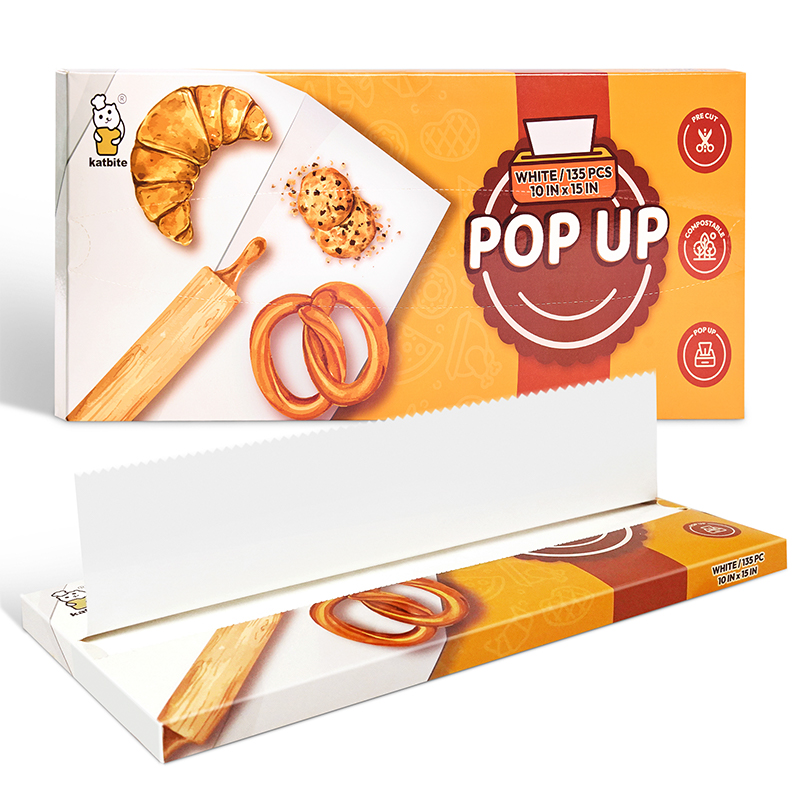
-
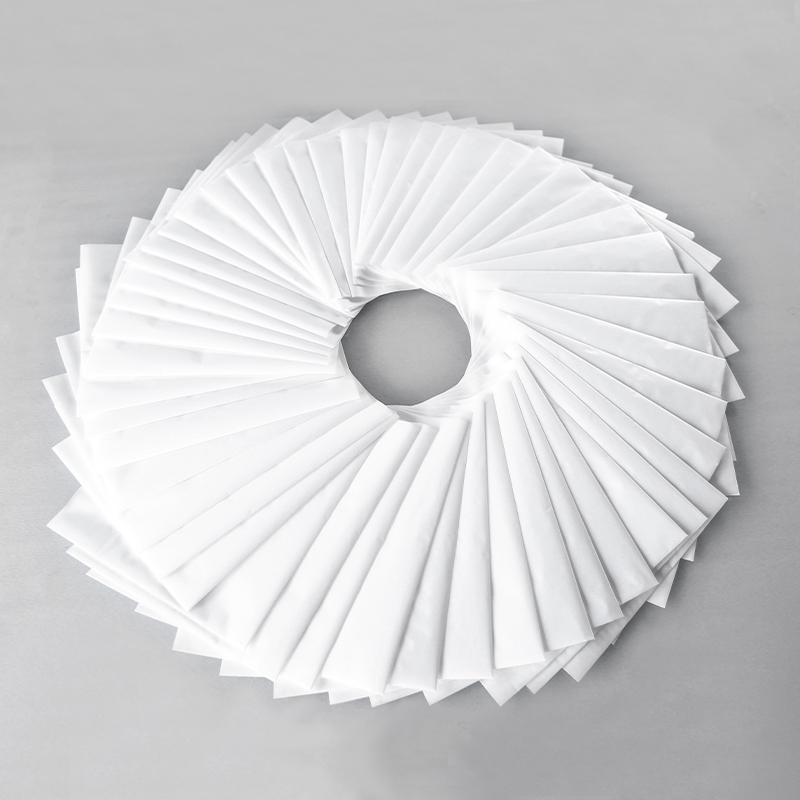
Folded Baking Paper Sheets, also known as Non Stick Baking Paper Sheets, are made from wood pulp and coated on both sides with a food-safe silicone layer. This coating gives the paper a smooth, grease...
See Details -
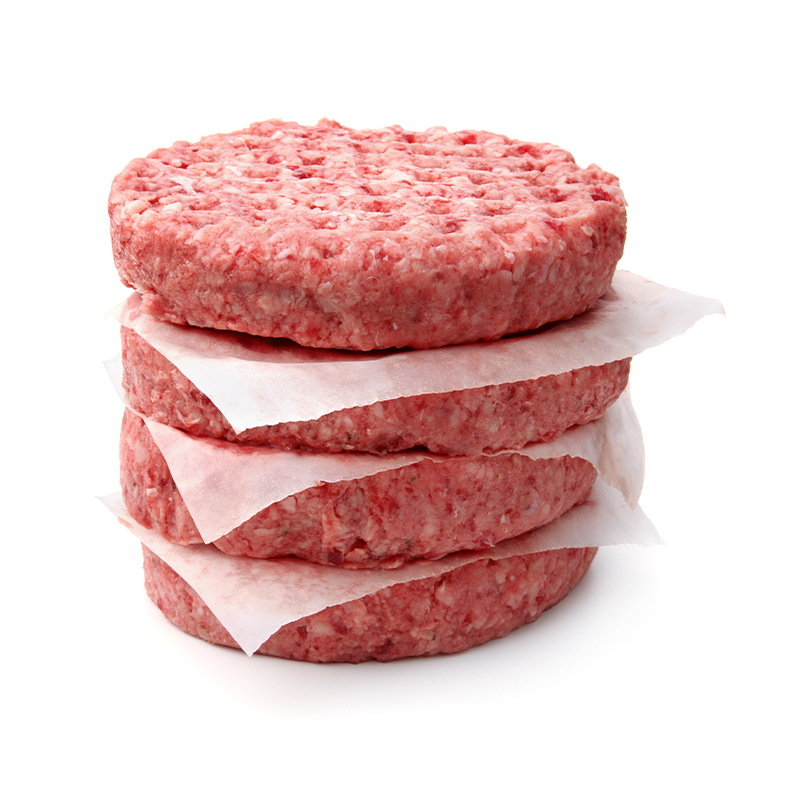
Description: Wax paper is the paper that is coated with food-grade wax in order to make it non-stick and waterproof. wax paper is very good for food storing and presentingMade of food-grade paper and ...
See Details -
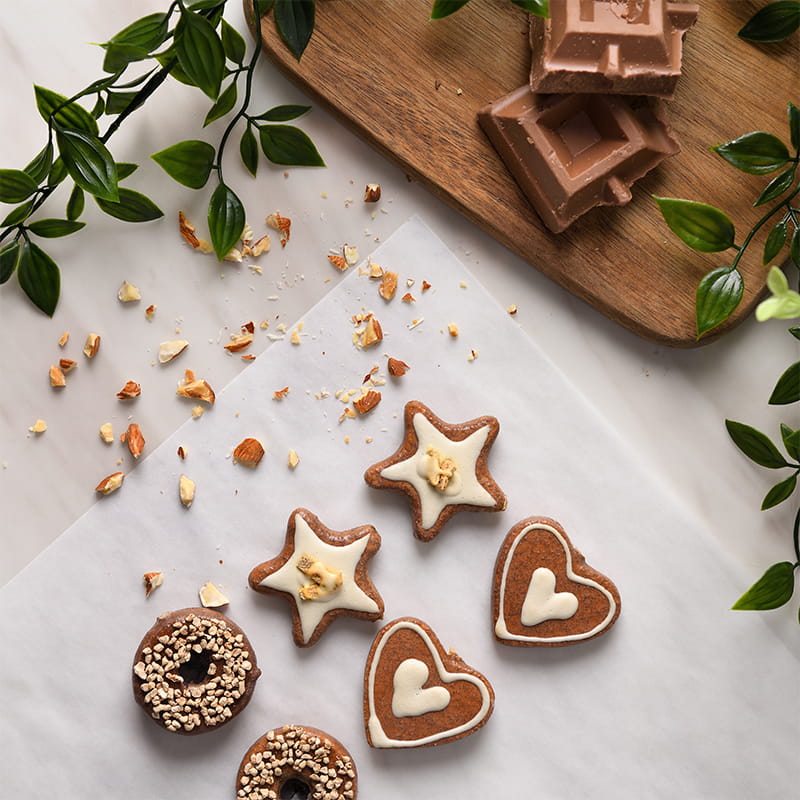
Product Features: 1. Virgin wood pulp 2. Double sides food grade silicone-treated 3. Fluorine-free 4. Non-stick 5. Oven/Microwave safe 6. Freezer safe 7. Reusable 8. BPA f...
See Details -
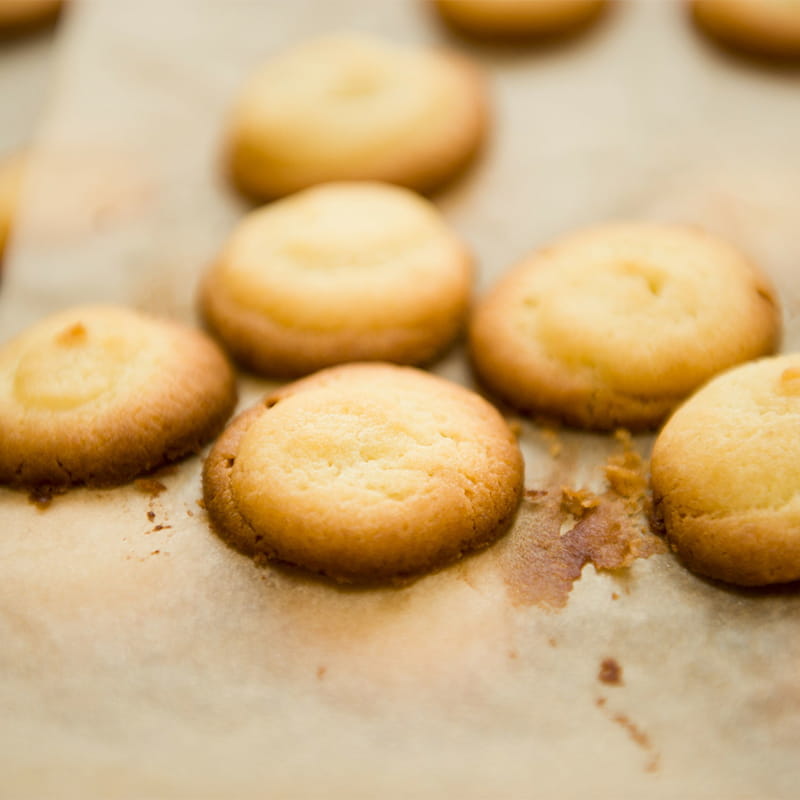
Product Features: 1. Virgin wood pulp 2. Natural unbleached brown color 3. Double sides food grade silicone-treated 4. Fluorine-free 5. Non-stick 6. Oven/Microwave safe 7. Fre...
See Details -
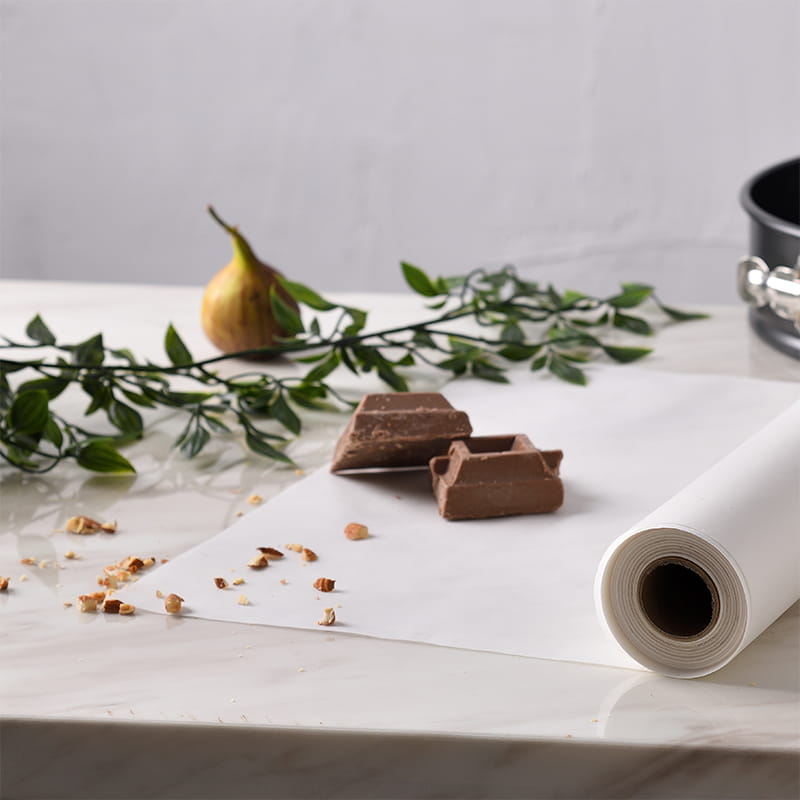
Product Features: 1. Virgin wood pulp 2. Double sides food grade silicone treated 3. Fluorine-free 4. Non-stick 5. Oven/Microwave safe 6. Freezer safe 7. Reusable 8. BPA ...
See Details -
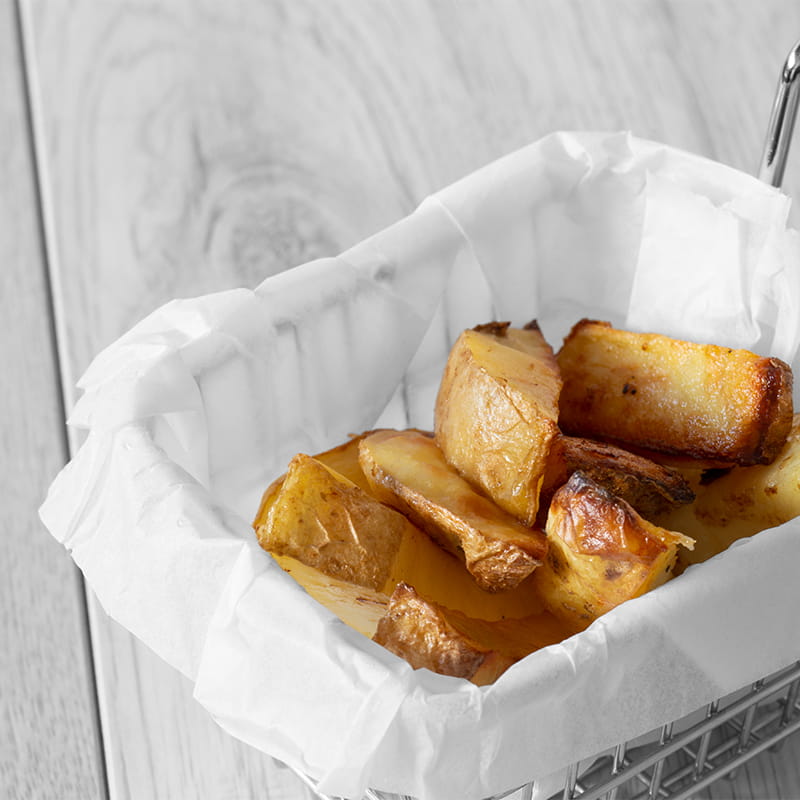
Product Features: 1. Virgin wood pulp 2. Fluorine-free 3. BPA free 4. Biodegradable Product Details: In an era where environmental consciousness and sustainability are paramount, Natu...
See Details -
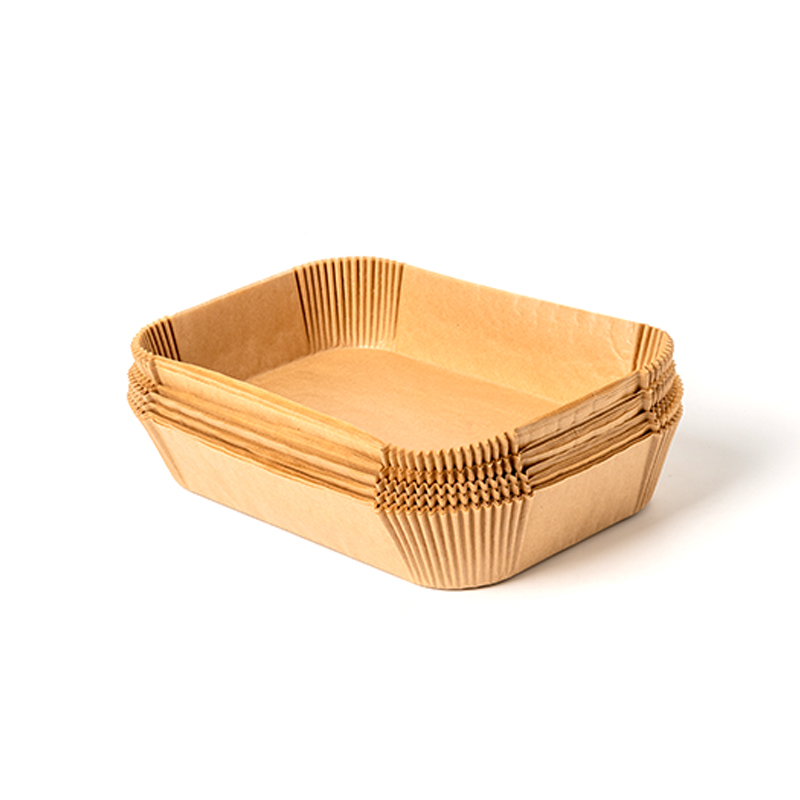
Product Features: 1. Virgin wood pulp 2. Double sides food grade silicone-treated 3. Fluorine-free 4. Non-stick 5. Air fryer basket safe 6. Reusable 7. BPA free 8. Biodeg...
See Details -
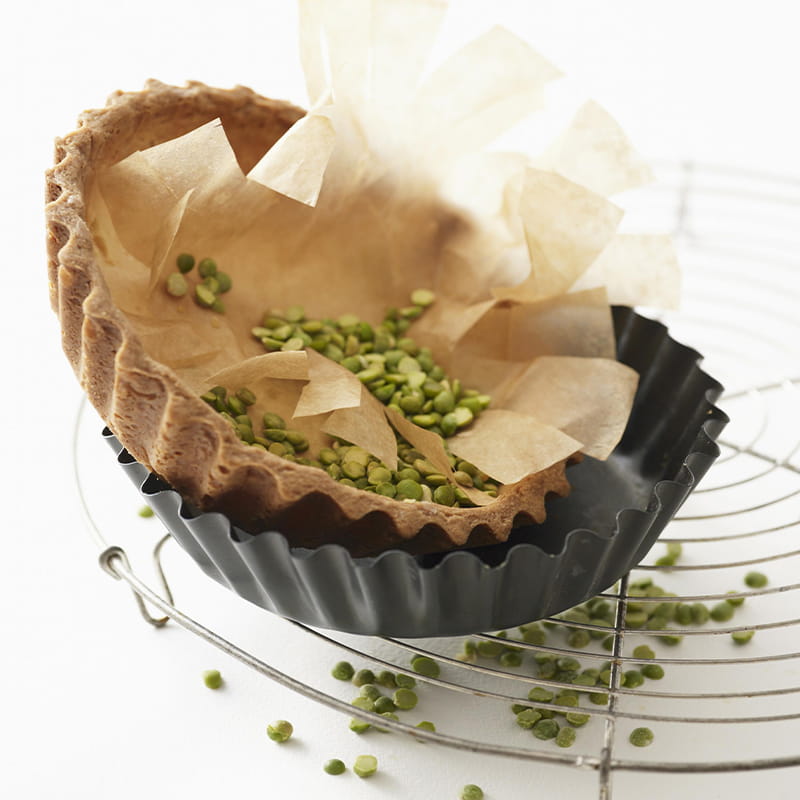
Product Features: 1. Virgin wood pulp 2. Natural unbleached brown color 3. Fluorine-free 4. BPA free 5. Biodegradable Product Details: Introducing our Unbleached Brown Food Grade ...
See Details -
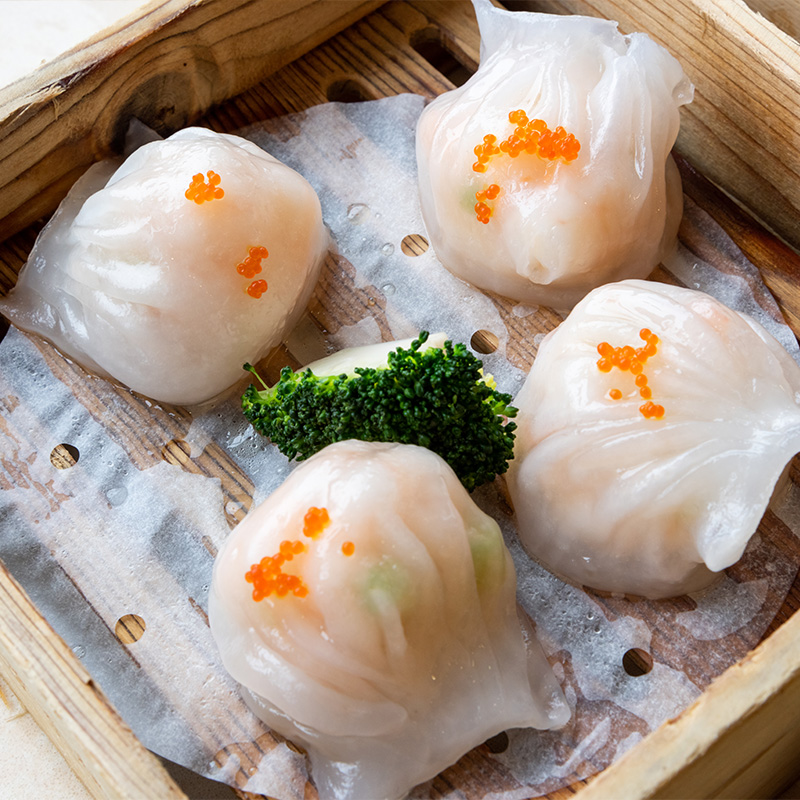
Product Features: 1. Virgin wood pulp 2. Double sides food grade silicone treated 3. Fluorine-free 4. Non-stick 5. Steamer/air fryer basket safe 6. Reusable 7. BPA free 8...
See Details -
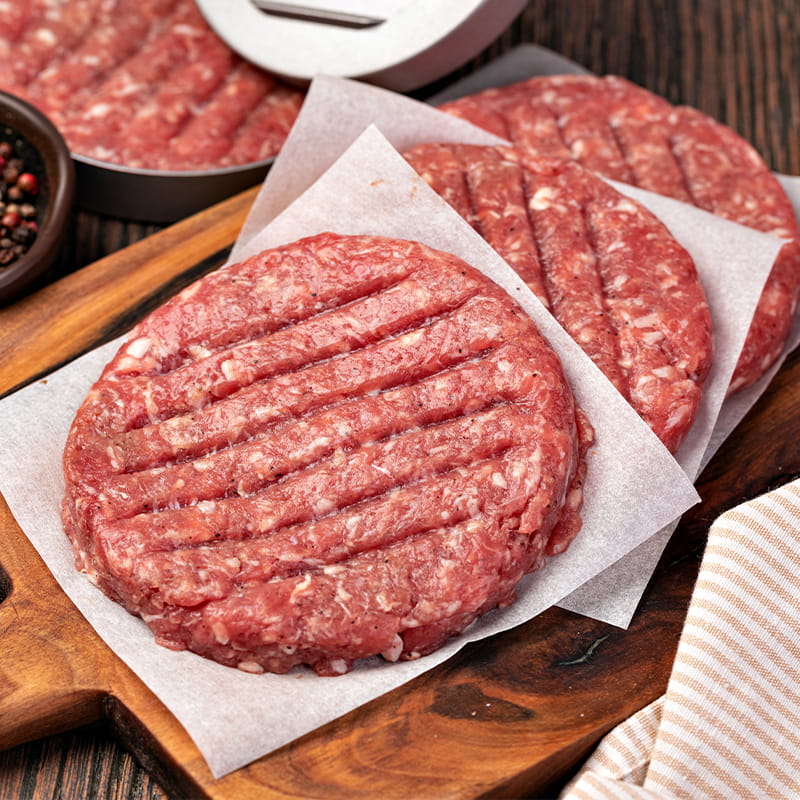
Product Features: 1. Virgin wood pulp 2. Double sides food grade silicone treated 3. Fluorine-free 4. Non-stick 5. Easy to separate 6. Reusable 7. BPA free 8. Biodegradab...
See Details -
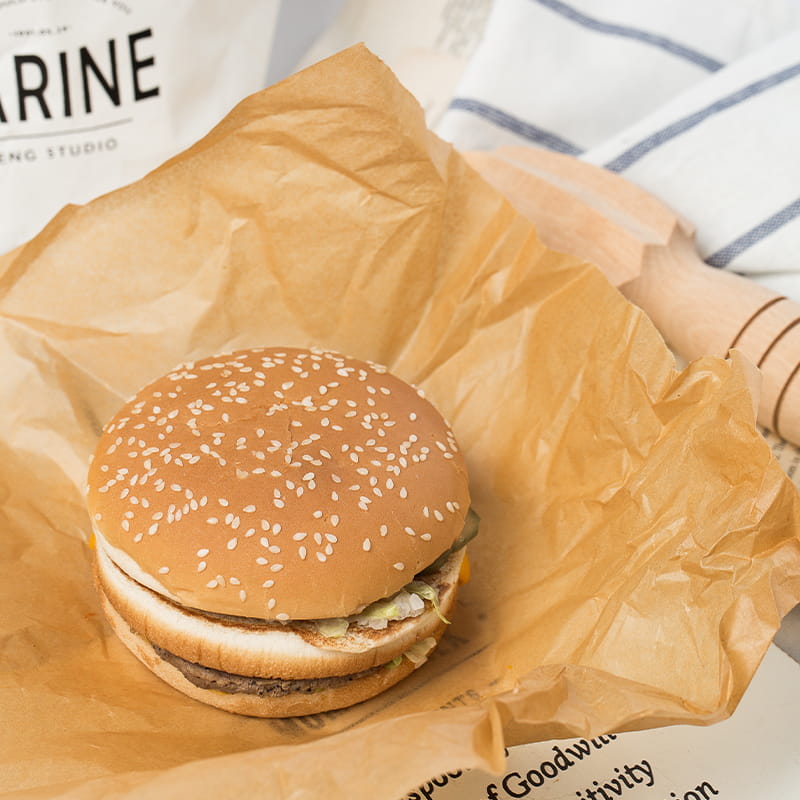
Product Features 1. Virgin wood pulp 2. Flexographic printing 3. Eco-friendly water-based ink 4. BPA free Product Details: Introducing our premium Greaseproof Sandwich Paper Sheets, a...
See Details

Professional Baking Parchment Paper Manufacturer in China with more than 15 years silicone coating experience.
Products
Contact Us
- No.10 Longyin Road, Chengnan Industrial Park,Longyou, Quzhou, China.
- +86-18968091013 / +86-571-88639705
- Avayao-1990@hotmail.com
Copyright © Zhejiang Guanghe New Materials Co., Ltd. All Rights Reserved.
Parchment Paper & Baking Paper Sheets Manufacturer
