 English
 中文简体
中文简体
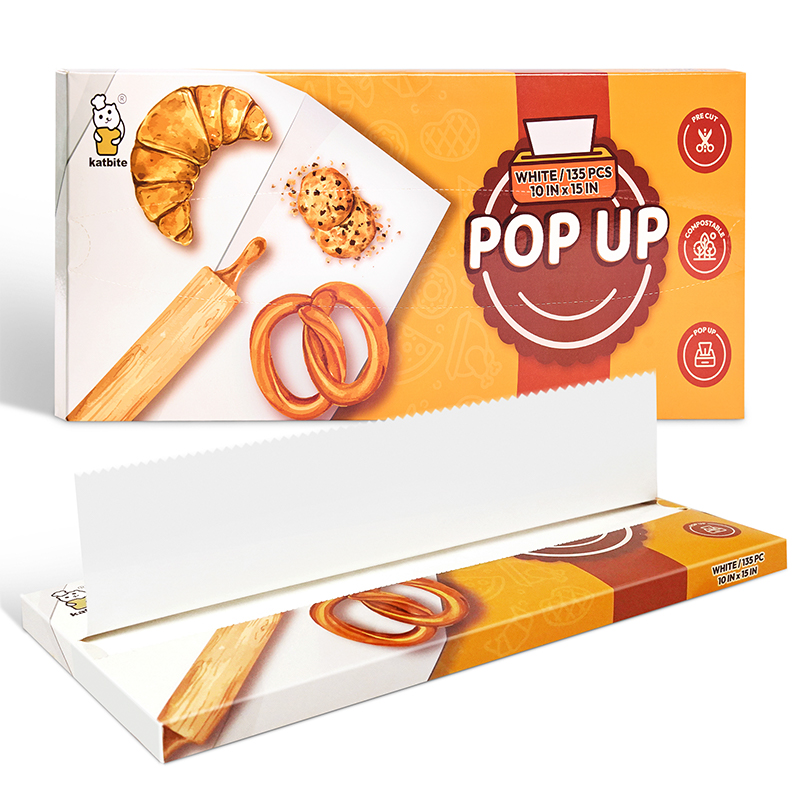
Product details: Pop-up parchment paper sheets, an environment-friendly product, are composed of wood pulp and are double-side coated with silicone. Such a coating makes our paper smooth, greasepr...
See DetailsHome / News / Industry News / Baking Parchment Paper Rounds: The Perfect Companion for Uniform Baking Results
Baking Parchment Paper Rounds: The Perfect Companion for Uniform Baking Results
Baking Parchment Paper Rounds are pre-cut circular sheets made from greaseproof parchment paper, sized to match the base of standard round baking pans. They sit flat against the bottom surface, creating a non-stick layer between the batter or dough and the pan. Home bakers, weekend cooks, and professional pastry makers use them because they help produce evenly baked items, make release straightforward, and reduce the amount of scrubbing needed afterward.
The paper starts as cellulose fibers processed to resist oil and moisture. A light silicone coating or similar treatment on one or both sides gives it the non-stick quality. When placed in a pan, the round stays in place during filling and baking, allowing heat to reach the batter evenly while preventing direct contact that leads to sticking.
These rounds address several everyday baking frustrations. Batter that clings to the pan base can tear when unmolding, leave uneven texture on the bottom, or require extra trimming. A parchment round interrupts that bond, letting the baked good slide out cleanly or lift away with minimal effort.
How the Paper Interacts with Heat and Batter
During baking, oven heat transfers through the pan metal to the parchment, then to the batter. The paper acts as a thin thermal buffer. It moderates rapid heat spikes at the bottom, helping the center and edges cook at closer rates. This moderation supports steady rising and setting, especially in cakes that depend on uniform structure.
Batters with high sugar content caramelize quickly against hot metal. The parchment prevents that direct caramelization from locking the cake to the pan. Fruit-filled items release juices that would otherwise glue the base in place; the paper absorbs some liquid while keeping the crust or cake bottom from fusing.
The coating remains stable across typical baking temperatures. It does not break down, smoke, or impart off-flavors. Once cooled, the paper peels away smoothly, leaving the baked surface intact and free of residue.
Achieving Even Baking and Texture
Pans conduct heat faster at the edges and base than in the center. This difference causes some cakes to brown more at the perimeter while the middle stays pale or sinks. A parchment round softens that contrast. The paper distributes heat more gently across the bottom, encouraging consistent color and rise from edge to center.
Layer cakes come out flatter when baked on parchment. Less pronounced doming means less need to level layers, preserving height and moisture. Sponge cakes and chiffons gain uniform crumb structure because the base cooks steadily without hot spots that collapse air bubbles.
| Baking Issue / Effect | Cause in Standard Pans | How Parchment Rounds Help | Resulting Benefit |
|---|---|---|---|
| Uneven browning (darker edges, paler center) | Faster heat conduction at edges and base | Softens heat contrast, distributes heat more gently | Consistent color and rise from edge to center |
| Excessive doming in layer cakes | Uneven heat causes faster edge rise | Promotes flatter baking surface | Reduced need to level layers, preserves height and moisture |
| Collapsed air bubbles in sponge/chiffon cakes | Hot spots at base collapse structure | Steady base cooking, no hot spots | Uniform crumb structure and even texture |
Cheesecakes, which crack easily from uneven heat or sudden temperature drops, hold together better with a parchment liner. The paper reduces direct metal contact that can overcook the edges while the center finishes.
Shortbread, scones, and other low-moisture doughs baked in round tins develop even golden color underneath. The parchment prevents scorching and keeps the bottom crisp rather than soggy from trapped steam.
Simplifying Release and Preserving Appearance
Sticking happens when sugars, proteins, or fats bond to the pan during baking. The non-stick coating on the parchment repels these elements. When the baked item cools slightly, the bond weakens further, allowing clean separation.
Delicate items such as flourless chocolate tortes, almond dacquoises, or meringue layers release without cracking. The paper supports the structure during cooling and unmolding, preventing the weight of the top from pulling the base apart.
For pies and tarts with wet fillings, the round keeps the pastry base from welding to the pan. Fruit juices that caramelize stay on the paper rather than hardening directly on metal. This clean release preserves crisp pastry edges and smooth tart bottoms.
Springform pans benefit particularly. After releasing the collar, the parchment round lifts away from the cheesecake or torte base, leaving no stuck patches to mar the appearance.
Reducing Cleanup Effort
After baking, the parchment round collects crumbs, drips, and any browned bits that would otherwise remain in the pan. Removing the round takes of the mess with it. The pan needs only a quick rinse or wipe instead of scraping hardened sugar or soaking overnight.
This time saving adds up during busy baking sessions. When preparing several cakes for an event or multiple batches of cookies in a day, less scrubbing means more focus on decorating or plating.
Pans with non-stick coatings last longer when spared heavy scrubbing. The parchment reduces the need for abrasive cleaning that can wear down those surfaces over time.
Disposable by nature, the rounds eliminate the task of washing reusable silicone liners between recipes. Switching from a chocolate cake to a vanilla one carries no risk of flavor transfer when a fresh round is used each time.
Extending Use Beyond Cake Pans
Although sized for round pans, parchment paper rounds adapt to other kitchen tasks. They line baking sheets for drop cookies, shortbread wedges, or meringue shells, preventing direct contact with the metal and reducing over-browning on the underside.
Cut rounds serve as dividers between stacked unfrosted cake layers during storage or transport. They keep surfaces from sticking together and protect delicate icings or fillings.
In pastry preparation, rounds act as temporary work surfaces for rolling dough or shaping tart shells. The non-stick quality releases dough easily, and the round can be discarded afterward if needed.
For decorative work, place a round under a cake during dusting with powdered sugar or cocoa to catch excess and simplify cleanup. They also work as bases for assembling rolled cakes or creating piped chocolate decorations.
Smaller rounds line ramekins for individual soufflés or custards, ensuring clean release from ceramic or glass.
Suitability for Different Baking Approaches
Casual home bakers appreciate the rounds for everyday layer cakes, birthday sponges, or weekend pies. The reliable release and even bake reduce uncertainty, especially when following recipes for the time.
Frequent bakers who prepare multiple items in a session find the rounds streamline workflow. Consistent results across batches make it easier to plan timing and presentation.
Gluten-free or alternative-flour baking often produces stickier or more fragile batters. The parchment provides a dependable non-stick base that accommodates these variations without extra greasing.
Vegan recipes that omit butter benefit from the paper's grease resistance. Batters made with oil or plant-based alternatives release cleanly without the need for heavy pan coating.
Bread bakers use rounds under round proofing baskets or in cake pans for artisan loaves, preventing sticking during the final rise and transfer to the oven.
| Baking Style / Recipe Type | Main Challenge / Characteristic | How Parchment Rounds Help | Benefit |
|---|---|---|---|
| Gluten-free or alternative-flour | Stickier or more fragile batters | Provides reliable non-stick base without needing extra greasing | Accommodates variations, prevents sticking and tearing |
| Vegan recipes (no butter) | Batters use oil or plant-based substitutes | Grease-resistant surface allows clean release without heavy coating | Ensures easy unmolding, avoids greasy residue |
| Artisan bread baking | Dough sticks during final rise or transfer | Lines proofing baskets or cake pans to prevent adhesion | Simplifies transfer to oven, maintains loaf shape |
Environmental and Practical Trade-offs
Parchment paper rounds reduce the amount of oil, butter, or spray needed to grease pans. Less fat residue goes down the drain, and pans stay cleaner longer.
Many parchment papers use minimal chemical processing and can be composted after light use if free from heavy grease. This option appeals to cooks interested in lowering kitchen waste.
Compared to disposable foil pans or heavy foil liners, parchment rounds take up less landfill space and require less energy to manufacture and transport.
Reusable silicone rounds offer a long-term alternative for those who prefer not to use single-use paper. Paper rounds remain popular for their simplicity and one-time convenience.
Selecting and Storing Rounds
Choose rounds that match pan diameter closely. A snug fit prevents batter from flowing underneath, while a slightly oversized round can be trimmed if needed.
Pre-cut rounds eliminate measuring and cutting time. Factory edges are clean and uniform, reducing the risk of wrinkles or gaps.
Store unused rounds flat in a dry drawer or sealed container. Flat storage prevents curling or creasing that could cause uneven fit in the pan.
Keep different sizes organized and labeled. A quick glance shows which round fits a 9-inch springform or an 8-inch cake pan.
In humid kitchens, airtight storage protects the paper from absorbing moisture that could affect performance or cause sticking.
Everyday Baking Scenarios Where Rounds Add Value
Classic layer cakes emerge with flat, even bottoms ideal for stacking and frosting. The paper keeps the base from over-baking while the top finishes.
Cheesecakes slide out of springform pans without crust sticking or cracking. The round lifts off cleanly after the collar releases.
Fruit pies and galettes keep pastry bottoms crisp. Juices caramelize on the paper rather than gluing the crust to metal.
Meringue desserts and pavlovas release without tearing. The paper supports the delicate base during cooling.
Individual puddings or soufflés in ramekins unmold neatly with a round liner.
Practical Habits for Better Results
Lightly grease pan sides if the recipe suggests it, even with a parchment round. This encourages even rise up the walls while the base stays protected.
Allow baked goods to cool 10–15 minutes in the pan before unmolding. Slight cooling firms the structure, making release smoother.
Rotate pans halfway through baking if oven heat distribution is uneven. The parchment helps minimize the effect of hot spots.
Reuse lightly used rounds for dry items like shortbread if they remain clean. Discard after sticky or high-fat bakes.
Keep a small supply near mixing bowls for quick access during preparation.
Building Confidence Through Consistency
Bakers who use parchment rounds regularly notice more predictable outcomes. Recipes perform closer to expectations because sticking and uneven heat become less common.
The reduced cleanup effort leaves more energy for creative steps like decorating, flavor pairing, or plating.
For those learning new techniques or scaling recipes, the rounds remove one variable, letting focus stay on timing, temperature, and technique.
Professional and home kitchens alike value tools that deliver steady performance without added steps. Parchment paper rounds fill this role effectively, helping achieve well-shaped, cleanly released, evenly baked goods with reliable frequency.
Guanghe Baking Paper
At Guanghe baking paper, the emphasis on parchment paper rounds stems from a clear recognition of how everyday baking challenges—uneven heat, stubborn sticking, and time-consuming cleanup—can interrupt the flow of creating enjoyable results.
By crafting rounds that deliver reliable non-stick performance and consistent heat distribution, Guanghe supports bakers in achieving smooth release, level layers, and clean pan bottoms without relying on heavy greasing or constant pan adjustments. This practical focus helps both occasional home bakers and those who produce multiple batches regularly maintain steady quality while spending less time scrubbing or trimming.
Through careful material selection and precise cutting, Guanghe baking paper rounds become a dependable part of the routine, enabling cooks to concentrate on flavor development, decoration, and sharing the finished pieces rather than wrestling with the aftermath of the oven.
Related Products
-
-
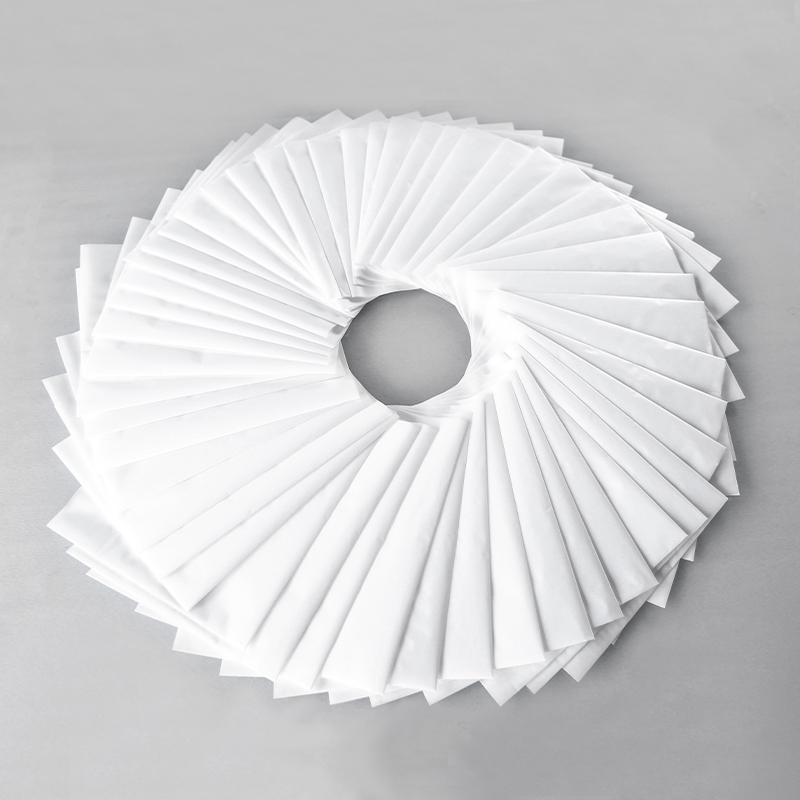
Product details: Folded baking paper sheets, an environment-friendly product, are composed of wood pulp and are double-side coated with silicone. Such a coating makes our paper smooth, greaseproof and...
See Details -
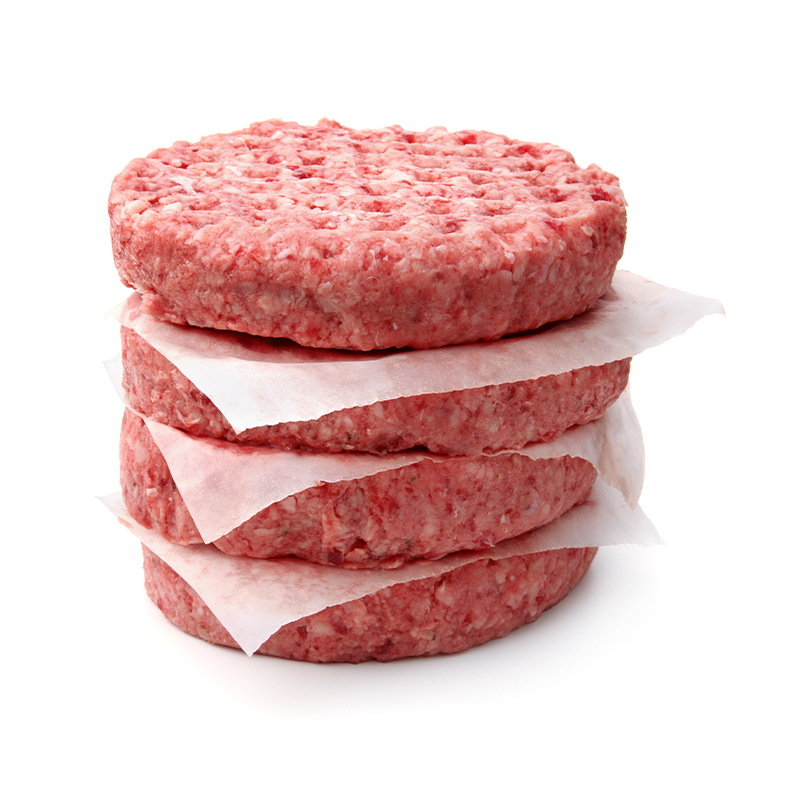
Description: Wax paper is the paper that is coated with food-grade wax in order to make it non-stick and waterproof. wax paper is very good for food storing and presentingMade of food-grade paper and ...
See Details -
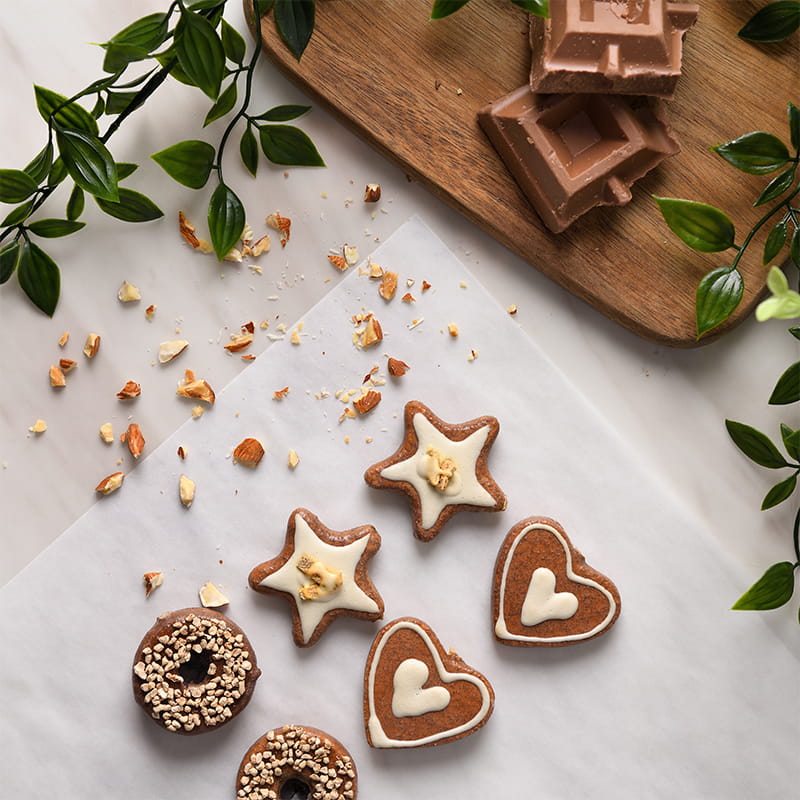
Product Features: 1. Virgin wood pulp 2. Double sides food grade silicone-treated 3. Fluorine-free 4. Non-stick 5. Oven/Microwave safe 6. Freezer safe 7. Reusable 8. BPA f...
See Details -
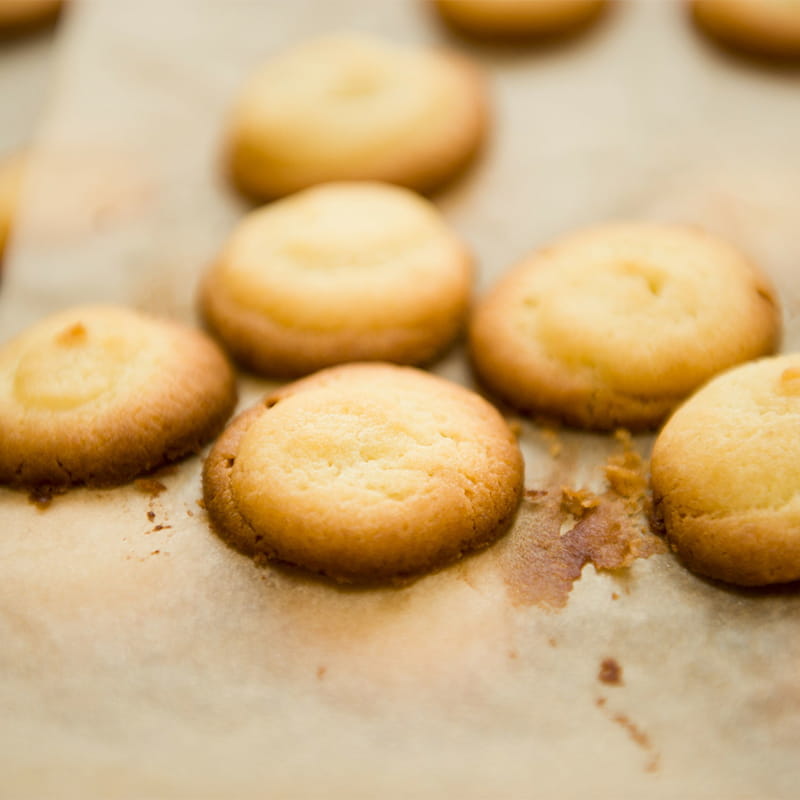
Product Features: 1. Virgin wood pulp 2. Natural unbleached brown color 3. Double sides food grade silicone-treated 4. Fluorine-free 5. Non-stick 6. Oven/Microwave safe 7. Fre...
See Details -
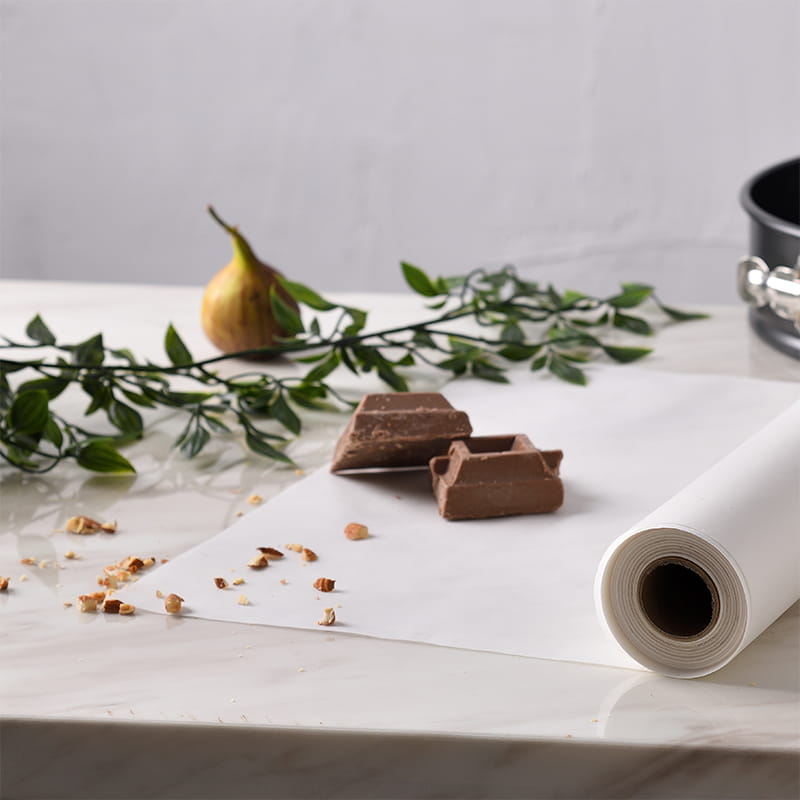
Product Features: 1. Virgin wood pulp 2. Double sides food grade silicone treated 3. Fluorine-free 4. Non-stick 5. Oven/Microwave safe 6. Freezer safe 7. Reusable 8. BPA ...
See Details -
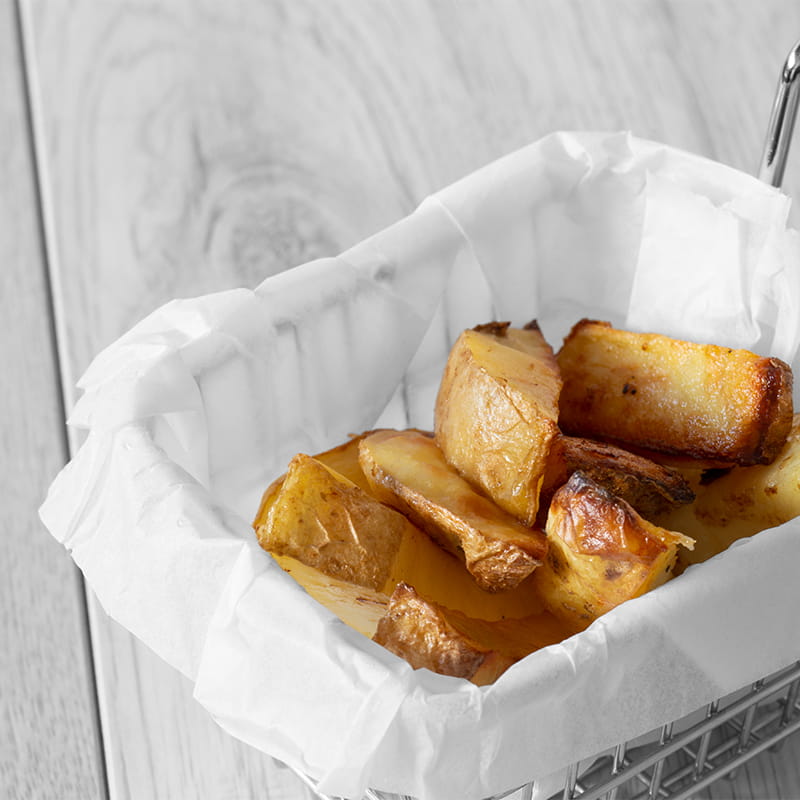
Product Features: 1. Virgin wood pulp 2. Fluorine-free 3. BPA free 4. Biodegradable Product Details: In an era where environmental consciousness and sustainability are paramount, Natu...
See Details -
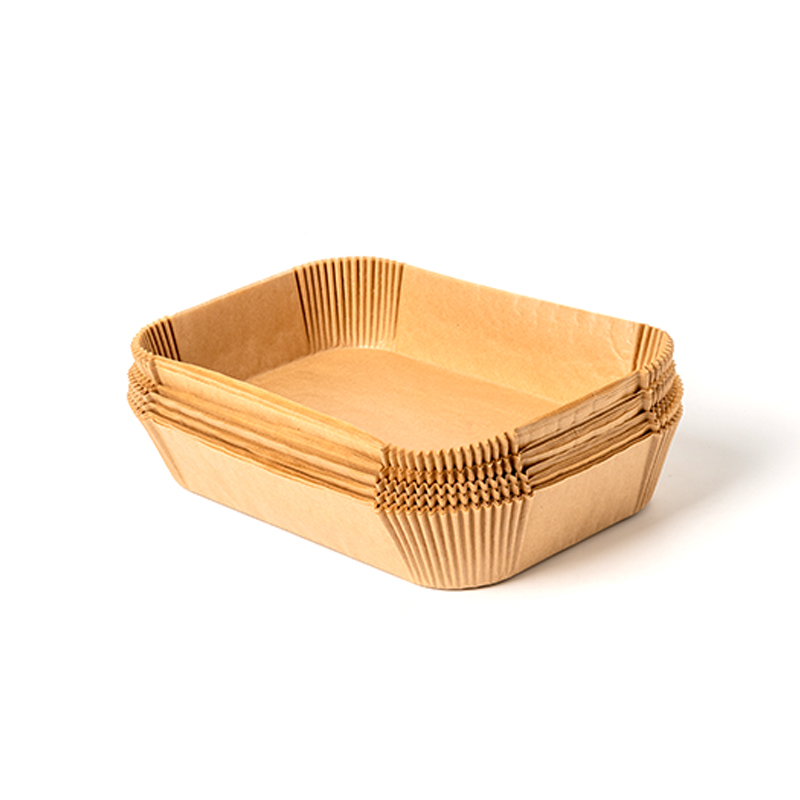
Product Features: 1. Virgin wood pulp 2. Double sides food grade silicone-treated 3. Fluorine-free 4. Non-stick 5. Air fryer basket safe 6. Reusable 7. BPA free 8. Biodeg...
See Details -
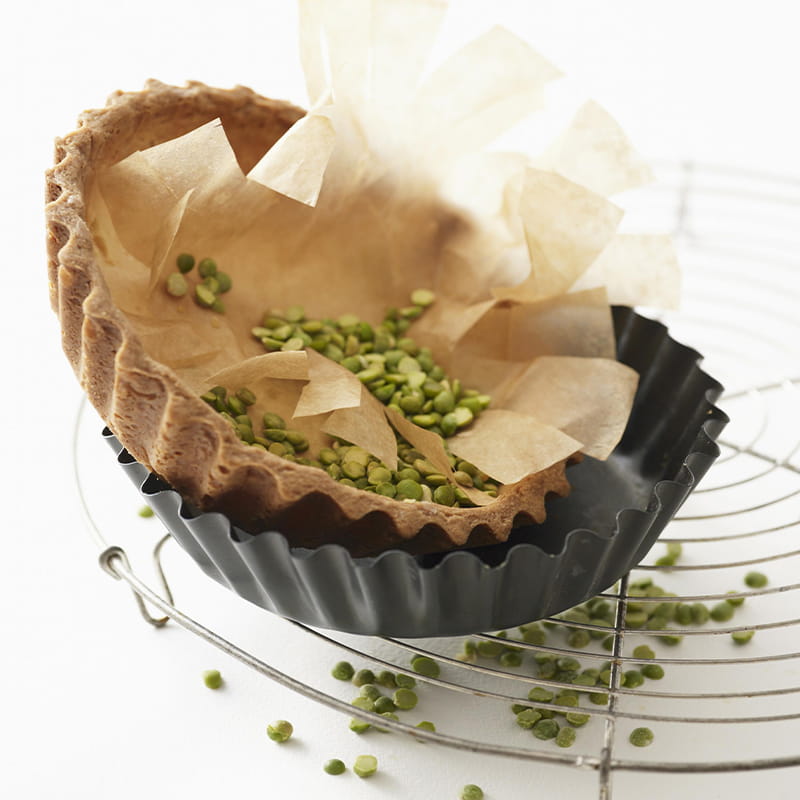
Product Features: 1. Virgin wood pulp 2. Natural unbleached brown color 3. Fluorine-free 4. BPA free 5. Biodegradable Product Details: Introducing our Unbleached Brown Food Grade ...
See Details -
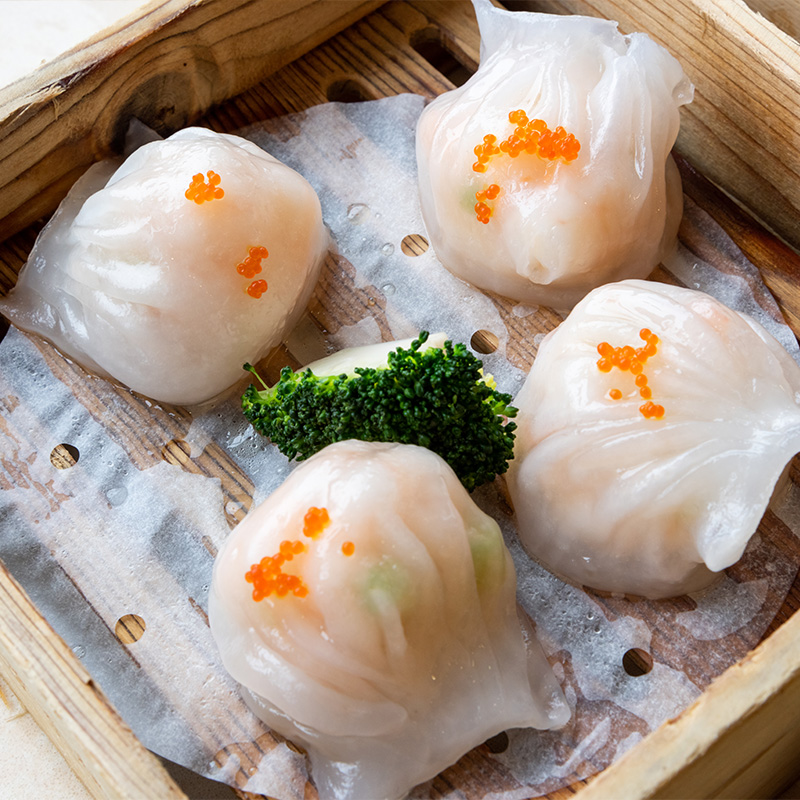
Product Features: 1. Virgin wood pulp 2. Double sides food grade silicone treated 3. Fluorine-free 4. Non-stick 5. Steamer/air fryer basket safe 6. Reusable 7. BPA free 8...
See Details -
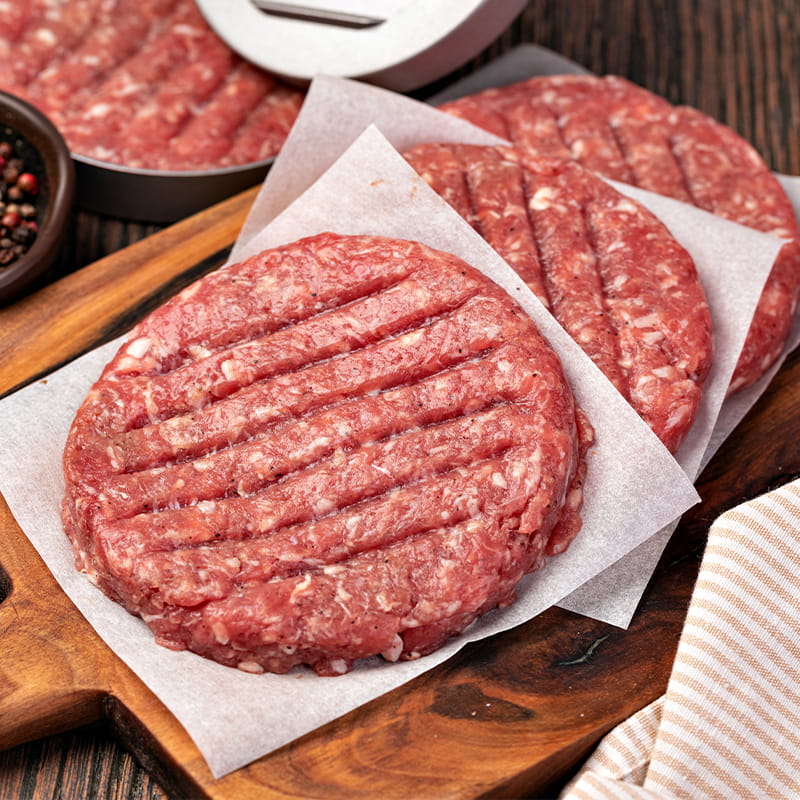
Product Features: 1. Virgin wood pulp 2. Double sides food grade silicone treated 3. Fluorine-free 4. Non-stick 5. Easy to separate 6. Reusable 7. BPA free 8. Biodegradab...
See Details -
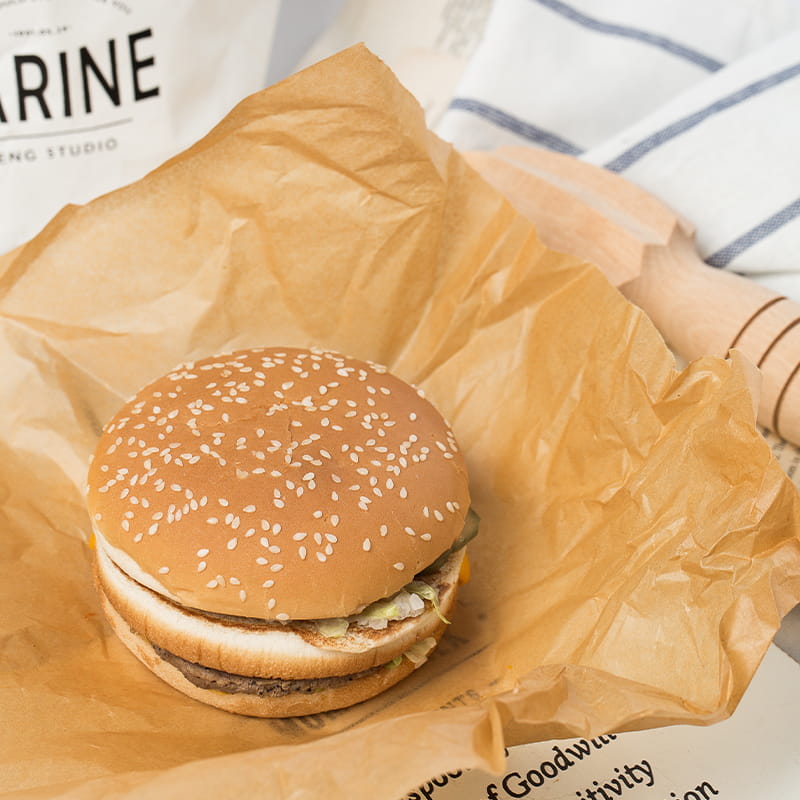
Product Features 1. Virgin wood pulp 2. Flexographic printing 3. Eco-friendly water-based ink 4. BPA free Product Details: Introducing our premium Greaseproof Sandwich Paper Sheets, a...
See Details

Professional Baking Parchment Paper Manufacturer in China with more than 15 years silicone coating experience.
Products
Contact Us
- No.10 Longyin Road, Chengnan Industrial Park,Longyou, Quzhou, China.
- +86-18968091013 / +86-571-88639705
- Avayao-1990@hotmail.com
Copyright © Zhejiang Guanghe New Materials Co., Ltd. All Rights Reserved.
Parchment Paper & Baking Paper Sheets Manufacturer
