 English
 中文简体
中文简体
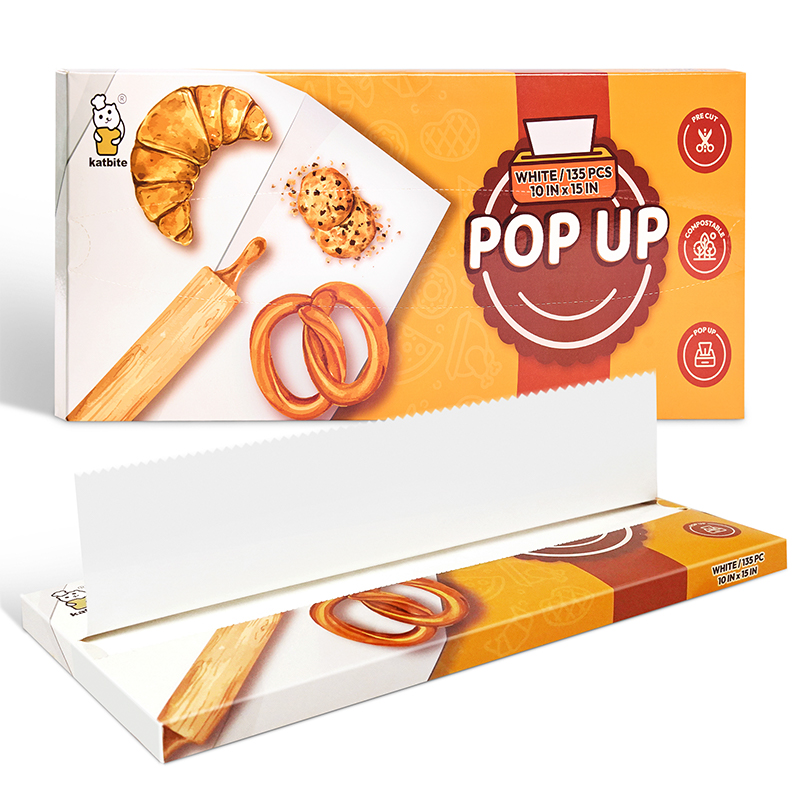
Product details: Pop-up parchment paper sheets, an environment-friendly product, are composed of wood pulp and are double-side coated with silicone. Such a coating makes our paper smooth, greasepr...
See DetailsHome / News / Industry News / Air Fryer Parchment Paper Liners With Foil Laminated: Redefining Air Fryer Cooking
Air Fryer Parchment Paper Liners With Foil Laminated: Redefining Air Fryer Cooking
The air fryer continues to hold a prominent position in home cooking, using high-speed hot air to create crisp exteriors and moist interiors with far less oil than traditional deep-frying methods. This technique attracts cooks who value texture and flavor while preferring lighter preparation styles. As the appliance becomes a daily tool, supporting accessories that address practical challenges have taken on greater importance. Foil-laminated parchment paper liners, often referred to as Baking Paper in many kitchens, combine the familiar non-stick qualities of parchment with a reflective foil layer, forming a versatile insert that improves heat behavior, prevents adhesion, and simplifies kitchen routines.
These liners feature a parchment base bonded to a thin foil sheet on one side. The parchment provides a food-safe, grease-resistant contact surface, while the foil directs heat reflection. Positioned in the air fryer basket before ingredients are added, the liner creates a temporary layer that captures cooking residues and influences temperature distribution throughout the cycle.
Fundamental Build and Air Fryer Interaction
The dual-material design targets common issues in air fryer performance. The parchment side offers reliable release properties, reducing the chance of food bonding to metal surfaces. The foil lamination adds a reflective quality that redirects radiant heat back toward the food, supplementing the primary convection flow from above.
Air fryers rely on rapid air movement for even results. Bottom sections of food sometimes receive slightly less direct exposure due to the basket's perforated structure. The foil helps balance this by reflecting heat upward, promoting more consistent conditions across the entire item. Many liners maintain some degree of breathability through edge spacing or subtle openings, ensuring the convection process continues without major restriction.
Installation involves smoothing the liner into the basket—foil side generally facing up—then immediately placing food on top to weigh it down and prevent shifting from strong air currents. This method keeps the liner in position during operation and confines liquids, crumbs, or fats that would otherwise settle into perforations or coat the basket interior.
Promoting Balanced Heat Exposure
The reflective foil contributes to steadier cooking patterns. Undersides gain supplemental warmth, reducing differences in browning or texture between top and bottom surfaces. Food develops more uniform color and crispness without needing constant manual adjustment.
Dishes that depend on thorough surface development—such as roasted root vegetables, breaded cuts, or layered snacks—benefit noticeably. The parchment layer absorbs excess surface moisture that could otherwise cause steaming on the base, while the foil reflection accelerates drying and firming of the exterior. This interaction supports appealing textures across a range of cooking times and temperatures.
| Dish Type | Main Benefit from Liner | Result / Texture Improvement |
|---|---|---|
| Roasted root vegetables | Parchment absorbs excess moisture; foil reflects heat for even bottom exposure | Crisp edges, tender interior, reduced steaming |
| Breaded cuts / coated proteins | Parchment prevents sticking; foil speeds exterior drying and crisping | Firm, golden crust with good adhesion of coating |
| Layered snacks / stacked items | Combined moisture control + reflected heat promotes uniform surface firming | Even browning and crispness throughout layers |
Enabling Consistent Low-Oil Results
Air fryers stand out for producing satisfying crispness with minimal added fat. Foil-laminated parchment liners reinforce this strength by making oil-free or very low-oil cooking more dependable.
Many standard recipes include a light oil coating to aid release and encourage browning. With these liners, that step often becomes unnecessary. The parchment allows direct contact with minimal risk of sticking, and the foil's reflection promotes natural surface transformation. Any rendered fats or natural juices remain contained on the liner instead of spreading across the basket.
This arrangement works effectively with different food groups. Poultry pieces develop appealing golden exteriors without extra brushing. Vegetable slices caramelize at the edges as moisture collects below. Fish portions and plant-based patties separate cleanly after cooking. The approach keeps emphasis on the natural taste and qualities of the ingredients.
Simplifying Cleanup Routines
Cleanup frequency often determines how readily people turn to an appliance. Air fryer baskets collect baked-on particles in crevices and around edges, frequently requiring soaking or scrubbing. These liners shift the majority of residue to the disposable sheet.
At the end of a cycle, the liner lifts out in one piece, enclosing drips, grease, and stray bits. The basket beneath typically needs only a quick rinse or wipe-down. For regular users, the reduced effort accumulates into noticeable time savings across multiple sessions. Less aggressive cleaning also preserves the basket's interior coatings and metal finishes over extended use.
In households where the air fryer operates several times per week, this efficiency supports continued routine use without adding to overall kitchen workload.
Material Performance and Format Details
Parchment paper brings thermal durability and resistance to oil and moisture penetration. The bonded foil layer increases structural strength and heat management capability while remaining suitable for food contact. The lamination holds securely during heat exposure, preventing delamination.
Liners generally come pre-cut or pre-formed to fit common basket sizes, eliminating the need for trimming or folding. Options include fully solid sheets for containment and lightly perforated versions for enhanced airflow. The single-use format allows simple disposal after each cooking session.
| Aspect | Description | Key Benefit / Purpose |
|---|---|---|
| Parchment base | Thermal durability, resistant to oil and moisture penetration | Reliable non-stick surface, prevents grease soak-through |
| Bonded foil layer | Adds structural strength and heat reflection, food-safe | Improves heat distribution, prevents delamination under heat |
| Lamination quality | Holds securely during high-heat exposure | Maintains integrity, no separation during cooking |
| Format / Sizing | Pre-cut or pre-formed to fit common air fryer basket sizes | No trimming or folding needed, quick setup |
| Sheet types | Fully solid (maximum containment) or lightly perforated (better airflow) | Choice between liquid control and convection support |
| Usage format | Single-use / disposable | Simple lift-out and disposal after each session |
Everyday Integration into Meal Preparation
Setup requires placing the liner in the basket—foil side oriented for reflection—then adding ingredients right away to secure it. Standard temperature, time, and fan settings remain unchanged in typical use.
Storage involves keeping liners flat and protected from humidity. Organizing by size simplifies selection when kitchens include different air fryer models. This straightforward process fits easily into busy schedules.
Adaptability to a Wide Range of Dishes
The liners handle diverse preparations effectively. Vegetables arranged in a single layer roast with even surface development; the foil supports browning while parchment manages released moisture for crisp edges.
Proteins turn smoothly without breaking apart. Breaded or coated items retain their exterior layers, with loose particles staying on the liner rather than falling through perforations. Delicate slices or fillets release without damage.
Small baked items hold shape on the stable base. When using additional racks or trays, a lower liner intercepts drips from above, preserving flavor separation and basket cleanliness.
Batch cooking sequences proceed without interruption—fresh liners between different food types maintain momentum.
Practical Guidelines for Results
Choose liners that match the basket closely to provide full coverage without excess material interfering with air paths or lid closure. Arrange food with space between pieces to support proper circulation.
Preparations with high liquid or fat release take advantage of the liner's absorption; checking midway allows for flipping, rearranging, or timing adjustments. Avoid placing an empty liner in a preheated appliance—immediate loading prevents displacement by airflow.
Allow brief cooling after cooking for safe removal. The basket remains lightly affected by residues.
Performance with Specific Food Categories
Root vegetables cut into uniform pieces crisp well. Parchment draws away moisture that would otherwise cause steaming, while foil reflection ensures even browning with limited oil.
Frozen items contain water released from melting ice, reducing splatter and mess. Breaded foods maintain coating integrity during turning on the smooth surface.
Thin proteins detach cleanly. Marinades stay isolated, lowering the risk of direct scorching. Reheating restores original texture without excess drying. Sweet dishes involving fruits, syrups, or doughs avoid permanent sticky residues on appliance surfaces.
Managing Odors and Cross-Flavor Issues
Ingredients with strong aromas produce less lingering effect when drips and particles remain on the liner. The basket interior stays fresher between cooking sessions.
When preparing multiple components in one session, switching liners between categories prevents unintended flavor transfer.
Building Reliability in Repeated Use
The foil layer creates more uniform bottom heating, reducing patchy browning. Familiar recipes produce steadier outcomes from one session to the next, supporting adjustments in quantity or seasoning with greater confidence.
Foil-laminated parchment paper liners prove useful for cooks regardless of how long they have been using an air fryer. People new to the appliance run into fewer immediate problems like food clinging stubbornly to the basket or facing a long scrubbing session afterward. This smoother start makes it easier to keep trying different recipes and builds confidence without early discouragement. Cooks who have spent years with air fryers often rely on the liner as a dependable base layer whenever they want to try out fresh seasoning blends, alternative breading methods, new marinades, or unusual ingredient pairings—the consistent surface lets them isolate the effects of each change more clearly.
Using the liners on a regular basis helps protect the air fryer itself over time. By keeping ood drippings, bits of coating, and sticky sauces away from the basket metal and any non-stick coating, the liners cut down on the buildup that gradually wears surfaces down. With less residue to remove, there is also less need for rough scrubbing or prolonged soaking, which in turn reduces the physical strain placed on the appliance during cleaning and helps it stay in good working condition through years of steady use.
The liners fit without friction into weekly meal routines and adapt well to whatever produce or ingredients come into season. On hectic weekdays, a cook can drop one into the basket ahead of time so that prepped food goes straight in when there is only a narrow window to start dinner. In warmer months the liners handle lighter, quicker-cooking summer vegetables—zucchini slices, bell peppers, asparagus—that release modest moisture and roast to a nice char with little fuss. When cooler weather brings denser root crops, squash, or hearty greens, the same liner manages the extra water content released during cooking, keeping textures crisp rather than soggy and allowing even results batch after batch. Because the aftermath stays simple, more family members feel comfortable helping load the basket, turning what could be a solo task into a shared step without anyone dreading the dishes that follow.
Compared with other ways to line the basket, foil-laminated parchment strikes a useful balance. Cutting regular parchment sheets by hand takes time to get the size and shape right so that nothing hangs over the edge or blocks airflow. Reusable silicone mats can be washed and used again many times, yet they sometimes require a separate scrub to remove grease completely and their thickness or material can change how heat moves through the basket in subtle ways. The foil-laminated version combines the ease of a single-use item—drop it in, cook, lift it out—with the added advantage of better heat reflection from the foil side, giving a practical compromise for cooks who want convenience without giving up performance.
Safety remains straightforward when following the usual air fryer guidelines. Keep the liner well away from the heating element so it never touches or gets drawn upward, make sure it lies flat and smooth without folds or bunches that could disrupt air movement, and stay attentive during the cycle, especially when working with an unfamiliar recipe or a fuller load. Careful attention to these basics keeps the process both safe and effective.
GuangHe Baking Paper
Guanghe baking paper brings a quiet refinement to air fryer cooking that becomes noticeable after only a few uses. The foil lamination quietly helps heat reach the bottom of food more evenly, so vegetables pick up a consistent golden edge and proteins develop an appealing crust without constant flipping or extra oil. At the same time the parchment surface keeps everything from bonding to the basket, meaning marinades, rendered fat, and stray crumbs stay contained rather than baking onto metal in hard-to-reach spots. Cleanup turns into a simple lift-and-toss step instead of a scrubbing session, which matters on evenings when energy is already low.
Whether the basket holds a single layer of seasoned zucchini rounds, a handful of frozen chicken tenders, or small dough portions destined for a quick dessert, Guanghe baking paper stays unobtrusive yet effective—holding its shape through the cycle, catching what needs catching, and leaving the appliance ready for the next round almost immediately. Over weeks of regular meals it becomes less an accessory and more a background habit that makes the air fryer feel a little more dependable and a little less demanding.
Related Products
-
-
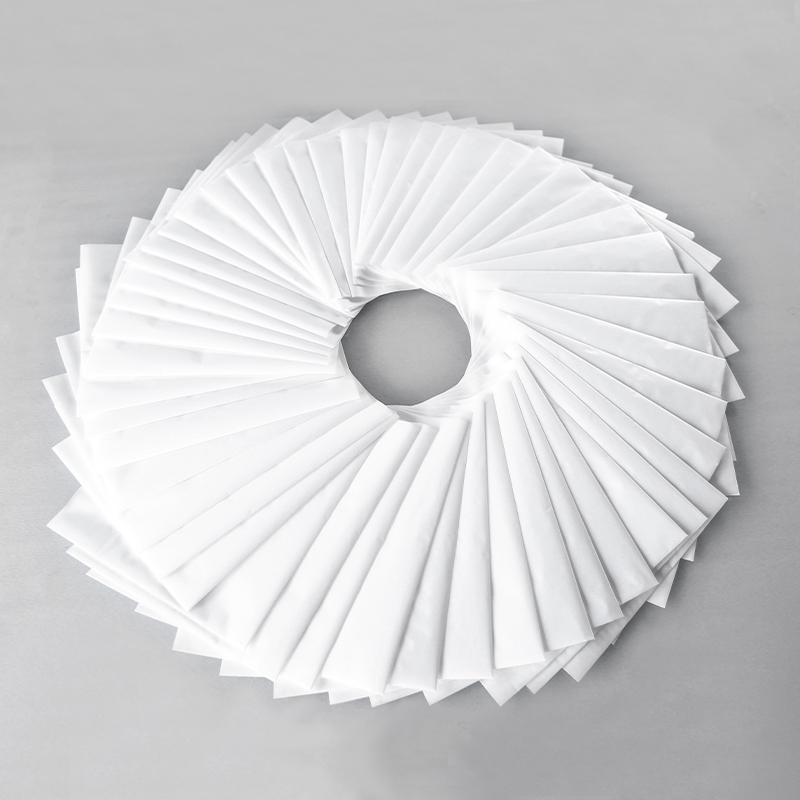
Product details: Folded baking paper sheets, an environment-friendly product, are composed of wood pulp and are double-side coated with silicone. Such a coating makes our paper smooth, greaseproof and...
See Details -
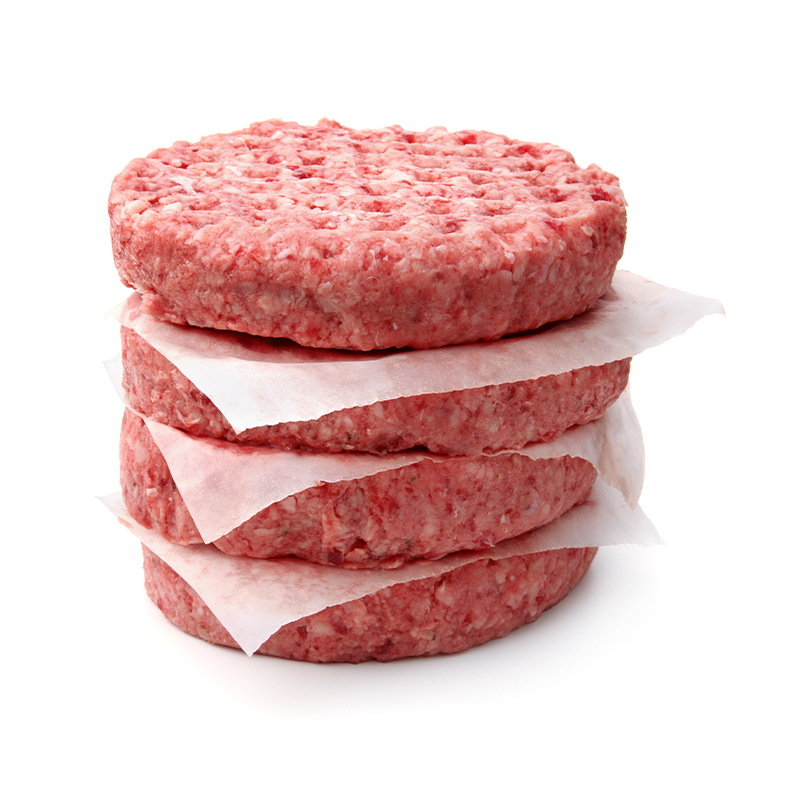
Description: Wax paper is the paper that is coated with food-grade wax in order to make it non-stick and waterproof. wax paper is very good for food storing and presentingMade of food-grade paper and ...
See Details -
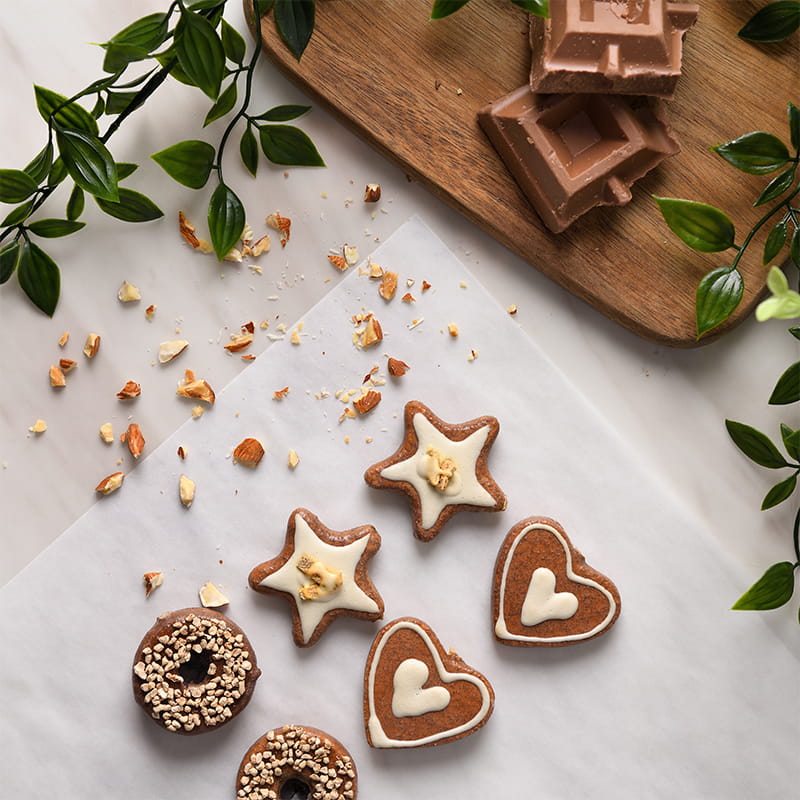
Product Features: 1. Virgin wood pulp 2. Double sides food grade silicone-treated 3. Fluorine-free 4. Non-stick 5. Oven/Microwave safe 6. Freezer safe 7. Reusable 8. BPA f...
See Details -
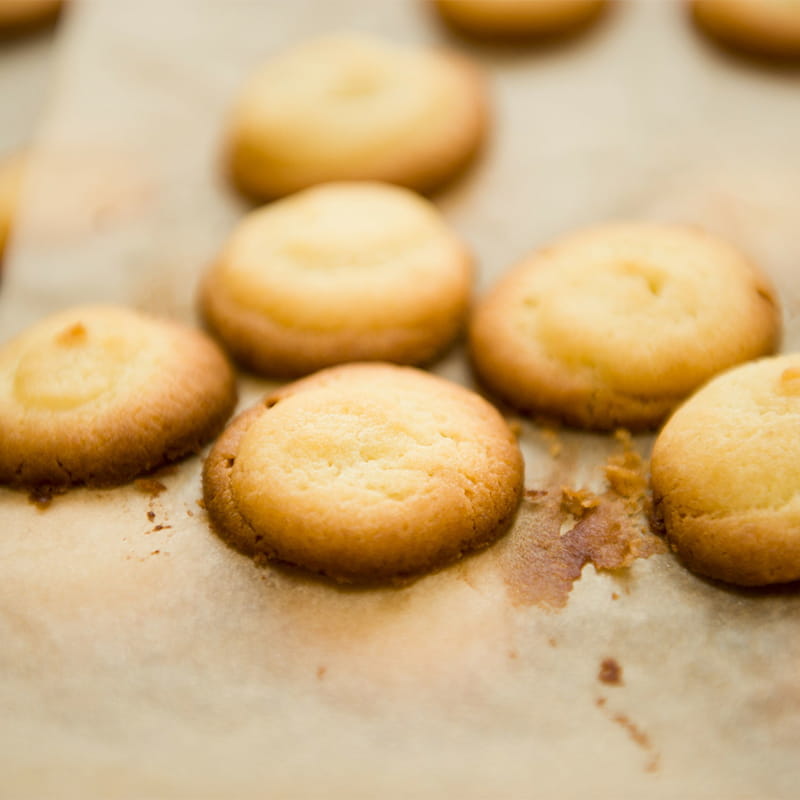
Product Features: 1. Virgin wood pulp 2. Natural unbleached brown color 3. Double sides food grade silicone-treated 4. Fluorine-free 5. Non-stick 6. Oven/Microwave safe 7. Fre...
See Details -
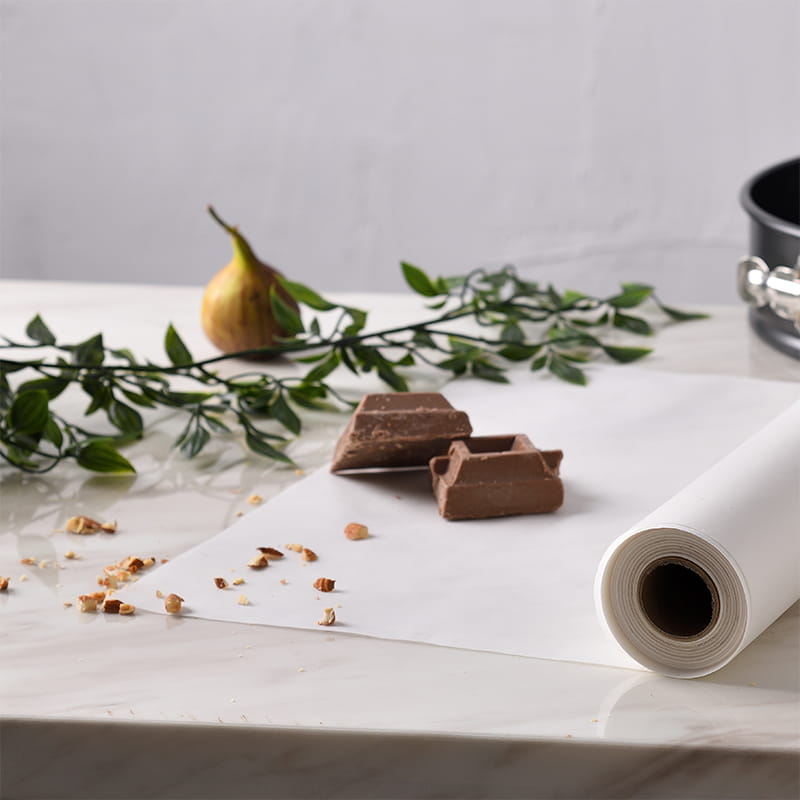
Product Features: 1. Virgin wood pulp 2. Double sides food grade silicone treated 3. Fluorine-free 4. Non-stick 5. Oven/Microwave safe 6. Freezer safe 7. Reusable 8. BPA ...
See Details -
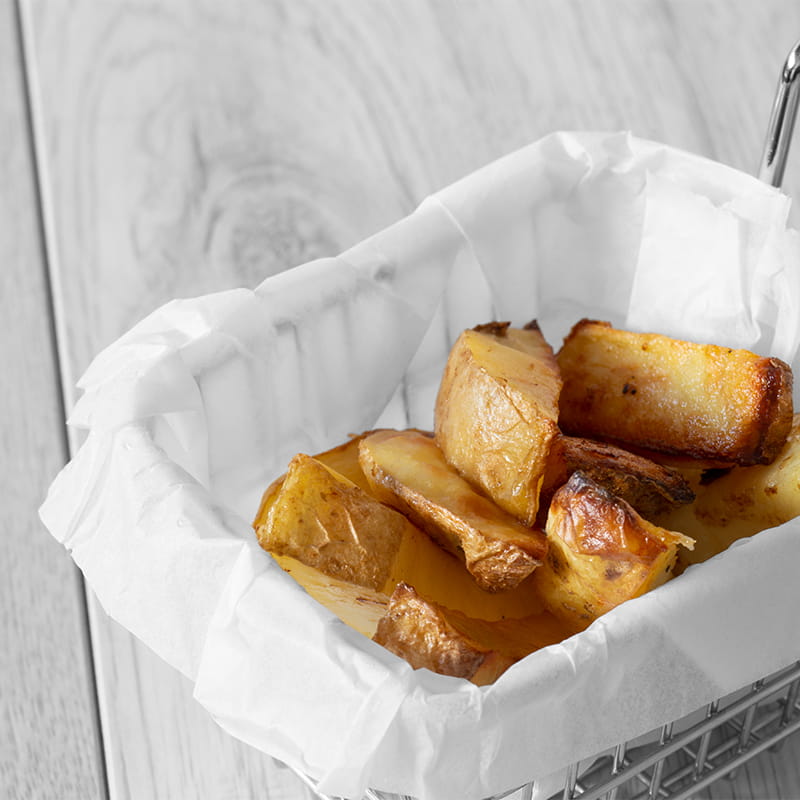
Product Features: 1. Virgin wood pulp 2. Fluorine-free 3. BPA free 4. Biodegradable Product Details: In an era where environmental consciousness and sustainability are paramount, Natu...
See Details -
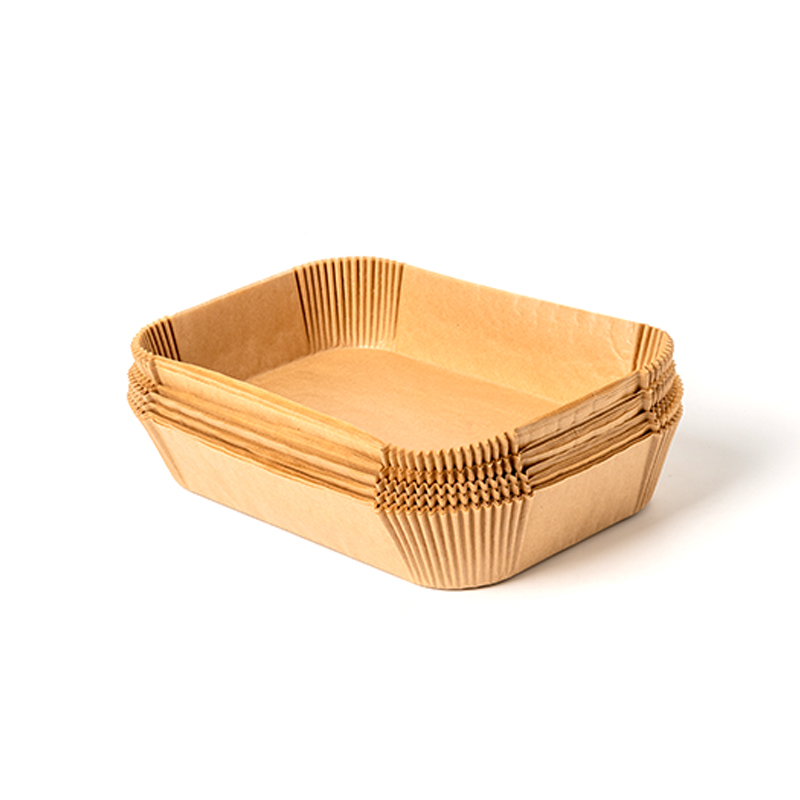
Product Features: 1. Virgin wood pulp 2. Double sides food grade silicone-treated 3. Fluorine-free 4. Non-stick 5. Air fryer basket safe 6. Reusable 7. BPA free 8. Biodeg...
See Details -
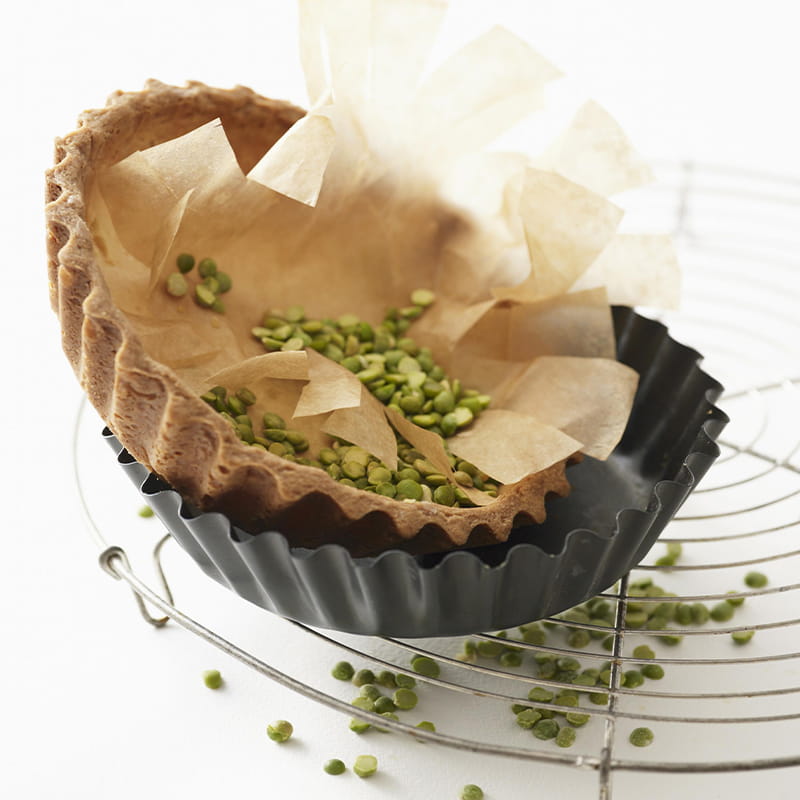
Product Features: 1. Virgin wood pulp 2. Natural unbleached brown color 3. Fluorine-free 4. BPA free 5. Biodegradable Product Details: Introducing our Unbleached Brown Food Grade ...
See Details -
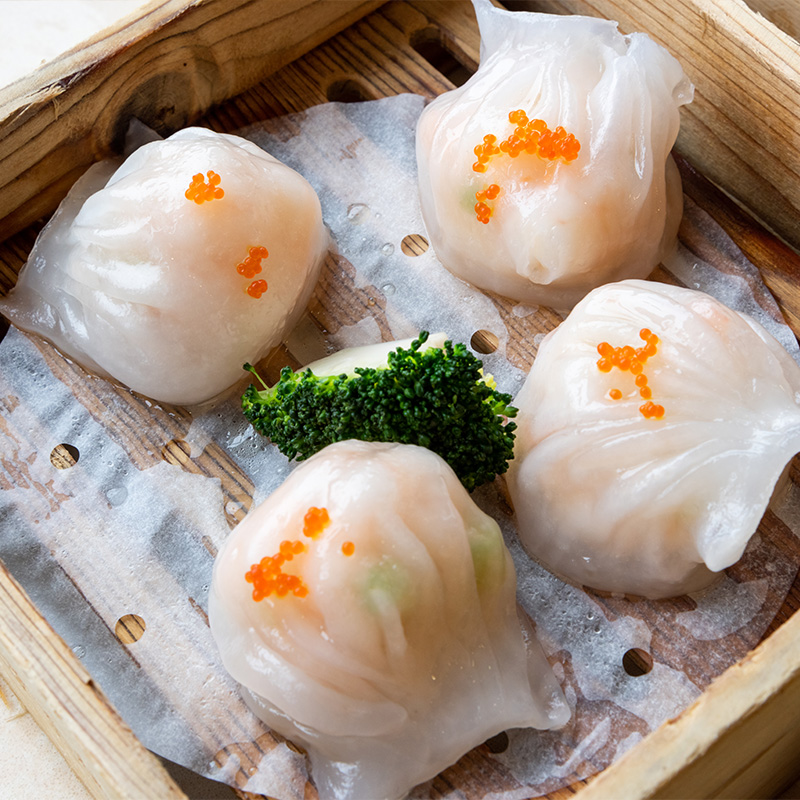
Product Features: 1. Virgin wood pulp 2. Double sides food grade silicone treated 3. Fluorine-free 4. Non-stick 5. Steamer/air fryer basket safe 6. Reusable 7. BPA free 8...
See Details -
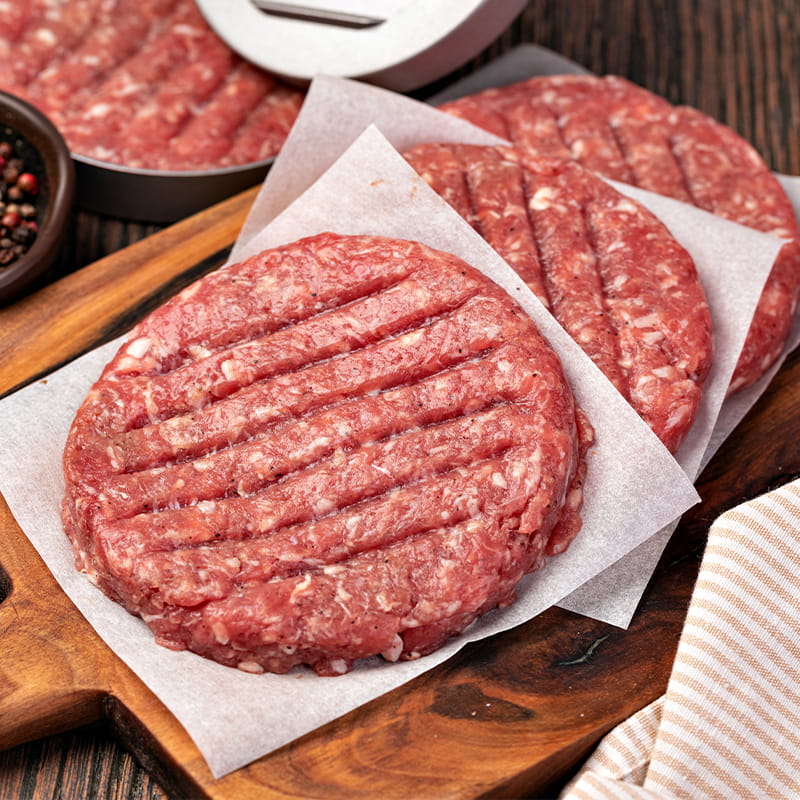
Product Features: 1. Virgin wood pulp 2. Double sides food grade silicone treated 3. Fluorine-free 4. Non-stick 5. Easy to separate 6. Reusable 7. BPA free 8. Biodegradab...
See Details -
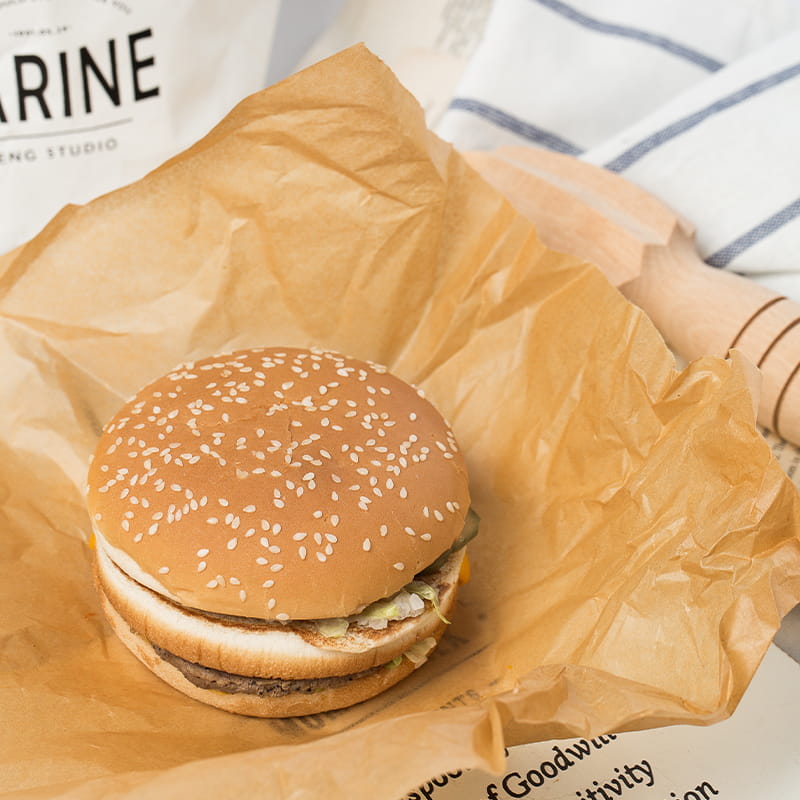
Product Features 1. Virgin wood pulp 2. Flexographic printing 3. Eco-friendly water-based ink 4. BPA free Product Details: Introducing our premium Greaseproof Sandwich Paper Sheets, a...
See Details

Professional Baking Parchment Paper Manufacturer in China with more than 15 years silicone coating experience.
Products
Contact Us
- No.10 Longyin Road, Chengnan Industrial Park,Longyou, Quzhou, China.
- +86-18968091013 / +86-571-88639705
- Avayao-1990@hotmail.com
Copyright © Zhejiang Guanghe New Materials Co., Ltd. All Rights Reserved.
Parchment Paper & Baking Paper Sheets Manufacturer
