 English
 中文简体
中文简体
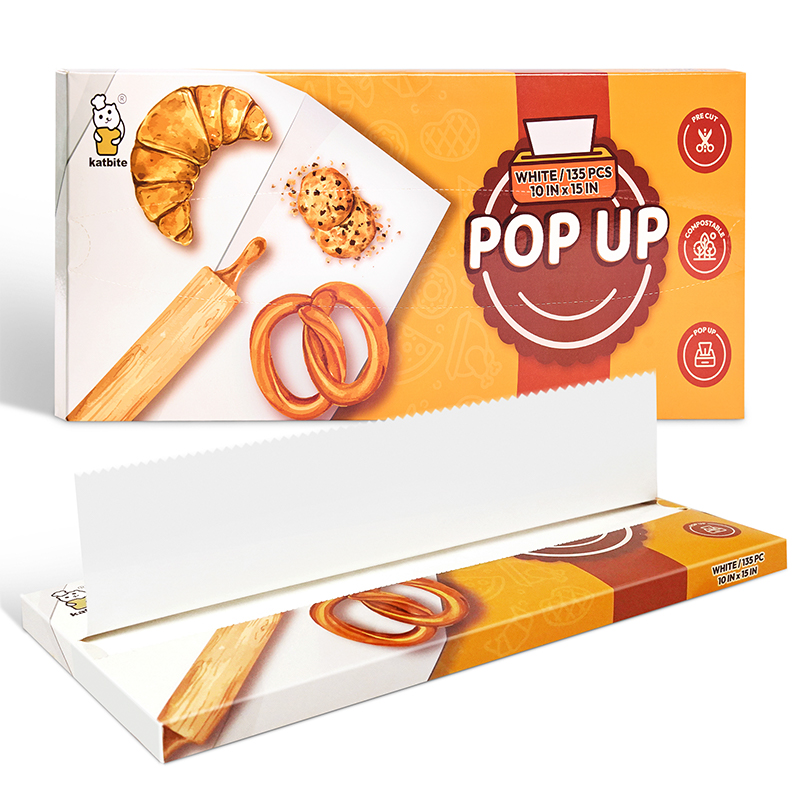
Product details: Pop-up parchment paper sheets, an environment-friendly product, are composed of wood pulp and are double-side coated with silicone. Such a coating makes our paper smooth, greasepr...
See DetailsAir Fryer Paper Liners Revolutionize the Way We Cook and Clean
The air fryer has found a steady place in kitchens around the world, bringing a method of cooking that relies on rapid hot air movement to produce crisp results with far less oil than conventional frying. This shift in approach has encouraged the development of accessories designed to make daily use more efficient and pleasant. Among these, Air Fryer Paper Liner liners stand out as a straightforward yet effective addition. They serve as a removable layer inside the cooking basket or tray, helping to manage food contact, contain residues, and simplify the steps that follow preparation.
These liners are generally crafted from food-grade parchment paper, often pre-cut or pre-formed to match typical basket shapes. The material resists the temperatures generated during cooking cycles and allows for proper air circulation in designs that include perforations or breathable structures. Users insert the liner before placing ingredients, creating a clean surface that collects drips, crumbs, and excess moisture while protecting the underlying metal.
How Paper Liners Fit into Air Fryer Operation
The fundamental purpose of an air fryer paper liner is to act as an intermediary between food and the appliance itself. Direct placement of ingredients can to sticking, particularly with items coated in sauces, batters, or natural fats. Residue then settles into the basket's openings or along edges, complicating cleanup. A liner covers these areas, capturing particles and liquids so they remain separate from the permanent surfaces.
The paper's structure supports the convection process central to air frying. Many liners feature small openings or a porous quality that permits hot air to pass through from below, ensuring food cooks evenly without significant obstruction. Even solid liners function well for many preparations because the circulating air reaches the top and sides effectively. The key lies in proper placement—flattening the liner and weighting it with food to keep it secure throughout the cycle.
This arrangement alters the interaction between ingredients and the cooking environment in helpful ways. Marinades stay contained rather than baking onto metal. Loose coatings or small pieces remain in place instead of falling through perforations. When cooking concludes, the liner gathers the bulk of any leftovers, leaving the basket in a cleaner state.
Aligning with Lower-Oil Cooking Goals
One reason air fryers continue to attract attention is their capacity to deliver textures associated with frying while using minimal added fat. The hot air crisps surfaces and maintains moisture inside, often eliminating the need for deep oil baths. Paper liners enhance this aspect by making oil-free or low-oil methods more dependable.
Recipes that traditionally suggest a brush or spray of oil for release and browning can frequently proceed without it when a liner is in use. The paper provides a naturally non-stick base for many ingredients, allowing food to rest directly on it with reduced risk of adhesion. Any fats rendered during cooking collect on the liner surface instead of spreading across the basket or tray.
This setup proves useful across protein sources, vegetables, and plant-based alternatives. Chicken portions develop crisp exteriors without additional coating. Fish fillets release cleanly after cooking. Roasted vegetables caramelize at the edges while the liner manages released juices. The focus remains on the natural characteristics of the food rather than on compensating for potential sticking.
Reducing Time Spent on Cleanup
Cleanup often determines how frequently people reach for a kitchen appliance. In the case of air fryers, baskets can accumulate baked-on residue in crevices and perforations, requiring soaking, scrubbing, or specialized brushes. Paper liners change this routine by transferring the majority of mess to a disposable or washable sheet.
At the end of a cooking session, the liner lifts away in one motion, carrying drips, crumbs, and stray particles. The basket below typically needs only a light rinse or wipe rather than intensive cleaning. For individuals or families who use the air fryer several times a week, the accumulated time savings become noticeable.
The reduced scrubbing also means less wear on the basket's interior finish. Coatings or metal surfaces face fewer abrasive encounters, which can contribute to maintaining the appliance's condition over extended periods. In busy households, this efficiency supports more frequent use without adding to daily kitchen burdens.
Variations in Liner Materials and Design
Paper liners appear in several forms to accommodate different needs. Unbleached varieties maintain a natural tone and avoid certain chemical treatments. Biodegradable options decompose under suitable composting conditions, providing an environmentally conscious choice for those who prefer to limit landfill contributions.
Single-use liners offer simplicity—no washing, no risk of residue carryover between meals. Thicker, reusable paper-based versions withstand gentle cleaning and multiple cycles, appealing to users who favor reduced waste. Some designs include raised edges for containing liquids, while others remain flat for versatility.
These differences allow selection based on cooking frequency, household size, and personal priorities around convenience and sustainability. Daily cooks might opt for reusable types to balance cost and environmental impact, whereas occasional users often choose single-use for ease.
| Type | Key Characteristics | Main Advantages | Suitable |
|---|---|---|---|
| Unbleached | Natural color, avoids certain chemical treatments | More natural appearance, fewer chemicals | Users concerned about processing additives |
| Biodegradable | Decomposes in suitable composting conditions | Environmentally friendly, reduces landfill | Eco-conscious households |
| Single-use | Disposable, no cleaning required | Maximum convenience, zero residue carryover | Occasional users, busy schedules |
| Reusable (thicker paper) | Withstands gentle washing, multiple uses | Reduced waste, cost-effective long-term | Daily / frequent cooks |
| Raised-edge designs | Edges help contain liquids | Better for juicy or saucy foods | Wet/marinated preparations |
| Flat designs | Simple, no raised sides | Versatile, works for dry foods | General roasting, baking, reheating |
Practical Advantages in Daily Routines
Pre-shaped liners eliminate the need to cut or fold larger sheets to size. They fit standard baskets with minimal adjustment, saving time during setup. Placement involves setting the liner in position, adding ingredients promptly to hold it down, and starting the cycle as usual.
No significant changes to temperature, time, or fan settings are generally required. The liner integrates seamlessly into existing recipes and methods. After cooking, disposal or cleaning takes only moments, keeping the workflow uninterrupted.
Storage remains simple—keeping liners in a dry drawer or container preserves their flat shape and readiness. Organizing by size helps when multiple air fryer models are present in a kitchen.
Expanding the Range of Suitable Dishes
Paper liners support an array of preparations that benefit from their stable, non-stick surface. Vegetables roast with even browning when arranged in a single layer. The liner draws away excess moisture, promoting crisp edges rather than steaming.
Proteins such as poultry, seafood, or patties turn easily without pieces breaking apart. Breaded items maintain their coatings more effectively because stray crumbs stay on the paper instead of lodging in perforations.
Small baked goods, including dough portions, egg dishes, or fruit-based items, hold their form without sticking or uneven heat transfer on the bottom. The paper moderates direct contact, helping achieve balanced results.
When using additional accessories like racks or trays, a liner on the lower level catches drips from foods above, preventing flavor mingling and preserving cleanliness.
Batch cooking becomes more fluid. Fresh liners between different food types allow continuous operation without cleaning pauses, ideal for preparing complete meals in stages.
The air fryer paper liners serve as a helpful layer that sits inside the basket, catching drips and keeping food from bonding directly to the metal. To get the results, choose a liner that matches the basket size closely so it covers the bottom fully but does not hang over the edges in a way that might interfere with air movement or stop the basket from closing properly. Arrange food items with some space between them instead of piling everything in tightly—this keeps the hot air flowing around each piece for consistent cooking, no matter if a liner is present.
When working with foods that give off a lot of liquid or rendered fat, such as juicy meats or marinated vegetables, the paper's ability to soak up some of that moisture helps food stay crisp on the outside instead of turning soggy from sitting in its own juices. Pause the cooking cycle halfway through to check how things are progressing; this gives a chance to flip pieces, rearrange them, or adjust the time if one side is browning faster than expected.
Never drop an empty liner into a hot, preheated air fryer because the strong rush of air can cause it to lift up and possibly touch the heating element. Instead, position the liner first, then load the food right away to hold it flat and secure against the bottom. Once the cycle finishes, let everything cool for a minute or two before pulling out the liner—this avoids burns and makes removal smoother. For the reusable kind made from thicker paper, wash them gently in warm, soapy water after each use, rinse well, and air-dry completely to stop any mold from forming over time.
Different foods respond well to the liner in their own ways. Root vegetables sliced into even chunks roast nicely because the paper pulls away extra moisture that would otherwise cause steaming rather than crisping, to tender insides with browned edges using little or no added oil. Frozen items, like fries or nuggets, release water as the ice melts; the liner keeps that liquid contained so it does not splash around or create extra mess in the basket.
| Food Type | Key Benefit from Liner | Result / Advantage |
|---|---|---|
| Root vegetables (e.g. potatoes, carrots) | Absorbs excess moisture released during cooking | Crisps instead of steams; tender inside, browned edges with minimal/no oil |
| Frozen items (e.g. fries, nuggets) | Contains water released from melting ice | Prevents splashing and mess in the basket |
Items with breading or coatings hold together better during flips and turns since the smooth paper base prevents them from tearing or losing pieces that might fall through the holes. Delicate proteins, including thin fish fillets or sliced chicken, slide off easily without sticking or breaking apart, and any marinade stays on the liner instead of burning onto the metal. When reheating leftovers, the liner revives that original crunch without letting the food dry out too much, and it shields the basket for the next round of cooking right away.
Sweet dishes with fruits, syrups, or dough benefit too—the paper catches sticky juices or melted sugars so they do not harden permanently on the appliance surfaces, making future uses simpler regardless of whether the next meal is savory or sweet.
Strong-smelling ingredients like garlic, onions, seafood, or heavy spices tend to leave less odor behind in the air fryer when a liner traps the drips and bits that would otherwise soak into the basket. This keeps the interior fresher between cooks. For meals with several parts, swap in a fresh liner for each category so flavors do not mix—a garlicky main dish followed by a dessert, for instance, stays separate without any carryover taste.
The even base created by the liner helps heat reach the bottom of food more uniformly, so browning happens steadily across the surface rather than in uneven spots where metal touches food directly. Recipes that people make often turn out with steadier results from one time to the next, which builds trust when doubling portions or tweaking spices and seasonings.
People just starting with air fryers find liners ease the initial learning phase by cutting down on sticking problems and heavy scrubbing right from the start—basic dishes come out well more often, which motivates trying new things without frustration. Those who have used the appliance for a while treat liners as a reliable starting point when experimenting with fresh coatings, rubs, or cooking times; the consistent surface makes it clearer what effect each change has.
Using liners regularly shields the basket from direct contact with sticky sauces, acidic marinades, or rough food particles that could scratch or stain the finish over time. Less need for aggressive scrubbing also means the appliance faces less overall strain, which can help it last through years of frequent meals.
Liners slide naturally into weekly meal routines—slipping one in ahead of time means grabbing prepped ingredients and starting quickly on hectic days. They handle seasonal changes smoothly too: light summer vegetables roast fast with their natural moisture managed, while denser fall roots and winter squashes cook evenly despite higher water content in some cases. Cleanup stays simple enough that family members, including children, can join in placing food on the liner, confident the aftermath will not turn into a big chore.
Hand-cutting sheets of regular parchment takes time to measure and shape for a good fit, whereas liners designed for air fryers drop in ready to go. Silicone alternatives last through many washes and often go in the dishwasher, but they sometimes require extra rinsing to remove grease and can subtly change how heat spreads compared to paper. Paper liners strike a balance: quick and effortless for one-time or occasional meals, with thicker reusable versions available for those who want something longer-lasting without switching entirely to another material.
Safety stays straightforward by sticking to standard air fryer rules—keep liners away from the heating coil, ensure they sit flat inside the basket without bunching up, and watch the process closely when trying new combinations or bigger loads. Staying aware during cooking keeps everything running smoothly and without issues.
Zhejiang Guanghe New Materials Co., Ltd.
Guanghe baking paper has quietly established itself as an essential companion for air fryer users seeking cleaner, more consistent, and hassle-free cooking experiences. By providing a reliable non-stick barrier that captures drips, prevents adhesion, and preserves the appliance's interior, this simple sheet addresses the everyday realities of air frying without complicating the process. Whether preparing quick weeknight vegetables, delicate proteins, batch-cooked meal components, or occasional sweet treats, Guanghe baking paper adapts effortlessly to different ingredients and cooking styles while supporting reduced-oil methods and straightforward cleanup. Its thoughtful design—heat-resistant, food-safe, and available in both single-use and reusable forms—offers practical value that accumulates over time through saved effort, fewer frustrations, and longer appliance life.
As air fryers remain a central part of modern home cooking, Guanghe baking paper stands as a small but meaningful upgrade that enhances reliability and enjoyment, allowing cooks to focus on flavor, texture, and the pleasure of the meal rather than the aftermath in the kitchen.
Related Products
-
-
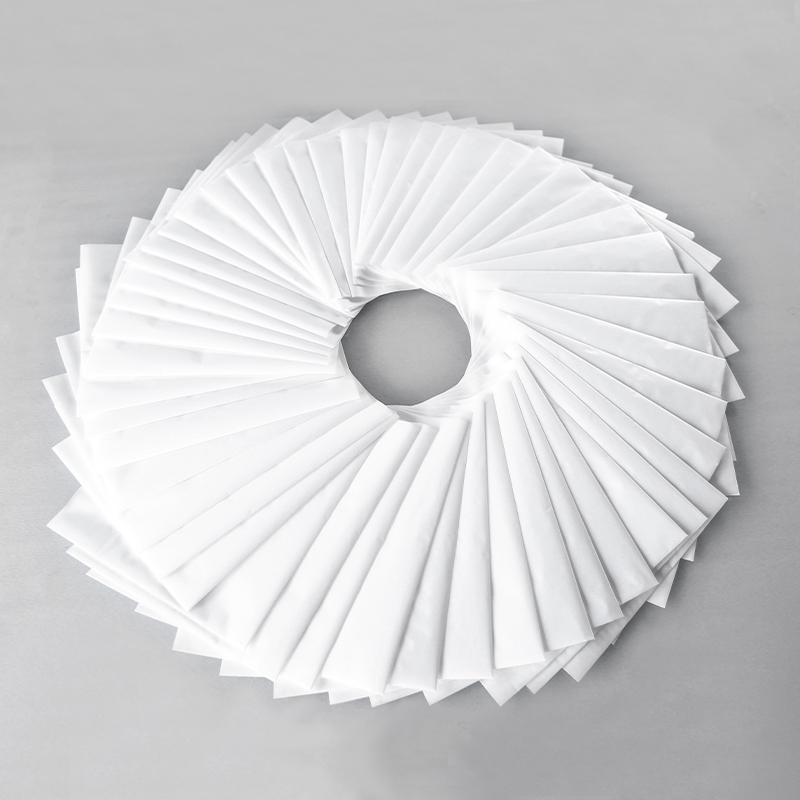
Product details: Folded baking paper sheets, an environment-friendly product, are composed of wood pulp and are double-side coated with silicone. Such a coating makes our paper smooth, greaseproof and...
See Details -
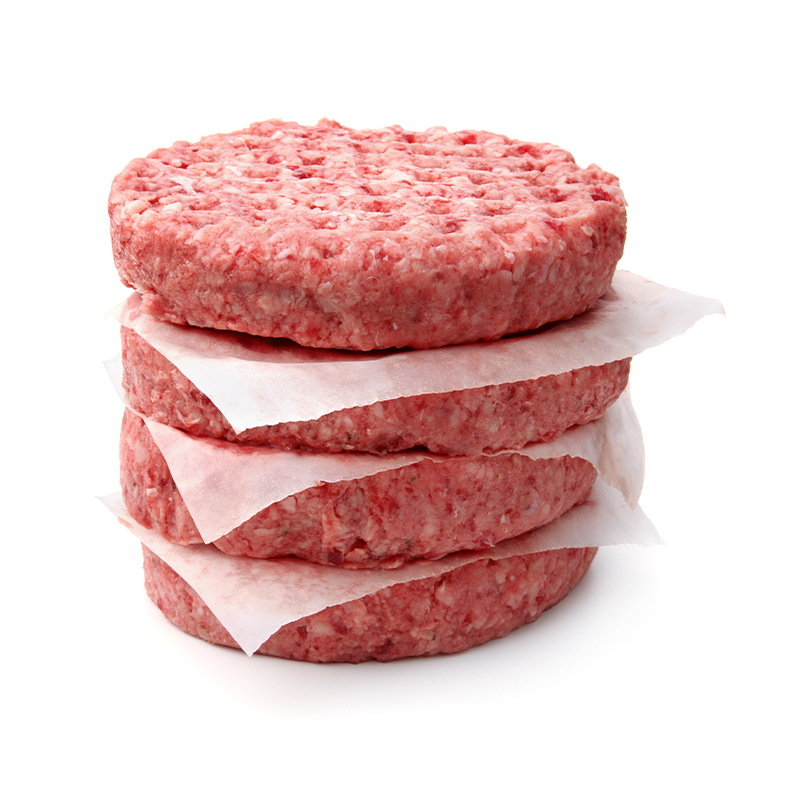
Description: Wax paper is the paper that is coated with food-grade wax in order to make it non-stick and waterproof. wax paper is very good for food storing and presentingMade of food-grade paper and ...
See Details -
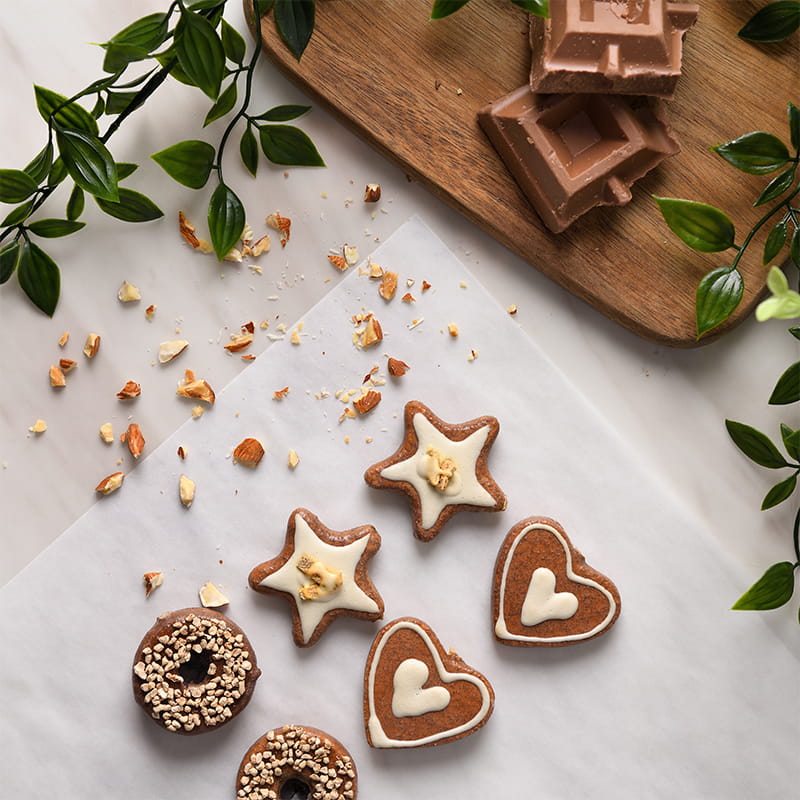
Product Features: 1. Virgin wood pulp 2. Double sides food grade silicone-treated 3. Fluorine-free 4. Non-stick 5. Oven/Microwave safe 6. Freezer safe 7. Reusable 8. BPA f...
See Details -
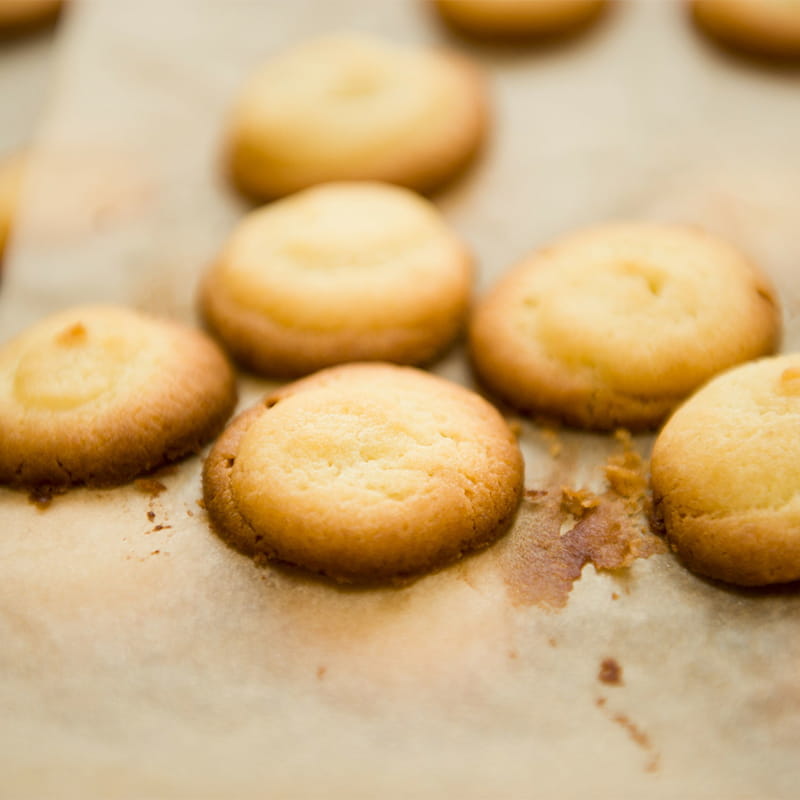
Product Features: 1. Virgin wood pulp 2. Natural unbleached brown color 3. Double sides food grade silicone-treated 4. Fluorine-free 5. Non-stick 6. Oven/Microwave safe 7. Fre...
See Details -
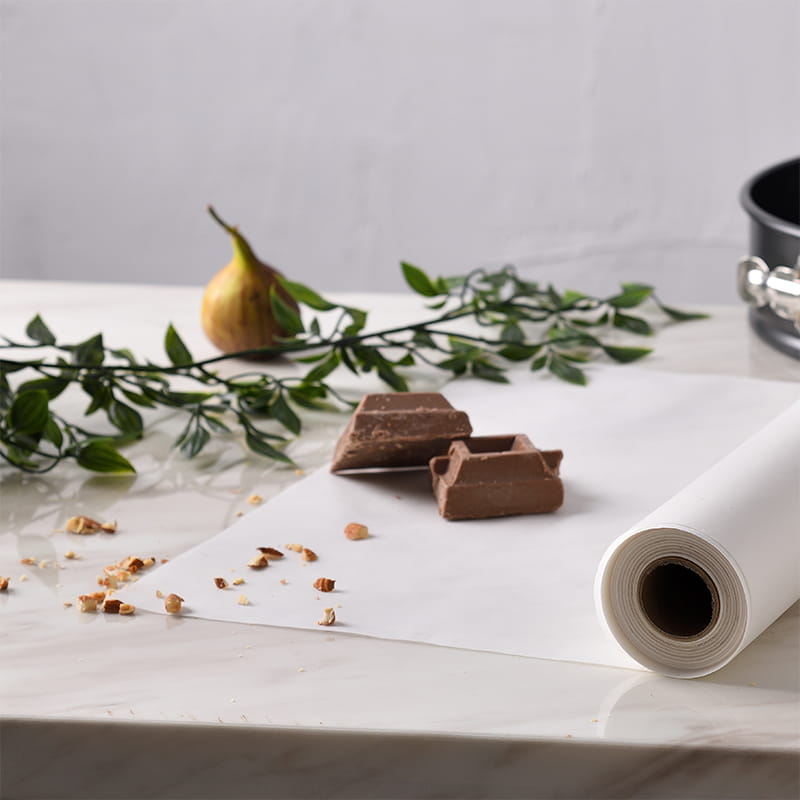
Product Features: 1. Virgin wood pulp 2. Double sides food grade silicone treated 3. Fluorine-free 4. Non-stick 5. Oven/Microwave safe 6. Freezer safe 7. Reusable 8. BPA ...
See Details -
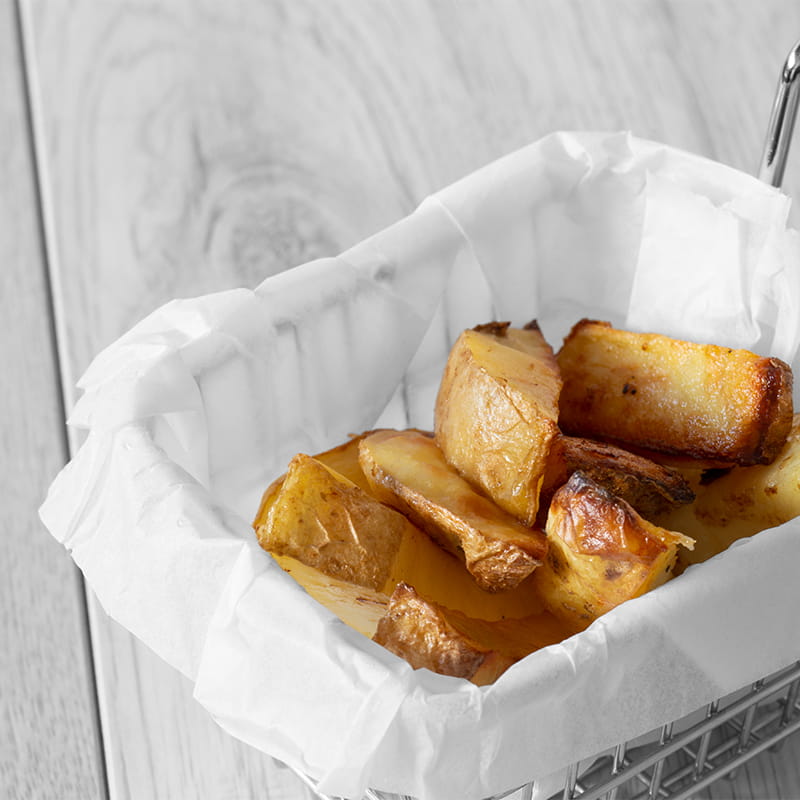
Product Features: 1. Virgin wood pulp 2. Fluorine-free 3. BPA free 4. Biodegradable Product Details: In an era where environmental consciousness and sustainability are paramount, Natu...
See Details -
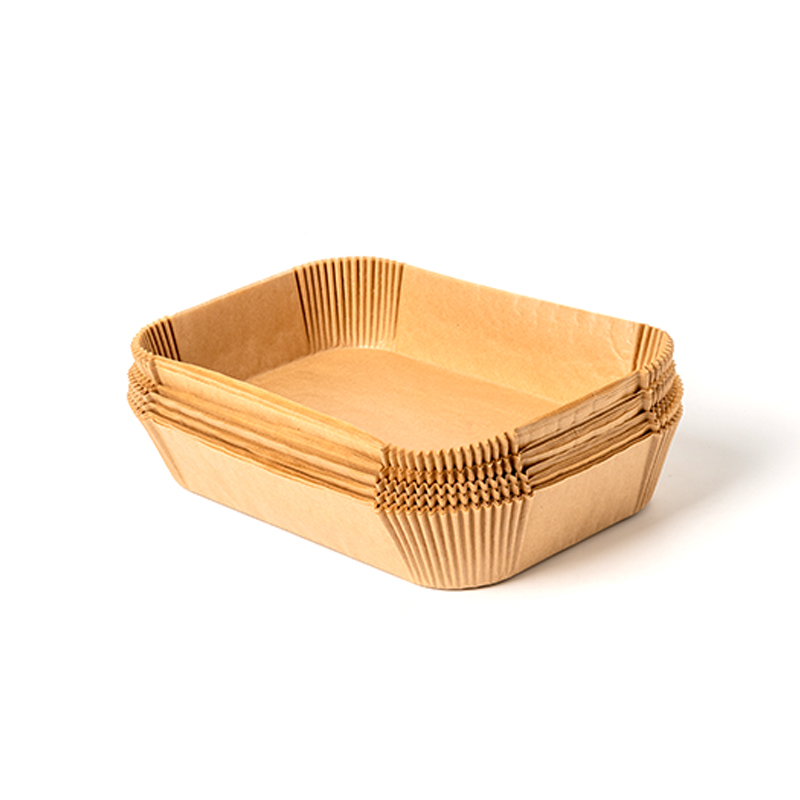
Product Features: 1. Virgin wood pulp 2. Double sides food grade silicone-treated 3. Fluorine-free 4. Non-stick 5. Air fryer basket safe 6. Reusable 7. BPA free 8. Biodeg...
See Details -
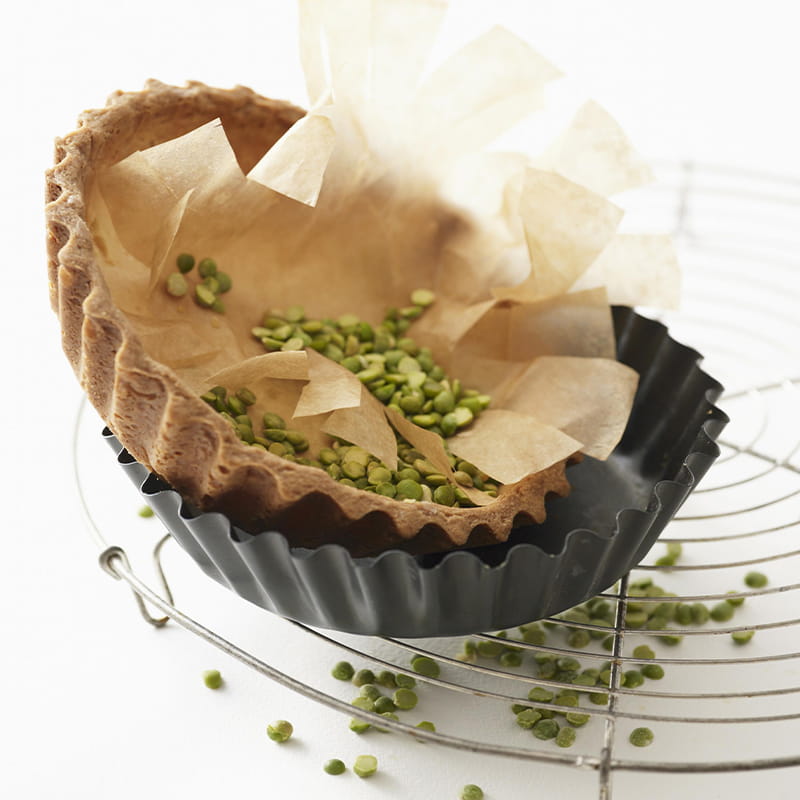
Product Features: 1. Virgin wood pulp 2. Natural unbleached brown color 3. Fluorine-free 4. BPA free 5. Biodegradable Product Details: Introducing our Unbleached Brown Food Grade ...
See Details -
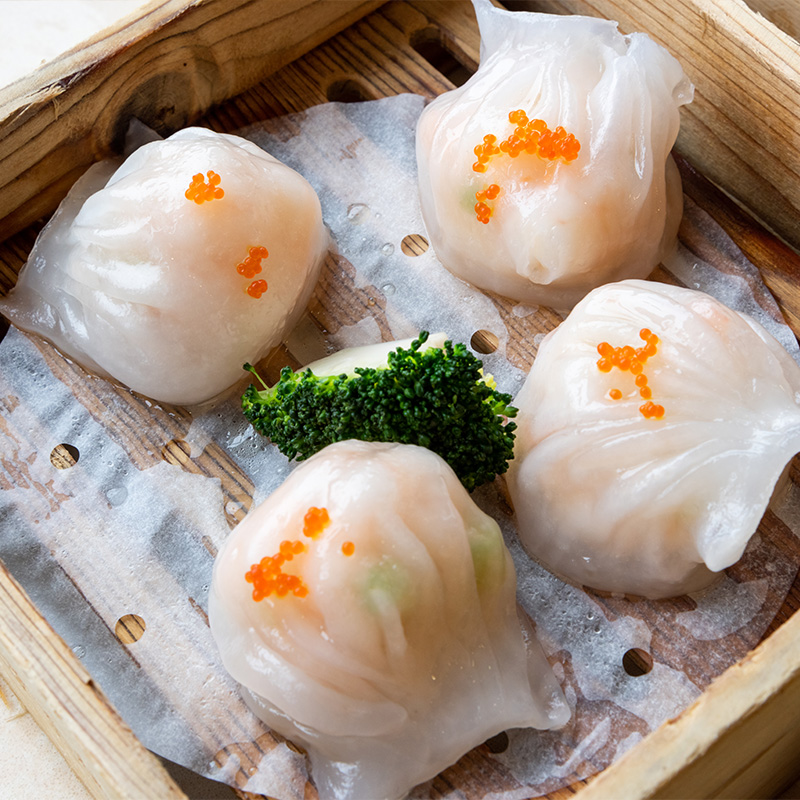
Product Features: 1. Virgin wood pulp 2. Double sides food grade silicone treated 3. Fluorine-free 4. Non-stick 5. Steamer/air fryer basket safe 6. Reusable 7. BPA free 8...
See Details -
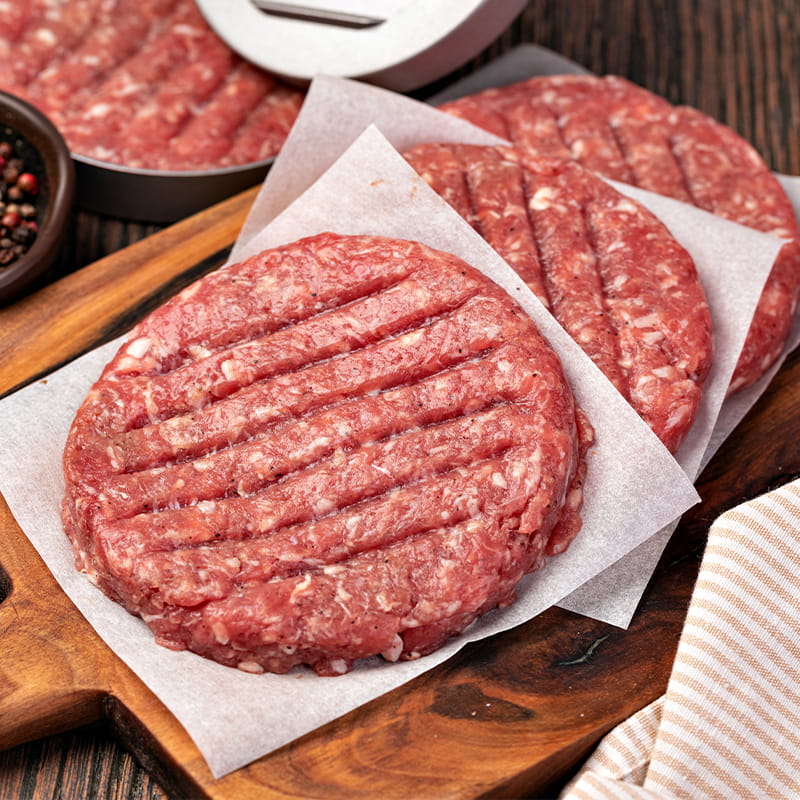
Product Features: 1. Virgin wood pulp 2. Double sides food grade silicone treated 3. Fluorine-free 4. Non-stick 5. Easy to separate 6. Reusable 7. BPA free 8. Biodegradab...
See Details -
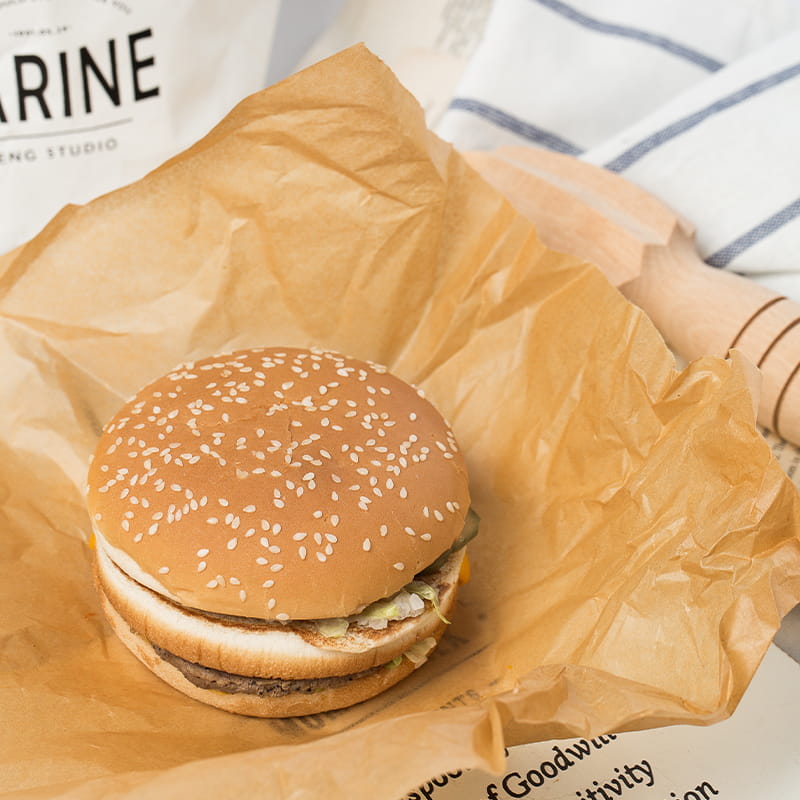
Product Features 1. Virgin wood pulp 2. Flexographic printing 3. Eco-friendly water-based ink 4. BPA free Product Details: Introducing our premium Greaseproof Sandwich Paper Sheets, a...
See Details

Professional Baking Parchment Paper Manufacturer in China with more than 15 years silicone coating experience.
Products
Contact Us
- No.10 Longyin Road, Chengnan Industrial Park,Longyou, Quzhou, China.
- +86-18968091013 / +86-571-88639705
- Avayao-1990@hotmail.com
Copyright © Zhejiang Guanghe New Materials Co., Ltd. All Rights Reserved.
Parchment Paper & Baking Paper Sheets Manufacturer
